

For business owners, selecting the right bean-to-cup coffee machine is crucial in delivering high-quality coffee that satisfies customers and enhances their experience. The right machine does not only streamline the brewing process but also allows for precise customization to meet diverse coffee preferences. This article explores the vital features to look for in a bean-to-cup coffee machine. We will delve into grinding precision and adjustability, brewing customization options, water quality and temperature control, automatic cleaning and descaling functions, as well as milk frothing systems, highlighting their importance for business effectiveness and customer satisfaction.
The Precision Grind: Mastering Grinding Precision and Adjustability in Bean-to-Cup Machines

Grinding precision and adjustability are core to how a bean-to-cup machine translates beans into flavor. A well-tuned grinder delivers a consistent grind size, minimal fines, and stable retention, letting the machine reproduce shots with confidence. Many machines offer stepless adjustment, which provides infinite micro-adjustments to fine-tune espresso or other beverages. Small changes in grind size can shift extraction dramatically, so the goal is repeatable settings across beans and roast levels.
Burr types matter: conical burrs with lower RPMs reduce heat and preserve oils; flat burrs offer fast, consistent grind across a wider range. The choice affects temperature rise, speed, and grind retention. The practical upshot is that the burr geometry you select helps manage heat, drift, and the texture of the brew.
Automatic calibration and digital controls help tailor grind to bean type, roast level, and even humidity. Profiles can be saved for specific drinks, and the grind can be adjusted while monitoring pull time, crema, and density. This is not magic, but a carefully tuned loop that improves reproducibility across origins and seasons.
Dosing and tamping must harmonize with grinding. Electronic dose control and precise grinders support consistent puck formation, while removable portafilters and integrated tampers influence how cleanly the ground coffee is compacted. In short: precision grinding supports reliable dosing and repeatable extraction.
Maintenance matters as much as capability. Regular cleaning cycles, accessible burr compartments, and clear reminders prevent oil buildup and heat that can dull grind quality. When shopping, seek machines that offer easy maintenance and transparent guidance to keep grind performance steady over months and years.
Mastering Brew Profiles: How Customization Defines a Bean‑to‑Cup Machine

Customization is the defining feature of a great bean‑to‑cup machine. It turns a solid automatic brewer into a precision instrument you can tune to match beans, mood, or recipe. Instead of accepting a single factory setting, these machines let you shape every essential brewing variable: grind size, brew strength, water temperature, and shot volume. When those controls work together, a machine can deliver everything from a sharp, concentrated espresso to a smooth, milky latte that highlights a nutty single origin. This chapter walks through the practical meaning of each control, how they interact, and how to use programmable profiles to make consistent, repeatable coffee that fits your daily routine.
Begin with the grinder, because grind is where extraction starts. Built‑in burr grinders are standard in quality bean‑to‑cup machines, and they are worth prioritizing. Burrs crush beans between two surfaces, producing a consistent particle size. Consistency matters: uneven particles extract unevenly, creating sour or bitter notes. The grind adjustment lets you move from fine to coarse. A finer grind increases surface area and slows water flow, producing a fuller extraction and more body—ideal for espresso. Coarser settings reduce extraction speed and are better for gentler methods. In practice, treat grind as your first tuning knob. If shots taste sour, try a finer grind. If they taste burnt or overly bitter, try slightly coarser.
Brew strength controls are often presented as a separate setting, but they work in tandem with grind. Strength settings typically adjust dose or the ratio of coffee to water. A stronger setting increases concentration, making the cup bolder without changing extraction time. However, strength is not a substitute for proper grind and dose control. Rely on strength presets for convenience, but use grind and dosing to fine‑tune clarity and balance. For example, if you prefer a richer flavor for a milk drink, slightly increase dose or strength while keeping extraction time stable to avoid over‑extraction.
Water temperature is the heat behind extraction, and small differences change flavor dramatically. Most machines aim for the 90–96°C range. Within that band, lower temperatures favor brightness and acidity, which can highlight floral or fruity beans. Higher temperatures encourage fuller extraction and body, bringing out chocolate and caramel notes. Machines with precise temperature control, such as PID regulation, hold temperature steady and reduce cycle‑to‑cycle variation. If your machine offers temperature steps, experiment across a couple of degrees while tasting. A fixed recipe for a new bean might call for 92°C; a roast that tastes muted at that temperature may open up at 95°C.
Shot volume and extraction time determine concentration and perceived strength. For espresso, typical single and double volumes fall into well‑established ranges, but many bean‑to‑cup machines allow absolute control so you can set exact milliliters or ounces. Keep in mind that volume interacts with dose and grind: increasing the water volume against the same dose weakens the espresso. A useful method is to set a target extraction time or yield and adjust grind and dose until the machine extracts within that range while producing a balanced cup. When you change beans or roast levels, repeat this process rather than relying on a single saved volume.
Programmable profiles change how these variables come together. They allow you to save combinations of grind, strength, temperature, and volume for specific beans or users. For households with multiple drinkers, profiles are indispensable—they instantly reproduce a favorite drink without manual tweaking. Profiles also speed experimentation. When trying a new origin, save three profiles with small variations in temperature and grind. Taste side‑by‑side and choose the best one. The convenience encourages systematic tasting and keeps successful settings ready for daily use.
The advanced customization features found in many high‑end machines extend beyond static settings. Pre‑infusion, for instance, wets the coffee bed briefly before full pressure is applied. That stage can smooth extraction and enhance sweetness. Pressure profiling, another advanced capability, adjusts pump pressure through the shot. Lower initial pressure can emphasize delicate aromatics, while higher finish pressure extracts more body. Not all bean‑to‑cup machines include these features, but when present they give a professional level of control that rewards careful tasting.
Customization requires a disciplined approach. Change one variable at a time and record results. Start with a baseline recipe for a new bean: choose a conservative dose, set a medium grind, select a mid‑range temperature, and pick a shot volume that matches your expected drink. Pull the shot, taste, and ask whether the cup is under‑extracted (thin, sour), balanced, or over‑extracted (bitter, harsh). If under‑extracted, grind finer or raise temperature slightly. If over‑extracted, coarsen the grind or lower temperature. Small adjustments matter: move the grinder one notch, change temperature by a degree or two, or tweak shot volume by a few milliliters.
Dosing mechanics and tamping also influence how customization plays out. Machines with electronic dosing deliver consistent portion sizes, which stabilizes flavor. Removable portafilters and integrated tampers simplify maintenance and consistency. If your machine offers manual dosing control, learn its repeatability limits and compensate with regular calibration. Consistent routine—same dose, identical tamp, clean group—lets your customization choices shine. Inconsistent handling masks improvements and makes it harder to replicate good results.
Milk‑based drinks place different demands on customization. A slightly different recipe often suits cappuccinos and lattes than straight espresso. Milk adds sweetness and texture, so you may prefer a shorter extraction or lower temperature to avoid an overly bitter cup once milk is added. Machines that allow separate profiles for espresso and milk drinks are extremely helpful, saving one configuration optimized for pure espresso and another for milk blends.
Maintenance and water quality are silent partners in customization. Mineral buildup, dirty components, or variable water hardness change extraction dynamics. Regular cleaning and timely descaling preserve the behavior you tuned. If a previously successful profile starts tasting off, check cleaning status and water quality first. Use filtered water where possible; consistent mineral content supports predictable extraction and protects machine internals.
Finally, customization is not just for experts. Modern bean‑to‑cup machines blend automation with control so novices can enjoy a great cup while advanced users dig deeper. Start simple: choose a profile, taste, and make one change. Over time you will build a small library of profiles for different beans, roasts, and drink types. That library becomes the point of ownership—the machine delivers consistency when you want it and flexibility when you want to experiment. For a deeper technical dive into how manufacturers design customization into bean‑to‑cup systems, consult the official guidance from industry makers for step‑by‑step parameter tuning: https://www.lamarzocco.com/en/support/bean-to-cup-customization-guide
null

null
Clear Cups, Consistent Craft: Why Automatic Cleaning and Descale Features Matter in Bean-to-Cup Machines

Across the spectrum of bean-to-cup coffee machines, maintenance features that automate cleaning and descaling quietly shape the quality of every cup. They are not shiny add-ons; they are custodians of flavor, reliability, and efficiency. When you weigh the features of a potential machine, automatic cleaning cycles and descaling protocols deserve as much attention as grind adjustment or temperature control. They influence taste, hygiene, and long-term performance in ways that can transform a daily ritual into a consistently satisfying routine.
Automatic cleaning is the first line of defense against flavor drift and mechanical hiccups. After a brew, coffee oils and fines can cling to the group head, channels, and steam paths. If these residues accumulate, they can alter flow, temperature stability, and the texture of frothed milk. An automatic cleaning cycle flushes water through critical passages, often with a brief interaction that mirrors a manual rinse but without guesswork. In practice, you might press a dedicated clean button or initiate a scheduled program that runs at a set time or after a certain number of uses. The cycle typically combines warm water with a cleaning agent designed to neutralize oils and residues, followed by a thorough rinse to ensure no lingering cleaning solution ends up in the next cup. The effect is subtle but meaningful: the absence of stale flavors, a hint of cleanliness in the palate that you can taste as a well-maintained machine delivers the same, trustworthy shot day after day.
Descaling, by contrast, is a response to mineral buildup that occurs when hard water feeds the boiler and lines. Mineral deposits insulate heat surfaces, slowing down heat transfer and altering pressure dynamics. Over time, that can lead to longer heat-up times, uneven extraction, and inconsistent steam performance. An automated descaling routine recognizes when scale has formed or when the machine’s sensors indicate hardness-related concerns. It then guides the user through a descaling process that dissolves mineral buildup and clears pathways, often via a dedicated descaling cycle that runs with an approved descaling solution and a subsequent rinse. The sophistication of this feature is not in grandeur but in precision: a smart flow that minimizes downtime, reduces the risk of damage, and returns the system to its intended thermal and hydraulic behavior as efficiently as possible.
The best automation blends several elements into a cohesive experience. Some machines offer descaling prompts based on usage hours or water hardness settings, ensuring you are alerted before scale becomes a problem. Others integrate sensors that monitor scale formation and trigger partial or full descaling sequences automatically to preempt performance decline. Even when automation is not fully proactive, a clear, user-friendly interface for initiating cleaning and descaling—whether via a touchscreen, a physical button, or a mobile app—reduces the cognitive load. You can plan maintenance around your routines rather than chasing after the machine’s needs. In an era where consistency is a luxury and time is scarce, this automation becomes a meaningful companion rather than a chore.
The hygiene benefits of automated cycles extend beyond flavor. A system that routinely flushes lines and purges the brew group and steam paths minimizes the risk of microbial buildup and sticky residues in hard-to-see corners. This matters not just at home, where a single user might rely on the machine daily, but also in a small office or café setting where multiple hands draw from the same device. Regular, predictable cleaning routines translate into cleaner milk froth, steadier micromulsion, and a more predictable crema profile. When you pour, that delicate balance of sweetness, acidity, and body reflects the care the machine has received through its maintenance choreography.
From a purchasing perspective, the value of these features is not solely about the present convenience. It is about predictability over time. Automatic cleaning and descaling reduce the length and frequency of hands-on maintenance tasks, which in turn lowers the cumulative effort required to keep a machine in peak form. A machine that periodically prompts you, or can be scheduled to run at off-peak hours, minimizes disruption during busy mornings or service windows. The long-term payoff is a more stable workflow and fewer unexpected interruptions when the machine is needed most. In practice, that means you can rely on consistent extraction, stable temperatures, and a robust milk-steaming performance, all because the system has been designed to stay clean and scale-free with minimal manual intervention.
Evaluating these features as part of the broader “what to look for” framework means asking questions that matter in daily use. How transparent are the cleaning and descaling processes? Can you customize the cadence to your local water quality or usage patterns? Is the cleaning solution compatible with the materials inside the machine, and is there a straightforward rinse after cleaning to ensure no agent carries into the next brew? How intrusive are the cycles—do they require you to pause production, or can they run quietly in the background while you continue to operate the machine? These considerations are not about vanity; they are about safeguarding flavor integrity and ensuring the machine’s longevity in environments that demand reliability.
In practice, the most satisfying machines balance automation with clarity. They provide clear on-screen prompts or intuitive indicators that tell you when a cycle is due, what kind of solution is appropriate, and how long the process will take. They also present a sensible workflow for maintenance that does not demand advanced technical know-how. This is not merely about following a manual; it is about building a routine that becomes second nature. A well-designed maintenance interface reduces anxiety about forgetting a step and ensures that even in a busy kitchen or café, the essential care steps are completed consistently. When your morning ritual hinges on a precise espresso or a glossy milk microfoam, such reliability matters as much as the grind setting or the water temperature.
The chapter of features you prioritize should reflect how you actually live with the machine. If you prize hands-off operation and steady performance, automation in cleaning and descaling becomes a decisive factor. If you prefer to be intimately in tune with every segment of the brew, you may still value automated routines, but you’ll want them to be transparent and easily overridden when you wish to perform a deeper maintenance session. Either way, these features are not a cosmetic add-on; they shape the machine’s behavior in service of the cup you drink. They influence not just flavor but also hygiene, safety, and the sustainability of your daily coffee program.
From the standpoint of overall machine design, automatic cleaning and descaling embody a philosophy of maintenance as a feature rather than a burden. They acknowledge that the quality of coffee is a continuum—progressing from bean selection and grind to water quality and extraction, and finally to the cleanliness of the pathways through which the coffee travels. The better a machine is at keeping itself clean, the more consistent its performance remains under the pressures of daily use. The impact is felt in the steadiness of temperature control, the fidelity of crema, and the predictability of milk texture. In the grander arc of choosing a bean-to-cup system, those automated routines recenter the conversation on the cup you receive, making cleanliness a differentiator that resonates with home enthusiasts and professional users alike.
To tie these threads back to practical decision-making: when you compare machines, place automatic cleaning and descaling near the top of your evaluation list. Look for cycles that align with your water conditions and your schedule. Seek a system that makes it easy to initiate maintenance, provides clear feedback about status and remaining time, and uses safe, compatible cleaning agents. Consider how much manual intervention you’re willing to tolerate and how often you expect a descale, given your local mineral content. Above all, remember that the goal of these features is not just hygiene or convenience; it is to preserve the integrity of the brew, helping every cup deliver the intended balance of aroma, sweetness, acidity, and mouthfeel. When maintenance becomes a smooth, predictable routine rather than a looming worry, the entire bean-to-cup journey feels more coherent and rewarding.
External reference: https://www.lamarzocco.com
Silky Microfoam on Demand: The Milk Frothing System as a Cornerstone of Bean-to-Cup Coffee Machines
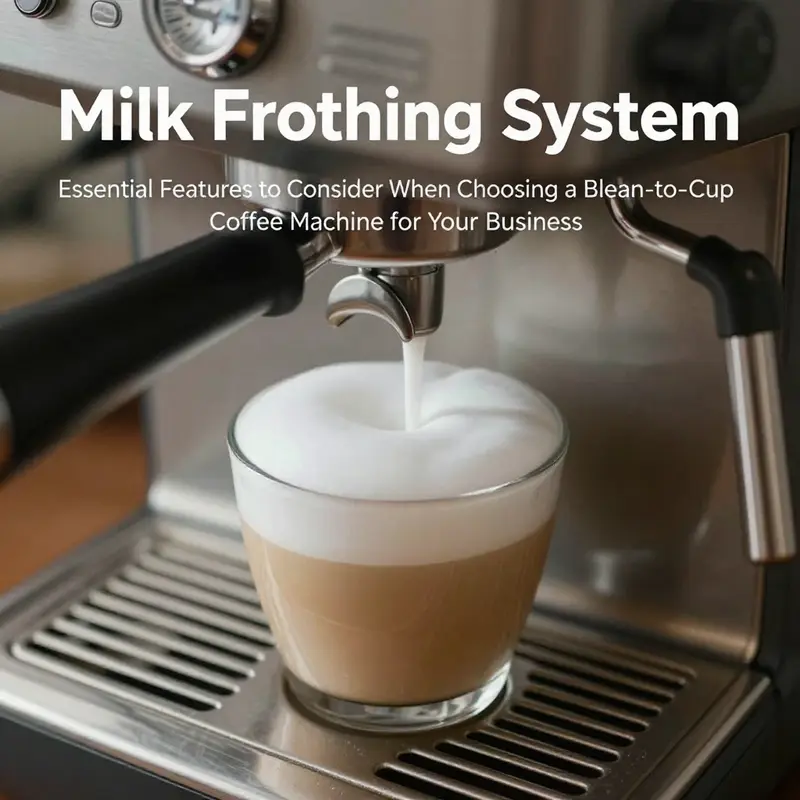
A bean-to-cup machine that delivers a café-style experience often hinges on one quietly powerful capability: the integrated milk frothing system. It is the feature that turns a dependable shot of espresso into a full, layered drink with texture and balance. When evaluating these machines, the milk frothing system deserves close attention because it shapes not just the final cup but the day-to-day ease of producing it. The best systems blend engineering precision with user-friendly design, allowing milk to be heated and aerated with a consistency that mirrors professional barista technique, while also safeguarding cleanliness and reliability in high-use settings.
At the heart of most modern milk frothing systems is a choice between a dedicated steam mechanism and an automated frothing module. A dedicated steam wand, paired with a compact boiler, provides the tactile control a coffee purist might crave. It invites experimentation with microfoam density, from the glossy, glossy microfoam ideal for latte art to a lighter, more voluminous foam suited for cappuccinos. In contrast, automated frothers automate the steps of steaming and foam production, delivering a predictable texture with the push of a button. This automation is especially valuable in busy environments—offices, lounges, or small cafés—where speed and consistency are paramount. The trade-off, of course, is the perceived ritual and nuance that a manual wand can offer to a seasoned user. The best machines acknowledge this tension and provide either option or a hybrid approach so users can choose, depending on mood, time, or guest preference.
Regardless of the mechanism, the quality of the milk foam depends on precise control of temperature and aeration. High-end builds frequently incorporate temperature control sensors and, in some cases, PID-based regulation. PID, short for Proportional-Integral-Derivative, stabilizes the steaming process to keep the milk at an optimal zone rather than letting it drift into scorching territory. The targeted range is typically around 65 to 70 degrees Celsius (149 to 158 degrees Fahrenheit). Within this window, the proteins in milk unfold in a way that yields a cohesive microfoam rather than a stringy or bubbly texture. This attention to thermal management matters not just for texture but for flavor. Overheated milk can dull the perceived sweetness and alter the latte’s balance, while milk steamed at the right temperature preserves the natural sugars and brings out a full, creamy mouthfeel.
A practical advantage of modern frothing systems is the move toward automated milk dispensing and integrated cleaning cycles. Some configurations route the milk through a closed system with dedicated reservoirs, minimizing splash and dairy residue around counters. Other setups feature automatic purge steps that flush the lines after each drink, reducing the chance of bacterial buildup and cross-contamination between milk types or flavors. This is especially meaningful in workplaces or shared spaces where multiple users prepare beverages in quick succession. Automatic cleaning cycles, paired with reminders to descale or sanitize, help maintain performance without demanding manual intervention. In turn, this reduces downtime and extends the life of the frothing hardware, which is essential when the machine is a daily workhorse.
Programmable settings extend the reach of the milk system beyond simple on/off control. Contemporary bean-to-cup machines often let users tailor froth density, milk volume, and steaming temperature for different drinks. A latte can be set to favor a velvety microfoam with a larger milk ratio, while a cappuccino might rely on a lighter foam with a stronger espresso base. Some systems go further, enabling multiple drink profiles to be saved as personalized presets, so a household with varied tastes can switch between preferences with a tap. This programmable flexibility helps ensure consistency across a busy morning routine or a corporate coffee service where guests expect a repeatable result. It’s not just about achieving one perfect texture; it’s about replicating a craft-standard process every time.
The integration of the milk system with other features of the machine matters too. The interaction between coffee brewing and milk steaming is a delicate balance: the heat and pressure produced by the brew cycle can influence how the subsequent milk foams, and vice versa. Machines that manage both processes in harmony tend to produce more balanced drinks. In practice, this means reliable pre-warm routines for the carafe, smooth transitions from extraction to steaming, and intelligent timing that prevents the milk from heating while the espresso settles. For operators of small offices or shared workspaces, such orchestration reduces the cognitive load on users, so even occasional drinkers can achieve a coherent, well-constructed beverage with minimal fiddling.
Maintenance is a recurring theme when discussing milk systems. Dairy residue is persistent, and the foaming pathway is particularly prone to buildup if not cared for properly. The most effective systems acknowledge this reality by designing for easy disassembly and cleaning. Detachable milk carafes, dishwasher-safe components, and accessible milk lines can dramatically shorten cleanup time. Automatic cleaning and descaling features provide a safety net, but they should not substitute for regular manual maintenance. A quick rinse after use, especially with non-dairy milks that behave differently from cow’s milk, can prevent differences in texture and taste that often confuse new users. In the same breath, the machine’s prompts and indicators should be straightforward, guiding users toward the right schedule for cleaning. The combination of user-friendly design with solid mechanical reliability is what keeps a frothing system performing at its best week after week.
Another factor worth considering is capacity and speed in the context of the frothing system. If the machine serves a busy team or a reception area that sees frequent coffee breaks, the ability to pull a consistent flat white or latte in under a minute can be a defining criterion. A robust milk system supports rapid pre-heating, efficient milk transfer, and quick cleanup, so throughput does not come at the expense of texture. Even home users can appreciate this, when a morning rush collides with coffee cravings. The perception of speed is not only about how fast foam is produced, but how quickly the system can recover between drinks while maintaining stability in texture and temperature.
Selecting the right milk frothing setup also involves evaluating ancillary features that influence daily use. Temperature stability, for instance, is enhanced by insulation around the boiler and thoughtful routing of milk lines to minimize heat loss. Audible cues, such as a gentle hiss during steaming and a satisfying click when a cycle completes, contribute to a sense of craftsmanship, even in a machine that operates largely with automation. For users who value customization, the ability to tweak hob-like settings—density, volume, and heat—without diving into a labyrinth of menus is a meaningful design win. In practice, a well-executed milk system feels almost invisible: you press a button, the machine handles the rest, and your drink emerges with the texture you expect, drink after drink.
To appreciate these nuances more deeply, consider the broader context of how a bean-to-cup machine fits into a complete beverage workflow. The milk system does not operate in a vacuum; it depends on a well-calibrated grinder, stable water temperature during extraction, and clean lines that prevent off-flavors from milk residue. When you pair a robust frothing system with precise grind control and reliable temperature management, you unlock a spectrum of drinks—from a pristine espresso with a silky microfoam to a bold macchiato with defined contrast between crema and foam. The synergy among these features matters because it shapes the user experience as a whole. The more cohesive the system is, the more likely a user will reach for a well-made coffee instead of settling for a subpar result or resorting to a separate frothing device.
For readers who want to ground these considerations in a practical selection framework, the emphasis should be on how the milk system aligns with your patterns of use. If you routinely entertain guests or manage a small team, prioritize a robust, automated system with easy cleaning and quick recovery. If you enjoy hands-on barista-style preparation and experimentation, seek a model that offers a manual steam wand with solid steam output and a straightforward interface for dialing in texture. In either case, don’t overlook simplicity and accessibility. A user interface that makes the frothing process intuitive will reduce errors and waste, especially when many hands reach for the machine during a busy day. The ultimate aim is a milk system that delivers consistent texture, reliable temperature, and straightforward maintenance, so you can move from bean to cup with confidence and pleasure.
As you weigh your options, keep in mind the broader category of features that accompany the milk frothing system. Strong integration with automatic cleaning cycles, durable construction around the milk path, and a design that minimizes the risk of cross-contamination between dairy and non-dairy milks all contribute to long-term satisfaction. You may find yourself drawing a straight line from the quality of the foam to the perceived quality of the drink, and from there to the overall value of the machine in your kitchen or office. The ritual of preparing a favourite coffee becomes an act of routine rather than a task, a moment of consistency in a day that otherwise crowds the senses. This is the essence of a well-conceived milk frothing system: it elevates everyday coffee into a dependable, comforting experience while keeping maintenance manageable and predictable.
For a broader take on how modern assistive technologies can simplify complex tasks in busy settings, see occupational-therapy-geriatrics.
External resource: If you want to explore further perspectives on bean-to-cup systems and their performance in real-world use, consider reviewing general guidelines and product documentation from industry resources and manufacturers that outline maintenance and setup practices. External resource: https://www.delonghi.com/en-us/bean-to-cup-coffee-machines
Final thoughts
Selecting the right bean-to-cup coffee machine for your business is a significant investment that can enhance customer satisfaction and improve operational efficiency. By focusing on key features such as grinding precision and adjustability, brewing customization options, water quality and temperature control, automatic cleaning and descaling functions, and milk frothing systems, business owners can ensure they choose a machine that meets their needs. This thoughtful selection not only supports the preparation of high-quality beverages but also positions your business to thrive in a competitive environment. Make an informed choice to elevate your coffee offerings and delight your customers.