
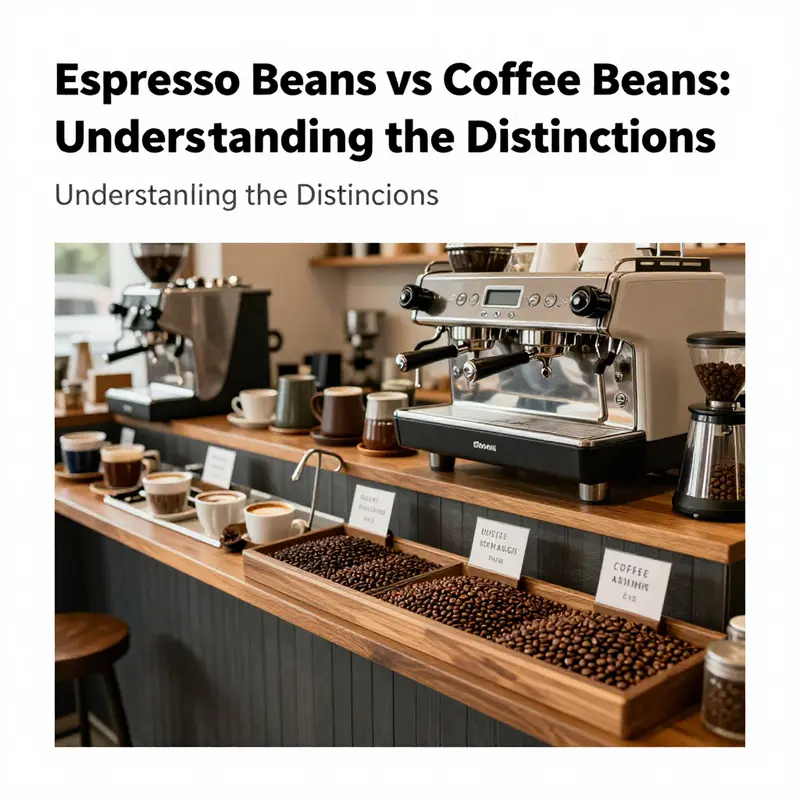
The world of coffee is rich and diverse, offering various brewing methods and bean varieties. Among these, espresso beans and coffee beans are often discussed in relation to each other. While it might seem that they come from different coffee plants, the distinctions are primarily rooted in roasting techniques, blends, and flavor profiles. Understanding these differences is crucial for business owners in the coffee industry, from cafes to distributors, who seek to optimize product offerings. This article delves into the specifics of roasting differences, flavor exploration, the role of blends, and practical tips for choosing beans that best suit your business needs.
Roast Alchemy: Espresso Beans vs General Coffee Beans
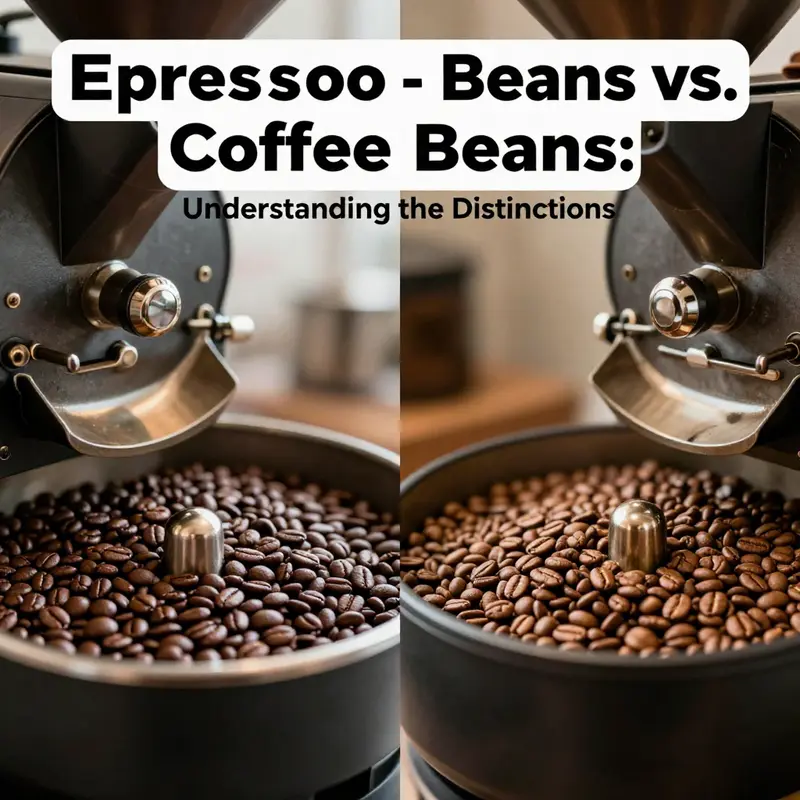
The question of whether espresso beans are a separate kind of bean is really about roasting decisions and brewing method, not a different species. Espresso uses the same Arabica or Robusta beans, but the craft lies in roast level, development time, and blending that suit high-pressure, short-duration extraction.
Roast level is central: espresso roasts tend toward medium-dark to dark, aiming for oils on the surface, fuller body, and a crema that clings to the cup. Lighter roasts emphasize origin traits but can yield brighter, thinner shots when pulled quickly under pressure. The choice of roast interacts with coffee’s natural acidity and sweetness to shape the shot’s balance.
Development time matters too. Many espresso blends push development past the first crack to develop sweetness and body while avoiding scorching. In regular coffee, roasters may stop earlier to preserve delicate aromatics and brightness for slow brews. These differences are about technique and intention, not botanical origin.
Blending and freshness further explain the distinction. Espresso blends often combine beans to stabilize crema, body, and flavor across shots, occasionally including Robusta to boost crema. Regular coffee recipes tend toward single-origin or more varied blends that reveal terroir and complexity when brewed slowly. Freshness becomes especially important for espresso, where crema and aroma are part of the experience and can fade quickly after roasting.
In short, espresso vs general coffee beans is a story of roasting philosophy and brewing method, not a different bean species. Any bean can be used for espresso with the right roast and grind, and any bean can shine in slower brews when treated with suitable development and technique.
From Darkest Roast to the Brightest Cup: Decoding the Real Differences Between Espresso Beans and Coffee Beans
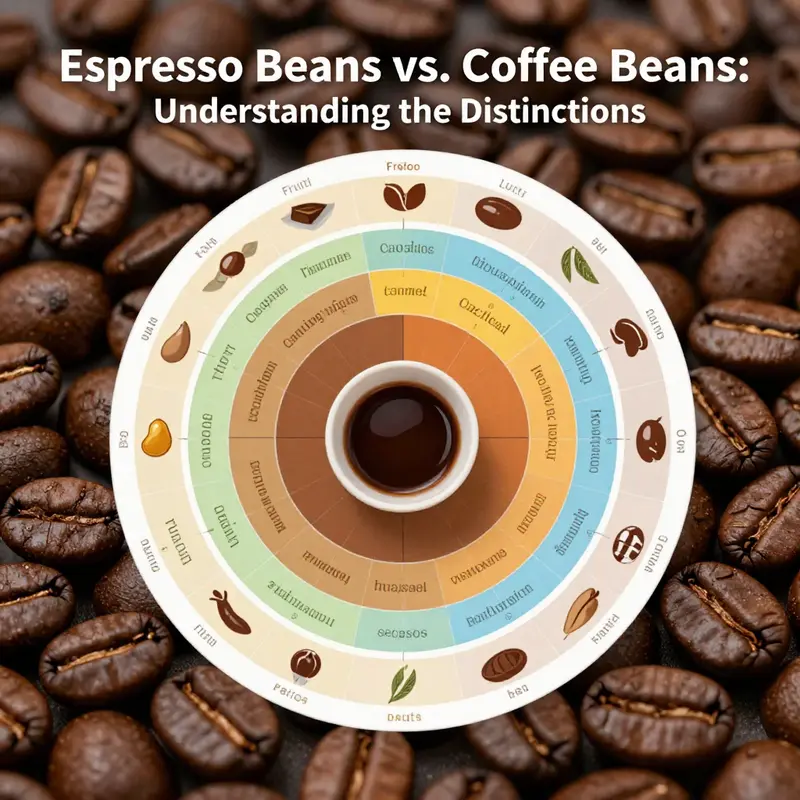
The phrase espresso beans versus coffee beans often evokes images of a strict division, as if one set of beans is meant only for the machine that forces a moment of extraction, while the other is suited for slower, gentler brews. In truth, the distinction is less about the plant and more about the life the bean has lived before it ever meets hot water. The difference you taste when you pull a shot versus when you pour a filter cup is largely a matter of roast level, blending choices, and the intended brewing method. Both espresso and other coffee drinks can originate from any Arabica or Robusta bean, or from blends that mix both. What turns a bean into an espresso candidate is not a magical new variety planted in a different field, but a deliberate roasting approach and a purpose-built formulation that makes the bean behave reliably under pressure. In this sense, espresso beans are a style of roast and blend crafted to perform in a high-pressure, short-extraction world, while “regular” coffee beans are more about delivering a transparent, nuanced profile when the water and heat move through them in longer contact with the grounds.
That practical pivot—roast and technique over species—has consequences you can feel in every sip. A typical dark roast, commonly associated with espresso, brings a wallop of depth and body. The sugars in the bean undergo caramelization, the oils bloom nearer the surface, and the acidity recedes into a soft whisper. This combination makes a shot feel full, almost syrupy, and it helps the crema sit on top with a golden layer that looks inviting and tastes even steadier. The high-pressure extraction used for espresso is not merely about speed; it is about coaxing flavor compounds that respond to pressure. Some compounds bloom quickly, others reveal themselves only when gravity is contested by force; the dark roast helps to harmonize those tendencies, delivering a consistent impression across several shots in a row. Yet the same dark roast can dull or mask origin characters—the delicate fruit notes or floral whispers that an origin spotlight might reveal in a slower brew. The trade-off is familiar: intensity and resilience in crema versus the bright clarity of origin flavor.
Within the world of espresso there is a notable preference for blends. Blends are designed to balance sweetness, body, and crema so that a shot remains predictable, whether the machine is a reliable home setup or a bustling cafe system. The goal is consistency: a well-made espresso should carry through the same notes from the first pull to the fourth, even if the espresso machine’s pressure wobbles or the grinder’s fineness shifts by a touch. Blending offers a way to combine the low-acidity chocolate and caramel tones of one bean with the heavier, more resinous body of another. The result can be a symphony that holds up well under milk in a latte or cappuccino, where the drink’s dairy elements echo and magnify the bean’s natural sweetness. The rhyme between roast and blend is deliberate. It is not that one bean type becomes something else when roasted dark; it is that the roast and the blending strategy tell a new story that the espresso machine acts upon during extraction.
But there is a growing countercurrent worth noting. Some roasters now explore lighter to medium roasts for espresso, aiming to preserve more of the origin character that is often more visible in filter brews. This direction leans into the idea that brighter acidity and more nuanced sweetness can survive and even benefit from the high-pressure environment when the grind is tuned and the machine is dialed in. A lighter espresso profile may reveal citrusy brightness, subtle florals, and even a whisper of fruit across a body that remains substantial enough to carry milk without turning thin. These profiles require careful balancing because lighter roasts bring a sharper acidity that can overwhelm under pressure if the grind is not precise or if the extraction time slips. What this underscores is a broader principle: espresso is not about a single flavor archetype; it is about a collected balance that a roaster and barista curate to hold together when pressurized water moves quickly through the grounds.
Meanwhile, the category often labeled as general coffee beans—think drip, pour-over, and similar methods—tends to favor a different set of priorities. Medium to lighter roasts in this space tend to showcase acidity, clarity, and terroir. They invite the drinker to taste the bean’s place of origin—the soil, altitude, climate, and processing method—through cleaner cup profiles that can be floral, citrusy, or fruit-forward. In this context, the beans’ origin flavors usually have a chance to express themselves without the heavy masking effect of a deep roast. A typical Arabica-forward blend used for drip will seek a balance that preserves sweetness and complexity, letting each origin’s fingerprint come forward in a way that suits slower extraction and longer contact with the water. Robusta, when present in any coffee, tends to be used strategically here for body and caffeine kick, but it can also bring a harsher edge that needs careful handling in any roast profile. The overarching idea is that the method governs mood: filter methods reward precision and clarity, while espresso rewards depth, warmth, and the creamy texture that a dark roast and well-tuned crema can deliver.
The flavor landscape then becomes a conversation about roast level, bean composition, and the interplay between sweetness and acidity. Arabica beans generally carry sweeter, more delicate notes, often with fruity or floral accents and a silky mouthfeel. Robusta tends to bring more bitterness and a resinous, earthy backbone that can amplify body and intensify caffeine perception. In espresso blends, Robusta’s contribution to crema and bite can be a deliberate choice, a way to bolster texture and the perception of strength. In drip coffee, many roasters lean toward Arabica-dominant blends or single-origin beans because the gentler extraction process reveals more subtle aromatic compounds and nuanced acidity. This distinction is not a hard rule but a practical orientation shaped by the gear and the ritual you apply to each brew.
To choose wisely, it helps to anchor decisions in the kind of drinking experience you value. For those chasing the classic, bold Italian espresso profile—the dark, chocolatey, almost velvety cup with a persistent crema—lean toward a darker roast and a blend designed for espresso. The goal is a balanced fullness that remains stable when milk is added. For people who love bright, aromatic cups with clear origin character, exploring medium to light roasts designed for pour-over or drip can be deeply satisfying. These beans often shine when brewed with a slow, controlled pour that respects the bean’s delicate aromatics and sweetness. The most adventurous palate might experiment with light roasted espresso beans, seeking a bridge between origin clarity and the compact intensity that espresso demands. In every case, freshness matters. The oils that carry aroma and mouthfeel migrate toward the surface soon after roasting; grinding just before brewing helps lock in those volatile compounds that define the cup’s character.
The practical takeaway is simple. If you want the quick, robust pull of an espresso, start with beans that are roasted to a level that emphasizes body and crema. If you want to savor the bean’s origin story in a longer extraction, select a medium or light roast intended for filter methods. And remember, any bean can be used for espresso in the right hands and with the right grind and timing. Espresso is not a magic bean; it is a discipline of roast, blend, grind, and pressure. The more you understand that, the more you can tailor your selection to your taste and your equipment. It becomes less about chasing a label and more about cultivating a coffee ritual that respects the bean’s personality while honoring the method’s demands. That mindset—treating roast, blend, and technique as a trio working in concert—opens a door to flavors you might not expect from a single origin, and it also invites a disciplined curiosity about how small changes in time, heat, and pressure alter the entire cup.
In the end, the language of espresso and the language of other coffee methods are two dialects spoken from a shared pantry. The bean is the same pantry stock, but the chef’s knife is the roast, the recipe is the blend, and the cooking method is the extraction. When you train your palate to hear the difference between a shot that carries a chocolate-sweet depth and a cup that glows with citrus brightness, you’ll find that the landscape is not a battlefield but a spectrum. It is a spectrum in which the roast tells a story, the blend sets a mood, and the brewing method invites the plot to unfold. The bean’s origin matters, but it matters in a secondary way because the main drama unfolds in the roaster’s chair and the barista’s lever and timer. And as you practice, you’ll learn to select beans that align with your preferred ritual—whether you crave the compact intensity of espresso or the expansive clarity of a transparent cup. The difference you taste, then, becomes less about a singular identity the bean must wear and more about a crafted dialogue between roast, blend, and method that respects the bean’s natural gifts while honoring the craft that makes every cup a moment worthy of attention.
For readers curious to explore the broader conversation about flavors and routines in practice, a thoughtful comparison with other health-oriented routines can be illuminating. See a related discussion on the role of consistent practice in daily mental health and care routines occupational-therapy-mental-health.
External resource: https://www.lavazza.com/en/our-coffees
Brewing Balance: How Blends and Roasts Define Espresso and Regular Coffee
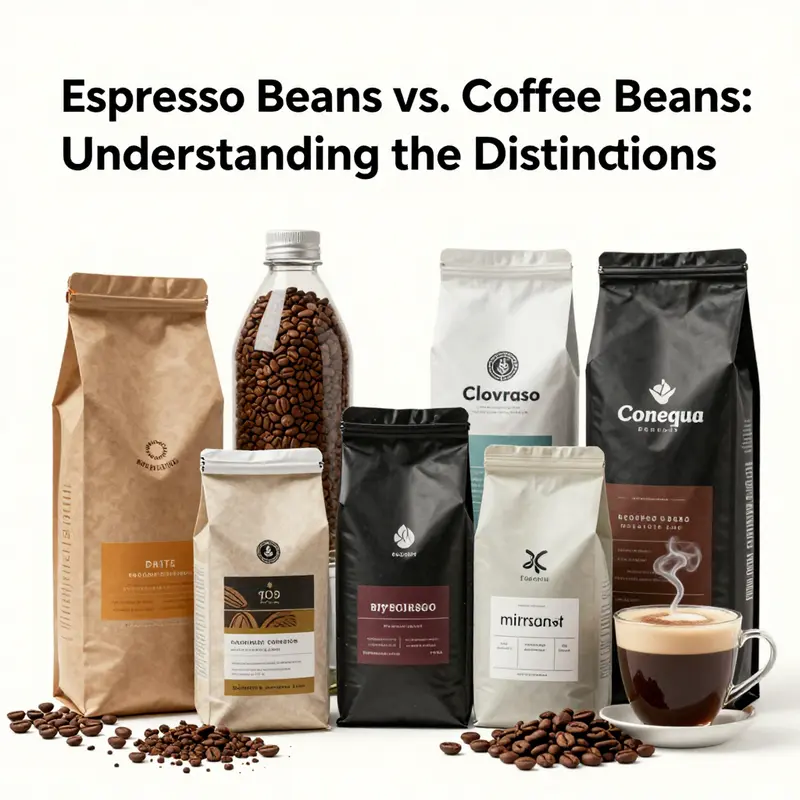
If you’ve ever wondered whether espresso beans are somehow different species of coffee, you’re not alone. The short answer is both yes and no. The plant names you’ll meet on a coffee sack—Arabica and Robusta—remain the same, whether you’re brewing a shot of espresso or a cup of drip. The real distinction lies in how the beans are roasted, blended, and prepared for extraction. Espresso isn’t a bean type; it is a method of preparation that relies on pressure, speed, and a relatively fine grind. Consequently, what are often sold as “espresso beans” are typically roasted and blended with that method in mind. The beans you grind for a morning pour-over or a French press can come from the same origins, but they are commonly roasted to different levels and blended for different outcomes. This is not about altering the plant; it is about shaping the brew through roast, blend, and technique. In this light, the difference between espresso beans and regular coffee beans becomes a conversation about process as much as about provenance.
What makes blends central to this conversation is the challenge of delivering a reliable, repeatable, and distinctly expressive shot. Espresso demands consistency because the window for flavor development is small and unforgiving. A roaster’s blended approach combines beans from different origins and sometimes different roast levels to craft a flavor profile that remains recognizable despite small harvest variations, moisture content shifts, or batch-to-batch fluctuations. A common strategy is to pair Arabica beans that bring brightness, floral or fruity notes, and a clean finish with Robusta beans that contribute body, a richer crema, and a higher caffeine kick. The aim is not simply to intensify the cup but to provide a backbone that supports sweetness and acidity, so the drink doesn’t taste thin, sour, or overwhelmed when pressure and timing compress the flavors into a tight, intense shot. As Rafael Perez, a head roaster in the broader industry notes, “Balance isn’t about diluting boldness—it’s about giving it structure. The best espressos have a backbone of richness supported by acidity and sweetness.” That statement crystallizes a working truth: balance emerges from the structural interplay of beans, not from a single loud note.
Roasting and blending are inseparable partners in espresso culture. When you blend beans of differing densities and moisture contents, you create a skein of flavors that can hold together across multiple shots, machines, and environments. The roast profile for espresso blends is often tuned toward a medium-dark to full-city level. This degree of roast tends to unlock caramelly sweetness and chocolatey depth while preserving enough acidity to keep the cup vibrant. The short extraction time of espresso favors a profile that expresses sweetness quickly and cleanly, even as the shot remains dense and full-bodied. In contrast, many non-espresso coffees—intended for pour-over, immersion, or cold brew—prioritize origin purity and nuanced aroma, which can be degraded by the harsher dynamics of espresso extraction. The blending strategy, coupled with a deliberate roast, helps ensure that an espresso shot remains balanced regardless of small changes in equipment, grind, or tamping pressure. The end result is a dependable, high-impact shot that tastes like itself shot after shot, even as beans move along a supply chain.
The dialogue around blends versus single-origin beans is not a clean division with a clear victor. Blends can smooth over minor defects in individual lots and lift overall quality by balancing faults that might otherwise be exposed in a single-origin cup. They also give roasters a practical toolkit for achieving consistency when supply fluctuations are a constant. Yet many roasters have embraced transparency and terroir by offering single-origin espresso options. These options reveal how a particular farm, processing method, or climate imprint a distinctive character—whether that character leans toward citrus brightness, cocoa-toned sweetness, or a spicy earthiness. This evolution has widened the espresso landscape: drinkers can explore the precision of a well-crafted blend or the expressive fingerprint of a single origin. Either path asks the same central question: what makes a remarkable espresso more than the sum of its parts? The answer lies in how those parts are orchestrated, not merely which parts exist.
Crema, mouthfeel, and the perception of strength are not accidental byproducts of a random roast. They are intentional outcomes of oil development, roast duration, and the bean ratio within the blend. Robusta, often included in espresso blends, lends a distinctive crema and a fuller mouthfeel that many drinkers associate with a confident shot. The crema is not just decoration; it is a vehicle for aroma. When a shot is poured, volatile compounds rise with the crema, delivering a fragrance that primes the palate for flavor perception even before the first sip. The oils released in the roast also shape texture—some blends skew toward a velvety, syrupy body, while others deliver a crisper, lighter finish. This texture work matters when milk is involved, as in lattes and cappuccinos, where the blend’s architecture helps maintain balance and prevent the drink from tipping toward heaviness or sweetness without relief.
Of course, the notion that any bean can become an espresso bean is technically correct, but the fit between a bean’s native flavor potential and the pressures and timing of espresso extraction is not universal. A delicate, high-acidity single-origin bean can produce a striking shot, yet it may demand careful dialing to avoid sourness as the water hits a dense, compact puck. Conversely, a sturdy origin with chocolatey notes may deliver a forgiving performance but can risk flattening if the roast is too light for the intense extraction. Espresso roasters often test multiple roasts and blends to carve out a profile that remains recognizable despite small changes in temperature, grind size, dose, and tamp pressure. That ongoing experimentation pays off in real-world use: in a busy cafe, a barista can rely on a particular blend to deliver the same flavor trajectory hour after hour, even as beans arrive with slight variations.
Taste, in this context, is both personal and social. Blends act as a bridge connecting a broad spectrum of flavors to a single, portable format. The characteristic notes often associated with espresso blends—dark chocolate, caramel, and a hint of nuttiness—arise from careful roast development and the way sugars and fats interact under pressure. These are flavors that emerge quickly in the cup, then evolve as the crema fades and the drink cools. They hold up well when milk is added, maintaining a sense of structure rather than a cloying sweetness. When exploring lighter, single-origin espressos or when moving toward a pour-over that emphasizes origin flavors, those same components may reveal brighter fruit, tea-like acidity, and a nuanced bouquet. Yet the structural backbone of a well-made blend often remains the difference between a passable espresso and one that lingers in memory.
From a consumer’s standpoint, the path of discovery through blends versus single-origin espresso is less about allegiance to a doctrine and more about context and curiosity. For someone seeking a robust, reliable shot to pair with milk or to anchor a morning ritual, a thoughtfully crafted blend can offer a forgiving profile that adapts to different equipment and skill levels. A reader inclined toward terroir and farm stories might lean toward single-origin options to discern how climate, altitude, and processing imprint their mark on flavor. The broader picture is not a simple binary but a spectrum—roast, blend strategy, and technique all partnering to decide whether a cup unveils a chocolate-kissed sweetness, a bright citrus zing, or something quietly complex in between. In this space, the bean is a vessel, and the roast and blend are the conductors guiding the music of aroma, body, and finish.
If you’re looking to broaden your sense of how espresso fits into this larger coffee conversation, consider how industry practice negotiates the tension between terroir and performance. Blends provide practical stability in the face of supply shifts, while single-origin iterations offer education about geography, farming practice, and varietal expression. The dynamic persists as roasters refine their craft—tasting, cupping, and adjusting in pursuit of consistent excellence. The result is a coffee landscape that resists a simplistic dichotomy. Instead, it offers a thoughtful spectrum where the espresso you drink at a cafe or at home reflects a deliberate choice: a cup whose character is the product of careful selection, patient roasting, and the artful choreography of extraction. In the end, the difference between espresso beans and ordinary coffee beans is less about two bean families and more about how those families are assembled and coaxed into a brisk, purposeful form of extraction that thrives on balance and precision. The lesson is simple: the bean is a vessel, and the roast and the blend are the conductors.
External resource: https://www.coffeereviewjournal.com/espresso-blends-explained
Choosing the Right Bean: Practical Trade-Offs Between Espresso and Regular Coffee
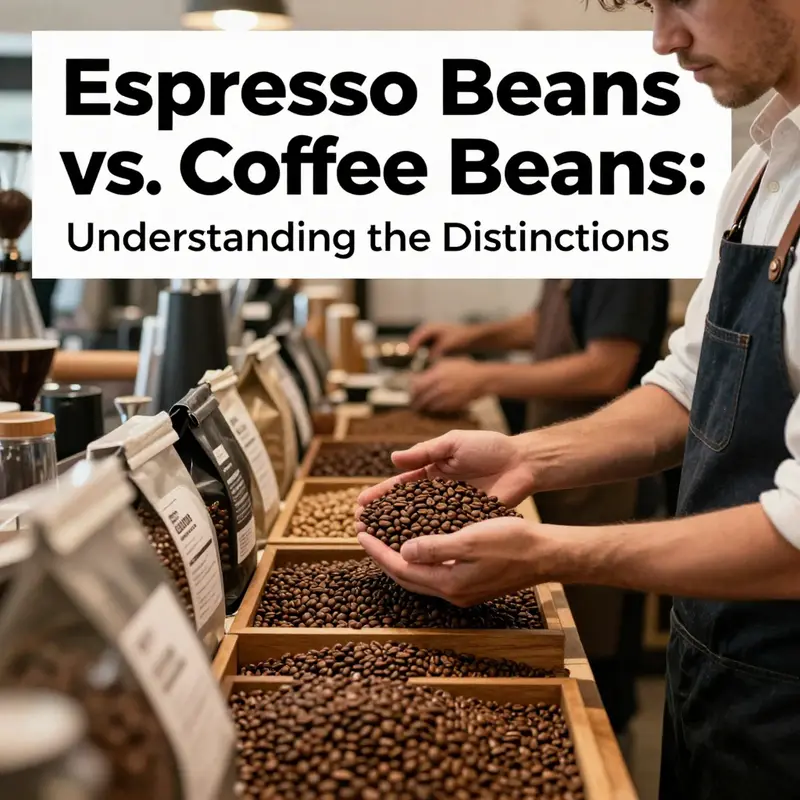
Practical considerations to guide your choice
Choosing between espresso-specific beans and regular coffee beans boils down to a few practical realities: how you brew, what flavors you prefer, and how much consistency you need from shot to shot. The coffee plant and the green bean are the same basic starting point most of the time. What changes is how those beans are roasted, blended, ground, and handled before water meets them. Those downstream differences shape the extraction and determine whether a bean will favor a concentrated, pressurized extraction or a gentler, longer brew.
Roast level is the most visible practical difference. Beans destined for espresso are commonly roasted darker. This darkening reduces perceived acidity and amplifies body. Oils migrate toward the surface and sugars caramelize, producing heavier mouthfeel and deeper chocolate or caramel notes. Those traits help a shot taste balanced under nine bars of pressure and a short extraction window. A darker roast also helps produce the crema, the fine, aromatic foam that crowns a good espresso. Crema arises from emulsified oils and tiny gas bubbles released during pressurized extraction; darker roasts often contribute more of the surface oils that support it.
By contrast, beans labeled for drip, pour-over, or French press tend to be light to medium roasted. Lighter roasts preserve origin characteristics. You will find brighter acidity and more delicate floral or fruity notes. Those nuances respond well to slower, gravity-driven methods where contact time and water temperature allow complex flavors to unfurl gradually. If you enjoy citrus brightness, tea-like clarity, or single-origin idiosyncrasies, lighter roasts showcase them best.
Blending and formulation also matter. Espresso blends are often constructed to perform consistently across repeated shots. Roasters select beans from multiple regions or lots to balance sweetness, bitterness, and acidity at shot extraction times under pressure. The goal is a reliable flavor profile that reads well in milk drinks and straight shots alike. Regular roast offerings lean more toward single-origin clarity or lighter blends that highlight terroir. Those choices affect versatility. A well-made espresso blend can be used for strong brewed coffee, but it will taste different. Likewise, bright single-origin beans can be forced through an espresso machine, but the resulting shot may lack the balance you expect from an espresso formula.
Equipment is a controlling factor. Espresso machines demand a fine, uniform grind, correct dosing, and consistent tamping. They run hot, at high pressure, and for short extraction times. These conditions emphasize body and solubles that play well with darker roasts. Using a light roast designed for pour-over in an espresso machine will often produce a sharp, acidic, or under-extracted shot. The same light-roast grounds may also resist forming a lasting crema.
On the other hand, brewing devices like pour-over drippers, French presses, and drip machines favor coarser grinds and longer contact times. These methods reward coffees that retain bright acidity and complex aromatics. If you lean toward these devices most of the week, then lighter or medium roasts will give you the best results. A moka pot, which sits between espresso and drip in pressure and extraction profile, can handle a broader range of roast levels and produce a strong cup that approximates espresso. But it will not replicate crema or the precise control of a true espresso machine.
Fresh grinding and grind size are practical points often overlooked in decisions. Even the best espresso roast will falter if ground incorrectly. A consistent grinder capable of fine adjustment is essential when pulling espresso. The same machine demands the right dose and tamping technique. Conversely, for drip or pour-over, attention to grind uniformity and burr quality still matters. Grinding for these methods is more forgiving, but uneven particles will still produce flat or over-extracted cups. Buying pre-ground beans limits your options and often results in stale flavors sooner. For flexibility, invest in a reliable burr grinder and match the grind to your equipment and roast.
Storage and freshness influence practicality too. Darker roasts are more oil-rich, and those oils can oxidize faster when exposed to air. That makes proper storage important for espresso beans. Use airtight containers, keep beans away from heat and light, and buy amounts that you will use within a few weeks. Lighter roasts also degrade, but their flavor changes tend to mute acidity and aromatics first. In either case, buying by roast date rather than a long shelf life gives the best starting point.
Consider the stability of flavor across repeated preparations. Cafés choose espresso blends that deliver predictable results across many shots. At home, if you want the same espresso every morning without constant dialing in, choose beans formulated for espresso and stick to a consistent grinder setting and dose. If your routine includes alternating methods—espresso in the morning, pour-over at midday—consider keeping two types of beans. Doing so reduces the time you spend recalibrating grinding and extraction.
Cost and convenience are practical constraints as well. Espresso-roasted beans are not necessarily more expensive than drip-roasted ones. Price depends on origin, processing, and brand positioning. What typically increases cost at home is equipment and learning curve. An espresso machine and a good grinder represent a larger upfront investment. They demand skill and maintenance. For someone who wants a strong, espresso-like drink with less fuss, a moka pot and espresso-roast beans can provide a satisfying compromise. For those seeking an accessible daily ritual with minimal calibration, drip or pour-over systems and lighter roasts deliver clarity and simpler preparation.
Taste preference should ultimately guide your choice. If you prefer heavy body, dulled acidity, and flavors that stand up to milk, espresso beans are the natural fit. They were crafted for a specific extraction dynamic and often pair brilliantly with milk in lattes or cappuccinos. If you prize delicate notes, clear acidity, and the expression of a bean’s origin, choose light or medium roasts and brewing methods that allow nuance to develop.
Practical experimentation is one of the most revealing approaches. Try the same bean roasted to different levels if you can. Observe how the cup changes with grind size and extraction time. Make small adjustments and record what you like. Sample packs or small bags are a smart way to taste broadly without waste. When you test, control variables: use the same water, similar temperatures, and consistent agitation. That makes it easier to attribute differences to roast and grind rather than to other variables.
Versatility matters differently for different households. A home barista who serves family and friends a mix of milk-based drinks and straight shots benefits from holding a resilient espresso blend. Those who brew for solo enjoyment and prefer to savor single-origin nuances will find lighter roasts more rewarding. If space or budget limits you, prioritize a quality grinder over an expensive espresso machine. A good grinder improves every brew method and unlocks more of the bean’s potential.
Finally, think about long-term habits. Are you the sort who enjoys tinkering and dialing in recipes? Or do you want a dependable routine with minimal fuss? If the former, buy a range of beans, experiment with roast levels, and invest in equipment that gives control. If the latter, buy beans specifically tailored to your preferred method, and maintain consistent storage and grinding habits.
For a practical summary: choose espresso beans if you want a bold, concentrated cup that handles pressure well and pairs with milk. Choose light to medium roasts for drip or pour-over to highlight origin characteristics. Use a moka pot for a middle ground if you lack an espresso machine. Grind fresh, match grind size to equipment, and store beans properly to preserve flavor. Finally, experiment in small batches and let taste, not labels alone, guide your final decision.
For a deeper dive into how roast profiles affect extraction, caffeine content, and flavor differences between espresso and drip coffee, see this focused explanation: https://www.coffeegeek.com/2026/02/espresso-vs-drip-coffee-caffeine-content-and-flavor-differences-explained/.
Final thoughts
The nuances between espresso beans and coffee beans are essential for any business owner aiming to provide quality coffee experiences. By understanding the differences in roasting techniques, exploring the diverse flavor profiles, recognizing the significance of blends, and considering practical aspects when choosing beans, you can make informed decisions that elevate your coffee offerings. Engaging with these distinctions allows you to better meet customer preferences, enhance satisfaction, and ultimately grow your business in the competitive coffee industry.