

Coffee has become not just a beverage, but a vital part of many business models, enhancing customer experiences and driving revenue. Understanding how to make coffee from beans can profoundly impact both the quality you provide and customer satisfaction. This guide is tailored for business owners, offering insights on selecting coffee beans, grinding for freshness, and choosing efficient brewing methods. Each chapter delves into these fundamental aspects, empowering you to elevate your coffee offerings and impress your clientele.
From Bean to Brew: The Subtle Craft of Choosing Coffee Beans for Rich, Immersive Flavor
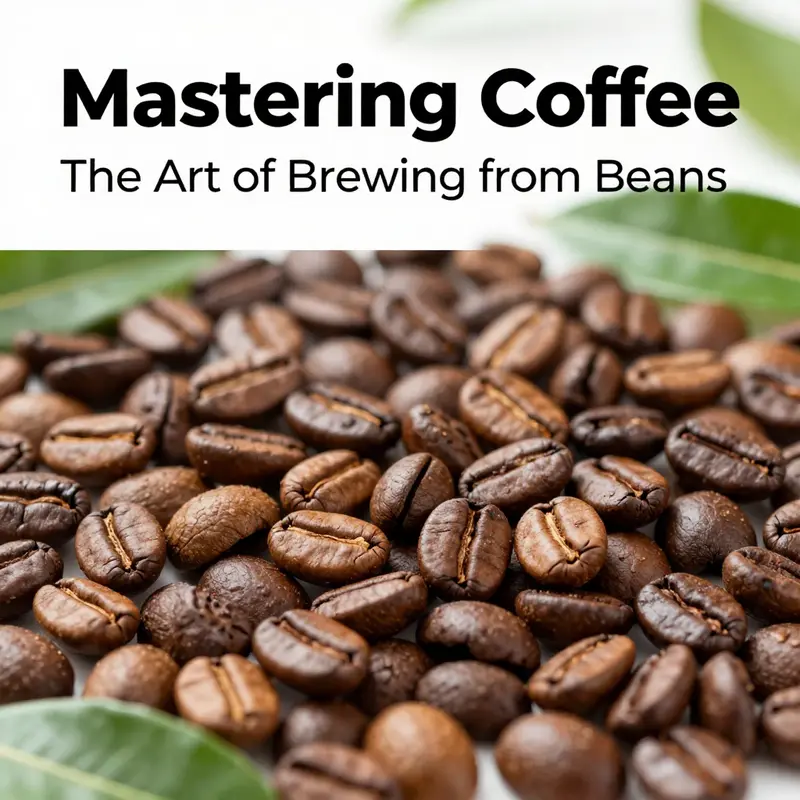
The moment you open a bag of coffee beans, the air seems to brighten with a promise of what is to come. The scent is the first clue to a lot of what you will taste later, and it carries a memory of where the beans were grown, how they were processed, and how long they have rested since roasting. Choosing beans is not a ritual of mere preference; it is a commitment to the integrity of the cup you are about to brew. When you begin with beans that are fresh and whole, you set in motion a chain of events that lead to a more expressive, enjoyable drink, even if your equipment is modest and your technique still learning. Freshness is not a fleeting ideal but a practical standard. Coffee begins to lose its aromatic compounds soon after roasting, and that loss accelerates once the bag is opened. By selecting beans that are within a two to four week window of their roast date, you give yourself the best chance to enjoy what the roaster designed into them. This is not merely a rule for connoisseurs; it is a foundation for anyone who wants a coffee that tastes alive, with a brightness that invites further exploration rather than a dull echo of yesterday’s cup.
As you weigh your options, you will notice that roast level matters as much as origin. For beginners, a middle ground tends to work best: a roast that preserves some delicate acidity and fruit-like sweetness without stepping too far into sharp brightness or heavy bitterness. Light to medium roasts reveal nuanced flavors—the citrusy tang of certain origins, floral aromatics, or berry-like brightness—while still offering enough sweetness to balance the cup. Darker roasts, by contrast, press a different set of notes forward: deeper body, chocolatey or smoky tones, and a sense of boldness that can border on the mineral or charred if you push too far. Your aim is not to chase a single “best” profile but to discover what you enjoy and what your chosen brewing method extracts most faithfully. For immersion brews that rely on the fullness of the bean’s oils, such as a French press, many people find that a balanced, slightly brighter medium roast works especially well because it can deliver a round body without becoming flat when passed through the filterless path of immersion.
Origin also plays a decisive role in character. Single-origin beans are prized for expressing the terroir—the soil, altitude, climate, and process that shape flavor. A coffee from a high-elevation origin might carry a crisp brightness, with citrusy or wine-like notes that dance on the palate. An origin with a history of gentle processing can yield fruit-forward sweetness that lingers pleasantly. Blends, meanwhile, are crafted to harmonize different roast profiles or origin notes, producing a balanced cup with reliable body and a familiarity that makes for everyday versatility. The choice between origin and blend hinges on your taste and your preferred method. If you lean toward a morning cup that remains approachable hour after hour, a well-composed blend can offer steadiness without sacrificing complexity. If you crave a clearer sense of origin and a longer finish, a thoughtfully chosen single-origin bean can be a gateway to a more intimate tasting experience.
Grounds tell a story even before they meet water. The key is to grind just before you brew. This is not a fetish for freshness; it is a practical strategy for extracting aroma and flavor at their peak. A burr grinder, whether electric or manual, creates a uniform particle size that supports even extraction. It helps you avoid the uneven chaos that blades can produce, where some bits are under-extracted while others become over-extracted. The difference may seem subtle at first, but it translates into a smoother, more reliable cup. If you do not own a burr grinder, you are not out of luck. A sturdy hand grinder still provides a meaningful improvement over pre-ground coffee, and it makes the act of prep a tactile ritual rather than a rote step. Even a modest setup can unlock a level of freshness that is otherwise inaccessible. If you are using a non-grinder tool, such as a mortar and pestle, you can achieve coarse grounds suitable for certain methods like cold brew, but you will compromise precision. The lesson remains: grounds are not commodities to be forgotten after purchase; they are the bridge between the bean’s intrinsic character and the water that will reveal it.
In choosing beans, you also contemplate storage and lifecycle. Once you bring beans home, store them in a cool, dry place, away from light. An airtight container helps slow oxidation and preserves the aromatics longer than leaving the bag open. If you do end up with an open bag too long, move those beans into a smaller container to minimize the surface area exposed to air. Do not refrigerate beans indiscriminately, as condensation and moisture can alter the texture and degrade delicate notes. The balcony or pantry shelf can be a better home than a fridge for most home setups. In practice, you will taste the difference when you brew with beans that have remained within their optimal window. The fragrance after grinding is a good indicator: the richer the aroma, the more you can expect from the cup, provided you also honor the other elements of the process—the grind size, the water temperature, and the brewing method you have chosen.
For many, the joy of choosing beans begins with a local roast or a trusted supplier who offers transparency about roast dates and origin. A local roaster often provides a freshness guarantee aligned with your weekly routine. They can describe the bean’s profile—its bright notes, its cocoa-like sweetness, or its herbal hints—and you can tune your purchase to your method. The sense of connection—knowing the impact of altitude, climate, and harvest season—adds an extra layer of satisfaction to the cup. If you shop online or from a roaster far away, you still want to confirm the roast date and the packaging’s guidance on storage. Some packaging includes a roasted-on date, which makes it easier to plan your purchases. In the end, the beans you choose are not only fuel for the cup but the heart of your coffee ritual. They shape the scent, the texture, and the finish, and they lay the groundwork for how your next steps—grinding and brewing—will unfold.
The relationship between grind size and brew method is another essential piece of the bean selection puzzle. The conversation you have with coffee is a two-way dialogue: the bean speaks through its natural oils and flavors, and the grind size acts as the gatekeeper that allows those notes to travel into your cup. For methods that involve longer contact with the water, such as a French press, a coarser grind helps prevent over-extraction and keeps the cup from turning muddy. For precision pour-over or drip methods, a medium-fine grind can reveal delicate sweetness and maintain clarity in flavor. In a cold brew, the coarsest setting combined with a long steep time yields a smooth, low-acid profile that still communicates the bean’s character. The important point is to align the grind with the chosen method and to adjust gradually as you refine your taste preferences. Small adjustments—a tad finer here, a touch coarser there—can reveal or mute certain tones and alter the perceived mouthfeel. Keeping a simple log of your batches, including the roast date, origin, and grind setting, will empower you to notice what changes your palate responds to most.
The sensory journey extends beyond aroma and flavor. Texture, body, and aftertaste matter as much as the primary notes you perceive at first sip. Immersion brews tend to extract more oils, which contribute to a fuller, velvety mouthfeel. If the beans you choose are naturally heavier in oils, you might experience a richer cup with less reliance on additives to achieve that presence. On the other hand, a lighter roast with a higher acidity can deliver a crispness that wakes the palate and invites another sip to explore the complexity beneath. Your enjoyment grows as you learn to read these signals, to hold the cup up to the light to observe its color and viscosity, and to notice how the aroma fills the room as the hot water first meets the grounds. The practice of tasting, or cupping, in a casual home setting does not require formal equipment. It requires patience, attention, and a willingness to compare two or three different beans side by side. When you train your palate in this way, you begin to understand which profiles you gravitate toward—whether it is the citrus lift of an East African origin, the chocolatey depth of a Latin American profile, or the spice and caramel notes that sometimes surface in blends designed for immersion brews.
As you assemble your starter set, the aim is not to chase perfection with a single purchase but to establish a small, workable spectrum of flavors. A practical approach for beginners is to select two to three distinct beans each in moderate quantities. One can be a bright, lightly roasted origin that showcases nuanced floral and citrus notes. Another can be a balanced, medium roast with a comforting sweetness and a gentle body. The third could be a more robust, darker roast intended for a technique like French press that benefits from a deeper, more full-bodied cup. With each batch, you test how the beans interact with your chosen method and how your preferences shift as you gain experience. If you maintain a simple notebook or a digital note with the roast date, origin, roast level, grind setting, water temperature, and time, you create a personal archive that maps your evolving taste. This archive becomes a practical guide to future purchases, ensuring that you do not drift too far from the flavors and textures you actually enjoy.
The deeper you dive into bean selection, the more you realize that the foundation of a satisfying cup lies in respecting the life of the bean from harvest to brew. Fresh, well-suited beans are the first obligation; grind and method are the second. Even with modest gear and a straightforward approach, you can coax remarkable flavor from a simple setup if you treat the bean with care and curiosity. The journey does not demand an expensive machine, nor does it require a precise laboratory setup. It requires attention to how the bean was grown, how recently it was roasted, how finely it is ground, and how thoughtfully you apply heat and water. In this light, choosing beans becomes an act of listening—listening to the bean’s story, listening to your grinder’s rhythm, and listening to your own palate as it learns to discern the slender line between brightness and balance, between sweetness and structure. When you begin from this place, your future brews will feel less like a routine and more like a conversation between you and the bean.
As you move forward, you will find that the ultimate skill is not a single technique but a habit of deliberate, patient exploration. Start small, with a couple of beans you can compare directly. Keep notes, taste with purpose, and adjust. Celebrate the small improvements—the way a cup lands with just enough acidity to wake you, or how the aroma lingers softly as you take your third sip. The art of choosing coffee beans is, at its core, a grounded version of curiosity. It invites you to examine what you drink with the same care you bring to selecting ingredients for your meals. The moment you shift from thinking about coffee as a daily caffeine source to recognizing it as a sensorial experience—composed of origin, roast, grind, and brew—you begin to notice how much control you actually have. Your choice of beans becomes the compass by which you navigate your own preferences, guiding you toward cups that feel personal, expressive, and genuinely satisfying.
External resource: The Best Coffee Beans for French Press
Fresh Ground, Fresh Flavor: Mastering Home Grinding to Brew Coffee from Beans
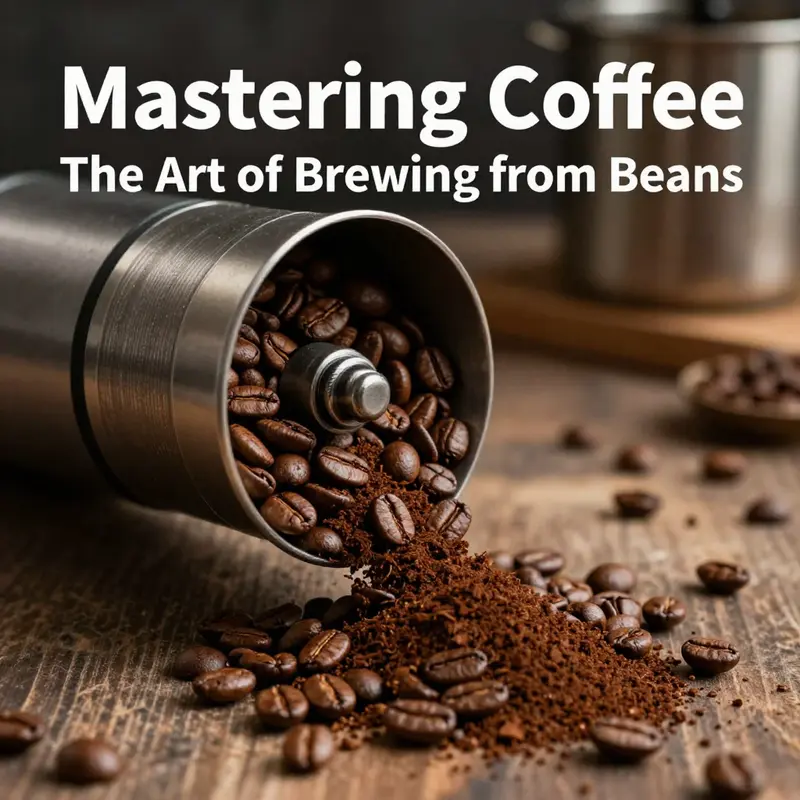
Grinding is the hinge between whole beans and the cup you pour. It is where aroma, sweetness, and a mine of nuanced flavors begin their journey toward your palate. When you grind just before brewing, you coax out the coffee’s live notes—floral or fruity, chocolatey or nutty, bright or round—without letting them fade under oxidation. The simple act of breaking a bean into particles exposes surface area, and surface area is the gatekeeper of extraction. Too coarse a grind leaves the brew under-extracted, with muted flavors and a weak finish. Too fine, and the water lingers too long, pulling out bitter compounds and leaving a heavy, mealy aftertaste. The path to balance is not a secret recipe so much as a careful calibration of grind size, grind uniformity, and the brewing method you choose. In home setups that prize practicality and frugality, the goal is to preserve freshness, control the extraction, and keep the process pleasant and repeatable. The most direct way to achieve this is to grind immediately before you brew, using equipment that fits your budget and your daily rhythm, and to approach grind size as a lever you adjust depending on how you intend to brew that day.
Freshness matters deeply in the grinding phase. Roasted coffee begins a small clock as soon as the beans cool from the roast. The aromatic oils settle, and the volatile compounds that give coffee its brightness begin to dissipate little by little. Whole beans retain their integrity longer than pre-ground coffee, which is why the foundational guidance is unambiguous: never buy pre-ground coffee if you want maximum flavor. The difference is not merely about aroma—it translates into sweetness, body, and the clarity of distinct flavor notes when you finally drink. For beginners, a mid-range roast often provides the most forgiving balance of acidity and sweetness, offering a broad spectrum to taste and appreciate as you learn your preferences. The absence of harsh extremes is welcoming to new palates and makes the learning curve less steep, while still delivering a compelling cup that satisfies daily needs.
The core decision you face in grinding is simple on paper but nuanced in practice: what grind size and what equipment will best align with your chosen brewing method? A pour-over, with its precise water flow and short contact time, thrives on a uniform, medium-fine grind, slightly coarser than table salt. A French press, which relies on longer contact with the water, benefits from a coarser grind to prevent over-extraction and sludge. Cold brew demands a coarse grind to withstand a long steep without becoming muddy. In all cases, the uniformity of particle size matters as much as the size itself. If the grind consists of a mix of large and small bits, the larger pieces will extract more slowly and the smaller ones more quickly, leading to an uneven beverage where some notes peak while others become overscored by bitterness. A consistent grind, therefore, is the quiet workhorse behind a clean, balanced cup.
Within many home setups the path to consistency is paved with a burr grinder, either manual or electric. Blade grinders, by contrast, pulverize beans in an uneven storm, producing irregular particles that can push a brew toward sourness or bitterness depending on how they settle during extraction. A burr grinder, in contrast, carves the bean into evenly sized pieces, a crucial factor when you’re dialing in a new bean or a new brewing method. The budget-friendly reality is that you can reach excellent results with a basic burr mechanism, whether you crank the handle by hand or let a small electric motor do the work. The key is not to chase brand names but to ensure that the device is designed to produce relatively uniform particles and that you use it as your tool for precision, not a convenience that bypasses the core practice. Grinding just before brewing also means you should avoid storage tricks that gamble with freshness; ground coffee deteriorates quickly, so plan for small batches that you brew within a short window while the aroma remains vibrant.
As you consider your equipment, think about the flow of your mornings and your willingness to invest a little time in a ritual that pays off in flavor. A minimal, dependable setup can be built around a compact burr grinder and a simple brewing vessel—a glass pour-over cone or a basic coffee maker with a cone, accompanied by a kettle. The grinder choice determines how far you can push flavor in the cup, but it is not the only piece of the puzzle. You can achieve remarkable results with a basic manual burr grinder and a patient, deliberate brewing approach. The process begins with a good grind, but it is sustained by careful water temperature and a calm pour. Warm water helps extract flavors from the grounds more evenly, while a consistent pouring rate prevents hot spots that can skew extraction toward bitterness or sourness. In practice, the grind is only part of a larger choreography, yet it remains the most influential part, because it sets the rate at which soluble compounds dissolve into the brew.
The practical path that many home brewers find effective hinges on three core choices: first, selecting a grinder that produces a reliable, uniform particle size; second, choosing a brew method that suits your taste and your patience for a small morning ritual; and third, grinding immediately before brewing to lock in the bean’s aromatic compounds and essential oils. When you approach the task with this trio of decisions in mind, your coffee becomes less a fixed product and more a living process you can tune. For instance, if you gravitate toward a pour-over, you will likely favor a grind that resembles fine sea salt—small, uniform, and allowing the water to pass through at a controlled pace, releasing the sweeter, cleaner tones of the bean. If you lean toward a French press, you’ll naturally aim for a coarser grind, which resists becoming overly concentrated and allows the oils to mingle with the water in a way that yields a fuller mouthfeel without the heaviness that a too-fine grind can bring. For cold brew, a coarser grind reduces sediment and creates a smooth, low-acidity beverage that remains refreshing in warm weather.
The simplest and most affordable method offered by experienced home brewers in the current landscape is a reminder that you do not need an elaborate setup to realize the benefits of fresh grinding. A small, practical burr grinder can be your most valuable investment because it directly influences extraction consistency. A straightforward glass pour-over brewer, paired with paper filters, provides a high degree of control over water flow and contact time, two levers that determine how the ground coffee interacts with water. The paper filter, beyond its role in sediment control, helps prevent oils from dominating the cup, resulting in a clearer, more nuanced cup. A basic kettle—no need for specialized gear—complements this setup, letting you regulate water temperature with deliberate wrist control rather than relying on automatic features. The process unfolds in a few well-choreographed steps: boil the water, grind the coffee just before brewing, rinse the paper filter to remove any papery taste and pre-warm the vessel, place the grounds in the filter, and begin pouring in a slow, spiraling motion to saturate evenly. The bloom, a short moment when CO2 can escape, signals a good initial extraction. Then you continue pouring to reach your desired total water volume, allowing the brew to finish in a few minutes. The result is a clean, vibrant cup that reflects the bean’s intrinsic sweetness and acidity rather than the harshness of over-extraction or the heaviness of under-extraction.
To understand why this approach is so effective, consider the science at play, which the Specialty Coffee Association details in its broader guidance on grinding. Surface area increases dramatically as a bean is broken down, accelerating extraction. However, extraction is not simply about more surface; it is about evenness of surface and the control of diffusion through the ground mass. When particles vary widely in size, some parts are over-extracted while others are under-extracted, yielding a cup that tastes uneven or imbalanced. A uniform grind minimizes this risk by ensuring that most particles respond to heat and water in a similar timeframe. This is why the grind is described as the most important step in the brewing chain after selecting fresh beans. It is not enough to crack beans into a smaller form; you must produce a consistent, appropriate-size grind for your chosen method. The guidance emphasizes that the best grinders for home use are the burr types, because they produce the even particle distribution that supports repeatable results. The bottom line is simple: good grind equals balanced extraction, which translates into clearer aromatics and more defined flavors in the cup.
Another practical thread that runs through this chapter is the rhythm of practice. You will likely find that the first few attempts with a new grinder or a new bean reveal what you did not yet understand about your palate or your setup. Take notes, but do so with a gentle mind and a patient palate. Weighing your coffee and the water can quickly become a habit that anchors your routine. The ratio you settle on—how many grams of coffee per milliliter of water—will determine a baseline, from which you adjust for strength, brightness, or body. The discipline of weighing ensures you are not guessing; it anchors taste in measurable reality. The other practical dimension is bean storage. Beans should be kept away from air, heat, and light to maintain their aromatic integrity longer. A cool, dark cabinet or a dedicated canister with a tight seal helps preserve character between roasts. When you grind, you expose the coffee to air, so grinding in small batches that you can brew within a day or two helps maintain the bean’s lively flavor profile.
In the broader arc of making coffee from beans, grinding is the quiet craft that empowers you to shape flavor with precision. It is a moment-to-moment practice that rewards attentiveness and patience. The most essential wisdom is deceptively simple: grind just before brewing, use a consistent grind size appropriate to your method, and pair that grind with water at the right temperature—hot enough to extract without scorching the flavors, and controlled enough to avoid bitterness. With these habits in place, you can experiment with different beans and roast levels and still return to a dependable baseline that yields a satisfying cup. The pursuit is not about chasing a perfect, one-size-fits-all solution but about building a reliable framework that honors the bean and your preferences. As you grow more confident, you will begin to notice the subtle shifts that different grinds bring to aroma and mouthfeel, and you will learn to tune your equipment and technique to reveal the bean’s full spectrum.
In closing, the journey from bean to cup is powered most by the moment you break the bean open and expose its interior to water. That moment—grinding—determines the potential of every brew you attempt. The right grinder, used in the right way, becomes a gateway to a world of taste that is fresh, personal, and accessible. The path requires minimal expense, but it rewards discipline, curiosity, and a respectful approach to flavor. The goal is not to chase the flashiest gadget but to cultivate a dependable practice that makes coffee from beans approachable, affordable, and, most importantly, delicious. Each day you grind, you practice craftsmanship and invite a little more nuance into your morning ritual. The result is a cup that resonates with the farmer’s labor, the roaster’s artistry, and your own evolving palate—a small yet meaningful handshake between bean and beverage. For those seeking a deeper dive into the science behind grind and extraction, a trusted external resource offers a detailed exploration of grinding mechanics and their flavor implications: https://www.sca.coffee/learn/what-is-coffee-grinding.
From Fresh Beans to Perfect Extraction: A Cohesive Guide to Home-Brewed Coffee
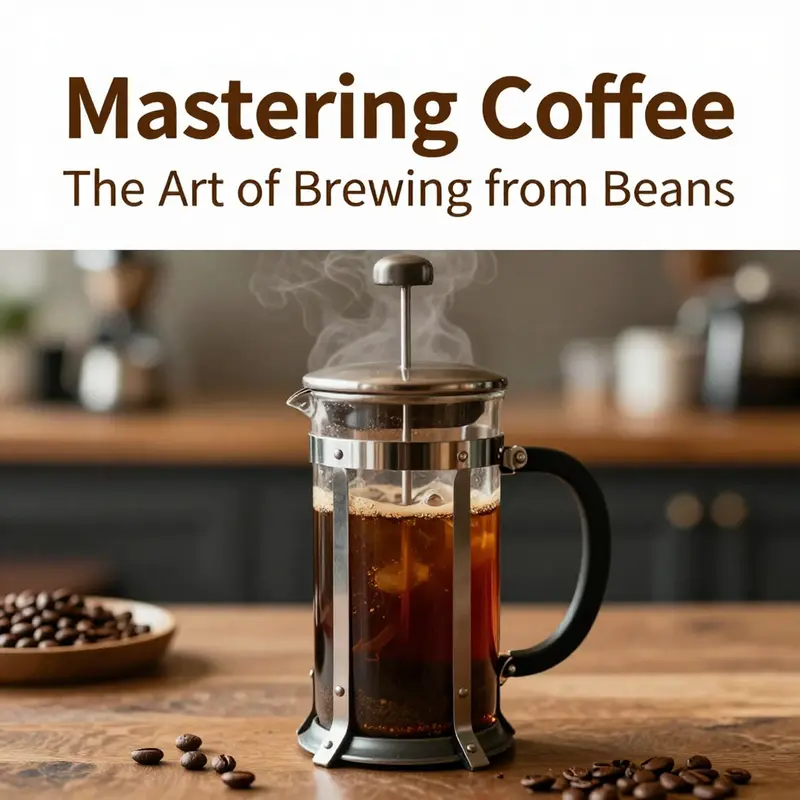
Brewing coffee from beans is more than a routine of pouring hot water over ground coffee. It is a deliberate conversation between the beans you chose, the grind you produce, and the moment you press or drip. The flavor that ends up in your cup is the result of precise micro-adjustments that translate the beans’ origin into a sensory experience. The goal is not to chase perfection with a single technique, but to cultivate a reliable, repeatable process that preserves aroma, extracts flavor evenly, and respects the coffee’s natural character. When you treat brewing as a sequence of small, controllable steps, you unlock a range of flavor profiles that reflect both the bean’s story and your personal taste. The foundation remains simple: fresh beans ground just before brewing, clean water at the right temperature, and a method that respects the time required for proper extraction. In that light, every cup becomes a close inspection of how you balance acidity, sweetness, and body, all while keeping the process approachable and affordable for daily enjoyment.
Freshness stays at the heart of the brew. Whole beans retain their aromatic compounds far better than pre-ground coffee, and grinding immediately prior to contact with water prevents much of the aroma from dissipating. When you grind just before you brew, you harness the oils and volatile compounds that give coffee its lively perfume and layered taste. In practical terms, this means setting aside a few minutes for grinding as part of your routine, rather than buying a bag of pre-ground coffee and hoping for a decent result later. The flip side is that even small equipment choices—your grinder’s consistency, the size of the grind, and your ability to control dose and water flow—will ripple through your cup. The science is approachable: you are maximizing surface area for extraction without flooding the grounds with water in a way that washes away the nuanced flavors.
At its core, extraction is a sequence. Water first pulls out acids, which can read as bright, tangy, or sharp notes. Then it draws out sugars, which give sweetness and roundness. Finally, it dissolves bitter compounds if contact time becomes too long. The balance among these components shapes whether a cup tastes crisp and clean, round and syrupy, or flat and dull. This is not a rigid prescription but a language you learn to read and speak through the method, grind, and timing you choose. If a brew tastes overly sour, you’ve likely under-extracted; if it tastes harsh or bitter, you’ve over-extracted. The aim is a cup that reveals the bean’s origin with clarity while delivering the comfort of a smooth finish.
The method you select acts as the flavor canvas. Pour-over methods emphasize clarity and brightness, allowing you to trace delicate notes to specific flavors in the origin. Immersion methods, such as a longer contact between grounds and water, tend to yield a fuller body and more oils in the cup, delivering a tactile mouthfeel that can feel substantial and comforting. Espresso, which requires higher pressure and finer grind, concentrates flavors and creates crema, a light, creamy foam on top that signals a compact, intense extraction. While you may not pursue espresso as a daily practice with budget gear, understanding that it represents a distinct extraction philosophy helps you appreciate the range available to home brewers. The common thread across these approaches is control: control of grind, control of water temperature, control of contact time, and control of the ratio between coffee and water. When you treat each variable consistently, the differences you notice between beans are less a matter of one method being “better” and more about the flavor profile you are aiming to reveal.
The bedrock of great coffee is a disciplined approach to the fundamental variables: grind size, temperature, brew time, and coffee-to-water ratio. For beginners, a straightforward rule of thumb is to think of grind size as the first dial you turn after selecting your method. A finer grind speeds up extraction because more surface area is exposed to water, which matters in shorter brew times, as in espresso or aerated stovetop brews. A coarser grind slows extraction, which suits longer contact times in methods like French press or cold brew. Temperature should stay within a gentle window—roughly 90 to 96 degrees Celsius (195 to 205 degrees Fahrenheit). Too hot, and bitterness can bloom; too cool, and brightness and aroma can disappear. Brew time then translates these choices into a practical schedule: an intended 2 to 4 minutes for a proper pour-over, around 4 minutes for a French press at a standard strength, and longer for cold brew, where the goal is a smooth, low-acid profile. The coffee-to-water ratio anchors everything. A common starting point is around 1 to 15, which means one part coffee to about fifteen parts water. You may adjust this to your taste: leaner for a lighter cup with more highlight, richer for a more robust cup. The beauty of a home setup is that you can calibrate these variables in small steps, tasting after each adjustment, and then locking in a routine you can repeat.
The craft is in the practice, but the practice is not expensive. A simple dial-up to better brewing can be achieved with modest gear and a few well-chosen habits. Begin with a reliable, clean water source—the difference between well-made coffee and something flat often shows up in the water’s mineral balance. Filtered water can reduce chlorine taste and mineral gaps that mute flavor, especially in hard water regions. Temperature control remains essential, and while you don’t need a high-end gadget, a kettle with a controlled pour is a worthwhile investment for pour-over and other precision brews. The key is consistency; even modest hardware will shine when you apply the same routine, batch after batch. The goal is to make a cup that satisfies your palate and your budget, then refine slowly rather than chasing a flawless first attempt.
Among the practical techniques, two pathways offer distinct advantages for a home brewer seeking both simplicity and flavor diversity: the precision of a pour-over and the robust body of an immersion method. A calm, attentive pour-over invites you to pace your water flow and watch the bloom reveal itself, a small but telling window into the bean’s character. The bloom—brief, initial wetting where carbon dioxide escapes—signals the grind’s compatibility with the brew and helps you gauge the coffee’s freshness. A steady spiral pour that starts at the center and gradually expands outward helps sustain an even extraction and prevent channeling, where water finds a fast track through the grounds and bypasses others. With practice, this becomes less about following a rigid tempo and more about listening to the coffee’s response as you pour.
In contrast, an immersion method like a full-immersion press presents a different sensory experience. The grounds mingle with water for a fixed period, releasing oils and particles that contribute to a denser, smoother cup. The result can be more forgiving of minor grind irregularities and water temperature deviations, yet it demands attention to the final press and immediate consumption to preserve its vitality. If you crave a quick, forgiving routine, this method offers reliability without sacrificing quality, while still requiring your deliberate control of grind size, water, and time. These approaches are not mutually exclusive; they are a spectrum that rewards curiosity and careful note-taking. Each batch becomes a small experiment in which you tweak a single variable—coarsening the grind to slow extraction or shortening the brew time to reduce bitterness—and taste for the change.
To support a practical, repeatable practice, begin by documenting a simple baseline. Note the method, grind size range (roughly fine, medium, or coarse), water temperature, and total brew time. Record the coffee-to-water ratio you use and the final cup’s perceived balance of brightness, sweetness, and body. Then, adjust one variable at a time across a series of small tests. For instance, if you love a brighter cup, try a slightly finer grind and a marginally hotter water temperature while keeping the ratio constant. If you prefer smoother sweetness, experiment with a coarser grind and a longer steep time for an immersion brew. The aim is not to chase a single “correct” setting but to map a preference profile that remains consistent across different beans and roasts. This approach aligns with the idea that great coffee is less about the machine and more about consistent technique and deliberate calibration.
Even with a low-cost setup, you can cultivate a high level of nuance. Start with a straightforward routine: grind right before brewing, heat water to a controlled temperature, and prepare your chosen method with clean equipment. A basic kettle, a stable support for the brew vessel, a simple filter or screen, and a reliable timer are all you need to create a respectful home coffee ritual. The small steps are empowering: weigh your coffee for accuracy, keep a tidy intake of water at the moment of brew, and rinse any filters to remove papery tastes. If you’re using a pour-over, a gooseneck kettle can improve control by enabling a slow, precise pour; if you’re using a French press, pre-warming the vessel helps maintain temperature and extract full body from the grounds. If you’ve chosen a drip method, ensure your filters are fresh and properly seated, as a snug fit reduces channeling and helps your brew reach uniform extraction.
The science behind extraction is accessible, and the relationship between technique and flavor becomes a responsive dialogue. By focusing on freshness, consistent grind size, appropriate water temperature, and mindful brew times, you turn a simple cup into a predictable, browse-able flavor map. You begin to hear the coffee whisper its notes: the bright citrus of a light roast, the caramel sweetness in a medium roast, the chocolatey depth of a darker roast. You learn to modulate brightness with grind and water, to round acidity with a touch more time, and to amplify sweetness by a gentler pour and a shorter contact period. The result is not a rigid blueprint but a practical framework you can apply to any origin or roast.
The habit of tasting your own brews builds confidence. Taste is a personal metric; your palate is the judge. Start each session with a small, repeatable test—perhaps a single batch with a standard ratio and a known grind size. Then adjust by small increments and compare the outcomes. Your sense of balance will mature as you compare notes across multiple beans and roasts. When your friends notice the difference, you will know you are close to a reliable, personal standard. The real reward is a daily ritual that respects the coffee’s origin while offering a stable routine you can rely on, regardless of the bean you have on hand.
In the end, the art of brewing from beans is a practice of listening and adjusting, rather than chasing a single perfect method. It is about building a repertoire of reliable, low-cost techniques that reveal the coffee’s true character. It is about respecting freshness, giving grounds the right amount of attention, and letting the water do the work of carrying flavor from bean to cup. It is about recognizing how a small change in grind, temperature, time, or ratio can reveal or mute subtle notes that were there all along, waiting to be noticed. The journey is ongoing; with each batch you refine your sense of what your palate desires and what your equipment can deliver. The result is not simply a better cup, but a more thoughtful approach to the daily ritual of coffee and a better understanding of how to coax flavor from humble beans.
For readers seeking a deeper dive into the science that underpins extraction and flavor, a trusted external resource offers a clear, detailed exploration of how variables interact. This reference complements the practical, low-cost guidance shared here and helps you better understand why your adjustments matter. https://www.seriouseats.com/the-science-of-coffee-extraction
Final thoughts
In conclusion, mastering the art of making coffee from beans involves a careful selection of high-quality beans, the right grinding technique, and an efficient brewing method. As a business owner, investing time in these foundational elements will not only elevate your coffee service but also enhance customer satisfaction and loyalty. Remember that each cup of coffee served is an opportunity to create a memorable experience for your customers. Dive into these practices and watch your business coffee offering flourish.