
As a business owner, the freshness of your coffee beans directly impacts both the taste of your beverages and the overall customer experience. Ensuring that coffee beans maintain their flavor and aroma is crucial not only for satisfaction but also for the profitability of your operations. This guide delves into effective strategies for keeping coffee beans fresh, focusing on critical factors such as storage conditions, the importance of airtight containers, misconceptions about refrigeration, and smart purchasing practices. By understanding these aspects, you can elevate your coffee quality and keep your customers coming back for more.
Guardians of Freshness: Mastering Temperature and Light to Keep Coffee Beans Flavorful
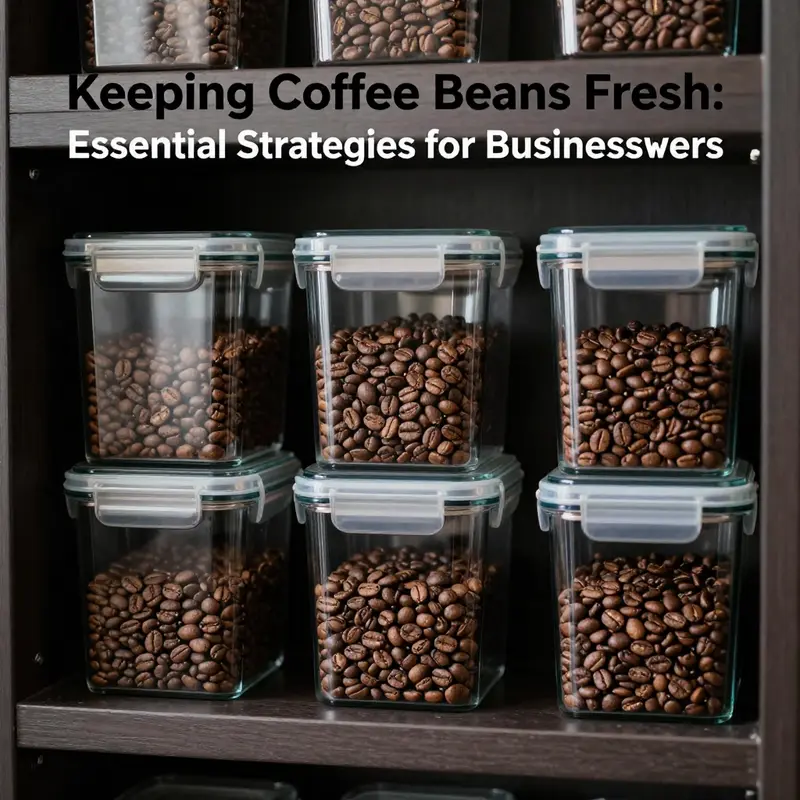
Every bag of green-roasted aroma is a small time capsule. Once the roaster signs off, the clock starts ticking on the beans’ delicate flavors and volatile oils. In the kitchen, two silent guardians decide how vibrant your cup will taste: temperature and light. They aren’t dramatic barriers like heat or noise; they’re steady, everyday forces that slowly steer the beans toward staleness or toward a fuller, brighter brew. Understanding how they work gives you a practical superpower: you don’t need fancy equipment or a climate-controlled vault. You just need a habit that respects the chemistry inside each bean and a little discipline about where you store it. When you start thinking about freshness this way, the rest of the recommendations—airtight containers, minimal headspace, small-batch buying—fall into a natural, cohesive routine that keeps flavor at the front of every grind and pour.
Temperature quietly governs the rate of chemical change inside roasted beans. Heat speeds up the molecules’ wanderings, accelerating oxidation and the loss of volatile aromatics. The oils that carry the coffee’s signature notes are particularly sensitive. When these oils migrate and disperse, the cup can taste dull and flat, even if the beans are relatively fresh. The flip side is also true: cooler conditions slow down these reactions. Yet the goal is not icy dormancy but stable warmth. The sweet spot identified by careful observation and expert guidance sits around 15–20°C (59–68°F). In that range, the beans enjoy a gentle pace of change, enough to keep flavors lively without quick degradation. What matters more than the exact number is consistency. A steady environment, one that avoids sudden shifts, preserves the integrity of aroma compounds just as a slow simmer preserves flavor in a sauce.
Stability is disrupted most effectively by fluctuation. People unintentionally introduce condensation inside the storage vessel when moving from a cold to a warm space. A jar tucked in a chilly cabinet, then pulled into a sunlit stretch near the stove, can become a miniature fogginess factory. Moisture is a stealth enemy; it invites staling and can carry off flavors that would otherwise cling to the bean’s surface. That is why the storage setup emphasizes not only temperature but also a dry, well-sealed, lightweight microclimate around the beans.
Light, particularly ultraviolet light, operates as a different kind of saboteur. It penetrates even modest coverings and drives photochemical reactions that break down flavor compounds. The result is a cup that can lean toward rancid or sour notes long before the beans go off in the classic sense. The fix is straightforward: keep the beans in opaque containers that shield them from light. Transparent jars or clear bags, even if they seem convenient, permit photons to wander into the bean matrix and start their work. This is why many experts advocate dark-tinted glass, stainless steel, or ceramic vessels. The important detail is not the material alone but its ability to block light while maintaining an airtight seal. A robust lid with a gasket, a design that minimizes headspace, and, where possible, the option to vent carbon dioxide without letting air back in, all contribute to preserving the beans’ aromatic profile.
Put simply, the ideal storage strategy blends temperature control with light shielding. A well-considered setup looks something like this: a cool, stable space away from heat sources and direct sunlight, paired with an opaque, airtight container. If you buy beans in a bag that carries a one-way valve, that valve helps to release built-up CO2 from freshly roasted beans while preventing external air from creeping in. Yet once you’ve opened any bag, the next, more decisive step is transfer to a dedicated opaque container. This move reduces oxygen exposure, which is a primary driver of flavor loss after roasting. Oxygen and light are the two culprits you want to keep at bay; moisture is a rogue element you want to master by keeping the environment dry and free of condensation.
The practical implications of these ideas extend to how you source and consume beans. The broader guidance suggests buying in small quantities and using them quickly. Roasted beans begin to decline after roasting, and their peak flavor recedes noticeably after two weeks. The rule of thumb is to aim for 1–2 weeks of peak flavor after opening the package. Large, bulk purchases might seem economical, but they force you into longer storage times, during which the aroma compounds fade and the cup’s brightness grows blander. By purchasing smaller quantities that you can finish within two weeks, you ensure each brew preserves a brighter aroma and a more nuanced flavor profile. This approach also aligns with the physical realities of the environment: even in a cool, dark cabinet, a larger stock of beans will remain in a single, gradually aging lot rather than a moving set of fresh, volatile beans. The ritual of buying a little, opening, sealing, and then brewing within days becomes a dependable cadence that sustains consistency across morning cups and weekend experiments alike.
Another layer of practicality concerns the container itself. An opaque jar with a tight-sealing lid minimizes oxygen entry while shielding the beans from light. A gasketed lid specifically helps to maintain an airtight seal, which reduces the amount of air the beans breathe in after you open them. A minimalist approach to headspace is a subtle but meaningful detail: when you scoop beans into a container, aim to leave as little air as possible above the beans. Too much empty space means more air, and more air means more oxidation over time. In some storage systems, a one-way valve adds another layer of protection. While it serves well for bags that may still vent CO2, using it only in the bag is not a substitute for a truly airtight container. The valve is helpful, but not a replacement for a sealed, dark vessel.
If your current setup involves the refrigerator or the freezer, you are not alone. The common advice often says: refrigeration slows staling, and freezing halts it. In practice, refrigeration can introduce moisture and odor exchange. The variable humidity of a fridge can condense on the beans when they warm up, leading to a damp surface that invites staleness. Moreover, beans readily absorb odors from nearby foods, which can taint their genuine flavor. Freezing is a more nuanced choice. If you have a substantial stock to preserve over a long stretch, freezing can be an option, but it requires discipline: only take out what you need, keep the rest sealed, and avoid repeated cycles. The recommended approach for freezing is to use vacuum-sealed bags or airtight containers to prevent moisture and odor transfer and to minimize the number of times your beans thaw and refreeze. When you do thaw, let the beans come to room temperature before grinding or brewing, and avoid thawing the entire bag at once if you do not intend to use it promptly.
All these considerations coalesce most clearly when you think of two fundamental actions: grind once, and grind just before brewing; and keep the beans in a dry, cool, dark, and airtight environment. Ground coffee is a different creature altogether. Once the bean surface is exposed to air, oxidation accelerates rapidly; the aromas leak away in a hurry. Ground coffee loses its vibrant life because the surface area has exploded. That is why the simplest, most effective habit is to purchase whole beans and only grind what you plan to brew in the near term. The aroma compounds that define the cup’s identity are volatile and fragile, and once they escape, they rarely return with the same intensity.
If you put these ideas into a daily routine, your kitchen becomes less of a staging ground for stale flavors and more of a laboratory for preserving origin, roast, and intention. A few small routines help translate theory into practice: select a dedicated storage bottle or canister that stays in a consistent location, such as a back shelf of a cabinet away from heat and light; label it with the roast date and the opening date; when you buy fresh beans, purchase just enough to finish within the next two weeks and transfer them immediately into the storage vessel; only grind what you will brew that same day or the next. These routines are not onerous; they are a set of small, dependable habits that quietly preserve the coffee’s essential character—the fragrance in the beans, the body in the cup, the memory of origin and roast—so that every morning ritual remains a moment of clarity rather than a disappointment.
The practical aroma of a well-kept bag is the aroma of a well-executed plan. The coffee you drink becomes a faithful mirror of how you treat it in the kitchen. The temperature you host the beans at and the light you allow them to enjoy determine how long their personality remains intact. If you maintain a cool, stable environment and shield the beans from light, you slow the soul-sapping oxidation that gnaws at aroma and flavor. If you seal them tightly and minimize headspace, you limit the oxygen that leeches flavor away. And if you respect the bean’s integrity by grinding only when necessary, you preserve what makes each batch unique—the subtle fruit tones, the spice notes, the chocolatey depths—without inviting stale cousins to intrude on the cup.
In the end, this approach is not about chasing a mythical, perfect shelf life. It’s about crafting a reliable process that preserves as much of the coffee’s original character as possible. It invites you to treat freshness as a habit rather than as a chance occurrence. The recommended framework—cool, dark, dry storage; airtight containers; minimal exposure to air; immediate transfer after opening; small quantities consumed within two weeks—provides a clear, actionable path. It aligns well with the science of espresso and drip alike, because both methods rely on the same underlying chemistry. The moment you acknowledge the role of oxygen, light, and moisture in the bean’s journey, you begin to negotiate the terms of the relationship you have with your coffee. You become a steward of flavor, rather than a passive consumer of whatever sits on the shelf.
As you refine your storage setup, consider the larger picture of your coffee routine. A well-kept bag invites you to experiment with grind size, roast level, and brew method while maintaining a consistent baseline of freshness. The better your storage, the more evident the differences between a bright, fruity roast and a dark, chocolatey roast—differences that can be overshadowed by improper handling. When the beans arrive at your grinder without the staleness that often accompanies poor storage, you gain more accurate feedback from your palate. You can compare roast levels with confidence, notice the bloom and crema more clearly, and adjust grind and extraction to match the bean’s true potential. This is why the theme of temperature and light isn’t a dry technical aside; it is the foundational discipline that makes every other choice—grind size, roast date, water temperature, and brew time—work in harmony.
For readers seeking a concise, memorable rule, embrace the following: keep coffee beans in a cool, dark, dry place in an airtight container. Use them within two weeks of opening, and grind only what you will brew soon. Treating freshness as a practical method rather than a vague aspiration empowers your day-to-day brewing. It is a simple, repeatable system that respects the science of flavor while honoring the artistry of the bean’s journey from roaster to cup. If you adopt this approach, you will likely notice that the morning cup becomes not merely a routine but a small celebration of a moment preserved—an echo of the origin, the roast, and the careful handling that kept the beans at their best.
External reference for further reading: https://thecoffeereview.com/storing-coffee-beans-for-maximum-freshness/
Locking in Flavor: How Airtight Containers Become the Quiet Guardians of Fresh Coffee Beans
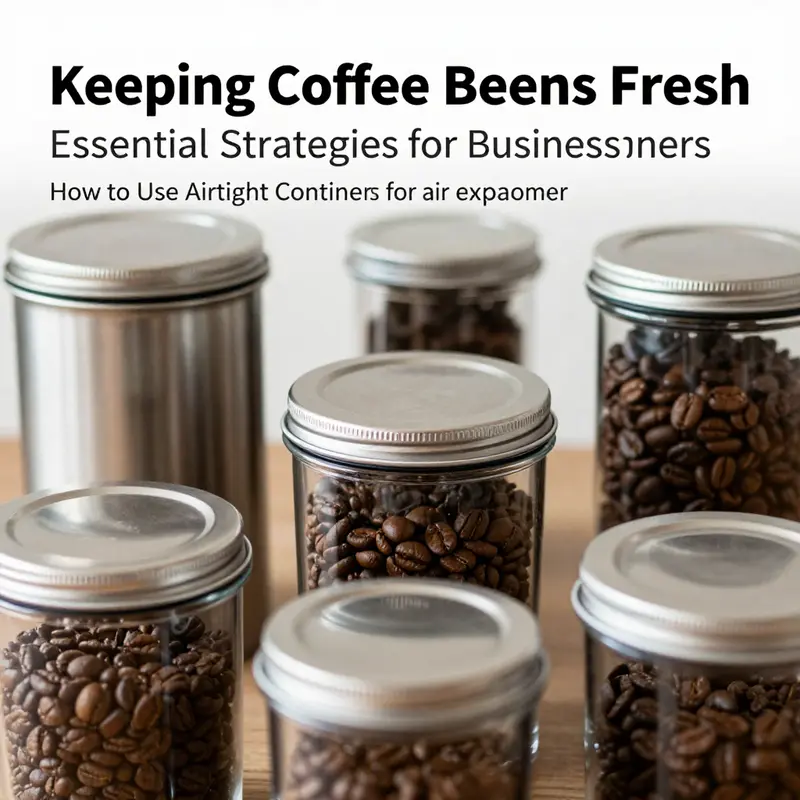
When coffee beans emerge from the roaster, they carry a volatile bouquet of aromas that define a cup’s character. Yet that bouquet is delicate and fleeting. Oxygen, light, heat, and moisture all conspire to strip beans of their vitality, slowly turning bright fruity notes into flat echoes. The moment you crack open a bag, you begin a countdown: the clock starts ticking on flavor. The most practical, most reliable shield against this decay is a simple tool and a deliberate habit—an airtight, opaque container that seals out air and light while keeping moisture at bay. In practice, this means treating the container not as a mere vessel but as a carefully considered part of your coffee routine. It deserves attention, because the right container translates roasting into sipping glory at your table rather than a stale disappointment you notice only after pouring hot water over ground dust. The container becomes the quiet steward of the beans, a guardian that preserves the oils, the sweetness, and the nuanced character that roasting has gathered and released into individual beans. And yet, as with any steward, the quality of service depends on understanding the rules of the realm: what counts as airtight, what counts as opaque, and how to position the container within a kitchen that already buzzes with heat, light, and odor. The core principle is elegantly simple: keep the beans cool, shield them from light, and seal them tightly in a container that minimizes air exchange. Do that, and your coffee’s peak flavor can stay within reach for a longer stretch than you might expect. Think of airtight storage as the hinge on a door between two worlds—the world of fresh-roasted aromatics and the world of stale, oxidized flavors lurking just beyond the opening. The door is closed with a lid and a seal that behaves like a careful micrometer: it squeezes out the air, or at least reduces its intrusion, and it blocks light from entering like a shutter. The design matters a lot, because even a slight lapse—an imperfect seal, a translucent surface, or a container that absorbs odors from neighboring foods—can nudge your beans toward staleness more quickly than you realize. In practical terms, the best containers combine two essential traits: they are airtight, and they are opaque or kept in a truly dark location. Light is an offender that doesn’t always shout; it can seep through thin glass or plastic and slowly erode the aromatic compounds that give your coffee its identity. Opaque containers—whether metal, ceramic, or specially coated glass—eliminate that risk. If you cannot find a truly lightproof jar, the next best option is to place your container in a dark cupboard or pantry, away from the glare of windows and the glare of any illuminated surfaces that linger after the sun goes down. From there, the next layer of defense is the seal. A lid that closes with confidence, accompanied by a gasket or a tight-fitting edge, is the difference between a heroic preservation of freshness and a slow, creeping oxidation that changes the coffee you brew into something that barely resembles its origin. The idea of airtight storage isn’t just about keeping air out; it’s about keeping what matters in: the flavorful oils and volatile compounds that define aroma and taste. When air does creep in, it carries oxygen that begins a slow, relentless oxidation process. The oils in the beans, delicate and enticing, react to this oxygen; their flavors fracture and gray out into a duller, more muted profile. The surface area of the coffee matters, too. Whole beans shield more of their outer layer until ground, but once ground, the exposed surface rapidly loses its volatile compounds. That’s why the practice of grinding only what you need just before brewing is not merely a recommendation but a fundamental part of preserving the chain of freshness. An airtight container helps, but it does not completely halt all changes. The beans will eventually lose peak flavor, especially after two weeks from opening, and that is precisely why many connoisseurs advocate buying small quantities and using them quickly. In this context, an airtight container is less a single purchase and more a daily ritual: a habit of transferring beans promptly from their original bag into a container that truly keeps out air and light. The transfer itself is a small but meaningful step—it’s a moment in which you reaffirm your commitment to freshness and a reminder that the beans deserve a controlled environment, not a hangout in a busy kitchen where heat from the stove, steam from the sink, or the close aroma of other foods can mingle with their own. The container’s material plays a part, too. Glass and metal both have merits, but the distinguishing factor is opacity and seal integrity. A thick-walled opaque glass jar with a rubber gasket can provide a nearly perfect balance of visibility and protection. A metal tin with a snug, well-sealed lid can offer excellent barrier properties and is often robust enough for a bustling kitchen where jars might be jostled or bashed. Yet even the best metal or glass needs a few care points to stay effective. Avoid placing containers near heat sources; stoves, ovens, or dishwashers radiate warmth that accelerates the aging process even inside a closed vessel. The goal is a cool, dry, low-humidity environment, not a high-humidity pantry where condensation can form on cold beans once the container is opened. Moisture is another stealthy antagonist. A container that seals tightly but sits in a humid environment can invite condensation if the temperature fluctuates. That condensation is water, and water is a thief that dissolves aroma compounds and undermines the oils that give coffee its lift. For long-term storage beyond a couple of weeks, many lovers of coffee turn to freezer storage in vacuum-sealed conditions. Freezing slows degradation and can be a legitimate tool when you need to preserve beans for more than a fortnight or when a needed purchase cannot be consumed quickly. The crucial caveat is to keep the beans in small portions so you don’t repeatedly expose them to temperature shifts. The moment you pull a portion out to use, you should minimize the time it spends at room temperature before grinding. The act of freezing itself is not inherently bad; what matters is the integrity of the seal and the avoidance of moisture ingress when the beans are returned to air. Before you place beans in the freezer, ensure the container is truly sealed and that you use a vacuum-sealed bag or an airtight container designed to withstand freezing. Once removed, grind only what you need, immediately reseal the rest, and return the balance to the freezer to keep disturbance to a minimum. In a home where space and routines differ, the choice of storage can become personal. Some people prefer a single, broad-shouldered container that sits on the pantry shelf, easy to access yet proudly opaque. Others opt for a small set of containers of the same size, each filled with a week or two’s worth of beans; this modular approach makes it simpler to rotate stock without letting any single portion languish. The point is not to complicate life but to reduce the number of times you expose beans to air and heat. Exposure is cumulative; even brief openings accumulate over days and weeks. Each time you open the container, air infiltrates, oxidation begins anew, and the clock resumes its countdown. Thus, it is worth cultivating a habit that minimizes openings. If you find yourself rummaging for exact beans to brew, consider transferring a measured amount into a smaller, clearly labeled canister that you keep in immediate reach for daily use. This strategy reduces the temptation to unwrap the entire container each morning and helps maintain the integrity of the remainder for a longer stretch. The ritual rhythm matters as well. A consistent practice—store in a cool, dark place; keep it sealed tightly; grind just before brewing; and rotate stock in a timely manner—creates a reliable cadence that protects aroma and flavor. Some people find it helpful to keep a simple calendar or a small notebook to track opening dates or roast dates. While the calendar cannot replace sensory judgment, it can provide an objective reminder of how long a batch has remained in its container. Even the best storage cannot grant immortality to coffee, and the reality remains that two weeks after opening is a practical horizon for many blends. Beyond that, the aromatic intensity starts to fade, and the balance of flavors may tilt toward a more one-note experience. Nevertheless, a well-sealed, opaque container will still preserve a surprising amount of character well into that two-week window, particularly if you saved the beans from a recent roast and kept them away from heat and sunlight. This is where the language of care and discipline enters the kitchen. The container becomes not a mere vessel but a partner in the pursuit of a consistently excellent cup. When you pick up the jar, there should be an instinctive sense that you are about to engage with something that has been protected from the elements. The lid should feel firm with a deliberate click, the seal should hold without wobble, and the container should look at home among other kitchen tools that honor quality and simplicity. In the end, the science and the ritual converge: an airtight, opaque container is the primary line of defense against staling, and the rest of the practice—cool placement, dry surroundings, minimal exposure, and timely usage—complements that defense to preserve the beans’ aromatic profile. If you’re curious about a broader approach to environmental control in everyday life, you can explore a related perspective on how attention to surrounding conditions can influence outcomes in other routines, such as rehabilitation and daily activity planning, at how-occupational-therapy-aids-in-stroke-recovery. This cross-check between fields underscores a simple truth: the best outcomes often come from small, disciplined actions that reduce variability and shield what matters most. Finally, the practical path is straightforward. Invest in an airtight, opaque container, place it in a cool, dark corner away from heat sources, and transfer your beans promptly after roasting. Buy in quantities that you will consume within a couple of weeks, preferably 500 grams or less, to minimize the time beans spend exposed to air after opening. When you do freeze, do so in small portions within vacuum-sealed bags, ensuring the container is sealed before freezing and the beans are returned to air only after they have largely regained their protective seals. And whenever you brew, grind on demand. Ground coffee, with its expanded surface area, loses freshness far more quickly than whole beans, making the practice of grinding just before brewing not only sensible but essential to achieving the fullest possible flavor. By embracing these principles, you create a continuum of freshness that carries from the moment the beans leave the roaster to the first aromatic whiff of a cup poured into your favorite mug. The simplicity of airtight storage belies its impact: it is, more than any other choice, the reliable, repeatable step that honors the roast and respects the cup. External reference: https://www.thespruceeats.com/how-to-store-coffee-beans-4127968
Rethinking Cold Storage for Fresh Coffee Beans
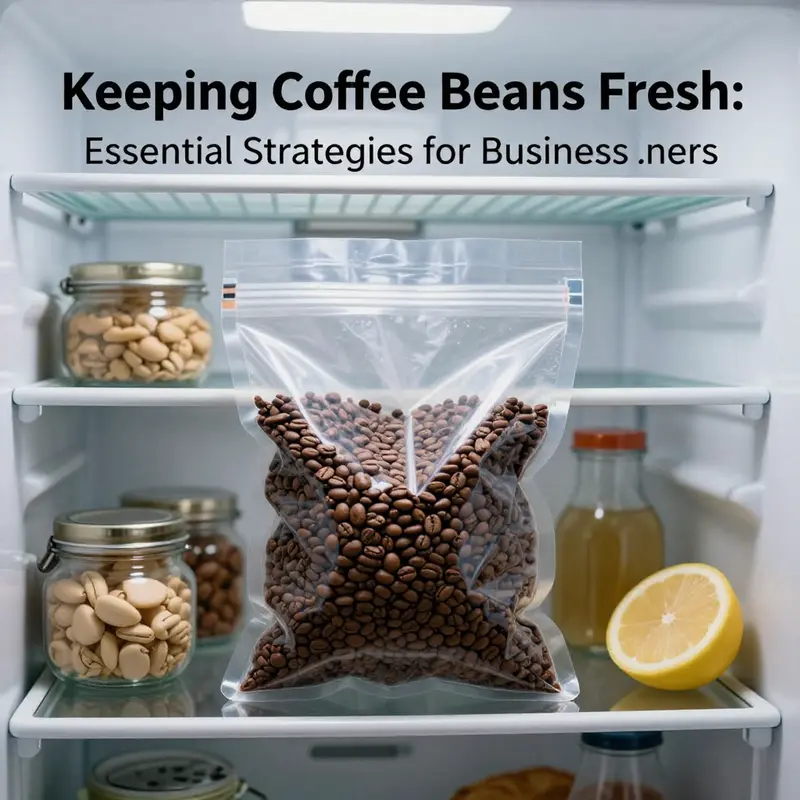
Coffee beans carry aroma and flavor that evaporate when exposed to air. Cold storage in refrigerators and freezers can induce condensation, moisture transfer, and odor contamination that dulls the beans. For peak aroma, store whole beans at room temperature in an opaque, airtight container away from heat and light, and grind just before brewing. This approach preserves the oils and volatile compounds longer than refrigeration or freezing for typical home storage horizons.
Fresh Starts: Smart Coffee Bean Purchases That Lock In Flavor from Roast to Brew

A few purchases can tip the balance between a vibrant, aromatic cup and a flat, dull one. The moment you choose which beans to bring home, you set in motion a chain of events that begins with the roast date and ends with the first sip. Freshness is not a mystery hidden behind a glossy label; it is a discipline of choosing the right beans, in the right packaging, at the right time, and then treating them with respect as they move from bag to grinder to cup. The purchasing phase is the first and most influential step in keeping coffee beans fresh, because you are selecting the set of conditions under which the beans will age. When a bag is opened, the clock starts ticking on flavor and aroma, and your choices at the counter determine how gracefully that clock will run. In essence, freshness is a story you tell from the moment you pick up the bag to the moment you press the brew button, and every sentence along the way matters.
The backbone of this story is the roast date. Roasting triggers a cascade of chemical changes in coffee beans, and as soon as the beans exit the roaster, they begin to lose their vigor. Oxygen begins to interact with exposed surfaces, and carbon dioxide, which briefly protects and freshens beans, dissipates. The rate at which flavor fades is predictable enough to guide smart shoppers: aim to buy beans roasted within the past two to four weeks for peak flavor. Beans older than six to eight weeks have often surrendered a sizable portion of their aromatic complexity and bright acidity, even if they still smell tempting in the bag. A roaster who is confident in their craft will display the roast date clearly; if it is missing, the beans should give you pause. A simple rule of thumb is to treat roasted beans like fresh fruit—best enjoyed when they are still near their peak, not after their prime has passed. When you can see the roast date, you gain a practical tool for planning your consumption and calibrating your expectations about what lies inside the bag.
The packaging that houses the beans is the second crucial chapter in this purchasing story. The right packaging protects the beans from air, moisture, and light, all of which accelerate staling. One way to secure freshness is to seek packaging that features a one-way valve. These valves allow CO2 to escape as the beans degas, but they keep oxygen from slipping back in. This simple mechanism can dramatically extend the window of freshness, especially for beans that are freshly roasted and still actively offgassing. If valve packages are not available, opaque, airtight bags or containers with reliable seals are the next best option. The key is to minimize air exchange and light exposure. Clear or transparent packaging invites light to punch at the fragile aromatics, and air contact begins the oxidation process that dulls flavors. In a shop, it is easy to overlook the long-term impact of packaging, but a quick inspection of the bag or canister can reveal whether the beans are likely to stay vibrant through the first days and weeks at home. In addition to valves, packaging that keeps out moisture and odors from the surrounding environment is essential. Light, air, and moisture are the silent thieves of freshness, and the packaging should act as a steadfast barrier against each. When you are evaluating packaging, you are not simply choosing convenience; you are choosing the conditions under which the beans will rest before they meet your grinder.
Quantity matters as much as quality in the pursuit of freshness. This is a practical discipline: buy in smaller quantities and use them quickly. The temptation to stockpile can be strong, especially when a bag is on sale or when you want to explore multiple origins. Yet the longer beans sit, the more their internal chemistry drifts toward staleness. A sensible cadence is to purchase what you can use within a month, and to prioritize frequent rotations over large, infrequent hauls. This approach has the practical benefit of preserving the intensity of the roast profile you enjoy. If you are the type who likes a variety of origins, the solution is not to hoard more of each coffee but to rotate through a few carefully chosen options every few weeks. The ritual of rotating bottles of wine offers a useful parallel: you savor a wider spectrum of flavors when you buy smaller quantities that you can finish while they remain at their best.
Precision at the point of purchase also means choosing whole beans over pre-ground coffee. Ground coffee presents a much larger surface area, which accelerates oxidation and the loss of volatile aromatic compounds. The difference can be subtle in the moment, but the flavor trajectory is unmistakable when you compare a fresh grind with pre-ground coffee that has sat on a shelf or in a can for days. Even if you grind your beans at home, you preserve more of the delicate oils and compounds by buying whole bean and grinding just before brewing. The purchase becomes a deliberate act that preserves aroma and body, turning the beans into a living, aromatic platform for your brewing method. The decision is not about complicating your shopping routine but about honoring the chemistry that makes a cup sing. It is an investment in how your home will smell, and in the complexity you will taste when you finally pour.
That chemistry is not uniform across origins or roast levels. Some beans retain brightness and acidity longer, while others reveal deeper, chocolatey notes that can fade if left unconsumed. The purchase decision is an opportunity to align the bag with your typical brewing cadence. If you brew daily and prefer a bright, fruit-forward profile, you might lean toward beans that are known for vivacity and a shorter degassing window. If your palate gravitates toward a velvety, barrel-like sweetness, you may tolerate a slightly longer window between roast and grind, provided you keep air exposure minimal. The key is to read the label with an informed eye: roast date, packaging type, and an honest description of the flavor profile help you forecast how the beans will age in your kitchen and how quickly you should drink them while they are at their best.
In practice, this means you should be mindful of the difference between best by dates and roast dates. Best by dates are often calculated from packaging processes or marketing calendars and may not reflect the actual freshness of the beans. Roast dates, when displayed, provide a more honest map of how long the beans have rested and how much aromatic potential they still hold. A reputable roaster will clearly display the roast date and often a recommended consumption window if possible. When you see a roast date, you gain an actionable signal for planning a purchase strategy that matches your own consumption rhythm. You do not need to chase every new origin or every new roast, but you should build a personal rotation that respects the freshness window, supports your preferred flavor direction, and minimizes waste.
To translate these ideas into a practical plan, treat each bag as a temporary vessel rather than a permanent pantry staple. As soon as you get home, transfer the beans to an airtight, opaque container and keep them away from heat and light. This step, though simple, reinforces the intention behind your purchase: you have chosen beans that will perform at their best when handled with care after the purchase has been completed. If you must store beans for longer than your immediate brewing cycle, a careful approach to freezing can be warranted. Freeze them in small portions, using vacuum-sealed or tightly sealed containers to prevent moisture and odor exchange. Only thaw what you will use in a short period, and avoid repeated freeze-thaw cycles that can dull flavors. The idea is not to punish yourself with rigid rules, but to build a sane, repeatable system that consistently preserves aroma and taste.
Another practical dimension of purchasing strategy is the shopping frequency itself. The pace at which you buy should reflect your actual consumption and your willingness to experiment. If you already know you enjoy a particular roast profile for a few weeks, you can stock a couple of bags of that profile but not in overwhelming quantities. The aim is to keep a balanced rotation: a few dependable favorites that you know you will finish within a couple of weeks, plus a couple of more adventurous options that you try as a limited run. This approach reduces the risk of a single bag lingering too long and allows you to appreciate the differences that origin, altitude, and processing methods impart on flavor. It also supports a cleaner tasting environment—the fewer beans you keep for extended periods, the less likely you are to detect stale notes in the cup.
A well-crafted purchasing strategy also considers the environment in which you purchase. Seek out roasters who offer transparent information about roast dates, packaging, and storage recommendations. The presence of a clear, readable roast date signals a roaster who understands freshness as a process, not a marketing afterthought. Packaging that emphasizes air and light protection shows a commitment to the product beyond the moment of sale. In short, the best shops are not merely selling beans; they are curating an ongoing freshness narrative. When you shop with these criteria in mind, the beans you bring home become more than raw materials; they become part of a disciplined routine that elevates your daily coffee ritual.
The purchasing chapter does not stand alone. It dovetails with the care you apply once the bag enters your kitchen. The rules of thumb from practical storage—cool, dark, dry places, and airtight containment—are not ad hoc guidelines; they are the living conditions that enable the purchase strategy to bear fruit. If you adhere to a roast-date focused approach, protect beans with robust packaging, maintain small, consumable quantities, and favor whole beans ground just before brewing, you create a consistent environment in which freshness can flourish. The interplay between purchase decisions and at-home handling is what ultimately determines how long that early, fresh aroma stays in your cup rather than dissipating into a stale reminder of yesterday.
This holistic approach to buying and handling beans helps you avoid common traps. It reduces waste by aligning purchase volumes with actual consumption, and it preserves aroma by prioritizing packaging that minimizes the beans’ exposure to air and light. It also invites you to become a more deliberate consumer, one who understands that the journey from roast to cup is not a single moment at the shop but a longer arc that begins at the counter and ends with your next brew. The best result of this mindset is a kitchen that smells like a coffee roastery during a fresh roast, a cup that tastes of its origin and its age without tasting stale, and a routine that makes your daily coffee an intentional, crafted experience rather than a rushed afterthought.
As you continue to refine your method, remember that the end goal is not simply a fresher cup but a more reliable, enjoyable ritual. The emphasis on roast dates, protective packaging, and thoughtful quantity control creates a dependable framework for fresh coffee. The beans you choose will carry their own story of origin and roast, but your handling after purchase determines how much of that story is preserved by the time you press the button and inhale the aroma. In the broader arc of keeping coffee beans fresh, the purchasing stage is your most influential ally. It shapes the freshness window, sets expectations for flavor, and gives you a practical toolkit for avoiding waste and savoring nuance. If you carry these principles into your regular routine, you will notice a meaningful improvement in both the consistency and character of your daily cup.
For readers who want a concise reference to the principles that guide fresh buying, here is a quick synthesis: seek a clear roast date within the past two to four weeks, favor packaging that protects against air and light and includes a valve if possible, buy in small quantities you can finish within a month, and prioritize whole beans ground just before brewing. With these habits in place, you create a straightforward, repeatable system that keeps your coffee beans fresh longer and makes every brew more rewarding. The act of purchasing becomes less guesswork and more a reliable step in a well-designed freshness strategy that honors the coffee’s journey from roaster to cup.
External resource for further reading: https://www.thespruceeats.com/how-to-buy-fresh-coffee-beans-1095875
Final thoughts
Keeping coffee beans fresh is not just about storage; it encompasses a comprehensive strategy that includes choosing the right containers, understanding the impact of temperature and light, avoiding common storage mistakes like refrigeration, and implementing smart purchasing practices. As a business owner, prioritizing these elements will enhance the flavor profile of your brews, fostering loyalty among customers and ultimately contributing to your establishment’s success. By adopting these methods, you can ensure that every cup of coffee served meets the high standards that your customers expect.