
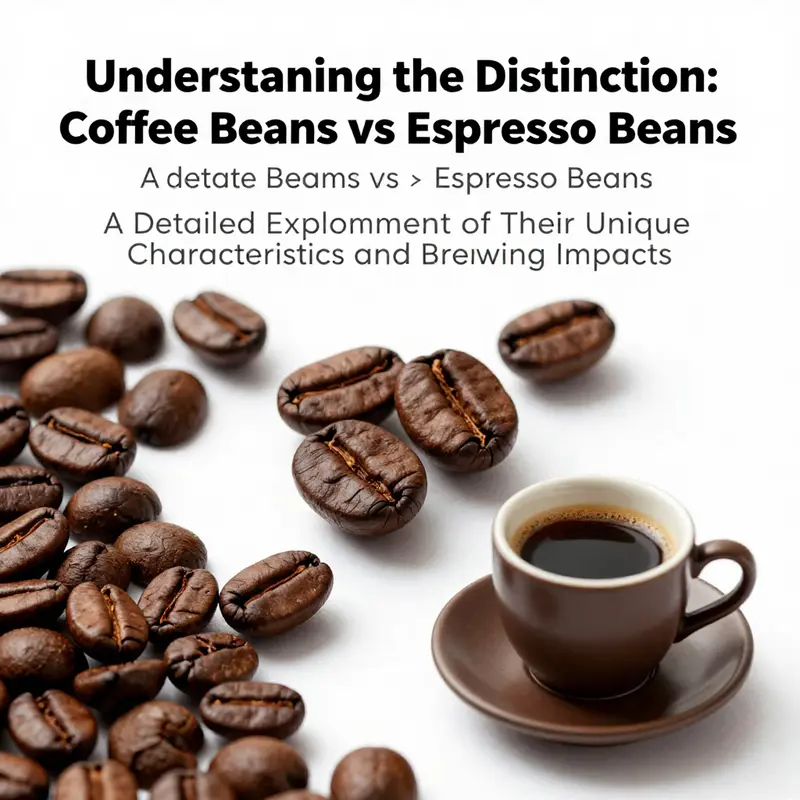
Coffee is a celebrated beverage globally, with nuanced flavors and preparations that appeal to millions. As a business owner, understanding the distinction between coffee beans and espresso beans can provide you with a competitive edge in offering exceptional products. This article will explore their unique characteristics, how brewing methods affect each, and the differing flavor profiles. Recognizing these differences will enable you to make informed choices in your business, ensuring you meet your customers’ preferences effectively.
From Origins to Espresso: The Subtle Distinctions Between Coffee Beans and Espresso Beans
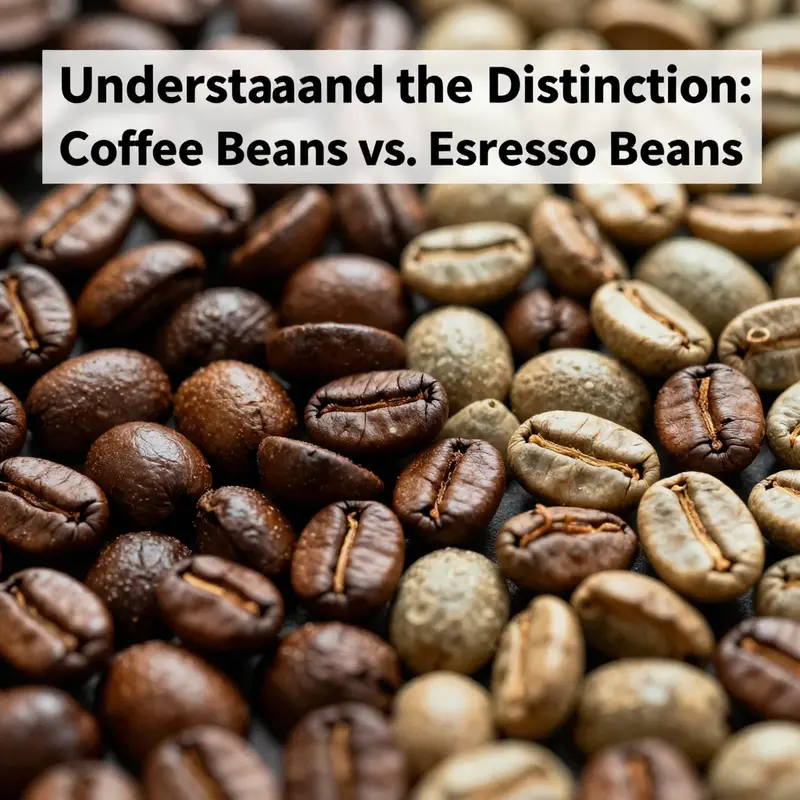
In the world of coffee, the language we use often travels faster than the flavors reveal. People toss around the terms coffee beans and espresso beans as if they were interchangeable, a simple matter of labeling. Yet, the truth is more nuanced. A bean is a seed, a harvested output of careful farming and processing. Espresso beans are a particular way of choosing and roasting those beans to perform in a very specific brewing context. To truly understand the difference, we need to follow the arc from cultivation and processing to roast and extraction, tracing how a single seed can become either a general vehicle for pour over, drip, or cold brew, or a highly specialized partner for the espresso machine. The distinction matters not only to how a cup tastes, but to how a roaster conceives a blend, how a barista aims for crema, and how a home brewer approaches grind, time, and temperature. The distinction also invites us to see brewing as a conversation between origin and technique, between the terroir of a farm and the physics of a pressure-driven shot in a busy café or a quiet kitchen counter.
To start, we must anchor ourselves in what a bean actually is. The term coffee bean refers to the seed extracted from the coffee cherry, belonging to the species primarily Arabica or Robusta, sometimes a blend or other varieties. The seed itself carries a certain potential that becomes real only after it is roasted. Roasting is not just a burnishing of color; it is a transformation of chemical compounds, sugars, oils, and aromatics into flavors we recognize as acidity, sweetness, bitterness, body, and aftertaste. The origin of the bean—its country, its microclimate, altitude, soil composition, and farming practices—imprints a fingerprint on the cup. A bean from a high-altitude Ethiopian farm may bring bright lemon and jasmine notes; a bean from Sumatra might deliver earthy depth, cacao, and a touch of spice. These origin notes are not fixed; they shift with processing and roast, yet they emerge as possibilities that a roaster can amplify or temper through the roast profile.
Processing method matters as well. Washed, natural, and honey processing leave very different imprints on the bean and on the cup. Washed beans tend to offer cleaner, brighter acidity and clearer fruit notes. Natural or dry-processed beans often develop sweeter, wine-like characteristics with fuller fruitiness because the fruit dries around the seed during processing, integrating flavors that can feel dense and lush. Honey processing sits somewhere in the middle, balancing sweetness with some of the clarity of a washed bean. When we speak of coffee beans in general, we mean the whole spectrum of origins, varieties, processing methods, and roast choices that can be brewed with a wide range of methods—from a delicate pour-over to a brisk French press or a cold brew that drinks like a glass of iced tea with depth. The versatility of coffee beans as a category stems from this wide latitudinal range of flavor potential.
Espresso beans, however, are not simply coffee beans treated differently; they are a curated subset designed for a particular physics of extraction. Espresso is a highly concentrated, fast brew, typically pulled in 25 to 30 seconds under high pressure. That pressure, usually around nine bars, imposes stringent demands on the beans. The goal of an espresso roast is to create a balance where sweetness and body emerge quickly, acidity is tamed, and oils contribute to a rich, syrupy mouthfeel. Espresso beans are almost always a blend, carefully composed from different origins to produce a steady, reliable flavor profile that can carry a shot with strength, depth, and a crema that crowns the cup. The concept of blending here is strategic: a roaster combines beans with complementary sweetness, acidity, and aromatic compounds so that, when ground fine and exposed to a short, intense extraction, the result remains coherent and pleasing across servings. In this sense, espresso beans are a designed instrument, crafted to perform in relation to the machine and the espresso ritual, not merely to taste good on their own.
If you taste an ordinary roasted bean with the intention of making a simple filter coffee, you might seek clarity and a bright, clean profile. You want a cup that speaks of its origin with minimal masking by the roast. The roast level often favors lighter hues, preserving origin characteristics, and letting the natural acidity and floral or citrus notes come forward. Yet when the same bean is roasted darker and reserved for espresso, the story changes. The dark roast enhances sweetness through caramelization and the Maillard reactions that occur when sugars and amino acids interact under heat. It also contributes oils that carry through the high-pressure extraction and provide a textural weight that feels substantial in the mouth. The espresso flavor universe becomes a composite of the roast’s caramel, chocolate, and toasty tones, tempered by the blend’s chosen proportions and the machine’s tension. In other words, a bean is not bound to a single destiny; the fate is shaped by roast level, blending philosophy, and the method of brewing.
Understanding these distinctions helps explain why the same bean can yield very different experiences when used in different contexts. A light-roasted single-origin bean that sings in a pour-over may water down in an espresso shot if it lacks structural balance for quick extraction. Conversely, a carefully chosen espresso blend might yield an exquisite crema and a harmonious shot even when the same beans are later used for a different method if adjusted for grind size, dose, and water temperature. The key factor is compatibility with the extraction profile: the physical and chemical environment created by the grind, the ratio of coffee to water, the pressure, and the contact time. Espresso demands a maximal extraction within a tight window, so the beans’ oils, sugars, and aromatics must be poised to release quickly and smoothly under pressure. In a broader sense, espresso beans are crafted to be predictable, repeatable, and balanced in a short, intense moment; ordinary coffee beans aim to reveal a broader range of flavors when given time and gentle extraction.
Roast level remains a central hinge in this distinction. Espresso roasts tend toward medium-dark or dark, but the exact shade is a craft choice. The emphasis is on sweetness and body, with acidity pushed into the background so it does not clash with the high-pressure pull. The caramel notes that emerge from sugar breakdown and the cooking of aromatics blend with the bean’s natural oils to form a crema that sits atop the shot, a visual cue of successful emulsification of oils and gases under pressure. The crema is not merely a pretty accessory; it is a practical indicator of how well the beans interact with the machine’s pressurized environment. A stable, thick crema suggests that the beans deliver a balance of oils, sugars, and proteins that the machine can extract effectively. If the crema is sparse or rapidly disappears, it can be a sign that the roast level or the blend’s component origins may not be synergizing with the shot’s dynamics. In contrast, lighter roasts, while prized in other brewing contexts for their origin-driven brightness, can produce a more fragile crema or lack the bold body that espresso demands. In short, roast personality and intended brewing method are inseparable in the espresso equation.
Another dimension is consistency. Espresso drinkers expect uniform experiences. That expectation pushes roasters toward blends that maintain a dependable profile across lots, harvest years, and seasonal variations. Single-origin espresso candidates exist, but they carry the risk of betraying the consistency that a café relies on for drinks like lattes and cappuccinos where balance and crema carry the drink through milk and foam. The quest for consistency also shapes grind size and equipment settings in the shop or home kitchen. Espresso grind is fine and uniform; the contact time is short, so the surface area, particle distribution, and tamping pressure all contribute to how evenly flavors extract. A bean that is too oily or a roast that yields uneven particle surfaces can create channeling or inconsistent extraction. In the end, the espresso bean is less about a single flavor character and more about the reliability of a flavor framework under pressure.
What does this mean for a coffee lover at home? If you brew with an everyday drip machine, a simple pour-over setup, or a French press, you still benefit from understanding that your chosen bean’s origin, processing, and roast interact with your brewing method. You need a bean that aligns with your method’s needs: clarity in pour-over, body for French press, or a certain brightness for cold brew. A light to medium roast with clean acidity can excel in pour-over and filter coffee, showing off citrus, floral, and bright notes that describe the bean’s terroir. A medium roast tends to hit a sweet spot for many gravity-drip methods, offering a balance of acidity and body, while a dark roast can produce a comforting, chocolatey robustness for those who favor minimal acidity and a coating mouthfeel. For cold brew, many prefer beans with sugar-rich sweetness and smoother notes that maintain body even when diluted and steeped for long periods. In each case, the roasting choice creates the bridge between the bean’s inherent flavors and the water’s influence, the temperature, and the contact time.
Espresso, by contrast, asks for a more specific kind of bridge. The beans must deliver sufficient sweetness to counteract bitter notes that can emerge when extraction is swift, while also offering enough body to withstand the dilution that occurs when milk or water is added to create a latte, cappuccino, or macchiato. The blend is often tuned to deliver consistent crema, color, and mouthfeel across drinks that share a common base shot. This is why the espresso bean is so often a blend: it allows roasters to combine beans that, when roasted to the same profile, work together to create a synergistic whole. A bright single-origin coffee can be a marvelous individual tasting experience, but as an espresso, it may require a partner to balance acidity and to deliver steady crema and a reliable finish across multiple servings. The reverse is also true: a single-origin bean roasted for espresso can be extraordinary when pulled as a shot, if its acidity and sweetness align with the machine’s demands and the barista’s technique.
The practical side of choosing between coffee beans and espresso beans comes down to how you intend to brew. If your goal is a straightforward morning pour that preserves origin flavors with a clean cup, you will likely favor beans roasted to highlight clarity and gentle acidity. You will also consider processing style and origin as meaningful quality indicators. If you plan to pull shots, you will look for beans that roasters designed for espresso explicitly, often in blends, to ensure you have a stable flavor foundation, a satisfying crema, and a finish that holds up when milk is added. It is not that one bag cannot do both; it is that the likelihood of achieving a consistently excellent espresso shot with a generic bag is lower than using a bean or blend designed with espresso in mind. The same logic guides grinders and equipment: grind size should be appropriate to the method, and the roast profile should be aligned with extraction expectations. The deeper point is that beans carry a set of design choices, and espresso beans are a deliberate design designed to function best under a precise set of mechanical and temporal conditions.
This distinction also invites a reflective practice for consumers. When you buy coffee beans labeled as general or for multiple methods, you should taste with your intended method in mind. If you grind the beans finer for espresso and find the shot under-extracted or over-extracted, you can adjust the grind, dose, or water temperature. If you use a lighter roast for espresso and the shot tastes overly acidic or fragile, you might shift toward a blend with more body and sweetness. The art here is not only about picking the right bag but about understanding how your equipment and your palate respond to the same seed when it is roasted and blended to different ends. The seeds can still be the same in the sense that they are the same botanical material, but the roast profile, blend strategy, and grind settings reframe their essence for a particular purpose.
The journey from seed to cup thus moves through layers of choice: origin, processing, and roast for a general coffee bean; origin and blend strategy, roast level, and extraction dynamics for espresso beans. A coffee bean opened in a slow drip may reveal its life story in quiet, unfolding notes. A carefully prepared espresso shot, however, tells a compressed version of that story, with emphasis on sweetness and body, and with crema as the audible punctuation that marks a successful performance under pressure. The difference, then, is not a matter of one being inherently better or worse than the other. It is about alignment—alignment between the seed’s potential, the roasting philosophy, the method of extraction, and the cup the drinker hopes to enjoy. The best coffee, whether brewed for a weekend of leisurely exploration or a busy café service, emerges when the bean’s character has been understood and harmonized with the method’s demands. Espresso beans embody a design for intensity and resilience; general coffee beans embody a design for breadth and clarity. Both come from the same plant family and share a common lineage, yet they are given distinct roles in the coffee ecosystem, roles that determine not just flavor, but the ritual and technique that accompany each cup.
As you continue this exploration within the broader article, you may find yourself testing the boundaries of what a bean can be asked to do. You might roast a single-origin bean dark enough to approach a traditional espresso profile and discover how its natural sweetness behaves in that compressed environment. Or you might use an expertly crafted espresso blend to craft a simple pour-over that reveals the balance of its component origins while still honoring the clarity that a lighter roast could offer. The beauty lies in recognizing that these decisions are not arbitrary, but are rooted in a coherent understanding of how beans respond to the forces of heat, pressure, and time. The conversation between origin, roast, and method is a dialogue where the same seed can sing in many keys, depending on how we tune the instrument.
In the end, the distinction between coffee beans and espresso beans is not a hard boundary, but a practical guide. It tells us how roasters plan blends, how baristas design shots, and how home brewers choose a path through a pantry of roasted choices. It is a reminder that flavor emerges through an interplay of factors, and that the same seed can be tuned to speak softly in a cup, or to deliver a bold, crema-laden performance under pressure. By embracing the difference, we gain a richer vocabulary for tasting, selecting, and brewing. And as the cup arrives—whether it carries the quiet clarity of a filter brew or the deep, comforting sweetness of a properly pulled espresso—what remains constant is a respect for the seed, for the craft, and for the moment of connection that a well-made cup invites.
External resource: For a broader overview of coffee bean fundamentals and how roasting shapes flavor profiles, see https://en.wikipedia.org/wiki/Coffee_bean.
From Blends to Crema: How Brewing Methods Distinguish Coffee Beans from Espresso Beans
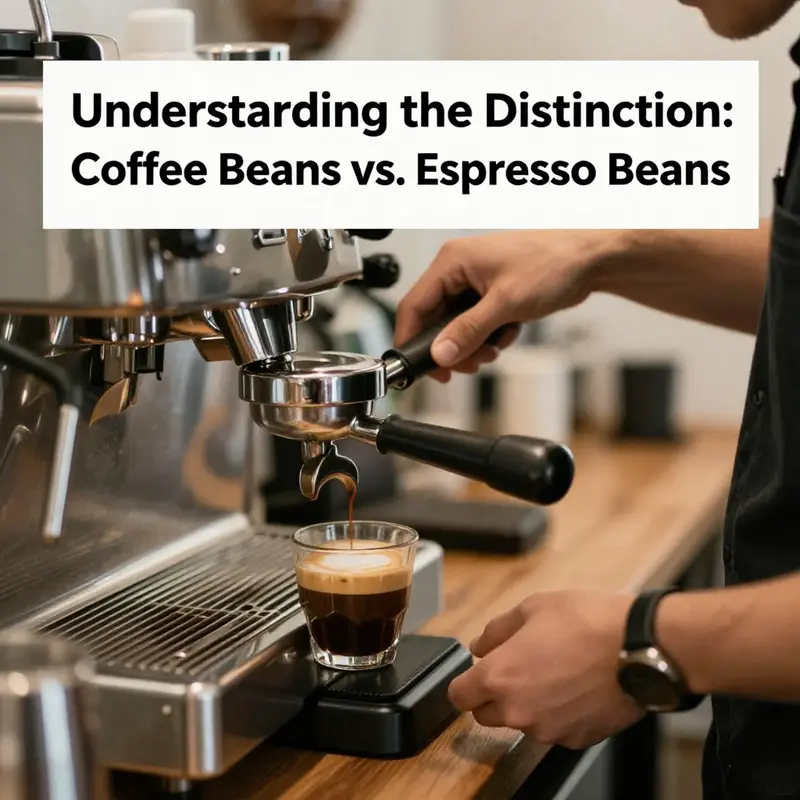
The terms coffee beans and espresso beans hover in the same neighborhood, yet they describe different ideas. One is a broad category that covers any roasted bean destined for ordinary brewing methods. The other is a targeted subset—a bean profile engineered to perform under the exacting pressures and short extraction times of an espresso machine. This chapter follows the thread that connects the two: how the way we brew reshapes what those beans actually deliver in the cup, and how the choices we make about bean type, roast, and grind translate into taste, texture, and even caffeine experience. By tracing the arc from bean to crema, we can see that espresso beans are not a separate plant or a mysterious variety; they are a specific use case, a crafted blend or selection, roasted and prepared to excel in a machine that compresses time and heat into a concentrated extract.
To begin with, it is crucial to distinguish the broad term coffee bean from the specialized category of espresso beans. A coffee bean, in the most inclusive sense, is any roasted coffee seed that has been roasted, cooled, and packaged for consumption. It may come from a single origin or from multiple origins blended together. It may be roasted light, medium, or dark, depending on the goals of the roaster and the intended brewing method. Coffee beans are versatile; they can be ground coarse for French press, medium for drip, fine for Turkish coffee, or even coarser for cold brew. The roast level and the origin profile influence the balance of acidity, sweetness, body, and aroma, but there is no fixed mandate beyond the general expectation that the bean can yield a satisfying cup through a given technique.
Espresso beans, by contrast, are a category defined by purpose rather than origin alone. They are beans that have been selected and roasted to yield a particular behavior under pressure and quick extraction. Most espresso blends are formulated from multiple origins. The idea is to harmonize diverse flavor notes—fruitiness from one origin, chocolate and nutty tones from another, depth and sweetness from a third—into a compact, balanced profile that can stand up to the intensity of a 9-bar pull and a 25–30 second shot. The roast tends to skew toward medium-dark or dark, not to crush brightness but to develop body, syrupy sweetness, and a stable crema that cushions the aroma as the oils emulsify in the high-pressure environment. In a well-made espresso, the crema is not merely decorative; it is part of the flavor matrix, a layer of texture that carries delicate compounds from the bean to the palate.
The broader coffee bean category includes both blends and single-origin beans, and it embraces every roast spectrum from light to dark. A light roast tends to accentuate origin-specific acidity, floral and fruity notes, and a brighter, lattice-like brightness in the cup. A dark roast often emphasizes body, caramelized sweetness, and a smoother, more chocolatey finish, sometimes with a hint of smoke. When one roasts for espresso, the decision is not simply about darkness; it is about how the roast interacts with extraction under pressure, the stability of crema, and the way the grind size will affect emulsification and solubility. Espresso beans are, in essence, roasted with an aim to maximize solubility under short contact time while preserving a balance that does not taste harsh or flat when crema forms on top.
One key implication of the espresso vs nonespresso distinction is blending versus single-origin philosophy. Espresso roasters frequently rely on blends because blending offers a toolkit for achieving a consistent, dependable flavor profile across different beans and harvests. The goal is to deliver a robust, rounded cup with measurable crema that remains coherent from the first sip to the last drop of a typical shot. A well-composed espresso blend can combine the sweetness and low acidity of some origins with the depth and chocolatey tones of others, yielding a shot that feels complete at a relatively small volume. However, this does not mean single-origin beans cannot be used for espresso. A coffee grower with a bright, fruit-forward origin might also perform admirably in espresso if roasted to a level that tames acidity and preserves a pleasing body. The thrill of espresso can be found in both blends and single-origin beans, so long as the roast and grind align with the machine’s capabilities and the desired flavor outcome.
Roast level and origin conspire with brewing method to create the final impression of a cup. Espresso roasters routinely push toward a roast that amplifies body and sweetness while moderating acidity. The reasoning is practical: in espresso, the short extraction time and high pressure expose the beans to intense conditions that can magnify sharp notes if the roast is too light, or flatten delicate aromas if the roast is too dark. Medium-dark roasts often hit a sweet spot where the resulting shot feels full-bodied, syrupy, and balanced, with crema that lingers and a finish that remains approachable across a range of flavor notes. In contrast, a light roast designed for pour-over or drip will often highlight the bean’s inherent acidity and complex origin flavors, offering a brighter cup with a more apparent spectrum of aroma compounds. This distinction matters because it helps explain why a coffee bean that performs brilliantly in a French press may not be the ideal candidate for a quick espresso pull—and why an espresso blend may disappoint when used for a slow, delicate brew.
The ground rules of blooming and extraction add another layer of nuance. Espresso relies on a fine grind to maximize surface area and speed up extraction. The pressure-driven extraction of espresso pulls out soluble solids quickly, building a concentrated beverage with a measurable caffeine content per volume. Cold brew, in contrast, uses a coarse grind and a long steep time, often 12–24 hours, with a focus on minimizing acidity and bitterness while delivering a smooth, rounded cup. The cold process alters which compounds are extracted and in what proportions, producing a different experience even when the same bean is used. The upshot is that the same bean can yield very different sensory experiences depending on the brewing method. If you switch from an espresso grind to a coarse cold brew grind without adjusting roast or origin considerations, the result will be muted flavors and a different caffeine delivery profile. The chemistry is not simply about caffeine content; it is about a matrix of acids, aromatic oils, and soluble solids that are liberated under particular conditions.
This is precisely why espresso beans are often a blend and roasted darker. The goal is to create a more uniform extraction under pressure, a body-forward profile that can carry through the crema and hold steady through a short, intense shot. The darker roast reduces perceived acidity, making the sharp notes less aggressive when concentrated in a small volume. It also tends to enhance sweetness through caramelization and to improve oil release, which contributes to the crema’s stability and texture. Yet there is a counterpoint: a single-origin bean that presents a strong, chocolatey, low-acid profile can sometimes yield an excellent espresso if roasted appropriately. The key lies in matching the bean’s natural flavors with the roast curve and then aligning grind size, tamping, and water temperature to the espresso machine’s capabilities.
In practice, choosing between beans for espresso and beans for other methods should be driven by how you plan to drink coffee, not by a rigid dichotomy. A home setup that can do both—a good grinder, a reliable kettle, and a capable espresso machine—benefits from having a dedicated espresso bean or two for the morning ritual and a separate bag of general coffee beans for slower, more contemplative brews. If your aim is to maximize crema and intensity, opt for an espresso blend with origins that complement each other in sweetness, body, and aroma. If your aim is to explore a wide range of flavors from different origins, you might choose single-origin beans suited to pour-over, but you can still experiment with them in espresso to discover surprising nuances when roasted and ground with care.
The concept of caffeine is entwined with the method and the beans, yet it does not always follow a straightforward path from roast or bean type to energy level. Espresso often yields a higher caffeine concentration per milliliter because the shot is a compact, concentrated form. However, a typical 8-ounce cup of drip coffee can contain more total caffeine than a single espresso shot, depending on the bean and the ratio of water to grounds used during brewing. Cold brew adds another twist: the total caffeine content can be substantial due to the long extraction time and the higher coffee-to-water ratio, yet the body of the drink feels smoother and the absorption can be more gradual. In other words, the energy you experience from a cup is a function of both total caffeine and the rate at which your body absorbs it, which in turn relates to the brewing method and serving size.
Flavor and aroma operate hand in hand with texture and caffeine. Espresso emphasizes a compact, syrupy mouthfeel and a strong aromatic presence that presents as a crema-topped, sometimes slightly charred profile with notes that can range from dark chocolate to toasted spices. The shorter contact time highlights the intensity of the aromatics; even small changes in grind size and tamp pressure can shift the balance between sweetness and bitterness. In contrast, a well-extracted pour-over or drip offers a more spacious flavor landscape. The same bean, whether origin-focused or blended, can reveal delicate fruit tones, crisp acidity, and a longer, cleaner finish. The brewing method acts like a filter that determines which notes are spotlighted and which are allowed to recede. Oils that contribute to body and aroma are more readily captured in espresso, while the gentler extraction of drip or pour-over preserves a broader array of volatile compounds that create a more pronounced, lighter acidity and a lingering aftertaste.
For the consumer, the practical upshot is straightforward but nuanced. If you want a robust, immediate coffee experience with a rich crema that can cut through milk in a latte or cappuccino, seek out an espresso blend or a single-origin that exhibits good body and low to moderate acidity when roasted toward the espresso range. If you prefer flexibility and nuance, choose beans that perform well across multiple methods, with origins known for bright acidity and distinctive aroma profiles, and be prepared to adjust grind size and brew parameters as you switch methods. The dialogue between roast, origin, grind, and method is a living conversation that roasters and baristas cultivate to deliver a certain feeling in the cup—a feeling that can range from a brisk, caffeinated pick-me-up to a contemplative, lingering experience.
As you explore, you may find value in thinking of beans and methods as a design space rather than a rigid rulebook. The craft of espresso is not about chasing darkness for its own sake, but about shaping an extraction that yields sweetness, balance, and crema under pressure. The broader world of coffee beans offers a playground for experimentation with origin flavors, roast degrees, and grind sizes, inviting exploration of how a single bag of beans can yield an astonishing variety of cup profiles across methods. This interplay between bean identity and brewing technique explains why the same bean can feel dramatically different when brewed as a shot, a long black, or a cold brew. It also underscores the point that the difference between coffee beans and espresso beans is not a matter of separate species, but a matter of context—the chosen method, the roast curve, and the grind that together choreograph the taste experience.
In the end, the distinction matters because it informs how we select, store, and brew. If your goal is daily ritual and speed, you may lean toward a dependable espresso blend that performs consistently under shot pressure. If your curiosity runs toward origin stories and flavor exploration, you will likely favor general coffee beans that shine when filtered, poured, or plunged. The best approach is to recognize that brewing method and bean identity are two halves of a cooperative system. They rely on each other to reveal the cup you anticipate. When you align the roast level with the brewing method, when you match grind size and water temperature to the machine’s pressure profile, you unlock a richer sensory narrative. And when you move through this process with intention, you can appreciate why a bean labeled as coffee or as espresso is not a fixed destiny but a pathway to a particular, repeatable experience.
For readers who want further depth on how brewing methods shape extraction and flavor, a technical perspective provides a rigorous backdrop to this discussion. The ScienceDirect review on brewing methods and their impact on coffee quality offers an evidence-based exploration of grind size, water temperature, pressure, and contact time, and how these variables sway the balance of caffeine, acids, and aromatic oils in the final cup. This external resource complements the practical guidance presented here by anchoring the conversation in measurable phenomena and comparative studies across brewing techniques, helping to refine the intuition developers and enthusiasts bring to bean selection and method optimization. https://www.sciencedirect.com/science/article/pii/S096399692400218X
Internal link note: as you consider the precision and environment that shape outcomes in professional practice, you may find it useful to reflect on how similar precision and adaptation play out in the world of daily routines and health. For a perspective that ties habits and environments to measurable results in another field, you can explore a related discussion at occupational-therapy-mental-health. While the subject matter is different, the underlying principle—careful tuning of inputs to influence outcomes—resonates across disciplines. The idea is to cultivate a mindset that appreciates how small adjustments in equipment, procedure, and timing can yield noticeably different experiences, whether in a clinical setting or at the coffee bar.
In sum, the difference between coffee beans and espresso beans is a matter of context, not kind. Coffee beans describe the broad family of roasted seeds that can be prepared by many methods. Espresso beans describe a subset engineered for a specific method and outcome. The artistry of roasting, blending, and grinding makes espresso beans particularly suited to short, intense extractions with crema, while the wide world of coffee beans invites a broader palette of origins, roast profiles, and brewing experiments. The same seed carries the potential for many identities, depending on how we choose to unleash its flavors. And this is where the beauty of coffee lies: in the endless conversation between bean, roast, grind, and method, a dialogue that invites us to taste, adjust, and discover in real time how a single bag can yield countless coffee moments.
Roast, Blend, Brew: Decoding the Subtle Divide Between Coffee Beans and Espresso Beans
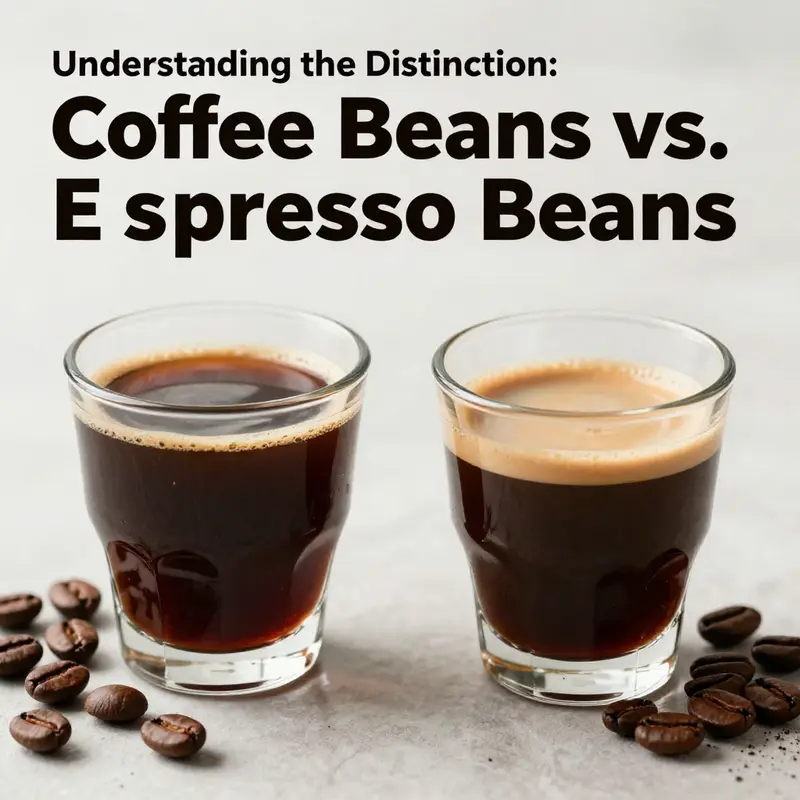
The language around coffee often slips into casual shorthand. People talk about “coffee beans” and “espresso beans” as if they were two different species or kinds of crop. In reality, the distinction is less about the seed itself and more about how it is roasted and how it is meant to be brewed. This is a story about transformation as much as it is about flavor. It begins with the unroasted seeds, moves through the roasting fires, and ends in the cup where texture, aroma, and taste converge in a way that feels both familiar and distinct. When you tuck into a shot of espresso or pour a cup of drip coffee, you are tasting a lengthy sequence of decisions that started long before the grind. The terms are helpful ways to communicate, but they can obscure the deeper truth: espresso beans are a carefully crafted subset of coffee beans, one built to perform in a high-pressure, short-extraction environment and to deliver a particular balance of body, sweetness, and crema. Coffee beans, by contrast, describe a broad category that encompasses every roasted bean destined for any brew method—from light, delicate pour-overs that highlight bright acidity to dense, forgiving blends suited to the busy morning ritual of a drip machine. Understanding this helps demystify the flavor spectrum and makes it easier to choose beans with confidence, whether your goal is a sparkling single-origin cup or a velvety espresso so dark it feels almost syrupy on the palate.
The journey from green bean to roasted coffee is, in itself, a study in potential. Green coffee beans are not yet coffee in flavor terms; they are raw seeds with the capacity to develop into a constellation of tastes. Their intrinsic notes—floral, fruity, chocolaty, nutty—reflect the complex arithmetic of origin, altitude, soil chemistry, and post-harvest processing. Yet these flavors lie largely dormant until heat and time coax them out. Roasting is that decisive act of translation. It is the process that converts the sharp, often bitter, bitter-sweet profile of green beans into the kaleidoscopic range of aromas and tastes coffee lovers chase. The roast has its own grammar: light roasts tend to preserve more of the origin’s brightness and distinctive notes; medium roasts balance acidity with body and highlight caramelized sugars; dark roasts merge sweetness with a fuller, more compact mouthfeel and often mute delicate origin nuances in favor of a robust, chocolatey character. In this sense, the same beans can yield a startlingly different cup depending on how they are roasted.
Espresso, as a brewing method, is a choreography of physics and chemistry that presses water through finely ground coffee at high pressure in a short time. The beans that travelers may call “espresso beans” are not a separate species. They are a roasted profile designed to perform within that precise environment. Espresso roasting leans toward the middle to dark end of the spectrum. The aim is to create a cup with body, sweetness, and a creamy, lasting crema that crowns the shot. The crema is not just a garnish; it signals that emulsified oils and emulsified gases have formed a stable colloid under pressure. A well-made crema carries aroma and a layer of flavor, and it helps to balance the impact of the espresso’s intense extraction. Darker roasts for espresso intensify sweetness and reduce perceived acidity, which helps the shot ride out the short, forceful pull of hot water. Yet this is not a universal rule etched in stone. Some baristas prefer lighter, more origin-forward espressos to reveal specific fruit or floral notes in the cup, pairing them with the right grind, dose, and tamp. The choice rests on a blend’s intended function as well as a roaster’s philosophy.
A crucial point often glossed over in quick summaries is the role of blends in espresso. Espresso blends are time-honed tools built to produce a consistent, balanced cup across imperfect harvests and varying climates. They are typically crafted from multiple origins, chosen to knit together contrasting flavors into a coherent whole that shines under pressure. The magic is in the ratios: a touch of bright, high-acid bean from one region can brighten a chocolatey, syrupy partner from another, while a third component may lend spice or body. This is not to say single-origin beans cannot be used for espresso; they can, provided the roasting profile and grind alignment coax out the right personality. A single-origin espresso, if roasted with care, can deliver a strikingly pure expression of that origin’s character, yet it may demand more attentiveness in extraction parameters to keep bitterness at bay and to sustain crema. In practice, many roasters and cafes tilt toward blends for espresso because they can achieve broader balance and a more forgiving, reproducible crema across different days and equipment. The result is a cup that tastes round and dependable, even when the machine or water quality varies. Yet the beauty of the practice is precisely in the choices made by roasters: blending is an art that can yield remarkable harmony, while single-origin espresso can reveal unusual, delicate flavors that speak of soil and climate with unusual candor.
If we strip away the jargon, what remains is a straightforward idea: the same raw material, treated differently, yields distinct experiences. The dataset of flavors you taste is not a different bean species but a different sculpting of the bean’s flavor landscape. The roasting level is the sculptor’s tool, and the brewing method is the stage on which the sculpture is finally exhibited. Lightly roasted coffee beans emphasize brightness, clarity, and the specific fingerprint of their origin. They make pour-over and other gentle brews sing with citrusy zing, jasmine-like florals, or stone-fruit sweetness. The lighter profile preserves acidity as a win, letting the drinker perceive a crisp, evolving perception of taste as the beverage cools. In contrast, the roasted heart of espresso—medium-dark to dark—invites a different music. It amplifies body and sweetness, softens edges, and lends a gloss of cocoa, caramel, and spice. It also stabilizes the shot’s crema, creating a texture that carries aroma even before the liquid reaches the tongue. The emphasis shifts from the bean’s origin-tinted brightness to a broader sensory package where mouthfeel, persistence, and balance take the lead.
This nuanced distinction is not about “better” or “worse.” It is about suitability and intent. If you plan to brew with a delicate pour-over at a lower temperature, a lighter roast that preserves delicate aromatics will serve you best. The same beans, ground differently and poured hot or slowly, can reveal a surprising range of fruit and floral notes. If your aim is an espresso ritual—a short, concentrated drink that pairs with milk or stands on its own with a dense crema—the roasting approach shifts toward enhancing body and sweetness. The beans are still the same species, but the roast becomes the instrument through which the instrument is played. The espresso job is to maximize extraction efficiency within a compact time frame, to generate crema, and to present a coherent, multi-layered experience in a single shot. The coffee job remains to guide the drinker toward the conditions where those flavors feel most alive—whether that means adjusting grind to produce a consistent extraction or selecting a roast that harmonizes with the water and the machine’s pressure dynamics.
An important practical takeaway is the difference between origin notes and the final cup. In a light roast, the origin’s signature—be it citrus brightness from East African beans or berry-like sweetness from Central American varieties—can be vivid and unmistakable. For espresso roasts, those origin cues are not erased but are often folded into a broader flavor canvas. Chocolate and caramel are common threads, sometimes with hints of spice, that serve as anchors in a crowded aroma profile. The roast’s color and the brew method act in concert to emphasize or soften those notes. The same story applies when discussing acidity. In lighter roasts, high acidity is not a flaw but a feature that invites nuanced perception. In espresso roasts, acidity is typically moderated, so the drink remains approachable even when double-shot and served with a crema crown. It is a practical reminder that a bean’s flavor is not determined by a single attribute; it emerges from a sequence of deliberate choices in cultivation, processing, roasting, and grinding, all oriented toward the final method of preparation.
Choosing beans, then, becomes a question of aligning your goals with the roast and the brew you intend to master. If you are chasing the sparkle of a bright, complex pour-over, seek beans labeled with a light or medium roast and a single-origin or carefully balanced blend that promises crisp acidity and a bouquet of nuance. A kitchen thermometer is not a must, but a basic color cue—pale amber to light brown—can guide you toward a profile that honors the origin notes you want to hear. If you want espresso that feels almost tactile in its richness, look for beans described as espresso blends or roasts that sit in the medium-to-dark territory. These will typically deliver a mouth-coating body, a touch of sweetness, and a crema that clings to the cup, making the drink both forgiving and satisfying even when you push the machine to its limits. In both cases, freshness matters, and the clock is your ally or adversary depending on how you treat your beans. Whole beans stay lively longer than ground coffee, and storing them in a cool, dark place in an airtight container helps preserve the complex aromas that roasting has liberated. Ground coffee, exposed to air, loses volatile compounds quickly, so it is wise to grind just before brewing for the fullest experience. The difference between a bean that is freshly ground for a gentle filter method and one that has endured an hour or two of oxidation for an espresso shot is real, and it can be the deciding factor between a cup that tastes flat and a cup that feels alive with texture and character.
The practical upshot of all this is accessible to home cooks and professionals alike. The espresso bean, as a concept, is a roasted bean designed to deliver a particular experience under pressure. It uses a blend strategy and a roast profile engineered to maximize crema, body, and sweetness while minimizing biting acidity. The broader category of coffee beans includes every roasted bean regardless of purpose, from the light, origin-forward options ideal for pour-over to the darker, more robust profiles well-suited to various espresso styles. The flavor landscape, in other words, is not rigidly divided by bean type but flexibly shaped by the roasting level and the brewing method. That is why a single-origin bean roasted to a bright, lively level can perform beautifully in a filter or immersion brew, yet still be coaxed into an espresso that carries unique origin traits in the right hands. And conversely, a well-crafted espresso blend can be equally compelling as a stand-alone pour-over if treated with a lighter roast mindset and careful grind adjustments.
In sum, the distinction between coffee beans and espresso beans is not about two separate seed varieties or an ontological difference in what the bean is. It is about the arc from harvest to cup. The same green seed may travel through a series of roasts before becoming the perfect partner for the method you choose. A light-roasted coffee bean offers a window into the bean’s origin, its terroir, and its fresh aromatic complexity. A darker, espresso-oriented roast delivers a dense, syrupy texture with a polished sweetness and a crema that crowns the moment of truth—the first sip. The realities of roasting and brewing determine the final taste more than any fixed label; and understanding that helps you navigate the café shelf, your kitchen, or your favorite local roaster with a more confident palate. Whether you lean toward the clarity of a bright pour-over or the ritualized intensity of a shot, the journey from green bean to cup remains a continuous spectrum, not a division, reminding us that the core ingredient—the bean itself—has the potential to carry a spectrum of identities, depending on how we coax it forward.
For a deeper exploration of how roasting shapes flavor and why those choices matter across methods, see the external resource on roasting and flavor: https://sca.coffee/learn/roasting-and-flavor
Final thoughts
Understanding the differences between coffee beans and espresso beans is crucial for business owners looking to refine their coffee offerings. By recognizing their unique characteristics and how brewing methods affect flavor, you can better cater to your customers’ preferences. This knowledge enables you to elevate your coffee products, ensuring quality and satisfaction that builds customer loyalty.