

Grinding coffee beans is a pivotal step in crafting the perfect cup, especially for business owners who want to offer quality beverages. Understanding the nuances of different grinders, the right preparation techniques, and precise measurement not only impacts the flavor but also the overall customer experience. This guide explores three essential chapters: selecting the right grinder tailored to your needs, preparing your equipment effectively for optimal results, and the best practices for measuring and grinding coffee beans, ensuring that every cup served is fresh and flavorful.
Choosing the Right Grinder: How to Match Your Grinder to Perfectly Ground Coffee Beans

Choosing the right grinder shapes the character of every cup. The grinder you pick controls particle size, consistency, heat, and retention. Those elements, combined, determine extraction. Extraction then decides how bright, bitter, or balanced your coffee tastes. A thoughtful choice gives you control. A poor one hides nuance and wastes beans. This chapter walks through the decisive factors for selecting a grinder that fits your brewing style, budget, and goals. It focuses on the technical features that matter. It also explains why particular grinder types work better for certain brew methods. Read with the brew in mind, and match the grinder to the coffee you want to make.
Grinding methods fall into two broad families: blade-style chopping and burr-based grinding. Blade grinders use fast-spinning blades to slice beans. They are inexpensive and common. But they create a very wide range of particle sizes. That mix of fines and large chunks leads to uneven extraction. You may taste both sour and bitter notes in the same cup. Burr grinders crush beans between two abrasive surfaces. They produce consistent particle distributions. That uniformity is essential for controlled extraction. For most home brewers, a burr grinder is the clear recommendation.
Within burr grinders, two shapes dominate: conical burrs and flat burrs. Conical burrs feature an inner cone that fits inside a ring. Flat burrs present two parallel discs with matching ridges. Conical burrs usually run slower and quieter. They also tend to produce fewer fines at coarser settings. Flat burrs often yield very consistent particles at espresso settings. They can be excellent for fine grinding but may run hotter if the motor spins faster. Either style can make great coffee if built well. The choice often comes down to the brew methods you favor, along with cost and personal preference.
Manual grinders deserve a separate mention. They offer direct control and a hands-on ritual. Modern hand grinders use burrs like electric models. They are portable and quiet. They also let you grind for a single brew on demand. Many manual designs include long handles to reduce wrist strain. The trade-off is physical effort and time. For occasional brewers or travelers, manual burr grinders can produce impressive results. For daily or multiple-cup households, electric models provide convenience and speed.
Matching grinder type to brew method is practical and simple. If you favor French press or cold brew, choose a grinder that excels at coarse settings. Conical burrs shine there because of their tendency to limit fines. For pour-over and drip methods, seek a grinder with stable medium settings. Consistency here delivers even extraction and clarity. If espresso is your focus, prioritize a grinder with accurate, repeatable fine settings. Espresso requires a tighter particle distribution and often benefits from a high-end flat or conical burr set with precise adjustment. If you brew across methods, look for a versatile grinder that offers both coarse and fine control without losing consistency.
Durability and build quality matter more than a flashy exterior. Hardened steel or ceramic burrs resist wear. Cheap burr coatings degrade quickly and change particle profiles. The burr diameter also matters. Larger burrs often grind faster without increasing heat. Speed and heat correlate; fast grinding can warm beans and alter volatile flavors. A well-designed grinder balances motor power, burr size, and rotation speed. That balance lowers temperature rise while maintaining throughput.
Retention is another technical but critical factor. Retention describes how many grounds remain in the grinder between uses. High retention causes stale particles to mix with fresh grounds. That leads to inconsistent cups and cross-contamination between different beans. Some grinders trap grounds in the chamber, the chute, or in burr crevices. Look for designs that minimize dead space and make clearing easy. Removable hoppers and catch cups help. For people who switch beans often, low-retention grinders matter a lot.
Adjustment systems deserve attention. Grinders use either stepped or stepless adjustments. Stepped systems click between fixed settings. They are repeatable and easy to use. Stepless systems allow infinite adjustment between extremes. Baristas often prefer stepless grinders for fine-tuning espresso. Home brewers may prefer stepped adjustments that return to known positions. A good compromise is a system with micro-adjustment capability. Micro-adjustment rings or dials let you make small changes to grind size without losing your baseline. This subtle control helps when you tweak variables like dose or tamp pressure.
Noise and speed influence your daily experience. High-speed grinders finish quickly but can be loud. Low-speed grinders are quieter and gentler on beans. They also reduce heat build-up. If you live with others or grind early, quieter options are kinder. Consider where the grinder will sit. Countertop grinders need ventilation and stable placement. Portable grinders should be compact and easy to store. If noise is a concern, test the grinder in person when possible.
Motor type and heat output go hand in hand. Some grinders use high-RPM motors that spin burrs very fast. Others use low-RPM motors driving larger burrs with more torque. Fast-spinning burrs can generate heat that changes coffee chemistry. Heat can reduce aromatic oils and soften acidity. To preserve delicate flavors, prefer grinders engineered for low heat. Motor efficiency, thermal mass, and speed control all reduce temperature rise. For espresso, where extraction time is short, small temperature shifts can be noticeable. For longer brew times, like immersion methods, heat during grinding is less critical but still relevant.
Capacity and dose control shape convenience. A large hopper lets you store whole beans, but that increases exposure to air. Smaller hoppers encourage grinding just enough for each brew. Some grinders include dosers or cup-based guides that measure grounds for you. Doserless grinders release grounds directly into a container or portafilter. Doserless designs reduce retention and improve cleanliness. For filter coffee, weighing beans and grinding to order is the best practice. If you prefer speed over precision, a doser mechanism can be convenient, but it often increases retention.
Maintenance affects both performance and taste. Burrs accumulate oils and fines that degrade consistency over time. Regular cleaning removes trapped grounds and stale residue. Most grinders allow simple disassembly for cleaning. Manual models are often easier to strip down. Electric grinders may require a brush and occasional partial disassembly. Avoid moisture on burrs. Wipe with a dry cloth or use stiff brushes designed for grinders. Replace burrs according to manufacturer guidance or when performance drops. Cleanliness preserves predictable particle distributions and prevents stale flavors.
Consider alternative tools with caution. Some people wonder if a pepper mill, spice grinder, or food processor can do the job. These tools can physically break beans, but they rarely meet the requirements of uniform extraction. A spice grinder may lack adjustability and produce a blend of fines and large particles. Blade-style solutions in food processors behave similarly. They also transfer residual flavors between uses. If you value clarity and balance, invest in a purpose-built coffee grinder. The device you choose communicates directly with your brewing method.
Price versus value is a nuanced decision. Entry-level burr grinders cost less and often represent a big upgrade over blade devices. Mid-range grinders deliver stability and better components. High-end models bring consistent performance for espresso and heavy daily use. Think about how you brew, how often you make coffee, and how much control you want. A modest investment in a quality burr grinder pays dividends in flavor. It also reduces the need to replace equipment frequently.
Stepped adjustments, micro-rings, and tactile dials support experimentation. Spend time dialing in your grinder for your favorite beans. Small changes in grind size can shift flavor dramatically. For filter coffee, aim for a particle size that extracts sweet and balanced notes. For French press, target larger particles to reduce sediment. For espresso, chase a uniform fine grind for even pressure flow and stable extraction. Use a kitchen scale and time your brews. The grinder sets the stage, but the rest of the recipe completes the cup.
Portability and ergonomics matter especially for travelers and apartment dwellers. Manual grinders designed for small spaces fold neatly into bags. Their simplicity reduces breakdown points. Electric grinders with a compact footprint provide convenience without taking much counter space. Evaluate handle length and crank ergonomics on manual grinders. Test how easy it feels to hold and operate. A comfortable, durable handle reduces fatigue and encourages consistent technique.
Buying used can be smart, but inspect carefully. Check burr condition and alignment. Look for signs of excessive wear or rust. Ask about the grinder’s service history. Verify that adjustment mechanisms move smoothly. If possible, test with beans to evaluate noise, heat, and retention. Used high-quality grinders often provide better value than new cheap models. But avoid used machines with cracked housings or seized motors. A well-maintained used burr grinder can serve years of reliable use.
Consider accessories that improve the experience. A scale, brush, and container with an airtight lid support daily routine. Scales help you dose accurately. Brushes keep burrs and chutes clean. Airtight containers preserve pre-ground coffee poorly, but they can store whole beans safely. If you plan to grind for espresso, a distribution tool can help level grounds in the portafilter. These extras increase repeatability and reduce variation between shots.
Longevity and parts support influence long-term satisfaction. Machines with replaceable burrs and widely available parts last longer. Ceramic burrs resist corrosion but can chip if dropped. Steel burrs wear differently, but replacement parts are common. Warranties and manufacturer support reduce risk. If you buy from a local retailer, ask about service options. A grinder is an investment in coffee quality over years, not just a short-term tool.
Finally, trust your palate. A grinder is a means to an end. It should reveal the coffee’s character, not mask it. If your tool helps you produce clean, balanced cups, it is successful. If it gives unpredictable results, consider a different design. Match the grinder to the brew method you use most. Value consistency, low retention, and controllable heat. Prefer burrs over blades and seek micro-adjustment where possible. With the right grinder, you arrive at better flavor with less guesswork.
For further technical detail and practical adjustment tips tied specifically to brewing techniques, see this in-depth guide on grinding for French press and other methods: https://www.coffeegrounds.com/blog/mastering-the-perfect-grind-how-to-grind-coffee-beans-for-the-best-french-press-flavor
Gear Up for Fresh Flavor: The Essential Grinder Setup Before You Grind
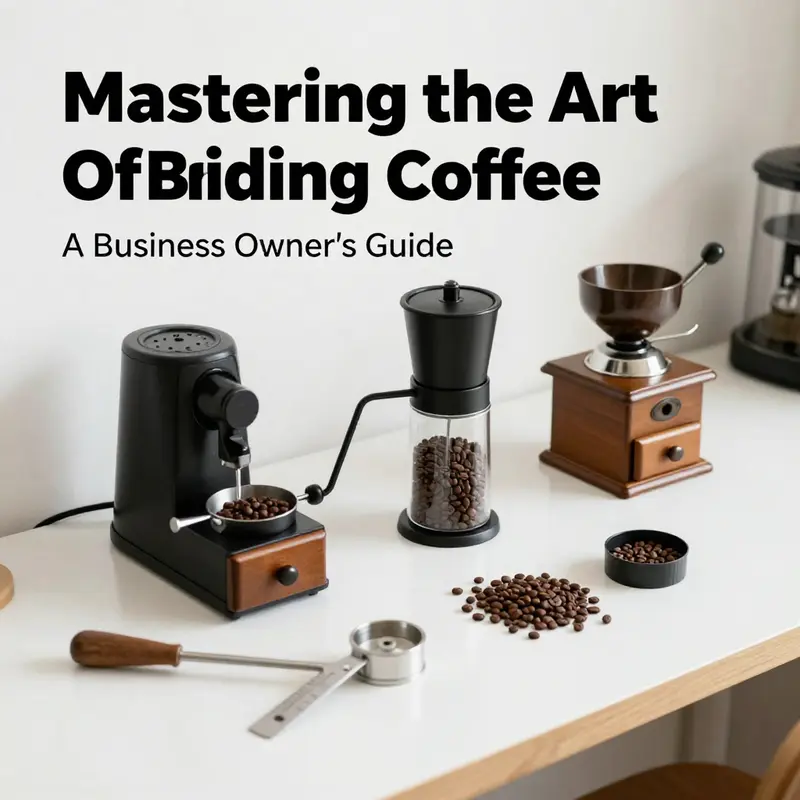
Great coffee begins with a careful grinder setup. Clean the machine, preheat, weigh, and arrange your workspace. A well cleaned grinder reduces stale flavors and helps you achieve more consistent particles. Preheating stabilizes burrs and bearings so your grind remains predictable. Weigh the beans with a digital scale to a precise dose, usually around 15 to 20 grams for an 8 ounce cup, depending on method and roast. Use a consistent ratio, such as 1 to 15 to 1 to 18 (coffee to water), and adjust to taste. Choose between a manual grinder for control or an electric burr grinder for speed, aligning the choice with your brew method and schedule. Settle on a routine: check that the hopper seals, burrs are sharp, and the grounds container is ready. A stable, uncluttered workspace helps you notice changes in grind texture and keep calibration steady. Grind as close to brew time as possible to preserve aroma and flavor. If you store ground coffee briefly, keep it airtight and use it soon; otherwise grind fresh. Finally, see grinding as part of the larger workflow: consistency in preparation leads to predictable extraction and a more faithful cup. For more reading on grind size and extraction, seek reputable guides.
Measured Precision: From Scale to Cup—A Cupping-Informed Guide to Measuring and Grinding

Precision in coffee preparation begins long before the first whiff of aroma escapes the cup. It starts with the quiet ritual of weighing the beans and ends in the moment a perfect grind meets hot water and a trained palate. When you approach grinding as a sensory and scientific practice, you move beyond guesswork and into a method that respects both the coffee’s origin and the brew method you intend to pursue. In this chapter, we weave together the precise measurements used in sensory evaluation with the practical grinding steps that any home barista can master. The aim is not merely to get ground coffee to the right size, but to honor the integrity of the beans from the moment they are weighed to the instant the grounds meet water. This is the kind of careful handling that transforms a routine routine into a deliberate act of craft. Freshness matters. For cupping, beans should be freshly roasted, ideally within 24 hours of tasting, because aroma compounds begin to volatilize as soon as heat is removed from the roast. In the cupping laboratory of coffee quality, we rely on a standard that makes comparisons meaningful. The recommended ground-to-water ratio for cupping is precise: about 8.2 to 8.3 grams of coffee grounds per 150 milliliters of water. This narrow window ensures uniform extraction across samples, so tasters can discern subtle differences and not be distracted by inconsistent strength. In practice, that means measuring a fixed amount with a digital scale, then grinding to a texture appropriate for the cupping vessel and the evaluation protocol you follow. It also means grinding immediately before pouring, to preserve the volatile aromatics that contribute to both the dry and the wet fragrance. When the grounds hit the cupping vessel, you are not just preparing a beverage; you are launching a controlled experiment in taste and aroma that demands consistency from one sample to the next. The discipline of cupping is a reminder that coffee is a science of interaction—between bean and water, between particle size and extraction rate, between the moment you grind and the moment the cup is raised to the lips for judgment. The same discipline translates to everyday brewing, where repeatability matters for repeatable quality, even when the goal is a different flavor profile or a different roast date. The guiding principle is straightforward: precision breeds predictability. If you can reproduce the same weight and the same grind texture, you will reproduce the same extraction curve, provided you maintain water temperature, agitation, and contact time. This doesn’t demand an engineering mindset so much as a careful, patient routine. It demands attention to the little decisions that, cumulatively, determine the cup’s outcome. The steps that follow are presented as a seamless flow—the kind of narrative that mirrors how a good barista blends science with skill. First comes measurement, then grinding, then the cupping ritual that reveals the character of the coffee. In the sections that follow, we describe how to prepare your equipment, how to measure the beans with precision, how to adjust the grind size for cupping, and how to execute the grinding and pouring sequence that preserves aroma and supports consistent evaluation. The focus is on coalescing the practices that lead to faithful sensory results with the equipment you already own. You will find that a burr grinder, used correctly, produces a uniform grind that minimizes channeling during extraction and reduces the risk of under- or over-extraction caused by inconsistent particle sizes. You will also learn that a precise grind is not just about particle size; it is about the distribution of particle sizes. A few very fine particles, if present, can over-extract and taste harsh. A few large particles can under-extract and taste flat. A uniform distribution—toward a coarse texture in cupping—helps the sample reveal the bean’s true aromatic profile without the distraction of inconsistent extraction. This is why the cupping protocol champions a coarse, sea-salt-like texture for the grinds. It is a texture that resists rapid dissolution, enabling a stable extraction rate over the course of the evaluation. In practice, the process begins with a clean slate. Clean equipment is essential. Residual coffee oils and dust from prior sessions can subtly influence flavor, especially in cupping where the goal is discrimination between samples. Before you begin, wipe down the grinder interior with a dry cloth. For electric grinders, inspect the chamber and burrs for any old coffee particles that might cling and release oils during grinding. The goal is a neutral baseline that won’t bias aroma or taste. A well-prepared setup is as important as the beans themselves. Once the grinder is clean, you prepare your measurement setup. A digital scale is indispensable for cupping work because it gives you repeatable data versus a rough eyeball. Place a clean container on the scale, tare it, and then add the precise amount of beans you will grind for a single cupping sample—8.2 to 8.3 grams, according to the standard. Some cupping protocols allow for a 0.1 gram variance, but the discipline is to approach the exact figure as closely as possible. If you are testing multiple samples in a session, you will prepare each weight with the same rigor to ensure each sample has the same starting point for extraction. The next stage is the grind itself. You will use a burr grinder because it produces a more uniform particle size than a blade grinder. The texture you are aiming for in cupping is coarse—similar to sea salt in grain size and feel. It may require a little adjustment depending on your specific grinder, but the principle remains the same: uniform particles support even extraction, which in turn supports reliable aroma and flavor assessment. Start with a midpoint setting on the grinder’s adjustment dial. This is not the moment to chase a perfect setting on the first try; it is the moment to establish a repeatable baseline. If your grinder runs quickly and you suspect too many fines or too many fines, you can adjust slightly toward a coarser grind. If you are producing too many larger chunks and the grounds feel uneven, you may need to move toward a slightly finer texture, but only after you have established the baseline. What matters is the consistency of the grind across the batch. The rolling motion of the burrs should be steady, not stuttered. A long, calm grinding pace helps to prevent heat build-up that could alter the coffee’s volatile compounds, which is especially important in cupping where aroma is everything. After grinding, transfer the grounds immediately into the cupping vessel to minimize any aroma loss. Don’t let the grounds sit in a jar or container for long, because oxidation begins the moment air contacts the surface of the grounds. In cupping, the dry aroma—what you smell before adding hot water—gives you a first impression of the coffee’s volatile compounds. When you add hot water to the grounds, the wet aroma emerges, and you can compare it to the dry fragrance with an educated ear for the differences. The careful timing around these aroma evaluations matters. For cupping, you typically pour the water that is near boiling in a controlled manner to saturate all grounds evenly, then allow a brief bloom before breaking the crust. In this protocol, the emphasis is on standardization: the water temperature is kept near a defined range, and the pour is performed uniformly to avoid channeling or uneven extraction that could mislead the sensory evaluation. After the pour, you wait for the customary cupping interval—usually a few minutes—before you begin to assess aroma and flavor. During this period, you observe how the aroma evolves from the dry to the wet state. The cupping sheet prompts you to note the fragrance of the ground coffee at rest and then the more dynamic notes that emerge as steam carries volatile compounds into the air above the vessel. This transition from dry to wet aroma is a key cue to quality, often revealing nuances that are muted in other brewing methods. A cupping session is as much about procedure as it is about palate. The precision of measurement supports a fair comparison across samples, and the grind’s uniformity ensures that extraction proceeds smoothly rather than unevenly. When you assess the cup, pay attention to how the aroma carries into the mouth as you taste. The goal is to reach a clean, balanced extraction that reveals the bean’s intrinsic flavors rather than the extraneous influence of particle size disparity. To keep your practice aligned with professional standards, it can help to consult authoritative resources that outline the recommended grind sizes for different techniques and the science behind extraction. A solid reference for such guidance is the Coffee Quality Institute (CQI), which provides testing frameworks and quality standards used by professionals around the world. This is not about chasing a single perfect grind; it is about understanding how grind texture translates into extraction behavior and aroma development. In daily practice, you will find that a burr grinder, used with intention, makes a significant difference in reproducibility. The burrs grind the beans into a consistent particle size distribution, which helps to reduce the likelihood of over-extraction from fines or under-extraction from undersized particles. If you are new to grinding or cupping, start with a simple routine: weigh eight point two to eight point three grams of beans per sample, grind to a coarse, sea-salt-like texture using a burr grinder, and transfer the grounds immediately to the cupping vessel. Repeat with care for every sample in your lineup. As you gain familiarity, you can experiment with very slight adjustments in grind size or dose, but do so with the discipline of a scientist—one variable at a time, always measuring and recording your results so you can learn from what the data shows. If you are new to cupping or to this level of precision, remember that the aim is not to overwhelm with technique but to build a dependable workflow. A reliable workflow supports better sensory evaluation and a truer reflection of each bean’s character. In the larger arc of the guide to grinding coffee beans with a grinder, this chapter anchors the practice in measurement accuracy and grind uniformity. It demonstrates how precision in the early steps—measuring, grinding, and immediate transfer to cupping—establishes a solid foundation for consistent flavor and aroma assessment. The principles here apply whether you are preparing a small set of samples for a home cupping session or conducting a more formal evaluation with a panel. The emphasis remains the same: be meticulous, be consistent, and respect the coffee’s integrity by minimizing time between grind and immersion. In addition to the cupping workflow, these practices translate to routine brewing with real-world relevance. Even when you are not cupping, the logic of consistent weight and uniform grind size improves repeatability across everyday coffee routines. You can apply the same diligence to single-dose grinding for a pour-over or a standard drip brew, maintaining the discipline of weighing, adjusting grind size to match the brew method, and timing the grind-to-brew sequence for maximum aroma preservation. When you keep these ideas in view—that precision matters, that the grind texture matters, and that timing influences aroma—you build a robust foundation for your coffee practice. The chapter offers a practical bridge from measurement to sensory evaluation, encouraging you to approach grinding as a disciplined craft rather than a casual step in the routine. If you seek guidelines and standards beyond your own kitchen, you can consult globally recognized sources that codify the art and science of coffee grading, cupping, and grinding. The Coffee Quality Institute (CQI) provides an authoritative reference framework for proper grinding and cupping techniques, and it can serve as a benchmark for both beginners and seasoned professionals. For an authoritative guide on proper coffee grinding and cupping techniques, refer to the Coffee Quality Institute (CQI): https://www.coffeequality.org/.
Final thoughts
For business owners looking to enhance their coffee offerings, understanding the right grinder, preparing your equipment, and mastering measurement are key components to brewing excellence. By implementing these best practices, you can ensure that your coffee stands out in flavor and quality, thereby enhancing customer satisfaction and loyalty. This investment in knowledge not only elevates your beverage service but transforms your cafe into a go-to destination for coffee enthusiasts.