

For business owners in the coffee industry, understanding how to grind coffee beans is essential. The process of grinding coffee not only affects profitability by influencing flavor and aroma but also impacts customer satisfaction. By honing the grinding process, you ensure that every cup served is fresh and bursting with flavor. Each chapter will explore key considerations in grinding coffee beans: from the significance of timing to selecting the right equipment, understanding grind sizes for different brewing methods, implementing best practices, and grasping the overall importance of freshness in your offerings. These insights aim to enhance your business’s coffee quality and keep customers returning for more.
The Moment of Grind: Timing Your Beans for Peak Flavor

Grinding coffee beans is often treated as a quick practical step, a way to turn whole beans into the powder that will unlock aroma and flavor. Yet the timing of this minute act matters as much as the grind size or the equipment you choose. When you grind, you expose a rich, volatile landscape to air. The moment those oils and aromatic compounds meet oxygen, they begin to dissipate. The result is a cup that can taste flat, dull, or stale if you let that moment drift. So the first truth of a great cup is simple and precise: grind just before brewing. Not a few minutes beforehand, not the night before. The freshest grounds deliver the most vibrant aroma, the most nuanced sweetness, and the most balanced body. In professional settings, baristas cultivate a rhythm around this timing. They pull the trigger on grind at the last possible moment, just as water is ready to meet the grounds, so the extraction starts from a surface that is as fresh as possible. This is less a ritual than a discipline, one that can be learned and adapted to home equipment and personal taste.
The ideal timing window is narrow for a reason. Ground coffee contains exposed surface area that accelerates oxidation. Within 30 seconds to a minute before water touches the grounds, you preserve a peak of aroma and flavor that can begin to fade almost immediately after grinding. If you delay, even by a few breaths, you may notice a shift toward flatter acidity, diminished complexity, and a softer overall profile.
To make this precision workable at home, consider how you structure your workflow. A burr grinder with a built-in timer can help, but even without one, you can establish a dependable sequence. Measure the beans first so you know exactly how much coffee you will use. Then, without hesitation, switch on the grinder and crank out a consistent grind size for your chosen method. One practical approach is to embrace a ritual that keeps you from stalling between steps. For example, once the beans are weighed, set a mental cue to begin grinding immediately, then begin the brew within the next 15 to 45 seconds after the grind ends. The specific number matters less than the continuity of the action: measure, grind, brew, all in a tight, repeatable cadence.
When we talk about grind timing in relation to brew methods, the principle remains the same: longer contact time between water and coffee grounds usually requires a coarser grind, while shorter contact times demand a finer grind. This relationship is the keystone of extraction control. For pour over and other drip style methods, a medium to medium-fine grind often serves as a reliable baseline, with adjustments made based on taste and the particular maker of the coffee. For the AeroPress, where the brew time can be brief, a finer grind may be appropriate if you intend a short, intense extraction. For French press, where contact time is longer, a coarser grind helps prevent over extraction and a muddy cup. The balancing act is a dialogue between grind size and timing, and timing is the thread that ties them together. The longer water lingers with the grounds, the more important it becomes to favor a grind that reduces fines and promotes even extraction. The shorter the contact time, the more finely tuned your grind must be to avoid under- or over-extraction. In short, timing is not a single action but a dynamic that guides every adjustment of grind size and brew method.
Within this framework, the path from bean to cup is a sequence of informed decisions. Start with fresh beans and a solid grinder. Freshness in the bean preserves essential oils and aroma, but freshness only pays off if the grinding happens close to the moment of brewing. A clean grinder is crucial too. Old oils, fines, and dust can cling to the burrs and affect flavor in the next batch, masking the bright notes you are trying to reveal. Regular cleaning removes those residues and helps maintain consistency. Likewise, avoid pre ground stocks; ground coffee begins losing aroma almost immediately, and pre ground coffee quickly becomes a compromise you might regret. Storage matters as well. Whole beans store best in an airtight container in a cool, dark place, far from heat and sunlight.
The practical steps to hit the timing window are straightforward, yet worth detailing. Begin by workshopping a simple routine. If your morning includes a timer on your grinder, you can set it to remind you to grind precisely when the water is ready to be heated. If not, you can still cultivate a precise habit by aligning your grinding with your measuring. For example, you can measure the correct weight of whole beans first, then grind within a 15 to 45-second window before you switch on the kettle. The most important criterion is continuity. Consistency in your routine fosters predictable results, and predictable results give you room to explore nuances in grind size and grind texture without sacrificing freshness.
As you refine your technique, stay attuned to differences across brew methods. In pour over, for instance, a slightly finer grind can improve extraction if the pour rate is controlled and the bloom is allowed to settle. In French press, a coarser grind reduces sediment and yields a cleaner cup, even when the contact time is longer. In AeroPress, you can tailor the grind and the timing to your taste by adjusting the grind to compensate for the shorter, manual brew steps. The central recurring insight remains: fresh grind timing amplifies what the method is already designed to deliver. The moment the water touches the coffee, you want that surface area to be as vibrant and as intact as possible, because that is when extraction begins in earnest and flavor begins its journey from aroma to taste.
To further illuminate the science behind grind timing and its impact on extraction, many professionals look to research and practitioner resources. For a deeper dive into the science behind grind timing and its impact on extraction, see the external reference provided below. And for readers curious about how timing disciplines in other fields echo this same principle, you can explore related discussions that emphasize routine and precision, an echo of the care you bring to grinding and brewing. As you read and experiment, you might even notice that your approach to timing resembles a well practiced ritual from other disciplines that depend on precise sequences and predictable outcomes. Though the surface context differs, the core idea, start with freshness, time your steps, and let process support flavor, remains universally relevant.
For a structured comparison of timing and extraction principles, one can draw a parallel with disciplined, routine-based practices, which is occasionally reflected in broader health and performance literature. If you are curious about such cross-disciplinary parallels, the following internal reference may offer a surprisingly apt analogy to the value of timing, consistency, and precision: occupational-therapy-exercises-for-adults. This is not a prescription for coffee making, but it can help illuminate how small, repeatable actions, done with attention to timing, accumulate into reliable outcomes. The key takeaway is that precision in a short window can unlock a more expressive cup, just as a well-structured routine can support a complex set of daily activities.
As you close the loop of grind timing with your brew method, keep in mind one more practical habit: after you finish brewing, take a moment to sense how the cup carries aroma and body. If you notice a shift toward sourness or a loss of sweetness, revisit your timing, grind texture, and pour rate. The beauty of this approach is its adaptability. Start with the 30-second to 1-minute window as a baseline, then tune the grind size and pour technique to suit your palate. The aim is not a single perfect profile but a spectrum of profiles you can uncover by refining timing and control in your kitchen laboratory. In this sense, timing becomes less a rigid rule and more a guiding principle for extracting the living, radiant character that coffee beans hold within.
External reading reference for the science behind grind timing and extraction can be found at a dedicated resource: https://www.sacafe.net/learn/grinding-coffee-beans-before-brewing
Grind to Brew: Mastering the Right Grind Size for Every Coffee Method
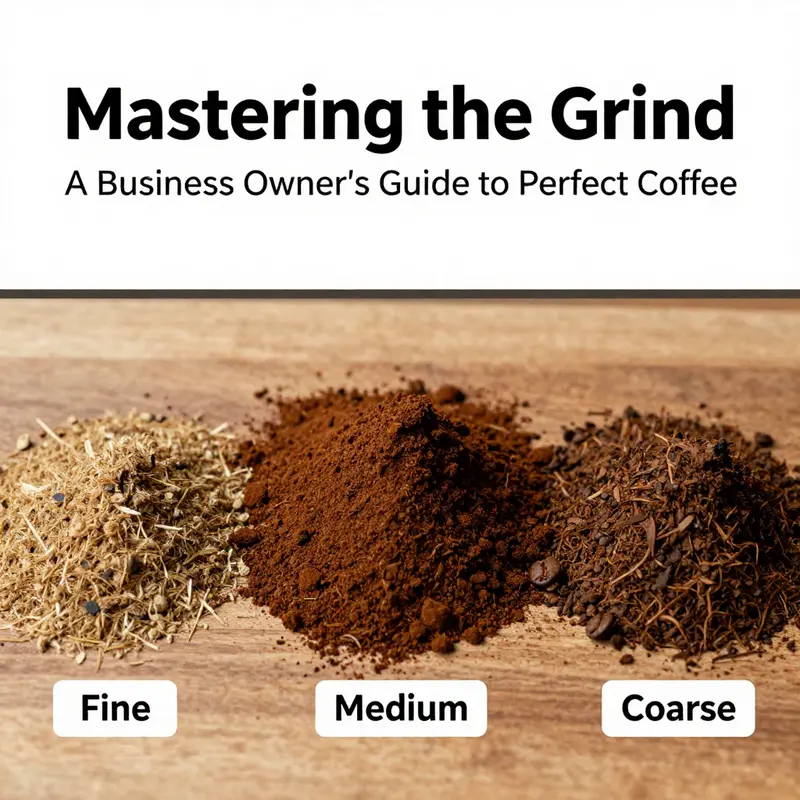
The moment the coffee beans meet the grinder is when a cup begins to take shape in your hands. Grind size isn’t just a detail; it’s the quiet conductor of flavor, aroma, and body. The wrong size can flatten a cup, leaving a sour whisper or a bitter shout where sweetness and nuance should land. The art of grinding, then, is not simply about breaking beans into bits. It is about tuning those bits to the way you plan to extract them. When you learn to pair grind size with your brewing method, you unlock a cascade of control over the water’s passage through the grounds, the rate of extraction, and ultimately the balance you taste in the cup. The principle is simple, even if the practice sometimes feels like a small trade-off between convenience and precision: longer contact between water and grounds demands a coarser grind, while shorter contact times call for a finer grind. It is a rule that unfolds differently with each method, shaping the aroma’s vigor, the sweetness’s clarity, and the cup’s overall texture.
Take a moment to picture the common routes people take to coffee. For espresso—the method that relies on pressure and a brief, intense contact—the grind must be fine enough to resist the water’s push while still allowing a thorough, rapid extraction. The tiny particles create enough surface area to interact with hot water under pressure, coaxing up to a syrupy, concentrated shot with a crema crown. For Turkish coffee, the grind is almost powdered, a texture so fine that the grounds linger in the cup, contributing their oils and a deep, resonant body. Yet for the familiar drip and pour-over routines, a medium grind tends to be the sweet spot, offering a balance between even flow through the bed and adequate surface area for extraction. And for the French press, the grind shifts toward the coarse end, designed to keep sediment in check and to prevent over-extraction during the longer steeping time. In colder realms, cold brew thrives on a coarse grind as it steepens for many hours, avoiding over-extraction and maintaining a smoother profile.
The heart of this mapping is not abstract theory but a practical alignment of two forces: how fast your water moves through the coffee bed and how long it stays in contact with those grounds. If you go too fine for a method that feeds on rapid extraction, you risk over-emphasizing bitter compounds and muddying the cup with harsh tones. If the grind is too coarse for a method that needs sustained contact, you invite under-extraction—sourness, thinness, and a lack of aromatics. The guidance is deceptively straightforward, yet the magic arrives when you apply it with consistency and a careful eye for texture, body, and aroma.
To start cultivating reliable results, many roasters and baristas push for a burr grinder rather than a blade grinder. Burr grinders crush beans between two abrasive surfaces, producing a spectrum of uniform particles rather than a random mix of fines and بlarge chunks. This uniformity makes extraction more predictable, so the flavors emerge evenly rather than racing ahead or lagging behind. Manual burrs offer meticulous control and a slower pace that some find meditative, reducing heat buildup that can otherwise dull delicate aromatics. Electric burrs deliver speed and convenience for daily routines, but they still favor consistency when you dial in the grind. By contrast, blade grinders can chop unevenly, creating pockets of over-ground dust and under-ground fragments. The result is a cup with uneven extraction, where some particles pass water too quickly and others hold onto flavor too long. The lesson is not a condemnation of equipment alone; it is a reminder that precision begins with the grinder you choose and how you maintain it.
Freshness is the other partner in this choreography. Whole beans retain their volatile oils and aromatic compounds longer than ground coffee, which begins to oxidize as soon as it exposes air. Grinding just before brewing preserves the lively notes and the fragrance that draws you toward a particular roast. Pre-ground coffee can perform adequately for quick, everyday moments, but it rarely delivers the vibrant complexity you expect from a well-made cup. This is why the dialogue you have with your grinder often starts with the beans themselves: choose high-quality, freshly roasted beans, grind what you need for the current brew, and keep the leftover beans in a cool, dark place in an airtight container. Keeping them away from moisture is essential, because even a small amount of humidity can alter grind behavior and extraction dynamics.
Let’s anchor the concept with a practical sense of scale and texture. When you imagine grind sizes, think in familiar tactile references. An extra-fine grind sits close to the surface of powdered sugar and serves Turkish coffee’s needs or a very lightly pulled shot from a high-pressure espresso machine. A fine grind resembles sea salt—coarse enough to flow, fine enough to create resistance under pressure, ideal for traditional espresso machines or moka pots where water is forced through a compact bed. A medium grind is more like coarse sugar or sand, and it suits drip coffee makers and many pour-over setups, including devices that rely on a balanced, steady flow and moderate contact time. Coarse grind, akin to fine sea salt crystals or large grains of sand, is the companion for cold brew and for a French press when you want a cleaner cup and fewer fines drifting through the filter. The important thread is this: adjust the grind with the brew’s contact time in mind. Short contact time calls for finer particles; long contact time calls for coarser ones. You will find exceptions, but this principle is your reliable compass.
As you dial in your method, start by selecting the target grind size for your intended brew and then observe how the water behaves as it moves through the coffee bed. If the water drains too quickly, the bed is too coarse for the method, and you’ll likely experience under-extraction manifested as a flat or sour cup with little aroma. If the water lingers and pools, you may be encountering over-extraction, which reveals itself as bitterness, a heavy mouthfeel, or a dry finish. Small, iterative adjustments tend to yield the most reliable improvements. Move a notch finer if you think the cup is under-extracted, or a notch coarser if you suspect over-extraction. The most important habit in this process is consistency: grind immediately before brewing, measure your dose carefully, and keep a clean, well-calibrated grinder to avoid the subtle cruelties of old oils and stale fines contaminating new batches.
In addition to the ground texture, the method itself provides clues about the amount of time water will spend with the grounds. Espresso streams under pressure for a brief moment, so a fine grind helps extract quickly enough to build a complex, concentrated shot. Pour-over and drip methods favor a medium grind because water travels more slowly through the bed yet remains in contact long enough to pull delicate flavors forward without over-emphasizing bitterness. French press, with its longer steep time, needs a coarser grind to maintain clarity and prevent sludge in the cup. Cold brew, on the other hand, thrives on a coarse grind because the long infusion would otherwise over-extract, creating a harsh or overpowering profile. Each adjustment in grind size becomes a lever you pull to sculpt the balance you want—the sweetness that emerges from soluble sugars, the brightness from acids, the body contributed by oils, and the aftertaste that lingers long enough to invite another sip.
Beyond the mechanical choices, the process invites a mindset of curiosity. If your current cup tastes dull, try a very small adjustment, then brew again and compare. Document what you change—grind size, method, and brew time—and taste with intention. You may discover that a warmer water temperature or a slightly finer grind heightens sweetness more than you expected, or that a coarser grind opens up a cleaner acidity that makes the cup feel brighter. The goal is not perfection on the first attempt but steady improvement through attuned practice. The journey toward a consistently excellent cup is a function of timing, grind size, and the discipline to grind fresh, use a quality burr grinder, and keep beans fresh.
As you build your routine, remember that a single tweak can cascade through the brew—from the rate of extraction to the clarity of the aroma and the mouthfeel of the liquid. The difference often lies in the moment you decide to grind just before brewing, in the choice of a burr grinder to produce uniform particle sizes, in the willingness to adjust the grind size slightly to align with your particular setup, and in the patience to let the flavor reveal itself rather than rushing toward a preconceived result. When you treat grind size as a living variable—one you adjust with your chosen method, water chemistry, and even roast level—you begin to hear coffee speak in its own language. The cup becomes less about following a chart and more about listening to how the water and grounds interact in your own kitchen or café. That listening is the craft exposed: not a rigid protocol, but a conversation with the bean’s aroma and the water’s temperament.
For readers seeking a deeper dive into the science and practicalities of grind size across brewing methods, a comprehensive guide from the specialty coffee community offers a detailed framework for dialing in the right texture for each method. This resource provides a thoughtful expansion on how grind size influences extraction dynamics and how to translate that understanding into repeatable results every time you brew. Choosing the Right Grind Size for Your Brewing Method
Selecting the Right Grinder, Elevating Your Grind: How the Best Tools Shape Every Cup
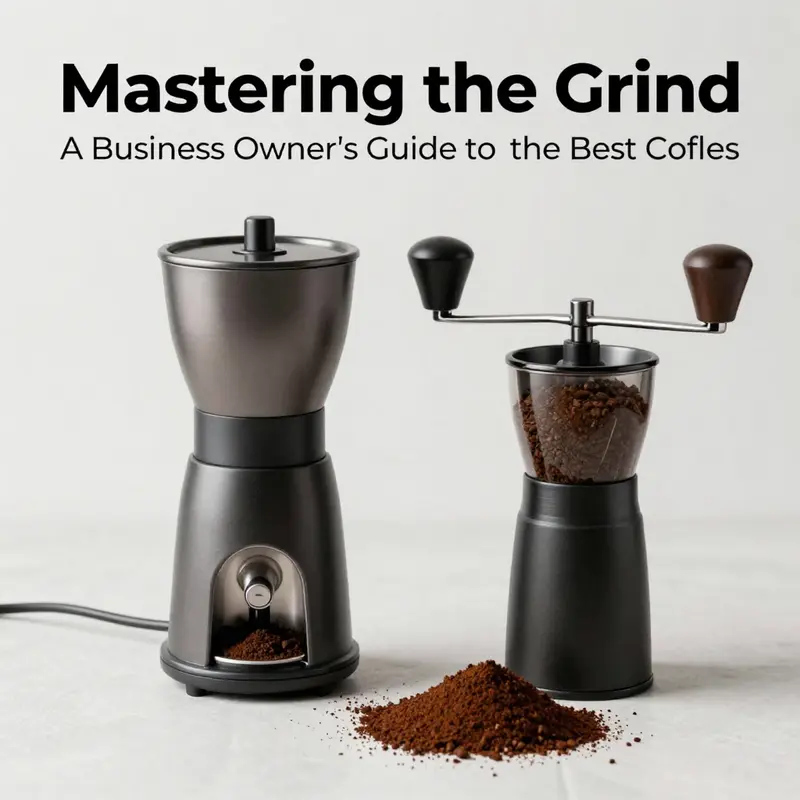
A grinder is more than a kitchen accessory; it is the quiet engine behind every successful cup. When you grind coffee, you are not just breaking beans into smaller pieces. You are deciding how much surface area meets water, how quickly flavors are released, and how cleanly the cup will finish. The first and most practical truth about grinding is that consistency matters as much as the beans themselves. A well-chosen grinder helps you translate the aroma trapped inside the green bean into the sensory orchestra that unfolds in the cup. Without it, even the freshest-roasted beans can taste flat, or harsh, depending on how unevenly the particles are ground. And the stakes rise with every brewing method, because the interaction between water and grounds is governed by time, surface area, and the uniformity of the grind.
What separates a good grinder from a great one is not just the feel of the dial or the heft of the machine. It is the ability to produce a uniform particle distribution—minimal fines, minimal fines-turned-dust—that yields even extraction. This is where burr grinders earn their reputation. They crush beans between two rotating surfaces with a predictable gap, creating a consistent bed of grounds for water to infiltrate. In contrast, blade grinders shear the beans with a rapidly spinning mixer, chopping randomly and generating a wide mosaic of particle sizes. That inconsistency becomes a recipe for uneven extraction: some particles over-dissolve, others fade before their time, and the resulting cup can swing from bright to dull in a single brew.
Among burr grinders, the conversation often narrows to two main forms: conical and flat burrs. Conical burrs, with their tapered shapes, tend to be gentler on the bean and cooler in operation. They usually produce fewer fines and maintain steadier temperatures during grinding, which helps preserve the delicate aromatics that define a coffee’s personality. Flat burrs, by contrast, are admired for their speed and, in many cases, their compact, user-friendly designs. They can offer superb consistency across a wide range of grind settings, particularly when paired with grinders that use high-precision motors and well-finished burrs. The choice between them is rarely a deal-breaker, but it does shape the grinder’s behavior as you navigate different brew methods.
Material matters, too. Steel burrs stay sharp and resist chipping, which is especially useful for frequent or commercial use. Ceramic burrs stay cooler and resist corrosion, a quality that can matter for long-term reliability and flavor preservation in lighter roasts. The trade-off is nuanced: ceramic burrs can dull slightly over time, but their heat advantages can be meaningful for long grind sessions. The important takeaway is that the burr material interacts with heat, static, and wear in ways that subtly color the flavor you eventually taste. A grinder’s chamber design also influences how much grounds clump or cling to the burrs after grinding. A well-designed chute or portafilter cradle reduces retention, so you don’t end up re-grounding stale relics when you switch beans or adjust settings.
Speaking of settings, the precision of control is what makes a grinder truly fit for your method. A robust micro-adjustment ring lets you nudge grind size with pin-point accuracy. This is essential because the longer the water stays in contact with the grounds, the coarser the grind needs to be to avoid over-extraction. Espresso requires a fine, tightly controlled texture; pour-over and drip call for a medium grind with a gradual escalation toward fineness as needed; French press and cold brew demand a coarser, more uniform texture that minimizes fines-induced muddiness. The ability to dial in shifts and micro-shifts means you can respond to roast level, bean density, and even humidity. In practice, this means you can tune your grinder to coax any roast toward its sweet spot, rather than forcing your brewing method to compensate for a poor grind.
The choice between manual and electric grinders enters this conversation as well, and it isn’t just about speed. Manual burr grinders cultivate a ritual that many drinkers find deeply satisfying. They tend to heat up less, a factor that matters if you are grinding for several cups in a row or want to limit any thermal interference with volatile compounds. They also travel well and don’t rely on electricity, which makes them ideal for weekend trips or apartment dwellers who crave quiet, mindful mornings. Electric burr grinders, however, excel in consistency across larger quantities and can be more convenient in a daily routine. A modern electric model with a solid grind hopper, efficient motor, and easy-to-clean internals can deliver uniform particles with little effort, which helps you stay faithful to your chosen grind size without the physics lesson every morning.
In truth, the best grinder for you balances several factors: the type of brewing you do most, how much you value speed versus ritual, how important heat control feels in your kitchen, and how much you’re willing to invest for long-term reliability. The most critical trait to seek in any grinder is consistency. Without it, your espresso can veer toward sour or bitter at the slightest change in bean shape or roast, and a pour-over can slip from clear and bright to muddy with little warning. The grinder’s role is to create a predictable canvas for water to paint with flavor. When that canvas is uniform, you’ll begin to notice the true profile of your beans—the citrusy snap in a light roast, the chocolatey depth in a medium roast, or the toasty, dried-fruit notes in a darker roast—emerge with clarity and balance.
Maintenance and longevity quietly shape outcomes, too. A clean grinder prevents old oils from coloring new grounds and reduces the risk of cross-bean flavor contamination. A routine that includes brushing out grounds after each session, performing more thorough cleanings periodically, and replacing burrs when wear becomes noticeable is not glamorous, but it pays in consistent flavor and fewer surprises. A well-kept grinder also preserves its resale value and keeps performance steady over years. The truth is simple: if you want to extract the most flavor from each bean, treat your grinder as a precision instrument, not a disposable appliance. It deserves regular care, and a modest investment in a model built to last will repay you manyfold as your palate evolves.
Another practical consideration is the practical reality of cafeteria-level workloads versus weekend hobby hours. If you routinely grind for several cups in a single session, or you enjoy experimenting with multiple beans in a single brewing day, a grinder with low retention becomes a virtue. Retention is the tendency of some grinders to hold onto a fraction of previously ground coffee that becomes mixed with the next batch. Low-retention designs reduce cross-contamination between beans and keep your aromas distinct. If you tend to switch beans frequently, or you keep a rotating selection on hand, a grinder with a thoughtful chute design, minimal static, and cleanable burrs becomes the unsung hero of flavor stability.
There is also a candid, sensible note to share about repurposing non-coffee tools. Pepper grinders, for example, are not a viable substitute for coffee grinding. They are built for different textures and volumes. The mechanisms, chamber sizes, and motor or crank designs do not translate well to the more demanding demands of coffee grinding. Using them can compromise grind consistency, impart unwanted flavors, and increase wear on a tool that is not designed for coffee. A dedicated coffee grinder is a more efficient, reliable path to consistent results, even if it requires a bit more initial investment.
Ultimately, choosing the right grinder comes down to aligning tool characteristics with your brewing ambitions. If you swap beans often or chase a range of profiles, a grinder with adjustable grind size, reliable burrs, good heat management, and low retention will serve you best. If you are drawn to the ritual, savor the process, and mostly brew one method at a time, a manual burr grinder paired with a dependable setup can provide both control and connection to the craft. The core idea is consistent: the better the grind quality you can achieve with your chosen tool, the more flavor, aroma, and body you can coax from your beans. The tool becomes an ally in your pursuit of a perfect cup, not a barrier between you and your coffee.
External resource: https://www.seriouseats.com/coffee-grinder-guide
Grind Fresh, Brew Bright: A Practical Guide to Coffee Grinding

A cup of coffee begins the moment you grind. Freshly ground beans release aromas that are brightest right after grinding; once exposed to air, aroma compounds begin to fade. For best results, grind just before you brew to preserve brightness, complexity, and the bean’s origin story.
Grind size matters because it governs extraction speed. The same water will extract sweetness and fruit notes from a well-roasted bean, but if the bed is too fine for the brew time, you risk bitterness. A practical rule: match grind size to brew time. Ultra-fine for Turkish or traditional espresso; fine for most espressos; medium for drip, pour-over, and Aeropress; coarse for French press and cold brew.
Equipment matters too. A burr grinder produces uniform particles, which leads to more predictable extraction. Manual burrs offer control and portability; electric burrs favor convenience for daily use. Blade grinders produce uneven particles, which can lead to uneven extraction and odd flavors. Heat from grinding can affect aroma, especially with longer sessions.
Maintenance is part of the craft. Clean the grinder regularly to remove oils and fines that can taint flavor. Store whole beans in a cool, dark, airtight container and avoid exposure to light, heat, and moisture. Do not refrigerate beans in most cases; if you must freeze for long-term storage, use small portions that you thaw only once.
In practice, grind with intention for the method you’re using, keep your burrs clean, and store beans properly. This discipline helps you preserve the bean’s character from origin through cup, giving you a clearer, more balanced brew.
Preserving Peak Aroma: Freshness-Driven Grinding for a Richer Cup

Freshness is the quiet engine behind every great cup. It isn’t the roast alone that carries aroma and depth; it’s what happens to those beans after they leave the roaster and before they hit the water. In this chapter we explore how freshness, storage, and the moment you grind work together to unlock the most honest, expressive flavor from your beans. The science is clear: once coffee leaves the roast, its compounds begin to fade as oxygen, light, heat, and moisture conspire to dull the bright, nuanced notes that defined its character at peak. The message from researchers and tasters alike is consistent: freshness matters, and the grind is a powerful lever you can pull to preserve it. Dr. Laura Chen, a respected Coffee Quality Researcher with the Specialty Coffee Association, puts it plainly: “Great coffee doesn’t end at the roast date. How you store it determines whether you’re drinking peak flavor or stale disappointment.” Her words anchor a practical truth: every step from purchase to grind has a bearing on what ends up in your cup.
To understand how to protect flavor, it helps to think of freshness as a fragile balance. The enemies of freshness—oxygen, moisture, light, and heat—don’t just hover in the background. They actively shape the coffee’s sensory profile. Oxygen triggers oxidation, which dulls aromatics and accelerates staling. Moisture can slip into porous packaging and faintly rehydrate delicate compounds, muting brightness and complicating texture. Light acts as a catalyst for chemical changes that degrade oils and acids that contribute brightness and clarity. Heat, whether from a grinder, a hot environment, or exposure during storage, speeds up all of these processes. If you want a cup that sings with its roast years after you bought it, you have to manage these factors with intention.
Proper storage is the first and one of the most practical ways to sustain flavor between purchase and grind. The ideal storage solution is an airtight seal that blocks oxygen from creeping in. It should be opaque to keep light from accelerating deterioration and sturdy enough to resist temperature swings as you move beans from shelf to counter. The goal is a stable microenvironment that minimizes exposure to air and moisture, slowing the degenerative processes that steal aroma and body. A well-designed container does more than keep beans safe; it preserves the memory of the roast—the delicate balance of fruity acidity, chocolatey sweetness, and the roast’s own oils that give body and texture to the brew. When you seasonality-wise replace beans or buy in bulk for later use, portioning into smaller quantities can help prevent repeated openings of a large bag, which invites oxygen intrusion. Storing beans in a cool, dark place is essential, and many home setups benefit from avoiding the refrigerator or freezer. While cold storage can seem appealing, moisture and condensation when cold beans are brought into a warmer kitchen can undermine integrity. A steady, cool room temperature inside a sealed container keeps the beans closer to their post-roast state for longer, preserving those volatile aromatics that fuel an aromatic grind and a bright cup.
Grind timing is the heartbeat of freshness. Grinding just before brewing is not just a recommendation; it is an operational discipline that directly preserves the aroma compounds, oils, and even mouthfeel that contribute to perceived sweetness and balance. Once ground, the surface area of the coffee is vastly exposed to air. This exposes more surface to oxygen and accelerates degassing, a process that strips away the very compounds your nose and palate rely on for distinction. The act of grinding is thus a race against time. If you can, align your grind with your brewing schedule so that the moment water touches the grounds, you unleash the freshest flavors. This is not merely a procedural tip; it is a philosophy of flavor stewardship that respects the chemistry of the bean. The practical implication is simple: grind only what you plan to brew in the near term, and avoid large-scale pre-grinding for later days. The aroma you desire—floral, citrusy, nutty, or chocolatey—begins its rapid fade the moment the beans are ground.
A core principle ties grind size to contact time with water: the longer the contact time, the coarser the grind should be. Conversely, shorter contact times require a finer grind to extract efficiently before flavors degrade into bitterness or sourness. This balance is why grind size matters so much and why it must be calibrated to your chosen method. For a quick brew where water passes through quickly, a finer grind helps extraction complete within the short window. For slower immersion methods, a coarser grind prevents over-extraction and keeps oils and aromatics from being forced out too aggressively. Keeping this principle in mind helps you avoid a cup that tastes flat or harsh simply because the grind and brew time aren’t matched to each other. In practice, this means adjusting your grinder’s setting as you switch from, say, a quick pour-over to a longer French press session, rather than relying on a one-size-fits-all grind. The science behind it is straightforward: precise grind size controls extraction dynamics, and when those dynamics align with freshness, the results are clear and expressive rather than muddled.
The tool you choose to produce that grind matters, too. A quality burr grinder, whether manual or electric, is preferable to a blade grinder for preserving consistency. Burr grinders crush beans into uniform particles, yielding even extraction and more predictable flavors. A consistent particle size means water can interact with the grounds more evenly, producing balanced aroma and body across the cup. Manual burr grinders offer tactile control and a ritual that many find enjoyable; they also minimize heat buildup, which can degrade essential oils and aromatics during milling. Electric burr grinders bring speed and convenience, which helps when life demands rapid routines, but it remains important to keep the grinder clean and free of old oils and fines that can taint fresh grinds. Blade grinders, by contrast, introduce a wider distribution of particle sizes and generate more frictional heat, both of which can compromise the clarity of your final cup. The upshot is that investing in a good burr grinder, and using it with discipline, is a practical way to protect freshness through the grinding stage.
Beyond equipment and technique, the practical rituals surrounding grinding shape flavor outcomes. Use fresh beans whenever possible. Freshness is a relative term, but it is more nuanced than “new roast.” It involves how recently the beans were roasted and how well they’ve been stored since. When you open a bag, you are opening a conversation with the roast’s aroma. Each time you take a breath of the fragrant oils escaping from the beans, you learn something about their vitality. Regular grinder maintenance—rotating through a cleaning routine that removes old oils and fines—keeps odd flavors from carrying over into new grinds. Neglecting maintenance invites a stale, muddy edge to your coffee that can smear the delicate notes your freshness strategy is meant to preserve.
These practices are not isolated ideas; they are a coherent approach to maximizing flavor from your beans. Fresh storage reduces the pace at which aromatics dissipate, while grinding at the right moment preserves what remains. By respecting the chemistry of the bean—from roast to grind to brew—you invest in a smoother, more precise extraction that supports a fuller aroma, a cleaner cup, and a balanced body. In other words, the goal is to protect a fleeting, precious snapshot of flavor and bring it across the tongue with as little interference as possible. The payoff is a cup that tells the story of its roast with clarity—a cup that is honest to the moment of grinding, not blurred by avoidable degradation.
For those seeking further guidance grounded in research and industry standards, authoritative resources from the Specialty Coffee Association illuminate best practices on storage and freshness. While the path to peak flavor is practical and approachable for home brewers, the science behind it adds depth to every decision you make in the kitchen. The SCA’s research and guidelines provide a framework you can trust as you refine your own routines and experiment with grind sizes, brewing methods, and timing. To explore their insights on storage and freshness in more depth, you can consult their official site: https://sca.coffee/.
Final thoughts
Enhancing your coffee business starts with mastering the art of grinding coffee beans. By focusing on the timing of grinding, selecting the appropriate grind size, investing in quality grinders, adhering to best practices, and ensuring freshness, you can deliver exceptional coffee that keeps customers coming back. Taking these steps not only elevates the quality of your products but also strengthens your brand’s reputation in the competitive coffee market.