
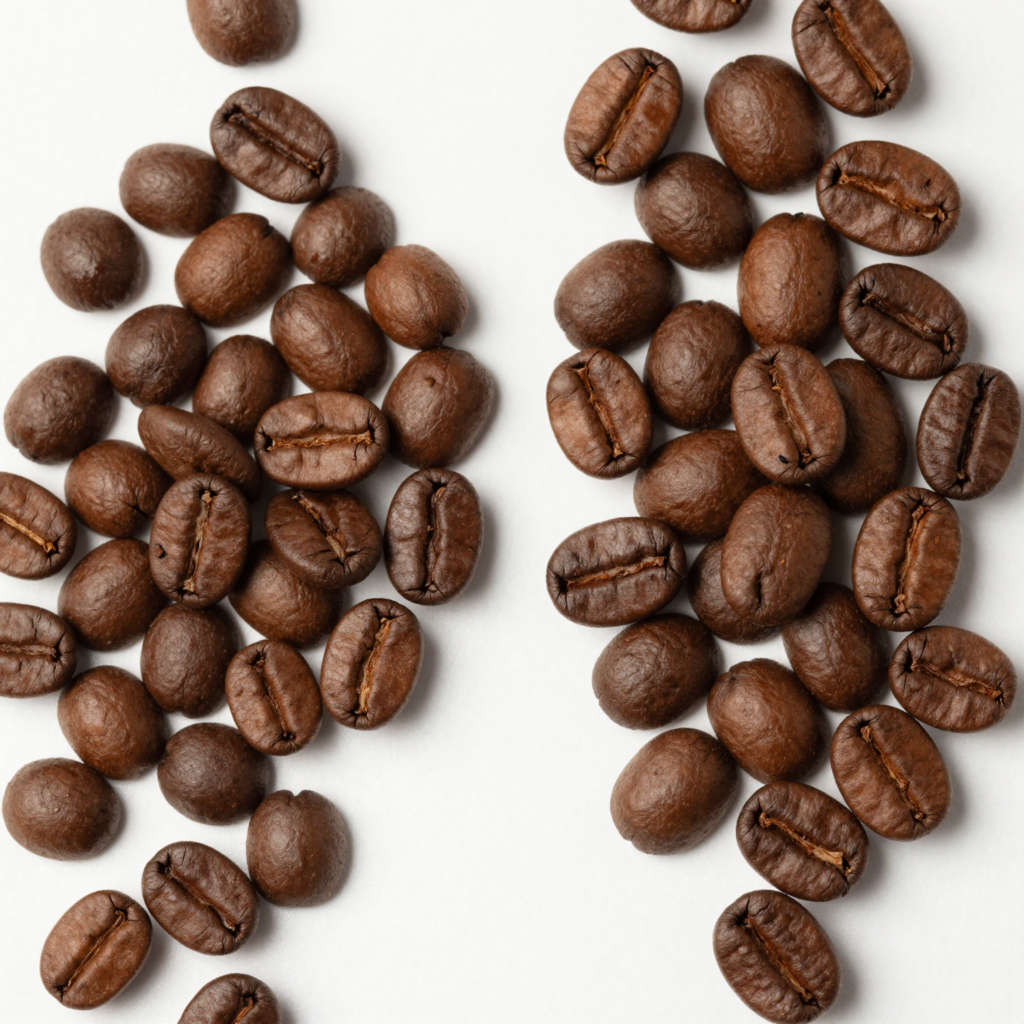
Introduction to Coffee Beans vs. Espresso Beans
In the thriving world of the coffee industry, many business owners mistakenly treat all coffee beans as the same, often overlooking a crucial differentiation: espresso beans versus regular coffee beans. This misconception can lead to missed opportunities in flavor, quality, and customer satisfaction. Espresso, known for its rich, concentrated flavor and creamy texture, actually originates from coffee beans that are specifically roasted and ground for this brewing method. Understanding the nuances between these types of beans not only allows business owners to cater more effectively to their clientele’s preferences but also enhances the overall coffee experience offered in their establishments. By grasping these distinctions, entrepreneurs can optimize their product offerings and stand out in a competitive market. Join us as we delve deeper into the fascinating world of coffee beans and explore why this knowledge is crucial for anyone in the coffee business.
Understanding Coffee Beans
Coffee beans are the seeds from the coffee plant, and they come in various types, primarily Arabica and Robusta. These coffee beans significantly influence the flavor and quality of coffee products.
Types of Coffee Beans
-
Arabica Beans:
-
Flavor Profile: Known for their smooth and complex taste, often exhibiting notes of fruit, berries, and chocolate.
-
Caffeine Content: Lower (approximately 1.2%-1.5%).
-
Growing Conditions: Prefers high altitudes (600-2000 meters) and moderate climates.
-
Common Uses: Primarily used in specialty coffees and often enjoyed in lighter roasts.
-
Robusta Beans:
-
Flavor Profile: Has a bolder, more bitter taste with earthy notes.
-
Caffeine Content: Higher (approximately 2.0%-2.7%).
-
Growing Conditions: Grows at lower altitudes (200-800 meters) and is more resilient to pests.
-
Common Uses: Commonly found in espresso blends and instant coffees due to its strong body and crema.
Flavor Comparison
| Feature | Arabica Coffee Beans | Robusta Coffee Beans |
|---|---|---|
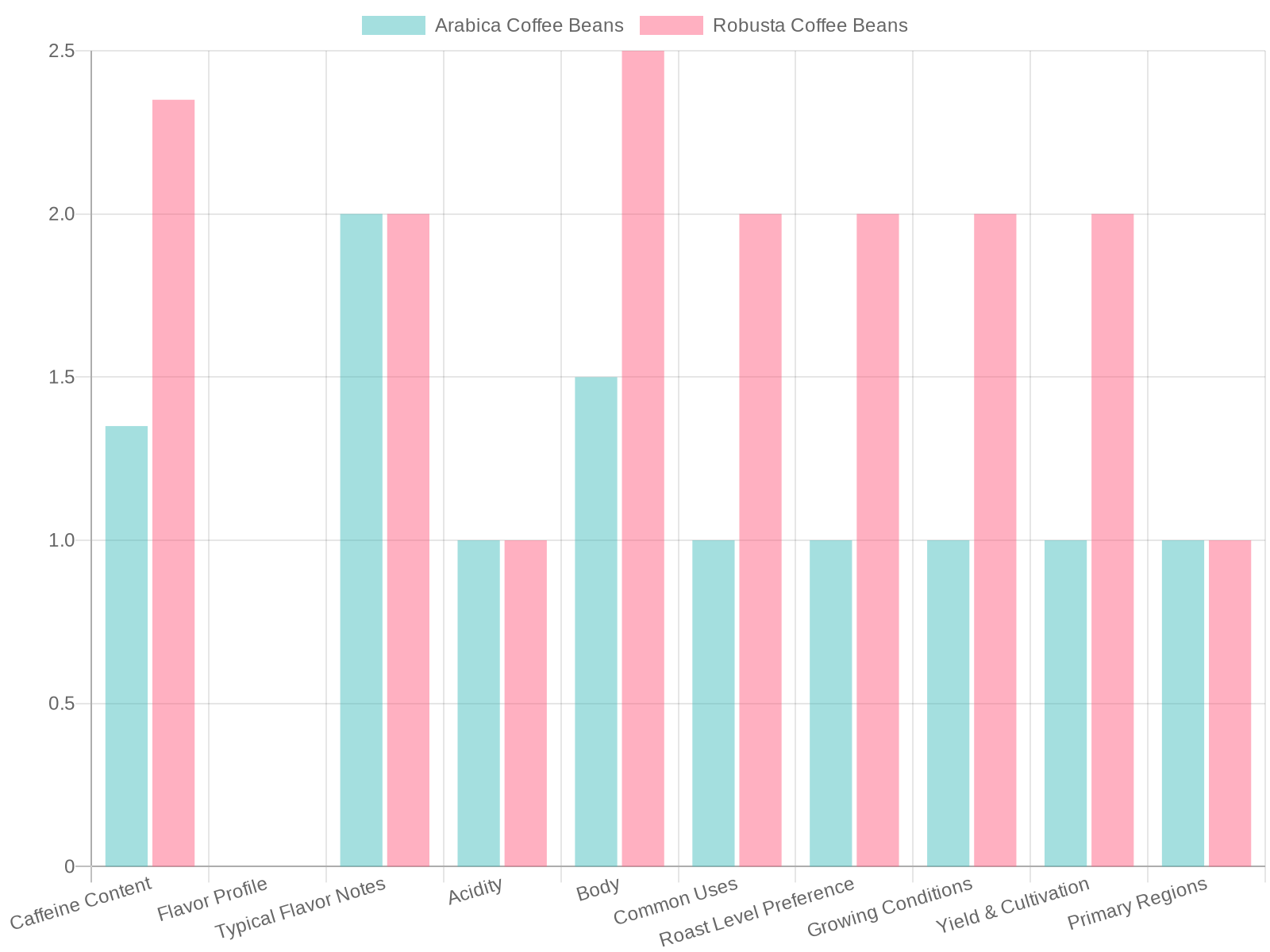
| Caffeine Content | Lower caffeine content (1.2%-1.5%) | Higher caffeine content (2.0%-2.7%) |
| Flavor Profile | Sweet, clean, with bright acidity; complex | Bold, earthy, bitter, and astringent |
| Common Uses | Specialty brewing methods, light roasts | Espresso blends, instant coffee, mass-market |
Conclusion
Understanding the different types of coffee beans not only helps in selecting the right brew but also plays a crucial role in the coffee beverage industry. From specialty coffee shops to high-volume commercial uses, the choice between Arabica and Robusta influences both flavor and consumer preference. For more insights on enhancing your coffee business, visit Coffee Bean Types.
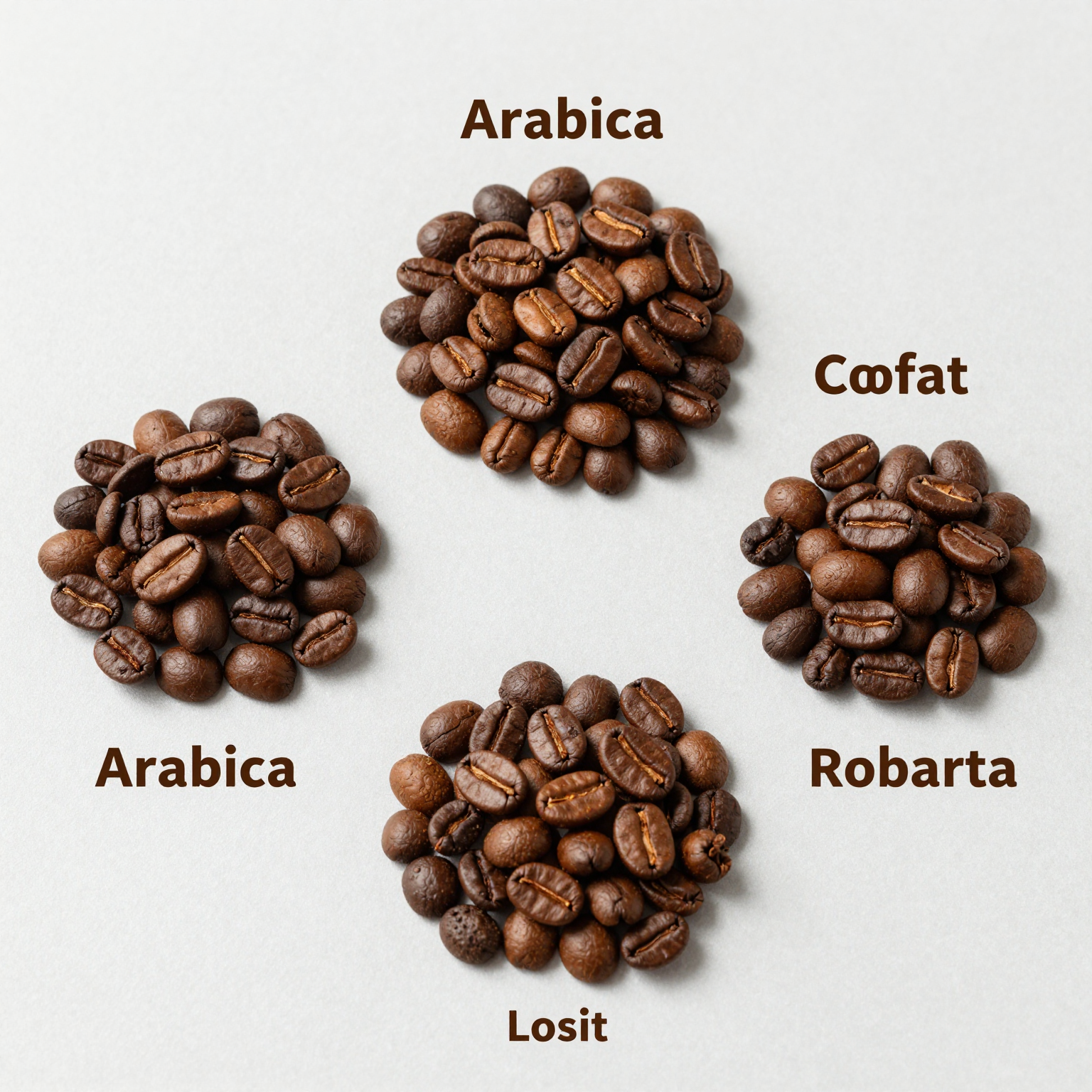
Image illustrating the differences between Arabica and Robusta coffee beans.
Understanding Espresso Beans
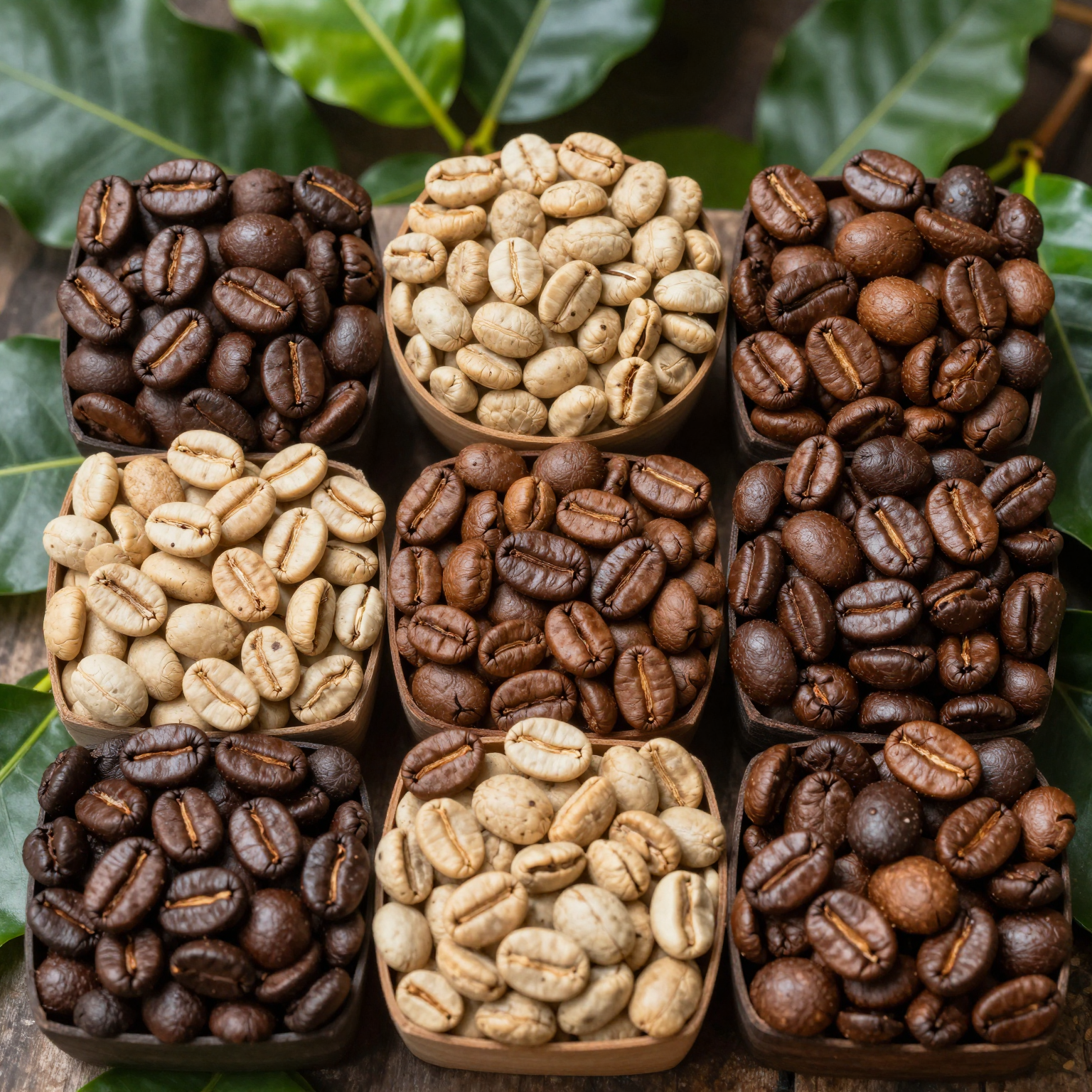
Espresso beans are not a distinct type of coffee bean; rather, they are typically any coffee beans that have been roasted specifically for espresso preparation. The primary differentiation lies in the roasting techniques and the resultant flavor profiles that cater to the espresso brewing method.
Key Differences
While both regular coffee beans and espresso beans originate from the same plant, the method of preparation after harvesting is what sets them apart. Here are some critical differences:
- Roasting Level: Espresso beans are usually roasted darker than regular coffee beans. This darker roast results in a more intense, bold flavor profile, often highlighted by notes of chocolate, caramel, and hints of smokiness. In contrast, regular coffee beans are often roast to a lighter or medium level, preserving their natural acidity and showcasing more nuanced flavors such as floral or fruity notes.
- Brewing Method: Espresso requires a higher pressure extraction process, which means that the beans need to be more concentrated in flavor and body. Dark roasting enhances sweetness and body, making the brew richer and more robust, ideal for the espresso extraction process.
Roasting Techniques and Their Impact on Flavor
Roasting techniques can significantly influence the flavor profiles of coffee. According to the National Coffee Association, the process of roasting affects not only the taste but also the chemistry of the beans. Here’s how different roasting levels affect flavor:
| Roast Level | Characteristics | Flavor Profile |
|---|---|---|
| Light Roast | Retains the beans’ original characteristics; high acidity | Bright, fruity, and floral notes |
| Medium Roast | Balanced acidity and body | Complex flavors with hints of nuttiness and caramel |
| Dark Roast | Less acidity; heavier body | Bold flavors of chocolate, spice, and burnt sugar |
For espresso, roasting typically reaches a darker level, maximizing sweetness and yielding a rich, syrupy mouthfeel essential for the espresso shot. A dark roast enhances flavors that would stand firm against the concentrated brewing process, presenting round and full-bodied characteristics suitable for serving black.
Conclusion
When selecting coffee for espresso, it is essential to consider the roasting techniques used. Darker roasts tend to create the desired complexity and depth of flavor needed for a perfect espresso shot. Understanding these subtle yet crucial differences can help business owners make informed decisions around their coffee selections to meet customer preferences effectively. For more insights into coffee selection, explore roasting techniques.
Ultimately, the choice of espresso beans should align with the flavor profile desired by the end consumer, ensuring a satisfying cup that honors the art of espresso brewing.
Are Coffee Beans and Espresso Beans Different?
Coffee beans and espresso beans are often perceived as two distinct categories, but they are actually derived from the same fruit of the Coffea plant. The main differences focus on how they are roasted, brewed, and their resulting flavor profiles and caffeine content.
Comparison Table
| Category | Coffee Beans | Espresso Beans |
|---|---|---|
| Caffeine Content | 95-200 mg per 8 oz cup (average: ~135 mg) | 63 mg per 1 oz shot (approximately 63 mg/oz) |
| Preparation Methods | Drip brew, French press, pour-over, cold brew | High-pressure extraction (9-10 bars), short brewing time (~25-30 seconds) |
| Flavor Profiles | Varies widely; nutty, fruity, floral, or bright notes | Strong, bold, concentrated; typically chocolatey or earthy |
Note: While espresso has a higher caffeine concentration per ounce, a typical 8 oz cup of drip coffee delivers more total caffeine than a single 1 oz espresso shot.
Sources:
- Healthline – Caffeine in Coffee vs. Espresso
- Coffee Research Institute – Brewing Methods & Flavor Profiles
Additionally, understanding these differences can help improve your coffee offerings in your business, whether you are a café owner or a retailer of coffee beans.
Visualization of Caffeine Content
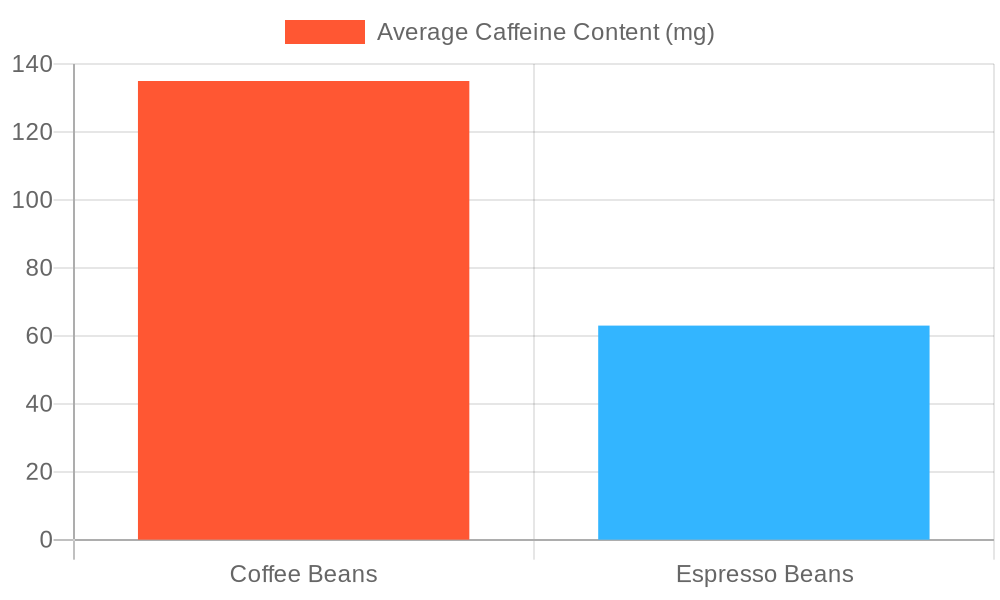
This chart illustrates the average caffeine content found in coffee beans versus espresso beans, highlighting their significant differences.
For more insights on optimizing your coffee offerings, feel free to explore our articles on coffee brewing techniques and flavor enhancement.
Business Implications of Using Different Types of Beans
The choice between coffee beans and espresso beans has significant implications for business decisions, particularly in terms of menu offerings and customer satisfaction. Understanding the differences in these beans can help business owners tailor their products to meet consumer preferences and capitalize on industry trends.
Difference Between Coffee Beans and Espresso Beans
While both coffee and espresso beans come from the coffee plant, the distinction lies primarily in their roasting profiles and grind sizes. Espresso beans are often roasted darker, leading to a richer flavor profile with lower acidity, making them ideal for espresso preparation. This difference can prompt business owners to consider how they position their menu items.
Menu Offerings
- Coffee Beans: These are typically roasted lighter and work well for brewed coffee styles, offering a diverse range of flavors, acidity levels, and aromas. Cafes can attract a broader audience by offering lighter blends with unique flavor notes potentially targeting health-conscious consumers.
- Espresso Beans: These are essential for cafes that aim to serve quality espresso drinks. Roasting them darker enhances sweetness and body, justifying premium pricing. By branding their espresso blends as specialty products, businesses can create a unique selling point in a crowded market, increasing customer loyalty.
The strategy to offer both types allows businesses to cater to diverse customer tastes while optimizing price points and profit margins.
Customer Satisfaction and Trends in the Coffee Industry
Current trends show that consumers are increasingly looking for personalized coffee experiences. The rise of DIY coffee kits, and specialty coffee drinks, combined with the growing demand for sustainability, presents unique opportunities. According to recent findings, consumer demand in the coffee market is projected to yield growth rates of over 30% in the coming years, with notable increases in the consumption of premium products.
For business owners, staying updated with coffee trends not only helps improve customer satisfaction but also secures a competitive edge. Engaging customers with unique offerings that celebrate the diversity of coffee and espresso beans is key in retaining a loyal client base and enhancing overall business success.
“Understanding the origin, processing method, and flavor profile of espresso beans isn’t just about taste-it’s a strategic business decision. A deep knowledge allows entrepreneurs to communicate value clearly to customers, justify premium pricing, and build brand authenticity in a saturated market.”
- Sarah Miller, Senior Coffee Consultant
Source
In conclusion, distinguishing between coffee beans and espresso beans is crucial for business owners looking to enhance their offerings in the competitive coffee industry. It is important to note that there is no specific category of ‘espresso beans’ – rather, espresso is defined by its brewing method. Understanding the differences in roast profiles and the origins of coffee beans can help ensure a smoother extraction and a better flavor profile in your espresso-based beverages, leading to increased customer satisfaction. As explored in this guide, selecting the right beans significantly impacts your establishment’s reputation and product performance. Therefore, we encourage coffee entrepreneurs to carefully consider their bean choices based on their target market, whether they are aiming for specialty coffee or more budget-friendly options. Aligning bean selection with business strategy not only meets customer expectations but also fosters brand loyalty and operational efficiency. So, take the time to select your coffee beans wisely!
As a business owner in the coffee and espresso industry, educating yourself is vital for growth and success. Below is a curated list of valuable resources and books that can enhance your knowledge and skills in this field. These coffee resources and espresso education materials cover various aspects, from brewing techniques to customer service and quality standards.
Must-Read Books:
- The Professional Barista’s Handbook by Scott Rao
An essential guide for anyone in the coffee industry, focusing on everything from bean selection to espresso brewing techniques. - Espresso: The Science of the Perfect Shot by Dr. Rikard Högberg
This book delves into the scientific principles behind espresso making, offering insights for improving product quality. - Brewing Better Coffee: A Guide for Business Owners and Managers by Coffee Review
A comprehensive guide tailored for coffee shop business owners, covering best practices and operational strategies. - The Coffee Book: From Bean to Cup by Annette Schultz
Offers a holistic understanding of the coffee industry, detailing everything from cultivation to brewing.
Leveraging these resources can help you stay competitive and informed in the ever-evolving coffee market. For further insights into related topics, consider exploring the role of occupational therapy in enhancing mental health and its applications in workplace settings.
In the ever-evolving landscape of the coffee market, understanding user adoption trends is crucial for business owners looking to cater to their customers effectively. Recent studies highlight significant shifts in coffee and espresso consumption behaviors and preferences, particularly among younger consumers. Here’s a summary of the findings based on recent data:
1. Growth of the Coffee Market
The coffee industry has witnessed substantial growth in recent years. In 2023, the Chinese coffee market scaled up to 265.4 billion yuan, with a year-on-year growth surpassing 30%. This surge is accompanied by a diverse consumer base, reaching nearly 400 million coffee drinkers across the country. Remarkably, individual coffee consumption rose to 16.74 cups annually, showcasing an increased appreciation for coffee beverages, especially in urban centers like Shanghai, which boasts over 9,553 coffee shops.
2. Demographic Shifts in Coffee Consumption
The demographic landscape of coffee consumption is also changing. Young adults, particularly women aged 18-40, are emerging as the core consumer group. This demographic is increasingly drawn to innovative coffee variants, such as fruit-infused and tea-coffee blends. These trends indicate a shift towards more diverse flavors and experiences, driven partly by the influence of social media platforms like Xiaohongshu and Douyin, where consumers share DIY coffee experiences.
3. Stability and Growth in the U.S. Market
In the United States, a report by the National Coffee Association revealed that 65% of Americans consumed coffee daily in 2023, marking an uptick from 62% in 2020. Notably, the 25-39 age group showed the most rapid increase in consumption rates. The report notes that 83% of coffee drinkers prefer to brew at home, with espresso-based drinks such as lattes and cappuccinos remaining among the top choices.
4. Trends in Coffee Types
Consumer preference is shifting towards high-quality, personalized coffee experiences. The market for freshly brewed coffee in China reached 87.6 billion yuan in 2023, with a compound annual growth rate of 17.14% over three years. Brands like Luckin and SeeSaw have played significant roles in driving market growth by catering to the rising demand for premium coffee products and innovative offerings.
Conclusion
For business owners in the coffee industry, these trends underscore the need to adapt to consumer preferences for diverse coffee options. Understanding which types of beans to showcase-ranging from quality espresso beans to innovative blends-could position businesses favorably in a competitive market. By keeping abreast of these evolving consumption behaviors, businesses can align their offerings to meet the growing expectations of their customers.
For more insights into how these trends can influence your business strategy, consider exploring the implications of occupational therapy on mental health, which can also inform how consumers interact with coffee culture.