

Coffee is not just a morning ritual; it represents a complex relationship between nature, cultivation, and commerce. Understanding that coffee beans grow on trees is foundational for business owners in the coffee industry, as it enables them to appreciate the entire process from planting to brewing. This article delves into the growth and cultivation of coffee trees, the life cycle of coffee beans, and the economic and environmental significance of these magnificent plants. Business owners can glean valuable insights that can enhance their operational approaches and sustainability efforts as we unpack the journey of coffee from tree to the cup.
From Seed to Shade: The Growth and Cultivation of Coffee Trees

From Seed to Shade: The Growth and Cultivation of Coffee Trees
Coffee beans are, in botanical terms, the seeds of a fruit. Understanding how those seeds develop requires following a coffee tree’s long, methodical life. The process moves from careful seed selection to nursery care, field establishment, pruning and canopy management, and finally to harvest and processing. Each stage shapes yield, tree health, and final cup character. This chapter walks through that trajectory with practical detail, describing what coffee trees need, how growers shape their development, and how variations in light, nutrients, and management change outcomes.
A coffee plant is a tropical evergreen shrub or small tree. In its native habitat it can reach 30 to 40 feet in height. Commercial growers keep trees much shorter. Pruning to 6–12 feet eases harvesting and improves light and air movement. Pruning also balances vegetative growth with fruit production. Left unpruned, a tree may invest too much energy in foliage and branches, reducing cherry yield and complicating pest control.
The life of a coffee tree begins in a nursery. Growers select seed from productive plants, or they use vegetative propagation for uniformity. Seed selection matters. Seedlings from high-quality parent trees inherit traits for yield and flavor. With seed propagation, growers often remove cherry pulp and allow seeds to dry briefly before planting. Seeds are sown in beds or containers using a light, well-draining mix. Consistent moisture and stable temperature encourage even germination.
During the first weeks, seedlings are fragile. The earliest leaves, sometimes called the “butterfly” leaves, are thin and delicate. As true leaves appear, the young plant develops a sturdier canopy. For the first year, careful monitoring is essential. Seedlings are watered regularly, but not overwatered. They receive shade to protect against intense sun. Pests and fungal threats are watched closely and managed proactively. In commercial operations, nursery management also includes hardening off, a gradual exposure to field conditions that reduces transplant shock.
By the end of the first year, a healthy seedling has a developed root system and multiple leaf pairs. Transplanting into the field usually follows when soil and weather conditions are favorable. Establishment in the field calls for site preparation. Growers select sites with adequate rainfall or irrigation access, fertile soils, and protection from frost and strong winds. Coffee thrives between roughly 1,000 and 6,000 feet of elevation, depending on latitude and variety, where cooler nights and warm days help develop complex cup flavors. Microclimate matters. Slopes with good drainage and morning sun often yield the best results.
Spacing and planting patterns reflect both agronomy and labor choices. Trees planted too close compete for light and roots. Too wide a spacing can waste productive land. Typical spacings range from 4 to 8 meters between rows, depending on cultivar, topography, and whether the plantation relies on shade trees or intercropping. Shade systems add complexity. Shade trees reduce heat stress and protect against solar radiation. They also create a multilayered ecosystem that supports biodiversity. But shade alters light intensity, requiring cultivar selection suited to lower light.
Genetics and cultivar selection are decisive. Arabica and robusta are the two main species. Arabica generally prefers higher altitudes and cooler temperatures and produces more nuanced flavors. Robusta tolerates lower elevations, higher temperatures, and has greater resistance to some diseases. Within species, cultivars vary in growth habit, yield, disease resistance, and response to light and nitrogen. Recent research on photosynthetic acclimation shows that plants grown under different light levels and nitrogen supplies acclimate differently. That suggests breeding programs should target cultivars suited to shaded systems or high-input sun systems. Matching cultivar to the farm’s environment is a first step to reliable production.
Water management shapes growth and flowering. Coffee plants require regular moisture, especially during the early growth years and the floral induction period. Too little water arrests growth and reduces flower set. Too much water leads to root oxygen stress and greater disease incidence. Irrigation systems help stabilize yields in drier regions. In some tropical zones, farmers rely entirely on rainfall patterns and time pruning and fertilizer application to match the rainy season.
Nutrition and soil health influence both tree vigor and cup quality. Coffee thrives in well-structured soils rich in organic matter with slightly acidic pH. Fertilization strategies combine basal applications of phosphorus and potassium with nitrogen programs timed to growth flushes and fruit set. Organic matter supports beneficial microbes and improves water retention. Soil tests guide fertilizer choices. Over-fertilization can invite disease and reduce bean quality. Balanced nutrition supports sustained productivity across the tree’s productive lifespan, typically 20 to 25 years under commercial management.
Pruning is an active, ongoing management tool that shapes canopy architecture. Growers prune to open the canopy to sunlight and air, lower tree height for picking, and remove unproductive wood. There are different pruning philosophies. Some growers use a structural pruning system that trains a main stem with a set of permanent scaffolds. Others maintain a multi-stem bush form, removing old stems after several harvests to encourage new, productive shoots. Rejuvenation pruning can restore older, less productive trees but requires careful planning. Heavy pruning reduces immediate yield but often stimulates vigorous regrowth that supports higher yields in subsequent years.
Flowering is a dramatic phase. Coffee plants produce small, fragrant white flowers, often after a rainfall event that follows a dry spell. Flowering is synchronous across the canopy in many farms, leading to cohorts of cherries that ripen together. But coffee can also flower irregularly, producing multiple harvest waves. After pollination, flowers develop into cherries. These fruits pass through a sequence of color changes: green, yellow, orange, and then deep red or purple when ripe. Each cherry typically contains two seeds laid flat against each other. Occasionally a cherry contains a single seed, called a peaberry. The composition of the cherry — pulp, mucilage, and parchment — affects processing choices and flavor outcomes.
Yields generally start three to four years after transplanting. The pace of early production depends on cultivar, soil, water, and nutrition. Young trees develop productive branches and flower more reliably after they reach a certain size threshold. Peak production occurs across several years when trees are mature and well-managed. Beyond the productive window, yields decline. Some farms replace older stock with new plantings or graft desired varieties onto existing rootstock to combine vigor with preferred traits.
Pest and disease management is part of the daily rhythm. Coffee leaf rust, berry borer, root-knot nematodes, and other pests can decimate yields. Integrated pest management emphasizes monitoring, resistant varieties, biological controls, and targeted chemical use when required. Maintaining tree vigor through sound nutrition and good pruning reduces vulnerability. Shade and intercropping systems can help by supporting predator populations and reducing pest spread. Still, disease outbreaks demand swift, informed responses.
Harvesting strategy affects both yield and final flavor. Hand-picking is the preferred method for high-quality coffee. Pickers select only ripe cherries, which preserves bean uniformity and flavor. Mechanical harvesting is used in flatter, industrial settings, but it collects unripe and overripe fruit as well. The timing of harvest is also tied to processing. Washed processing benefits from prompt pulping to avoid over-fermentation. Natural or dry processing requires careful drying to prevent mould and fermentation defects.
Post-harvest processing begins at harvest and finishes in the mill. Removing the outer pulp and mucilage, then drying the beans, stabilizes them for storage. Washing, honey, and natural processes each leave distinct sensory footprints. Drying can be on raised beds, patios, or mechanical dryers. Correct moisture reduction to around 10–12% is crucial for safe storage and transport. After drying, beans are hulled to remove parchment, sorted, and graded. Each step shapes the beans’ final quality. Poor handling at any point damages cup potential.
Sustainability and systems thinking increasingly shape cultivation decisions. Agroforestry models combine coffee with shade trees, fruit trees, and other crops. This approach supports biodiversity, provides additional farmer income, and buffers microclimate swings. It also changes light regimes and nutrient cycles. Farmers who adopt shade systems must re-evaluate cultivar choice and fertilization. Sustainable soil management, erosion control, and water conservation are both environmental measures and productivity measures.
Indoor cultivation offers a different set of constraints and opportunities for hobby growers. In pots, coffee plants require abundant light, steady moisture, and room for roots. Many indoor failures come from insufficient light, erratic watering, or root confinement. Use a well-draining potting mix with organic matter. Place the plant where it receives bright, indirect light for many hours a day. Maintain humidity above average indoor levels if possible. Repot as the root ball fills the container. Indoor plants rarely produce commercial quantities of cherries, but they can survive and flower under good care.
Shade and light management affect photosynthesis and growth patterns. Research into photosynthetic acclimation demonstrates that coffee plants adjust their leaf physiology based on light and nitrogen inputs. Leaves formed under high light behave differently from leaves grown in shade. This means that a tree grown under heavy shade will have leaves and a photosynthetic apparatus tuned to low light. If the canopy suddenly receives more light, the tree may not utilize it efficiently until acclimation occurs. This acclimation informs choices about thinning shade or converting shaded plots to sun. It also explains why certain cultivars perform better under shade.
Nitrogen also plays a pivotal role in acclimation. Nitrogen availability affects leaf nitrogen concentration and, therefore, photosynthetic capacity. High nitrogen supports higher photosynthetic rates in sun-exposed leaves. In shaded conditions, excessive nitrogen can lead to undesirable vegetative growth at the expense of fruiting. Consequently, fertilizer programs must account for both light environment and plant developmental stage.
Practical decisions tie together these biological insights. When establishing a new plot, match cultivar to altitude and light conditions. Prepare the soil and plant at spacings that allow desired canopy architecture. Establish shade trees early if using an agroforestry model. In the nursery stage, harden seedlings gradually to field conditions. Maintain balanced fertilization and irrigation that support flowering and fruit set. Apply pruning as a deliberate schedule, not an occasional chore. Monitor for pests and disease constantly, and respond with integrated approaches.
For growers interested in experimentation, small-scale trials provide clarity. Try different pruning intensities across blocks to compare yields. Test shaded and unshaded plots with the same cultivar. Vary nitrogen levels and measure flowering incidence, cherry size, and final cup attributes. Data-driven experimentation identifies the right blend of techniques for local conditions.
The arc from seed to harvested bean is both long and intimate. Growers make hundreds of small decisions each year that accumulate into yield and quality. A seedling’s first smoky-green leaves conceal the long pathway to a ripe cherry. Pruning, fertilizing, shading, and harvesting are not isolated acts. They interlock into a management rhythm tuned to climate, soil, and market demands. Coffee cultivation rewards attention to detail and responsiveness to the living plant.
If you want to explore formal background on origin and cultivation further, consult an established resource that outlines traditional and modern practices in greater depth: https://www.starbucks.com/menu/coffee/origin-of-coffee-and-its-cultivation
From Branch to Brew: The Full Life Cycle of Coffee Beans on the Tree

Coffee beans are the seeds of a fruit that grows on tropical evergreen shrubs or small trees. What begins as a single planted seed becomes a multi-year relationship between plant, land, and human care. The plant’s early life, its flowering and fruiting, the careful harvest, and the many choices made during processing and roasting all shape the cup you drink. This chapter follows that life cycle closely, describing each stage in clear detail and showing how time, technique, and environment conspire to create coffee’s flavor.
A coffee seed is a small, living embryo with potential. It is sown in rich, well-drained soil. Growers often choose soil rich in organic matter. Shade and consistent moisture help young roots establish. Seeds typically germinate about six weeks after planting. During germination a delicate sprout emerges. That sprout grows in a nursery bed for months. Nurseries shield seedlings from pests and sun. They also allow growers to select healthy individuals. After four to six months in the nursery, robust seedlings move to their permanent field positions. Plant spacing and row orientation matter. Proper spacing reduces disease risk. It also allows the canopy to develop evenly.
In ideal conditions a coffee plant reaches maturity three to four years after planting. Those first years are formative. The plant builds a root system and a framework of branches. When maturity arrives, the tree begins to flower. Tiny white blossoms appear along stems in clusters. Their fragrance is jasmine-like. Pollination follows, often aided by wind or small insects. Each pollinated blossom gives rise to a fruit known as a cherry. Fruit formation is patient work. Green cherries form roughly three to four months after flowering. Over the next four to five months they change color as they ripen. The final hue varies by variety. Many cherries turn deep red. Others ripen to vibrant yellow or purple. Inside each ripe cherry lie typically two seeds. Those seeds are the coffee beans.
Fruit development and timing depend on climate and altitude. Higher elevations slow the process. Slow maturation often produces denser beans with more pronounced acidity and complex flavors. Tropical lowlands speed growth and shorten the interval between flowering and harvest. Rainfall patterns also shape the tree’s calendar. A pronounced dry season can synchronize flowering across a plantation, leading to a concentrated harvest window. Conversely, irregular rains may produce staggered flowering and uneven ripening. Many coffee regions adapt their practices to local rhythms. Growers prune, provide shade, and manage soil nutrients to foster steady production and maintain tree vigor.
When cherries reach peak ripeness, harvest begins. This stage demands skill. Coffee trees rarely ripen all cherries at once. As a result, many farms use selective picking. Skilled pickers pass through the rows repeatedly. They take only the ripest cherries. This labor-intensive approach yields higher quality but raises cost. On larger operations, mechanical harvesters may strip fruit from the branches. Stripping suits flat terrain and cultivars that ripen uniformly. However, mechanical picking mixes unripe and overripe cherries. The choice between selective hand-picking and mechanized harvesting depends on terrain, labor availability, and price goals.
Right after picking, cherries enter processing. Processing methods strongly influence flavor. The three dominant ways are washed, natural, and honey processing. In the washed method, cherries are quickly sorted and often pulped mechanically to remove skin and most of the pulp. The exposed beans are then soaked in water for 12 to 18 hours to ferment. Fermentation helps break down mucilage, the sticky layer clinging to the beans. After fermentation, beans are thoroughly washed to remove residual mucilage. Washed coffees tend toward clarity and bright acidity, often emphasizing origin character.
The natural process takes a different approach. Here cherries are dried intact with their fruit still on. Farmers lay cherries on raised beds or patios. Workers regularly turn them to ensure uniform drying. As the fruit desiccates, sugars and other compounds from the pulp migrate into the seeds. Natural-processed coffees often display pronounced fruity and wine-like notes. They can be heavier-bodied as well. The natural method requires careful attention to weather. Rain or high humidity during drying risks fermentation problems and spoilage.
Honey processing sits between washed and natural. After pulping the cherries, some or all mucilage is intentionally left on the beans. The beans then dry with this sticky layer intact. The term “honey” reflects the sweet, syrupy texture of the residual mucilage. Honey processing yields coffees with a balance of fruit-forward sweetness and cleaner acidity than pure natural lots. Producers choose the extent of mucilage removal to tune flavor. In all methods, drying speed and conditions are crucial. Slow, even drying over ten to twenty days produces an even, stable green bean. Speeding drying to avoid rain can lock in uneven moisture and encourage defects.
Drying practice often involves raised drying beds or large troughs. Raised beds allow air to circulate under and around the beans. This reduces the chance of mold and promotes even moisture loss. In wetter regions, mechanical dryers may supplement sun drying. Drying is monitored with touch, appearance, and moisture meters. Target moisture content for dried green coffee is typically around 10 to 12 percent. At this level the beans are stable for storage and transport. If beans are too damp, they spoil en route to market. If over-dried, they lose aromatics and become brittle.
Hulling follows drying. Hulling removes the parchment layer from washed coffee or the dried cherry skin from naturals. After hulling, beans are sorted by size, density, and color. Sorting removes defective beans, stones, and twigs. Many producers use gravity tables or optical sorters to refine the lot. Grading practices vary by country and buyer specifications. Specialty coffee buyers often require meticulous sorting and traceability. They may inspect lots with cupping—professional tasting—to confirm quality and flavor profile.
Once processed and sorted, green coffee moves into storage and shipment. Farmers traditionally store green beans in burlap sacks. These sacks sit in cool, dry warehouses that stabilize humidity. Excessive heat or moisture during storage degrades quality. For export, green coffee is packed, often in 60-kilogram bags, and loaded into shipping containers. Transit time varies by destination and logistic choices. Ocean freight may take several weeks. During shipment, temperature and humidity control are limited. Quality-conscious exporters aim to minimize transit delays and exposure to extreme conditions.
At the destination, green beans enter roaster facilities. Roasting is where chemistry becomes culinary art. Inside the roaster, beans heat from ambient to well over 200°C in ten to twenty minutes. Two audible milestones mark the roast: first and second crack. First crack signals the release of steam and gases as the bean structure expands. Second crack indicates further structural breakdown and the emergence of roast-dominant flavors. Roasters choose roast profiles to highlight specific cup traits. Lighter roasts preserve origin clarity and acidity. Darker roasts emphasize body and roasted sweetness. Roast consistency matters. Variations in temperature or time produce different flavor outcomes even for beans from the same lot.
After roasting, beans need rest. During roast, beans emit significant carbon dioxide. A short resting period of two to three days allows much of this gas to escape. Resting helps stabilize extraction during brewing. Some single-origin beans may benefit from longer rest. Conversely, extremely fresh beans can yield unpredictable espresso behavior because of high gas content. Many roasters recommend consuming roasted coffee within a specific window. Aromatic volatiles dissipate over weeks. Proper airtight packaging slows that loss.
Grinding precedes brewing. The grind size determines extraction rate. Fine grinds expose more surface area and extract faster. Coarser grinds slow extraction. Brewing methods vary widely. Drip brewers use medium grinds and balanced extraction. French press favors coarse grinds and fuller body. Espresso employs very fine grinds and high pressure for concentrated flavor. Water quality and temperature matter as much as grind. Best practice is clean water at about 90 to 96°C for most methods. Brew ratios and time also influence the cup. Small changes in these variables shift flavor perception dramatically.
Along this path from tree to cup, many external factors exert influence. Pests and diseases can devastate yields and alter quality. One notable pest is the coffee bean weevil. It damages stored and processed beans. Understanding pests’ life cycles helps growers and handlers protect quality. Integrated pest management, careful drying, and clean storage reduce losses. Climatic shifts also matter. Rising temperatures change suitable growing altitudes. Some regions must adapt by changing varieties, adjusting shade regimes, or modifying harvest schedules. Water availability and soil health influence both yield and taste. Many producers now emphasize soil organic matter and agroforestry to maintain long-term farm resilience.
Human choices are equally decisive. Pruning shapes canopy architecture and influences fruiting cycles. Shade trees moderate temperature and preserve soil moisture. Fertilization replenishes nutrients removed during cropping. Each of these decisions affects bean composition. That composition then guides how beans respond to fermentation, drying, and roasting.
Quality control is woven into each stage. From seed selection at planting to cupping after roasting, checks ensure that defects do not propagate. Seed selection matters at the start. Growers choose varieties for disease resistance, yield, and cup characteristics. Hybrid and heirloom varieties both have places in production systems. As seedlings become mature trees, farmers monitor for nutrient deficiencies, pests, and structural issues. During harvest and processing, sorting and careful handling prevent contamination and off-flavors. After processing, moisture control and proper storage preserve green coffee integrity. At the roastery, sample roasting and cupping guide batch decisions. Continuous feedback refines practices at the farm and in the mill.
The journey from seed to cup can span years. The initial plant establishment takes months to years. Fruit development and ripening add several months. Processing and drying take weeks. Shipping and rest add more time. Despite this horizon, much of the final beverage’s character is rooted in the slow, patient stages on the farm: soil health, tree management, flowering timing, and selective harvesting. Those small decisions compound into distinctive flavor notes.
Across the coffee-producing world, cultures and economies are tied to this life cycle. Millions of smallholder farms depend on coffee’s seasonal rhythms. Laborers who pick cherries, millers who sort beans, and roasters who calibrate profiles all bring expertise. Each role protects or transforms the attributes that begin on the tree. When you taste a cup, you experience a condensed story of that labor and those conditions.
Understanding the life cycle of coffee beans makes you more than a consumer. It makes you a witness to complexity. A simple seed becomes a living tree, flowers, fruit, and seeds again. Along the way, plants interact with their environment, pests, and people. Processing choices unlock or mute flavors. Roasting translates green bean chemistry into aroma and taste. Brewing then captures those compounds in liquid form. Every cup, therefore, is a sum of careful stages.
To explore one aspect of that journey more scientifically, particularly the interaction between stored beans and pests, see the study on the coffee bean weevil linked below. It offers a peer-reviewed look at a pest relevant to post-harvest quality and storage.
https://www.ncbi.nlm.nih.gov/pmc/articles/PMC9074421/
From Shade to Cup: The Environmental Lifeline and Economic Engine of Coffee Trees
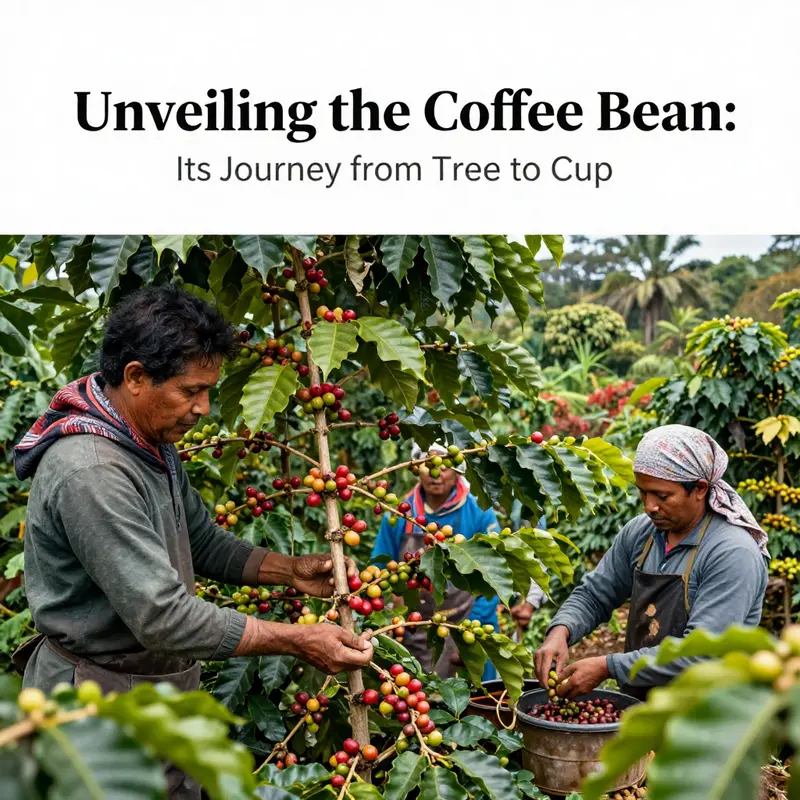
From Shade to Cup is more than a slogan. It describes a living network that links forest health, soil resilience, and community livelihoods to every thoughtful sip. Coffee beans are seeds inside ripe fruit on a plant that thrives as a shade-loving tropical shrub or small tree. When grown under a diverse canopy, coffee farms become ecosystems that conserve biodiversity, protect soils, and buffer climate risks while still delivering a harvest for farmers and markets.
Shade is not decoration but a management choice with ecological and economic consequences. The canopy supports birds, insects, and microbes that help regulate pests, pollinate crops, and recycle nutrients. It moderates temperatures at the soil surface, reduces evaporation, and lowers erosion. The soil beneath the trees benefits from leaf litter and fruit husks that feed a living soil food web, improving structure and water infiltration.
Carbon dynamics also follow the shade path. Trees store carbon in their wood and in soil organic matter, contributing to climate mitigation and offering a tangible talking point for buyers who value environmental stewardship.
Water stewardship is intertwined with shade. A robust canopy buffers rainfall, protects streams, and keeps soil moist between storms, helping stabilize yields and protect water quality for downstream communities.
Economically, shade-grown coffee can support more resilient livelihoods. Certification programs that emphasize environmental and social criteria—such as Rainforest Alliance, Organic, Fair Trade, and UTZ—often accompany premium prices, better market access, and opportunities to invest in inputs that raise both yield and quality. Diversification with fruit trees or timber species can further spread risk and expand income streams.
Yet challenges remain. Market volatility, climate change, and access to capital can limit the benefits of shade systems for smallholders. Farmers respond by blending agroforestry with efficient processing, water use, and careful labor management, so that ecological benefits translate into stable incomes.
In sum, the tree-to-cup journey connects ecological health with human well-being. Shade trees create habitat, enrich soils, conserve water, and contribute to climate resilience, while the coffee crop remains a valuable economic asset for families and communities. The environmental production system and the economic outcomes reinforce one another, shaping a more sustainable and equitable arc from forest to pantry.
Final thoughts
The journey of coffee from tree to cup goes far beyond a simple beverage; it encompasses vital environmental and economic considerations for business owners. By understanding the growth, life cycle, and significance of coffee trees, companies can enhance their production practices, embrace sustainability, and contribute positively to their ecosystems. Ultimately, this holistic understanding can be instrumental in not only driving success but also fostering a greater appreciation for the labor and natural resources that connect us to our favorite coffee.