
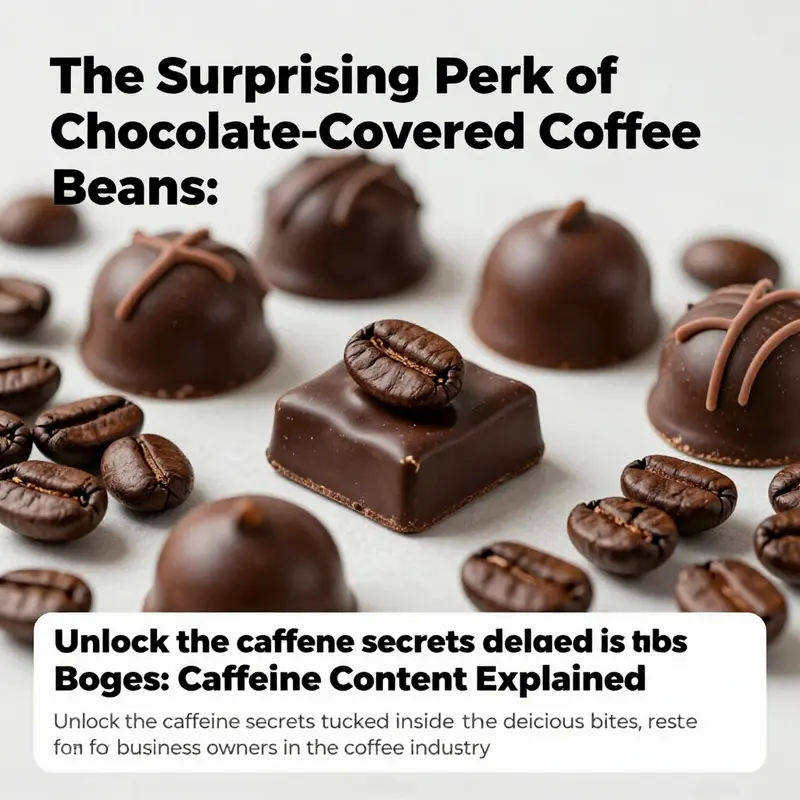
Understanding the caffeine content in chocolate-covered coffee beans is crucial for business owners, particularly those operating in the coffee industry. As customers increasingly seek energy-boosting snacks, chocolate-covered coffee beans represent a unique fusion of flavor and stimulation, making them a popular choice. In this exploration, we will delve into the caffeine content of these treats, highlighting health effects, comparing them to traditional coffee, and examining their culinary uses and popularity. This holistic examination will help business owners make informed decisions and elevate their offerings while navigating customer demands.
Bittersweet Kick: Tracing Caffeine Through Chocolate-Covered Coffee Beans and What It Means for Your Morning Balance
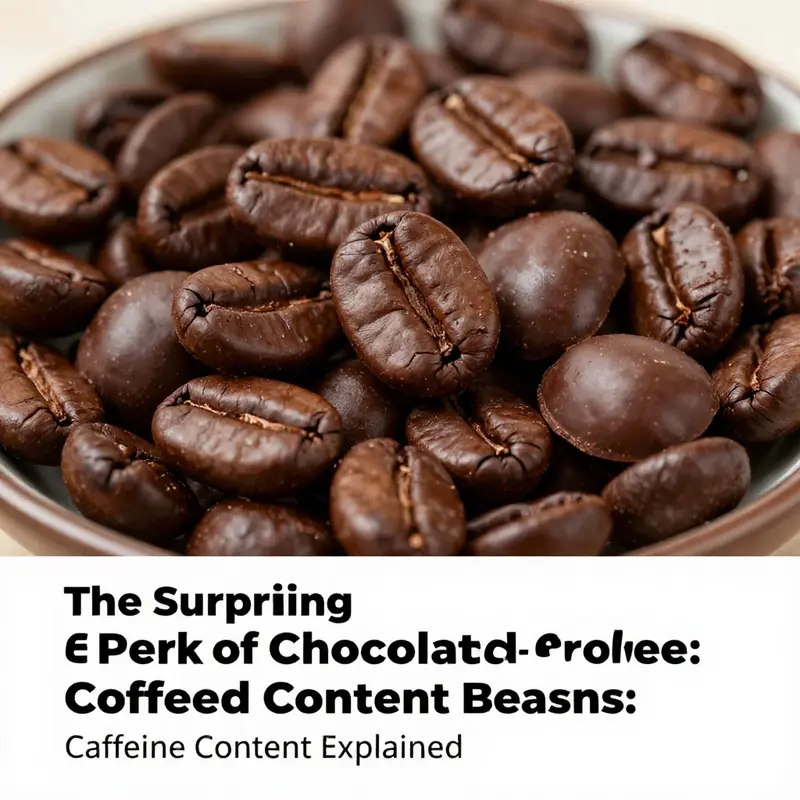
The first bite of a chocolate-covered coffee bean is a blunt crossfade of flavor and effect. A glossy shell of dark or milk chocolate yields to the firm bite of a roasted coffee bean, and if you’re paying attention, you’ll notice that familiar lift that signals caffeine arriving in your system. The science behind this small indulgence is straightforward: chocolate-covered coffee beans contain caffeine because the core is a roasted coffee bean, and the chocolate just carries that caffeine along for the ride. This simple truth matters, not only for the curious flavor enthusiast but for anyone who tries to balance daily productivity, sleep, and mood across busy days. Like many everyday foods, the caffeine in these treats is a reminder that what we eat and drink can influence our alertness and rest in ways that aren’t always obvious at the moment of savoring.
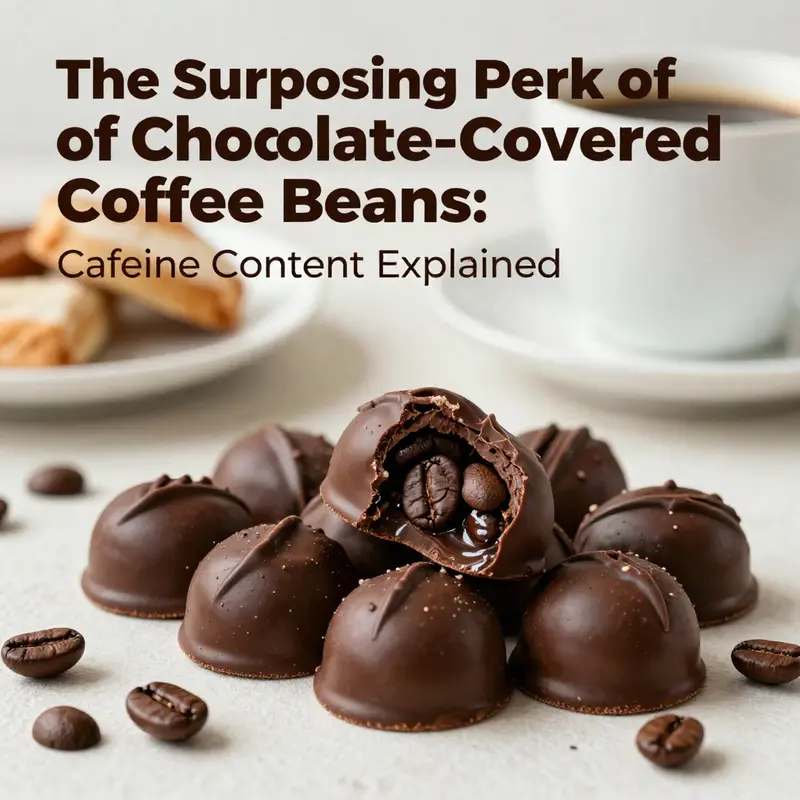
On average, a single chocolate-covered espresso bean delivers about 10 to 20 milligrams of caffeine. This range is a useful guide, but it is not a rigid rule. The precise amount depends on a handful of variables that work together to shape the final caffeine hit. The size of the bean, the size of the chocolate coating, and the particular coffee used in the core are all part of the equation. A handful of five beans, for example, can provide roughly 50 to 100 milligrams of caffeine—an intake that approaches what many people would expect from a standard cup of brewed coffee, depending on the strength of the brew and the type of coffee bean used. The positioning of these beans inside a package—how many per serving and what the manufacturer defines as a serving—plays a crucial role in determining how much caffeine you actually end up ingesting in one sitting. It’s a small snack with a surprisingly potent punch, and that punch is entirely caffeinated by the coffee bean at its center.
The variability in caffeine content is not the result of a single factor but a blend of influences. Some products are marketed as having higher caffeine content than others, and their labeling reflects this intent. For instance, certain options are described as “edible espresso” offerings, and their packaging may advertise as much as 150 milligrams of caffeine per serving. A serving in this context typically consists of around 20 beans, which means that the average bean’s caffeine content is being amplified by a packaging decision about how many beans the consumer is expected to eat at one time. This kind of labeling is important because it reframes chocolate-covered beans from a casual treat into a more deliberate energy source. The idea that a handful could rival a cup of coffee in caffeine content is compelling, and it underscores why careful label reading matters when your goals include moderate caffeine intake or avoiding spikes in energy or jitters.
The chocolate portion itself adds a layer of complexity to caffeine consumption, though not in a way that negates the core idea: caffeine comes from the coffee bean, and the chocolate mostly influences texture, sweetness, and the overall calorie load. The fat and sugar in the coating can slow the pace at which the body metabolizes caffeine for some people, creating a slightly different experience than a plain coffee drink would provide. For those who are monitoring calories or following plant-based diets, many providers market their chocolate coatings as dairy-free or vegan. In practice, chocolate’s role is to deliver a pleasing mouthfeel and a balanced taste profile while the caffeine executes its signaling role in the nervous system. The end result is a snack that can feel like a compact burst of energy—pleasant in flavor, practical in function, and potentially more impactful than a cup of hot cocoa for someone who wants a quick lift without brewing a pot of coffee.
Brand variety in the market contributes to the range of experiences. Some chocolate-covered beans are chunkier, with a larger coffee core that carries more caffeine per bite, while others favor a thinner chocolate shell and a slightly smaller center. The type of coffee used to make the central bean—whether it’s a lighter roast, a darker roast, or an espresso-grade selection—also matters. Espresso beans, by definition, are roasted and prepared for espresso extraction, and they tend to deliver a robust flavor and a particular caffeine profile that some manufacturers seek to preserve in the finished product. The net effect is that a single chocolate-covered bean is a small package with a variable caffeine payload. When you consider the whole experience—from taste to timing to tolerance—it becomes clear why these treats should be treated as part of your caffeine budget rather than as a mere dessert.
People who are particularly sensitive to caffeine or who maintain strict daily limits should read labels closely and consider how many beans they plan to eat in one sitting. If you’re sharing a bag with friends or colleagues, a simple heuristic can help prevent overconsumption: count the number of beans you intend to eat, multiply by the indicated per-bean caffeine range, and compare that total with your typical daily allowance. Many adults tolerate up to about 400 milligrams of caffeine per day, though individual thresholds vary widely. For someone who metabolizes caffeine slowly or who has a history of sleep disturbances, even smaller portions can have a noticeable effect on sleep onset or restfulness later in the night. The timing matters just as much as the quantity. Having chocolate-covered beans in the afternoon might be a different experience from consuming them late in the evening, when the body is more likely to still be processing caffeine as you lie down to sleep. In short: these beans are not just a treat; they are a small, movable dose of a stimulant that behaves differently from person to person and day to day.
The broader context—how this little snack fits into a daily routine—often leads people to consider not only the caffeine content but the way caffeine interacts with food, mood, and even cognitive performance. For those who approach wellness with a holistic lens, the combination of caffeine and chocolate—two ingredients with long cultural histories in mood and energy regulation—can be more than the sum of its parts. Chocolate contains compounds such as theobromine, which can have mild stimulant effects and may contribute to a gentle, sustained energy without the sharp spike sometimes associated with caffeine. Some people report that the experience of the treat feels less abrupt than a shot of espresso or a cup of strong coffee, while others notice a pronounced alertness that lasts through the late afternoon. The perception of energy, after all, is shaped by expectations, context, and individual physiology as much as by chemistry alone.
From a practical standpoint, the key takeaway is straightforward: chocolate-covered coffee beans do contain caffeine, and the amount you consume depends on how many beans you eat, the exact size and composition of those beans, and the specific product’s labeling. In conversations about caffeine awareness, it’s tempting to look for a single number that applies to every product. Realistically, there isn’t one universal figure because the market spans a spectrum of bean sizes, roast levels, chocolate coatings, and serving-size conventions. Nevertheless, the general rule remains useful: expect roughly 10–20 milligrams per bean, and plan servings accordingly if you want to keep total daily caffeine in a comfortable, predictable range. This framework can help you decide when these beans fit into a morning routine, a mid-afternoon pick-me-up, or a mindful, moderate-energy snack that aligns with personal health goals.
For readers who think about how caffeine intersects with mental health in therapeutic contexts, see occupational-therapy-and-mental-health. This internal link opens a space to explore how daily nutrition choices, energy management, and mood regulation can play out in practical, real-world settings where well-being is the overarching objective. While chocolate-coated beans are not a treatment, they illustrate how small dietary decisions can ripple through attention, appetite, and rest—elements that professionals in fields like occupational therapy often help people balance in service of improved daily functioning. The mindful consumption of caffeine-rich foods becomes another piece of a broader strategy for sustaining focus during demanding tasks, especially when those tasks require sustained patience and steady energy.
As you navigate ongoing questions about caffeine levels in these treats, it’s helpful to keep a few guiding ideas in view. First, understand that the per-bean estimate is a guide, not a guarantee. Second, recognize that serving size is a critical dimension of caffeine exposure; some packages emphasize a high-caffeine serving that might require a careful, deliberate choice rather than casual snacking. Third, remember that the chocolate coating adds sweetness, texture, and calories, which can influence how quickly you reach your caffeine goal and how you feel after consuming it. And finally, consult reputable resources if you want a deeper, more technical breakdown of caffeine levels and their effects. For a detailed breakdown of caffeine levels in these treats, see Healthline’s guide: https://www.healthline.com/nutrition/caffeine-in-chocolate-covered-espresso-beans. The science is accessible, and the message remains clear: chocolate-covered coffee beans are a real and measurable source of caffeine, with a variability that invites mindful attention rather than blind snacking.
In practice, that means choosing portions with intention, especially when planning around workouts, work deadlines, or social activities that hinge on steady concentration. If you notice jitteriness or a disrupted sleep cycle after enjoying a handful, it may be wise to scale back the number of beans or to time them earlier in the day. If you’re metabolizing caffeine quickly, the effect might pass sooner and feel less disruptive; if you’re slower to process caffeine, the same amount could linger, affecting sleep quality or the next morning’s alertness. Those personal differences matter as much as the product’s nominal caffeine content. Because chocolate-covered coffee beans exist at the intersection of indulgence and function, they reward experimentation with careful observation. Try a small amount on a day that you don’t have late obligations, observe how you feel over the next several hours, and adjust your intake accordingly. In this sense, the beans become a useful test case for your own energy management, a tangible example of how tiny choices can shape your day’s momentum.
The broader takeaway remains balanced and pragmatic. Caffeine content in chocolate-covered coffee beans is real and variable, often sitting in a range that can rival a cup of coffee in total milligrams when several beans are consumed. The presence of a chocolate coating does not negate the caffeine; rather, it modulates the experience—altering flavor, texture, and perhaps the rate at which caffeine enters your bloodstream for some individuals. If you’re curious about the exact caffeine content of a particular product, the safest approach is to check the packaging for the stated serving size and caffeine per serving, then do the quick math to estimate your intake. This approach helps maintain a predictable level of alertness and helps you avoid the afternoon crash or a restless night that could follow a late-evening snack. And if the need arises to balance caffeine with other aspects of a healthier routine, consider integrating these beans into a broader plan that includes hydration, steady meals, and routines that support restful sleep. In the end, the conversation about chocolate-covered coffee beans is less about a single number and more about mindful consumption, personal tolerance, and the ongoing pursuit of a balanced daily rhythm.
null
null
From Bean to Bite: Gauging Caffeine in Chocolate-Covered Coffee Beans Against a Cup of Coffee
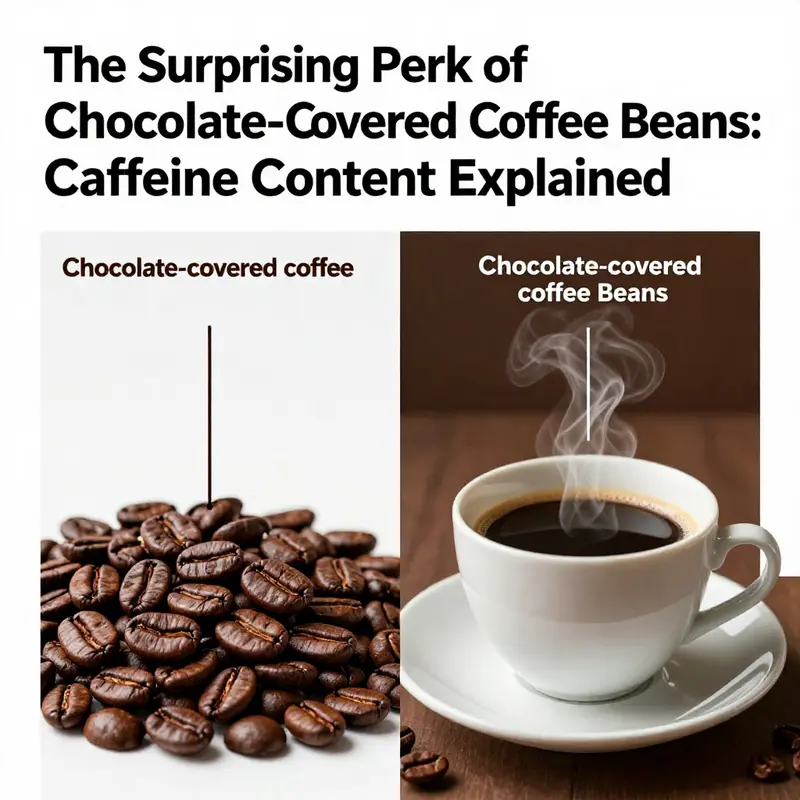
Curiosity often leads us to reach for a snack that promises both pleasure and a quick pull of energy. Chocolate-covered coffee beans sit at that intersection of dessert and pick-me-up, a confection that tempts with sweetness while delivering a discreet jolt of caffeine. The short answer to whether these treats contain caffeine is yes: they do, because they cradle roasted coffee beans inside a chocolate shell. Yet the longer, more practical question—how much caffeine is actually inside a bite, and how does it compare to a cup of coffee—depends on a constellation of factors. Those factors range from the number of beans you eat to the specific product’s formulation, from the coffee bean’s original caffeine content to the way the chocolate and any cocoa components interact with caffeine delivery. When you pull these strands together, you gain a useful frame for thinking about how chocolate-covered coffee beans can fit into your day without becoming an unplanned caffeine surge or an unanticipated late-night wake-up call.
At the most straightforward level, caffeine is a chemical that exists in the beans themselves. Coffee beans—whether used for a shot of espresso, a cup of drip coffee, or a cocoa-dusted confection—carry caffeine as part of their inherent chemistry. The caffeine present in roasted coffee beans translates into the treats that encase those beans. In the chocolate-covered format, the caffeine load you experience is the sum of what was inside the bean plus any minor contributions from the chocolate itself. Cocoa solids do contain caffeine, though typically in smaller amounts than coffee beans. When a bean is fully roasted and then coated in chocolate, you’re effectively getting the caffeine that was in the coffee bean plus a little extra from the cocoa, all wrapped in a sweet shell. The exact total for any given bite is still a function of how the product is made, which brands you choose, and how you portion the serving.
For most chocolate-covered espresso bean products, the commonly cited range is roughly 10 to 20 milligrams of caffeine per bean. That range is useful because it helps you estimate how your personal intake stacks up, whether you’re aiming for a mild lift or a more robust boost. If you were to eat five beans, you could expect about 50 to 100 milligrams of caffeine. That level is roughly comparable to what you might get from a standard 8-ounce cup of brewed coffee, though the exact comparison depends on several variables. It’s worth noting that packaging and labeling can vary; some products are designed to deliver a concentrated caffeine hit in a small, snackable form, while others spread the caffeine more diffusely across a larger serving. In all cases, the caffeine content will be a product of both the coffee component and the chocolate component, and the total will be reflected in the serving size indicated on the package. Consumers who monitor caffeine intake should read labels carefully, not assuming a uniform amount across brands or even across batches from the same brand.
There are, however, exceptions to the general range. Some premium or highly concentrated varieties—marketed as energy-forward treats—may pack more caffeine per serving. In extreme cases, a small serving could accumulate as much caffeine as a cup of coffee when you tally the total across all the beans in a serving. For example, a specific packaging claim discussed in research has pointed to a total caffeine content around 150 milligrams for a 20-bean serving in a single package. That translates to an average of about 7.5 milligrams per bean, which is lower than the typical 10–20 mg per bean in many other products. This discrepancy helps illustrate a key point: caffeine content in chocolate-covered coffee beans can vary widely depending on the formulation, the number of beans in a serving, and the exact roasting and coating processes. It’s not unusual for a snack to straddle a broad spectrum of caffeine content because manufacturers balance taste, texture, and energy profile in different ways. For some people, that means a couple of beans gives a comparable kick to a small cup of coffee, while for others a handful might deliver a noticeably stronger effect. As with many caffeine-containing foods, the experience is often shaped by personal sensitivity and habitual tolerance.
Stepping back from the bean-by-bean numbers, it helps to place chocolate-covered coffee beans in the broader caffeine landscape. A typical 8-ounce cup of brewed coffee contains roughly 80 to 100 milligrams of caffeine, though the exact figure depends on brewing method, bean type, and roast level. Instant coffee generally delivers less caffeine, in the range of 30 to 60 milligrams per cup, while a single shot of espresso—a compact, intense 1-ounce serving—packs about 63 milligrams. These figures illuminate a practical reality: the caffeine you consume in a handful of chocolate-covered beans can be similar to, or in some cases exceed, a cup of coffee, especially if you opt for a higher-caffeine formulation or if you eat several beans in quick succession. The difference, of course, lies in the mode of delivery—whether you’re letting a warm cup wash over your palate or savoring a bite-sized treat in the middle of a busy day.
An important nuance is that caffeine delivery is not purely a function of the coffee bean’s caffeine content. The chocolate envelope can influence how quickly caffeine is absorbed, which in turn can modulate the timing of alertness. Chocolate itself contains small amounts of caffeine and theobromine, a stimulant related to caffeine but with a gentler, longer-lasting effect for some people. The combination of caffeine from the bean and minor amounts from cocoa means chocolate-covered coffee beans may offer a slightly different caffeine experience than coffee alone. The rate at which caffeine enters the bloodstream depends on multiple factors, including the presence of fats and sugars in chocolate, the macronutrient balance of the bite, and individual metabolism. In other words, two people who each eat five beans could have somewhat different experiences in terms of onset, peak intensity, and duration of perceived alertness.
From a health and daily-use perspective, the variability in caffeine content underscores a practical guideline: treat chocolate-covered coffee beans as a caffeine source whose strength depends on how many beans you eat and which brand you choose. For someone who consumes caffeine regularly, these treats can be a convenient way to bridge a mid-morning slump or a late-afternoon need for a gentle lift. For someone who is more caffeine-sensitive, even a small handful could feel potent enough to shift energy levels or sleep patterns, especially if consumed later in the day. This is not a warning against the snacks themselves, but a reminder that, like any caffeine-containing product, they should be integrated thoughtfully into daily routines. If you are monitoring caffeine due to medical advice, pregnancy, or personal sensitivity, a careful read of the product label and a clear sense of your own thresholds will help you decide how many beans feel comfortable and when to enjoy them.
When we consider the overall caffeine picture, it’s useful to connect these small, bite-sized caffeinated morsels to the broader choices available in the morning or afternoon. Coffee offers a familiar, continuous caffeine source that can be tailored by technique and beverage size. Chocolate-covered beans offer a different kind of cadence: a bite, followed by a moment of savoring, punctuated by a caffeine dose that begins to take effect at a different pace. The cocoa and fat content of chocolate can slow gastric emptying, which may influence how soon you notice the caffeine’s effects and how long those effects persist. The result is a slightly more drawn-out or diffuse energy experience for some people, compared with a straightforward cup of coffee. For others, the difference may be negligible, particularly when the serving sizes align with their usual caffeine intake and caffeine tolerance.
Given the variability, a simple rule of thumb can help manage expectations. If you eat five chocolate-covered beans and find you’re experiencing a noticeable surge in wakefulness, you may have consumed roughly the caffeine content of a cup of coffee. If you’re aiming for a milder lift, you might choose to enjoy one or two beans. If you want to match a specific caffeine target, you can estimate by multiplying the number of beans by the per-bean caffeine figure (10–20 mg typically) and adjusting for the cocoa contribution and any potential labeling differences. For those who routinely keep a caffeine tally, treating each bean as a mini-dose and counting servings over the course of the day can help prevent unintended spikes. This practice is especially prudent for individuals who must avoid caffeine late in the day or who are sensitive to stimulants due to health considerations.
The wider takeaway is that chocolate-covered coffee beans sit in a zone where taste, texture, and caffeine content converge. They offer a discrete, portable way to obtain caffeine without brewing a pot or pulling an extra shot. They also present an opportunity to consider how caffeine is packaged and delivered in foods beyond the most common formats. The magnitude of the caffeine dose in a given serving is highly contingent on the product’s design and the consumer’s portioning. In that sense, they’re a reminder that food and drink interactions with caffeine are not uniform across the market; they evolve with formulation, branding choices, and consumer expectations. If you’re curious about precise figures for a particular product, the most reliable route is to consult the manufacturer’s label or official website, where the caffeine content per serving is typically stated. This ensures you’re basing decisions on current, product-specific data rather than generalized ranges.
For readers who want a deeper dive into the science and the practical guidance on caffeine content from chocolate-covered coffee beans, a reputable health and nutrition resource provides a broader context that helps translate the numbers into everyday choices. While the core numbers can vary, the overarching pattern is consistent: chocolate-coated coffee beans are caffeine-containing, their potency per bean sits within a defined range, and the total impact depends primarily on how many beans you eat and the caffeine tolerance you bring to the table. The comparison to coffee shows that while a single cup remains a straightforward reference point, these treats offer a snackable alternative that can deliver a comparable dose when consumed in larger quantities or in higher-caffeine formulations.
As with many dietary questions, a personalized approach works best. If your day includes back-to-back meetings or a long stretch of focus-demanding work, chocolate-covered coffee beans can act as a controlled energy source—one that you can portion out to avoid overconsumption. If you’re sensitive to caffeine, you can treat them as a rare indulgence rather than a daily impulse. And if you’re curious about how the caffeine content stacks up across different flavors and brands, you’ll likely find that the general ranges hold, even as specific products swing higher or lower on the spectrum. In all cases, the key is mindfulness: knowing how many beans you’ve consumed, recognizing the timing of that intake, and aligning it with your daily caffeine goals.
For readers seeking more structured guidance on caffeine content and its practical implications, Healthline’s comprehensive guide on chocolate-covered coffee beans offers detailed numbers and context that can help anchor personal choices. This resource helps translate the bean-to-cup comparison into a clear framework you can apply when planning your day or tracking your caffeine exposure: https://www.healthline.com/nutrition/chocolate-covered-coffee-beans.
null
null
Final thoughts
In conclusion, chocolate-covered coffee beans serve as a noteworthy addition to your offerings, appealing to customers seeking both flavor and a caffeine kick. By understanding their caffeine content, the health effects they impart, and how they compare to traditional coffee, business owners can make strategic decisions that cater to consumer preferences. Additionally, recognizing their culinary versatility only enhances their appeal in today’s market. Armed with this knowledge, you can confidently introduce or promote chocolate-covered coffee beans in your business, meeting customer needs with delicious efficiency.