

Introduction
In the world of coffee, understanding the distinction between coffee beans and espresso beans is not just a matter of nomenclature; it’s crucial for business owners in the food industry. While all espresso beans are coffee beans, not all coffee beans are suitable for making espresso. This difference matters significantly when it comes to quality, flavor, and customer satisfaction. For café owners, the type of beans used can define the entire coffee experience for patrons, affecting everything from brewing methods to pricing strategies. By grasping the nuances between these beans, business owners can optimize their offerings, attract more customers, and enhance their establishment’s reputation in a highly competitive market. Understanding these distinctions allows for better inventory choices and direct engagement with customers-showcasing a level of expertise that can set businesses apart. Whether you’re a seasoned barista or a budding café owner, diving into the details of coffee beans versus espresso beans opens up a world of possibilities to maximize your business potential and delight your clientele.
If you want to delve deeper into the coffee world, check out our tools and equipment for coffee brewers for more insights.
Overview of Coffee Beans
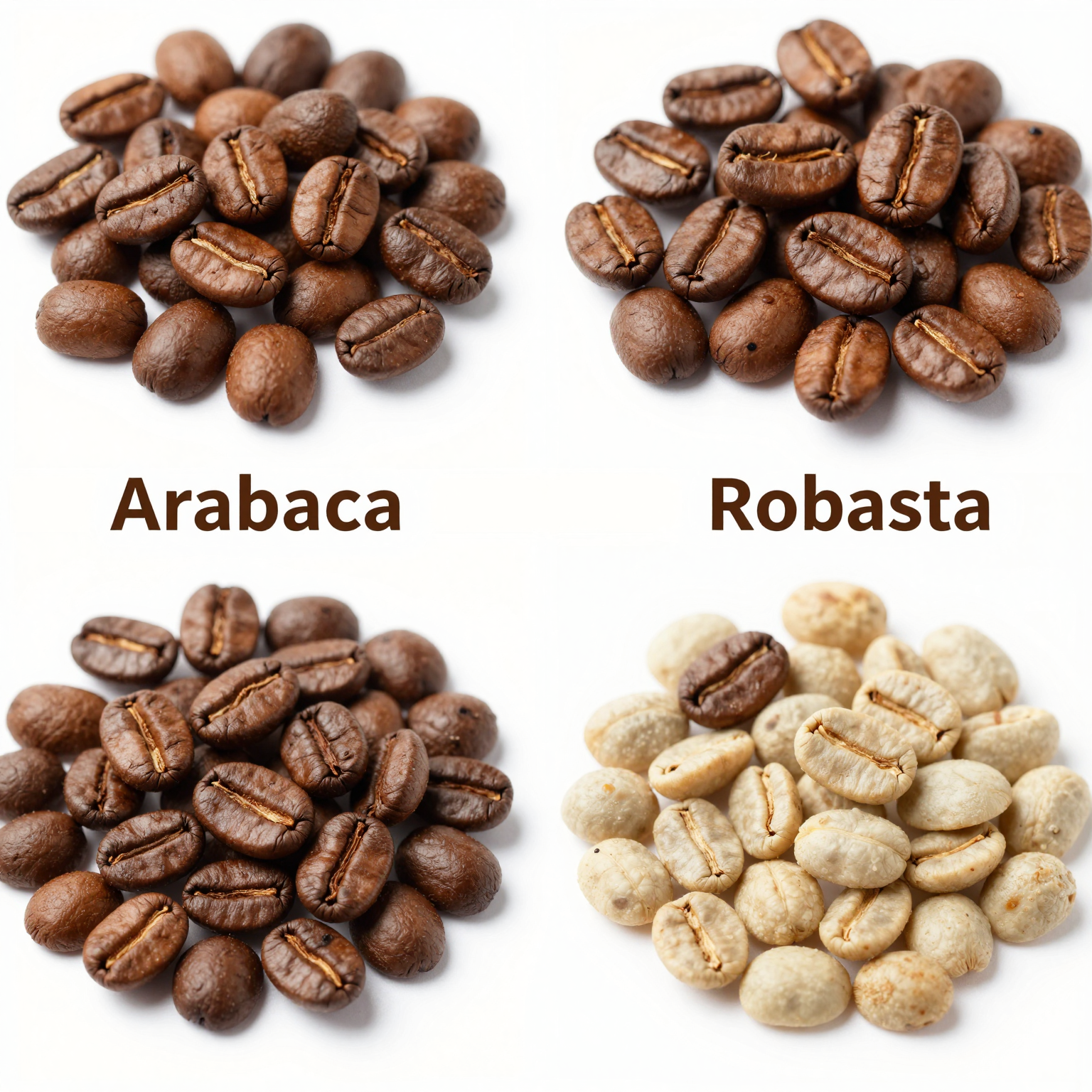
Coffee beans are the seeds of the Coffea plant, typically classified into two main species: Arabica (Coffea arabica) and Robusta (Coffea canephora). These beans are pivotal in the coffee industry, largely determining the flavor and quality of the brewed beverage. Understanding their differences and characteristics can enhance not only the appreciation of coffee but also any business associated with the coffee market.
Types of Coffee Beans
- Arabica:
- Represents over 60% of global coffee production.
- Grown in tropical climates at altitudes of 600 to 2,000 meters, ideally between 1,000 to 2,000 meters, requiring well-distributed rainfall and shade.
- Features a sweeter, smoother taste with complex flavors like fruit, chocolate, and nuts. Typically has lower caffeine content (1.2-1.5%) with higher acidity.
- More susceptible to pests and diseases.
- For further insights on Arabica production, read this Arabica coffee guide.
- Robusta:
- Accounts for about 40% of global coffee production, thriving at lower altitudes (200-800 meters).
- Hardier and more pest-resistant, containing approximately twice the caffeine (2.2-2.7%), resulting in a stronger, more bitter flavor profile.
- Primarily used for instant coffee and espresso blends due to its crema-producing properties.
Growing Conditions
Both varieties require distinct conditions for optimal growth and flavor:
-
Arabica requires:
-
Temperatures between 18-22°C.
-
Rich, well-drained soil with high organic content.
-
Robusta can withstand:
-
Higher temperatures and poorer soil conditions.
General Characteristics
Understanding these beans is essential for any coffee-related business. It influences everything from sourcing to the roasting process, which, in turn, affects the flavor of the final product. The global coffee production statistics from the World Coffee Organization show that for the 2023/24 marketing year, global production reached approximately 1.75 million bags, with Arabica making up about 54.3% and Robusta 45.7%.
Overview of Espresso Beans
Espresso beans refer to coffee beans that are roasted and processed specifically for espresso brewing methods. Unlike regular coffee beans, which can be brewed using various methods like drip or pour-over, espresso beans are chosen for their ability to withstand high pressure and extract unique flavors quickly. It’s important to note that there isn’t a distinct species called espresso beans; the term describes beans that are dark roasted and finely ground.
Key Differences from Regular Coffee Beans
The primary distinction between espresso beans and regular coffee beans lies in the roast profile and grind size:
- Roast Profile: Espresso beans are generally roasted darker than regular coffee beans. This darker roast achieves a rich, bold flavor profile, often featuring notes of chocolate, caramel, and sometimes a hint of smokiness. In contrast, lighter roasts, typically used in other brewing methods, preserve more of the bean’s natural acidity and fruity or floral notes.
- Grind Size: Espresso requires a very fine grind compared to the medium to coarse grind for regular coffee. A fine grind allows water to flow through the coffee evenly under high pressure, resulting in a well-extracted shot of espresso.
Roasting Process for Espresso Beans
The roasting process of espresso beans involves several crucial steps that significantly impact the flavor:
- Roasting Temperature and Time: Espresso roasts typically range from 200 to 240°C (392 to 464°F), with roasting durations between 8 to 12 minutes. This process promotes the Maillard reaction, which enhances flavors through the development of complex compounds.
- Types of Espresso Roasts: Espresso roasts fall into three main categories:
- Light Roast: Retains more acidity and original characteristics, offering floral or fruity notes.
- Medium Roast: Balances acidity with body and showcases flavors like chocolate and caramel.
- Dark Roast: Characterized by low acidity and bold bitterness, providing a strong, intense flavor.
Choosing the right espresso roast can dramatically affect the extraction process and the richness of the crema formed during brewing. Understanding these nuances can greatly benefit business owners in the coffee industry as they aim to deliver high-quality espresso experiences to their customers.
For more insights into coffee preparation, you might find this article on the different brewing methods insightful.
| Feature | Coffee Beans | Espresso Beans |
|---|---|---|
| Flavor Profile | Lighter or medium roasted; bright, floral, or fruity notes | Dark roasted; bold, syrupy, low acidity, chocolate, caramel notes |
| Preparation Methods | Brewed using drip, pour-over, or French press | Brewed using an espresso machine under high pressure |
| Grinding Techniques | Medium to coarse grind for even extraction | Fine grind for optimal extraction under pressure |
| Usage in Beverages | Used in various coffee drinks (drip coffee, iced) | Primarily for espresso shots, lattes, cappuccinos |
Brewing Methods
Coffee brewing methods encompass a variety of techniques that produce different flavors and aromas, making each method unique. For business owners in the coffee industry, understanding these brewing techniques can enhance customer satisfaction and improve overall sales.
Drip Coffee Machines
Drip coffee makers are among the most common brewing appliances found in homes and offices. These machines automate the hot water infusion process, creating a smooth and balanced cup of coffee. The standard drip model works by heating water and then allowing it to pass through ground coffee, extracting flavors while filtering out the grounds. According to a recent survey, drip coffee remains the most popular brewing method, utilized by 60% of coffee drinkers.
French Press
French Press, also known as press pot or plunger pot, is a manual immersion method where coffee grounds steep in hot water for several minutes before being separated by pressing down a metal or plastic plunger through a mesh sieve. This method has a loyal following for its ability to produce a rich and flavorful brew, respected especially for retaining the coffee’s natural oils and grounds.
Pour Over
Pour over methods involve manually pouring hot water over coffee grounds in a filter. This technique allows brewers to control water flow and temperature, resulting in a clean cup of coffee with pronounced flavor clarity. Popular pour-over systems like Hario V60 or Chemex have gained enthusiasts in specialty coffee shops, appealing to a demographic that desires high-quality, meticulous coffee preparation.
Espresso Machines
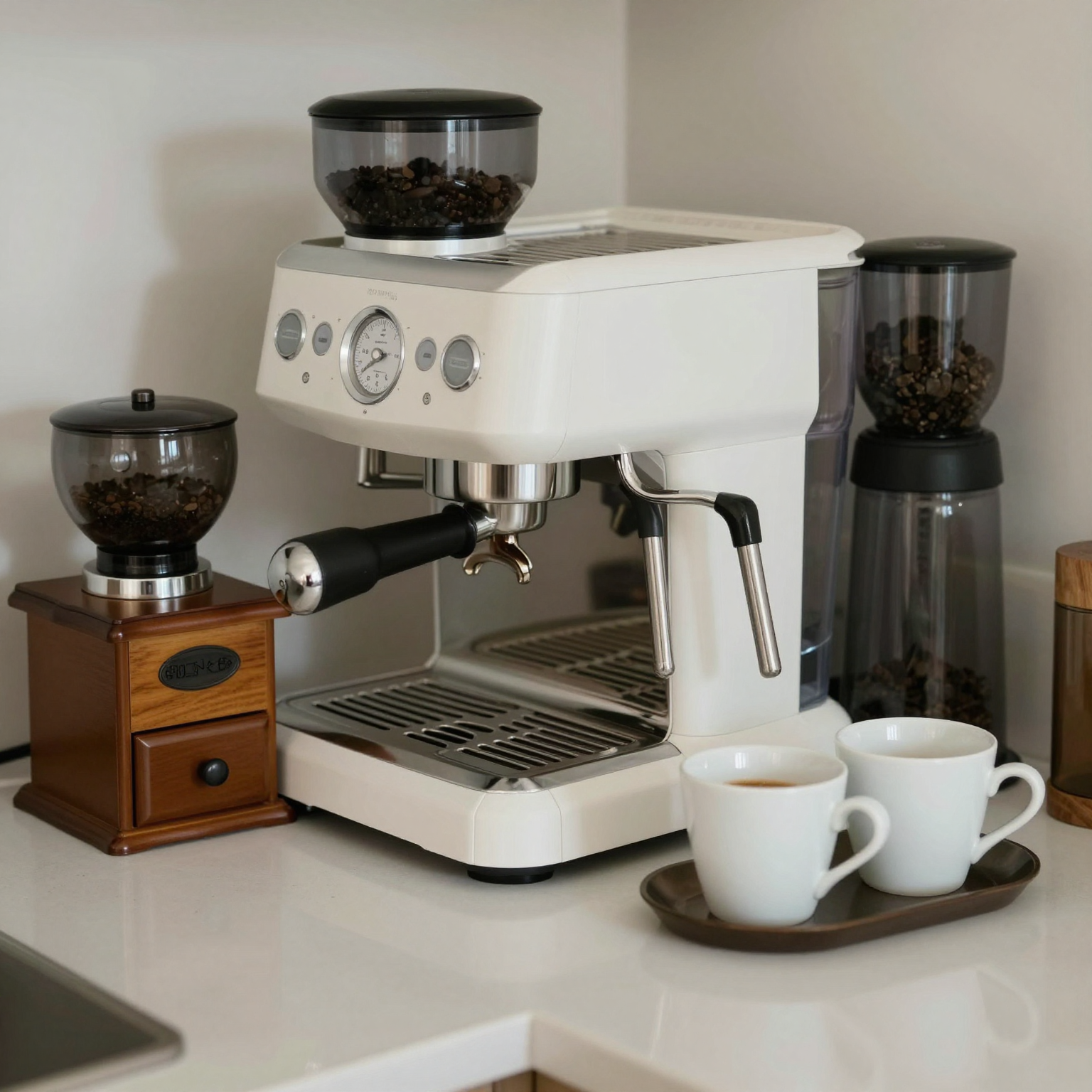
Espresso machines are crucial for producing the concentrated coffee base used in numerous coffee drinks, such as lattes and cappuccinos. These machines use high pressure (around 9 bars) to force hot water through finely ground coffee, resulting in a robust flavor and a thick crema. Espresso machines come in various types, including manual, semi-automatic, and fully automatic models. The choice of machine can significantly influence coffee flavor and texture, determining which brewing techniques to employ.
Cold Brew
Finally, cold brew coffee has seen a surge in popularity, particularly among a health-conscious demographic. It is made by steeping coarsely ground coffee in cold or room temperature water for an extended period, usually 12 to 24 hours. This method delivers a smooth, low-acidity coffee that’s refreshing and versatile.
In conclusion, each brewing technique serves a unique market segment. Choosing the right brewing methods and equipment, such as espresso machines or drip coffee makers, can significantly impact customer satisfaction and profitability in the coffee business. For more insights on coffee methods and trends, explore our detailed guides and popular espresso machine types.
Tips for Business Owners on Choosing Coffee and Espresso Beans
Selecting the right coffee and espresso beans is crucial for any business in the food and beverage industry. Here are some key tips to consider:
-
Understand Coffee Types: Familiarize yourself with espresso beans versus regular coffee beans. Espresso beans are generally darker roasted and ground finer for a richer taste, whereas coffee beans can vary widely in flavor and roast profile.
-
Prioritize Quality: Source high-quality beans as they form the foundation of superior coffee. Look for specialty-grade beans that meet rigorous standards in flavor, aroma, and body. Learn more about coffee bean quality.
-
Know Your Sourcing: Beans from specific regions offer unique flavor profiles. For example, Colombian beans are known for their smoothness, while Ethiopian beans often have floral notes. Sourcing ethical and sustainable coffee can enhance your brand’s reputation and customer loyalty. Explore the importance of sustainable sourcing.
-
Consider Customer Preferences: Conduct surveys or taste tests to understand what flavors your customers prefer. This can guide your selection process and help you adapt offerings to meet their tastes effectively.
Understanding Customer Preferences in Coffee Choices
Understanding the nuanced differences between coffee beans and espresso beans is essential not just for increasing customer satisfaction but also for enhancing sales and retention in the coffee business. The key lies in the fundamental variations in taste, caffeine content, and preparation methods that these beans represent.
Coffee Beans vs. Espresso Beans
While espresso is derived from coffee beans, not all coffee beans are suitable for making espresso. Espresso beans typically have a darker roast, resulting in a richer, bolder flavor and higher oil content. This unique roasting process leads to a concentrated brew that appeals to customers looking for intensity and depth. In contrast, regular coffee beans are often roasted lighter, which tends to highlight floral and fruity notes, making the coffee a more nuanced yet milder experience.
Discerning customers may choose espresso drinks to indulge in the immediate boost of caffeine and flavor that a shot of espresso provides. For instance, a single shot of espresso (approximately 1 oz) contains about 63-75 mg of caffeine, while an 8 oz cup of drip coffee ranges from 80-120 mg, but is consumed over a longer period.
Popular Coffee and Espresso Drinks
Understanding what drinks to promote can significantly impact customer choices. Here are some popular examples:
Coffee Drinks
| Coffee Drink | Brief Description | Caffeine Level (mg) |
|---|---|---|
| Espresso | Concentrated coffee shot made under pressure. | 63-75 per 1 oz |
| Americano | Espresso diluted with hot water. | 75-90 per 8 oz |
| Cold Brew | Steeped in cold water for a smooth flavor. | 150-200 per 16 oz |
| Latte | Creamy drink with espresso and steamed milk. | 75-150 per 12 oz |
Espresso Drinks
| Espresso Drink | Brief Description |
|---|---|
| Americano | Diluted espresso with hot water for a smooth taste. |
| Cappuccino | Equal parts espresso, steamed milk, and foam. |
| Mocha | Espresso with chocolate syrup and steamed milk. |
Understanding these preferences can help business owners craft better menus and train staff to recommend the right drink based on individual customer preferences. For a more detailed dive into customer care strategies, consider exploring how occupational therapy supports mental health or learn about the unique experiences of coffee drinkers.
By tailoring offerings to fit the unique desires of customers-whether they crave a bold espresso or a refreshing cold brew-coffee business owners can better captivate their audience, driving sales and fostering brand loyalty.
Conclusion
In understanding the difference between coffee beans and espresso beans, it becomes clear that the distinction lies not in the type of bean but in the roasting process and the intended brewing method. Espresso beans are typically roasted darker, which enhances their rich flavors and allows them to withstand the high pressure of espresso machines. This knowledge is vital for business owners in the coffee industry, as it impacts how coffee is marketed and prepared in cafes.
By grasping these nuances, you can better cater to your customers’ preferences, ensuring they receive the highest quality coffee experience possible.
As you explore the diverse world of coffee, don’t forget to also indulge in some delicious gourmet options. Explore pizza trucks to complement your coffee offerings with culinary delights that your customers will love!