
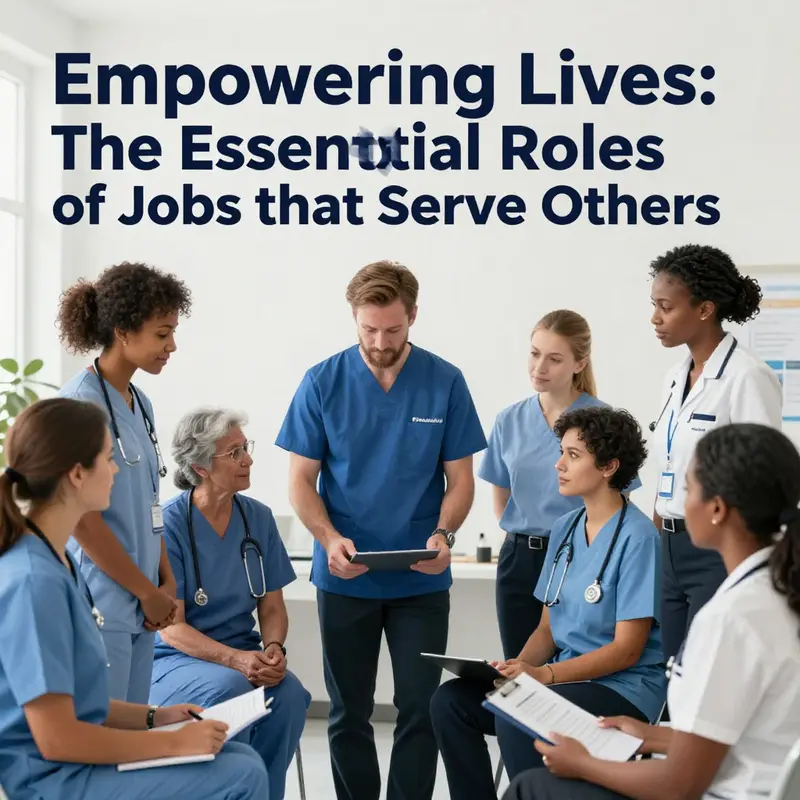
Jobs that serve others are pivotal for building a healthier society, as they are embedded in the fabric of community interaction and support. From healthcare providers to emergency responders, these roles significantly impact individuals’ physical and emotional well-being, enriching lives while addressing immediate needs. Each profession discussed in this article uplifts and transforms the community, establishing a sense of security and resilience among individuals in need. The chapters ahead delve into specific roles, such as Home Health Aides, Personal Trainers, Paramedics, Rehabilitation Specialists, and 911 Dispatchers, highlighting their responsibilities and the profound difference they make in the lives they touch.
Care at the Kitchen Table: The Home Health Aide as a Bridge Between Independence and Community
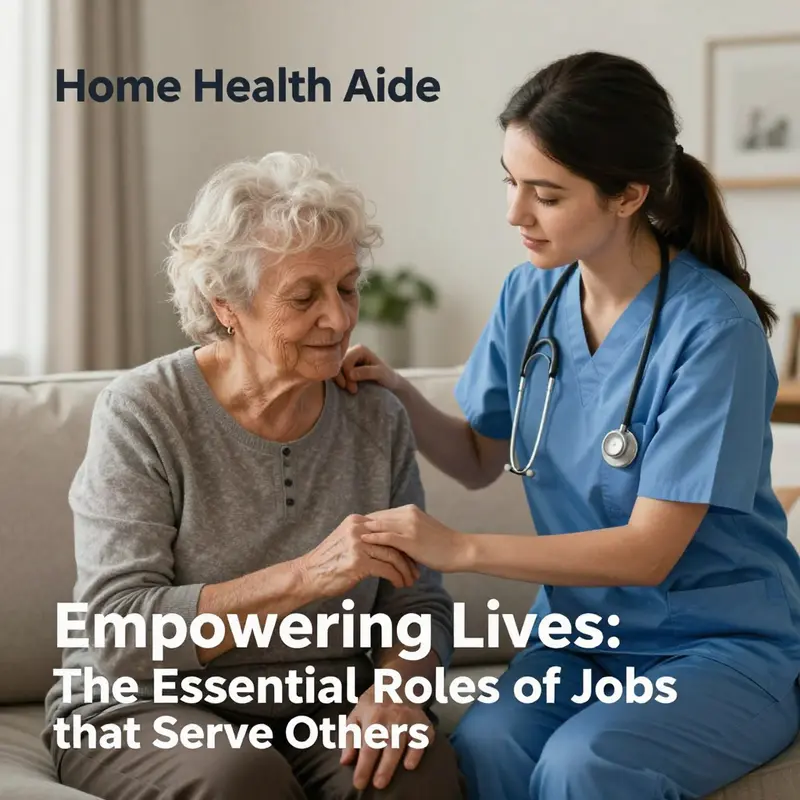
In the landscape of jobs that serve others, the home health aide stands at a threshold where daily life meets healing. These professionals enter the private spaces where illness, aging, and disability intersect with the ordinary rhythm of home, offering practical help and a steady, reassuring presence. They do more than complete tasks; they sustain routines that many people rely on to stay safe, dignified, and connected to their communities. The work is intimate, demanding, and profoundly human, because it happens where people live and where families hope to maintain a sense of normalcy despite changing health needs.
A typical day for a home health aide blends careful attention with flexible problem solving. They assist with bathing, dressing, grooming, and oral care, turning routines into acts of respect. They prepare meals that honor cultural preferences and dietary requirements, helping clients navigate appetite fluctuations, texture sensitivities, or special diets. They support mobility with transfers or the careful use of assistive devices, and they may help clients get in and out of bed or into chairs with gentle, safety-conscious technique. Light housekeeping and laundry help keep environments orderly, reducing clutter that can lead to falls. Medication reminders and basic monitoring—watching for changes in skin integrity, posture, or comfort levels—serve as early signals that someone may need additional care. Though these tasks may seem routine, they are the scaffolding that preserves independence and minimizes disruption to a person’s sense of self. The way aides blend these duties—never rushing, always watching for subtle cues—matters as much as the tasks themselves.
Training for aspiring aides typically requires a finite period, but the learning journey is continuous once on the job. Programs span a few weeks to several months, depending on state requirements and depth of instruction. Core topics include infection control, basic first aid, nutrition, safe transfer techniques, and effective communication strategies. Ethical care practices—respect for autonomy, consent, privacy, and dignity—are woven through every module. Certification is common and often mandatory, with a tiered structure that reflects increasing levels of responsibility: from homemaker companion to personal care assistant to home health aide. This ladder is not just about more tasks; it signals growing competence in risk assessment, problem solving, and collaboration with a broader health care team.
Crucially, the role rests on interpersonal skills as much as technical know-how. Empathy, patience, and reliability are not optional add-ons but core competencies. Aides spend long hours with clients who may face fear, loneliness, or cognitive and physical decline. Their presence can stabilize anxiety, lift mood, and sustain social connections, all of which are linked to better health outcomes. Families often lean on aides not solely for practical support but for reassurance that their loved ones are seen as whole people with histories, preferences, and routines that deserve careful consideration. The emotional labor of caregiving—holding space for grief, celebrating small victories, and respecting a client’s values—requires balance, boundary setting, and ongoing self-care.
The societal importance of home health aides grows in step with demographic change. As the population ages and more people express a preference for aging in place, in-home care becomes a foundational pillar of the health system. Home-based care can delay or prevent hospitalizations by catching warning signs early, supporting medication management, maintaining daily routines, and enabling people to stay connected to their communities. In this regard, the job outlook for home health aides is notably strong, reflecting both need and preference that individuals have for familiar surroundings and personalized attention. The dynamic emphasizes a broader shift: care that respects personhood and autonomy while still delivering essential health support. This convergence of values helps explain why employers and policymakers increasingly focus on training, quality of care, and fair working conditions for aides, recognizing their central role in sustaining health and independence at home.
Yet the path to a stable, fulfilling career in this field is not without friction. Wages often lag behind the emotional and physical demands of the work, and benefits can be inconsistent, particularly for workers employed through agencies or shorter-term contracts. Schedules can be irregular, and the work may involve emotional strain as caregivers confront illness, loss, and sometimes difficult family dynamics. These realities underscore the importance of supportive work environments, access to professional development, and clear pathways for advancement. When accessible, opportunities for progression—additional certifications, specialized training, or related health care roles—offer both financial incentive and a deeper sense of purpose. Even as these challenges persist, many aides describe a daily sense of meaning that comes from easing another person’s burden, preserving dignity, and enabling independence in the most intimate corners of life.
Beyond the nuts-and-bolts of daily care lies a larger ecosystem in which aides operate. A home health aide does not work in isolation; they are part of a care continuum that may include nurses, therapists, social workers, and family members. Their practical, on-the-ground observations—reporting changes in mobility, appetite, mood, or pain—inform professionals who design treatment plans and coordinate resources. This collaborative fabric is not mere logistics; it translates care into a coherent experience for clients, aligning daily support with therapeutic goals and health outcomes. The connective tissue of this teamwork—balancing hands-on support with respect for autonomy—helps clients maintain a sense of control over their lives, even as health challenges evolve. For readers curious about how different health professionals coordinate their efforts, one can explore the broader question of collaboration among therapists and providers in daily care; how occupational therapists collaborate with other healthcare professionals offers a useful perspective on this integrated approach.
Within the broader health care landscape, interprofessional collaboration is more than a courtesy—it’s a mechanism for delivering person-centered care. A home health aide may work alongside an occupational therapist, a nurse, and a social worker to tailor routines that meet a client’s functional goals while preserving independence. The synergy is not about replacing one skill with another but about leveraging each professional’s strengths to create a seamless day for the client. For instance, an occupational therapist might identify environmental barriers that hinder safe daily activities, and the aide can implement practical adaptations and daily practice in real life. This kind of teamwork turns theory into tangible improvements at the kitchen table, in the living room, and in the hallway where a client moves about with greater ease. To delve deeper into the collaborative dynamics among professionals, readers can consult resources that discuss how occupational therapists collaborate with other healthcare professionals.
Looking ahead, the field is likely to grow not only in demand but in sophistication. Technological aids—such as simple safety sensors, digital medication reminders, and remote supervision—can support aides without diminishing the essential human touch that defines quality care. Better training models and standardized competencies can help ensure that aides transition smoothly into more complex roles or expand their repertoire to include additional support tasks under supervision. Policy attention that improves wages, benefits, and career ladders will further stabilize this crucial workforce, helping attract and retain compassionate, skilled people who remain committed to the people they serve. Importantly, all these developments must center the dignity and preferences of clients, recognizing that the home is not just a site of care but a space where identity, history, and belonging matter just as much as health metrics.
As a practical, enduring form of service, home health aides knit together health care, family life, and community. They enable people to stay at home where familiar routines anchor well-being, even when medical needs are ongoing. The job is a sustained invitation to show up—on days when energy is low, on days when a client’s mood shifts, and on days when a shared conversation can lighten a long day. It is a vocation that honors the ordinary and the profound alike: lifting someone’s day with a small act of help, preserving their autonomy, and keeping them connected to the threads that give life meaning. With aging populations, shifting care preferences, and a renewed focus on humane, accessible support, these roles will continue to adapt and endure, inviting more people to join a profession that blends practical assistance with deep human connection. For a current overview of the field’s outlook and requirements, see the U.S. Bureau of Labor Statistics Occupational Outlook Handbook: https://www.bls.gov/ooh/healthcare/home-health-aides.htm
Strength, Support, and Service: Personal Trainers as Architects of Community Health
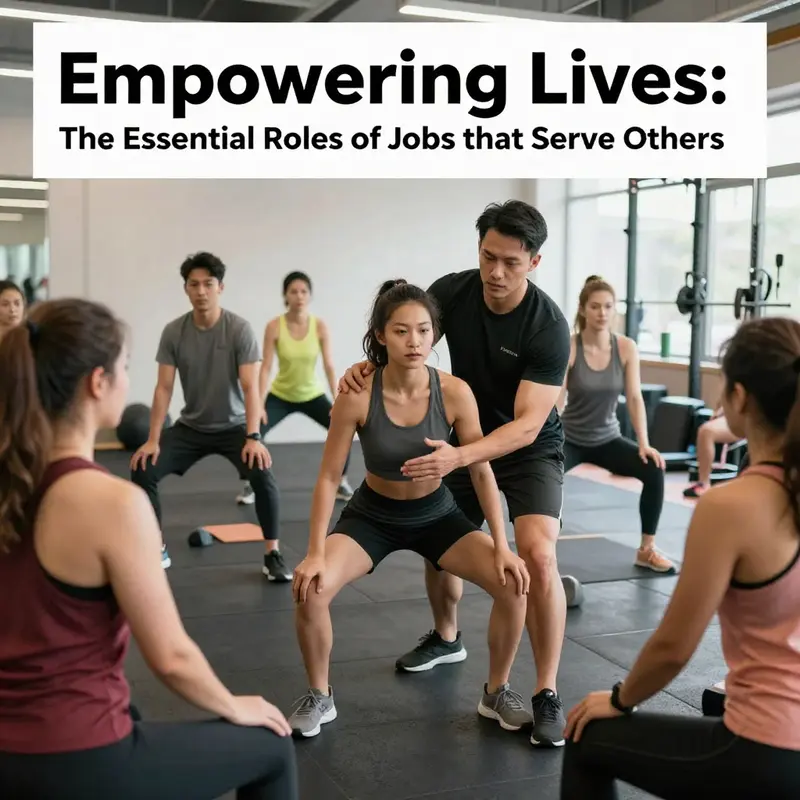
Personal trainers do more than help clients lift heavier or run longer. They stand at the intersection of physical health, daily living, and community resilience. Their work is a form of service that can ripple through families, workplaces, and neighborhoods. A personal trainer designs not just workouts but pathways toward healthier habits, safer movement, and greater confidence in everyday tasks. That combination—technical knowledge, compassionate guidance, and practical accessibility—defines a profession that serves the public in both immediate and lasting ways.
The reach of a personal trainer spans a wide landscape of environments and needs. Many trainers work in traditional gyms, yet their services extend far beyond those walls. They carry the same mission into private homes, rehabilitation centers, hospitals, and increasingly through digital platforms that connect professionals with clients who might otherwise go without support. This versatility matters because accessibility is a core pillar of public health. A neighbor with limited mobility, a parent returning to fitness after childbirth, an athlete rehabilitating after an injury, or an older adult seeking to maintain independence can all benefit from guidance that respects individual circumstances. When a trainer meets people where they are, movement becomes a sustainable part of life rather than a temporary goal.
Effective training rests on more than a chart of kcal burn or a sequence of increasingly challenging lifts. It hinges on the trainer’s ability to communicate clearly, tailor instruction to the person, and offer steady emotional support. Communication in this work is a two-way channel: listening to fears about injury, clarifying misunderstandings about nutrition, and translating medical language into practical steps. An educated trainer couples science with empathy, recognizing that motivation fluctuates and that confidence grows through small, consistent wins. This is where education becomes a service: clients learn not only how to perform an exercise but why it matters, how to avoid common mistakes, and how to integrate smart movement into daily routines. Certification from reputable organizations helps ensure safety and quality, but real impact comes from applying those standards with patience and respect.
The health dividends of personal training accumulate over time. For individuals recovering from illness or injury, a carefully designed program can restore function, reduce pain, and restore independence. For those managing chronic conditions, regular activity can improve cardiovascular health, metabolic balance, and stamina, which in turn supports adherence to medical regimens and reduces reliance on acute care. For many clients, fitness becomes a gateway to improved mental health as well. Exercise has well-documented benefits for mood, sleep, and cognitive function, and trained professionals can guide clients through mindful movement that reduces anxiety and builds resilience. In communities, such work translates into fewer barriers to activity, more inclusive fitness options, and a culture that values well-being as a collective responsibility.
Work environments for personal trainers mirror the diversity of people they serve. A gym setting offers routine structure, while private homes provide comfort and privacy. Rehabilitation centers and hospitals position trainers as members of multidisciplinary teams focused on safe, functional improvement. Online platforms broaden reach, enabling asynchronous programming and virtual coaching that maintains accountability even when in-person sessions aren’t possible. This blend of settings enables trainers to reach people who might otherwise be sidelined by transportation barriers, work schedules, or limited access to traditional fitness facilities. The result is an important public-health effect: more people gain entry points to movement that fit their lives, making physical activity a sustainable choice rather than a special occasion.
Beyond the mechanics of workouts, the personal trainer’s role often intersects with education and advocacy. Trainers teach clients about nutrition in practical, realistic terms and help them develop routines that fit their lifestyles—whether that means a brisk walk after dinner, a short resistance routine before work, or a weekend circuit that includes mobility work. They also serve as motivators who acknowledge obstacles and celebrate progress, which can significantly affect adherence. Emotional support matters as much as instruction; encouragement reduces fear, counters negative self-beliefs, and builds a sense of agency. As clients grow more confident, they expand their social world—joining group classes, inviting friends to train, or volunteering in community fitness initiatives. In this sense, the impact of a personal trainer extends into social well-being, as improved fitness often accompanies greater participation in civic life and social engagement.
Career versatility is a hallmark of this field. While many trainers spend substantial time one-on-one, the role can evolve into broader professional avenues. Some become fitness educators or wellness coaches who translate science into scalable programs for schools, workplaces, or community centers. Others pursue opportunities as motivational speakers, workshop facilitators, or owners of fitness studios that prioritize inclusive, client-centered care. The skills acquired—risk assessment, program design, behavior change strategies, and client education—are transferable to related health professions and open doors to collaborative practice with physical therapists, occupational therapists, and other clinicians. This collaborative potential strengthens the safety and effectiveness of interventions while amplifying the capacity of communities to support healthier living.
A personal trainer’s work is rooted in service, but it also requires ongoing learning and adaptation. The science of exercise evolves, new approaches to movement and injury prevention emerge, and social factors shape who can access services. Trainers who stay curious—continuing education, seeking diverse client experiences, and integrating feedback—build credibility and longevity in a profession that is inherently dynamic. Technology plays a growing role as well, from wearable data that informs objective progress to tele-coaching platforms that maintain accountability across distance. The most successful practitioners blend scientific rigor with flexible, person-centered practices, ensuring that each client feels seen, guided, and capable of shaping their own health trajectory.
For readers seeking a broader perspective on how service-oriented careers contribute to society, a useful reference is a compilation of options such as 17 Careers for Helping People. This resource highlights the many ways professionals translate care, expertise, and compassion into tangible outcomes for others, reinforcing the idea that serving health and well-being is a field with breadth and opportunity. 17 Careers for Helping People.
The personal trainer’s story, though rooted in individual sessions and individualized plans, reverberates through the wider ecosystem of health care, motion, and daily life. When clients learn to move with confidence, they reduce injury risk, increase independence, and contribute to the vitality of their families and neighborhoods. The public health implications are not merely theoretical; they manifest as fewer doctor visits for preventable conditions, more participation in community activities, and a greater sense of belonging among people who share the experience of choosing movement as a path toward well-being. In this way, a personal trainer does not simply guide someone through a workout. They help rewrite narratives about aging, recovery, and possibility, offering a practical model of service that combines expertise, empathy, and opportunity.
External resource for further exploration: For a detailed occupation outlook, see the Bureau of Labor Statistics entry on Personal Trainers. https://www.bls.gov/ooh/healthcare/personal-trainers.htm
null
null
Restoring Independence: The Rehabilitation Specialist as a Bridge to Health, Function, and Community
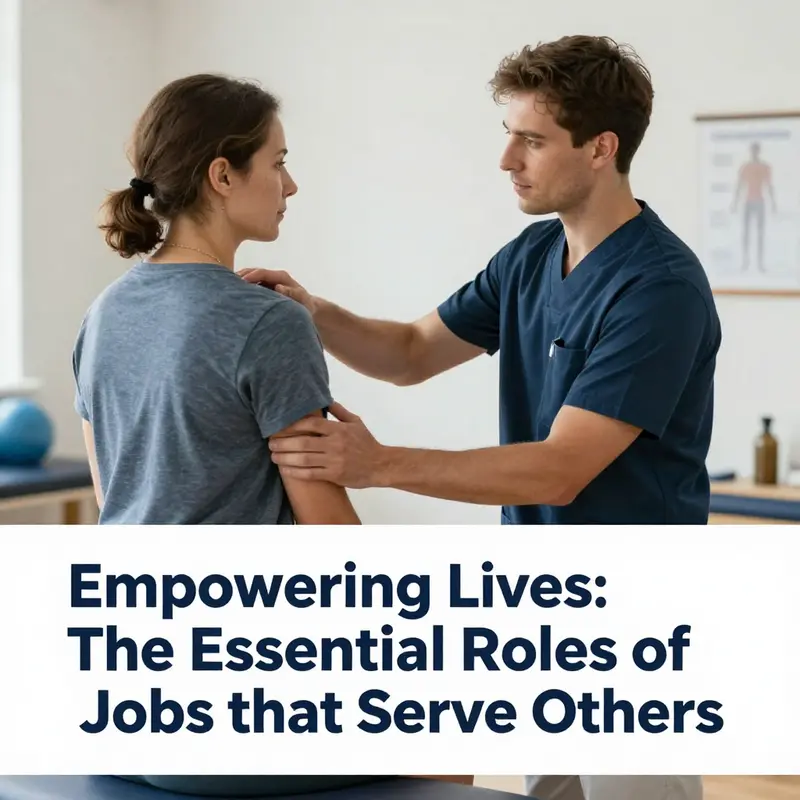
Rehabilitation Specialists sit at a delicate crossroads where science meets daily life. Their work isn’t confined to the walls of a clinic or hospital; it ripples through households, workplaces, and neighborhoods. At its core, rehabilitation is about enabling people to reclaim agency after injury, illness, or the gradual losses that accompany aging and disability. Specialists in this field help individuals move from dependence toward autonomy by blending physical restoration with practical supports that extend beyond the therapy session. They operate in a spectrum of settings, including hospitals, outpatient clinics, rehabilitation centers, and community programs. Each environment offers its own rhythms and challenges, from the intensity of acute care to the more reflective pace of long term community reintegration. Across these spaces, the aim remains consistent: foster recovery while preserving dignity, choice, and a sense of belonging within one’s daily routines. The work of rehabilitation goes beyond muscles and mobility; it touches identity, hope, and the social fabric that sustains people through difficult times. When a client learns to navigate a crowded bus with a cane, or practices a self care routine that keeps them independent at home, a Rehabilitation Specialist can see a life reconstructed—step by careful step.
In practical terms, a Rehabilitation Specialist brings together physical therapy elements, counseling, vocational planning, and social support to tailor a path that respects the person’s values and goals. It is not enough to restore strength or range of motion in a vacuum. The most enduring gains arise when a plan also addresses psychological resilience, environmental barriers, and the social networks that surround a person. A typical engagement begins with listening as a trusted ally, not a distant expert. What brings someone to a rehabilitation setting may be pain, fear of falling, a new disability, or the challenge of returning to work after an illness. The specialist then collaborates with clients to map realistic milestones, often bridging gaps between medical prescriptions and daily life realities. The process may involve teaching exercises that can be carried out at home, guiding the use of assistive devices or adaptive equipment, and coordinating with other professionals to ensure a cohesive approach to care. The emphasis is on empowering, not rescuing, by giving people tools to manage their condition and to participate meaningfully in the activities that matter most to them.
The roles of Rehabilitation Specialists are diverse, mirroring the varied needs of the people they serve. Some focus on restoring mobility after injury or surgery, helping clients regain the strength and confidence required to walk, stand, or transfer safely. Others emphasize cognitive and behavioral aspects, supporting those with neurological conditions to regain problem solving, memory, or executive function necessary for independent living. Still others work on the social determinants of health, connecting clients with housing resources, transportation options, and community supports that sustain independence. A growing portion of the field also intersects with vocational rehabilitation, guiding individuals as they explore and secure work that suits their abilities, interests, and evolving conditions. In every case, the work is intensely practical: the specialist conducts assessments, designs personalized plans, and monitors progress, adjusting approaches as circumstances shift. Alongside clinical duties, there is a robust commitment to education—helping clients understand their bodies, set achievable goals, and participate actively in decision making about their care.
The impact of this role extends beyond the person who is recovering. Families experience reduced stress as functional independence returns, and communities gain a more reliable sense of resilience. When a person can prepare meals safely, manage medications without error, or navigate public spaces with confidence, the ripple effects touch coworkers, neighbors, and the broader social network. Rehabilitation Specialists, by enabling people to rejoin daily life and the workforce, contribute to a more inclusive economy where diverse abilities are recognized as strengths rather than barriers. The field also emphasizes collaboration as a core professional value. Specialists work closely with occupational therapists, physical therapists, speech and language pathologists, social workers, and case managers. This teamwork ensures that interventions are coherent, comprehensive, and respectful of the person’s entire life context. It also reflects a broader understanding of health as a state that encompasses physical, emotional, and social well-being, not merely the absence of symptoms.
Statistical snapshots from the job market illuminate the scale and variety of these opportunities. There are currently thousands of roles nationwide, with Indeed data noting a substantial landscape of Rehabilitation Specialist positions. The reality is that the demand spans entry level to senior practice, and titles vary in scope—from Rehabilitation Specialist to Housing Specialist and Orientation and Mobility Specialist. The common thread across these roles is the capacity to combine clinical know how with empathetic communication and practical problem solving. Employers look for hands on experience, a grounding in relevant certifications, and the ability to translate clinical concepts into real world impact. In this sense, the daily work of a Rehabilitation Specialist is a blend of science and service, of measurable outcomes and meaningful relationships. A successful practitioner does not merely guide recovery but also helps clients rewrite what recovery can look like in everyday life. The trajectory invites ongoing learning, as advances in rehabilitation research continually refine best practices and expand the repertoire of strategies available to support independence.
For individuals drawn to the field who also value research and policy implications, advanced training offers a compelling path. Institutions around the country provide doctoral opportunities in rehabilitation sciences, designed to cultivate scholars who advance interdisciplinary research and translate findings into improved care. Programs emphasize original inquiry, rigorous methodological training, and the dissemination of knowledge that can reshape how communities support people with disabilities. Students learn to evaluate health care policy, examine the efficacy of rehabilitation interventions, and contribute to a growing evidence base that strengthens clinical practice and funding models. Such training expands the horizon beyond direct patient care, positioning graduates to impact how services are organized, funded, and delivered at larger scales. For those who seek both clinical and scholarly fulfillment, these doctoral paths offer a structured route to leadership roles within academia, clinical settings, or public health organizations. The goal is to push the field forward by integrating scientific discovery with compassionate service, ensuring that the gains achieved in therapy translate into lasting improvements in daily living and participation in community life.
Within this landscape, opportunities for professional growth are tangible. The day to day demands a practitioner to balance precision and adaptability. Treatment plans must be evidence based yet responsive to each client’s unique life story. Skills in assessment are complemented by creativity in problem solving: identifying a feasible home exercise program, recommending environmental modifications to reduce risk of injury, or arranging transportation and caregiver supports that enable steady progress. Time management becomes a practical art as sessions blend education, hands on therapy, and coaching for independent practice. Communication remains central, whether through clear demonstrations, plain language explanations, or culturally sensitive conversations that honor a client’s values, beliefs, and expectations. The most effective rehabilitation specialists cultivate a mindset of lifelong learning, recognizing that advancements in assistive technologies, mobility aids, and adaptive strategies can dramatically alter what is possible for someone living with a disability. They stay attuned not only to the body but to the rhythms of daily life, ensuring that therapy translates into meaningful, repeatable successes that endure beyond the clinical setting.
To illustrate how this work translates into life changing outcomes, consider the everyday moments that many take for granted: climbing stairs without fear, preparing a simple meal, or returning to a cherished hobby after illness. These moments are not merely tasks; they are statements of autonomy. A rehabilitation plan that respects a client’s preferences and daily routines does more than restore function. It validates identity and opens doors to participation—at work, in school, in community events, and in the intimate spaces that make up a person’s sense of self. When a client regains the capacity to manage errands, the social world expands: conversations with friends become possible again, and the confidence to engage in unfamiliar activities grows. The Rehabilitation Specialist thus helps to reweave the fabric of life by connecting clinical goals with the practices that nourish a person’s day to day existence. It is a role defined by humility, patience, and unwavering commitment to another person’s right to learn, adapt, and thrive.
For readers seeking further exploration of how therapy and rehabilitation intersect across settings, a broader perspective on the field can be found through related topics in rehabilitation practice and mental health. A resource that thoughtfully links therapeutic approaches to daily well being is available at How occupational therapy supports mental health. This reference highlights the ways therapy informs adaptive strategies that support emotional resilience in conjunction with physical recovery. How occupational therapy supports mental health
As the landscape of health care continues to evolve, Rehabilitation Specialists stand as vital connectors—between patients, families, clinicians, and communities. Their work reinforces a simple truth: independence is not a destination but a practice of daily choices supported by skilled, compassionate care. The field invites those who listen before they act, who translate complex science into practical steps, and who believe in the transformative power of enabled living. It rewards clinicians who balance rigor with empathy, who measure progress in real life as much as in charts, and who see every client not as a case but as a person with a future to shape. For scholars and practitioners alike, the path offers not only a career but a vocation—one that champions health, dignity, and the enduring possibility of participation in the full spectrum of community life. External pathways exist as well for those who wish to deepen their scholarly influence, including doctoral programs that advance rehabilitation science and policy. External resources provide broader context for how research informs practice and how new knowledge travels from the university to clinics and into homes. External resource: https://steinhardt.nyu.edu/academics/phd/rehabilitation-sciences
On the Line and In Control: The 911 Dispatcher as a Lifeline of Service
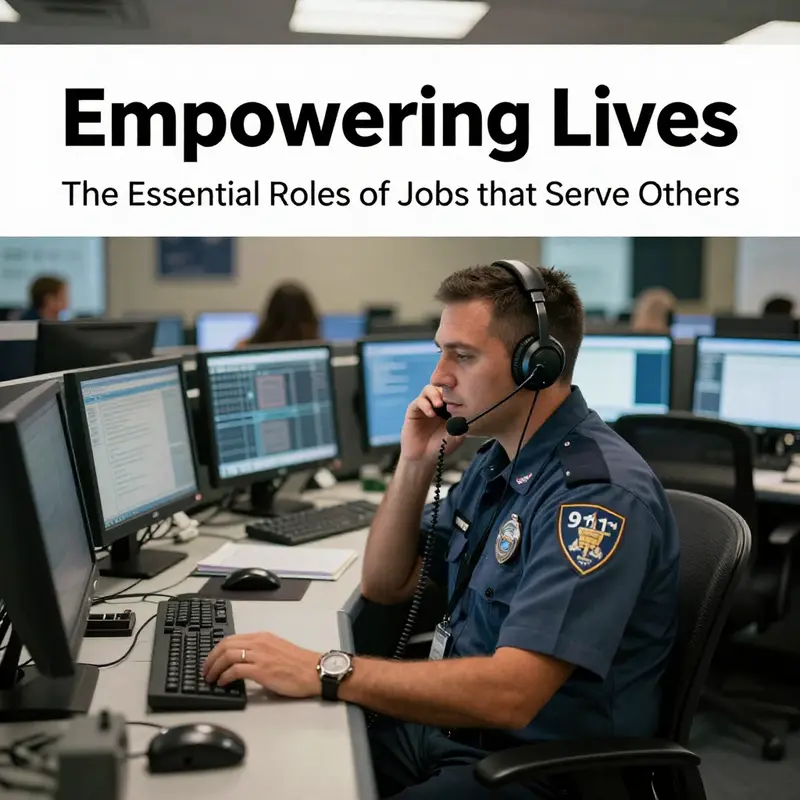
When a call lands in a 911 center, the person at the other end often bears fear, pain, or confusion. The dispatcher becomes the quiet hinge on which relief swings into motion. It is not a role that shouts for attention; it earns its significance through precise language, swift judgment, and a steady presence that steadies a roomful of responders and a frightened caller alike. This form of service sits at the intersection of communication, crisis management, and care. It treats time as both a resource to be managed and a boundary that cannot be crossed. In such moments, the dispatcher is less an operator of machines and more an orchestrator of human responses, translating urgent human need into a sequence of actions that can save lives. The chapter that follows centers on this line of work not as a list of duties but as a living testament to how deliberate communication can become a protective shield for communities in distress.
The core of the dispatcher’s mission is emergency call management. A single voice on a line must determine the nature of the crisis, separate the loudest rumor from the essential fact, and map out the minimal, most effective response. The challenge lies in distilling a scene that may be chaotic, incomplete, or evolving by the minute into a clear, actionable plan. To accomplish this, dispatchers cultivate a framework for rapid triage. They ask concise, purpose-driven questions, listening for key cues that reveal whether a caller needs medical guidance, police assistance, or fire response. The aim is not to replace on-site assessment but to bridge gaps until trained responders arrive. Each choice—whether to dispatch EMS immediately or to request additional support from a supervisor—rests on years of training, protocol, and the dispatcher’s capacity to hold complexity without surrendering clarity.
A defining feature of the role is the ability to guide callers through life-saving steps before help can arrive. Pre-arrival instructions, including CPR guidance, are more than a script; they are a lifeline carried by the voice, the tempo, and the reassurance embedded in spoken words. In the heat of a crisis, a caller might be overwhelmed, frightened, or doubtful. A calm, confident instruction can restore a sense of control, which not only improves the odds of a favorable outcome but also preserves the caller’s dignity in moments when fear feels overwhelming. This is where the human side of the job becomes visible. The dispatcher’s voice must carry authority without swagger, empathy without intrusion, and urgency without alarm. The ability to modulate tone, pace, and tempo is a craft that grows with practice and remains essential across every emergency category—from medical emergencies to dangerous situations requiring swift law enforcement action.
The dispatcher’s work extends beyond the phone line. Communication coordination is a daily relay among multiple agencies. The dispatcher must relay accurate information to police, fire, and medical services with minimal delay and maximal precision. In fast-moving incidents, every update matters: new details from witnesses, evolving scene descriptions, potential hazards, and the status of ongoing requests for backup or specialized units. The skill here is not merely transmitting data; it is curating a cohesive, up-to-the-second picture of the unfolding situation. The dispatcher becomes a central node in a network of responders, translating the needs of the public into instructions that frontline teams can act upon with confidence.
Documentation and evidence collection are also integral, shaping outcomes long after the immediate crisis subsides. Dispatchers are trained to record eyewitness accounts, verify critical details, and preserve a chain of information that may be used in investigations. The responsibility is twofold: capture what is known and acknowledge what remains uncertain. This careful documentation helps responders reconstruct events, supports accountability, and protects the rights and safety of those involved. In a world where miscommunication can escalate risk, the discipline of accurate note-taking and careful evidence preservation becomes a nonnegotiable part of professional credibility. The NBC News piece on dispatchers and eyewitness evidence collection offers an authoritative look at how this aspect of the role is evolving under strict standards and evolving technologies.
The set of skills a dispatcher must bring to the table is broad and exacting. Exceptional communication stands at the core: clear, concise, and precise language that can cut through panic. But no amount of eloquence substitutes for composure. Emotional resilience is not a bonus; it is a necessity that allows dispatchers to function in the eye of storms daily. They must stay calm under pressure, a trait that is tested repeatedly as calls range from routine to tragic. Beyond temperament, there are practical competencies: rapid information gathering, memory for procedures, and the ability to multitask while maintaining focus on the caller and the evolving scene. Training emphasizes not only what to say but how to listen—how to hear what is said and what is implied, and how to surface critical details that might otherwise be overlooked. In contemporary practice, there is also growing emphasis on the ethical dimensions of information handling, including how to approach eyewitness accounts with sensitivity while preserving the integrity of evidence.
The personal dimension of this work cannot be overlooked. Dispatchers operate in environments saturated with stress, where a single misstep could have grave consequences. The emotional toll can accumulate, as they carry the weight of multiple emergencies, witness accounts, and the grim realities that appear in the course of a shift. This is why ongoing training, supportive work cultures, and robust stress-management practices matter as much as the initial instruction that trains a new call-taker. The job demands a resilient mindset, but it also invites a disciplined care for one’s own mental and physical health. When properly supported, dispatchers become resilient guardians who can sustain long careers in roles that demand constant recalibration under pressure.
The societal value of this profession emerges most clearly when we consider its ripple effects. The service provided by 911 dispatchers is not only about responding to one call but about shaping the trajectory of a community’s safety and well-being. Their decisions influence response times, the effectiveness of on-scene actions, and the emotional trajectory of callers who may later become witnesses or participants in investigations. The line between alarm and assurance is drawn with a careful blend of technical skill and human warmth. This is the heart of what it means to pursue a career that serves others: a vocation that recognizes that help is a sentient act as much as a procedural one. It is a reminder that the most consequential forms of service often begin with a voice on the other end of a phone line, a voice that extends itself into minutes that determine outcomes and into hours that begin the slow but steady work of recovery.
The broader landscape of helping professions often shares this same thread of purpose and responsibility. The connection is not merely thematic but practical: many careers in service require empathy, precision, and the ability to operate in high-stress environments while remaining focused on the safety and dignity of others. The breadth of this field is illustrated by the diverse paths people take toward helping others, a spectrum that is captured in essays and guides such as the compilation of 17 careers for helping people, which foregrounds the common values that unite these roles. For readers seeking a broader sense of how service-oriented work can manifest across disciplines, the discussion in that resource illuminates the shared expectations and transferable skills that connect dispatch work with other compassionate careers. 17-careers-for-helping-people.
Ultimately, the 911 dispatcher embodies a paradox of modern service: one must maintain a poised, human-centered identity while operating within a machine-guided, protocol-driven framework. The job asks for human empathy and machine-like precision in equal measure. It asks for a voice that can calm a frightened caller, a mind that can sequence life-saving steps, and a heart that can endure the strain of repeated crises without dissolving into it. In the context of a broader article on jobs that serve others, the dispatcher’s work is a reminder that service wears many faces. It is not confined to hospitals, clinics, or caregiving homes; it flourishes in the control rooms, on the lines, and in the rooms where responders await the next signal. The service is continuous, the impact is immediate, and the commitment to others endures long after the sirens fade.
For those who want to explore how eyewitness evidence and dispatch protocols intersect in practice, the NBC News resource provides a timely, professional perspective on the evolving responsibilities and safeguards that accompany this indispensable line of work. https://www.nbcnews.com/health/health-news/911-dispatchers-investigating-their-knowledge-eyewitness-evidence-collection-1234567890
Final thoughts
The jobs discussed throughout this article play a vital role in serving others, highlighting the essential contributions made to promote health, well-being, and community support. Each profession, from Home Health Aides to 911 Dispatchers, showcases unique strengths and responsibilities, coming together to create a resilient framework for individuals in need. By recognizing and supporting these essential jobs, business owners can foster environments that enhance the well-being of their communities, ensuring that everyone has access to the critical services that uplift lives and create a healthier society.