
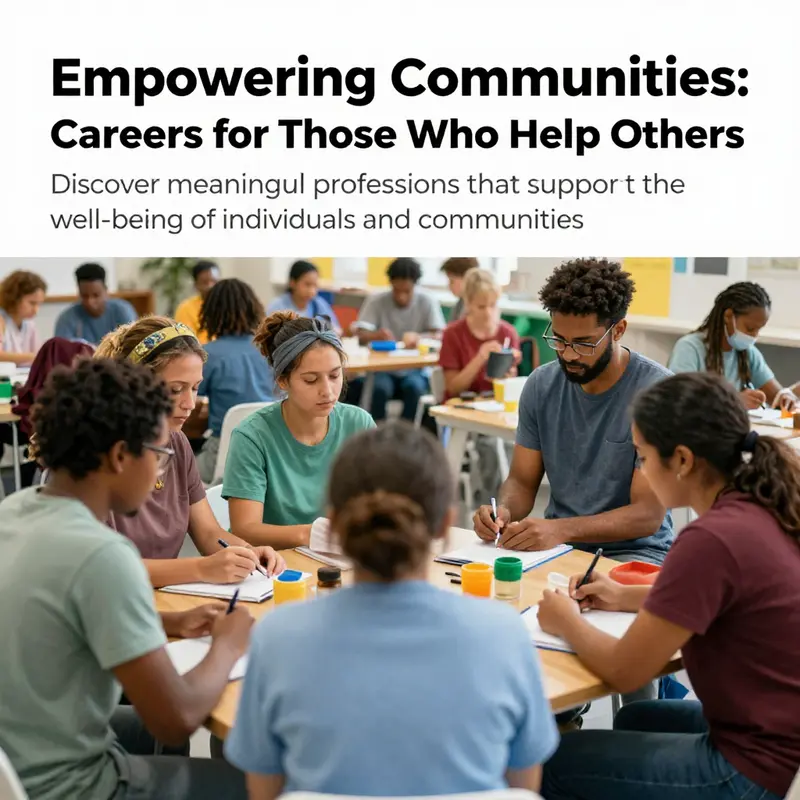
In today’s society, professionals who dedicate their careers to helping others play an essential role in fostering healthier and more supportive communities. These careers not only significantly impact the individuals they serve but also provide a sense of purpose and satisfaction for the professionals involved. This article explores diverse career paths in the helping professions, looking specifically at the vital roles of social workers, healthcare providers, educators, and nonprofit workers. Each chapter will delve into how these roles contribute to community well-being and highlight their importance in building a supportive society.
How Social Workers Build Support: Roles, Impact, and Pathways for People Who Love Helping Others
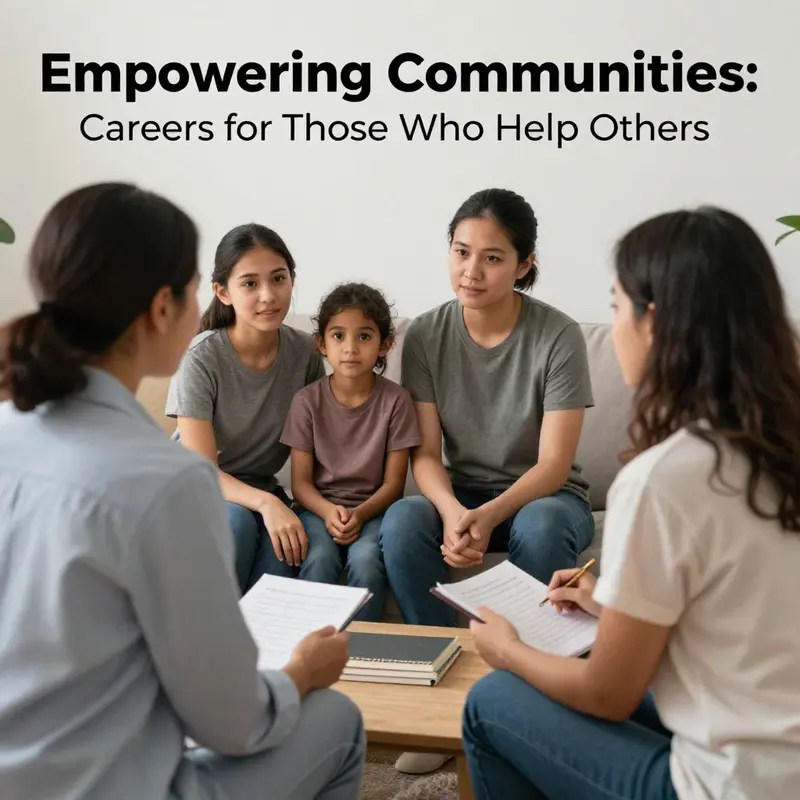
Social workers are the steady hands and strategic thinkers behind many of the safety nets that help people thrive. They move between systems and lives, carrying knowledge, empathy, and advocacy into homes, schools, clinics, and communities. For anyone drawn to careers that directly improve other people’s lives, social work offers roles that blend frontline service with systemic influence. This chapter explores what social workers do, why their work matters, and how those who enjoy helping others can find purpose and direction within this field.
Social work is not a single job; it is a profession with many faces. At its heart, it focuses on enhancing human well-being and helping people meet basic and complex needs. Social workers respond to immediate crises and build long-term solutions. They listen, assess, plan, coordinate services, and often advocate for policy change. Their training equips them to navigate legal systems, mental health issues, family dynamics, and community resources. That combination of practical support and systemic thinking makes social work a strong match for people who want to help on multiple levels.
One of the most visible roles is that of the child and family social worker. These professionals often intervene when children face abuse, neglect, or unstable home situations. Their work requires careful, informed judgment. They assess a child’s safety, connect families to housing and financial assistance, and coordinate services like counseling or childcare. When necessary, they initiate foster care placements, pursue reunification plans, or work toward adoption. The emotional stakes are high, and the role demands resilience and advocacy. Yet many who take on these positions find deep reward in helping families stabilize and children find secure, nurturing environments.
School social workers take social work into the classroom and the students’ broader environments. While teachers and guidance counselors address academics and study skills, school social workers examine the life circumstances that affect learning. They address bullying, chronic absenteeism, behavioral concerns, and the impact of trauma. They collaborate with teachers, administrators, and parents to create plans that support a student’s academic and emotional growth. In many cases, they design interventions that prevent small problems from becoming major barriers to learning. For someone who enjoys working with young people and influencing outcomes through practical supports, school social work offers direct engagement with a child’s daily life.
Clinical social work—often found under titles such as mental health or substance abuse social worker—centers on therapeutic relationships. Licensed clinical social workers diagnose mental health conditions and provide counseling. They guide individuals through recovery plans, teach coping strategies, and link clients to community services. Their work spans depression, anxiety, trauma, and addiction. This branch of social work suits those who want to combine clinical skills with a mission to reduce stigma and improve access to mental health care. It also places social workers in multidisciplinary teams where they advocate for clients’ broader social needs alongside clinical treatment.
Healthcare social workers bring social work into hospitals, clinics, and palliative settings. They help patients and families understand diagnoses, make treatment decisions, and manage the emotional fallout of illness. They assess how social factors—such as housing, caregiver support, or transportation—affect recovery. In geriatric settings, they help older adults navigate transitions into long-term care or manage chronic conditions. In palliative care, they focus on quality of life, helping families cope with end-of-life choices. These roles are vital for integrating medical care with the social realities that shape healing.
Across these settings, social workers wear many hats: case manager, counselor, educator, advocate, and community connector. Their training emphasizes a strong ethical foundation. They practice with respect for dignity, client self-determination, and cultural sensitivity. They also bring a systemic lens to individual problems, recognizing how poverty, discrimination, and policy gaps create barriers. This perspective allows social workers to assist clients with immediate needs while pursuing broader change through advocacy and resource development.
The importance of social workers extends beyond individual cases. They strengthen communities by connecting people to resources and by identifying service gaps. When a social worker helps a family access stable housing, the ripple effects include improved school performance for children and reduced healthcare costs. When they support a person in recovery from substance use, they reduce the risk of future crises and foster reintegration into employment and community life. Their presence in schools and hospitals reduces strain on other systems by addressing root causes early and coordinating care effectively.
For people who want to help, social work offers diverse pathways. Educational requirements vary by role. Entry-level positions in community agencies may require a bachelor’s degree in social work or a related field. Clinical positions typically require a master’s degree and licensure. Licensure rules differ by state and country, but most clinical roles involve supervised practice hours and exams. Ongoing professional development is common, and many social workers pursue additional certifications in specialties such as trauma-informed care, hospice and palliative care, or school social work.
Skills that predict success in social work include empathy, clear communication, resilience, and the ability to manage complex caseloads. Organizational skills are essential; social workers juggle paperwork, court requirements, and coordination with other professionals. Cultural competence is critical as well. Social workers often serve diverse populations and must adapt interventions to clients’ values and contexts. Ethical decision-making is central; social workers frequently face situations where competing needs and limited resources require careful prioritization.
People considering social work should also weigh the emotional demands. Many roles expose professionals to trauma and hardship. Organizations increasingly recognize the need for worker support through supervision, peer consultation, and wellness programs. Candidates who enjoy helping others should also seek workplaces that prioritize staff well-being. Sustainable careers in helping professions often depend on both passion and supportive structures.
The day-to-day reality of social work varies widely. A healthcare social worker might spend the morning arranging a discharge plan for a patient and the afternoon meeting with a family to discuss advanced care directives. A school social worker might spend time in classrooms implementing social skills groups, then meet with teachers and parents to adjust an individualized education plan. A child and family social worker could balance home visits with court appearances and coordination with community resources. Each day combines direct client contact with behind-the-scenes coordination that ensures services reach those who need them.
Impact is both immediate and cumulative. Social workers measure success in many ways: a child safely reunited with family, a patient discharged with a clear support plan, a teenager who avoids homelessness thanks to a prevention program. Long-term, social workers shape policy and service models through advocacy and program development. They amplify client voices in policy discussions and contribute research and data that inform how systems serve vulnerable populations.
For those who want to explore related options, social work sits alongside other helping professions that often collaborate closely. Occupational therapy, for example, supports mental health, school integration, and functional independence. If you’re curious about careers that integrate therapeutic and practical supports, resources like the article on “17 careers for helping people” can provide a broader view of options for compassionate work and allied roles.
Considerations for choosing social work as a career often include the setting, population, and level of clinical involvement you prefer. If you want to work directly with children, child welfare or school social work could suit you. If clinical therapy appeals, aim for licensure and a role in mental health services. If you prefer health settings, healthcare social work offers complex, interdisciplinary work. Each path requires commitment to training and to navigating challenging situations, but each also offers opportunities to make measurable differences in people’s lives.
Social work also creates avenues for leadership beyond direct practice. Experienced social workers lead programs, manage nonprofits, and shape community initiatives. They design prevention programs, secure funding, and mentor new professionals. For people who like to help others on a larger scale, these roles combine a passion for service with organizational influence.
A career in social work offers a balance of hands-on support and systemic change. It suits people who are motivated by direct human connection and who want to address the broader structures that influence wellbeing. Social workers often describe their work as both humbling and empowering: humbling because of the complex struggles people face, and empowering because of the tangible progress clients make.
Choosing social work means committing to continuous learning and ethical practice. It means building relationships with clients and with other professionals. It means celebrating small victories—like a family finding stability—and pushing for broader shifts that prevent harm at scale. For anyone drawn to work that centers other people’s welfare, social work provides clear pathways to both immediate impact and sustained, systemic change.
For authoritative background on the scope and roles of social work, see the American Psychological Association’s overview of social work, which provides a helpful summary of the field, its training pathways, and its societal importance: https://www.apa.org/topics/social-work
How Healthcare Professionals Strengthen Communities: From Bedside Care to Systemic Change
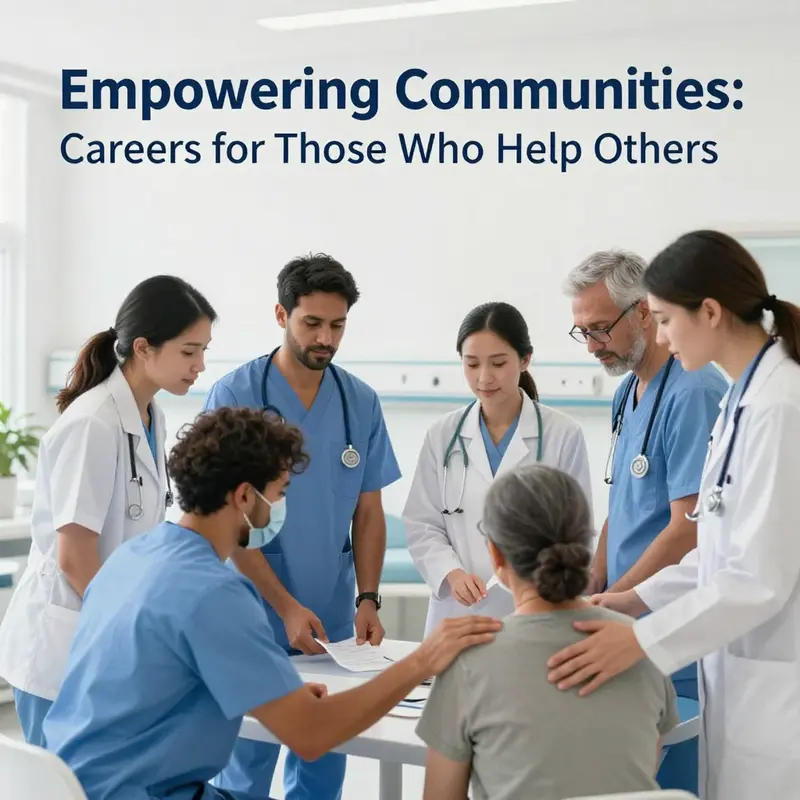
Healthcare professionals shape community health through a blend of direct care, prevention, education, and advocacy. For people who like to help others, these roles offer daily opportunities to ease suffering, prevent illness, and build systems that keep whole populations healthier. This chapter traces how healthcare workers operate across settings, why their cultural competence matters, and how new care models amplify their impact.
Care begins at the bedside, but its reach extends far beyond. Nurses, physician assistants, community health workers, therapists, and public health professionals all touch lives in different ways. A nurse provides comfort and clinical expertise during a patient’s most vulnerable moments. A community health worker walks into a neighborhood and connects residents to screening, medication, or food access. A public health professional analyzes data to stop an outbreak before it spreads. Each role matters because health is both individual and communal: a healed person returns to family, work, and social life; a prevented illness reduces strain on emergency services and keeps resources available for others.
The tangible outcomes of integrated healthcare work are striking. Studies show that when community health workers (CHWs) actively engage patients, preventable emergency department visits drop by roughly a quarter to half. Hospitalizations fall along similar lines, and urgent care use can decline dramatically. Those numbers are not abstract; they translate to fewer nights in hospital beds, lower out-of-pocket costs for families, and more predictable service capacity for clinics and first responders. For someone motivated by helping others, contributing to those gains means improving both immediate comfort and long-term stability for entire neighborhoods.
Movement toward preventive, outpatient, and value-based care creates new leverage for helpers. Traditional acute-care models reward procedures and short-term fixes. Emerging systems reward outcomes: fewer complications, better chronic disease control, and reduced readmissions. That shift opens roles for professionals who focus on continuity. Physician assistants and nurse practitioners extend primary care reach, offering diagnosis and treatment close to home. Mental health counselors and social workers address psychosocial drivers of illness that medicine alone cannot fix. Occupational and physical therapists restore function and independence, which lowers fall risk and reduces subsequent emergency calls. By working in teams, these professionals close gaps that historically drove people back into crisis.
Cultural competence is a critical thread running through effective care. Professionals who understand local languages, beliefs, and values build trust more quickly. Families are likelier to follow treatment plans when caregivers respect cultural practices and explain options in relatable terms. Recruiting a diverse workforce and integrating cultural humility into training reduce disparities in outcomes. For example, incorporating community members as CHWs not only improves communication but also helps tailor interventions to real-life constraints, like transportation limits or caregiving responsibilities. Trust-based relationships also encourage earlier care-seeking, which prevents conditions from worsening to emergency levels.
Teams matter. No one profession can address social, physical, and psychological needs alone. Interprofessional collaboration—nurses coordinating with social workers, therapists working with physicians, CHWs linking clients to housing and food supports—creates a safety net that addresses root causes. Practical collaboration looks like shared care plans, warm handoffs from clinic to community services, and regular case conferences for complex patients. These practices reduce duplication and create accountability. For professionals who enjoy helping, teamwork multiplies impact: each member brings specialized skills while the group shares responsibility for outcomes.
Organizational innovation supports these efforts. Coalitions that connect hospitals, community agencies, and academic institutions generate shared resources and learning. When organizations commit to diversity, equity, and inclusion, they also encourage care models that reach underserved groups. Investment in community-based programs—mobile clinics, school health services, and outreach initiatives—brings services to people who might otherwise remain disconnected. These structures enable professionals to deliver care in contexts that maximize accessibility and relevance.
The roles available for helpers in healthcare are diverse and adaptable. Registered nurses and physician assistants provide direct clinical care, patient education, and care coordination. They often act as reliable touchpoints for patients navigating complex systems. Mental health counselors and therapists address conditions that are major drivers of disability and reduced quality of life. Their work reduces emergency psychiatric visits and supports long-term recovery. Special education teachers and school-based therapists support young people with special needs, setting the foundation for lifelong health and learning. Nonprofit coordinators and outreach workers design and run programs that fill gaps left by conventional healthcare, from food distribution to shelter services.
First responders—firefighters and EMTs—embody another facet of helping that directly protects life. Their immediate interventions are indispensable in crises. But many systems are now integrating first responders into broader preventive strategies. EMTs link frequent emergency callers to primary care. Fire departments offer home-safety checks and injury prevention programs. These expanded roles demonstrate how crisis-focused work can evolve into community-centered prevention.
The international perspective also matters for those inclined to global service. Volunteers and development workers contribute to sustainable improvements in water systems, education, and healthcare infrastructure. These roles demand cultural sensitivity, adaptability, and long-term commitment. The learning these professionals bring back enriches domestic practice and fosters partnerships that improve global health equity.
Work in healthcare is not only about immediate interventions; it is also about advocacy. Healthcare professionals witness systemic failures firsthand: unstable housing, food insecurity, and inaccessible services. Those observations equip them to push for policy changes. Clinicians can advocate for Medicaid expansions, harm-reduction policies, or school-based services that prevent future harm. When healthcare voices shape policy, reforms are more likely to reflect real-world needs. For helpers who enjoy both patient contact and systemic change, advocacy offers a channel to scale impact beyond individual encounters.
Technology and data have reshaped how professionals help. Electronic health records, telehealth, remote monitoring, and predictive analytics enable continuous care and early intervention. Telehealth expands access for rural and mobility-limited patients. Remote monitoring catches early signs of deterioration in chronic disease, prompting timely outreach. Data can highlight disparities and guide targeted programs. For compassionate professionals, technology becomes a tool to extend care, not a replacement for human connection. Intentional use of tech emphasizes communication and convenience while preserving empathy.
Training and ongoing education keep practitioners effective. Healthcare knowledge evolves quickly; continuing education ensures professionals use current, evidence-based methods. Interdisciplinary training fosters mutual respect and smoother collaboration. Learning cultural humility, trauma-informed care, and motivational interviewing equips helpers to meet people where they are. For many helpers, continual growth is part of the vocation: new skills deepen their ability to support others and prevent burnout by improving outcomes.
Measuring impact reinforces what works and directs resources wisely. Metrics such as reductions in emergency visits, improved chronic disease markers, or increased screening rates demonstrate program effectiveness. More qualitative measures—patient-reported experience and trust—reveal relationship quality and cultural alignment. Combining quantitative and qualitative data helps teams refine approaches and sustain funding. Professionals who care about helping others can use evidence to secure support for programs that demonstrably improve lives.
There are emotional realities to consider. Helping professions often involve exposure to suffering and systemic frustration. Burnout and secondary trauma are real. Organizations that support staff with supervision, mental health resources, reasonable workloads, and restorative time off maintain a workforce capable of long-term impact. Cultivating resilience, peer support, and purposeful role design keeps helpers effective and present for those they serve.
For those exploring careers that center on helping, healthcare offers pathways that align with varied strengths and interests. Some thrive in acute clinical settings where rapid decisions save lives. Others prefer longitudinal relationships, following patients through recovery and prevention. Many find satisfaction in bridging systems—helping people access benefits, housing, or employment that stabilize health. The shared reward is clear: helping someone regain dignity, avoid hospitalization, or access resources ripples outward to family and community wellbeing.
Practical next steps for someone drawn to this field include seeking direct exposure through volunteering or internships, exploring specialized certifications, and learning about community resources. Shadowing a CHW or attending a team case conference offers real insight into collaborative care. Engaging in community service and cultural competency training prepares aspiring helpers to communicate effectively and respect diverse perspectives. For those interested in how allied professionals coordinate care, resources that explain collaboration among practitioners are valuable; for example, guidance on how occupational therapists collaborate with other healthcare professionals illuminates team dynamics and mutual roles.
The evolving healthcare landscape—focused increasingly on value, prevention, and community partnerships—creates fertile ground for professionals who want to help others at scale. Whether administering bedside care, coordinating community programs, or advocating for policy changes, healthcare roles provide meaningful ways to improve lives. The work blends compassion with evidence, personal connection with systems thinking, and immediate care with long-term prevention. For anyone whose purpose centers on helping, healthcare offers a spectrum of careers where daily actions produce measurable, lasting benefits for individuals and communities alike.
For those seeking further information on careers and impacts in public health, the University of Michigan’s Public Health Careers resource provides in-depth guidance and pathways to explore. https://publichealth.umich.edu/
Educators and Nonprofit Workers: Diverse Careers for People Who Like to Help Others
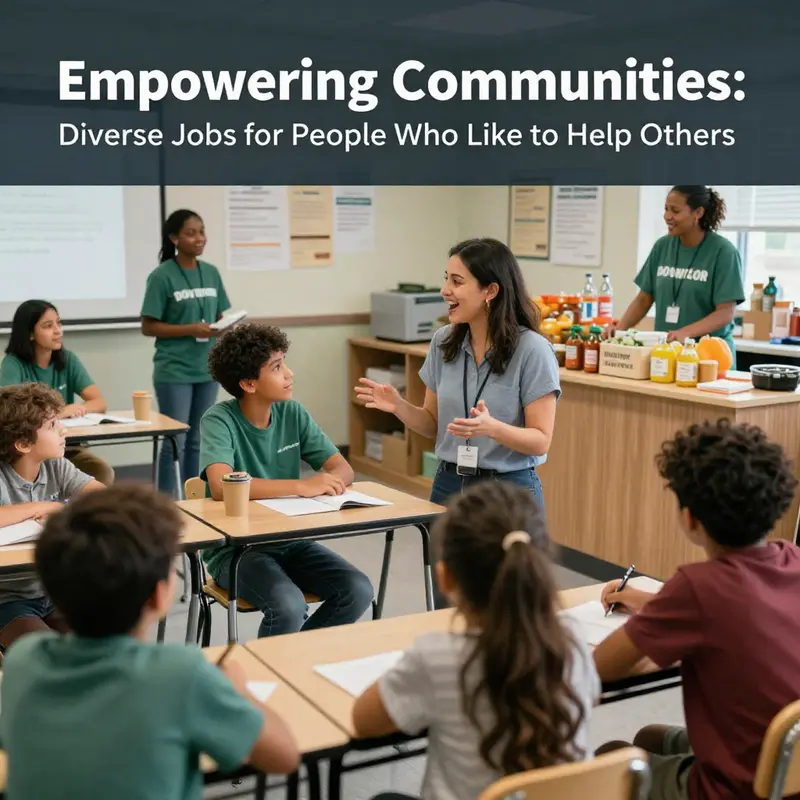
Educators and nonprofit workers form the steady backbone of communities, translating care into tangible opportunity and resilience. Their work often unfolds in quiet, persistent ways that don’t grab headlines but steadily lift people into healthier, more capable lives. This chapter explores how these two fields—education and the nonprofit sector—together offer a spectrum of roles for people who want to help others, from shaping a child’s literacy to sustaining a vital community program that keeps families afloat in hard times. It is a story of daily commitments that accumulate into lasting social change, a narrative of professionals who blend knowledge, patience, and advocacy to widen the space where individuals can grow, learn, and thrive. In this context, helping is less a single act and more a practiced way of being in the world—one that respects dignity, cultivates potential, and builds inclusive systems capable of withstanding shifting circumstances.
Within education, the most visible picture is often that of a classroom teacher shaping minds, yet the palette is far broader. There are classroom teachers who illuminate reading and numeracy, but also tutors who work with students one-on-one to unlock confidence, instructional coordinators who ensure curricula reach every learner, and educational consultants who help schools rethink approaches to assessment and inclusion. The diversity of roles matters because every learner carries a unique constellation of strengths and barriers. To educate well is to acknowledge that a single method seldom fits all and to design learning spaces that adapt to different ways of knowing. This requires continuous professional growth: staying fluent in new pedagogies, embracing technology that supports accessibility, and maintaining a willingness to revise strategies in response to data and feedback. In practice, this means teachers who listen as much as they lead, who observe as carefully as they teach, and who partner with families and communities to align school life with real-world needs. The aim is not merely to transfer information but to cultivate resilient learners who can navigate uncertainty, think critically, and pursue paths that align with their strengths.
The chapter also shines a light on the nonprofit sector, where the work pivots from instruction to service design, resource mobilization, and advocacy. Nonprofit workers dedicate themselves to addressing social issues such as poverty, health disparities, housing instability, environmental justice, and education equity. Their roles range from program management, which coordinates services that meet pressing needs, to fundraising, which secures the resources that sustain those services, to advocacy, which seeks policy changes that create fairer systems. Direct service roles place staff in intimate contact with individuals and families, offering emotional support and practical assistance in times of crisis. Each function is essential because complex social challenges require a tapestry of interventions—files and forms never tell the full story, and systems improve only when people on the ground translate policy into practice with empathy, accountability, and local knowledge. In nonprofit work, collaboration is the connective tissue: teams must align mission with funding realities, translate beneficiary feedback into program improvements, and work with public and private partners to expand reach without compromising quality.
What makes these careers so deeply rewarding is the way they align personal purpose with societal impact. For many, a day in the classroom or a shift in a community center can feel like a tangible contribution to human flourishing. The educator’s classroom is a microcosm of society where literacy becomes agency, curiosity becomes a discipline, and the social-emotional climate of the room becomes a foundation for future learning. A well-timed intervention with a student who struggles to read, or a carefully designed inclusive lesson that honors a student’s way of learning, can alter a life’s trajectory. These moments, though sometimes brief, accumulate into a durable sense of professional meaning. Likewise, nonprofit work offers a different cadence of impact. A grant-funded program that expands after-school access, a community health initiative that reduces barriers to care, or a shelter that stabilizes families overnight all demonstrate how organization and care intersect to create safer, more hopeful communities. The roles ask for resilience in the face of funding cycles, policy shifts, and the emotional labor that comes with serving populations at risk; yet the reward is the knowledge that your labor is part of something larger than yourself and that your presence can be a consistent source of stability for someone in need.
A closer look at the educator’s repertoire reveals an emphasis on accessibility, equity, and lifelong learning. In classrooms and beyond, educators steward literacy, numeracy, and critical thinking as pillars of empowerment. Yet beyond academics, they cultivate soft skills like collaboration, problem-solving, and adaptability that students carry into every aspect of life. Special education specialists illustrate the breadth of this calling. They design individualized education plans and use a variety of strategies to accommodate diverse needs. Their work is not only about academic progress but about meaningful participation—ensuring that every student can access the same opportunities to contribute to the classroom and the community. This requires close collaboration with families, psychologists, speech therapists, and occupational therapists to create environments where students can succeed. The emphasis here is on partnership—the belief that education is a shared responsibility that extends beyond school walls and into homes, clinics, and community centers.
In the nonprofit world, program management becomes a form of social architecture. Managers map service pathways, align resources with community priorities, and measure outcomes to ensure accountability and responsiveness. They ask questions such as: Where are the gaps in service? Which programs demonstrate lasting impact? How can limited funds be stretched to reach the most vulnerable populations? Fundraising adds another layer of complexity but also opportunity. Fundraising is less about generosity alone than about building relationships, communicating impact, and sustaining programs that rely on ongoing support. The most effective development officers blend storytelling with data, showing donors not only the heart of a mission but its measurable outcomes. Advocacy work, meanwhile, presses for changes that extend beyond a single organization, challenging policymakers and civic leaders to address structural barriers to health, education, and opportunity. The work is demanding, often requiring sensitivity to political contexts, cultural differences, and power dynamics, but the outcomes can be transformative—policies that reduce inequities, programs that reach underserved communities, and a public sphere that values care as a collective responsibility.
Operating in either field invites a constant renegotiation of boundaries between what is possible within institutions and what is needed in the broader community. The educator learns to translate classroom success into long-term advantages by building bridges with families and local organizations. The nonprofit professional learns to translate grant reports into visible improvements in people’s lives by implementing programs with fidelity while adapting to changing conditions. In both domains, the common thread is a commitment to dignity and opportunity. This means listening to communities, recognizing their assets, and designing services that honor cultural differences and individual stories. It also means embracing data not as a weapon but as a compass—a tool to refine approaches, preserve integrity, and demonstrate accountability to the people served.
The practical pathways into these fields are varied, reflecting the same ethos of adaptability and lifelong learning. For educators, there are traditional routes such as teacher preparation programs and state certification, but also alternative pathways that allow practicing professionals to upskill while working. This includes pursuing master’s degrees in education leadership, curriculum design, or special education, as well as certificates focused on literacy coaching, inclusive practices, or bilingual education. For nonprofit workers, the routes are equally diverse. Some begin in entry-level community outreach roles that require strong communication and empathetic listening, then move into program management or development as they gain experience. Others come from adjacent fields—public health, social work, or education—then pivot toward mission-driven work that leverages their expertise. In every case, a shared foundation of empathy, teamwork, and an appetite for continuous learning remains central.
Professional growth in these fields often hinges on cultivating a portfolio of skills that extend beyond technical proficiency. Communication is essential, not only for teaching or presenting a program’s value to funders but also for collaborating across departments, with families, and with stakeholders at the municipal or national level. Cultural competence becomes a daily practice, especially in diverse communities where language, beliefs, and norms shape how people engage with schools and service providers. Problem-solving agility is another indispensable trait, as educators and nonprofit professionals must tailor approaches to shifting student needs, funding climates, and policy landscapes. Collaboration and coalition-building allow these professionals to leverage resources, align efforts, and avoid duplicative work. Finally, ethical discernment guides decisions about student confidentiality, consent, and the responsible use of data—foundations that sustain trust and protect vulnerable populations.
The employment landscape, as summarized by official statistics, supports the appeal of these career paths. Across education and training occupations, growth is projected in areas where teachers are most needed—especially in special education and STEM subjects—reflecting the continued priority of enabling all students to participate in meaningful learning. The nonprofit sector continues to expand its footprint as communities seek more robust supports in health, safety, and social well-being. This expansion implies a growing demand for program coordinators, development officers, and direct-service professionals who can deliver services with quality and accountability. The picture that emerges is one of sustained opportunity for individuals drawn to service, with roles that vary in pace, setting, and level of responsibility but share a core ambition: to elevate people, whether through learning, resources, or access to care.
To those drawn to these paths, the invitation is concrete and hopeful: bring your humanity, your curiosity, and your collaborative spirit to work that matters. Education rewards curiosity and discipline, offering chances to spark curiosity in others and to nurture critical thinking that lasts a lifetime. Nonprofit work rewards compassion translated into tangible programs, policies, and partnerships that reduce suffering and expand opportunity. This is not a terrain of solitary achievement; it is a terrain of shared outcomes. Success in these roles often shows up in small, cumulative ways—a student who gains confidence to participate in class, a family who learns how to access essential services, a community that feels safer and more connected because of a deliberate, sustained investment in its people. The impact is both personal and systemic, a reminder that helping others is not merely a one-off act but a practice that grows with experience, community feedback, and a steadfast commitment to equity.
For readers seeking a broader map of the helping professions, a resource that captures the diversity of pathways can be illuminating. A comprehensive overview highlights the range of possibilities beyond these chapters, underscoring that caring work comes in many forms and across many settings. If you’re curious about how similar values translate into different careers, explore a broader landscape of opportunities in 17 careers for helping people. This reference can complement the deeper dive into education and nonprofit work by offering a sense of how transferable skills—communication, empathy, organization, and resilience—keep opening doors across sectors. 17 careers for helping people
The chapter ends with a reminder that the most enduring legacies in these fields are built not just on programs or lesson plans but on relationships. The trust established between a teacher and a student, between a nonprofit staff member and a community member, or between a program director and a donor is the currency that sustains work through challenging times. When these relationships are nurtured with humility, curiosity, and a willingness to learn from those most affected by the work, outcomes extend beyond numbers and reports. They become the quiet evidence that education and service can change lives—one person, one family, and one community at a time. And as communities evolve, the people who lead with care remain essential anchors, guiding institutions toward practices that honor dignity, promote inclusion, and advance real, lasting progress.
For practitioners and aspiring professionals alike, the path is not a straight line but a tapestry of experiences. It may begin with classroom teaching, volunteering in a local nonprofit, or supporting families through a school-based program. It may involve formal degrees and certifications or hands-on learning within community settings. What matters is a steadfast commitment to listening, learning, and collaborating with others. The work may require patience and courage, but it also yields the kind of satisfaction that comes from contributing to someone’s growth, safety, or future prospects. And when the field embraces diversity, equity, and opportunity as central goals, the impact multiplies across generations, resonating in classrooms, clinics, shelters, and public spaces where people gather to dream bigger and to support one another along the way.
External resource for broader labor-market context: For a grounded overview of employment trends that intersect with education and nonprofit work, see the U.S. Bureau of Labor Statistics. https://www.bls.gov/
Final thoughts
Choosing a career in the helping professions not only allows individuals to make a meaningful difference but also fulfills a personal passion for aiding others. Through roles in social work, healthcare, education, and nonprofits, professionals can profoundly affect the lives of those around them. Business owners looking to expand their impact should consider how they can support these disciplines and integrate their core values into community-driven initiatives. Together, we can create a healthier, more compassionate world for everyone.