
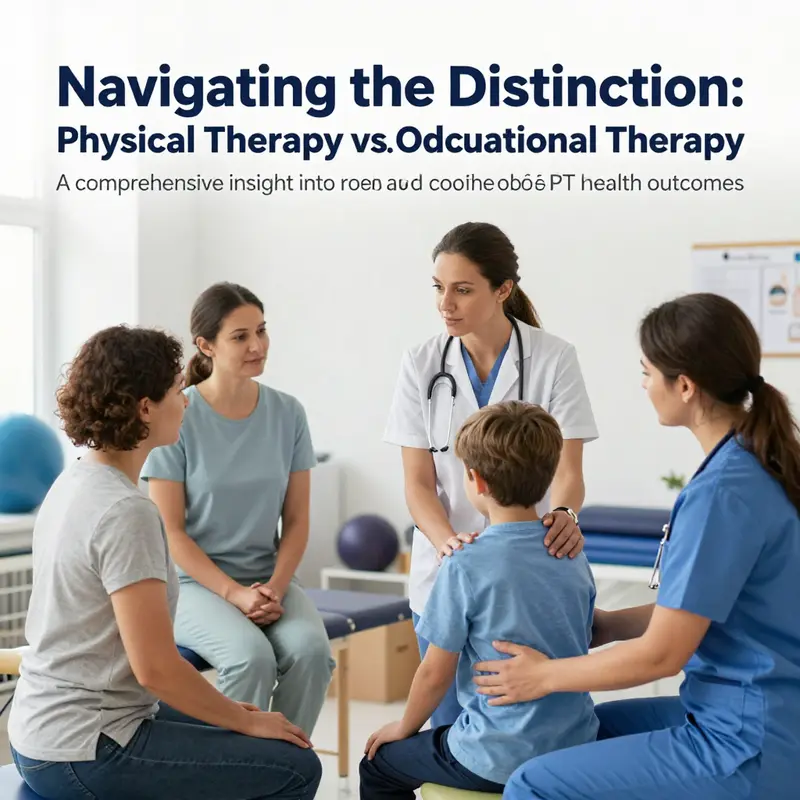
Understanding the nuances between physical therapy (PT) and occupational therapy (OT) is essential for business owners in the healthcare sector. While both professions aim to enhance the quality of life for patients, their approaches and specific goals differ greatly. This article will delve into these differences, exploring the unique focus of each discipline, the comparative techniques and methods used, and the vital roles therapists play in rehabilitation and recovery. By grasping these distinctions, healthcare business owners can better appreciate how PT and OT contribute to patient success and make informed decisions in their practices.
Two Roads to Independence: Distinguishing Physical Therapy’s Movement Focus from Occupational Therapy’s Daily Life Focus
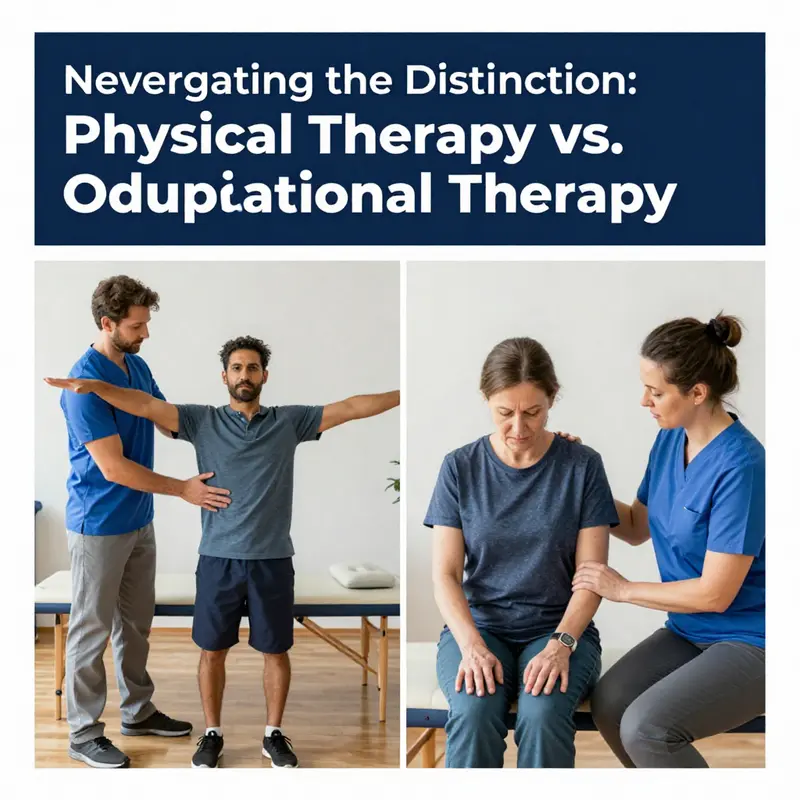
Physical therapy (PT) centers on movement and physical capacity, aiming to restore mobility, strength, balance, and function after injury or illness. In practice, a PT designs a personalized program based on movement assessment, joint stiffness, muscle response to load, and neuromuscular coordination. The patient recovering from a knee replacement, for example, begins with exercises that rebuild quadriceps strength, regain knee range of motion, and retrain movement patterns. Manual therapy and modalities such as heat or electrical stimulation may accompany therapeutic exercises to relieve pain and facilitate movement. Across outpatient clinics, hospitals, and home health, the trajectory is guided by biomechanical principles, measurable outcomes, and a focus on safe, efficient functional movement.
The scope of PT extends beyond recovery from acute events. It includes chronic conditions such as arthritis or back pain, neurological disorders like stroke or multiple sclerosis, and sport-related rehabilitation. The objective is to reduce pain, improve strength and endurance, enhance balance, and prevent future setbacks by addressing mechanical factors in the body. Therapists consider the kinetic chain and task-specific training to translate improvements in movement into real-world activities.
Occupational therapy (OT) centers on enabling individuals to perform activities that matter in daily life. Its primary focus is meaningful participation despite physical, cognitive, or emotional challenges. OT addresses activities of daily living such as dressing, bathing, and feeding, as well as instrumental activities like managing finances, cooking, or using a computer. The approach is holistic and client-centered, aiming to make daily life more accessible, enjoyable, and sustainable. OT often considers the environment and may recommend grab bars, adaptive tools, or cognitive strategies to support independence. The goal is for the person to participate fully in life tasks, with the right supports in place.
In practice, PT and OT are complementary. A patient might begin with PT to rebuild mobility, then OT to adapt routines and environments to leverage new capabilities. In other cases, OT may begin with environmental modifications to enable safe participation while PT works on movement strategies. The two disciplines share the aim of helping people regain independence and reengage in meaningful life activities, but they approach that goal from different angles. Understanding the distinction helps patients and families collaborate effectively with clinicians and tailor rehabilitation to what matters most in daily life.
Two Roads to Everyday Independence: Techniques, Goals, and Evidence in Physical Therapy and Occupational Therapy
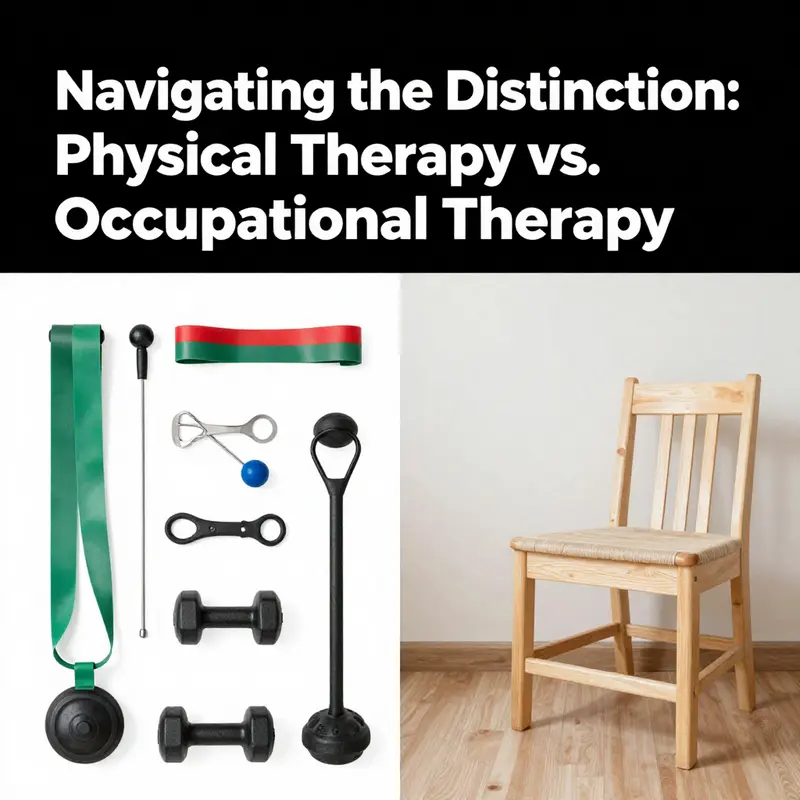
When clinicians describe physical therapy (PT) and occupational therapy (OT), they often begin with a simple contrast: PT tends to focus on moving the body, while OT concentrates on enabling people to engage in the activities that matter to them. Yet this distinction is more nuanced in practice, where the lines blur as therapists tailor interventions to each person’s goals, environment, and life story. The two disciplines share a common purpose—restoring function and promoting independence—but they chart separate paths through rehabilitation. Understanding how they differ, how they align, and how evidence guides their methods helps illuminate not only what each therapy can do, but how they work together to restore a person’s ability to live with intention and autonomy. In this chapter, we explore the landscape of comparative techniques and methods, drawing on representative research that probes not just which interventions work, but for whom and in what circumstances they yield meaningful gains. The thread that runs through these findings is a commitment to evidence-based practice: therapists choose techniques whose effects are documented in real patient outcomes, then adapt them to the unique combination of physical ability, cognitive demands, and environmental realities that each patient faces. The result is a rehabilitation journey that moves beyond a checklist of exercises toward a cohesive plan that links body, mind, and home environment to everyday life. Moreover, the research landscape reveals that progress is rarely a straight line. It demands patience, flexibility, and the capacity to pivot when one approach yields diminishing returns or when a different pathway better aligns with a patient’s broader life goals. In the sections that follow, the discussion weaves together representative findings about PT and OT approaches, while maintaining a unified narrative about how these disciplines complement one another in practice. The emphasis remains on how interventions translate into actual improvements in daily functioning, mobility, safety, and participation in meaningful roles—whether at home, at work, or in the community. From Parkinson’s disease to stroke, from autism to aging, the patterns emerging in comparative research show both overlap and divergence. They point to a central principle: the most effective rehabilitation blends movement-focused training with task-oriented skill development, all grounded in careful assessment and ongoing re-evaluation. This convergence underscores a theme that runs through the entire chapter: rehabilitation is less about choosing one discipline over the other and more about orchestrating the right combination of techniques to unlock an individual’s capabilities in real life. The following exploration begins with a look at the core aims and typical modalities in PT, then moves to OT’s unique focus on daily activities and environmental adaptation, and finally returns to a shared space where evidence helps shape personalized plans that honor both bodily movement and purposeful living. In this space, the distinction between the body’s capacity to move and the person’s capacity to do, with meaning, becomes a practical guide for clinicians, patients, and families alike. The narrative also invites readers to consider the methods of assessment that arm therapists with precise information about progress. Visual analog scales, functional indices, and range-of-motion measures are not mere numbers; they translate into decisions about therapy intensity, the selection of specific exercises, and the pacing of discharge planning. They also illuminate when a shift toward compensatory strategies is warranted and when restoration of a particular movement remains the priority. For instance, in stroke rehabilitation, the literature on neuromuscular re-education and electromyographic biofeedback illustrates how technology can augment traditional therapy. The nuanced takeaway is that electrotherapy and biofeedback may offer additional advantages in certain contexts, especially when muscles are slow to respond or when learned control requires immediate, concrete feedback. Yet the same body of work cautions that such benefits are not universal; they depend on the patient’s cognitive engagement, motivation, and the quality of practice. These caveats reinforce a broader principle in rehabilitation: success hinges on task-specific practice situated in meaningful life activities. This is where OT’s strengths become especially apparent. Occupational therapy foregrounds the tasks that define a person’s daily life—dressing, bathing, cooking, managing finances, communicating, returning to school or work—and asks not only what the body can do, but how the person can participate in those tasks within current routines and environments. The OT lens broadens the scope beyond movement to include cognitive, perceptual, emotional, and environmental dimensions. A striking example from modern comparative research is the investigation into sensory processing differences within autism and how OT can optimize functional participation through targeted strategies. In a 2025 controlled trial, Ayres Sensory Integration-based OT demonstrated significant improvements in daily living skills for children with sensory processing challenges, underscoring how specialized OT approaches can yield meaningful changes in everyday performance. This kind of evidence shifts the focus from generic skill-building to interventions that align with how a child experiences the world and how the world responds to them. It also emphasizes the importance of relevance and predictability in treatment: tasks that resonate with a child’s interests and daily routines tend to translate into sustained improvements in independence. Another thread within OT research concerns adaptations to environments and tools that facilitate participation. Simple modifications—grab bars in bathrooms, modified utensils, or ergonomic arrangements at desks—can reduce barriers to independence and safety. The practice of environmental modification is a core OT strategy that recognizes that a patient’s context can either enable or impede function. By altering the surrounding setting, OT creates a platform where the patient’s capabilities can be exercised, practiced, and strengthened in real-life contexts. This environmental orientation does not minimize the importance of motor and cognitive skills; instead, it acknowledges that the best therapy often combines skill development with practical integration. In many cases, PT provides the foundational gains in mobility, strength, and coordination that OT then leverages to assist with ADLs and meaningful routines. The synergy between the disciplines is not a cliché but an observed pattern in rehabilitation: improving leg strength and gait can enable safer transfers; refining hand function can make cooking and self-care possible; enhancing balance can make community mobility safer. The interdependence of PT and OT is most evident in complex cases, such as recovery from knee replacement or spinal surgery. PT typically leads the charge on regaining range of motion, reducing pain, and rebuilding muscle strength, with a strong emphasis on neuromuscular control and cardiovascular fitness. OT then steps in to translate those gains into practical activities—designing self-care routines that fit the new joint’s capabilities, training the patient in safe desensitization to real-world environments, and coaching strategies to manage fatigue and time-based demands of daily life. This integrated approach mirrors the broader movement in rehabilitation toward patient-centered care, where plans are not merely disease-centered but life-centered. It is here that the assessment tools take on their most practical form. Visual analog scales (VAS) capture the patient’s subjective experience of pain or discomfort during activities, while the Neck Disability Index (NDI) or similar functional indices quantify how neck pain translates into limitations in daily life. Range-of-motion measurements and flexion-rotation tests provide objective anchors for progress, guiding decisions about progression and discharge. Yet the true value of these tools emerges only when they inform decisions aligned with the patient’s goals. A patient with partial knee replacement may show measurable ROM gains, but the clinical victory lies in the patient’s ability to dress independently, walk around the neighborhood, and return to preferred activities. In such contexts, PT and OT collaborate to convert quantitative improvements into qualitative changes in living. The literature also reminds us that evidence is not a static monument but a dynamic guide that must be interpreted in the light of individual variation. For Parkinson’s disease patients, for example, Deane’s study compared novel PT techniques with standard approaches, highlighting that newer modalities might offer incremental improvements in function and symptom management, yet their effectiveness can depend on disease severity, patient motivation, and comorbidity profiles. Malmgren-Olsson’s work in 2002 further complicates the narrative by comparing Body Awareness Therapy and the Feldenkrais Method with conventional PT. The findings suggested that the duration and task specificity of interventions influence outcomes and that predictive factors extend beyond diagnostic labels. Such nuances push clinicians to tailor therapy not only to diagnosis but to the person’s life context, capacities, and personal goals. In OT, Schaaf and colleagues’ 2025 randomized trial adds a critical dimension to the conversation by focusing on children with autism and contrasting Ayres Sensory Integration-based OT with applied behavior analysis and no treatment. The results underscore that targeted sensory integration strategies can yield statistically meaningful improvements in daily living skills for children with sensory processing differences. The message is clear: when interventions are aligned with the child’s sensory experiences and functional priorities, the likelihood of translating therapy into real-world independence increases. The relevance of these findings extends beyond the specialties they originated from. They collectively emphasize a central principle: the most effective rehabilitation strategies are not generic prescriptions but adaptable, evidence-informed plans that honor the person’s unique movement capabilities and life aspirations. The methods themselves—electromyographic biofeedback, sensory integration practices, cognitive strategies, task-specific practice, and environmental modification—share a common thread: they are selected and tuned to maximize meaningful engagement in daily life. This principle also resonates with the broader call for integrated care teams in rehabilitation settings. When PT and OT collaborate, the patient benefits from a continuity of care that respects both the body’s mechanical limits and the person’s functional ambitions. The patient journey then becomes less about choosing a single therapy and more about weaving together the most effective strands from multiple approaches to create a coherent pathway toward independence. In practice, this means systematic assessment at multiple points in the rehabilitation process, with ongoing dialogue among therapists, patients, and families about progress, barriers, and evolving goals. It also means staying attentive to the patient’s environment—home layout, work demands, social supports—and recognizing that these factors often determine how much improvement is possible and how quickly it can be sustained. The challenge for clinicians lies in balancing evidence with individual variability. Even well-supported interventions may yield limited benefit if delivered in a vacuum without context. Conversely, patient-centered adaptations, while not universal in their demonstrated efficacy across all populations, may unlock functional gains that rigid protocols would fail to capture. This balancing act is the art of rehabilitation, where method and meaning converge. It invites us to view PT and OT not as rival disciplines but as complementary partners in a shared mission: to help people regain not only the capacity to move but the capacity to participate fully in the life they want to live. For readers seeking a concise articulation of how PT and OT differ and overlap in practice, one might explore a practical comparison that foregrounds everyday concerns—how each discipline asks different questions, measures different facets of progress, and applies different strategies to address the same fundamental aim. PT asks: How can we restore strength, mobility, and balance to enable safe movement? OT asks: How can we enable the person to perform the tasks that give life meaning, within the realities of home, work, and social roles? The answer, in clinical reality, is not a duel but a dialogue—one that continually recalibrates as the patient’s circumstances evolve. In conclusion, the body’s capacity to move and the person’s capacity to live with purpose are two sides of the same rehabilitation coin. The best care recognizes this duality and uses it to design therapies that are not only technically sound but personally transformative. The evidence base, growing and nuanced, points toward a future in which PT and OT increasingly inform one another, shaping care pathways that are both scientifically grounded and deeply human. For clinicians, students, and families navigating the rehabilitation landscape, the takeaway is straightforward: prioritize interventions that are demonstrably beneficial for real life, tailor them to the individual, and maintain a clear line of sight to the activities that matter most to the person. This is where the science of movement meets the art of living. For a practical reference that situates OT and PT within the broader discussion of their differences, see the summary that contrasts occupational therapy and physical therapy in online resources that emphasize their distinct goals, methods, and contexts. External resource: https://coffee-beans.coffee/blog/occupational-therapy-vs-physical-therapy/. External research: https://www.ncbi.nlm.nih.gov/pmc/articles/PMC1149873/.
How Physical and Occupational Therapists Partner to Rebuild Movement and Daily Life
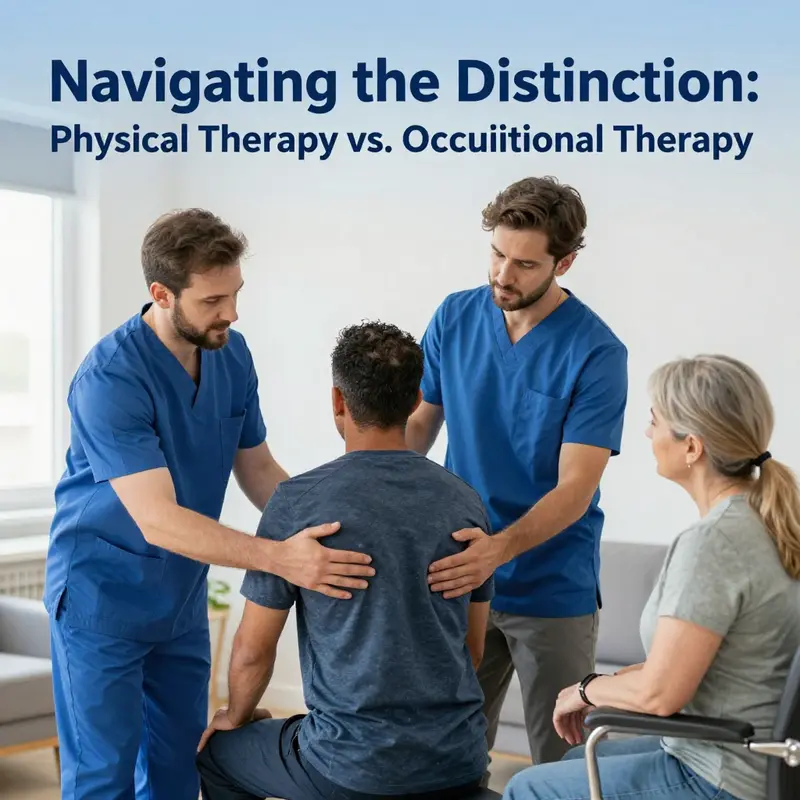
Physical therapists and occupational therapists share a common aim: to help people regain independence after illness, injury, or developmental challenge. Yet they approach that aim from different angles. One focuses first on the mechanics of movement; the other focuses on how those movements are used in meaningful daily activities. Understanding how they divide responsibilities and work together clarifies what to expect in rehabilitation and why both professions are often part of the same recovery team.
A physical therapist concentrates on restoring the body’s capacity to move with strength, control, and safety. When someone arrives after surgery, a sports injury, or a neurological event, the physical therapist evaluates range of motion, muscle strength, balance, posture, gait, and pain. From that assessment they build a plan targeting impairments that limit mobility. Treatment often includes therapeutic exercise to rebuild strength, manual therapy to improve joint and soft-tissue mobility, gait training to reestablish safe walking, and neuromuscular re-education to reintegrate coordinated movement patterns. Modalities such as heat, cold, and electrical stimulation can supplement hands-on and exercise-based approaches to reduce pain or facilitate tissue healing.
The emphasis of physical therapy is on gross motor skills and the physical systems that support them. That means working with large muscle groups and core stability to enable actions like standing, walking, transferring in and out of chairs, climbing stairs, or lifting. A patient recovering from a knee replacement, for example, will spend early sessions regaining knee range of motion, strengthening the quadriceps and hamstrings, and practicing controlled stepping to return to safe ambulation. A person with Parkinson’s disease may focus on strategies to reduce freezing episodes, improve balance reactions, and maintain functional endurance. In all cases, the physical therapist measures progress with objective tests of mobility and function and advances the program as capacity improves.
Occupational therapists take a complementary but distinct view. They translate physical capacity into the ability to perform the specific tasks that constitute a person’s daily life: dressing, grooming, cooking, managing medications, working, or engaging in leisure. Occupational therapy begins with a careful analysis of the person’s roles and routines. The therapist asks which activities matter most and which are limited by physical, cognitive, or environmental barriers. The goal is not simply to restore a movement in isolation, but to enable the person to accomplish meaningful occupations in real-world contexts.
Interventions in occupational therapy therefore blend physical reconditioning with adaptations in technique, environment, and tools. If sitting balance is weak and this prevents safe bathing, the occupational therapist will practice balance and reach tasks in the bathroom setting, recommend grab bars or a shower seat, and introduce safer task sequences that reduce fall risk. For people with hand injuries, the focus might include exercises to improve fine motor control, splinting to protect healing tissue, and training in adaptive ways to button a shirt or prepare a meal. For those recovering from brain injury, cognitive strategies—such as checklists, structured routines, and task segmentation—help rebuild independence even when processing speed, attention, or memory remain impaired.
Where physical therapy targets the foundations of movement, occupational therapy builds practical, personalized bridges between foundation and function. The two disciplines naturally overlap: a patient needs sufficient strength and coordinated movement to perform self-care, and both therapists will address aspects of mobility during rehabilitation. Their collaboration ensures that gains in strength and balance are put to use in everyday life. For instance, after a stroke, the physical therapist may work on walking and transferring, while the occupational therapist trains the patient to dress one-handed, organize meal preparation, and manage daily medications. This coordination prevents gaps where improved capacity fails to translate into meaningful independence.
Collaboration between PTs and OTs goes beyond sequential handoffs. They consult continuously about goals, progress, and barriers. A physical therapist may adapt gait training to include carrying a cup, simulating real-life dual-task demands that challenge balance. An occupational therapist might request focused ankle or hip strengthening from the physical therapist to support a specific functional goal, such as stepping up onto a bus. In many settings, from inpatient rehabilitation to home health, this back-and-forth shapes an integrated plan that addresses both body systems and task-level performance.
The clinical environments where PTs and OTs operate also influence how they work together. In hospitals, the initial focus is often medical stabilization and restoring basic mobility so the patient can be safely discharged. Physical therapists may prioritize walking and transfer skills to prevent complications like deconditioning and pressure injuries. Occupational therapists assess the safety of the home environment and begin training in essential self-care tasks. In outpatient clinics, therapists have more time to progress strength and functional skills toward higher-level activities, such as driving, returning to work, or sports. Skilled nursing facilities emphasize maintaining independence and preventing decline; both PTs and OTs provide ongoing programs that keep residents engaged and safe.
Home-based rehabilitation highlights the synergy between the two professions most clearly. In the patient’s own environment, occupational therapists can identify real-world barriers—high kitchen counters, narrow doorways, loose rugs—and propose concrete adaptations or equipment to enable independence. These modifications can be simple and cost-effective, from rearranging frequently used items within easy reach to recommending a shower chair or long-handled reacher. Physical therapists adjust exercises to the actual spaces a person uses, ensuring that strength gains translate into the movements needed to climb stairs at home or step safely into a bathtub. When therapists see the patient in context, they craft interventions that respect lifestyle and routines.
Beyond physical and environmental concerns, both professions attend to psychological and social factors that influence recovery. Pain, fear of falling, and loss of confidence can stall rehabilitation. Physical therapists use graded exposure to movement and task-specific practice to rebuild confidence in the body. Occupational therapists restore a sense of mastery by breaking activities into achievable steps and celebrating regained abilities. They also help patients prioritize goals that matter most to them. That person-centered focus keeps therapy relevant and increases adherence.
Special populations further illustrate the distinct roles of PTs and OTs. Children with developmental delays often require coordinated services. Physical therapists emphasize gross motor milestones—crawling, walking, balance—so the child can explore and interact with peers. Occupational therapists focus on fine motor skills, sensory processing, school routines, and play-based activities that support learning and participation. In mental health settings, occupational therapists apply activity-based interventions to improve routines, social roles, and coping strategies, while physical therapists may address physical deconditioning and promote exercise as a mood-enhancing routine. For older adults, PTs counteract sarcopenia and balance deficits to reduce fall risk; OTs adapt the home and teach compensatory techniques that preserve independence despite age-related limitations.
Assessment tools reflect each discipline’s priorities. Physical therapists rely on objective measures of strength, range of motion, gait speed, and balance tests. These metrics guide exercise prescription and monitor physiological recovery. Occupational therapists combine task analysis with observations of functional performance, assessing how an impairment affects the ability to complete meaningful occupations. They evaluate activities of daily living, instrumental activities like shopping and paying bills, and the cognitive skills needed to plan and sequence tasks.
Outcome goals are defined differently but remain aligned. A PT goal might state, “Patient will ambulate 150 feet with a single-point cane and no episodes of loss of balance.” An OT goal could read, “Patient will independently don lower-body clothing with adaptive devices within six weeks.” Both goals are measurable and time-bound, and both contribute to the larger aim of restored independence. When documented together, they offer a comprehensive picture of recovery—from improved capacity to regained participation.
Practical collaboration sometimes requires negotiation. Insurance coverage, limited therapy visits, and institutional priorities can constrain what therapists can do. Effective teams prioritize goals that yield the greatest return for the patient’s daily life. They communicate clearly about who will address which element of care. In many programs, therapists cross-train informally: a physical therapist may teach a patient a dressing technique that reduces shoulder strain, while an occupational therapist may supervise a balance exercise in the kitchen. This pragmatic sharing of skills keeps the patient’s needs central.
Technology has expanded possibilities for both professions. Telehealth enables therapists to observe patients in their home environments remotely. Wearable sensors provide objective data on movement and activity levels between sessions. Adaptive equipment and smart-home technologies can automate lighting or medication reminders, which occupational therapists integrate into a person’s routines. Physical therapists use virtual reality and feedback devices to enhance motor learning. These tools support a unified aim: making improvements in capacity visible and usable in daily life.
Professional education fosters the different lenses of PTs and OTs. Training programs emphasize anatomy, biomechanics, and movement science for physical therapists. Occupational therapy education integrates human development, task analysis, and environmental modification with an emphasis on meaningful occupation. Licensure and continuing education ensure both professions maintain up-to-date, evidence-based practice. When teams collaborate, each discipline brings specialized knowledge that enriches the rehabilitation process.
Understanding the complementary roles of physical and occupational therapy helps people navigate their care. If the problem is an inability to move with strength or balance, a physical therapist will lead treatment to build those capacities. If the barrier is translating movement into day-to-day activities, an occupational therapist will design strategies to restore routines and roles. When both needs exist—as they often do—integrated care ensures that medical recovery translates into real-world independence.
For clinicians and patients alike, the most meaningful measure of success is not a test score but the ability to live the life one values. Physical and occupational therapists each contribute crucial pieces of that outcome. By restoring movement and shaping how that movement is used in daily life, they rebuild not just function but participation, confidence, and dignity. To learn more about how occupational therapists adapt environments to support independence, see this discussion of adapting environments for patient needs: https://coffee-beans.coffee/blog/how-do-occupational-therapists-assist-in-adapting-environments-for-patient-needs/.
For professional standards and role descriptions of physical therapy, consult the American Physical Therapy Association: https://www.apta.org
Final thoughts
Differentiating between physical and occupational therapy is fundamental for business owners aiming to provide comprehensive care. By understanding their unique goals, methods, and roles, healthcare providers can enhance treatment strategies and overall patient satisfaction. Physical therapists restore mobility and strength, while occupational therapists focus on enabling patients to engage in meaningful daily activities. Collaboratively, these professionals contribute significantly to rehabilitation, ensuring a holistic approach to patient recovery that ultimately leads to improved outcomes and patient quality of life.