
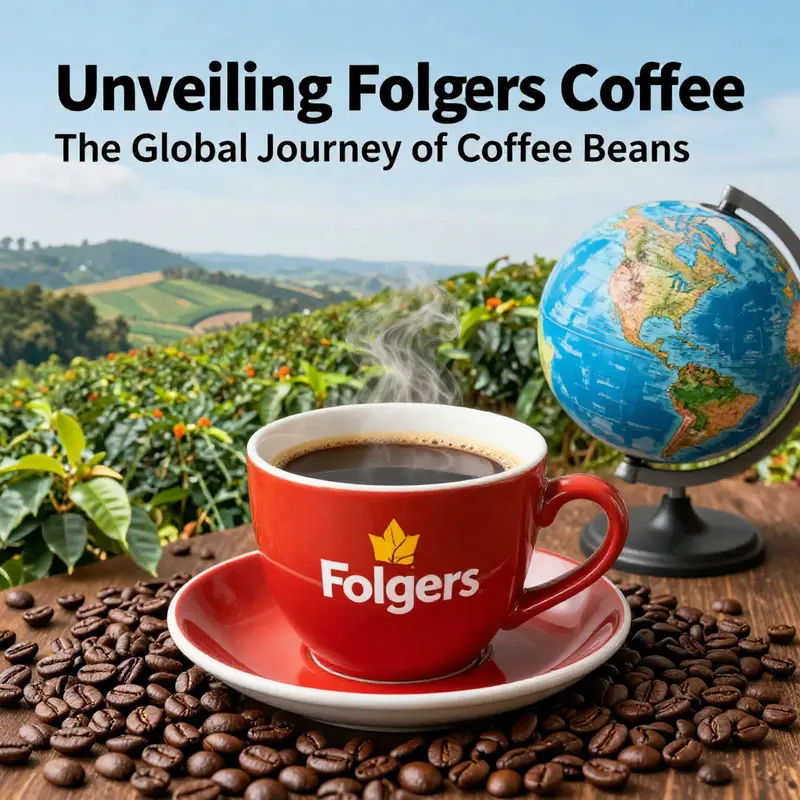
Folgers coffee has long been a staple in American households, valued for its rich flavor and aromatic qualities. But where do Folgers coffee beans come from? This question not only reveals the geographical origins of the beans but also uncovers the sustainable practices and quality standards that underpin the brand. From Latin America to Africa and Asia, each origin plays a crucial role in shaping the distinctive taste of Folgers coffee. This article will delve into four essential chapters: the global origins of Folgers coffee beans, the sourcing practices and sustainability efforts, the quality and agricultural standards that ensure premium beans, and the economic impact of these beans in the coffee industry. By understanding these facets, business owners can appreciate the full story behind every cup of Folgers coffee and its implications for their own coffee-related endeavors.
Roast Across Borders: Tracing the Global Origins Behind Folgers Coffee Beans
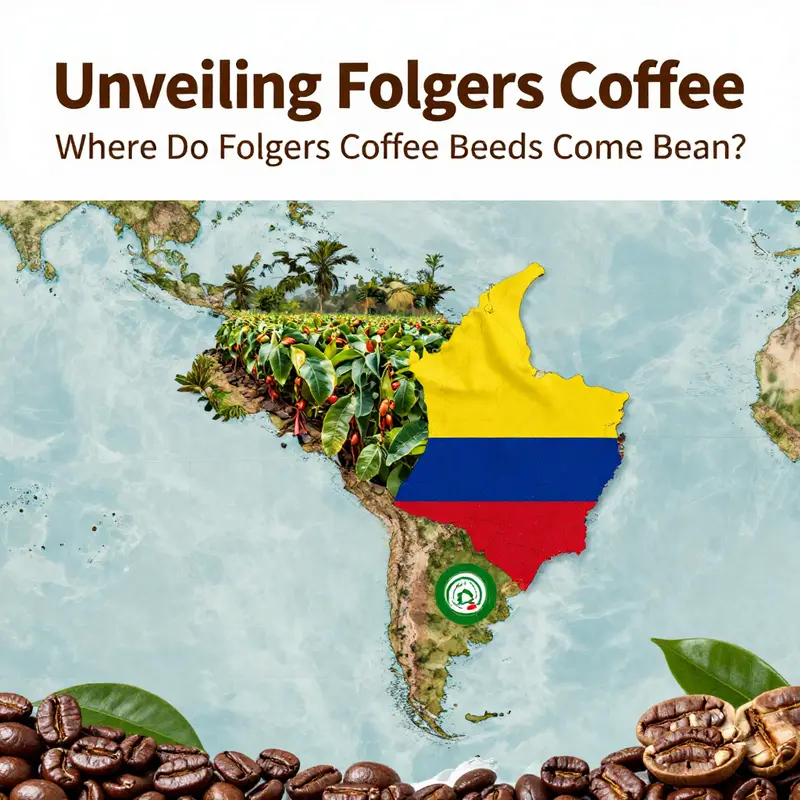
To understand where Folgers coffee beans come from is to follow a winding path that stitches together farms on highland plateaus, sunlit valleys, and misty forests across the world. It is a journey that begins long before a bean is roasted and ends in a consistent cup that millions recognize by habit. Folgers, like many major coffee brands, builds its signature blends from a mosaic of origins. The aim is not simply to source beans from a place with the best flavor, but to cultivate a reliable supply that preserves quality, supports sustainable farming, and sustains flavor when the beans finally reach the roaster’s drum and then the consumer’s cup. The narrative of Folgers beans moves across three broad regions – Latin America, Africa, and Asia – each contributing distinct characters to the final blend, while a shared commitment to ethical sourcing and steady quality ties these distant farms to a single, familiar aroma at home.
In Latin America, the story begins in places that have long defined the region’s global reputation for coffee. Colombia, Guatemala, and Brazil anchor Folgers’ regional strategy, each country offering a different balance of acidity, body, and flavor notes that can be blended to shape a classic profile. Colombian beans are often celebrated for a balanced acidity and a smooth, approachable body. They bring a brightness that can lighten a cup without sharpening it into harshness, enabling a morning brew to feel lively yet comforting. When these Colombian beans enter Folgers’ blends, they often serve as a backbone — a reliable frame that supports more delicate notes from other origins. In Guatemala, the altitude and volcanic soils teeter on the edge of the dramatic; the beans produced there tend to deliver brightness and complexity, a sense of citrus and cocoa that catches the palate’s attention without becoming overpowering. It is this complexity that Folgers can weave with other origins to create a cup that feels both familiar and layered, a kind of quiet drama in a familiar mug. Brazil adds another layer – nutty, chocolatey undertones with a more consistent, sometimes heavier body. The Brazilian contribution often acts as the anchor, providing warmth and a comforting baseline that helps stabilize the blend when other origins offer sharper edges. Across these Latin American origins, the beans travel a well-trodden route: harvest, processing, drying, milling, and the long journey to refineries and blending facilities, where cuppers and quality teams assess flavor, aroma, and consistency before any bean is deemed suitable for a Folgers product.
Farther afield, Folgers reaches into Africa, with Ethiopia standing out as a touchstone for aroma and perception of origin. Ethiopian coffees frequently carry floral notes and fruity brightness, sometimes hinting at wine-like acidity. These beans can lend a cup a distinctive lift, a whisper of jasmine, blueberry, or citrus that can spark curiosity in the drinker’s palate. When Ethiopian origins are integrated into a Folgers blend, they do so with the awareness that the coffee environment can shift from year to year; rainfall, pests, and even harvest timing influence how a given lot tastes. The ability to blend Ethiopian beans with Latin American base coffees is a craft, not just a calculation. It requires cupping sessions, sensory notes, and a commitment to flavor continuity across vintages. In Africa, other origins – though less prominent than Ethiopia in some Folgers blends – also contribute their own textures. They add spice, depth, or a certain roasted sweetness that can complement bright fruit or chocolatey core flavors. The outcome is a coffee that feels expansive, tasting as if it has traveled through a continent of tastes and climates to settle into one familiar cup.
In Asia, the pattern continues with Indonesia as a major source. Indonesian coffees bring earthiness, a robust sweetness, and sometimes a deep cocoa or spice profile. The island nations have a long tradition of sun-dried processing in some regions, which can produce a heavier body and a different kind of sweetness than washed coffees. Indonesia’s contribution to Folgers blends can act as a counterpoint to the brighter acidity of other origins, reinforcing balance and depth. The diversity across these three broad regions – Latin America, Africa, and Asia – lets Folgers engineer a consistent cup despite the natural variability that characterizes coffee farming. The plan is not to rely on a single origin but to curate a spectrum so that even if a particular farm’s lot is slightly off one season, the overall blend remains steady in aroma, body, and flavor profile. This is where the idea of a blend becomes an artistry rather than a simple arithmetic: a carefully balanced recipe that yields the same sensory experience from bag to bag, year after year.
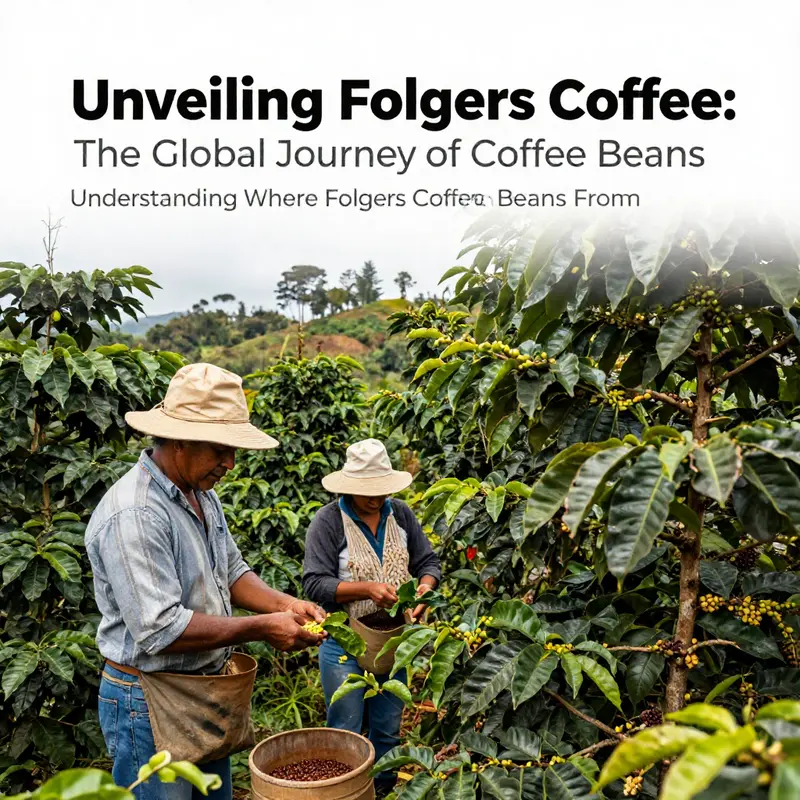
Behind the scenes, the sourcing philosophy emphasizes two interlocking commitments: sustainability and direct relationships with farmers. Folgers frames its procurement around partnerships with farms that practice responsible agriculture, aiming to protect soil health, water resources, and biodiversity. The emphasis on sustainability is not a marketing gloss; it is a practical approach to long-term supply. Healthy soil, shade-grown trees, prudent water use, and reduced chemical inputs tend to produce beans that not only taste better but also resist the stresses of disease and climate variability. In this sense, the chain from farm to cup becomes a cycle in which the farmer benefits from training, fair prices, and stable demand, while the roaster receives beans that meet defined quality standards with fewer surprises. Direct trade relationships, when implemented, create channels for transparency and collaboration. Farmers can invest in better equipment, improved harvest practices, or crop diversification, all of which contribute to more resilient farms and, ultimately, more consistent beans for the cup.
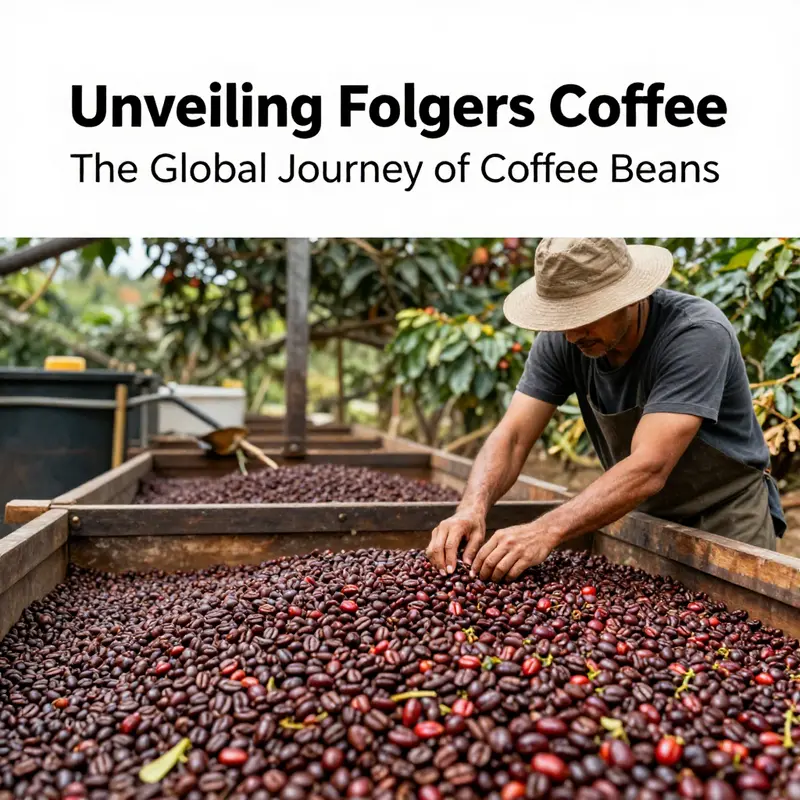
The journey from field to factory – where beans are turned into the green coffee that reaches roasters – also reveals the artistry and science behind consistent flavor. After harvest, cherries are processed to remove the fruit and reveal the beans inside. The method – washed or natural, and sometimes a combination – leaves a distinct imprint on flavor. Washed coffees, common in Latin America, tend to emphasize clean acidity and a well-defined cup, allowing the inherent characteristics of each origin to come through with clarity. Natural or dry-processed beans, found in various regions, can impart a fuller body and fruitier notes, enriching a blend with mouthfeel and sweetness. In Folgers’ blends, these processing choices become levers to tune the final cup. The greens are then dried, hulled, sorted by size and density, and finally bagged for shipment to roast houses. The logistics of moving countless bags across oceans require careful planning: contingency plans for weather disruptions, timely shipments to avoid green bean aging, and quality checks that catch any deviation long before the beans reach bakery-like chutes and harvest-ready roasters.
Roasting then becomes a translation of origin into aroma and taste. A Folgers roast profile is designed to unify the beans’ diverse personalities into a coherent cup. The roaster’s art is to push the intrinsic sweetness and brightness of certain origins into a harmonized chorus with the deeper, chocolatey notes from other origins. The result is a consistent product line that yields familiar aroma and flavor regardless of where the beans originated in a given vintage. This is not mere repetition. It is a deliberate balancing act: controlling the degree of roast to extract sugars, attenuate acidity, and encourage the right level of body. The sensory result – whether you notice a gentle nuttiness, a bright citrus note, or a floral hint – depends on the careful orchestration of variables from origin to roast. It is a craft that requires relentless cupping, data-driven adjustments, and a historical memory of what worked in the past and what must be refined for the future.
The ethical dimension of Folgers’ sourcing cannot be separated from flavor. The company’s emphasis on sustainability and farmer partnerships aligns with a broader industry shift toward transparent supply chains. When growers are paid fairly and provided conditions that support sustainable farming, they tend to invest more in their land, in climate-resilient crops, and in quality practices that can yield more consistent harvests. That consistency translates into a more predictable cup for consumers. It also reduces risk for the entire chain; fewer disruptions in supply mean less volatility in price and availability, and that stability benefits retailers and, most important, the people who grow the coffee. This is a story of shared stakes: farmers rely on reliable demand and fair pricing, roasters rely on steady supply and consistent quality, and consumers rely on a familiar, comforting cup. The overlap among all three is a form of trust built through careful sourcing, continuous improvement, and a willingness to adapt to a changing climate and marketplace.
In tracing the geographic footprints – Colombia’s balanced brightness, Guatemala’s highland complexity, Brazil’s nutty warmth, Ethiopia’s floral lift, and Indonesia’s earthy depth – we see a tapestry that makes Folgers possible. Yet the tale remains anchored in a single daily ritual: the first whiff of a hot coffee as a kettle hums and the day begins. The beans’ origins are more than a map of farms; they are signals of taste preferences, agricultural practices, and cultural stories carried in each brew. The modern coffee supply chain, with its emphasis on direct relationships and sustainable farming, invites consumers to consider not just the cup, but the stewardship behind it. It invites a deeper appreciation for the farmers who nurture the beans, the roasters who coax their aromas, and the brands that curate a blend designed to be both reliable and inviting.
As this chapter closes, the broader arc remains clear. Folgers’ beans travel across continents to meet a palate that expects warmth, balance, and a sense of familiarity – yet each origin contributes its own chapter to that ongoing narrative. The cup is, at once, a reflection of distant landscapes and a shared daily moment. In this sense, the origin story is not merely about geography; it is about how people, practices, and landscapes intersect to produce a consistent experience that feels both grounded and adventurous. The next stage of the story invites a closer look at the way consumers engage with coffee once it reaches their homes, and how understanding origin can enrich the ritual, the appreciation, and the everyday joy of a well-brewed cup. For those seeking official sourcing details, the company’s site provides further insight into its sourcing practices: https://www.folgers.com.
null
null
null
null
From Beans to Balance Sheets: Tracing the Global Sourcing Footprint of a Major American Coffee Brand
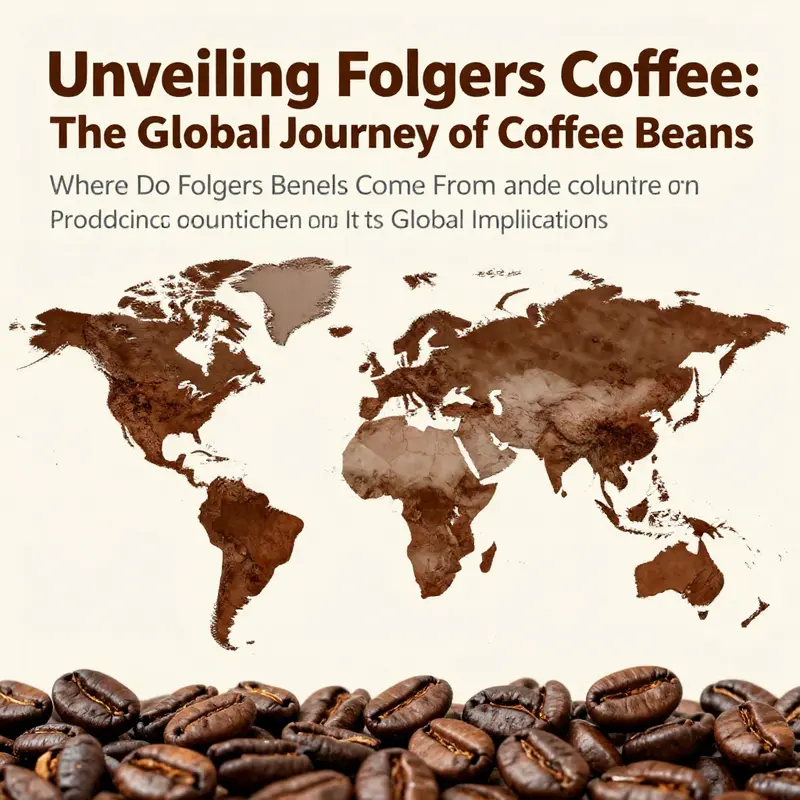
Every morning ritual hinges on beans that travel far beyond the farm. A major American coffee brand sources green beans from vast swaths of the globe, spanning Latin America, Africa, and Asia. The journey from soil to cup is more than a sensory story of aroma and roast; it is a complex economic web that ties farmers to consumers across oceans and currencies. The map of origins is not simply a list of countries; it is a living ledger of livelihoods, climate, commerce, and culture, all converging in a single steaming mug.
The exact sourcing map is closely held; public disclosures show a pattern rather than a point-by-point ledger. Beans are typically drawn from regions renowned for high quality and broad flavor palettes, including Ethiopia in East Africa, Brazil and Colombia in the Americas, and Indonesia in Southeast Asia. Within these countries, farms range from small plots of a few hectares to mid-sized estates, many organized into cooperative networks that give farmers collective bargaining power. Arabica varieties predominate in most premium profiles, while Robusta plays a different role in more robust, full-bodied blends. The brand’s procurement practices emphasize consistency: selecting beans that meet established sensory standards, ensuring traceability from farm to mill, and maintaining stable relationships with exporters and intermediaries who can deliver quality at scale. The public-facing narrative focuses on quality and reliability, but the backbone is a long chain of contracts, certificates, and logistical coordination that travels from field to roaster and finally to the consumer’s cup.
Sustainability is a defining thread in this story. The brand has built a sourcing philosophy around responsible agricultural practices, aiming to reduce environmental impact while supporting the people who cultivate the beans. Partnerships with farms extend beyond a single purchase; they often include training in sustainable farming methods, soil and water stewardship, pest management, and climate resilience. Certifications and third-party audits provide an external measure of compliance with standards that champion both quality and fairness. The supply chain relies on a network of exporters, millers, and logistics providers who share a commitment to ethical sourcing, even as the global coffee market pressures producers with price volatility and shifting demand. In this sense, the origin story is also a story of accountability, transparent reporting, and ongoing improvement in farming communities that touch every cup.
The economic impact of this sourcing pattern is large and multi-layered. In the Ethiopian context, coffee is often described as the heartbeat of the economy. The country has long depended on coffee exports for national income, with tens of millions of people involved in cultivation, processing, and trading activities. When a major American brand places significant orders for Ethiopian beans, those cash flows ripple through rural families and town economies, aiding household purchase power, financing education, and sustaining local services. The broader narrative is not about one brand’s success alone but about how demand from global markets can stabilize incomes for farmers who face the vagaries of seasonal harvests and weather. The 2023 liberalization of import regulations in markets like China opened new channels for Ethiopian beans to reach an even wider audience, expanding opportunities for exporters and the farmers who supply them. While this policy shift is only one of many macro forces shaping the sector, it signals a global appetite that reinforces the value of producing high-quality coffee beans across diverse landscapes. At the same time, Brazil and Colombia function as the industrial core of supply, with record volumes moving through plantings, processing facilities, and a robust export infrastructure that sustains thousands of livelihoods. Brazil’s vast acreage, cooperative networks, and advanced processing translate into predictable supply for roasters and stable income for smallholders and laborers alike. Colombia contributes a nuanced terroir and a historic export framework that keeps millions employed and connected to a long-standing system of mills and logistics. When beans from these countries enter the global system, they feed not only roasters but also distributors, brokers, and local traders who depend on steady demand. The economic ripple extends beyond farmers to transporters, mill workers, and gear suppliers who support the logistics corridors that keep the supply chain moving, even as the market contends with price cycles and shifts in global demand.
Beyond the ledger of country statistics lies a broader truth: the global trade network is a platform for development. The same routes that deliver beans to a U.S. marketplace also help strengthen infrastructure in producing nations. Roads, warehousing facilities, port handling, and cold-chain logistics expand capabilities that communities can reuse for other crops or commodities. Sustainable farming practices—soil conservation, shade-growing where appropriate, water reuse, and reduced chemical inputs—benefit ecosystems while improving yields over time. Certification programs, which many suppliers pursue to secure premium markets, not only promise higher prices but also encourage adherence to environmental and labor standards. The supply chain’s emphasis on transparency and accountability creates a climate where communities can anticipate investment in education, health services, and local entrepreneurship. The net effect is a more resilient rural economy, better access to finance for farmers through improved cash flows, and greater transparency for buyers who seek to meet increasingly strict consumer expectations about where their coffee comes from and how it is produced. This is where the act of sourcing crosses into a policy space—where corporate choices align with development goals and shape national trajectories around a globally traded good.
The chain is not a straight line from field to mug. It is a layered network that includes farmers, cooperatives, exporters, mills, roasters, and retailers, each node adding value and risk. Farmers invest in the crop with careful attention to soil health, shade as a climate strategy, and timely harvests. Cooperatives provide bargaining power, shared processing infrastructure, and access to credit. Exporters bring expertise in sorting, quality control, and international logistics. Mills transform coffee cherries into parchment and green coffee ready for shipment, a process that demands moisture control, precise drying, and systematic grading. Roasters assess cupping profiles, roast to unlock consistent flavors, and align with brand standards so that consumers can expect the same experience whether they purchase a bag in Des Moines or a shop in Seattle. In this ecosystem, pricing is a major driver. The commodity and futures markets respond to weather, harvest yields, currency fluctuations, and even global macro events. A brand that commits to steady, long-term purchasing arrangements can provide revenue stability to producers, which in turn supports investment in trees, farm workers, and community services. This stabilization matters as climate risks intensify and as smallholders confront the challenge of maintaining quality under shifting rainfall patterns and heat stress. The sourcing story, in other words, intertwines agricultural sustainability with financial prudence, quality assurance with social licensing, and long-term resilience with near-term market realities.
From the consumer perspective, the popularity of origin-specific tasting notes and ethically sourced blends has reshaped expectations. People want to know not only where their coffee originates but also the conditions under which it was produced. Traceability systems—whether built on certifications, digital lot-tracking, or cooperative records—offer a way to connect the consumer to the farm and to see the difference that good agricultural stewardship can make. This transparency does not originate from a single source but emerges from a mosaic of partnerships that span continents. The narrative of origin thus becomes part of the brand promise: quality that is tied to responsibility, flavor that is supported by fair compensation, and integrity that can be verified through independent audits. In practice, this means brands may prioritize suppliers who participate in recognized certification schemes, maintain robust grain traceability, and demonstrate willingness to invest in community development. The effect is to raise the floor for farming communities while expanding the upper range of flavor possibilities available to roasters and brew masters. And as demand grows for sustainable credentials, the relationship between consumers and producers deepens, enabling producers to plan for the long term rather than simply surviving from harvest to harvest.
Yet the story remains complicated. Farmers in some regions face weather surprises, insects, and disease pressures that require adaptive management and financial support. Smallholders often rely on premium payments to cover investments in improved processing equipment, better drying facilities, and training in quality control. Access to credit and market information can be uneven, which is why the role of exporters, cooperatives, and development programs is so critical. The global coffee market thus becomes a balancing act: rewarding quality and ethics while managing price volatility, currency risk, and the cost of safe and reliable transport. The brand’s commitment to consistent quality across lots helps anchor demand, but it also elevates expectations for sustainability and social responsibility. In this light, origin stories serve not only as marketing narratives but as blueprints for how to align production with a shifting global palate that increasingly favors transparency, environmental stewardship, and fair labor practices.
Finally, considering the origin of these beans also invites reflection on the broader economic geography of coffee. The same beans that awaken mornings in one country could nourish livelihoods in another region weeks later. The geographic diversity of origins protects against overreliance on a single region, while the cultural dimensions—processing methods, fermentation profiles, and roasting preferences—enrich global coffee culture. Consumers benefit from this diversity as flavors range from chocolatey and nutty to floral and fruity, a spectrum that mirrors the climate and altitude of origin regions. The conversation around origin thus becomes a conversation about resilience and interconnectedness: the willingness of a major market to support farmers through long-term purchasing, the role of governments and multilateral institutions in funding rural development, and the ongoing work of research in agronomy and supply chain management that helps producers adapt to climate change and market demands alike.
For readers curious about the broader economic dimensions of the global coffee trade, a respected World Bank analysis offers a lens on how demand in consuming nations translates into export revenues and investment in producing economies. The coffee value chain links small farms with international markets in a way that can transform livelihoods and regional development when managed with transparency and care. The arc from soil to cup, when understood in its entirety, reveals a system where every purchase supports a network of farms, families, and communities that would not participate in the global market without sustained demand and fair pricing.
External resource: For a broader perspective on the global coffee market and its economic dimensions, see the World Bank report at https://www.worldbank.org/en/topic/trade/publication/global-coffee-trade-and-economic-impact.
Final thoughts
Understanding where Folgers coffee beans come from provides insight into not just the flavors enjoyed in each cup, but also the meticulous care and sustainability efforts involved in their sourcing. The journey from coffee farm to the consumer is filled with dedication to quality and responsible agriculture, which ultimately enhances both the product and the economic landscape surrounding coffee cultivation. For business owners, this knowledge pays dividends in the quality of offerings to consumers. By embracing sustainably sourced coffee, businesses can enhance their reputations and connect with a growing market that values ethical practices.