
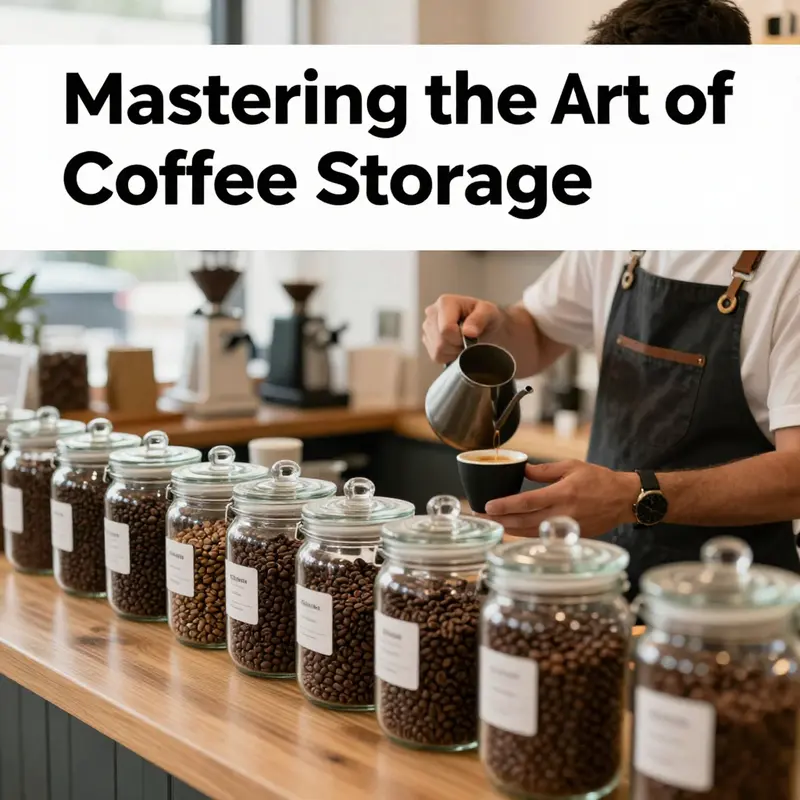
For business owners in the coffee industry, ensuring the freshness of coffee beans is paramount. The delicate flavors and aromas that customers seek can easily be compromised without proper storage techniques. This guide explores the essential practices for storing fresh coffee beans, helping businesses maintain their product’s integrity and deliver an exceptional coffee experience. Each chapter delves into specific storage strategies—from choosing the right location and container to understanding the implications of freezing beans and making smart purchasing decisions.
Guarding Aroma: Storing Fresh Coffee Beans in a Cool, Dark Haven
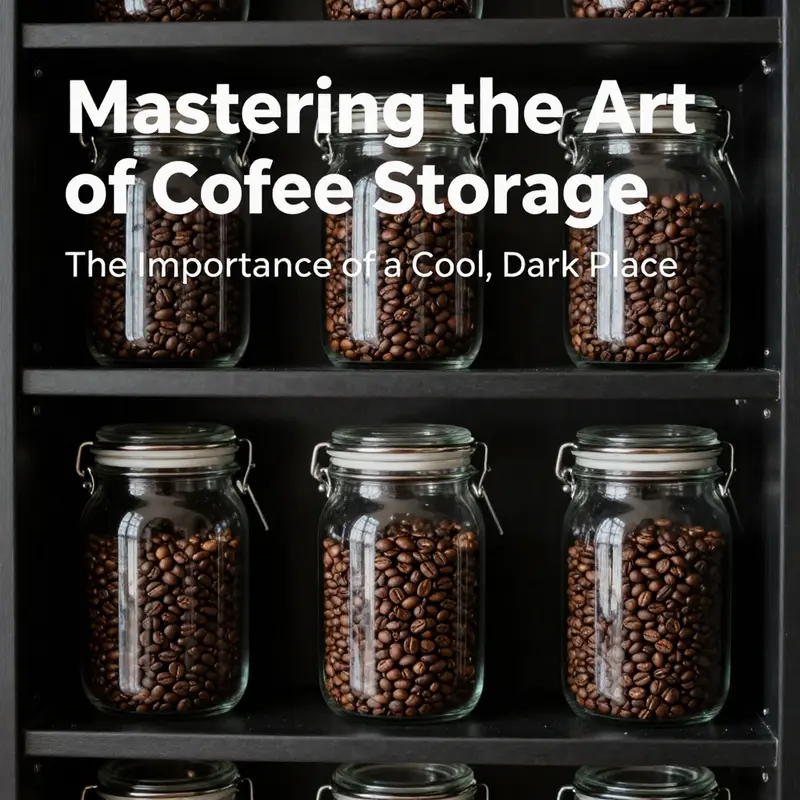
Preserving the bright, nuanced flavors of fresh coffee beans begins long before the brewing ritual. It starts with a careful act of hiding the beans from the four prime saboteurs: light, oxygen, heat, and moisture. Each of these adversaries nudges the beans toward staleness, but their worst effect follows when they work in concert. Light, especially direct sunlight or strong artificial illumination, erodes the volatile aromatics trapped inside the beans. Oxygen, the very element that makes a roasted bean breathe after the roaster stops, gradually oxidizes the oils and sugars that give coffee its character. Heat accelerates both light exposure and chemical reactions, while moisture invites unwanted condensation and flavor intrusion. If you picture coffee as a living memory of origin—its floral sweetness, fruit-like acidity, chocolatey depth—these four enemies are memory erasers. The simplest, most reliable shield is a cool, dark haven where the beans remain dry and undisturbed.
A cool, dark place is not merely a preference but a practical safeguard. A cupboard or pantry tucked away from windows or heat sources provides a stable environment where the temperature remains reasonably constant. Room temperature is fine, but only when it stays away from stoves, ovens, radiators, or any equipment that might introduce heat during the day or night. The reason is straightforward: heat speeds up oxidation, turning delicate aromas into a dull, flat profile that can taste burnt or hollow. In such a space, light is minimized—ideally the door stays closed and the container is opaque or sealed to block any stray rays. A true dark storage zone doesn’t need to be pitch-black; it just needs to be out of the path of sunlight and bright kitchen lamps that linger near the countertop all afternoon.
The choice of container matters as much as the location. Once you break the original packaging, transferring beans to a container with a tight seal is one of the most important steps you can take. Airtight, nonporous vessels—glass jars, metal tins, or purpose-built coffee canisters—create a barrier against oxygen. Unlike porous or wide-mouthed options, these containers slow the exchange of air and help preserve the oils that carry aroma and flavor. The lid should be reliable, with a gasket or a precision seal that keeps the contents from meeting air every time you open the jar. The container should also screw or snap shut firmly, with no gaps that air can slip through when the lid is closed. A sealed glass jar has the dual benefit of visibility and sealing power, but any well-made metal or composite canister will perform the same essential function. The key is to choose a container you trust not to leak or breathe in ambient humidity, because even a dry storage space can lose its advantage if the inside of the jar streams moisture or odors from the surrounding air.
An important nuance is the relationship between storage and the roasting timeline. Freshly roasted beans stay at their peak for a window that, depending on the roast and the beans, can extend roughly 30 to 45 days after roasting. Within that window, a consistent cool, dark environment helps the beans maintain their character longer. If you can use the beans within two weeks, you’ll usually enjoy brighter acidity, more pronounced aroma, and more defined body. Over time, flavor compounds drift toward a more muted profile. You do not gain by leaving roasted beans in a bag with a loose seal on the kitchen shelf; the exposure to air accelerates staling even in a cool room. The objective is not to stop time entirely but to slow the clock enough to enjoy the beans at or near their best.
A few practical guidelines help translate this theory into daily practice. First, avoid the refrigerator for everyday storage. Although the fridge is cool, it introduces fluctuating temperatures and, more importantly, higher humidity. Those conditions encourage condensation on the surface of the beans when you bring them back to room temperature, and they also invite the beans to absorb odors from other foods. The crisper drawer, with its even higher humidity and variable temperature, is an especially poor choice. The freezer can be used for long-term storage, but only if you approach it with care. For large quantities you can’t finish promptly, dividing the beans into single-use portions and vacuum-sealing them minimizes air exposure. When you need to use a portion, thaw it in its sealed package on the countertop to prevent condensation on the beans. Once thawed, open and use promptly, rather than refreezing, to avoid texture and flavor compromises.
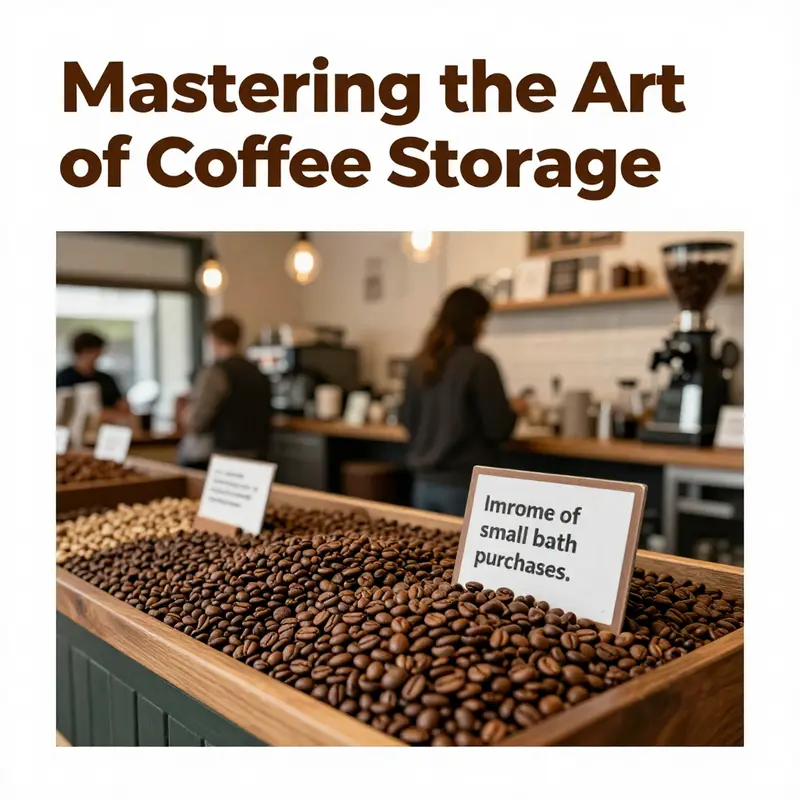
A broader habit supports freshness: buy only what you can consume within a reasonable period. Roasted beans begin to lose their peak flavors after roasting, and the window of maximum flavor is best identified by practical consumption rates. In many roaster circles, beans are considered peak for tasting within the first two weeks and still acceptable for another couple of weeks if stored properly. The idea is to align purchase quantities with this rhythm, avoiding the temptation to stockpile large reserves that slowly drift from vibrant roast notes into a flat profile. This approach reduces waste and preserves the sensory memory of each origin and roast without relying on drastic storage methods.
Another foundational practice is keeping beans whole until the moment of brewing. Ground coffee has a dramatically larger surface area exposed to air, which accelerates oxidation and flavor loss. Whole beans preserve more aroma compounds until you grind them just before brewing. The grind size you choose can also impact how quickly you perceive staleness; a finer grind might reveal subtle flatness sooner than a coarser grind, which can mask some of the dulling that occurs with age. By grinding only as needed, you keep the essential oils and aromatic volatiles intact for longer, preserving brightness and complexity in the cup.
The discipline of storage is not merely a means of preserving taste; it’s also a way of respecting the craft behind a good cup. Each bean carries a story—from the harvest and processing to the roast profile and packaging. The moment you open the bag or jar, the clock begins ticking on a new chapter of flavor. In a well-planned kitchen routine, you establish a habit of stocking only what you’ll use within a short span, transferring beans to an airtight container, and placing the container in a cool, dark corner of the cabinet where it remains stable day after day. Over weeks, this routine yields a cup that carries the memory of its origin and the care you invest in safeguarding it.
For those who do face the challenge of a limited storage space or unusual kitchen layouts, the core principles remain the same: minimize light exposure, limit air contact, avoid moisture, and maintain a stable, cool environment. The subtle distinction between a good storage plan and a merely adequate one often comes down to the small choices that compound over time. The right container chosen with a reliable seal, a storage site shielded from heat and light, and a mindful approach to quantity all work together to protect the beans’ aroma and flavor. When these elements align, the coffee that greets you at the kettle or the French press isn’t simply hot liquid; it’s a faithful rendition of the bean’s origin, roasted with care, and kept in that careful, protective space between roasting and brewing.
In the end, the act of storing fresh coffee beans becomes less about fear of staleness and more about enabling a dependable ritual. It’s about creating a small, controlled environment that respects the chemistry of coffee while simplifying daily life. The best setup is quiet, unobtrusive, and consistently applied. A cool, dark, dry location paired with an airtight container gives your beans a fighting chance to maintain their complexity, their fragrance, and their personality across the days they accompany you from grinder to cup. When you approach this routine with patience and precision, you’ll notice that the difference is measurable not just in a more vibrant aroma, but in a cup that tells a clearer, more faithful origin story every morning.
External resource: https://www.seriouseats.com/the-food-lab-coffee-storage-1469379
Sealed for Freshness: Mastering Airtight Storage to Preserve Fresh Coffee Beans

A bag of freshly roasted coffee carries more than aroma; it carries a memory of the roast, the moment the beans began to release oils and micro-escapes of fragrance. The way you store those beans is not a trivial afterthought but a living part of the brewing ritual. When you respect the conditions that preserve flavor, you extend the bean’s story from the roaster to your cup. The guiding principle is simple: keep heat, light, and moisture away, and minimize exposure to air after opening. Do that, and you’ll find the flavor and aroma linger longer in your grinder and your cup than you might expect from a casual kitchen setup. In practice, this means choosing a storage strategy that treats the bean as a volatile, delicate product rather than a bulk pantry staple. A cool, dark place is essential. The kitchen cabinet or pantry, tucked away from the stove and the sink, often works best. Stoves radiate heat, and ovens, microwaves, or even a coffee warmer can create microclimates that accelerate the staling process. Direct sun or bright light is more than a cosmetic concern; it speeds oxidation and breaks down the oils that give coffee its complexity. A cupboard that’s stable in temperature, free from drafts, and not adjacent to an appliance that hums or vents moisture is a quiet guardian of freshness. The goal is not a perfect climate chamber but a steady, predictable one—one that keeps the beans at a temperature that discourages rapid aromatic loss and avoids the moisture swings that can dull the cup.
Another key rule governs how you handle the beans once the bag is opened. Oxygen is the stealth enemy here. It migrates into the bag or container and, slowly but surely, reshapes the bean’s profile through oxidation. That is why the next crucial step is to transfer the beans to a purpose-built airtight container as soon as you finish pouring from the bag. A high-quality airtight container—whether a sealed glass jar with a rubber gasket or a vacuum-sealed canister—acts like a personal vault for your coffee’s aroma. It reduces the bean’s exposure to air, preserving those delicate oils and the nuanced notes that characterize a great roast. When you select the container, prioritize a secure seal. A tight fit is more important than flashy design because even a small leak of air compounds over days and weeks, dulling the brightness you tasted just after roasting. This is the moment to lean on the same logic you’d apply when choosing the right tools for a precise task. In fact, consider the concept of storage tools as a parallel to the careful selection of kitchen equipment: the goal is to create a system that minimizes variables and protects quality. For a thoughtful nod to the idea of proper tools in daily routines, you might explore the resources on https://coffee-beans.coffee/blog/tools-and-equipment-for-occupational-therapists/.
With your beans secured behind a true seal, the location in your home matters. The container should live in a cool, dark corner of a cabinet rather than a sunny shelf or a spot near the range where heat excursions occur. Temperature stability matters more than extreme cold in this context; drastic fluctuations invite moisture condensation and flavor loss. The difference between a few degrees of ambient warmth and a few degrees of chill is subtle but real when it comes to the fragile balance of aroma compounds and oils. It’s tempting to think of refrigeration as a shield against staleness, but in most households it becomes a trap. The crisper drawer, which is designed to maintain humidity for produce, tends to subject coffee beans to repeated cycles of condensation as the fridge door opens and closes. Those cycles are not benign; they invite dampness that invites off-notes and a flatter profile. The freezer, meanwhile, deserves a more nuanced discussion: it can be a friend for long-term storage only if you approach it with discipline. If you must freeze, divide the beans into single-use portions, vacuum-seal them or seal them in airtight containers with minimal air, and thaw them in their sealed package at room temperature before opening. This controlled thawing minimizes the condensation that forms when warm air rushes into contact with cold beans. Then, only grind what you intend to brew in a single session. The goal is to preserve a single, reliable flavor profile rather than repeatedly reintroducing the beans to air and temperature swings that erase subtle nuances.
A practical daily rhythm helps keep freshness alive. After roasting, the general guidance is to aim for a window of flavor that remains vibrant for about 30 to 45 days, with peak brightness in the first few weeks. This is not a hard deadline but a guide: coffee’s best moments are concentrated in the early life of the roast. If you buy in bulk, portion your purchases so you consume them within this window. The best approach is to buy only what you can use before the flavor begins to drift. When you open a bag, transfer the beans to your airtight container immediately. If you don’t plan to grind the entire bag in one sitting, portion the beans into smaller quantities that fit your typical brewing sessions. This reduces the amount of air left in the primary container and lessens the chance of stale flavors seeping back into your cup. After each use, reseal the container tightly. A little routine goes a long way here. The goal is simple: minimize air exposure after opening while keeping the environment stable enough to preserve aroma and oils. Do not linger with the thought that the original bag is sufficient. Even with a one-way valve, most bags are not truly airtight for long-term storage, and air will creep in over weeks of storage. Transferring beans to an appropriate container is a decisive step toward preserving the coffee’s integrity and complexity.
Beyond the mechanics of storage, there is a qualitative aspect to consider—the way we perceive freshness. When a bean is freshly roasted, its surface oils are most volatile, releasing aromatics that perfume the brew. As those oils migrate away and oxidative reactions proceed, flavors become muted and the aroma fades. The storage choices you make act as a gatekeeper for those processes. A well-sealed container in a cool, dark place, used consistently, helps maintain a stable environment that slows oxidative changes and retains the bean’s character for as long as possible. It’s not a trick to cheat time, but a method to align the storage environment with the bean’s natural tendencies—oil-rich seeds that thrive when shielded from heat and air. The result is a more faithful extraction when you finally grind and brew, with a profile that remains faithful to the roast’s original vision rather than a compromised version that arrived from the grocery shelf already past its prime. The discipline, modest as it may seem, pays dividends in the cup. And while the science of aroma is intricate, the practical steps you take in the kitchen are straightforward and repeatable, turning storage into a reliable part of the ritual rather than an afterthought.
In considering long-term storage, it is worth noting that a few small habits compound over time. Grinding only what you need is as important as proper storage. Ground coffee loses flavor at a rate far faster than whole beans, because grinding increases surface area and accelerates oxidation. By keeping beans whole until just before brewing, you leverage the full arc of the roast’s aroma and oils. When you do grind, do so with a burr grinder if possible, and measure the dose to your brewing method. Freshly ground coffee can deliver a dramatic difference in aroma and body, but only if the beans have remained well preserved up to the moment of grinding. The goal of these practices is to preserve the integrity of the roast’s flavor compounds for the moment they meet hot water. You want the moment of extraction to reflect the bean at its best, not at a stage where storage has dulled its personality.
In sum, the path to maximizing freshness lies in restraint paired with intentionality. Choose a truly airtight container, place it in a cool, dark spot, and avoid the fridge for everyday storage. If long-term storage is necessary, pre-portion and freeze with care, then thaw without exposing the beans to warm air. Buy what you can enjoy within a couple of weeks of roasting, and resist the urge to accumulate more than you can reasonably drink in that interval. Keep beans whole, and grind only as you brew. These choices, simple in themselves, cohere into a storage approach that preserves aroma, protects flavor, and ensures that the beans you reach for in the morning deliver the cup you expect rather than a pale echo of it. For readers who want a broader overview of coffee science and storage concepts, see https://en.wikipedia.org/wiki/Coffee.
The Cold Curse: Why the Refrigerator Is the Worst Home for Fresh Coffee Beans
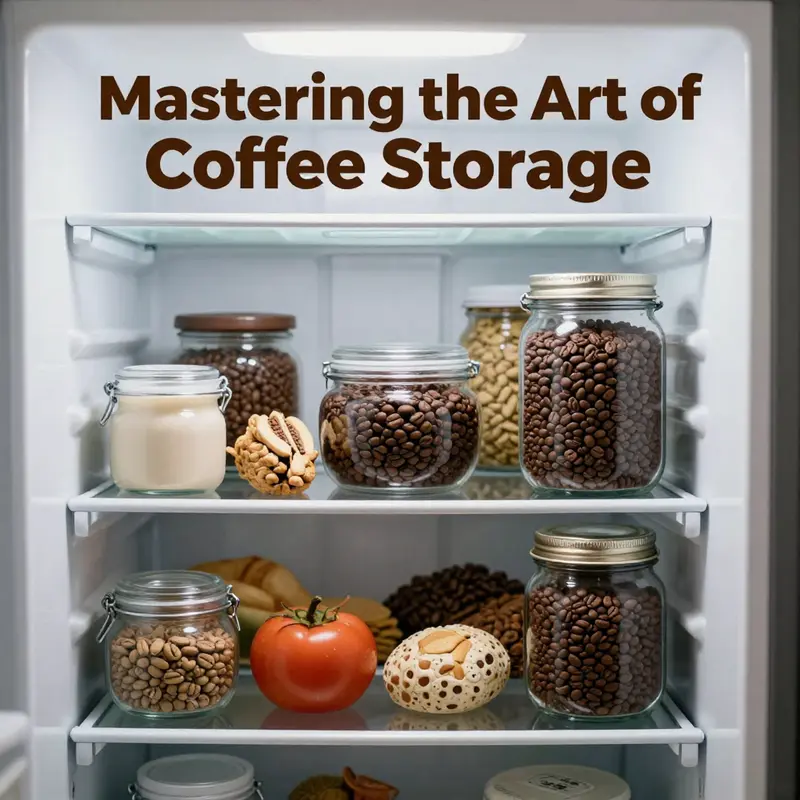
When you reach for a bag of freshly roasted beans, the instinct to tuck them into the fridge can feel like a smart safeguard. After all, a cool, dark place sounds ideal, and a fridge seems to offer an extra shield against heat and humidity. Yet the refrigerator, with all its modern convenience, becomes a harsh conductor of scent, moisture, and contradictory temperature. Stored there, beans enter a kind of quiet struggle with their own chemistry, a battle that often ends with a flavor profile that tastes dull, stewed, or flat. The fridge promises safety but delivers a hidden leach on aroma and brightness. Reading through the science behind coffee storage helps separate good intentions from effective practice. The fridge is not the neutral, stable sanctuary beans need; it is an active environment that alters them in surprising and undesirable ways.
First, consider moisture. Refrigerators are designed to keep foods cold and relatively humid enough to prevent dehydration of perishable items. For coffee beans, that humidity is an adversary. Fresh beans are full of volatile compounds—the delicate oils and aromatic molecules that define their character. When warm, dry beans travel into a humid cold environment, the moisture balance shifts. Condensation can form on the surface as soon as the temperature inside the fridge swings or when you retrieve the bag and it encounters the warmer kitchen air. That surface moisture seeps inward, dampening those oils and porous structures that carry acidity, sweetness, and that lively, roasted perfume. Once the oils are compromised, the beans lose their snap and the flavors drift toward a stale, flat, or even sour note. The result is not simply a temporary dulling; it is a structural alteration of flavor compounds that can take days to recover, if it recovers at all.
Odor, the other invisible force, is the fridge’s quiet, persistent antagonist. Our homes are a mosaic of scents—onions, garlic, herbs, dairy, fish—breathing in and out with every door swing. Coffee beans are highly porous and will readily absorb stray odors if given even a modest opportunity. A tightly sealed container can slow this, but nothing is foolproof. If a bag of beans is placed in a fridge, those odors can weave into the packaging, especially if the seal is imperfect or the container is not truly impermeable to aroma. The oils that carry the roast’s sweetness and complexity can pick up these notes, leaving behind an aftertaste that reminds you of a pantry shelf rather than a coffee bar. The aroma that should ripen with your morning brew instead hovers in a faint, unfamiliar bouquet, and that difference might not be obvious at a casual glance, but it is perceptible in the cup.
Then there are temperature fluctuations—the fridge’s quiet, unglamorous drama. Each time you open the door, the interior experiences a tiny thermal earthquake. Beans move from a cool, stable microenvironment to warmer air, then back again. This cycling matters because coffee’s internal structure depends on stability. The rapid, repeated expansion and contraction of the bean’s microstructure can gradually disrupt the delicate balance of volatile compounds. You don’t need to be a science insider to sense that stability matters: a constant, cool, dry, dark environment preserves the integrity of the beans far more effectively than cycles of warming and cooling. The fridge’s door is not a luxury feature; it is a source of destabilizing energy that accelerates flavor loss and aroma degradation far beyond what room temperature storage can inflict when done correctly.
Even the act of refrigeration does not slow oxidation in a straightforward way. At first glance, cold temperatures might seem to suppress oxidation, the chemical process that steals flavor from coffee. But the story is more subtle. The moisture, odors, and temperature swings inside a refrigerator create a combination of conditions that can, paradoxically, hasten the degradation of sensitive compounds. In effect, any theoretical delay from cold is undermined by the constant chance of condensation and aroma intrusion that the fridge invites. The internal chemistry of coffee favors dryness, darkness, and stability—three conditions that are rarely found simultaneously in a kitchen fridge. The result is not simply a longer shelf life; it is a compromise in aroma, sweetness, and the very perception of vibrancy in the cup.
What, then, is the responsible path for someone who wants to preserve maximum freshness without surrendering flavor to a refrigerator’s quirks? The answer begins with a simple reorientation of a few key habits. First, keep beans in a cool, dark place that remains consistently dry and out of direct heat sources like stoves, ovens, and sunny windows. A cupboard or pantry that sits away from the range is ideal, especially if it stays close to room temperature rather than dipping below or spiking higher with every use. The storage container matters; the best option is an opaque, airtight vessel that blocks light and seals tightly against air ingress. Glass, ceramic, or metal can all work well, provided the lid really seals. The logic is straightforward: by limiting both light and air exposure, you slow the interplay of oxygen with oils and aromas, helping to keep the bean’s profile faithful to roast day.
Longer-term storage demands a slightly different calculus. If you’re contemplating stocking beans for more than a couple of weeks, the consensus among experts leans toward freezing, but with rigorous discipline. Portioning into small, single-use quantities minimizes the exposure of a large bulk to the cold. Vacuum sealing or using airtight bags with as much air removed as possible reduces freezer burn and moisture migration. When it’s time to use a batch, thaw it in its sealed environment and only then open the package. Allowing condensation to form on the surface as warm air meets frozen coffee undermines the very objective of careful freezing. The surface moisture can rupture the integrity of the roasted oils, inviting flavor drift and aroma loss. The goal remains constant: keep the beans dry, dark, and stable, and only employ freezing as a last resort with a disciplined process.
The practical implications extend to how you shop. The freshest coffee is most likely to deliver peak flavors when consumed within roughly 30 to 45 days after roasting, with a stronger emphasis on consuming within the two weeks of opening for maximum brightness. Consequently, a strategy that emphasizes small, regular buys aligns with flavor preservation far better than bulk purchases. The logic here echoes a broader truth in coffee culture: flavor lives in the moment. Beans are a dynamic, living product whose best characteristics emerge soon after roasting and taper as time passes. While refrigeration tampers with flavors, a thoughtfully organized pantry that respects light, air, and moisture can protect the coffee’s identity for a meaningful stretch of time. Ground coffee fares even worse in this regard, as grinding increases surface area and accelerates oxidation. The simple act of grinding just before brewing becomes not only practical but essential to capturing the bean’s true potential.
The refrigerator’s temptation is not simply about convenience; it taps into a narrative of control that many home cooks find appealing. But in coffee storage, control must be exercised through restraint rather than through a multi-door, climate-controlled gadget. The message is not dramatic or punitive; it is practical and precise. Treat beans like a fragile spice rather than a casual staple. Seek out a cool corner, a lightless container, and a rhythm of use that respects the bean’s freshness window. In doing so, you will notice the difference not only in the aroma when you open the canister but in the clarity of the cup’s flavor—the way the acidity sparkles, the way the chocolatey undertones emerge, the way the finish lingers with a clean impression rather than a memory of yesterday’s leftovers.
If you ever wonder whether the fridge might still have a role in your coffee routine, consider this: the fridge is excellent for perishables that must stay cold and dry, but coffee beans are not perishables in that sense. They are aromatic seeds, a complex blend of oils and volatile compounds that require a temperate, stable, dark environment to hold onto their essence. The few extra minutes spent transferring beans to a proper container, and the few extra steps to store them away from heat and light, are a trade worth making for a noticeably richer cup. The careful reader will recognize that this is not a clever marketing line but a distilled lesson from the science of storage. The fridge is a seductive shortcut; it is, in truth, a misstep for those who want to preserve both the soul and the flavor of their coffee.
In the end, the path to consistently excellent home coffee begins with respecting the environment you provide for the beans. Choose a container that eliminates air and light as much as possible; place it in a cool, dark corner away from heat sources; and, for longer horizons, consider freezing in measured portions with proper sealing, always thawing without exposing excess surface moisture. Buy in cadence with your consumption, and keep beans whole until you are ready to brew. The refrigerator may feel like a guardian against spoilage, but it is a guardian with flaws that are especially cruel to delicate roasted flavors. By honoring the conditions that preserve flavor—cool, dark, dry, and airtight—you unlock the full potential of each roast and ensure that every cup begins with the true character the roaster intended.
Preserving Peak Flavor: Freezing Fresh Coffee Beans for Long-Term Storage
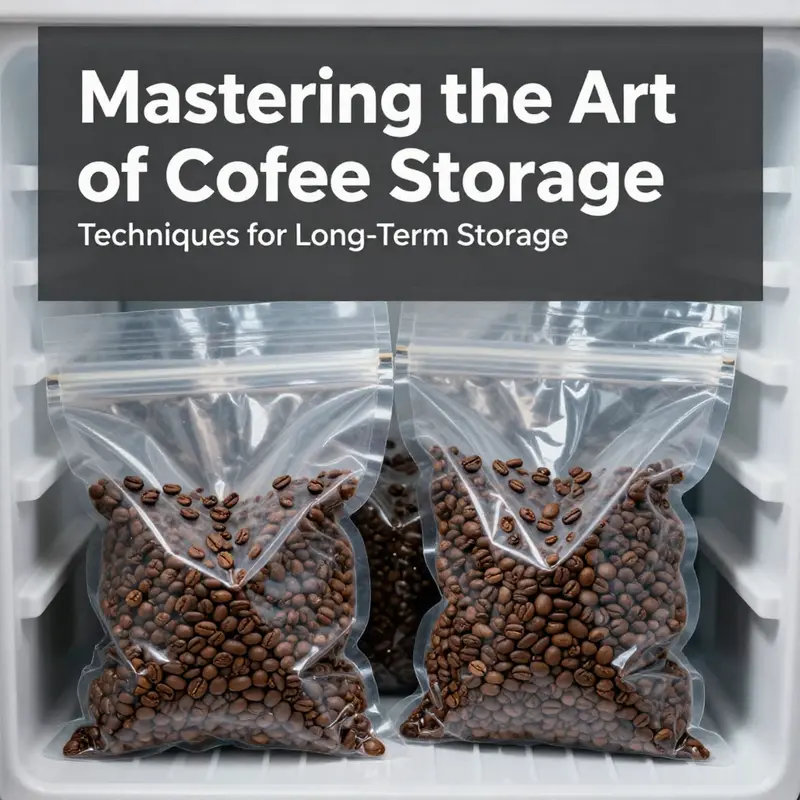
Freezing coffee beans is often a practical choice when the calendar or an unexpected purchase leaves you with more green or roasted coffee than you can responsibly brew in two weeks. It is not a magic fix, but when executed with care, freezing can lock in the delicate aromas and nuanced flavors of beans that would otherwise fade as they sit in a pantry or on a shelf. The science behind this approach centers on temperature and timing. At ultra-low temperatures, the rate of oxidation slows dramatically, and volatile oils—those compounds that carry aroma and brightness—settle into a more stable state. In controlled conditions, research from Switzerland shows that storing beans at -18°C can slow oxidation by roughly forty to sixty percent. That slowdown matters because it gives you a window to enjoy the character of a light roast, such as a citrusy, floral Ethiopian lot, beyond the two-week peak that usually follows roasting. For light roasts, in particular, freezing can extend peak flavor to the realm of twelve to sixteen weeks when everything is done correctly. This isn’t permission to forget about storage rules, but it is a strategic tool for preserving quality when timing and supply diverge from immediate consumption.
To translate theory into practice, a few core techniques must be followed. First, portioning is essential. Divide the beans into small, single-use portions, typically around fifteen to twenty grams each. This amount aligns with a single brew—enough for a comfortable, one-pot or one-cafeteria-style serving—so you don’t repeatedly expose your entire stash to air and moisture with every opening. If you leave larger portions intact, every thaw becomes a trial; the more you handle the beans, the more opportunity there is for moisture exchange and flavor loss. The next step is to vacuum seal each portion in an airtight bag designed for low oxygen transmission. Bags made with aluminum foil, known for their excellent barrier properties, and those labeled with very low oxygen permeability—below about 0.5 cm³/m²/day—work best. The goal is to minimize air inside the package before it hits the freezer, because air is the enemy of fresh coffee flavors. Once sealed, the bags should be placed in the freezer in a manner that keeps them undisturbed and away from foods with strong odors. A dedicated, odor-free corner is ideal; some households even use a little activated charcoal in the freezer to suppress cross-contamination of aromas.
Before you even seal, there is a practical step that protects flavor during the transition from freezer to brewing vessel: ensure everything is tightly sealed. A loose seal invites condensation in the cold-to-warm cycle, and when the beans return to room temperature, any moisture that forms can ruin the surface oils that contribute to aroma and depth of flavor. The moment you remove a portion from the freezer, resist the urge to tear into the bag and pour straight into a grinder. Let the bag—or container—return to room temperature gradually, then open cautiously. This slow thaw reduces the chance of condensation forming on the surface of the beans. If you do notice a light misting on the surface after you’ve waited, you can simply dab it away with a dry, clean cloth before grinding; moisture on the surface is enough to mute the aromatic volatiles when hot water meets the grounds.
Storage location matters just as much as the sealing. The freezer should protect the beans from strong-smelling foods and from the everyday airborne moisture that can drift in from the kitchen. An odor-free section is best; avoid the crisper drawer if possible, where humidity can create a microclimate that accelerates flavor dulling. Some experts also suggest treating the freezer environment like a controlled lab space: keep the temperature steady and avoid frequent door opening during periods of heavy use. You want stability, not oscillation, because every fluctuation invites slight condensation when the beans are thawed. The objective is to preserve the integrity of the complex flavor compounds that can evaporate or react with oxygen when exposed to even modest warmth or humidity.
An optional, but occasionally recommended, refinement is a brief warm-air treatment after thawing. After you have allowed a portion to warm to room temperature, some practitioners gently introduce a mild, controlled warmth of around forty degrees Celsius for a short period. The idea is not to roast again or to cook the beans; rather, it is to help stabilize surface moisture and bring a uniform aroma profile to the surface of the beans just before grinding. Think of it as giving the beans a final, gentle wake-up call rather than a reset. While this step is not universally adopted, it can provide a marginal but helpful boost to flavor stability, especially for beans that have spent longer in the freezer.
As you incorporate freezing into your storage plan, several practical best practices emerge. First, minimize handling. Every time you open a bag or container, you introduce a small amount of air. Each thaw-and-refreeze cycle compounds this exposure, which is why refreezing after thawing is generally discouraged. If you must store multiple batches, portioning remains the most effective guardrail. Second, keep the beans whole until you are ready to brew. Ground coffee oxidizes much more rapidly because grinding substantially increases the surface area exposed to air. If freezing is part of your long-term plan, grind only what you need for the upcoming brew and do so just before you brew. Finally, consult with credible roasters and baristas who emphasize pre-portioned, vacuum-packed freezing as a method to preserve aroma and flavor. The adoption of these practices across premium coffee circles underscores their viability, even for discerning palates.
One of the recurring questions about freezing is whether this approach is compatible with all roast levels. The general answer is yes, with caveats. Darker roasts are often resilient in the freezer; their deeper caramelization tends to hold up during the storage interval. Lighter roasts, which are more volatile, demand stricter adherence to the freezing protocol—smaller portions, airtight packaging, and a stable freezer environment. The key to lengthening the window for peak flavor is to maintain the stability of those volatile compounds. In research terms, the more you reduce exposure to oxygen and moisture, the more you preserve the delicate bouquet of a light roast. When you finally grind and brew, the beans should still carry a bright, nuanced profile—notes of citrus, florals, or berry-like brightness that might otherwise fade after just a couple of weeks on the shelf.
The practical mindset accompanying freezing is one of deliberate restraint. Do not rely on freezing as an everyday substitute for proper stock turnover. The spirit of freezing is to extend a finite harvest window when life, travel, or a sudden spike in demand makes immediate consumption impractical. In other words, freezing serves as a timed storage strategy that complements, rather than replaces, the weekly plan of buying the freshest beans you can consume within the next couple of weeks. Keeping this balance in mind helps ensure that you do not accumulate a freezer full of beans you never grind, nor do you sell yourself short on flavor by thawing too many at once. If you want a broader lens on how structured, careful handling translates across fields that rely on preserving sensitive materials, you can explore related discussions linked here: how-occupational-therapy-supports-mental-health.
The broader takeaway is that freezing is a precise tool in a well-constructed storage system. It is not a universal prescription for all beans or all times. When used correctly, it preserves the integrity of flavor compounds long enough to enjoy a mid-winter Ethiopian cup with a clarity that might have seemed out of reach otherwise. The process rewards patience and discipline: small, pre-measured portions; airtight, low-oxygen packaging; a freezer environment free from strong odors; and a careful thaw that minimizes condensation before you grind. With those steps, you are not simply stowing beans; you are extending the sensory life of your coffee. The best way to gauge success is to compare a frozen, thawed bean against a freshly roasted one under controlled brewing conditions, noticing how the oils bloom in the cup and how the aroma sails from the cup to the room. The goal is a cup that honors the roast’s original intention while recognizing that even the best packaging cannot mask the basic truth that coffee is a volatile, living product that requires respect at every stage of storage.
External resource: https://www.sciencedirect.com/science/article/pii/S0308814625007295
null
null
Final thoughts
Storing fresh coffee beans properly is critical to maintaining their flavor profile and providing excellent service in the coffee business. By following these tailored strategies—from utilizing a cool, dark place to opting for airtight containers and making informed purchasing choices—you can significantly enhance the longevity and quality of your coffee beans. Properly stored coffee not only improves customer satisfaction but elevates the overall coffee experience, ensuring that your business stands out in a competitive market.