
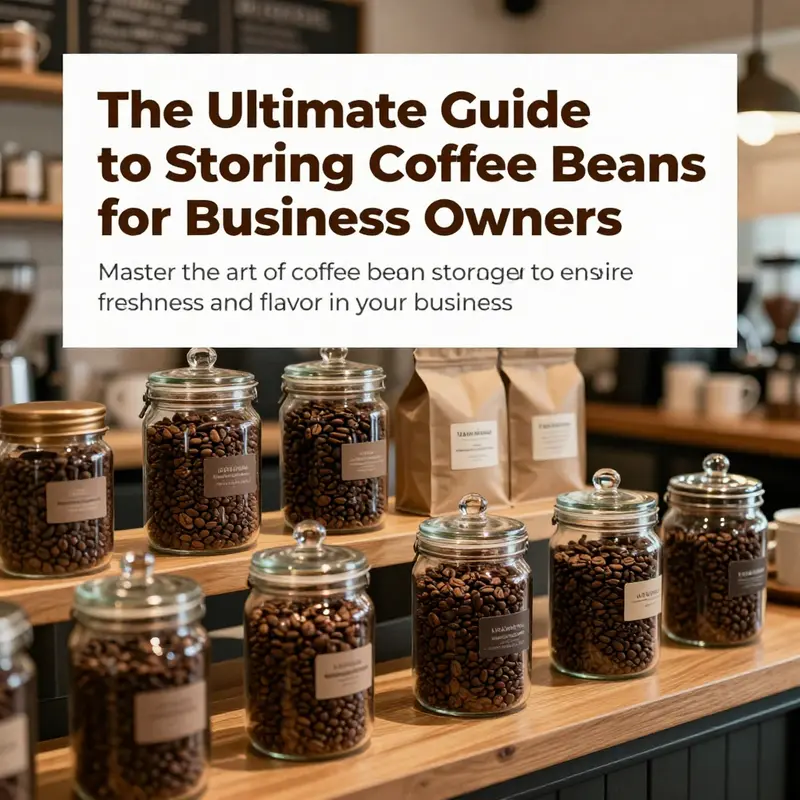
Proper storage of coffee beans is vital for businesses that prioritize quality and customer satisfaction. As coffee enthusiasts grow increasingly discerning, maintaining the integrity of your coffee stock becomes crucial. This guide elucidates the key considerations for storing coffee beans effectively, segmented into five chapters that cover suitable containers, ideal environments, refrigeration pitfalls, practical strategies, and methods for evaluating bean freshness. Understanding these elements will empower business owners to deliver consistently premium coffee products.
Guardians of Freshness: Why Airtight, Opaque Containers Define Coffee Bean Storage

Fresh coffee begins in the roaster, but its true life unfolds in storage. The moment the beans cool, a quiet, ongoing negotiation begins between aroma and time. The flavor you chase in a morning cup is really a battle against a small quartet of enemies: air, moisture, heat, and light. If you want your beans to carry their original brightness through the week, you need a fortress that blocks each of those intruders. The simplest, most effective fortress is an airtight, opaque container. It sounds almost boring in its precision, yet it is the single most important tool in preserving the character of freshly roasted coffee. The science behind this choice is straightforward. Freshly roasted beans are porous and continue to release carbon dioxide for days after the roast. That gas carries much of the bean’s aroma and flavor; it also creates a little built-in pressure inside the bag or canister. If oxygen seeps in, it accelerates oxidation, dulling the beans and accelerating flavor loss. A container that is airtight keeps the air out, slowing oxidation and giving your beans a longer window of distinctive aroma without turning them stale overnight. But sealing the air out is not enough by itself. Light is an active enemy, too. Exposure to light speeds chemical reactions that degrade sensitive compounds responsible for sweetness, fruitiness, and the delicate acidity that makes coffee sing. This is why opaque vessels matter more than we often admit. A transparent jar can be attractive, but it invites light to strike the beans and begin a quiet, steady erosion of quality. The simplest way to honor the coffee’s integrity is to choose a container that is both airtight and opaque. Stainless steel canisters or dark glass canisters with secure lids do the heavy lifting here. These shapes and materials are not decorative; they create a practical barrier against two of the biggest saboteurs. The benefits compound once you understand the way CO2 interacts with the stored beans. When you transfer freshly roasted beans into a storage system, they release CO2, forming a layer inside the container. That layer acts as a cushion, a kind of natural antioxidant that slows oxidation. An ideal container supports this protective layer by remaining sealed and opaque, so the gas cannot easily escape and light cannot penetrate to catalyze unwanted reactions. In this sense, the container becomes less about hiding the beans and more about creating a microenvironment that respects what the roast has already done. The best practice is clear: transfer beans from their heat to an airtight, opaque vessel as soon as they have cooled sufficiently to touch without damage. If you must use a transparent jar due to practical constraints, keep the jar tucked away in a dark cupboard where it is shielded from direct sunlight. Even then, the airtight seal remains non-negotiable. The container’s design matters as much as its material. A one-way valve is a small feature with a large payoff. It allows CO2 to escape while blocking outside air from rushing in. This is especially important in the first few days after roasting, when CO2 production is most vigorous. A dedicated coffee storage canister with a valve provides a more stable interior environment than a standard jar, where air exchange can occur more freely. Yet even without a valve, a high-quality, airtight lid makes a meaningful difference. The key is to close the loop around the beans, not around the room. In choosing an opaque container, many home roasters discover that a simple, practical rule holds: less is more. Use a single, reliable vessel for daily use, and keep the rest sealed in their original packaging or in a suitable container until it’s time to refill. This approach minimizes the number of times you expose beans to air. When you do refill, open strides should be intentional and brief. A short pause, a quick measure, then the lid snaps closed again. Storage location matters as well. The ideal environment is cool, dry, and shielded from heat sources. Heat accelerates oxidation and drives off volatile aromatics that define a coffee’s character. Therefore, the storage spot should be a cabinet away from ovens, stoves, dishwashers, and direct sunlight. A dark, cool pantry or cabinet tucked away from the sink is often perfect. Moisture is another silent antagonist. Any dampness invites mold or staling, and moisture can sneak into a container if the seal is imperfect or if the container is repeatedly opened and closed in a humid kitchen. So, even the most robust container cannot compensate for a poor surroundings. A dry, climate-controlled space helps preserve not just the beans but the consistency of their flavors from batch to batch. It is a small discipline, but it compounds. The conventional wisdom about refrigeration and freezing has long been debated in coffee circles. The general guidance is to avoid refrigeration for home storage. Temperature fluctuations inside a refrigerator can cause condensation when you take the beans out, which introduces moisture and disrupts texture and flavor. Freezing is a possibility, but it brings its own caveats. If long-term storage is necessary, freezing can be an option, but only under strict conditions. Freeze whole, unopened bags or containers in vacuum-sealed, airtight packs. Do not repeatedly open the container; each opening invites moisture and odors to intrude. Only remove what you will use within a couple of weeks after thawing; and never pour frozen beans directly into the grinder. Let them return to room temperature before opening to avoid sudden condensation on the beans. The practical implications of these rules are more about daily habits than grand gestures. A robust strategy is to buy small quantities and rotate through them quickly. The freshest coffee is the one you will brew this week, not the one that sits for months on a shelf. For daily use, divide your supply into smaller portions stored in airtight, opaque containers. This minimizes the air exposure each time you reach for a cup. The rest remains sealed in its original packaging or in a suitable vessel until needed. Ground coffee amplifies exposure to air because the surface area is vastly increased, so a universal rule emerges: grind only what you will brew. This single practice makes a noticeable difference in aroma and flavor, especially when paired with a proper storage setup. Coffee beans, once ground, begin to lose their character almost immediately. The time window is brief, and every minute matters more in the minutes after grinding. In evaluating storage quality, sensory clues are the most intuitive indicators. A vibrant, complex aroma signals vitality; a stale or dusty scent suggests oxidation or age. When you brew, the bloom is another telltale sign. Fresh coffee will bloom vigorously as hot water releases trapped CO2, creating a foamy, aromatic eruption. A sluggish or absent bloom usually indicates that the beans have lost their volatile compounds or their gas content has diminished. These cues—aroma quality and the bloom—combine to confirm that the storage approach is working or reveal when a container has not done enough to protect the beans. The goal is not perfection in every bag, but a consistent chance to experience the coffee’s intended profile. In practice, that means building a routine around the container’s use. Keep a small, daily-use supply in a single airtight, opaque canister. Store the rest in a cool, dry space, guarded from light. When you reach into the pantry, you are not just selecting beans; you are choosing how to preserve a roast’s memory. The psychology of storage matters as much as the physics. The act of transferring beans to a dedicated storage vessel, closing the lid with intention, and placing it in a shadowed corner is a small ritual that protects flavor. It is a ritual that pays dividends at the cup. The pursuit of freshness rewards patience, discipline, and a simple but steadfast respect for the beans’ journey from farm to cup. As you consider the next roast and the next morning brew, remember that the best choice you can make is the choice to shield the beans from air, moisture, heat, and light. An airtight, opaque container does not merely hold coffee; it preserves a fleeting moment of aroma and flavor, so each brew carries the complexity of the roast as it was meant to be experienced. If you ever doubt the impact of this choice, think of the difference between a morning cup that tastes bright and alive and one that tastes muted or flat. The reason is not only the roast but the stewardship of storage. The science supports a straightforward practice: protect the beans with a container that is sealed, shielded from light, and kept in a cool, dry spot. If you adopt this approach, you will notice a more consistent aroma, a more balanced acidity, and a clearer expression of the roast’s intent across days rather than just in the first hour after opening. For a deeper dive into the practical and scientific rationale behind storing coffee beans, see Serious Eats’ The Food Lab guide on storage. This resource reinforces many of the points discussed here and offers a rigorous look at how small changes in handling can yield noticeable improvements in flavor over time. https://www.seriouseats.com/the-food-lab-how-to-store-coffee-beans-2023
Guarding Freshness: The Quiet Science of Storing Coffee Beans
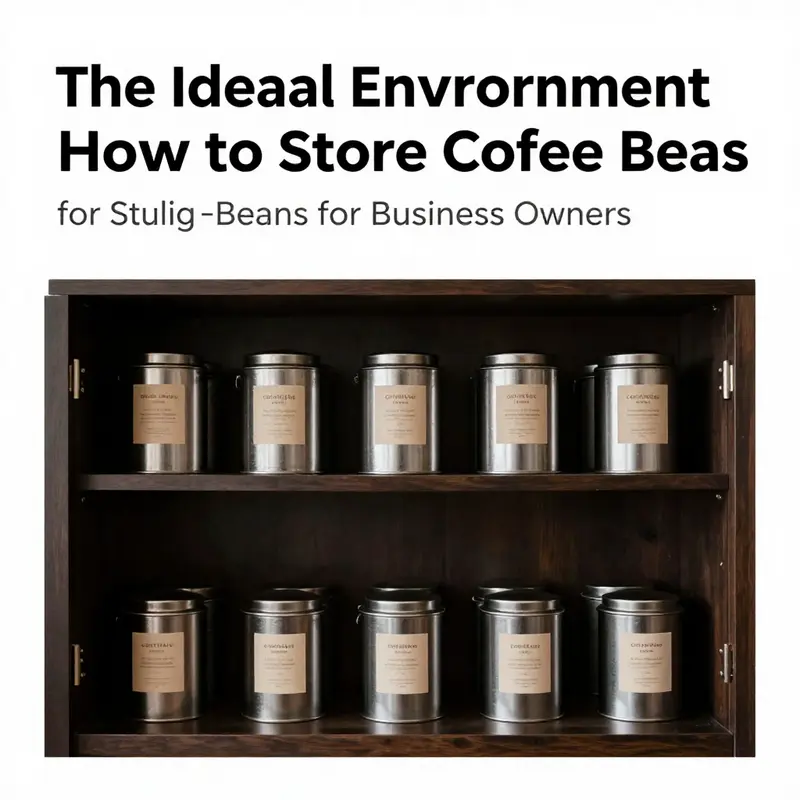
The moment coffee beans leave the roaster, a subtle shift begins. They are alive in the sense that they exchange gases with their surroundings, and what they exchange most is air. The aroma, that complex tapestry of floral, chocolate, citrus, and earthy notes, rides on tiny molecules that are easily braided into a delicate balance by time. If you want to preserve that balance, you picture four silent antagonists pressing in from the outside: air, moisture, heat, and light. Each nudges toward staleness, and together they can dull a roast.
The most important safeguard against oxidation is the container you choose. Freshly roasted beans off-gas CO2; an airtight container is nonnegotiable because oxygen begins unraveling flavors. A dedicated canister with a one-way valve stands out as effective. If you cannot access a valve canister, a dark opaque container that seals tightly will do. Light matters because it can catalyze reactions; if you must use a transparent jar, keep it in a dark cabinet and ensure the lid seals well.
Beyond the container, place the beans somewhere that minimizes exposure. Cool, dry part of your kitchen or pantry is ideal, but not if it doubles as a furnace. Heat accelerates oxidation; moisture invites mold and dulls flavors. So place away from stove, oven, dishwasher, direct sunlight. A shelf in a cupboard or high cabinet in a dry corner works. Do not store beans near sink or in a humid bathroom. The goal is a still environment that does not swing with daily rhythms.
Refrigeration and freezing spark debate. For most home use, refrigeration is best avoided; it’s a furnace for temperature swings. Condensation can form when you bring the bag back to room temperature. Freezing can extend shelf life but carries risk: must be airtight and vacuum sealed and never thaw in a way that allows moisture migration. The best practice remains: only freeze if you truly need to hoard beyond a couple of weeks, and use a vacuum-sealed or freezer-safe container. When thawing, remove only what you will use, allow it to return to room temperature in its container before breaking the seal.
In daily practice, buy smaller quantities you can use within two to four weeks. Large bags tempt you to compromise on freshness. If you do buy a larger bag, portion into smaller airtight containers or vacuum-sealed bags to minimize air inside. The fewer times you expose the interior to air, the slower oxidation. This protects aroma and texture and reduces staleness cues.
One practical habit: grind only what you plan to brew. Ground coffee loses aroma quickly; if you grind on the spot, you preserve integrity of aroma compounds that would volatilize. Grinding becomes a moment of flavor stewardship.
Color and texture matter, but smell and a quick brew test are better indicators. Sniff the bag for a vibrant aroma; dull or dusty suggests aging or absorbed odors. The bloom test in hot water is a sign of freshness: a vigorous bloom means freshness; a weak bloom indicates stale or exhausted gases.
The overarching rule: treat fresh coffee as a small, prized reserve. Buy in quantities you will use within a month, store in a sealed opaque container in a cool, dry, dark cupboard, and use promptly. The guidance from experts emphasizes cool, dry storage, minimal air exposure, and light protection. The container’s integrity, placement of storage, and disciplined purchasing pace determine how much roast survives to tomorrow’s cup.
To tie practical into kitchen narrative: imagine your stash as a small chronicle of a roast’s journey. The moment it leaves the roaster begins a careful voyage through a controlled environment. Your home is its vessel. The vessel is not merely a box; it is a protective envelope against elements that would write the last chapter too soon. When you open the cabinet and the beans murmur with a familiar aroma, you witness restraint over entropy. The chemistry is complex, and preserving it becomes a daily discipline rather than a battle with abstract science.
In closing: the path to maximum freshness rests on a simple trio: airtight, opaque storage; a cool, dry, dark home; and sensible consumption. CO2 is a signal that freshness is a moment, not a guarantee. Respect the signal by choosing containers that let gas out without inviting air in, locating storage away from heat and humidity, and avoiding stockpiling beyond a reasonable shelf life. The practical upshot: coffee tastes best when you honor its natural timing: buy small, store smart, brew promptly. When these habits become second nature, each cup carries the roast’s character and your morning ritual remains an art.
Cold Truths: Navigating Refrigeration and Freezing in Coffee Bean Storage

Cold storage invites a tempting promise: a stash of beans that can be kept for longer and still taste fresh. Yet coffee beans are not ordinary pantry items. They are porous, aromatic, and highly sensitive to the very elements we rely on to preserve food. Moisture, heat, air, and light all conspire to dull their brightness, and among them, moisture and temperature shifts are the most treacherous when we lift the lid of a refrigerator or plunge a bag into a freezer. The story of refrigeration and freezing, then, is less about a universal rule and more about a careful risk assessment. It asks a simple question: what are you hoping to preserve, and for how long? The answer will determine whether a fridge or a freezer—two devices designed to stabilize conditions—becomes a friend or a foe to the flavor and aroma locked inside your beans.
The core problem in cold storage is moisture. Coffee beans sit in a delicate equilibrium of dry surface and a moisture profile that is, paradoxically, always in flux thanks to roasting gases and ambient humidity. When you seal beans in a container and put them in a refrigerator, you invite a cycle of condensation and dryness that can leave the beans with a numb texture and a muted bouquet. The phenomenon is often described as cold sweat: when cold beans meet warm air during a door opening, tiny droplets form on the bean’s surface. Those droplets carry moisture into the interior of the bag or jar, and once inside, the moisture can linger, promoting staling and opening a door for mold if the storage container is not perfectly airtight. Refrigeration is particularly unforgiving because it lives in a humid environment by design and experiences frequent temperature fluctuations as the door opens and closes. The result is not just dampness but a higher risk of cross-odor absorption from other foods in the fridge. Coffee is an aromatic sponge; it absorbs what surrounds it, and in a kitchen filled with diverse scents, a bean can pick up flavors that betray its intended profile.
Given those realities, most experts recommend avoiding refrigeration as a general rule. The fridge presents a paradox: it slows metabolic processes in perishable foods, yet for roasted coffee beans it can accelerate staling by inviting condensation, especially when you retrieve beans and the air around them is warmer than the interior of the container. The refrigerator’s high humidity breaks the dry-storage principle that helps preserve volatile aromatic compounds. And while cold temperatures can hold back certain deteriorative reactions, they do not prevent them entirely—the moment you remove the beans and they warm up to room temperature, condensation can re-form on the surface, reintroducing moisture and reactivating the pathways that lead to weakened flavor and aroma. Across the field, the guidance converges on a single theme: if your goal is to maximize flavor potential in day-to-day home use, refrigeration should be avoided, except in carefully controlled, unusual circumstances.
Freezing enters the conversation as a more nuanced alternative. It offers the possibility of extending shelf life beyond a few weeks, but it is not a magic wand. Freezing acts by slowing or halting chemical reactions and microbial growth, which can help preserve certain flavor compounds. Yet the same moisture and temperature dynamics that plague refrigeration can also surface inside the freezer if beans are not carefully managed. When coffee is frozen, small ice crystals can form and, if they are not contained properly, may disrupt the crystal structure of the bean’s internal matrix. Though ice itself is not inherently dangerous to flavor, the process of freezing and thawing can lead to moisture migration and the loss of delicate aromatics. The risk is particularly pronounced for lightly roasted beans, whose structure tends to be looser and whose aromatic compounds are more fragile. Darker roasts, with their deeper oils and different textures, respond differently, but they are not immune to the moisture-related penalties of improper freezing.
If you find yourself facing long-term storage needs—perhaps you roasted a large batch and want to preserve it for several weeks or months—the prudent path is careful, portioned freezing paired with rigorous handling discipline. The protocol, when followed, minimizes the most common missteps. First and foremost, use airtight, moisture-impermeable packaging. A vacuum-sealed bag or a dedicated freezer container that is truly airtight and opaque is ideal. The absence of oxygen and moisture in the package is essential because freezer environments can still harbor humidity and odors, and any ingress of air invites oxidation once the beans begin to thaw. Portioning is equally critical. Divide a bulk bag into several small portions that correspond to your typical consumption window—say a week or two at most. This minimizes how often you break the seal and reduces the number of times you expose beans to temperature shifts during thawing.
Second, manage the thawing process with patience and restraint. When you’re ready to use a portion, move it from the freezer to a cool, dry place and allow it to thaw completely before opening the container. Opening a frozen bag or container too soon invites moisture from the room into the opening path, creating a microcosm of condensation. Never pour frozen beans directly into a grinder or brew directly from the freezer. Let the beans come to ambient temperature and equilibrate before any grinding or brewing is attempted. Third, avoid repeated freeze-thaw cycles. Each cycle invites moisture and structural changes that degrade flavor. Once thawed, use the beans within a short window and do not return any leftovers to the freezer.
Despite the cautious protocol, freezing is not a default recommendation for most home users. It is a tool for exceptional circumstances—when you cannot consume beans within a reasonable period, when you have roasts you want to preserve for an extended time, or when you want to safeguard a special stash. For the everyday coffee lover, the simplest and most reliable approach remains the core advice: buy smaller quantities and use them quickly. A well-managed small batch stored in a cool, dry, dark place in an airtight, opaque container will usually outperform a larger stash that is thrown into the freezer and subsequently exposed to the vagaries of thawing and condensation.
In practice, the best path to consistent flavor lies not in chasing the longest possible shelf life but in aligning storage with your actual consumption rhythm. The goal is to maintain the beans’ aromatic integrity from roast to cup. A few practical habits support this aim: buy only what you can reasonably use within two to four weeks, divide larger bags into smaller portions, and keep the containers sealed tight to minimize air exposure. When you do store in a fridge or freezer, it is not about never using those appliances at all, but about entering a disciplined method where the risks are managed rather than ignored. Take a moment to inspect your storage choices against these criteria: Is the container truly airtight? Is the storage space free from heat sources and high humidity? Are you minimizing the number of times you open the container? If the answers lean toward yes, you can reduce the likelihood that your beans will lose their vibrancy due to moisture or temperature swings.
Another layer of this discussion concerns how to recognize when you should adjust your method. If you notice a stale or dull aroma in the brewed cup, consider whether moisture ingress or exposure to other odors could be at play. A bloom that is weak or absent in a hot cup can signal that the beans have fallen from their best, and that could be due to prolonged exposure to air, heat, or moisture—whether from a poorly sealed container or from a mismanaged thaw in a prior freezer preparation. Freshly roasted beans, when stored correctly, present a lively, evolving aroma that can fill a room and awaken the senses in a way that reminds you of what drew you to coffee in the first place. The contrast between well-kept and poorly stored beans is not just a matter of surface notes; it is the difference between a cup that reveals the coffee’s full spectrum of flavors and one that tastes flat, dull, or musty.
For many readers, this discussion points toward a practical synthesis: keep it simple, respect the four enemies—air, moisture, heat, and light—and exercise deliberate, minimal handling. Refrigeration should be avoided except in rare, carefully controlled scenarios; freezing should be reserved for longer-term storage when you are prepared to follow strict packaging and thawing guidelines. The most reliable way to preserve the integrity of the roast in everyday life remains consistent, modest quantities kept in a sealed, opaque container in a cool, dark, dry space. When you follow this approach, you do not need to rely on the fridge as a guardian of freshness, and you can instead rely on thoughtful discipline that respects the biology of coffee beans while still giving you the flexibility to enjoy freshly roasted flavors when you want them. The next step in this guide continues to build on these ideas by examining how to recognize signs of deterioration beyond the storage method itself and how those signs translate into practical decisions about when to buy, roast, or brew. In other words, the discussion returns to the sensorial tests—aroma, texture, and the timing of the bloom—and how these signals align with your chosen storage strategy, helping you choose the approach that best suits your routines and palate. For those seeking a concise anchor, the guiding principle remains clear: if you keep a small, well-sealed, opaque container in a cool, dry place and use the beans promptly, you will maximize the chances that your coffee still tastes like the coffee you roasted—or bought—recently. If, however, you must extend storage beyond a few weeks, freeze with care, and thaw thoughtfully, knowing that moisture and temperature shifts are your adversaries and that discipline is your ally. The balance between convenience and flavor hinges on your adherence to these principles, and the flavor payoff when you get it right will remind you why the science of storage matters as much as the roast itself.
External resource for further reading on store practices and aroma preservation: https://www.ncausa.org
Guardians of Freshness: A Thoughtful Approach to Storing Coffee Beans for Peak Flavor

Every time you open the pantry and reach for your coffee beans, you are inviting a small experiment in chemistry and patience. Freshly roasted beans carry a bouquet of aroma and flavor that begins to change the moment they leave the roaster. The goal of storage, then, is not to freeze flavor in time but to slow the natural processes that dull it. The four sworn enemies of coffee beans are air, moisture, heat, and light. If you can keep them at bay, you extend the window of opportunity to enjoy that bright, nuanced cup at home. This is less about gadgets and more about a disciplined, respectful approach to how we treat the beans from roaster to cup. When you understand what each enemy does, your storage choices become a quiet, almost ritualized act that preserves the beans’ character rather than hastening its disappearance. And because coffee is a living product in a sense, even the best storage practices require a balance between practicality and vigilance. It’s not about chasing perfection in every jar but about creating a reliable environment where flavor can thrive for as long as possible within the limits of ordinary home use. The act of storing coffee beans, therefore, becomes a bridge between the moment you buy and the moment you brew—between promise and performance. The first principle of this careful stewardship is straightforward yet powerful: keep air out. Freshly roasted beans are porous and release carbon dioxide, a gas that carries much of the bean’s aroma and volatile compounds with it. When oxygen is allowed to creep in, oxidation accelerates, and those delicate aromatics fade. An airtight container with a one-way valve is ideal because it allows the beans to vent CO2 without inviting fresh air back inside. The simplest way to think about this is to picture the container as a small, intelligent seal that lets the beans breathe outward while preventing air from rushing back in. If you don’t have a dedicated canister, a dark, opaque jar with a tight seal is still a meaningful improvement. The key is that the container blocks light and reduces the rate at which air can infiltrate with every opening. Light is the second thief you want to deter. Clear glass jars, even if they feel practical, invite light to accelerate oxidation and degrade flavor compounds. Darkness matters because light can catalyze the breakdown of some volatile aromatics, especially if the beans sit in a sunny spot or near a bright window. The simplest safeguard is to choose an opaque container or keep a transparent one in a dark cabinet. The third enemy, heat, speeds up chemical reactions that erode freshness. A cool, dry place away from the oven, stove, dishwasher, or any appliance that radiates warmth becomes a sanctuary for beans. Heat nudges out the vibrant notes, leaving a flatter profile in the cup. The final friend in your defense of flavor is moisture. Wherever humidity travels, mold and staleness often follow. A dry, well-ventilated interior space is essential. Humidity can sneak in through condensation if a container is at odds with the surrounding air, so the storage area should be consistently dry and free from sources of moisture near water splashes or steam. With these four pillars in mind—air, moisture, heat, and light—the practical steps unfold in a natural rhythm of everyday life. In most kitchens, the most dependable setup is a dedicated, airtight, opaque canister that can withstand repeated opening and closing without losing its seal. If you have a large bag of beans you won’t finish quickly, portioning becomes a quiet but important habit. Divide the bag into smaller, airtight containers or resealable bags, each sized for a couple of brew cycles. This practice minimizes air exposure each time you access your beans and slows the cumulative damage that happens with repeatedly breathing in and out of the same container. The general guidance remains simple: buy fresh, use promptly, and store in a cool, dark, dry place. A practical frame for this approach is a short cycle of consumption—ideally two to four weeks. Within that window, the aromatic bouquet remains at its peak, and you still have room to enjoy subtle changes in flavor as the beans age lightly in your control. For many home brewers, a roughly two-hundred-gram bag hits the sweet spot. It’s large enough to be economical but small enough to guarantee that the beans do not linger on the shelf past their prime. When you harvest beans in quantity, the temptation to keep them longer grows, and that is precisely when the storage rules become most important. In these cases, you can still adhere to the core principle, but you must adapt your routine. Freeze becomes an option for long-term storage, but only if you adhere to strict procedures. Do not store beans in the refrigerator, where fluctuating temperatures and humidity induce condensation inside the container. If freezing is necessary, seal the beans in a vacuum-sealed bag or a tightly airtight, freezer-safe container immediately after opening. The aim is to remove as much air as possible before sealing and to prevent moisture from forming during thawing. When you need beans, withdraw only what you will use and allow them to thaw at room temperature before opening the container. Never pour frozen beans directly into the grinder. Thawing slowly at room temperature minimizes condensation that would otherwise dampen the beans’ surface and compromise their texture and aroma. These caveats emphasize a larger truth: freezing is not a universal solution for home storage, but a tool with specific, careful requirements. In ordinary practice, the best approach remains to keep your beans in small quantities, in an opaque, airtight container, away from heat and light, at a steady room temperature rather than cold or hot extremes. Another layer of discipline concerns the grind itself. Ground coffee loses flavor more quickly because its surface area is exposed to air in a way whole beans are not. The habit of grinding only what you will brew guards flavor as a kind of personal quality control. When you grind in advance, you invite oxygen deeper into the aromatic matrix, accelerating staling. Freshly ground coffee, even from well-stored beans, is best used within a short window—often within the same day. This is not merely a practical guideline but an invitation to respect the delicate balance between aroma and extraction. Consider the day-by-day routine as a means of honoring the beans. If you start with a well-sealed, opaque container, you can pace your brewing around a two- to four-week consumption horizon. Make this horizon your personal ritual: check the container’s seal, confirm it remains in a cool, dark corner of the pantry, and remind yourself to avoid unnecessary exposure. The occasional sniff can be revealing; a vibrant, complex aroma signals that you are still within the higher end of freshness. If the aroma has faded into a dull, dusty, or cardboard-like quality, it is a cue that the beans have aged toward a flatter, less dynamic cup. The bloom test during brewing can also offer a practical indicator. When you pour hot water over freshly ground coffee and see a lively bloom with CO2 bubbles, you have a fresh appreciation of the beans’ life. If there is little or no bloom, the beans have likely lost their gases and are approaching the end of their peak. This sensory cue complements the more technical cues of aroma and storage history. The broad arc of good storage then resolves into a simple, repeatable rule: buy small amounts, store them in a sealed, opaque container in a cool, dark, dry place, and use them quickly. It is a rule that respects the chemistry of coffee and the rhythm of daily life. It also reflects an intentional stance toward the coffee you drink, recognizing that flavor is fragile but not fragile to the point of impossibility. By embracing this approach, you allow your coffee ritual to remain a source of pleasure rather than a chase for ever-elusive freshness. And because beans are a finite resource in every kitchen, the discipline of small quantities becomes, paradoxically, a source of abundance. You gain consistency, you avoid waste, and you protect the sensory core of your brew—the aroma, the sweetness, the acidity, and the body that makes coffee memorable. In your hands, a bag of beans becomes not a raw product to be stored, but a small, living archive of flavor that you curate daily. The act of storage thus becomes an extension of your coffee-making philosophy: treat the beans with respect, minimize exposure to the elements that degrade them, and honor the moments you plan to brew. With these practices in place, you will find that the differences between a freshly roasted cup and one that has aged a little are not vast but meaningful, measurable in the brightness of aromatics and the clarity of taste. The goal is not perfection in every scoop but a reliable, repeatable approach that keeps quality accessible and consistent across your mornings. In this quiet discipline you can sense a deeper pattern—the harmony between science and routine, between how a bean breathes and how you choose to store it. The result is a kitchen that reliably supports a better cup, not by accident but by design. The golden rule remains simple and practical: buy fresh, store in a sealed, opaque container, keep the beans in a cool, dark, dry place, and use them with intention and speed. When you align your behavior with these principles, you will notice that your coffee’s life feels more controlled and more delicious, an outcome born of restraint, attention, and a touch of daily ritual.
Guardians of Flavor: The Subtle Science of Storing Coffee Beans for Peak Freshness

Coffee beans are not simply a harvested ingredient awaiting grind and brew. Right after roasting they enter a fragile phase where their aroma and flavor are still evolving, and every moment matters. The four enemies—air, moisture, heat, and light—begin their quiet work the instant the beans cool. If you want to taste what the roaster intended, you must become a careful guardian of those beans, shaping an environment that minimizes exposure to oxygen, humidity, heat, and light. The goal is not perfection, but a steady, deliberate preservation of freshness that translates into brighter aroma in the cup, richer oils on the surface of the brew, and a more evident distinction between floral, fruity, chocolatey, or nutty notes. The practical route to that goal is simple in principle and precise in execution: seal the beans in an airtight, opaque container, keep them in a cool, dry spot, and use them promptly. This is the core idea that threads through every nuance of storage, from the choice of vessel to the temperament of your kitchen, and it creates a foundation that makes even modest home setups yield better coffee. A well-sealed container does the heavy lifting in protecting flavor by limiting the beans’ contact with air. Freshly roasted beans release carbon dioxide rapidly, and that gas carries a good portion of their aroma and many volatile compounds with it. When oxygen seeps back in, oxidation begins, and flavor compounds degrade before they ever reach your cup. The material of the container matters here, too. An opaque vessel—stainless steel or dark glass—keeps light from penetrating the oils, which are another vector of flavor loss. If you must use a transparent jar, the jars should live in a dark cupboard or pantry, and the lid must be airtight. The one-way valve on a dedicated coffee storage canister is a notable refinement. It lets CO2 escape without inviting fresh oxygen back in, a feedback loop that mirrors how some careful routines in caregiving and mental health management reduce unintended exposure to stressors. In this sense, the storage container functions like a small, daily ritual that protects a fragile product from the environment, preserving its character until you are ready to brew. When light is not a factor, the beans stay calm, their oils remain intact, and the nuanced acidity and sweetness that distinguish a vibrant roast do not fade into a dull, stale profile. A cool, dry place remains the second pillar of any robust storage strategy. Heat accelerates oxidation, and humidity encourages mold and texture changes that can sadden even a fresh bag of beans. A kitchen cabinet away from the stove, oven, or direct sunlight is near perfect, but you must also consider moisture in the air. Bathrooms, laundry rooms, and areas adjacent to sinks are not suitable habitats for coffee storage. The goal is a temperature that stays comfortably low, not fluctuating dramatically through the day or with opening and closing of the cabinet. In a practical sense, that means choosing a shelf or corner that experiences minimal thermal swings and avoiding any location where steam or moisture could drift in. The third pillar is the no-go zone: refrigeration and, for most home storage needs, freezing. Refrigerators invite condensate and odor migration into the beans. The constant temperature shifts as you take the container in and out create moisture on the surface of the beans, which can alter their texture and flavor upon grinding and brewing. Freezing is a more nuanced tool, sometimes employed for long-term storage, but it carries real risks if not managed with airtight, vacuum-sealed certainty. If you must freeze, only freeze beans you won’t touch for more than two to four weeks after opening. Use a double-layered, airtight vacuum-sealed bag, and resist the urge to open and re-seal repeatedly. When you do need to use them, remove only what you will consume in a single session, allow the beans to thaw to room temperature before opening, and never grind or pour directly from frozen chunks. This is not a blanket endorsement of freezing for the average home roaster; it is a careful caveat for unusual circumstances where long-term storage becomes necessary. The general recommendation remains clear: avoid the fridge and avoid the freezer for everyday use. The practical strategies that emerge from these principles are straightforward enough to be adopted as habit without complicating daily routines. First, buy small quantities that you can finish within two to four weeks. This dramatically reduces the risk of staling and keeps your coffee experience aligned with the beans’ best window. For larger bags, portion them into smaller, airtight containers or resealable bags. Each portion becomes a protected capsule of aroma that you can seal back up after use, reducing the air exposure that comes with repeatedly opening a single bag. Ground coffee behaves differently: its surface area invites faster oxidation, so the advice is to grind only what you will brew immediately. The moment you grind, you begin to lose those delicate aromatic compounds, so timing becomes part of the flavor equation. And because the human palate appreciates a robust sensory cue before tasting, a quick aroma check after opening a new bag can act as a practical litmus test for freshness. A fresh bean aroma should carry a vibrant, multi-layered character, suggesting chocolate, fruit, or floral notes depending on the roast profile. If the scent seems dull, dusty, or like old paper, it is a signal that the flavor potential in the cup may be compromised. The bloom test during brewing offers another, more dynamic indicator. When hot water hits the grounds, fresh beans release CO2, creating a lively bloom of bubbles. If the grounds fail to bloom or show only a shallow ring of bubbles, the gas is likely depleted, and the coffee may taste flat or dull. Mold or unusual coloration on beans in the bag is a stronger warning sign and warrants discard. The goal is not to chase absolute perfection in every batch, but to observe these signs and adjust storage habits accordingly. It is also useful to remind ourselves that storage is a less glamorous but vitally practical aspect of the coffee experience, one that harmonizes with the sensory work of roasting, grinding, and brewing. A habit-based approach—keeping beans in a dedicated, airtight, opaque container and storing them in a cool, dark corner—pays dividends over time. This is the kind of small discipline that resonates with other careful routines one might use in care-centered professions, where stability of environment supports better outcomes. If you want to see a concrete illustration of how consistency in environment matters beyond coffee, you might explore related discussions in health and wellness, such as how-occupational-therapy-supports-mental-health. While the subject differs, the underlying principle remains the same: stable surroundings preserve essential structures and prevent unnecessary degradation. In your kitchen, that translates into a simple, repeatable protocol rather than a patchwork of improvised methods. Seal right after purchase, place the container away from heat and light, and resist the urge to restock only when the current bag has been exhausted. If you must extend a bag beyond its ideal window, do so with the full awareness of the flavor consequences and a plan to rotate stock quickly. The practical texture of the method is quiet, almost invisible: it does not demand extra appliances or expensive gear, just an understanding of the beans’ fragile biology and a commitment to a routine that honors their origin. And when you brew, the payoff is direct: a cup that carries the character of the roast—its acidity, sweetness, and body—without the off-notes that come from stale oils or oxidized aromatics. The science behind what you observe in your cup is worth acknowledging, but the everyday value lies in the continuity you establish. The aroma in the kettle, the spark of the bloom, and the consistency of the grind are all parts of a system that, when respected, helps you avoid flavor fatigue over weeks and months. The end result is not merely a longer shelf life, but a more reliable, repeatable cafe-quality experience at home. The chapter on storage thus completes a critical loop: it links the chemistry of beans with the craft of brewing and the habits of daily life. If you are following an ongoing series of chapters, this is the moment where you translate theory into practice and set the stage for optimizations in grinders, roast profiles, and extraction techniques that you will encounter in subsequent sections. The chain of care—from roaster to bag to pantry to grinder—creates a coherent arc that keeps flavor anchored to its source. For readers who enjoy a tactile, narrative sense of control over flavor, the storage approach described here invites experimentation within safe boundaries. You can, for example, confirm that a specific storage vessel or location suits your kitchen by observing how the aroma remains bright over a week, or how a small batch retains its lively bloom in the cup on brew day. The overarching message is straightforward: protect the beans from air, moisture, heat, and light; store them in a cool, dry, opaque environment; avoid frequent opening of the container; and use what you buy promptly. This is the practical embodiment of the idea that freshness is a process, not a product—one that begins the moment the beans are roasted and continues through the careful choices you make at home. If you want a go-to resource that complements this practical guide, consider the broader literature on coffee storage and freshness. The core principles remain consistent across sources, reflecting a shared understanding of how oxidation, moisture, and temperature influence flavor development in roasted coffee. Keeping these ideas in mind, you can approach each purchase with a plan and each brew with the confidence that your storage choices will preserve your beans’ character as effectively as possible. For additional background that expands on the science of storage, you can consult the external guide at CoffeeGeek, which offers detailed discussions about the practicalities of how coffee storage shapes flavor over time. (https://www.coffeegeek.com/learn/coffee-storage)
Final thoughts
Effective storage is not just about protecting coffee beans from deterioration; it’s about preserving the flavors that make your offerings unique. By using airtight, opaque containers, ensuring a proper storage environment, and smartly managing quantities, you can significantly enhance the longevity and quality of your coffee. Business owners who prioritize correct storage practices will ultimately align their products with customer expectations for excellence in flavor and freshness.