

The right coffee can transform your business environment, enhance customer experiences, and create a welcoming atmosphere. Knowing how to make coffee with coffee beans is essential for any business owner looking to offer high-quality beverages. This guide delves into the core aspects of selecting the right beans, grinding techniques, brewing methods, and final tips for perfecting your coffee-making process. Each chapter focuses on a crucial stage of coffee preparation, ensuring that you can create delicious coffee that not only fuels your day but also impresses your clients and enhances your brand.
Bean-to-Brew: Selecting Coffee Beans That Define Your Home Cup

Choosing coffee beans is more than a first step in a recipe; it is the choice that shapes your daily cup. In a home setup with whole beans, a grinder, and a kettle, the bean you pick becomes the flavor guide and the memory trigger that starts your morning. The beans carry the story of origin and the craft of the roast, and their character will show up in your preferred brew method. To pick beans that consistently deliver a satisfying cup, focus on flavor, freshness, and how the roast interacts with your brewing plan. Start with high quality whole beans to build a solid foundation for any method, from drip to immersion. The goal is to align your preferences with beans that respond predictably to your equipment and your palate.
First, flavor is not an afterthought; it is the map that guides your choice of origin, roast, and grinding approach. If you love a bright, floral, citrusy cup, you may lean toward lighter roasts from regions known for those profiles. A Kenyan peaberry or a washed Ethiopian bean can offer fruit like brightness and a delicate aroma, lifting the kitchen as you grind and brew. If you prefer a backbone of chocolate, nuttiness, and a smoother sweetness, a medium roast from traditional producing regions can deliver comfort with enough complexity. The roast level shapes taste, aroma, and acidity. A light roast preserves origin flavors and acidity, a medium roast balances brightness with body, and a dark roast emphasizes caramelization, body, and a roast driven bitterness that can smooth delicate notes. Your taste becomes a practical compass.
Origin matters, but the roast tells the story with the most direct impact. A bean from a high altitude farm may bring crisp acidity and delicate fruit, while a bean from a warmer climate can yield dense sweetness and a heavier mouthfeel. The flavor palette is not just about sweetness or bitterness; it is about balance, aftertaste, and how the aroma blooms as you grind and pour. It is easy to imagine a coffee that tastes like a walk through a fruit market or like a warm pastry with hints of cocoa and nuts. The map of origin is a library of experiences, and your job is to select a couple of entries from that library that fit how you want your morning to feel. If you plan to brew with a technique that highlights clarity and cleanliness such as a manual pour over or a siphon like method, you may favor a bean with more pronounced fruit and aromatic top notes. If you seek a richer, heavier texture and a forgiving acidity, a medium dark roast can help you achieve a smoother cup that carries well with cream.
Freshness matters. The moment coffee leaves its roaster, it begins to lose aroma and flavor compounds. Whole beans retain more complexity than pre ground coffee because their surface area is smaller and their oils stay contained until ground. The practical rule is to favor beans roasted within the last two weeks and to grind them just before brewing. This is a guideline that reflects how aromas dissipate and flavors evolve once the beans meet air. A bag with a recent roast date is a passport to vibrancy; once opened, use the beans within a reasonable window, generally two to three weeks for peak performance, depending on storage. Keep beans in a cool, dark place, ideally in an airtight container that minimizes air exchange but allows for a small amount of degassing if needed. Avoid storing beans in the fridge or freezer for everyday use, as moisture and odors can mask delicate notes. If you travel or buy in advance, portion beans into smaller containers to preserve freshness and open only what you will use within a week or two.
Grinding is the hinge that connects beans to brew. The choice to grind just before brewing preserves aroma and flavor, but it requires some discipline. A good grinder does not have to be electric, though it helps with consistency. What matters most is a grind size appropriate for your chosen method and avoiding pre ground coffee, which oxidizes quickly and loses vibrancy. Targeted grind sizes align with your brewing approach: coarse for immersion or French press to limit sediment, medium for drip or manual pour over to balance extraction with clarity, and fine for espresso style concentrates or moka pot where pressure and contact time matter. When you grind, you expose surface area, invite aroma release, and shape how heat and water retrieve flavors. The practical implication is simple: invest in a grinder that gives you control, even if you start with a manual burr model or a basic dedicated grinder. The reward is predictability and greater confidence in your daily cup.
As you become more deliberate about bean choices, you can tune a modest home setup to emphasize your preferences. Start with a couple of origin beans at modest bag sizes, roasted to the level that matches your taste and intended brewing method. The idea is not to chase a single perfect bean but to cultivate a rotating library of profiles you can explore over weeks or months. This approach also respects that your palate can evolve; what tastes bright in one season may shift toward deeper notes as you explore different roasting profiles and water profiles. A practical discipline is to keep notes on each bean, noting the origin, roast level, grind size, and the brew method used for a given day. A small journal helps you see patterns and prevent chasing fleeting trends without truly understanding what you enjoy. Within a few weeks, you can assemble a mental catalog of what works best for your kitchen, your grinder, and your mood.
There is a tactile, ritual dimension to bean selection that makes it a rewarding practice beyond simply picking what is on sale. You can cultivate a habit of reading roast dates with an eye toward flavor notes on the bag, using aroma when you crack the seal to sense freshness before grinding, and observing how the grind smells when you set the burrs. You will notice that light roasts release more floral and fruity esters, while dark roasts release more roasted sugars and a sweet finish, sometimes at the expense of acidity. The texture of the coffee ground, the quiet hiss of hot water entering the bed, and the bloom releasing carbon dioxide become part of a sensory ecosystem that informs your final cup. If you enjoy experimenting, approach bean selection as an ongoing conversation with your senses: you taste a coffee in your mind before you brew, you test it in the cup, and you adjust by choosing a different origin or a different roast level to chase the cup you imagine.
For a home setup on a tight budget, the logic remains persuasive: buy small quantities, grind fresh, and rotate beans to widen your sensory experience. A modest plan might begin with two distinct beans one lighter and one medium to compare how they respond to your most trusted method. You can keep one on the lighter side for bright mornings and another that feels comfortable and forgiving for evenings when you want a familiar, well rounded cup. A couple of practical reminders reinforce this sensible approach. Freshness matters with whole beans; storage matters; and grind size matters even more. With time, you will align your bean selection with your brewing rhythm, your water quality, and your personal sweet spot for acidity and body. The process will feel less experimental and more like a reliable craft, a daily ritual in which each choice origin, roast, and grind becomes a note in a recipe you conduct with your kettle.
Choosing beans also invites a broader perspective about sustainability, ethics, and consistency. While it can be tempting to chase a single flawless cup, it is valuable to consider how your beans were produced, how they traveled to your kitchen, and how roasting practices preserve the integrity of the bean. You do not need to become a coffee importer to appreciate this dimension; you simply want to prefer beans that are transparent about their origin and consistency. When you choose beans with clear information about origin and roast date, you are supporting a practice that values freshness, traceability, and care. This awareness translates into a taste memory you carry into each morning cup. The resulting coffee is not just a beverage; it becomes a bridge between your kitchen and a distant farm, a reminder that a small, well chosen bean can carry the story of a place, a harvest, and a community into your daily routine.
In your ongoing journey to master coffee at home, bear in mind that you do not have to settle on a single style or bean forever. The best practice is to maintain flexibility and curiosity. If a particular origin speaks to you during one season, you can lean into that profile for several weeks, then pivot to another with a different roast level when you sense your palate seeking novelty. The ultimate measure of success is not a score of accolades but a sense of satisfaction when you pour and sip, recognizing that your chosen bean, ground at the right moment and brewed with intention, yields a cup that feels personal and complete. The beauty of this approach is that it aligns with the ethos of making coffee with coffee beans at home: you have control over the starting point, the journey, and the finish. The result is a cup that is as much about mindfulness as it is about taste, a small ritual that can anchor a moment of pause in a busy day.
External resource for deeper exploration: a detailed guide on bean selection that connects origin, roast, and brewing method can offer a broader framework for your experimentation and refinement. For a broader perspective on aligning beans with brewing style, see https://www.seriouseats.com/coffee-bean-selection-guide.
Grind to Reveal: The Quiet Art of Fresh Ground Coffee for Peak Flavor
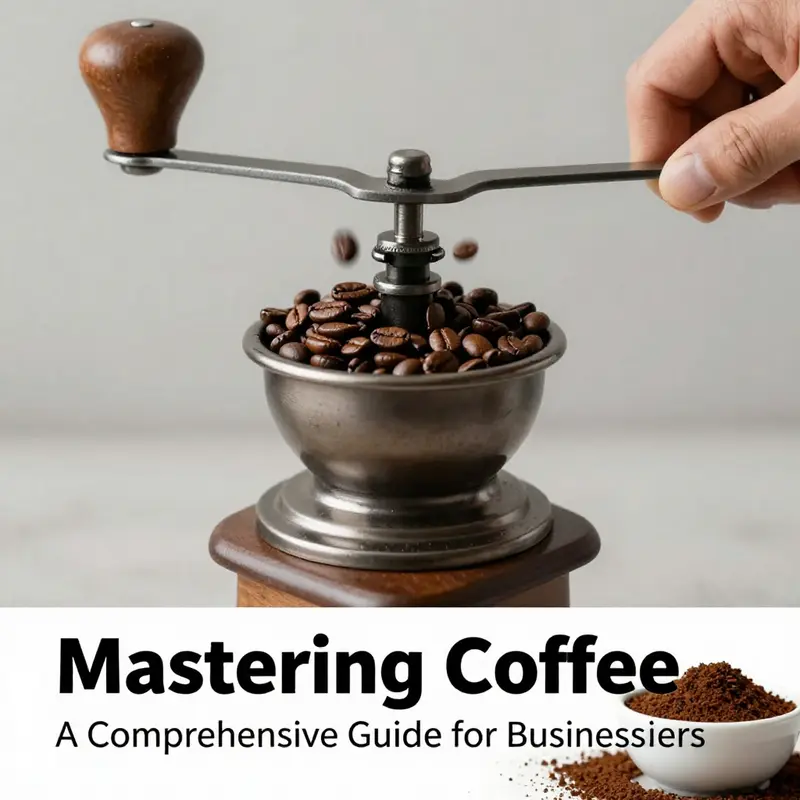
Grinding coffee beans effectively is the quiet hinge of a great cup. It is the step that turns whole beans into a portable map of aromas, oils, and flavors that your tongue can actually taste. Ground coffee is more than a convenience; it is a living necessity for proper extraction. The difference between a coffee that delights your senses and one that falls flat often begins with a precise, deliberate grind. When you ground the beans just before brewing, you lock in a higher density of fresh aromatics and volatile compounds. These compounds begin to degrade within minutes of exposure to air, heat, and friction. Ground coffee is constantly losing its edge, and the longer it sits, the more that edge dulls. This makes grinding not only a technical step but a practical decision about timing. The goal is simple in theory and surprisingly tricky in practice: grind just enough for the brew you want, in a size that matches your method, with as little heat and oxidation as possible, and then use the grounds promptly to maximize flavor. The reward is a cup that tastes brighter, cleaner, and more expressive of the bean’s origin than any pre-ground batch could ever be.
The central principle guiding every coffee grind you perform is consistency. Size matters because extraction is a dance between water and solids, and uneven particle sizes behave like a chorus with some singers rushing ahead while others lag behind. Very fine particles saturate quickly and yield a harsh, over-extracted note if the brew time is not perfectly calibrated. Coarse particles, by contrast, can cause under-extraction if the contact time isn’t long enough. The result is a muddled cup with weak aroma, or a bright, sour edge that doesn’t resolve into sweetness and body. A uniform grind makes this extraction predictable. It makes the aroma more stable as the brew progresses and gives your palate a coherent progression of flavors rather than a jagged, inconsistent sequence.
This is where the equipment choice becomes consequential. A burr grinder—manual or electric—offers the uniform particle size that a blade grinder cannot. Blades chop, not grind; they create a mix of sizes and often generate heat through friction that ripples through the grounds. Heat can awaken aromas that you want to preserve for the moment of brewing, but it also accelerates volatile loss. The result is a cup that can taste flat or stale even when your beans are fresh. With a burr grinder, you get a predictable, repeatable grind. The size of the particles can be dialed in with a click or a turn, and the pathways through the grounds for water are cleaner and more uniform. If your budget and space permit, a burr grinder should be your first upgrade for home coffee. If you’re relying on a blade or improvised grinding method, understand that you are imposing limits on flavor right at the outset, and you’ll need to be extra careful with your brew method and timing to avoid a dull or bitter cup.
Grind size is not an abstract preference but a practical instruction that should align with the brewing method you intend to use. For espresso and moka, the grind needs to be fine enough to offer the right resistance to pressure or flow, but not so fine that it clogs the filter or floods the brew with bitterness. For most pour-over and drip methods, a medium grind supports a steady, even extraction, letting hot water draw out the bean’s nuances without oversaturating the grounds. For French press and cold brew, the grind should be coarser to prevent the finest particles from slipping into the cup and to allow a longer, gentler extraction without over-emphasizing bitterness. These are not hard rules set in stone, but a reliable framework built on the physics of extraction. In practice, you’ll find that small adjustments to grind size can produce noticeable shifts in brightness, sweetness, and body. The ability to fine-tune is one of the most valuable benefits of grinding at home. It turns coffee from a product you buy into a product you craft, with room to experiment and refine.
From here, the process becomes a blend of science and habit. The science says: uniform particle size, minimal heat, and grind as close to brewing as possible to preserve aroma. The habit says: measure once, grind once, brew with purpose. The most effective approach begins with imagining the brew as a conversation between water and bean. You want a dialogue that is neither rushed nor stilted. The water should travel through the bed evenly, extracting what it needs from the grounds without tugging too hard on the hyper-aromatic compounds that make the cup sing. A consistent grind makes that conversation predictable. You can then adjust to taste by altering the grind size a notch or two, or by adjusting the brew time, without suddenly throwing the entire flavor profile off balance.
If you want to apply this concept without investing in a full set of fancy tools, you can still achieve meaningful improvements. A good starting point is to pick a single burr-based approach, ideally a manual burr grinder, which gives you much more control than a blade grinder. Keep your beans in small quantities to preserve their freshness; grind what you plan to brew in a session. Weighing your beans before grinding adds a layer of precision that translates into a consistent extraction. A practical rule of thumb is to begin with a dose appropriate for your chosen method. For example, a routine you might adopt is to aim for roughly thirty grams of coffee for about four hundred and fifty milliliters of water for a typical medium-strength cup using a drip or pour-over approach. This ratio is a starting point; you’ll learn to adjust it to your palate as you refine your technique.
The moment you grind your beans, the clock starts. The aromatic compounds begin to fade as soon as air touches the surface; oxygen exposure accelerates that decline. The goal is to minimize the time between grinding and brewing. Ground coffee stored even briefly in an airtight container will gradually lose its sparkle as aromas escape. Therefore, grind only what you will brew within the current session. If you must store grounds for a short period, do so in an airtight, opaque container and keep it away from heat or sunlight. Even under ideal conditions, you should plan to brew within a day or two of grinding, if possible, to maintain a robust flavor profile.
Let us consider the mechanics of grinding more concretely. A uniform grind begins with the choice of a capable grinder and ends with disciplined technique. Manual burr grinders invite a slower, steadier motion that reduces heat buildup, so you savor more of the bean’s original character in the cup. An electric burr grinder helps with consistency and speed, but it can still generate heat if used for overly long runs. If you are grinding in larger batches, you might opt for a slightly coarser setting to avoid over-extraction when brewing over a longer period. If you are grinding for a quick cup with a short brew time, you might lean toward a finer setting, but you must compensate with a shorter contact time to prevent sourness or bitterness.
A crucial practical habit is to use a scale and a timer. Scales turn a feel-based activity into a repeatable procedure. A precise ratio between coffee and water is the backbone of predictable extraction. A timer helps you control contact time, which is especially important for espresso and pour-over methods. If you are new to adjusting grind size, progress slowly. Change only one variable at a time—ideally the grind size—then observe how the flavor responds. If the cup leans toward sourness, you may need a finer grind or longer contact; if it tastes bitter or dry, you might be extracting too aggressively and could benefit from a coarser grind or a shorter brew. The goal is balance, and that balance emerges after you tune your grind, your dose, and your brew time in a single, deliberate session.
There is also a practical ethos that accompanies the grinding step: keep the process simple and repeatable. You do not need an elaborate setup to enjoy coffee that tastes fresh and bright. A straightforward workflow can produce remarkable results. Grind your beans just before brewing, aiming for a grind size appropriate to your method, and keep your grounds in a way that preserves aroma until the moment of contact. If you find yourself chasing some elusive “perfect grind,” remember that the perfect grind is the one that yields a cup you genuinely enjoy. Perfection is less about meeting an absolute standard and more about achieving personal consistency and flavor satisfaction across your routine.
As you weave these practices into your daily routine, you will notice how much flavor can hinge on the grind you choose. The difference between sipping a cup that glows with fruit tones and florals and one that tastes flat or bitter can be traced back, in part, to how evenly your grounds are milled and how promptly you move from grinding to brewing. The details are not merely about technique; they are about respect for the bean’s journey—from green seed to roasted essence—and how that journey translates into a cup that tells a story of origin, roast, and your own preferences. In this light, grinding becomes more than a preparatory step; it is a craft practiced in the quiet moments between bean and cup, a ritual that acknowledges the bean’s complexity while inviting your own palate to participate in the discovery.
To bring these ideas into practice, remember a few guardrails that will help you stay consistent without overcomplicating your routine. Grind with a purpose, not as a ceremony of machinery. Choose a grind size that aligns with your brew method, and adjust slightly as you learn what your palate prefers. Use a burr grinder whenever possible to minimize uneven extraction and heat. Grind only what you will use in a single session to preserve aroma. Weigh your beans to establish a repeatable dose, and use timing to maintain a steady extraction pace. Do not fear making small, iterative changes; each adjustment you document will teach you more about how your beans express themselves when prepared with your current tools and techniques. The payoff is a cup that rewards patience, practice, and the thoughtful discipline of grinding with intention.
This approach is not just about maximizing aroma or body; it is about amplifying the coffee’s character. The origin notes—bright citrus, berry, or subtle floral tones—are more likely to surface when the grind and brew are aligned. The chocolatey, nutty, or caramelized aspects emerge when the extraction is smooth and balanced. The journey from bean to cup is a dynamic conversation with a clear, repeatable method at its heart. By embracing precise grinding, you empower every stage of your at-home coffee ritual to respect the bean’s natural complexity while still giving you the freedom to tailor flavor to your mood, time constraints, or the occasion. In that sense, the grind is your first act of craftsmanship in each cup, and its quality sets the tone for what follows in the brew.
For readers who want a quick, practical reminder of the core ideas: keep grinding fresh, opt for a burr grinder, select grind size to match your method, measure your dose, and grind just before brewing. Let the aroma signal readiness, but do not wait for it to disappear into the morning air. Brew with intention, and you will consistently discover the full spectrum of flavors your chosen beans have to offer. In the end, the grind is not a mere grinding of beans; it is the intentional shaping of a sensory experience, an inaugural act of coffee artistry that guides the rest of the journey from bean to cup. External resources can offer depth and nuance beyond these guidelines, but the core practice remains straightforward, repeatable, and profoundly rewarding when you treat it with care.
External reading: For a deeper dive into grind size, extraction, and how to optimize your grind for different brewers, you can explore further at https://www.coffee.com/learn/grinding-coffee-beans.
null

null
From Fresh Grind to Rich Sips: Final Tips for Brewing Exceptional Coffee from Whole Beans

The aroma that rises from a grinding bean is not just pleasant; it is the sign that flavor compounds are still alive, waiting to be coaxed from the bean’s interior. In a home setting, where comfort and routine often define the morning, the simplest steps—grinding, storing, and brewing—can become a reliable ritual that yields coffee with real character. The final tips gathered from practical experience emphasize one core truth: precision at every stage matters less when you approach each stage with a thoughtful, patient mindset rather than with a race to convenience. When you treat whole beans with care, the raw material begins to speak. The difference between a dull cup and a vivid, satisfying cup rests on deliberate choices about grind, storage, water, ratio, and timing, all tuned to the brew method you select and the bean’s natural profile.
Grind fresh, grind smart. The act of grinding is more than a preparatory step; it is a crucial driver of extraction. The bean’s volatile aromatics begin to dissipate the moment it is exposed to air. Immediately before brewing, you should grind just enough for the current batch. A consistent grind size is not an optional luxury; it is essential for even extraction. If you have a burr grinder, set it to a size appropriate for your planned method—medium for pour-over, a touch finer for a moka pot or a robust filter, and finer still for espresso. If you must improvise with a non-traditional tool, be mindful of the trade-offs. A blade grinder or improvised device can produce uneven particles, which lead to uneven extraction and a cup that tastes inconsistent or undefined. Even with budget tools, the principle remains: grind just before brewing and aim for uniform particle size. In all cases, avoid pre-ground coffee. It quickly loses its vibrancy to oxidation, and those delicate notes that once flitted behind the surface of the cup fade, leaving a flatter, more muted cup that fails to reflect the bean’s true potential.
Storage is the quiet partner of the grind. Fresh grind will do its best work if the beans you grind come from a recent roast and are stored properly between uses. Buy beans with a recent roast date and plan to use them within two to four weeks of opening, if possible. Transfer beans from their original bag into an opaque, airtight container that protects them from light, heat, and moisture. The bag that comes from the roaster is not wrong for a time, but once you break the seal, storage in a dedicated container helps preserve the aroma and flavor longer. The refrigerator or freezer might seem convenient, but condensation and fluctuating temperatures can damage the bean’s surface and degrade flavor. The goal is stable storage: cool, dark, and dry, with the container sealed when not actively dispensing beans. As you work through your stock, open the bag only when you need to use more beans. This simple discipline minimizes exposure to air and slows flavor loss, letting each batch taste closer to its peak.
Water is the unsung sculptor of taste. Water quality has a tangible effect on the final cup, often more than any single roast or blend. If your tap water has a noticeable odor or taste, filtered water is a sensible investment. The water temperature you aim for is a range—roughly 90°C to 96°C (195–205°F)—that respects the bean’s delicate balance. Water that is too hot risks scorching the grounds and pulling out bitterness; water that is too cool may under-extract, leaving the cup thin and unrevealing. The temperature range is not arbitrary; it is a practical compromise that aligns with most common brewing methods and their respective contact times. If you are unsure, a quick check after boiling—let the water sit for about 30 seconds—can bring it into the right neighborhood without requiring a thermometer for every brew. As you progress, you will notice how adjustments in water quality and temperature reveal or mute certain notes in the cup: fruit-like brightness, floral lift, nutty depth, or chocolatey sweetness. The point is not to chase a single ideal but to understand how small changes in the watery medium reveal different facets of the bean’s character.
Mastery of brew ratio and time is the next pillar. A starting point of roughly 15:1 to 18:1 water to coffee by mass is a practical baseline for many methods. For example, a 15 g dose with 225 g of water makes a solid, approachable cup. This ratio is a starting line, not a finish line. If you prefer a stronger cup, inch toward 14:1 or 13:1; if you want something lighter, drift toward 17:1 or 18:1. The actual number should reflect your personal taste and the bean’s profile. Beyond ratio, timing matters. The duration of contact between grounds and water determines whether flavors develop fully or turn harsh. Pour-over timings tend to land in a 3 to 4 minute window, with the bloom phase capturing gases and releasing aromas before the rest of the water washes through. French press, on the other hand, invites a longer steep, typically around four minutes, inviting more oils into the cup but also inviting the risk of over-extraction if left too long. A moka pot drinks with intensity; its extraction is fast and focused, often requiring close attention to avoid overheating and the quick emergence of burnt notes. Each method has its own time signature, and learning to respect that signature is how you cultivate consistency. For many home brewers, the temptation to rush is the enemy of flavor. Slowing down a fraction—allowing water to pass evenly through the grounds and giving the bed a moment to settle—often yields a cup that tastes cleaner, more integrated, and more faithful to the bean’s origin.
The brewing method you choose becomes the lens through which your beans are perceived. Different methods emphasize different aspects of flavor. A pour-over tends to highlight brightness and clarity, the origin notes, and a clean finish. A French press preserves body and oils, delivering a fuller mouthfeel with a more robust, sometimes earthy profile. A cold brew, by contrast, strips away much of the acidity and presents a mellower, smoother experience that can reveal sweetness and nuanced flavor with time. An espresso, while not always practical at home without specialized gear, concentrates flavor in a small volume, coaxing intensity from the same beans that, when brewed differently, might present as subtler. When toward the end of a morning routine, you may want to revisit your beans with a new method to understand their range—how they respond when the same batch delivers a bright filter cup in one brew and a lush, rounded mug in another. The bean is a storyteller, and the method is the translator. Your job is to listen, compare, and adjust consistently so you can recall which combinations produce your preferred chapter in the bean’s narrative.
In practice, the cycle is simple but meaningful. You start with fresh beans, ground just before brewing. You store the rest in the right container, protected from light, heat, and air, and you use water that is clean and between 90°C and 96°C. You measure your coffee and water precisely, then apply a schedule of pour and rest that aligns with your chosen method. You taste, reflect, and adjust. The adjustments aren’t about chasing perfection but about aligning the drink with your current palate and the bean’s evolving profile. You may discover that a bean that tastes bright and citrusy as a pour-over reveals a deeper, cocoa-edged sweetness when brewed as a French press, or that a shade of fruitiness softens when you switch to a coarser grind to achieve a slower extraction. This is not trickery; it is the bean’s natural behavior under different constraints and an opportunity to deepen your understanding of how small changes ripple through the cup. The rhythm of this practice—grind fresh, store properly, water well, fine-tune ratio and time, pick a method that flatters the bean, then taste and adjust—becomes a reliable framework by which you can reliably produce expressive coffee, every day.
The narrative you shape with your coffee does not require elaborate equipment or expensive roasts. It rewards intention, practice, and curiosity. A hand-crank grinder, a simple press, or a modest pour-over setup can deliver excellent results if you apply the principles of freshness, restraint, and respect for the bean’s origin. The goal is not a single, flawless recipe but a flexible approach that honors the variability in beans and the realities of home life. You can adapt to your schedule, your available tools, and your preferred flavor profile while maintaining a steady path toward better coffee. The final tips are not about chasing a perfect cup but about preserving the possibility of one with each brew, again and again.
As you close the loop of a daily ritual, you emerge with a cup that carries the memory of the bean, the roast, and the moment you chose to invest in a careful process. The coffee you sip becomes a reflection of your attention: a small, steady achievement that starts with a single grind and ends with a satisfying, balanced sip. The technique is straightforward, the benefits tangible, and the experience accessible. Even with minimal equipment, you can create a confident, nuanced cup that respects the coffee bean as a living ingredient, capable of delivering complexity if you honor its needs. It is in these modest, mindful steps—grind fresh, store wisely, treat water as a co-brewer, calibrate ratio and time, and select a method that harmonizes with the bean—that a simple kitchen becomes a laboratory for flavor and a stage for personal ritual. If you stick with these practices, you may find that your morning cup carries more personality and consistency than you expected, turning a routine into something to look forward to rather than simply endure.
For those who crave a concise reminder, think of the process as a continuous loop rather than a one-off set of actions. Each element influences the next: fresh grind preserves aroma; proper storage keeps those aromas intact until needed; clean water at the right temperature unlocks the bean’s potential; a well-chosen ratio and timing extract flavor without bitterness; and the method chosen should reveal the bean’s best features without overpowering them. The loop is practical, not mystical. It rewards repetition and precision, and it asks only that you approach each brew with a patient, curious mind. In time, you will recognize which variables you tend to favor for your preferred cup, and you will learn how to reproduce it consistently. The beauty of making coffee with whole beans at home lies in this possibility—the potential to coax complexity and joy from a humble batch of beans with careful, deliberate practice.
If you are curious to explore further on the topic of preserving coffee freshness and learning more about how to keep beans flavorful longer, a reputable external resource offers expanded guidance on storage and handling. Remember that the science of taste rests as much in the way you care for the beans as in the act of brewing. The journey from bean to cup is a continuous, evolving practice, one that rewards patience and deliberate technique as much as it rewards a good palate. The final tips presented here are a practical synthesis of what makes home brewing with whole beans both approachable and deeply satisfying. They acknowledge the constraints of a home kitchen, the realities of everyday life, and the rewards of the slow, attentive craft of coffee making. As you apply them, you’ll find that your morning ritual—once a blur of habit—transforms into a dependable, expressive act that honors the bean, your equipment, and your personal taste. For those who want to deepen their understanding of freshness and storage more broadly, consider consulting established resources on coffee storage and handling to complement your hands-on practice.
External reference for further reading: https://www.coffeeinstitute.org/learn/coffee-storage
Final thoughts
Perfecting the art of making coffee with coffee beans is a rewarding endeavor that can significantly enhance your business’s reputation and customer satisfaction. By choosing the right beans, mastering grinding techniques, and selecting simple brewing methods, you can consistently serve excellent coffee. Remember to focus on quality, embrace the nuances of flavors, and inspire your team to appreciate the craft of coffee-making. This knowledge not only elevates your offerings but also fosters a sense of community and delight among your customers.