

For business owners in the coffee and hospitality sectors, understanding how to keep coffee beans fresh is crucial for maintaining product quality and enhancing customer satisfaction. Fresh coffee not only boosts sales but also cultivates a loyal customer base. In this article, we delve into the core principles of coffee bean storage, exploring critical storage methods, common mistakes to avoid, and expert tips to ensure that your coffee remains vibrant and flavorful. Each chapter builds on the previous one, equipping you with comprehensive knowledge to optimize your coffee offerings.
Guardians of Freshness: Mastering the Core Principles to Keep Coffee Beans at Peak Flavor
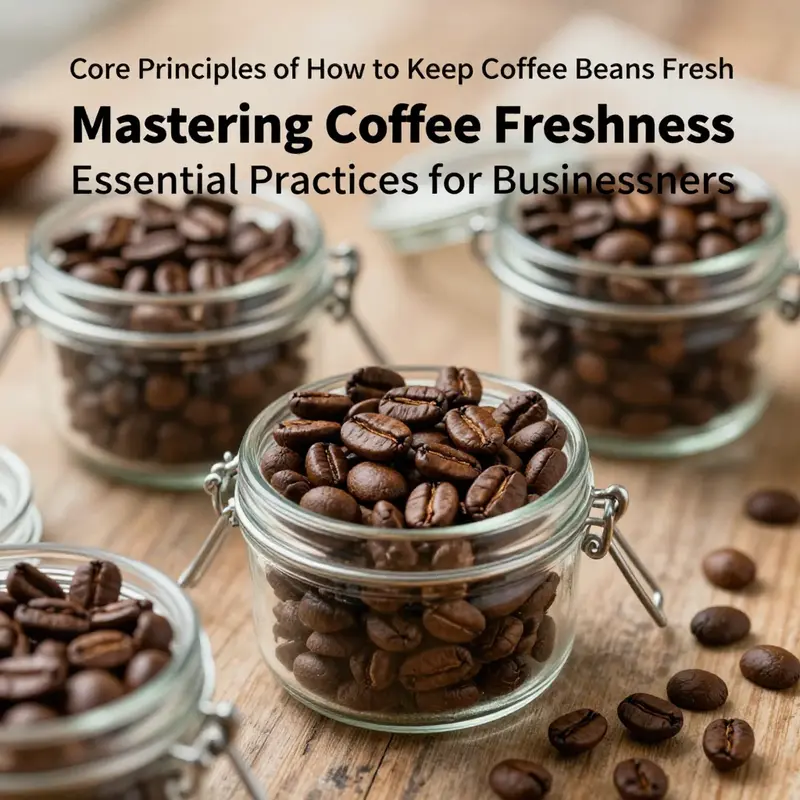
Keeping coffee beans fresh is less about gadgets than about guarding four simple enemies: oxygen, light, heat, and moisture. Roasted beans carry a complex, delicate set of flavors that are easy to dull if any one of these elements is left unchecked. The beans are porous and carry oils that carry aroma and flavor outward as they change. When you understand how these enemies operate, you begin to notice that freshness is not a single trick but a steady practice of restraint and care. Oxygen is the principal culprit. It quietly invites oxidation, dulling vibrancy and aroma over time. Immediately after roasting, beans may release carbon dioxide in a natural off-gassing process, which is normal and even helpful in the short term. After that initial burst, however, continued contact with air accelerates staling. The simplest and most reliable defense is to seal the beans tightly and to minimize their exposure to air between uses. In practice, that means choosing a container that is airtight and, preferably, designed for ongoing use rather than the original bag alone. A one-way valve can be useful in allowing CO2 to escape while limiting new oxygen from slipping in, especially in the days immediately after opening. But even without a dedicated valve, transferring beans to a high-quality opaque container offers superior protection and a calmer, more predictable flavor outcome over the course of a few weeks. The idea is not to trap all air forever, because CO2 needs space to escape during off-gassing, but to slow down the oxygen exchange that follows. Light is the second invader. Clear glass on a sunny counter is a recipe for flavor fade because ultraviolet rays can break down aromatic compounds. The fix is simple and stubbornly practical: keep beans in a dark, cool place and use opaque, nontranslucent containers. A dark cabinet or pantry provides a steady shield against light, and an opaque container—ceramic, metal, or a coated material—keeps the aroma intact longer. Heat comes next. Temperature swings and heat near a stove, a hot oven, or other appliances accelerate chemical reactions inside the beans, nudging flavor toward bitterness or flatness. The sweet spot for shelf life is a cool, stable environment, ideally around 60 to 70 degrees Fahrenheit (about 15 to 21 degrees Celsius). If your space runs warmer or if you store beans near heat sources, flavor drifts away faster. Freezing can seem attractive, but it is generally a tool for long-term storage rather than a general solution. Freezing introduces the risk of moisture migration and condensation when you remove beans from the freezer, which can ruin the texture and aroma upon thawing. When long-term storage is necessary, the beans should be portioned into small, single-use amounts and sealed in heavy-duty bags or airtight containers designed for freezing. The critical point is to minimize the number of times you open the package. Each opening invites air, and with air comes staleness. Moisture completes the quartet of freshness enemies. Even small amounts of humidity can be absorbed by roasted beans, encouraging mold growth or sour flavors. That is why damp basements, kitchens above sinks, or other humid spots are poor choices for storage. If moisture becomes a factor, the beans lose their crispness and their nuanced flavors. The practical implication is clear: store beans in a dry, cool place, away from moisture sources, and avoid storing them in refrigerators where humidity and temperature fluctuations are common. While refrigeration or freezing may seem convenient for long-term storage, they introduce a cycle of condensation whenever the package is opened. If freezing is unavoidable, portion into small, airtight units and allow them to reach room temperature in their sealed state before opening, to minimize condensation inside the container. That precaution helps keep the surface oils intact and the aroma more robust. The overarching goal is to create a stable microclimate for the beans, one that protects against the four invasion routes while preserving the roasting profile you bought. The most reliable everyday method remains straightforward: transfer the beans to an airtight, opaque container and store them in a cool, dark cabinet. This approach is highly effective for the typical home user who consumes beans within a couple of weeks after roasting. It gives you predictability, which is valuable because coffee flavor is a moving target and depends on careful handling. The research emphasizes that the best possible preservation is achieved when you minimize air exposure, maintain consistent conditions, and use the beans within their fresh window. While some roasters and researchers discuss a long shelf life for unopened beans, the peak flavor zone for roasted coffee generally sits within a few months of roasting, with many enthusiasts aiming to drink within one to two months for a vibrant cup. In other words, freshness is a living window, not a fixed deadline. A practical routine emerges from these principles: buy smaller quantities that you can finish while flavors remain at their peak, keep the beans in a properly sealed, opaque container, avoid clear jars on the counter, and resist the urge to chase lengthier storage through temperature swings or moisture-prone environments. If you want a convenient reminder of how disciplined practice can mirror the care you give to your beans, consider a related concept from another field that stresses steady, repeatable habits. It may sound distant, but the idea translates well. A concise primer on goal setting strategies used by professionals in unrelated disciplines illustrates how small, consistent routines yield reliable outcomes. What-goal-setting-strategies-do-occupational-therapists-find-effective https://coffee-beans.coffee/blog/what-goal-setting-strategies-do-occupational-therapists-find-effective/ exemplifies how a thoughtful framework can support careful, incremental progress, a philosophy that fits perfectly with the craft of keeping coffee beans fresh. The analogy is helpful because freshness is not achieved by a single moment of genius but by a quiet, ongoing routine. The act of sealing, cooling, darkening, and limiting exposure to air becomes a ritual, a small set of steps repeated with care. You do not need a modern lab or premium equipment to honor these principles; you need a consistent rhythm that respects the beans as they are, a product whose life is extended by disciplined handling rather than by chasing a miracle cure. If you adopt this mindset, your kitchen becomes a quiet workshop where flavor is stewarded rather than squandered. The original bag, particularly if it includes a valve, can be a helpful short-term harbor, but its protection ends there. Transferring the beans to an airtight, opaque container transforms a transient storage solution into a durable barrier against the elements. The difference is measurable in aroma and taste. In practice, when you finish each use, reseal the container tightly and ensure it remains closed between sessions. Keep the storage out of direct light and away from heat sources. Confirm that the cabinet remains comfortable to the touch and that the environment is dry and stable. Those small, deliberate choices accumulate into meaningful gains in flavor. The goal is to preserve the integrity of the roast’s aroma profile and the bean’s texture from the moment you grind to the moment you pour. Grinding should occur as close to brewing as possible because ground coffee quickly increases surface area, accelerating flavor loss. A simple principle emerges from this: grind only what you will use for a given batch, and do it just before brewing to maintain the aromatic oils that define the cup. The best option for most home users remains a sensible baseline: use an airtight, opaque container at room temperature, in a cool, dark cabinet. If you accumulate a large quantity that would overwhelm your weekly consumption, consider freezing only in a controlled, small-portion format and label each package with the roast date. Thaw by letting the bag sit sealed at room temperature for several hours, then open only when you are ready to brew. This careful approach minimizes condensation and maintains the integrity of the surface oils that bring forward the bouquet when you grind. By embracing these core principles—protecting against oxygen, light, heat, and moisture, and pairing them with mindful, small-batch purchasing—you can extend the peak freshness of your beans by weeks or even months. The practical outcome is a cup that tastes more like the roast you chose than the stale, dull alternative that sometimes arrives when storage is treated as an afterthought. As you refine the routine, you will find a rhythm that respects the beans’ natural evolution and still honors the coffee you want to drink in the morning. External science supports this approach, underscoring that careful handling and proper storage significantly influence aroma retention and flavor perception over time. For readers seeking a deeper, data-driven understanding of this phenomenon, a broader exploration of the science behind coffee freshness is available here: https://www.sciencedirect.com/science/article/pii/S030881462030098X
Store Smart: Practical, Proven Methods to Keep Coffee Beans Fresh
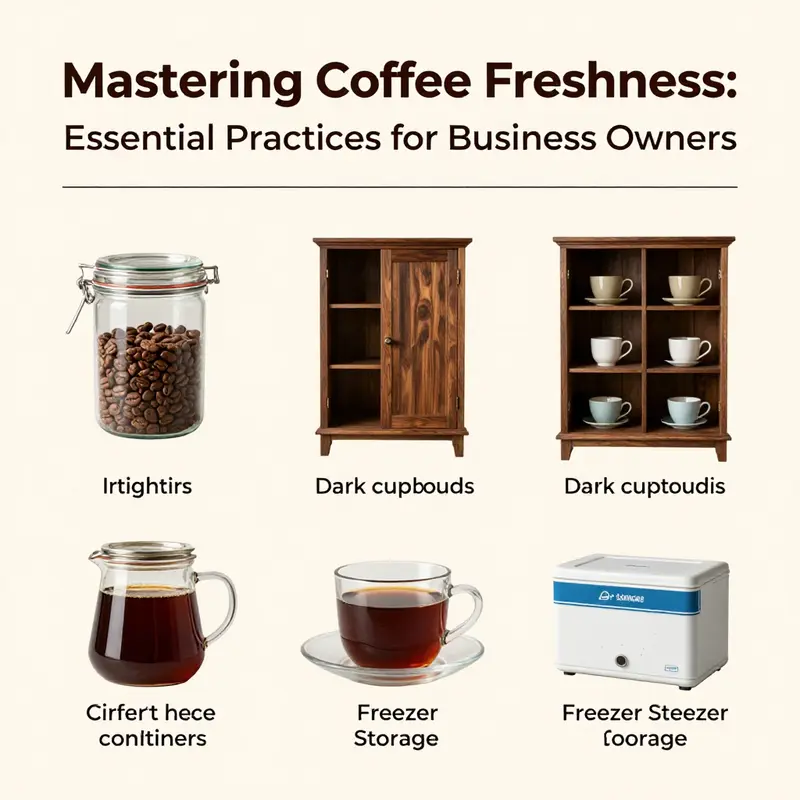
Best Practices for Daily Storage
Keeping coffee beans at their best is simple in concept: seal, keep cool, block light, and avoid moisture. These four rules control the main enemies of freshness. Oxygen oxidizes delicate oils and aromatics. Heat speeds chemical breakdown. Light degrades flavor compounds. Moisture invites off-flavors and even mold. In practice, your choices about purchasing, containers, and placement determine how long your beans will taste vibrant.
Buy with purpose. The most effective way to preserve flavor is to purchase only what you can use within one to two months. Roasted beans reach peak complexity in the first month, and their bright notes begin to fade after three months. If you drink coffee daily, smaller bags—roughly 200 grams or less—let you consistently enjoy fresher cups. Large bags increase the chance of stale beans and often push people toward freezing or other compensations.
Once home, transfer beans to a proper container if the original packaging is not suitable. Many roasters use bags with one-way valves that let gases escape without letting air in. Those bags are designed for short-term sale. If your beans are in a strong resealable bag with a one-way valve, you may leave them there and tuck them into a dark cupboard. Otherwise, move the beans into an airtight, opaque container.
Choose materials wisely. Ceramic, stainless steel, and opaque tins block light well. Heavy, dark glass can work if it stays inside a closed cupboard. The container should seal tightly. Look for lids that compress a gasket or fit snugly. Avoid containers that trap moisture or allow a loose flow of air. A container that feels solid and locks down will keep oxygen exposure to a minimum.
Store at stable room temperature. Aim for about 60–70°F (15–21°C). Do not place your coffee near ovens, stoves, dishwashers, or windows where sunlight can creep in. Heat accelerates stale flavors. Also avoid humid spots like over the sink or above a dishwasher. Beans are porous and will readily absorb moisture from the air. Even small shifts in humidity can dull the cup.
Time your grinding. Whole beans keep their flavors far longer than pre-ground coffee. Grinding increases surface area and exposes the aromatic compounds to air. For the freshest flavor, grind just before brewing. If you choose to grind for convenience, grind only enough for a single brew or day.
Limit container openings. Each time you open the lid, you let oxygen into the container. Try to minimize how often you open it. Store beans in smaller portions if you reach for coffee frequently. That way, you expose only the portion you plan to use, while the rest stays sealed and protected.
Avoid strong odors. Coffee absorbs smells. Keep beans away from strong-smelling foods and spices. Do not store coffee next to onions, garlic, or citrus peels. Even plastic containers can allow odor transfer over time. Neutral, airtight containers in a dedicated cupboard are safest.
When Freezing Makes Sense and How to Do It Right
Freezing is a rescue strategy. It is not the default for everyday use. Use the freezer only if you have more beans than you can consume within a month. Freezing can preserve beans for several months, but only when done correctly.
Never refrigerate coffee. The refrigerator has fluctuating temperatures and higher humidity. Those shifts cause condensation and allow beans to absorb odors. The fridge shortens freshness. The freezer, at a stable -18°C (0°F) or colder, is the only cold option that can work long-term.
Portion before freezing. Divide beans into single-use or short-use portions. Small amounts are easier to thaw and reduce repeated freeze-thaw cycles. Package each portion into a heavy-duty, airtight bag or rigid container. Remove as much air as possible. Vacuum sealing is ideal if available. For bags, press out air or use a manual pump. Seal tightly.
Freeze immediately after packing. The quicker the beans reach a stable low temperature, the less chance for condensation during cooling. Label packages with the roast date and freeze date. Keep portions small so you can remove only what you need.
Thaw while sealed. When you take a portion from the freezer, allow it to warm to room temperature while still sealed. This can take several hours or overnight. Thawing inside the sealed package prevents moisture from forming on the beans. Do not refreeze thawed beans. Once opened, use them within a week for best flavor.
Accept trade-offs. Freezing preserves the general quality of beans but can blunt some volatile aromatics. For the most discerning palates, unfrozen beans consumed within a month will outperform frozen beans. Treat freezing as a practical compromise when avoiding waste.
Practical Details That Make the Difference
Mark dates. Write the roast date and the date you opened the bag on each package. This habit helps you choose what to use first. It also prevents the gradual accumulation of older beans at the back of the cupboard.
Recognize stale or spoiled beans. Fresh beans smell vibrant, floral, fruity, or chocolatey depending on roast and origin. If beans smell musty, dusty, or like old cardboard, they are past their prime. If they show damp clumping or an off sour odor, moisture damage or mold may be present. Discard beans that show these signs.
Understand degassing. Freshly roasted beans release carbon dioxide for several days after roasting. Some CO2 is desirable because it helps express the coffee’s aroma during brewing. One-way valves on roast bags allow excess gas to escape without letting outside air in. If a bag lacks a valve, move the beans into a sealed container after a day or two of off-gassing.
Be wary of oily beans. Very dark roasts may look oily. Oil on the bean surface can transfer to storage container lids and can speed up rancidity if exposed to air. Store oily beans in smaller, well-sealed containers and use them sooner rather than later. The oil does not mean the coffee is spoiled. It does mean you should be more vigilant about airtight storage.
Avoid common missteps. Clear jars on a counter look attractive but invite light and heat. Large plastic tubs can let in odors and static-cling grounds. Storing beans above a stove or near a sunny window is a recipe for rapid flavor loss. And again: do not keep coffee in the refrigerator. That space is humid and full of odor sources.
Small habits add up. Use a kitchen timer or calendar reminder to buy beans on a schedule. Buy from roasters who print roast dates. Keep a small scoop inside your coffee drawer for hygiene and convenience. Use a dry, clean scoop and never introduce wet hands to the beans.
If you must buy in bulk, split the stash. If large quantities are unavoidable, divide the batch immediately on arrival. Keep one portion in an airtight container for short-term use. Freeze the rest in portioned packs. This strategy cuts down on repeated exposure and freeze-thaw cycles.
Final reminders
Preserving the taste of roasted coffee depends on consistent, sensible habits. Buy amounts you can finish in weeks, not months. Store beans in airtight, opaque containers at stable room temperature. Keep them away from heat, light, and humidity. Reserve freezing only for excess quantities, and follow careful portioning and thawing steps. Grind just before brewing. Small changes in how you buy and store coffee will have an outsized effect on the flavors you brew. Follow these methods and you will enjoy cups that reflect the roaster’s intent and the bean’s origin.
Common Mistakes That Steal Freshness — What Not to Do with Coffee Beans

Common Mistakes That Kill Freshness
Keeping coffee beans vibrant and flavorful lasts only as long as your storage habits allow. Many well-meaning routines actually speed up staling. This chapter focuses on the missteps to avoid. For each, you’ll see why it harms coffee and what to do instead. The aim is practical: reduce oxidation, block moisture, limit heat and light, and protect aroma.
Don’t leave beans on a sunny or hot kitchen counter. Counters are convenient but usually the worst place for beans. Sunlight and nearby heat sources accelerate chemical reactions. The oils that give coffee its aroma break down faster when warm. Even short bursts of heat from an oven or stove fan matter. Move beans away from windows, stove tops, and microwave sides. A cool, enclosed cabinet keeps temperature stable and halts many processes that dull flavor.
Do not use clear jars or transparent bags. Light, especially UV, destabilizes aromatic oils. Clear containers allow slow, invisible degradation. The result is flat coffee with muted notes. Choose opaque, light-blocking storage so the beans live in darkness similar to a sealed roaster bag. If you must reuse a clear container, wrap it in foil or towel to block light.
Avoid the refrigerator entirely. Refrigerators cycle temperatures and house moisture. Coffee is porous and absorbs both water and odors. Beans left in the fridge pick up other food smells and retain humidity. That moisture contributes to premature staling and can encourage mold in very humid conditions. The refrigerator is a false friend; it promises coolness but delivers fluctuating harm.
Do not freeze beans unless you do it correctly and only for long-term storage. Freezing can slow chemical breakdown, but mistakes here are common and damaging. Putting a large open bag in the freezer invites freezer burn and odor transfer. Thawing a thawed bag repeatedly creates condensation and ruins flavor. If you must freeze, portion beans into single-use vacuum bags. Remove air, seal tightly, and freeze immediately. Only take out one portion at a time. Let it thaw fully, sealed, at room temperature before opening. Never refreeze once thawed.
Never leave the original bag unsealed after opening. Every time you leave a bag open, oxygen floods in and speeds oxidation. The beans’ volatile aromatics escape. If the original bag has a resealable zipper or one-way valve, use it properly. Otherwise transfer beans to an airtight container immediately. Open containers only when you need to grind. Minimize the number of times you expose beans to air.
Do not buy too many beans at once. Purchasing large quantities often forces you into poor storage choices. The freshest flavors are within weeks of roasting. If you don’t drink coffee fast enough, you’ll be reaching for older beans. Buy smaller bags you can finish in two to four weeks. This reduces the need to freeze and increases the likelihood of brewing at peak flavor.
Never store beans ground. Ground coffee has far more surface area than whole beans. Aroma and flavor compounds escape in hours instead of days. Always grind immediately before brewing. If you must carry ground coffee for travel, plan to consume it within a day or two and store it in a tightly sealed, opaque container.
Avoid ordinary plastic bags without an air barrier or valve. Thin grocery or zip-top bags do not keep oxygen or moisture out. They are permeable and offer minimal protection against odors. Use heavy-duty, airtight containers or vacuum-sealed bags. Containers with well-designed seals, or bags with one-way degassing valves, preserve the beans’ internal gases while keeping oxygen away.
Don’t mix old and new beans. Adding fresh beans to a nearly empty container dilutes the batch. The older beans will accelerate the collective staling. Keep batches separate. If you must top up, measure and use up the older beans first, then refill with a fresh bag. Proper rotation preserves consistent quality in every cup.
Do not store beans near strong-smelling foods. Coffee readily absorbs surrounding odors. Garlic, spices, cleaning chemicals, and onions will all transfer scent to your beans. Keep coffee in a separate cabinet away from these items. If your pantry is crowded, choose a tightly sealed, neutral container and avoid placing it close to aromatic jars.
Don’t handle beans with wet or humid hands. Moisture is an invisible enemy. Touching beans with damp hands or placing containers on damp surfaces invites water into the storage environment. Even small amounts of moisture upset the balance of oils, can cause clumping, and may promote microbial growth. Always handle bags and containers with dry hands and on a dry surface.
Avoid frequent scooping and sniffing. While checking beans can be comforting, each exposure to air lets aromatics escape. Open the container only when you plan to grind. Use a dedicated scoop and close the lid immediately. If you enjoy smelling the beans, do it sparingly. The more you open the container, the faster the beans lose their best qualities.
Do not ignore the roast date. Some shoppers assume a long shelf life and buy older stock. Roast dates matter. The flavor peaks a few days after roasting and gradually fades. If you can’t find the roast date, choose another source. Buying without a roast date increases the risk you’ll be storing beans past their prime, regardless of storage method.
Avoid storing beans where temperature swings often occur. A garage, attic, or unconditioned pantry exposes beans to wide daily and seasonal changes. Those swings accelerate oxidation and shift the bean’s chemical balance. Choose a stable interior cabinet instead. The goal is a consistent, moderate temperature for the beans’ environment.
Don’t ignore signs of spoilage. If beans smell musty, papery, or like stale cardboard, they’re past their best. Rancid beans will produce off flavors in your cup. When in doubt, trust your senses. Fresh beans should smell rich and complex. If they don’t, discard them.
Each of these mistakes undermines the four simple rules of coffee storage: seal, cool, dark, and avoid moisture. The list above explains common missteps and the harm they do. Avoiding them is easier than it seems. Use opaque, airtight containers. Keep beans in a stable, cool cupboard. Buy amounts you’ll use within weeks. If freezing, portion and vacuum-seal correctly.
These habits protect the aroma and complexity the roaster put into every batch. They also make brewing more predictable. Avoiding the wrong practices preserves the right ones. For further reading on common storage pitfalls and how to keep beans flavorful, see this practical guide from The Spruce Eats: https://www.thespruceeats.com/keep-coffee-beans-fresh-4589026
Preserving Freshness: A Cohesive Dive into Keeping Coffee Beans Flavorful

The moment coffee beans are roasted, they begin a quiet, relentless countdown. The aromatic oils that carry sweetness, fruit, chocolate, and spice are volatile, and they live in a delicate balance with air, light, moisture, and temperature. If you’ve ever noticed a bag that smells vibrant when opened and then dulls within days, you’ve felt the truth of this balance. The goal of storage isn’t merely to hide beans from the cupboard monster of time; it is to respect the chemistry at work inside each bean. The simplest framework holds true here: seal, cool, dark, and avoid air. It sounds easy, but every choice along the way—from the container you pick to the kitchen that hosts your beans—has a measurable impact on flavor. The act of storing coffee beans becomes, in practice, a small science experiment conducted every morning as you prepare to brew. And like any disciplined craft, the method matters more than the excuse of busyness. When you align your routine with the core principles, you create a reliable backbone for taste that stubbornly resists the inevitable drift toward stale and flat notes.
The first principle, sealing tightly, is not just a matter of keeping odors from other foods at bay. Oxygen is the primary enemy of freshness. Right after roasting, beans release a burst of carbon dioxide as part of a natural off-gassing process. That outgassing is a sign of life in the bean, a signal that the roast is fresh. But once that initial purge settles, any lingering air becomes a solvent for flavor compounds. A jar with a snug lid, or a bag that you reseal with a clip or a vacuum system, minimizes this exposure. The goal is to limit oxygen ingress while allowing the beans to retain their internal pressure and aromatic balance. Put simply: minimize the door’s opening and seal the moment you finish scooping. The discipline of resealing after every use cannot be overstated. The ritual becomes a guardrail against the slow creeping oxidation that dulls sweetness, brightness, and complexity over weeks.
Second, the temperature. Temperature control is less about absolute cold and more about stability. Beans stored at a steady, moderate temperature—typically around 15 to 21 degrees Celsius (60 to 70 degrees Fahrenheit)—show less drift in aromatics and flavors than those subjected to hot roaster kitchens or chilly drafts. A cooler environment is not a fortress; it is a calm room where the chemistry settles gently, slowing the pace of volatile loss without freezing the oils in a way that muddles the balance. It’s a small nuance, but it matters. The ideal setting is a dark, cool cabinet away from ovens, stoves, and direct sunlight. Any source of heat or radiant light nudges flavor toward a certain flattening, especially after you grind the beans and expose more surface area to air.
Third, light is not merely a bright nuisance; it is a chemical disruptor. Ultraviolet exposure degrades many of the same delicate compounds that give coffee its snap. The storage container, then, should be opaque or, at minimum, shielded by a dark cabinet. A clear glass jar can be tempting for its display; yet if you are committed to freshness, you’ll choose a vessel that blocks light and reduces the temptation to peek. The difference in aroma between a light-exposed and a light-shielded bean can be subtle in the moment but meaningful in a full tasting session, where the bright top notes may fade and the body can appear thinner than expected.
Fourth, moisture must be kept at bay. Coffee beans have a porous structure that can act like tiny sponges. A humid environment invites mold and can introduce sour flavors that no palate enjoys in the middle of a morning routine. This is why damp basements, steamy kitchens above sinks, or unsealed closets that pick up humidity are poor homes for beans. Dry, low-humidity storage is not about dryness for its own sake; it is about preserving the integrity of the bean’s fibers and oils so that when you grind and brew, you meet the roast you expect to taste. If your kitchen is prone to humidity, consider a dedicated storage jar in a cabinet that remains closed most of the day, where moisture cannot creep in with every opening of the cupboard.
All this leads to practical storage methods that most home users will find sensible and straightforward. The recommended path is straightforward: an airtight, opaque container kept at room temperature in a cool, dark place. This method, endorsed by numerous sources and reinforced by recent work in coffee science, supports a daily rhythm in which you can maintain fresh beans without specialized equipment. The core idea is simple: transfer roasted beans to a high-quality container from the original bag, ensuring a tight seal, and place the container in a dark cabinet where fluctuations in temperature are minimized. This approach works particularly well if you consume beans within two weeks of roasting, but it remains robust for a longer period if you do not continually open the container. The goal is to strike a balance between accessibility and protection from the elements that erode flavor over time.
When the conversation turns to long-term storage, freezing enters the frame, but as a last resort rather than a daily habit. Freezing at -18°C (0°F) can slow oxidation, but it introduces its own risks. A 2025 study from a Chinese research setting cautions that freezing may alter non-volatile flavor components, potentially shifting the balance of acidity and bitterness in ways that are not desirable for daily coffee rituals. The logic is clear: freezing slows the clock, but it can also change the character of the cup you expect each morning. If you do choose to freeze, the beans should be portioned into small, single-use quantities and sealed in heavy-duty, vacuum-sealed bags or airtight containers designed to withstand freezing. They must be thawed in their sealed state to prevent condensation from forming on the surface, which could ruin the grounds when ground. Even then, use remains cautious; open the container as little as possible and allow the beans to return to room temperature in a controlled manner before you grind. These steps, while making storage more complex, preserve the structure of the beans so you do not compromise the coffee’s aromatic profile when you eventually brew.
Another strategy, often overlooked, is how you physically handle the bag or container. Aluminum foil bags with one-way valves, used in combination with vacuum-sealed jars, can stretch the shelf life by allowing CO2 to escape while preventing outside air from seeping in. If you must use a transparent container to monitor contents, wrap the exterior with dark paper to provide passive light protection. Most crucial, however, is the practice of minimizing openings. Each time you lift the lid, you invite air and humidity into the storage space, nudging the beans toward staling. The art of storage becomes, then, a quiet exercise in restraint: buy only what you will use within a short timeframe, grind only what you need for the day, and seal immediately after each measurement. This embodies a philosophy of freshness that is less about chasing a perfect moment and more about creating a stable, reliable environment for flavor to persist between brews.
To translate this into a usable mindset, consider the practical rhythm that aligns with your life. For many home users, small-batch buying—think around a couple of hundred grams at a time—fits naturally with a schedule of weekly or biweekly use. Ground coffee, by contrast, does not forgive approximation. Once ground, the surface area of the beans becomes exposed to air, accelerating oxidation. The rule of thumb is clear: grind fresh and brew promptly, ideally within a day, and certainly within a few days at most. Ground coffee should be avoided for long storage, and whole beans kept in their protective environment will outlast grounds by weeks when treated with respect. The consensus from seasoned roasters and researchers alike points to a flavor peak within roughly three months for roasted beans, with the freshest sweetness emerging in the early weeks after roasting. This is not a hard deadline but a practical guide that helps plan purchases and consumption around the life cycle of flavor.
The practical craft of storage is not a mere checklist; it is a continuous balancing act. You start with the decision of container quality and seal, then choose a location that protects from temperature swings and light. You adjust your routine to minimize air exposure, and you adapt to the realities of your kitchen—humidity, sunlight, and how you use coffee in your daily brewing routine. The result is more than longer-lasting beans; it is a more reliable, repeatable cup. The idea is simple in theory and surprisingly nuanced in practice: better to buy less and grind more often than to store long and risk flavor loss. That single sentence captures a planning philosophy that aligns with the science of coffee freshness and with the daily realities of home brewing. It is a reminder that freshness is a dynamic asset, not a static possession, and that the best tasting coffee often begins with the way you choose to store it.
For readers seeking a related practical touchpoint that complements this content, you can explore a related home-care resource that discusses maintaining task correctness in daily routines through careful handling and storage, accessible here: https://coffee-beans.coffee/blog/occupational-therapy-exercises-for-the-elderly/.
In sum, keep beams of aroma intact by preserving an environment that respects the chemistry of the bean. The best practice remains room-temperature storage in an airtight, opaque container, placed away from heat and light, with as little access to air as possible. If you must extend your storage capacity, freeze only as a last resort and only with proper portioning and controlled thawing. Above all, grind fresh and brew with intention. The difference in your cup will be the difference in your care for the bean prior to grinding. The delicate balance between protection and accessibility is the fulcrum of freshness, and when you honor it, you preserve the nuanced flavors that bring coffee to life in your morning routine.
External reference: For a broader, science-backed discussion of optimal storage and its impact on flavor, see the 2025 overview on store-and-serve coffee storage from Perfect Daily Grind: https://perfectdailygrind.com/how-to-store-coffee-beans/
Final thoughts
In conclusion, maintaining the freshness of coffee beans is a vital aspect of providing high-quality coffee for your business. By understanding the core principles of storage, utilizing recommended methods, avoiding common pitfalls, and applying expert tips, you can ensure that every cup served is bursting with flavor. Prioritizing freshness not only enhances your customer experience but also helps to position your brand as a leader in quality coffee. Make informed storage choices to delight your patrons and elevate your coffee business.