

Choosing the right coffee beans is crucial for business owners looking to provide an exceptional coffee experience. The coffee selection process blends art and science, requiring an understanding of various factors that affect flavor, aroma, and overall quality. This guide will navigate through the essentials of selecting coffee beans, focusing on the two main types, the significance of bean origin, the effects of roast levels, and processing methods. By the end of this article, you’ll be equipped to make informed decisions that will elevate your coffee offerings and satisfy your customers.
Arabica vs. Robusta: Navigating the Two Core Beans to Craft Your Ideal Cup

Choosing coffee beans is less a battle of brands and more a conversation with your own palate. It is a delicate balance of science and taste, a negotiation between what the plant offers and how you want to experience it in the cup. At the center of that negotiation sit two masterful players: Arabica and Robusta. They are not just botanical labels; they are full personalities that shape aroma, acidity, body, and the very feel of the sip. Understanding them—recognizing where each shines, where it struggles, and how processing, roasting, and brewing can amplify or mute their traits—gives you a practical compass for selecting beans that align with your brewing method, your time horizon for freshness, and, most importantly, your taste preferences. When you start from this two-part foundation, you gain a clarity that makes every choice—from the origin to the roast and beyond—feel purposeful rather than passive. It becomes less about chasing a universal “best” and more about unlocking a cup that truly fits your routine, your kitchen, and your mood on a given morning.
Arabica and Robusta are often described as opposites, yet they coexist on the spectrum of coffee with a complexity that rewards curiosity. Arabica, the more widely cultivated bean, carries a sense of nuance and refinement. It tends to exhibit a broader vocabulary of flavor notes: fruit and berry brightness, delicate florals, and an acidity that can sing like a citrus melody if the conditions are just right. Its aroma invites you to lean in, to anticipate a cup that might unfold with layers rather than a single, blunt impression. Arabica beans are typically grown at higher elevations and in more temperate microclimates, where the long maturation and precise climate management shape their delicate balance. The payoff is a smoother cup with more intricate perfume—an invitation to savor rather than to rush through.
Robusta, by contrast, is a different kind of force. It carries a stronger, more direct presence in the cup. Its flavor tends to be bolder, sometimes harsher, with earthy or nutty undertones and a character that can feel almost in-your-face in certain preparations. Robusta also packs more caffeine by weight, which translates into a brisk, lingering energy and a natural lift that many baristas rely on for espresso blends and crema. The trade-off is that Robusta can be more challenging to polish into a clean single-origin experience; it often shines when used judiciously as part of a blend or when roasted to a profile that respects its natural intensity. Robusta’s resilience—its pest resistance and ability to thrive in lower-altitude, more challenging environments—also makes it a workhorse for blends and commercial-style coffees that aim for consistency, body, and the crema that espresso lovers expect.
These fundamental differences matter because they shape your expectations before you even grind. If you crave a cup that whispers rather than shouts, with a bright but balanced acidity and a spectrum of delicate notes that evolve in the cup, Arabica is the natural starting point. If you want a cup that delivers a distinct lift, a chocolatey or earthy richness, and a sturdy backbone that holds up well under intense extraction, Robusta has a role to play—especially when you’re chasing a specific mouthfeel or a crema-rich espresso. The choice is not merely about flavor; it’s about the story you want your coffee to tell and the way your brewing method interacts with that story.
Origin matters as a companion to bean type because terroir tunes the natural language of the bean. In Africa, Arabica often arrives with a brightness and a perfume of jasmine or citrus, sometimes framed by berry notes that awaken the senses. Ethiopian coffees might carry a tea-like delicacy, while Kenyan varieties may present a vivid, almost tart berry sweetness that charges the palate. Latin American Arabicas tend to offer a more restrained sweetness, often with nutty or caramel accents that feel comforting and familiar. In Asia-Pacific, where Robusta finds a strong foothold, you’ll encounter earthier, spicier, more full-bodied profiles that can carry a roasted, smoky edge when mismanaged but can also feel wonderfully grounded in a well-constructed blend.
The roasting stage is the next chapter in how a bean expresses itself. Light roasts preserve the origin’s character—the bright acidity, floral perfume, and the crisp, sometimes tea-like clarity of the bean. They let you hear the true notes of the terroir—the citrus zest of a washed Ethiopian, the soft stone fruit of a Kenyan, the honeyed sweetness of a Central American offering. Medium roasts harmonize sweetness with acidity, pulling out chocolate, caramel, and nutty undertones that translate well across many brewing methods. Dark roasts intensify roast character—the caramelization and smoky edges that can blanket origin flavors but deliver a bold, comforting profile ideal for espresso-based drinks and for those who prefer a robust cup with less perceived acidity. Arabica tends to thrive in lighter to medium roasts when you want to preserve its nuanced aroma and delicate acidity, while Robusta often ends up wearing a more assertive, darker robe to complement its inherent strength. Yet the beauty lies in pairing the roast with the bean’s own temperament and the method you plan to use.
Processing methods—washed, natural, and honey/pulped natural—add another layer of flavor personality that can tilt how Arabica or Robusta behave in the cup. Washed coffees tend to be clean, bright, and focused on varietal and terroir expression, preserving clarity and allowing the origin notes to emerge with precision. Natural or dry-processed beans bring a fruit-forward sweetness and a heavier body, sometimes with wine-like or berry-forward characteristics that can feel lush and exuberant in the cup. Honey or pulped natural processing sits in between, delivering a balance of sweetness with a lighter body and more defined acidity. For beginners, a washed or honey-processed bean is often the most forgiving and approachable choice, because its flavor outcomes are easier to predict and control across common home brewing setups. When you lean into Robusta, the processing decision can either soften or heighten the intensity—natural processing might amplify a bold fruitiness, while washed processing can help temper it with a cleaner, more transparent profile.
Freshness remains a practical and often overlooked determinant of how beans taste once they meet water. Coffee is a living product, and its peak flavor window sits within a tight arc after roasting—roughly one to four weeks, depending on how quickly you consume and how you store. Roasted beans shoulder a rapid decline in aromatic volatility once ground, so buying whole beans and grinding just before brewing is a simple, reliable habit that pays off in flavor. Packaging can influence longevity as well. An opaque bag with a one-way valve helps coffee vent excess CO2 while preventing oxygen from creeping in, preserving the integrity of delicate aromatics and preventing staleness from creeping into your grinder. Transparent bags, or bags left exposed to light, speed oxidation and dull the brightness you paid for. The practical takeaway is to treat freshness as a feature, not a nuisance. If you know your likely timing to the table of consumption, you can select a roast date that aligns with your plan and avoid the disappointment of stale coffee masquerading as “the best beans.”
Beyond the bean’s intrinsic identity and the roast’s expressive arc lies the question of how you intend to prepare it. The method of extraction can dramatically alter how Arabica or Robusta presents in your cup. Pour-over and filter brews tend to reward lighter or medium roasts of Arabica, especially those that are washed or honey-processed, because these methods preserve aromatics and delicate acidity while maintaining clarity. Espresso, with its short contact time but high pressure, often seeks a balance: a medium roast that yields a strong crema and a body that can carry the shot without becoming aggressively bitter, sometimes incorporating a dash of Robusta in blends to reinforce crema and intensity. French press highlights a fuller body and a richer mouthfeel, which can be a fit for medium to medium-dark roasts of Arabica or a bold Robusta-dominant blend where the goal is a smooth, substantial cup with lower perceived acidity. Cold brew, meanwhile, thrives on a medium to dark roast that yields a smoother, low-acid profile, where Robusta can contribute a steady backbone or where Arabica’s deep sweetness can shine in a long, cooling glass of coffee. In practice, experimenting with a few combinations—Arabica single-origin for pour-over, a balanced Arabica-Robusta blend for espresso, and a darker roast for cold brew—offers a practical pathway to discovering what your palate truly enjoys. The aim is not to select a single “best” bean but to assemble a small repertoire that covers your week, your mood, and your brewing routine.
As you begin to assemble that repertoire, it helps to approach your choices with a deliberate, almost culinary mindset. Start simple: a single-origin Arabica from a recognizable region, lightly roasted, and aligned with your preferred brew method. Use it to map out how you perceive acidity, sweetness, body, and aroma as you change water temperature, grind size, and extraction time. Take notes—yes, keep a small tasting journal if you can—so you can compare how similar beans shift with roasting levels or processing methods. If you discover that a certain origin reveals-fruits or floral tones that please you in a pour-over, you’ll know to seek similar profiles in future purchases. If you discover a textural, creamy mouthfeel that you associate with a darker roast, you’ll refine your taste toward those attributes, perhaps opting for a mild Robusta presence in your espresso blend or a press-friendly, medium-dark Arabica that delivers the body you crave.
The decision to blend versus select a single origin also matters. Blends are not a betrayal of quality but a crafted response to taste and use-case. A blend, especially in espresso, can balance brightness, body, and crema in ways that a single-origin bean sometimes cannot. A single-origin Cup, on the other hand, offers a pure window into a specific terroir, a sensory passport that invites you to explore nuance and terroir-driven storytelling. Either path can be excellent, depending on your goals. The most important thing is to maintain awareness of the bean type’s natural tendencies and to adjust your roast level, processing, and brewing parameters to honor those tendencies rather than mask or fight them. In time you might find that you keep a pure Arabica in your cupboard for quiet mornings and a robust blend closer to the espresso machine for weekends when you crave intensity. You might also discover a particular Robusta-dominant profile that suits your palate for a mid-afternoon pick-me-up with a strong finish and a velvety crema. The point is not to chase a static standard but to cultivate a personal library of beans that speaks to your rhythms and your rituals.
In the end, the simplest, most enduring guidance is this: treat beans as a living repertoire rather than a static catalog. Start with clarity about whether you want a smoother, more aromatic cup or a bold, caffeinated, and more robust experience. Let origin and processing inform the flavor arc you’re chasing. Let roast level decide how much of that arc you want to reveal. Let freshness determine how recently you should buy and grind. Let your brewing method be the final judge of whether a bean’s natural profile requires a gentler extraction or a more aggressive one. And then let curiosity lead you to taste, compare, and refine. If your goal is a practical framework you can apply across your days and methods, consider this working principle: Arabica for nuance and finesse, Robusta for backbone and intensity, with roast, processing, and freshness aligning to amplify the desired traits for the method you’ll use.
For readers who want a gateway to deeper knowledge about the core differences between Arabica and Robusta, a reliable resource offers a thoughtful synthesis of flavor, caffeine content, and cultivation realities. The Spruce Eats provides a thorough guide to choosing coffee beans, outlining how these two fundamental types diverge and how to select based on taste, intended use, and whole-bean freshness. It’s a helpful reference point as you begin to build your own bean library, especially when you want to translate the sensory impressions you notice in the cup into practical shopping decisions. You can explore more at: https://www.thespruceeats.com/choose-coffee-beans-arabica-vs-robusta-1357984
Terroir as Compass: Navigating Coffee Bean Choices by Origin

When you begin to choose coffee beans, a single idea often unlocks a broader, more satisfying approach: treat origin as a compass. Terroir—the environmental fingerprint of a place, from altitude and soil to climate and processing—shapes the cup in ways that are both measurable and deeply personal. Understanding origin helps you predict how a bean will taste before you even grind it. It invites you to explore flavor landscapes with intention, rather than buying beans at random. The journey from farm to cup starts in the field, but it remains most meaningful when you translate that geography into your daily ritual, your preferred brewing method, and your palate’s evolving map of what you enjoy about coffee.
Across continents, terroir expresses itself through a dialogue between nature and cultivation. High-altitude farms, where air is thinner and nights are cool, tend to slow the coffee cherries’ maturation. That slower maturation often yields complex acidity, a vibrant brightness, and delicate fruit notes that shimmer when roasted lightly. In volcanic or mineral-rich soils, minerals feed the trees in distinct ways, subtly shifting sweetness and body. Climate—temperature swings, rainfall patterns, and seasonal length—further modulates everything from aroma to aftertaste. When you add processing, the story becomes richer still. Washed coffees often emphasize clarity and citrusy brightness, as if you’re tasting the water that washed away the fruit. Natural or dry-processed beans, by contrast, tend to carry more weight and a wine-like sweetness, with fruit that can feel jammy or tropical. Honey or pulped natural processing sits between these poles, offering a mouthfeel that’s clean yet deeply sweet. The origin thus acts as both a map and a forecast: it tells you what flavor family to expect and where in that family your personal tastes might lie.
Consider the regions most commonly encountered on shelves and in roaster notes, and how their terroirs shape their signature cups. In Africa, Ethiopian beans often reveal a tea-like clarity and aromatic complexity. The Gedeo and Yirgacheffe zones, perched in highlands with volcanic soils, yield beans that carry citrus brightness, jasmine-like aromatics, and a delicate fruit spectrum. When such beans are washed, their brightness becomes more precise, a clean line of acidity that invites a second sip to uncover the subtler notes nested within. Kenya offers a different brightness—an angular, tart acidity paired with berry-driven fruitiness. The climate here, with its well-defined wet seasons and altitude variation, tends to produce a cup that pops in a way that feels almost electric, a lively counterpoint to milk-based drinks or a sparkling pour-over. These two East African examples embody terroir as a flavor signature: a tree’s growth environment becomes a taste memory you can call up and compare against other origins.
Moving to Latin America, the region often presents a steadier, more accessible spectrum of flavors. Colombia, with its mountainous terrain and variable microclimates, typically yields coffees that are smooth, medium-bodied, and gently sweet. The combination of altitude and diverse soils creates a cup that balances brightness with approachable chocolate and caramel notes. In Brazil, which relies on lower acidity and a broader cultivation footprint, beans frequently deliver nutty, chocolatey profiles with a fuller body. Processing methods in these regions—washed in Colombia, natural or pulped natural in parts of Brazil—can tilt the flavor balance toward clean, bright fruit or toward more concentrated sweetness, respectively. The result is a wide palette of options: a bright, crisp cup for a pour-over or a mellower, chocolatier cup for a robust espresso or a milk-forward drink. Terroir here is less about dramatic acidity and more about how regionally grounded sweetness and body—shaped by climate and soil—play with roast level and extraction.
In Asia-Pacific, coffees often emphasize earthiness, spice, and a confident, sometimes fuller body. Sumatra, Indonesia, is a classic example where terroir plus traditional processing yields an unmistakable presence: a heavy, syrupy mouthfeel, herbal notes, and a depth that can feel wine-like or woody. The wet-hulled or semi-washed processes that are common in parts of Indonesia contribute to this density and earthiness, producing cups that hold their own in long, slow brews. Other parts of Asia-Pacific contribute their own signatures—some regions show herbal nuances, others offer peppery spice, and still others deliver earthy, mossy undertones. The common thread is a sense of gravity in the cup: a weight that makes the coffee feel substantial in the mouth, even as it remains nuanced and complex. When you pair these origins with a suitable roast, you can coax a spectrum of flavors from a single origin, moving from bright and fresh to deep and contemplative depending on your method and preferences.
As you weigh terroir, it’s important to keep in mind how processing interacts with origin. Washed or wet processing tends to emphasize the bean’s intrinsic acidity and clarity, letting the origin’s mineral, fruit, and floral notes speak with less interference from the fruit itself. Natural or dry processing, on the other hand, tends to layer the cup with fruit-forward sweetness and body, amplifying the region’s innate character while sometimes producing more challenging profiles if the environment favors bold fruit and fermentation dynamics. Honey or pulped-natural processing is a middle path, delivering a structured sweetness with a bit more acidity and a touch more body than a fully washed coffee. For someone new to tasting, washed or pulped-natural options often read as cleaner and more approachable, making it easier to discern origin-driven traits without being overwhelmed by roast or processing intensity.
When you begin to select beans through the lens of terroir, you’re not choosing a static flavor profile; you’re choosing a relationship with a place. Look for packaging that communicates more than a country or a general region. Descriptors such as altitude, specific micro-regions, and even farm-level or cooperative names provide a richer context for what you’ll taste. The more precise the origin information, the easier it becomes to predict how the bean will respond to your roasting and brewing choices. In parallel, keep your palate open to surprises. A Colombian coffee labeled as washed might present with a crisp, bright profile, while a natural-processed Colombian-origin coffee could reveal a surprising sweetness that feels almost candy-like. Similarly, a Sumatra coffee from a particular farm might deliver a heavy-bodied, earthy cup with a velvety finish, while another farm’s lots could show more spice and resinous aroma. These nuances aren’t random fluctuations; they reflect the interplay of terroir, processing, and the farm’s cultivation methods.
To translate origin into actionable bean choices, begin with a region that aligns with your current preferences and brewing method. If you love bright and delicate cups for pour-over, Ethiopian or Kenyan beans are strong starting points because their terroirs tend to emphasize acidity, aroma, and floral or citrus notes. If you crave a comforting, chocolatey base for milk-based drinks, consider Colombian or Brazilian origins, where terroir often manifests as balanced sweetness and a smoother body. If you’re drawn to a more robust, earthy cup for cold brews or long sessions of immersion, Sumatra with its distinctive processing can be a good match. The goal is not to chase a single flavor profile but to understand how a region’s terroir nudges the cup in a predictable direction and to leverage that direction to fit your brewing routine and taste development.
Brewing method amplifies terroir’s message. A light roast of African origin can sing in a pour-over, revealing its delicate fruit notes and tea-like brightness. A medium roast of Latin American origin often offers a balanced sweetness that remains accessible across a variety of methods. Darker roasts tend to compress a coffee’s origin signals into roast-derived flavors—smoky, chocolaty, and bold—yet even then, the origin’s fingerprint lingers as a whisper under the roast. If you brew cold brew, you might find that a medium to dark roast from a chocolate-forward region yields a smooth, low-acidity profile with a caffeine-like backbone that still speaks to the bean’s origin through notes of cocoa, almond, or spice. By pairing terroir-aware beans with your preferred technique, you’ll more readily notice how a bean’s environmental history translates into your own sensory experience.
As you gather experience with origin-informed selections, you’ll also learn to read labels with greater discernment. The strongest guides are not just country names but descriptors that reveal altitude, micro-regions, and processing choices. You’ll begin to understand that an Ethiopian bean labeled as washed from a high-altitude microregion may offer a different aroma and brightness than a similarly labeled bean from a different district, even if both are described as simply “Ethiopian.” This awareness doesn’t replace the joy of experimentation; it enriches it. Terroir becomes a framework, helping you organize your tasting notes and your shopping choices so you can reproduce a cup you love or deliberately chase a new flavor profile that your palate has begun to crave.
To make this practical and personal, approach origin as a living map. Start with a couple of single-origin beans from distinct terroirs and roast them lightly, then brew side-by-side to compare how each origin responds to your go-to method. Track the notes you observe: acidity and aroma, the intensity of fruit or chocolate, the body and aftertaste, even how the aroma lingers in the air after the cup is empty. Over time, you’ll be able to articulate your preferences not as broad statements like “I like bright coffee,” but as a nuanced language of terroir: “I like the high-altitude Ethiopian washed coffee for its tea-like brightness and jasmine aroma, and I prefer the Colombian washed for its smooth sweetness and subtle cacao finish.” The beauty of terroir-driven choice is that it invites a conversation with your own palate, one that evolves as you explore new origins and new processing styles.
As you deepen your exploration, remember that origin information is not a guarantee of quality in isolation. It is a guidepost, one that gains clarity when you couple it with freshness, transparent roasting details, and a brewing approach that respects the bean’s nature. The freshest beans let terroir shine brightest, allowing the delicate notes born in the highlands to speak clearly rather than being overwhelmed by time or poor storage. And because terroir is ultimately a story of place, it rewards curiosity: chasing a region’s characteristic profile—whether it’s the citrusy lift of a washed Ethiopian or the creamy, chocolatey presence of a Brazilian natural—teaches you to listen for the environment in every cup.
For a deeper dive into the science and geography behind terroir, you can explore resources that map the interplay of altitude, soil, and climate across coffee-growing regions. One external overview offers a thorough look at how origin and terroir shape flavor, aroma, and quality in coffee, and it provides a structured way to think about what you read on a bag or a roaster’s label. This broader context can sharpen your ability to read terroir notes and to translate them into your everyday selections. Origin and Terroir Overview
Roast Level Decoded: Choosing Beans by How They Change Your Cup
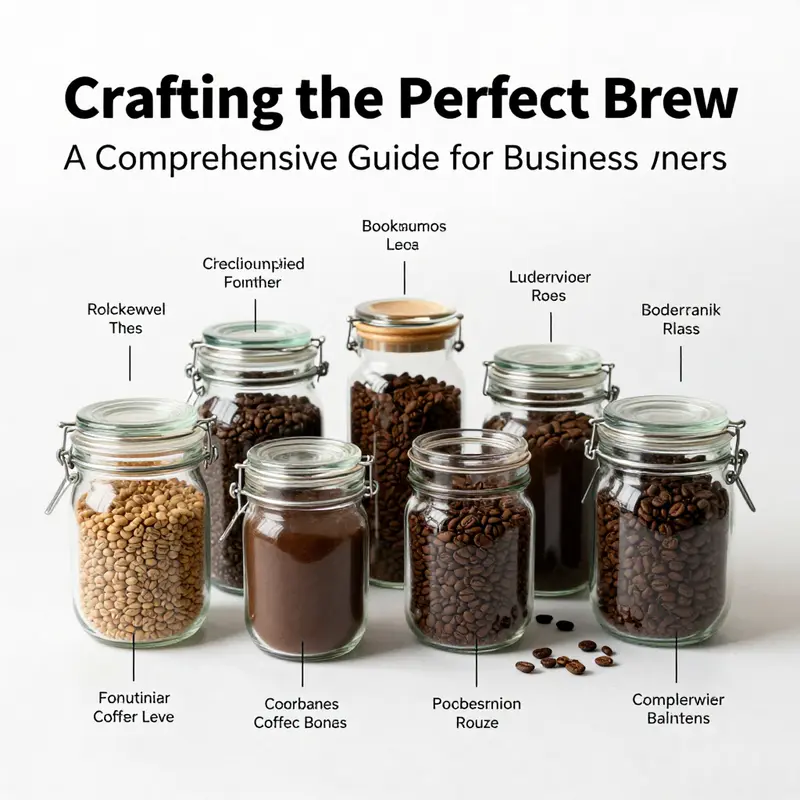
Understanding Roast Levels and Choosing the Right One
Roast level is the single most immediate transformation that green coffee undergoes on its way to your cup. It alters aroma, acidity, body, and flavor balance. It also changes how the bean behaves in your grinder and brewer. When you learn to read roast, you gain control over what you experience every morning. This chapter explains what roast levels do, how they interact with bean origin and processing, and how to pick the roast that suits your brewing method and taste.
Light roasts are about clarity. They are roasted for a shorter time at lower temperatures, which preserves the original personality of the coffee. Expect higher acidity, bright citrus or floral notes, and a lighter body. These roasts reveal origin characteristics and processing choices. A light roast from a high-altitude African farm may taste like bergamot, jasmine, or ripe berry. Because the roast does not add heavy caramelized sugars or smoky tones, the cup feels lively and detailed. For those who savor nuance and origin, light roasts are rewarding. They respond well to precise brewing—pour-over and filter methods highlight their delicate traits. Avoid masking them with milk; the subtle flavors vanish under creaminess.
Medium roasts are the compromise many home brewers prefer. They balance origin expression with developed sweetness from roasting. You will notice mellow acidity, a rounder body, and flavors that shift toward caramel, nuts, and mild chocolate. Medium roasts are versatile. They work with drip machines, pour-over setups, and many espresso routines that favor clarity without extreme roast character. If you want a dependable, approachable cup that still hints at origin, medium roast often fits. It tolerates milk better than light roast and keeps enough complexity to reward slightly finer brewing adjustments.
Dark roasts deliver intensity. Longer exposure to heat breaks down more of the bean’s original compounds. The result is lower acidity, heavier body, and strong roast-derived notes: dark chocolate, toasted caramel, smoky or even charred hints. These roasts create a thick, syrupy mouthfeel and often produce robust crema in espresso. If you prefer bold, straightforward flavors, dark roast can satisfy. It also suits brewing methods that extract more oils and body, such as French press or stovetop brewers. Note that dark roast tends to hide origin nuances; two dark-roasted beans from different farms can taste more similar than two light-roasted beans. Over-extraction can push dark roasts into bitterness, so adjust grind and brew time accordingly.
Roast affects more than flavor. It changes density, brittleness, and oil content. Light-roasted beans are denser and less brittle. They resist over-extraction errors and often need a slightly finer grind to extract fully. Dark-roasted beans are more porous and brittle due to internal breakdown. They grind finer with less effort and can extract quickly, which helps create a rich shot of espresso but raises the risk of bitter extraction in longer brews. Oils rise to the surface as roast level increases. A glossy sheen on dark beans signals surface oils and a roast profile that favors body and chocolatey notes.
Caffeine content is commonly misunderstood. Many assume dark roasts have more caffeine because they taste stronger. In truth, caffeine changes little during roasting. On a per-bean basis, light roasts can contain a bit more caffeine because the beans retain slightly more mass. Per-volume measurements can reverse that: dark beans are less dense, so a scoop of dark roast may contain fewer beans and less caffeine. The practical takeaway is to measure coffee by weight for consistency, not by volume.
Roast level also interacts with processing. A washed, lightly roasted bean retains bright acidity and clean fruit flavors. A naturally processed bean that is lightly roasted might present intense jammy berry notes. As roast deepens, those fermented or fruity signatures give way to caramelized sugars and roasty notes. For anyone comparing two beans, consider both processing and roast: a fruity natural processed bean at medium roast will taste very different from a washed bean roasted to the same level. This interplay is why specialty roasters list processing and roast level together.
Tasting roast requires practice. When you cup a coffee, take short, focused sips and note the initial aroma, first taste, mid-palate, and finish. Light roasts will often show a bright top note and a clean finish. Medium roasts will feel balanced with a sweeter middle. Dark roasts generally deliver stronger roast flavors up front and a heavier, sometimes resinous finish. Train yourself to separate origin flavors from roast flavors. Ask whether the note you taste—citrus, chocolate, smoke—feels intrinsic or added by caramelization. Over time, you will identify what you enjoy and why.
Your brewing method influences which roast you should choose. For pour-over and filter methods, light to medium roasts excel. They reward precise pouring and clean extraction with a lively, layered cup. For milk drinks such as lattes and cappuccinos, medium roasts or slightly darker beans are preferable because they hold up under milk and integrate sweet, chocolatey notes with cream. Espresso often favors medium-dark roasts. These produce body, sweetness, and crema, while still allowing some origin character to shine in the cup at high concentration. French press and cold brew often benefit from medium-dark roasts that contribute a smooth, low-acid profile and fuller body.
Practical buying cues tied to roast level will improve your results. Always look for a roast date, not just a best-before date. Freshly roasted coffee needs a few days of degassing to reach optimal flavor, but within one to four weeks it is at its peak. Buy whole beans and grind just before brewing. Packaging matters: opaque bags with one-way valves protect aroma and freshness. Avoid transparent bags exposed to light, which accelerate staling. When buying, note the roast description. If it says “city” or “light” it indicates a lighter profile; terms like “full city” or “dark” suggest heavier roast. Roaster notes about flavor and suggested brewing styles can guide your choice but trust your palate most.
When you try new roasts, keep variables controlled. Use the same grinder setting and weigh both coffee and water. Make a small batch of each roast and compare them side by side. Switch one variable at a time—roast level, grind size, or brew time—to learn how roast alone changes the cup. Keep tasting notes. Over months, patterns will emerge: which roast levels you prefer for specific methods, and which origins pair well with which roast.
Storage matters after buying. Store beans in a cool, dark place in an airtight container. Avoid refrigeration and freezing if you open the container frequently; moisture and odors can contaminate beans. For long-term storage of unopened, freshly roasted beans, freezing can slow staling. In daily use, keep small quantities accessible and refill from a larger, sealed stash.
Finally, let practical priorities guide you. If you want a bright, origin-forward cup for leisurely mornings, explore light roasts from regions known for acidity and fruit. If you want a reliable, crowd-pleasing brew that works with milk and machines, start with medium roast. If you crave bold, syrupy espresso with deep roast flavors, choose dark roast and dial in your extraction to avoid bitterness. Remember that roast level is not a value judgment. It is a tool. The roast you prefer should complement your brewing routine, taste preferences, and lifestyle.
For further reading on how freshness and handling affect roasted coffee and ways to refresh stale beans, consult scientific resources on coffee preservation and reconditioning: https://www.sciencedirect.com/science/article/pii/S0308814625012345
Choose by Process: How Washed, Natural and Honey Methods Shape Your Coffee’s Flavor

Processing Methods and What They Mean in Your Cup
The moment a coffee cherry is picked, an important transformation begins. Processing determines how the fruit is removed from the seed. It changes chemistry, texture, and ultimately your sensory experience. If you want to choose beans that match your taste, learning the three dominant processing styles—washed, natural, and honey—gives you far more control than roast level alone.
Washed processing removes the cherry skin and most of the mucilage before drying. The beans are typically fermented briefly to clean off residues and then rinsed. This method emphasizes clarity and acidity. The result is a cup where origin-driven notes stand forward. Floral, citrus, and tea-like qualities remain vivid. Washed coffees often feel lighter on the palate. They deliver precise, delineated flavors. When you want to taste where a coffee came from, choose washed beans.
Natural processing leaves the whole cherry intact while drying the fruit and bean together. Sun-drying is most common, though some producers use mechanical drying to manage humidity. Because the seed spends extended time surrounded by fruit sugars and yeasts, fermentation flavors intensify. These beans develop lush, fruity, and sometimes wine-like profiles. Expect strong berry, tropical fruit, and jammy notes. Natural coffees can have a heavy, syrupy body and lingering sweetness. They are exciting, often surprising, and especially popular when producers seek expressive, unconventional cups.
Honey processing sits between washed and natural. The skin is removed but some mucilage remains. Producers dry the beans with varying amounts of sticky mucilage still attached. The term ‘honey’ refers to the residual sweetness and syrupy mouthfeel it can create. Because producers can control how much mucilage they leave, there is a spectrum of honey styles, from ‘white’ (minimal mucilage) to ‘black’ (heavy mucilage). Honey-processed beans present a balanced experience: some of the clarity of washed coffees, with part of the fruit-driven sweetness of naturals. They are versatile and often crowd-pleasing.
Understanding why these processing methods diverge requires a short look at chemistry. Fruit mucilage contains sugars, pectin, and compounds that ferment when exposed to microbes and yeast. During drying, these elements migrate into the seed. Fermentation breaks down complex molecules into simpler, aromatic ones. The degree, duration, and environment of fermentation shape the flavor trajectory. Washed coffees typically undergo controlled fermentation focused on cleanliness. Naturals undergo longer, sometimes uncontrolled, fermentation that produces bold fruit esters. Honey processing preserves sugars without full fermentation, yielding concentrated sweetness and richer mouthfeel.
Climate and logistics also influence method choice. Regions with consistent sun and low humidity favor natural drying. Wet climates or high altitudes often favor washed methods that reduce spoilage risk. Economic and cultural traditions matter too. For example, some Ethiopian producers use natural processing to highlight the varietal’s inherent fruitiness. In other regions, washed processing is preferred to showcase terroir. As a buyer, knowing likely regional practices helps set expectations for flavor.
If you are selecting beans, think about balance and purpose. For a delicate pour-over meant to reveal floral or citrus notes, washed beans are a safe bet. If you want a sweet, dessert-like cup or an adventurous tasting experience, choose natural processed beans. If you like sweetness with clarity and a round body, consider honey-processed beans. Importantly, processing plays well with roast and brew method. A light roast amplifies washed coffees’ acidity. Medium roasts harmonize with honey beans. Dark roasts can mute natural’s fruitiness but enhance its body, which may suit milk-based drinks.
Consistency matters when buying. Natural coffees vary more from lot to lot. Fermentation is sensitive to weather and small changes. If you prefer predictable flavor, look for washed or carefully controlled honey lots. Producers and roasters who describe processing details and drying conditions usually invest in quality control. Transparent notes on fermentation times, drying approaches, and sorting practices are signs of care. A roaster who lists ‘natural, hand-sorted, patio-dried’ provides you useful clues about expected flavor complexity.
Defects and uneven processing can produce off-flavors. Over-fermentation can yield unpleasant funk or vinegar notes. Incomplete drying causes moldy or sour defects. With naturals, uneven sun exposure may lead to inconsistency within a batch. Good producers use extended sorting and quality checks to remove problematic beans. When you see information about sorting methods, like floatation or hand-picking, it often signals better cup quality. Buying from reputable roasters who roast small batches reduces the risk of large, inconsistent lots.
Processing also influences body and mouthfeel. Naturally processed beans often taste thicker and more syrupy. Honey-processed coffees tend to feel rounded and slightly sticky on the tongue. Washed coffees deliver a cleaner, tea-like body. If mouthfeel matters to you, match processing to the texture you prefer. For cold brew, naturals often give a smooth richness. For pour-over clarity, washed beans shine. For espresso, honey and washed coffees can both work, depending on roast and blend strategy.
Experimentation is essential. Start by tasting the same origin roasted to the same degree but processed differently. This comparison reveals how much processing contributes to flavor over terroir and roast. Cup side-by-side: note acidity, sweetness, fruit character, and body. Build a simple tasting journal. Record variables: processing, roast date, brew method, extraction time, and water temperature. After a few trials, you will recognize which processes align with your palate.
Practical buying tips focus on transparency and freshness. Processing information is as valuable as origin name. Seek roasters who list processing details on their bag or website. If a bag only says ‘single origin’ without a process, ask questions. Producers who invest time in describing fermentation, drying method, and sorting practices often deliver beans that perform predictably in your grinder and brewer. Also, remember that processing is one variable among many. Pair your processing choice with a roast level and brewing method suited to your taste.
Small-scale producers innovate with hybrid methods and experimental fermentation protocols. Some use anaerobic fermentation to push fruit-forward esters. Others try extended drying in controlled environments to develop unique sweetness. These techniques can result in intense, novel flavors. Treat such lots as tasting experiences. They may not be daily drivers, but they expand your palate and help you refine preferences.
Choosing beans by processing method is a practical way to shape your coffee journey. It gives you actionable expectations about flavor, body, and consistency. Washed coffees highlight origin clarity and acidity. Naturals deliver pronounced sweetness and fruit. Honey processing balances both worlds with syrupy texture and harmonized acidity. When you buy, read the roaster’s notes, compare different processes from the same region, and trust your tasting journal. Over time, processing will become one of the most reliable tools you use to select beans that match both your brewer and your taste.
For a deeper technical look at how processing affects Ethiopian coffees specifically, consult this detailed resource: https://www.sweetmilkcoffee.com/blog/exploring-green-ethiopian-coffee-beans-material-standards-technical-details-and-applications
Final thoughts
In summary, selecting coffee beans involves understanding the nuances of types, origins, roast levels, and processing methods. It is essential for business owners to prioritize quality and freshness to create an unforgettable coffee experience for their customers. By being informed about these key aspects, you can curate a coffee menu that not only satisfies individual preferences but also enhances the overall appeal of your establishment. Always remember to align your selections with your brand values and customer expectations, paving the way for repeat business and customer loyalty.