
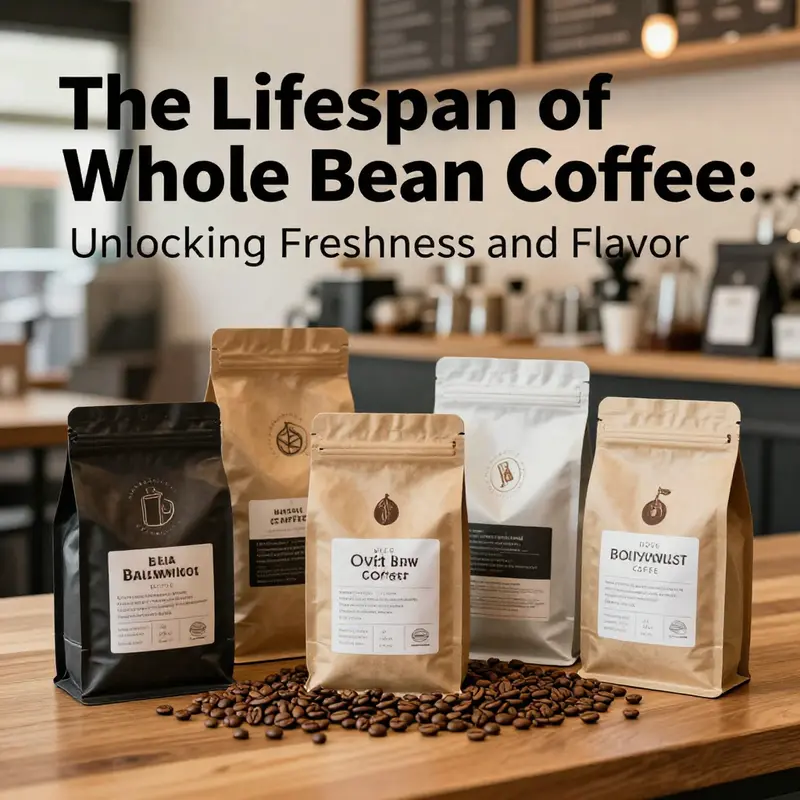
The quality of whole bean coffee diminishes after roasting, making it essential for business owners in the coffee industry to understand its longevity and storage needs. With the right knowledge, you can preserve the rich flavor and aroma that customers expect. This article delves into five key aspects of whole bean coffee’s lifespan: how long it lasts after roasting, how proper storage affects its longevity, different storage conditions, the differences between whole bean and ground coffee storage, and guidelines for enjoying optimized freshness and flavor. By understanding these factors, you can enhance your quality offerings and satisfy your clientele.
The Freshness Window: Reading How Long Whole Bean Coffee Lasts After Roasting

Fresh coffee begins its life in a small, fragrant window that often surprises casual shoppers. After roasting, whole bean coffee enters a period when the aromas and flavors are at their most vivid, a period many roasters and researchers describe as the peak freshness. That window is relatively brief, typically about one to two weeks for peak performance. Yet the story of coffee’s longevity doesn’t end there. When stored with care, whole beans can still offer a satisfying cup for several weeks to months beyond that initial release of aromatic compounds. Understanding this arc requires a blend of science and everyday practice, because the difference between a lively, complex cup and a flat, dull one can hinge on something as simple as storage space and timing. The very essence of coffee—the volatile compounds that give it its characteristic aroma and flavor—begins to drift away from the moment the beans leave the roaster. It is not that the beans become dangerous or inedible, but rather that their most memorable sensory profile gradually evaporates. This is why many seasoned enthusiasts plan purchases and grind their beans just before brewing, chasing that fleeting but delightful moment when the cup tastes most alive. To frame this clearly, researchers and industry guidelines converge on a practical narrative: the sooner you use freshly roasted beans, the more expressive the cup will be, especially if you minimize exposure to air, light, heat, and moisture.
The central actors in this story are the four enemies of freshness: oxygen, light, heat, and humidity. Oxygen, in particular, initiates the oxidation of oils and aromatic compounds, while light can catalyze degradation processes that dull the nuanced notes in a coffee’s aroma. Heat accelerates chemistry, and moisture disrupts the delicate balance of the beans’ internal environment. Ground coffee loses its volatile aroma much more rapidly than whole beans because grinding increases surface area dramatically, exposing more of those sensitive compounds to air. A widely cited study in the Journal of Agricultural and Food Chemistry quantified this contrast in a stark way: ground coffee can lose nearly 70 percent of its volatile aroma compounds within just 15 minutes of grinding. Whole beans, though more resilient, are not immune to decline. Within two weeks of roasting, even well-sealed whole beans can begin to reveal the first signs of staling if not stored properly. The natural corollary is that while grinding immediately before brewing is ideal for the fullest aroma, keeping beans intact and well protected can buy a meaningful amount of time before the flavor profile starts to fade appreciably.
From a practical standpoint, the length of that peak period depends largely on how well the beans are shielded from their enemies. An airtight, opaque container is essential because it limits both oxygen ingress and light exposure. The opaque vessel prevents light from triggering photo-oxidation reactions, which can soften delicate flavor notes such as fruitiness, florals, or chocolatey undertones. An airtight seal minimizes oxygen, slowing the rate at which the beans lose their aromatic compounds as they degas and age. Temperature matters as well. Room temperature storage avoids the repeated condensation and moisture fluctuations that can occur with refrigeration or freezing; paradoxically, chilling a bag of beans can invite moisture into the package whenever the container is removed, and the act of moving beans from cold to room temperature can also trigger flavor impacts. For most households, a stable, dry, cool, and dark spot at room temperature is the sweet spot. Coffee should stay away from heat sources like stoves, ovens, or sunny windows, which can create microclimates that accelerate degradation.
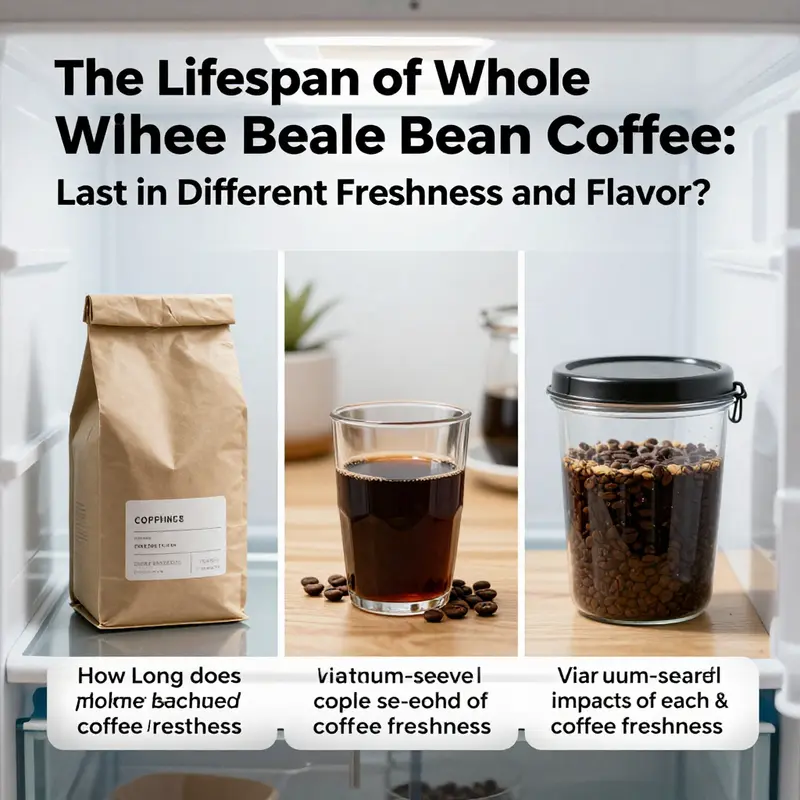
In practical terms, this means a thoughtful approach to buying and storing. For regular drinkers who want a consistent aroma and body, purchasing smaller amounts more frequently aligns with the one- to two-week peak and the subsequent longer, slower decline. This practice helps ensure that most of the beans you brew are still within that prime window. For those who must stock for longer periods, the guidance shifts toward long-term storage strategies that can preserve quality to a surprising degree. A vacuum-sealed container is a common recommendation because it minimizes air exposure even further than a conventional airtight jar. In such a setup, the beans can remain acceptable for roughly up to four months, provided they are kept in a dark, cool, relatively stable environment and are not subjected to repeated opening and closing. While this is not a license to forget about freshness, it represents a reasonable compromise for “emergency” storage without sacrificing the overall sensory quality of coffee when eventually brewed.
The temptation to store coffee in a refrigerator or freezer is a frequent topic of debate. The instinct to freeze seems logical for long-term preservation, but the practice introduces a different kind of risk. Freezing and thawing can cause condensation to form on the surface of the beans. This moisture can alter the surface oils and the internal structure of the beans, leading to a duller aroma and altered extraction dynamics when brewed. If freezing is unavoidable—for example, when you’ve bought beans in bulk or when you’re traveling far from home—allow the beans to return to room temperature in their sealed container before opening, to avoid introducing moisture into the beans. Even then, it is generally recommended to minimize the number of times you move beans between temperatures and containers to maintain the integrity of their aromatic compounds as long as possible.
The National Coffee Association USA has long served as a guiding voice for industry standards and consumer guidance. Their recommendations emphasize that while the best-tasting coffee arises from beans consumed within a short period after roasting, the quality of whole beans stored properly can extend beyond that initial window. In practice, many coffee professionals refer to a practical rule of thumb: enjoy beans within one to two weeks for peak flavor, and consider a four-month horizon for long-term storage under tightly controlled conditions. These guidelines acknowledge the reality that small shifts in storage can translate into noticeable differences in aroma and flavor, particularly for highly aromatic varieties that express delicate notes when brewed. The science behind this guidance is grounded in the behavior of volatile aroma compounds and the physical changes that occur as beans age after roasting. The overarching lesson is clear: protection from oxygen, light, heat, and moisture is not merely a technical detail; it is the key to preserving the sense of a freshly roasted cup in your home kitchen. For those who crave a deeper dive into the chemistry and recent measurements surrounding aroma loss, a robust source outlines the state of knowledge and the latest methodological approaches in this area, offering a rigorous context for these recommendations: https://www.sciencedirect.com/science/article/pii/S030881462101925X
From the vantage point of daily practice, we can translate these insights into a straightforward approach. First, purchase with intention, choosing quantities that will be used within a couple of weeks. Second, store in an opaque, airtight container at room temperature, in a location shielded from light and heat, with minimal exposure to humidity. Third, grind only what you need for each brew, and consider keeping a small backup supply in a separate, tightly sealed container to avoid repeated opening of your primary storage unit, which can introduce oxygen and warmth. Fourth, if you must extend beyond the two-week peak, consider vacuum sealing or another barrier method and limit freezing to highly controlled situations, being mindful of condensation risks upon thawing. In this way, the science of freshness informs daily habits without turning storage into a ritual of obsession. The goal is not to chase an absolute deadline but to maintain a practical, sensory-aware window in which your beans provide a cup that reflects their roast day intent.
In the end, the life of whole bean coffee after roasting is a story of balance. It is a narrative where time matters, but so does care. The bean’s aromatic peak may fade, but with disciplined storage and mindful grinding, you can preserve much of the coffee’s original character long after the moment of roast. That balance—between freshness and practicality—defines how we approach coffee day after day. As you plan your next purchase or your next morning ritual, remember that a small change in how you store beans can preserve a larger share of their flavor and aroma, ensuring that your cup remains a faithful reflection of the roast, the roast date, and the care you invest in your kitchen. For readers who wish to explore the topic further from a scientific vantage, the cited study provides a rigorous context for the ongoing conversation about aroma retention and the effect of grinding on freshness: https://www.sciencedirect.com/science/article/pii/S030881462101925X
null

null
null
null
Timing the Roast to the Cup: The True Lifespan of Whole Bean Coffee

When you crack open a bag of freshly roasted whole beans, the kitchen fills with a fragrant invitation. The clock, almost imperceptible at first, starts the moment the beans leave the roaster: aromas coil and then drift away as oxygen seizes the delicate compounds that define a cup’s character. The question most home brewers face is not only a question about caffeine freshness but about how long the flavor will last. The simple answer—like many kitchen truths—depends on how the beans are stored, how quickly you use them, and what you expect from a bean that has just left the roaster. In practical terms, whole bean coffee maintains its peak freshness and flavor for roughly 1 to 2 weeks after roasting. After that window, aroma and brightness fade, though the beans can still deliver a satisfying cup for weeks and even months if cared for properly. This distinction between peak freshness and usable quality matters because flavor is not a slider that simply turns off; it is a cascade of micro changes that begins the moment the roast ends.
The science behind this decline is straightforward in principle, though its implications may feel complicated in practice. Coffee beans are not just inert seeds; they are living chemical systems holding a complex bouquet of volatile aromatics. Immediately after roasting, these volatile compounds are most abundant and most reactive. They begin to escape, degrade, or transform as soon as exposure to air becomes a factor. The surface area of exposure is crucial: ground coffee presents a vastly larger interface with oxygen than whole beans do. This is a central reason whole beans last longer. When you grind coffee, you shatter cellular walls and instantly flood the grounds with oxygen. The result is rapid oxidation and swift loss of the aromatic compounds that deliver aroma and flavor to your cup. Among experts, this dissolution is striking. Dr. Chahan Yeretzian, a recognized authority in coffee chemistry, notes that a freshly ground batch can lose up to sixty percent of its volatile aromatics within a mere quarter of an hour. This is not merely a matter of losing a perfume; it is a measurable shift in how the coffee tastes — fruity brightness becomes muted, and the nuanced notes that defined the roast can blur into a less defined, more one-note profile.
Against this quick bloom-and-fade, whole beans offer a slower, more forgiving arc, provided you treat them with care. The path to maximum flavor begins with packaging and placement. An opaque, airtight container is essential, shielding the beans from light, oxygen, heat, and moisture. The container matters as much as the beans; even the best roasts need a fortress that slows the metastasis of oxidative reactions. Room temperature is generally sufficient for a consistent profile, and the temptation to nestle beans in the refrigerator or freezer should be resisted unless you have a reason to store for the long term. Condensation is a silent saboteur—the kind of moisture that oil and surface films resist when kept dry but welcome when cooled and then warmed again. The fridge’s cool interior invites a precarious cycle of moisture that can alter the bean’s surface oils and, in turn, the aroma that escapes into the cup.
For most households, the practical takeaway is to purchase in amounts that align with your weekly or biweekly consumption and to grind only what you plan to brew within the day or two. This approach preserves peak aroma, concentration, and flavor integrity. The best practice is to grind on demand, immediately before brewing, so that the volatile aromatics—those that give coffee its signature fragrance and palate—have their moment right at the moment of extraction. If you anticipate a need to hold beans longer than a couple of weeks, you can contemplate vacuum sealing or otherwise restricting air exposure, but you should temper expectations. Vacuum-sealed storage can slow the march of oxidation, and in some cases, a four-month horizon for peak experience is cited as a reasonable target when the beans are stored in an environment that minimizes light, heat, and moisture. Yet even under those conditions, the timeline may feel generous relative to a fresh-roasted surge of aroma. The consensus from authoritative guidance is cautious but practical: aim for consumption within weeks of purchase for the most vivid coffee, and do not let the clock extend indefinitely without tradeoffs in aroma and flavor.
The question of freezing is a frequent one, and here too the nuance matters. Freezing can be an effective strategy to extend life, but it is not a universal remedy. Freeze only if you segment the beans into small, airtight portions so that you break the ice in minimal increments rather than repeatedly thawing and refreezing a larger bag. The objective is to limit moisture intrusion and to avoid temperature fluctuations that cause condensation when you move between freezer and counter. In other words, freezing is a last-resort tool more suited to very long-term storage rather than a routine practice for everyday beans. The best case remains: keep beans at a steady, cool, dry room temperature, inside an opaque, airtight container, and grind as you go.
The broader takeaway for the curious consumer is to understand the timescales: the period of maximum aroma is roughly 1 to 2 weeks after roasting; beyond that, the beans retain much of their integrity for a longer window if kept vigilant guardians of freshness. A practical rule of thumb is to pace purchases so that you finish a bag within that window. As with any perishable product, the objective is to enjoy the coffee while its aroma and bright acidity are at their peak, before the more subtle, delicate compounds begin to wane. The difference between whole bean and ground coffee is not merely a count of days; it is the difference between a living, evolving aroma profile and a potion that expires in minutes after grinding. Understanding that contrast can guide your habits—grind less frequently, shop more often, and use a container that blocks more than just light. The interplay of these choices shapes the eventual perception of the cup, affecting sweetness, acidity, body, and aftertaste.
If you still wish to stretch beyond the immediate weeks following a roast—and you must store more than a few bags at once—the literature suggests that a stable, well-sealed environment can permit a longer horizon, typically up to four months for the best possible experience. This does not imply that the coffee remains identical to a freshly roasted batch; rather, it suggests a slower degradation rate that preserves a faithful, though aging, flavor within a predictable framework. The aroma will not be as exuberant as on day one, but the cup can still offer a satisfying, recognizable profile that reflects the roast’s intentions. The key is a disciplined approach to storage: protect the beans from air, minimize moisture, and avoid temperature swings that awaken the oils and volatile compounds before you are prepared to brew.
In closing, the difference in longevity between whole beans and ground coffee is not a trick of marketing but a physical reality grounded in chemistry and practical kitchen habits. Whole beans are not magic; they are a resilient form that behaves like a time capsule when treated with care. The clock starts at roasting, and your tasting experience is determined by how well you shield the delicate elements from oxygen and moisture, how promptly you grind, and how reliably you seal the aroma inside the container. For most households, embracing the near-term window—consuming within one to two weeks post-roast while maintaining a steady habit of buying fresh and grinding as needed—will yield the most consistent, flavorful results. When life requires more patience, a thoughtful approach to storage can extend usability to several months, with the caveat that flavor will evolve and soften with time. The science is precise enough to guide daily practice, yet forgiving enough to accommodate a busy kitchen, provided you keep the fundamentals in view: air, light, heat, and moisture are the enemies of vivid coffee, and airtight, opaque storage is the ally that keeps a brewer’s rituals honest and satisfying.
External resource: https://www.coffeescience.org/whole-bean-vs-ground-coffee-freshness
Peak Flavor Window: How Long Whole Bean Coffee Stays Fresh and What Keeps It There
Whole bean coffee tastes best in a surprisingly small window after roasting. For most beans, that peak window spans roughly two to three weeks. During that time, the roast’s volatile aromatic compounds are at their richest, producing the oils, acids, and fragrances that define a cup. After the roast, those molecules begin to escape and react with oxygen. The result is a steady fade in aroma and complexity. Beans stored well can still be pleasant for months, but the brightest, most nuanced flavors dim within weeks.
Understanding why this happens makes storage choices clear. Roasting triggers chemical changes inside each bean and releases carbon dioxide. That CO2 continues to escape for days. More importantly, the roast creates delicate compounds that give coffee its smell. Those compounds are fragile. Oxygen, light, heat, and moisture accelerate their loss. Tiny changes in any of these factors speed up stale flavors. That is why access to air is the enemy of fresh coffee, and why packaging and storage matter more than price tags or origin stories.
Not all beans age the same. Roast level, bean density, and processing affect how quickly flavors decline. Darker roasts often show oils on the bean surface. Those oils carry aroma but also oxidize faster. Lighter roasts tend to feel brighter for longer, because less surface oil reduces rapid rancidity. Denser beans, like those from higher elevations, can hold onto volatile compounds a bit longer. However, these differences are relatively small compared with the impact of storage. Good storage can buy you weeks; poor storage ruins days.
Choose beans with a clear roast date. A “best by” date tells you little about freshness. The roast date lets you time consumption to the peak window. Aim to consume most whole bean coffee within two to three weeks of roast for optimal flavor. If you must stretch it, properly stored beans can still be satisfying for up to three or four months. Beyond that, the cup is safe but increasingly one-dimensional.
Storage is straightforward but precise. First, use an airtight container. Oxygen is the main culprit in flavor loss, so limit its access. Containers made of opaque ceramic or dark glass block light and help keep oxygen out. If you use metal tins, ensure they seal well. Clear containers let light in and should be avoided. Many roasters use one-way valve bags that let CO2 escape while limiting oxygen intake. Those bags work well until opened.
Second, keep beans in a cool, dark place. Room temperature works fine if the location stays stable. Avoid cabinets above ovens, direct sunlight, and near heat sources. Constant temperature swings encourage condensation and chemical reactions that harm flavor. Do not refrigerate whole beans. Fridges are humid and full of competing odors. Every time you open the refrigerator, moisture and smells can reach the beans. Those factors degrade aroma and can introduce off-flavors.
Third, avoid the freezer except for specific long-term storage. Freezing beans can slow chemical reactions and preserve compounds longer. But repeatedly removing beans from the freezer causes condensation to form. Moisture damages flavor quickly. If you plan to freeze beans, portion them into small, airtight packages first. Thaw only what you need and consume it without refreezing. Even with vacuum sealing, freeze-stored beans should be used within a few months for the best experience.
Grind strategy plays a major role. Grinding increases surface area dramatically, exposing more aroma compounds to oxygen. Once ground, coffee deteriorates within hours to days, depending on storage and roast. That is why grinding immediately before brewing yields the freshest cup. If convenience forces pre-grinding, store ground coffee in a truly airtight, opaque container and use it quickly. But the best practice is whole beans kept properly and ground just before brewing.
Portioning matters too. Buy only what you will use in the peak window when possible. Small, frequent purchases keep flavor bright and reduce the temptation to rely on long-stored beans. If you patronize a local roaster, ask about batch sizes and roast schedules. Some roasters offer smaller batches with a roast date clearly labeled. That transparency helps you sync purchases with consumption.
Vacuum sealing offers one of the few effective routes to extend shelf life without sacrificing much flavor. Removing oxygen slows oxidation. A vacuum-sealed bag or jar can preserve beans for several months. Even so, expect a gradual loss of the most delicate notes. For long-term preservation, combining vacuum sealing with freezing provides the best results. As noted earlier, avoid repeated freeze-thaw cycles. Portion, seal, freeze, and then use single portions without refreezing.
Practical daily routines help maintain flavor. Store the jar or bag away from your stove and away from direct light. Keep it out of humid zones. Open the container briefly, scoop what you need, and reseal quickly. If your storage container has a valve, orient it as the manufacturer recommends. When traveling with beans, keep them in their original sealed bag inside a sturdy container to avoid crushing and unnecessary exposure.
Finally, tune your expectations and tasting habits. Fresh coffee shows more complexity and a fuller aroma profile. If you notice flatness, muted acidity, or one-note bitterness, the beans have likely lost volatile compounds. That doesn’t make them unsafe, but it signals that you’ve moved past the peak window. Experiment with different roast dates and storage methods to find what you prefer. Some people prefer beans on day seven after roast, when degassing has eased and flavors settle. Others like the brightness of day three. Your ideal point may fall anywhere inside the peak range.
Peak flavor lasts a short time, but care extends enjoyment. Buy with roast dates, store in an opaque airtight container, keep beans cool and dry, and grind immediately before brewing. Use vacuum sealing and freezing only for long-term storage, and avoid refreezing thawed beans. With attention to these steps, you will capture the richest aromas and the most expressive cups from your whole bean coffee.
For practical storage tips from industry sources, see this guide: https://www.coffeegeek.com/learn/storage
Final thoughts
Understanding the longevity of whole bean coffee and the impact of proper storage is crucial for business owners in the coffee industry. By considering the freshness timeline after roasting and adhering to best practices for storage, you can enhance the flavor profile and satisfaction of your products. This knowledge not only benefits your business but also elevates the coffee experience for your customers, ensuring they receive the best quality with every brew.