

For business owners, particularly in the coffee industry, understanding the shelf life of coffee beans is crucial for maintaining product quality and ensuring customer satisfaction. The longevity of coffee beans hinges on various factors including the packaging, roast level, and storage conditions. In this article, we will explore the specifics of unopened and opened coffee beans, how to maximize their freshness, recognize signs of spoilage, and creatively utilize expired beans. Each of these chapters builds on the importance of managing coffee inventory effectively to keep your offerings fresh and appealing.
Timekeeper of the Roast: Understanding How Long Unopened Coffee Beans Stay Fresh and Flavorful
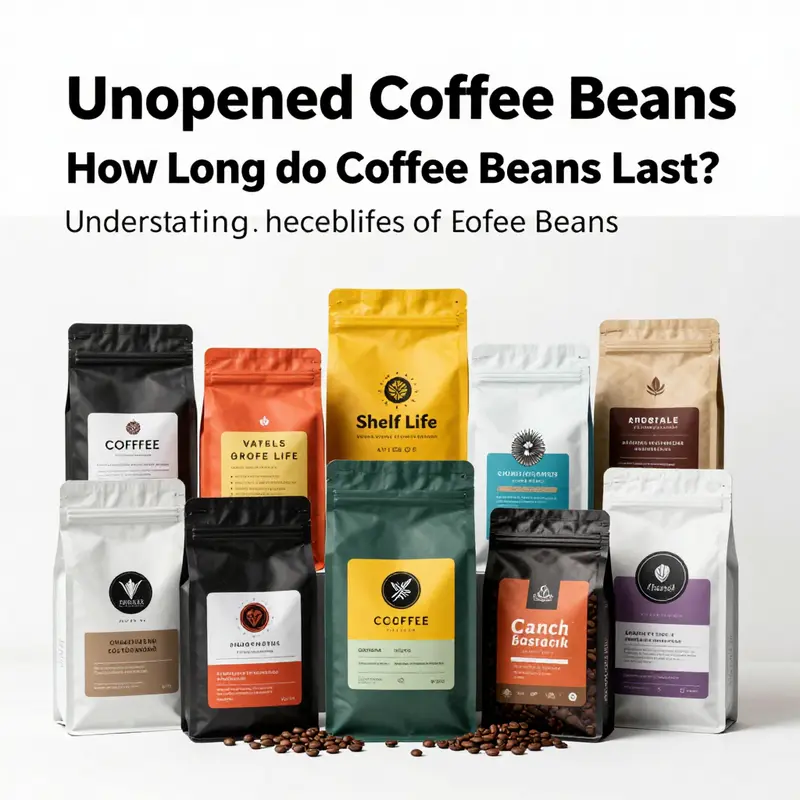
Fresh coffee beans carry the memory of the roast, but time is a quiet thief. The moment coffee leaves the roaster, a cascade of degassing begins, and oxygen, light, and moisture set the pace of change. For unopened beans, these processes unfold mostly behind the bag’s barrier. The result is a long, patient decline in peak aroma and flavor, not a sudden drop in safety. When you store coffee beans properly, they can remain at or near their best for many months. The key is to understand two timelines: the time since roasting and the time since packaging. The roast date marks when the clock starts, and the packaging type marks how quickly air and moisture can creep in.
Unopened coffee beans, stored correctly in a cool, dark, and dry place, tend to hold their impact longer than the average pantry staple. The general shelf life for unopened beans hovers in the broad range of 9 to 18 months from roast date. For many standard roasts, you might plan to enjoy flavor within 6 to 12 months to keep the profile vivid. The label’s “best-by” date is a guide for peak flavor, not a safety deadline. The underlying chemistry does not flip from safe to unsafe after a date; it gradually shifts from a bright, fruity cup to something calmer and flatter as oxidation thickens and volatile aromatics drift away. The packaging matters a lot here. Vacuum-sealed or nitrogen-flushed bags minimize oxygen exposure. In those conditions, unopened beans can stretch toward 18 to 24 months of storage without a dramatic slam in quality. That extension is why many specialty suppliers emphasize the difference between typical retail packaging and the more controlled hermetic environments used by professionals.
Roast level also subtly reshapes the timeline. Light roasts, which carry a tighter structure and often a slightly denser mass per bean, tend to resist oxidation a touch longer in unopened form and can glimpse toward the higher end of the 12‑month window. Dark roasts, with more surface oils and a bolder flavor profile, tend to deteriorate a bit faster, typically landing around 6 to 9 months for peak freshness when kept unopened and away from heat and light. This does not mean dark-roasted beans become unsafe in that window; rather, they can lose nuance, complexity, and brightness sooner than their lighter counterparts. For a home roaster or ordinary home setup, those differences matter when you’re deciding how much to buy at once and how quickly you’ll reach for them.
Another critical nuance concerns the ongoing roast-degassing process. Immediately after roasting, beans release carbon dioxide. This natural outgassing gradually slows, but it continues for days and weeks. In unopened packages with a robust seal, this degassing can be accommodated without letting oxygen flood in. If a bag is compromised or the seal weakens, oxygen can accelerate staling even while the beans remain technically unopened. This is why the integrity of the packaging matters as much as the packaging type. It is also why many roasters and retailers recommend keeping unopened beans in their original bags until you’re ready to move them to your preferred storage container. The best practice remains simple: keep the bag undisturbed until you’re ready to portion, and store it in a cool, dark, dry spot where heat sources and sunlight won’t perturb the environment.
The practical upshot of all this is that for airtight, moisture-free, cool storage, an unopened package typically preserves its peak character for months, but the flavor window narrows as time goes on. If you plan to drink the beans at their freshest, aiming for use within 2 to 4 weeks of roast date is a reliable rule of thumb for whole-bean coffee. This window represents the time when aromatics are most vivid and the body, sweetness, and acidity align with the roaster’s intent. It is tempting to extend this period, especially when you buy in bulk or try to time your tasting notes with particular roasts, yet most experts agree that the flavor advantages fade as weeks turn to months. The unopened status can buy you time, but it does not reset the clock to zero.
If you must store beans beyond the typical window, freezing becomes a viable option. Freezing can slow oxidation and moisture migration, effectively placing a pause on the clock while the beans remain sealed against air and dampness. The safeguards are precise. Transfer beans to vacuum-sealed bags or containers designed for freezing. Keep the temperature steady at about -18°C (0°F). Thaw the beans at room temperature before opening and never refreeze once thawed. The idea is to limit moisture intrusion and odor transfer during the thaw, which can otherwise taint the beans. In practice, freezing should be considered for long-term storage only when you have a surplus you know you won’t finish within the 6–12 month range. When you opt to freeze, label the package with the roast date to track the actual time elapsed after thawing, not just since roasting.
Another practical consideration for unopened beans is how travelers and households manage their supply. The impulse to keep a large stock in a single cool corner can backfire if the packaging is damaged or if exposure to heat becomes a habit in certain rooms. Heat acts fast on coffee, nudging aroma and flavor toward dullness. If you are purchasing coffee in larger quantities, a responsible approach is to split the beans into smaller portions and transfer only what you intend to use within the recommended period. This minimizes the risk that an entire batch slides past its prime because a single bag escaped scrutiny or was stored near a heat source.
As you weigh the choice between keeping unopened beans longer and buying more frequently in smaller batches, consider your own consumption rhythm, your storage environment, and the extent to which you value flavor nuance. If a roast is unique or particularly beloved, you might decide to prioritize a faster turnover to preserve its character. If a roast is more robust and forgiving, you may feel comfortable with a longer horizon. Either way, the guidance remains consistent: treat unopened beans as a time-sensitive ingredient, even as their packaging protects them. The best-by date on the bag is a helpful midwife to flavor, not a verdict on safety. If the bag has stood up to travel and storage without visible intrusion of moisture or odor, you can expect the beans to deliver their best performance for a meaningful span within the ranges described above.
For readers who crave a concise reference, the research aligns with practical experience: unopened beans, stored properly in a cool, dark, and dry place, can maintain peak freshness for roughly six to nine months post-roast date, with some flexibility toward a year depending on packaging and roast level. When the aim is to preserve the full spectrum of aroma, sweetness, and balance, it pays to think in terms of a flavor window rather than a hard calendar date. If you want the flavor to shine, use the beans sooner rather than later after the roast has cooled. If you must stretch the timeline, gating that extension behind careful packaging, temperature control, and mindful handling will help preserve more of the original character.
In closing, the unopened state affords a degree of security against deterioration, but it does not suspend the physics of coffee chemistry. Oxygen, light, moisture, and heat are all antagonists to freshness, and the packaging you choose can either slow them down or let them creep in more quickly. The viewer who buys small batches, stores them in a dark, cool cabinet, and respects the roast date will enjoy a cup that carries more of the roaster’s intention, even as the calendar advances. And when you eventually open the bag, transition to proper storage techniques for opened beans to preserve the journey from roast to cup as long as possible. For a deeper dive into the science behind these shelf-life estimates and how to optimize your own storage strategy, consult the detailed research resources that discuss coffee freshness and oxidation in greater depth. https://www.seriouseats.com/what-is-the-shelf-life-of-coffee-beans-1305728
After Opening: How Long Coffee Beans Keep Their Flavor — and How to Make It Last
Opened beans start to lose the essence that makes coffee special almost immediately. Within a week of being opened, many of the volatile oils and aromatic molecules that define brightness and complexity begin to fade. The Specialty Coffee Association (SCA) and coffee scientists report that the most perceptible drop in aroma and flavor occurs within 7 to 14 days after opening. This is not a food-safety issue. It is a flavor one: beans become dull, flat, and sometimes bitter as oxidation and evaporation reshape their profile.
Once you break the original seal, the beans enter a new environment. Air, light, heat, and moisture attack different elements of the roast. Oxygen reacts with surface oils and fragile aromatic compounds. Light causes photo-degradation of sensitive molecules. Heat accelerates chemical reactions. Moisture allows unwanted microbial growth and wreaks havoc with solubles. The result is a steady, measurable decline in perceived freshness.
What does that mean in practical terms? Think in windows of enjoyment rather than fixed expiration dates. For everyday home use, the peak flavor window after opening sits between two and four weeks. During those first two weeks you will taste the roast’s clarity, acidity, and aromatic lift. By week three, those high notes often subside. By week four, many beans taste noticeably muted. After one month, the coffee is usually still safe to drink, but it will lack nuance and complexity. Darker roasts, which shed surface oils during roasting, tend to lose desirable characteristics faster than lighter roasts. Lighter roasts, with denser beans and fewer surface oils, generally hold more of their character for longer.
Storage choices determine how quickly the clock runs. The priority is to slow oxidation and to shield beans from moisture, light, and temperature changes. An airtight, opaque container with a tight seal is the single most impactful change you can make after opening. Stainless steel or ceramic canisters are preferable because they block light and are less permeable than thin plastics. If the container has a one-way valve, it will allow residual CO2 from freshly roasted beans to escape while preventing fresh air from entering. If you must keep beans in their original packaging for a short time, reseal it tightly and store it in a dark cupboard away from heat.
Temperature matters, but not in the way people often think. Refrigeration is usually more harmful than helpful for opened coffee. The fridge introduces humidity and the constant opening and closing exposes beans to other odors. Those odors migrate into the beans and confuse the flavor. Freezing is a different story when used properly. For longer-term storage beyond a month, freezing whole beans in an airtight, vacuum-style bag can preserve much of their aroma. Use small portions so you only remove what you need. Thaw the portion to room temperature before opening it. Never refreeze thawed beans. Moisture control during freezing and thawing is essential to avoid condensation and flavor damage.
Grinding plays a pivotal role too. Whole beans retain freshness far longer than pre-ground coffee. Once ground, the surface area increases dramatically and so does the rate of oxidation. If you grind daily and store whole beans correctly, you preserve more of the coffee’s original complexity. For those who want the best possible cup, buy whole beans and grind just before brewing.
How you manage portions affects freshness every day. Transferring only the amount you plan to use within one to two weeks into a small, opaque, airtight container reduces repeated air exposure. Keep the bulk supply sealed in its original bag or in a larger airtight container, and avoid repeatedly opening it. This small habit helps keep the majority of your beans in a low-oxygen state.
Sensory checks are the simplest tools for assessing whether beans are past their prime. Aroma is the quickest indicator. Fresh beans will smell vibrant and layered. Older beans will smell flat, weak, or slightly oily and stale. Visual cues also help: fresh beans often have a glossy sheen of natural oils shortly after roasting. Over time, beans can become overly oily, especially dark roasts, which is another sign of degradation. If you detect a sour, musty, or chemical odor, discard the beans. Visible mold or strong off-odors can indicate contamination and potential health risks.
Brewing is the final test. If your coffee tastes weak, lacking acidity, or oddly bitter despite correct extraction, the beans are likely past their flavor prime. Adjusting grind or brew variables can sometimes compensate for minor freshness loss, but not for significant degradation. When beans are within their best window, small tweaks in grind size, water temperature, and brew time yield clear improvements. When beans are stale, those tweaks offer limited returns.
Practical habits make freshness manageable. Purchase beans in smaller quantities, ideally in amounts you can use within two to four weeks after opening. Buy whole beans and grind on demand. Invest in an opaque, airtight storage canister and keep it in a cool, dark cupboard. If you must freeze beans, divide them into single-use, vacuum-style portions and thaw only the portion you need. Always let frozen beans reach room temperature before opening the package.
There are creative ways to repurpose beans that have lost their peak flavor. Dull beans still contain aromatic oils and can be used for household tasks. Coffee grounds scrub surfaces, absorb odors, and improve gardens as mulch or compost input. Used grounds are gentle exfoliants for skin care blends, and dried grounds placed in small sachets make good deodorizers for closets or shoes.
Understanding timelines helps set expectations. Opened beans offer their richest experience in the first two weeks, and remain reasonably good up to four weeks with attentive storage. Beyond that, flavor declines noticeably. The aim is to slow the inevitable decline, not to stop it. Thoughtful storage and smart buying choices deliver a cup that honors the craft behind the roast.
For a practical, science-informed guide to storage techniques and long-term preservation, see this detailed resource from Perfect Daily Grind: https://www.perfectdailygrind.com/coffee-bean-storage/
Keep the Roast Alive: Practical Storage Strategies to Maximize Coffee Bean Freshness
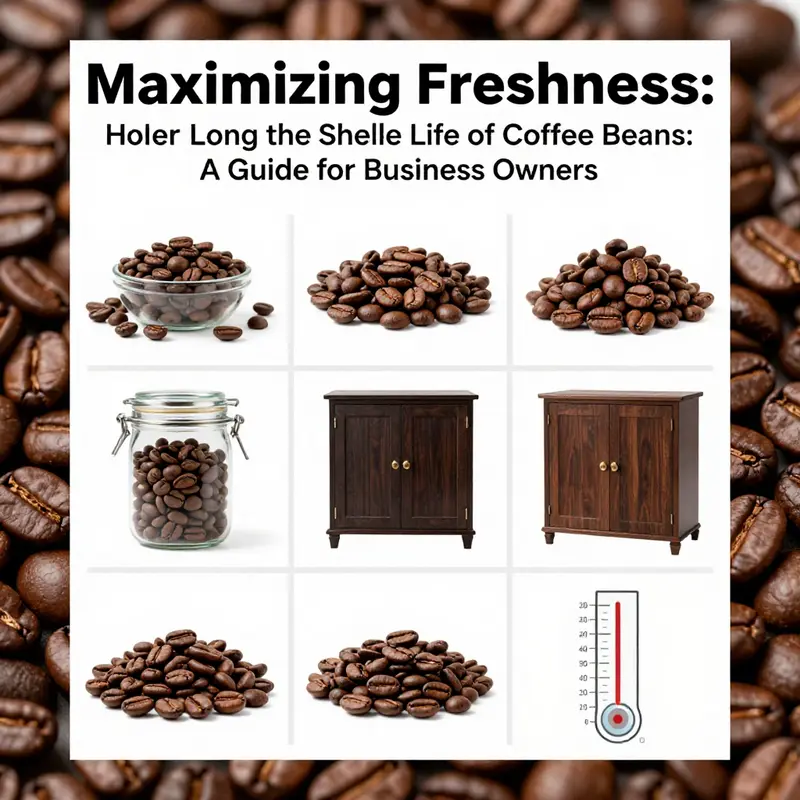
Maximizing Freshness Without Losing Flavor
Coffee bean freshness is a moving target, shaped by roast date, packaging, handling, and the moment you break the seal. Roast chemistry reaches its most interesting point in the first week to ten days after roasting. During that time, volatile aromatics and acids stabilize into the bright, balanced cup many seek. After day ten, the sensory profile begins to slip. By two weeks, brightness and complexity show measurable decline. This timeline underlines a simple truth: to enjoy coffee at its best, storage choices matter as much as bean quality.
Whole beans and ground coffee diverge quickly in how they age. Whole beans keep more aroma and protect delicate oils because they present far less surface area to oxygen. Grind those beans and the clock accelerates. Within hours, many volatile compounds dissipate and oxidation accelerates. That is why the best practice is to store whole beans and grind only as needed. If you must keep ground coffee, plan to use it rapidly. Whole beans extend that pleasurable window from hours to days, and often to two weeks of sensible freshness for daily drinkers.
Packaging plays a decisive role in how long beans remain vibrant. Unopened vacuum-sealed or nitrogen-flushed bags create a low-oxygen environment. These bags can preserve flavor for many months. In practical terms, vacuum or nitrogen packaging slows oxidation and preserves volatile aroma compounds far longer than standard sealed bags. Once opened, though, that protective benefit ends. For consumers, the most meaningful timeframe starts when the bag is opened: within a month you will still get a passable cup, but the peak experience usually sits in the first two to four weeks.
Storage temperature, light exposure, moisture, and air are the four killers of coffee freshness. Heat speeds chemical reactions and accelerates oil breakdown. Light breaks down organic molecules and robs color and aromatic complexity. Moisture fosters clumping and can lead to off-odors or mold when extreme. Oxygen reacts with oils and aromatics, producing stale, papery, or rancid notes. Addressing each of these factors simultaneously gives the best chance of preserving a roast’s intended character.
Practically speaking, the most effective steps are straightforward and low-tech. First, transfer opened beans into an airtight, opaque container. Choose a container that seals tightly and blocks light. If it has a one-way valve, that’s ideal; it lets CO2 escape while preventing oxygen from entering. Second, store the container in a cool, dry, and dark place. A pantry or cupboard away from ovens, windows, or heat-producing appliances is perfect. Aim for a stable, moderate temperature—around 15°C (59°F) is a good reference point. Avoid frequent temperature swings, which can cause condensation and accelerate deterioration.
Many people ask whether refrigeration or freezing helps. Refrigerators house many odors and fluctuate with door openings. Those changes introduce moisture and foreign aromas to coffee. For that reason, regular refrigeration is not recommended. Freezing can be useful for very long-term storage if you follow strict steps. Use vacuum-sealed bags or an airtight container designed for the freezer. Portion beans first so you thaw only what you need. Thaw at room temperature before opening the container. Never refreeze thawed beans. Freezing reduces the rate of chemical changes, but repeated temperature movement and moisture are the real risks people overlook.
Grinding strategy makes an outsized difference. If you want the freshest cup, grind immediately before brewing. For filter or immersion methods, grind size affects extraction and flavor, but freshness trumps small adjustments. Portion small amounts of beans into daily-use containers when you buy large bags. Doing so limits air exposure for the bulk. If you keep a week’s worth of beans in a small, sealed container, the rest stays protected in its original bag. For high-frequency drinkers, buy smaller bags more often. For occasional drinkers, consider frozen storage with careful portioning.
Recognizing when beans have passed their best is an essential skill. Aroma is the first signal. Fresh beans offer bright, complex scents with floral, fruity, or nutty notes depending on origin. If the aroma is muted, cardboard-like, or sour, it has likely lost vibrancy. Visual cues matter too. Dull color, excessive surface oil, or visible mold all indicate quality issues. Taste is the final arbiter. Stale beans produce flat, one-dimensional cups with harsh or bitter edges. If the brew lacks clarity and vibrancy, the beans have moved well past their prime.
Even when beans are no longer ideal for brewing, they are rarely dangerous. Bad smell, visible mold, or chemical off-odors are exceptions that warrant discarding. Otherwise, repurpose stale beans and grounds in sustainable ways. Used grounds scrub pots, refresh drains, and neutralize odors. Compost them or feed gardens that appreciate the extra organic matter. This avoids waste and keeps a kitchen’s worth of coffee serviceable even beyond the cup.
A realistic plan will keep your coffee both enjoyable and economical. Buy smaller amounts from roasters or retailers whose roast date you can verify. Aim to use a single bag within one month of opening for the best experience. If you buy ahead, favor vacuum or nitrogen-packed options and store unopened bags in a cool, dark place. When you open a fresh bag, portion some beans into a daily container. Keep the remaining bulk sealed and use it within a month of opening.
Each roast behaves a little differently. Light roasts often age more gracefully than darker roasts because they retain less surface oil. Dark roasts show oil earlier, and that oil is more prone to oxidize. Adjust expectations accordingly. If your coffee is a dark roast, plan to use it sooner for the best cup.
Storage science is not static. Researchers continue to refine understanding of the roast-to-cup timeline and the chemistry of aroma loss. For practical guidance grounded in current research and industry standards, consult the Specialty Coffee Association’s resources. They provide evidence-based recommendations for handling and storing coffee to preserve its sensory quality at every step. https://sca.coffee
By aligning simple storage habits with the roast’s natural lifecycle, you can stretch enjoyment without sacrificing flavor. Store in the right container, keep beans cool and dry, grind just before brewing, and buy in sensible quantities. Those habits preserve the roast’s spirit so each cup arrives closer to the way the roaster intended.
null

null
The Lifespan of Coffee Beans: Freshness, Storage, and Creative Reuse

What follows is a compact guide to coffee bean longevity, from unopened bags to opened pouches, with practical ideas for reuse when aroma fades. Oxygen is the principal antagonist of flavor, and temperature, light, and moisture all matter for how long beans stay vibrant. In unopened form, beans can keep quality longer when protected from air; vacuum sealing or nitrogen-flushed packaging typically extends shelf life beyond the basic 9-12 months, while lighter roasts may retain aroma a bit longer than dark roasts due to oils and resilience of the cellular structure. The best-by date is a flavor guide, not a safety deadline, and sensory checks should guide use more than the calendar.
Once a bag is opened, the clock starts ticking more decisively. A practical flavor window is roughly two to four weeks if beans are kept in an airtight, opaque container away from heat and light. After that, flavor potential commonly declines, though the beans may still be usable for certain preparations or experiments. The goal is to minimize oxygen exposure, keep a stable cool temperature, and be mindful of aroma transfer. If you notice a dull, flat aroma or a harsh taste, it is time to re-evaluate or repurpose rather than assume safety is compromised.
When beans no longer deliver a satisfying cup, there are many zero-waste options. Grounds can enrich compost, deter pests in the garden, or serve in skincare scrubs. Dried remnants can deodorize the fridge or act as a light cleaner for cookware. Even stale beans can be repurposed into slow experiments like cold-brew or steeped infusions, which may reveal subtle notes that linger despite aging. The overarching message is that aging marks a shift in flavor, not a total loss of utility.
To maximize remaining utility, proper storage matters. An airtight, opaque container is essential, with a one-way valve if possible to reduce oxygen exchange. Keep beans in a cool, dry place away from direct sunlight; a target around 15°C (59°F) helps slow oxidation. Avoid frequent bag opening; portion beans into smaller amounts to limit air contact. For long-term storage, vacuum sealing and freezing at -18°C (0°F) is a practical option, with gentle thaw at room temperature and no repeated freezing.
Detecting whether beans are still good is a sensory exercise. Look for dull color, visible oil separation that looks rancid, and a stale aroma. Taste tests should be avoided if there are signs of mold or chemical odors, which indicate unsafe contamination. If safety concerns arise, discard promptly. If flavor remains, consider creative uses beyond brewing.
In short, unopened beans offer a broad window for quality, while opened beans require a mindful approach. With careful storage and a little ingenuity, you can stretch the value of your coffee from harvest to home, reducing waste and discovering new ways to enjoy aging beans.
Final thoughts
In summary, understanding the shelf life of coffee beans is a vital component for anyone in the coffee business. From recognizing the differences between unopened and opened beans to employing best practices for storage and identifying expired beans, knowledge is key to maintaining quality and serving your customers. Should you find yourself with expired beans, remember there are many creative uses for them, ensuring they don’t go to waste. Prioritize freshness to deliver the best coffee experience and keep your business thriving.