

Whole coffee beans possess a unique freshness that is crucial for delivering high-quality coffee to customers. For business owners in the coffee industry, understanding how long these beans last after roasting can make a significant difference in flavor and customer satisfaction. This article will explore the shelf life of whole coffee beans, factors affecting their longevity, signs of freshness loss, and best practices for keeping them at their best. Equip your coffee business with the knowledge to ensure your beans are always fresh and flavorful.
The Flavor Window: Understanding How Long Whole Coffee Beans Stay Fresh After Roasting
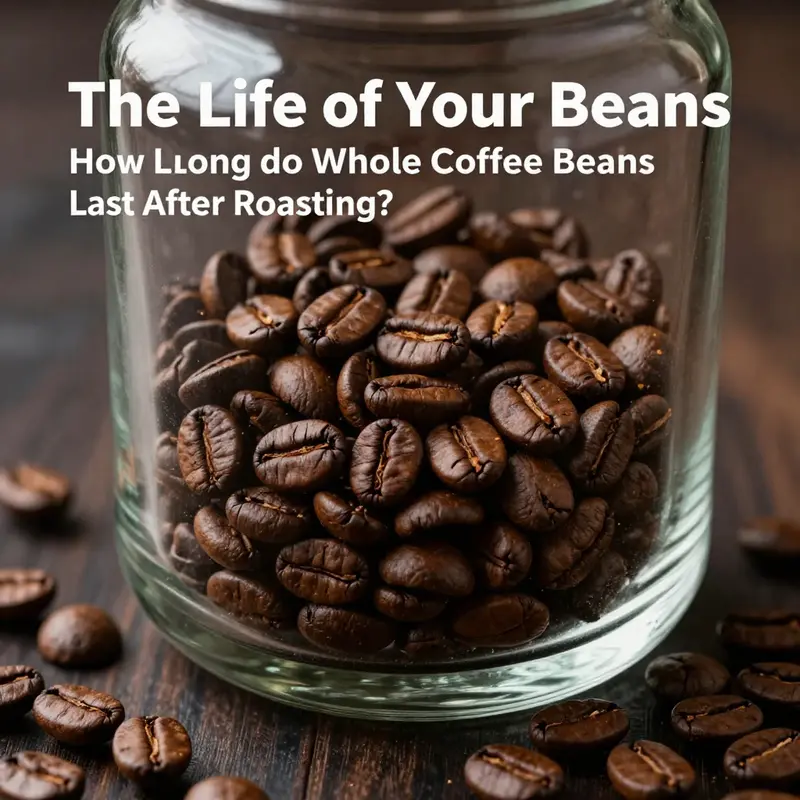
When you crack open a bag of freshly roasted beans, the kitchen fills with an aroma that feels almost perishable in the best possible way. Coffee freshness is not a single moment but a moving target—a flavor window that shifts as the beans degas, oxidize, and lose volatile aromatics. The science behind this is straightforward, even if the experience is nuanced: roast coffee is full of trapped gases and delicate oils, and as soon as those compounds meet air, light, and moisture, they begin to change. The key for anyone aiming for a bright, expressive cup is to understand that freshness is both time and condition. In practical terms, whole coffee beans reach their peak in the first one to two weeks after roasting, a period when the beans have released most of their initial CO₂ and when the aromatic balance is most lively. After that peak, what remains is still drinkable coffee for a time, but the flavor hallmarks—vivacious aroma, nuanced acidity, and layered notes—gradually fade. If stored with care, beans can still perform well enough to yield a satisfying cup for up to three to four months, though the intensity and clarity will have diminished. This is not a hard deadline so much as a conditioned horizon: a window defined by chemistry, not by an arbitrary label.
The degassing that follows roast is a primary driver of this window. Freshly roasted beans are saturated with carbon dioxide, a byproduct of the roasting process that helps protect the beans while they are warm. As the beans cool and sit, CO₂ escapes into the air. This degassing is not just a curiosity; it influences the flavor perception in your cup. Early on, the gases carry volatile compounds that contribute brightness, fruitiness, and floral undertones. Once those compounds have off-gassed, the beans’ surface chemistry becomes more open to other reactions. Oxygen can begin to interact with the oils on the bean’s surface, leading to oxidation that dulls aroma and mutates taste. The exact pace of this change depends on how the beans are stored, which is why the advice given by coffee professionals emphasizes both timing and technique.
If you consider a single slice of time to capture fresh coffee, the first two weeks after roasting is the most reliable period for peak flavor. During this phase, complex notes—citrus or berry-like acidity, chocolatey depth, and a bouquet of aroma compounds—are most vibrant. After this stage, even with perfect storage, the clock continues to run. The beans still contain flavor compounds and can produce high-quality coffee, but the risk of tasting flat or stale starts to rise. The sensory drop is gradual rather than abrupt, and the result can vary with roast level, bean origin, and your brewing method. The bottom line is simple: to experience the most authentic expression of a given roast, brew within the window of 1–2 weeks after roasting. If life or logistics push you beyond that, rest assured that well-stored beans can still deliver a satisfying cup for a few more months, albeit with less sparkle.
This distinction between peak freshness and overall drinkability matters when we plan how we buy, store, and grind. The practical steps that follow come from a synthesis of decades of sensory evaluation and storage science. The goal is to minimize the variables that accelerate flavor loss while maximizing the beans’ ability to maintain their aromatic integrity. First and foremost, the container matters. An airtight environment limits the beans’ exposure to oxygen, which is the principal culprit in the decline of volatile compounds. A container that blocks light further protects oils from photo-oxidation, another agent that can dull the cup. Dark cupboards or pantries that stay cool and dry are preferable to bright, warm spots near the stove or a sunny window. Beans kept in such environments resist moisture ingress and heat fluctuations that can endanger their subtle flavors.
Temperature plays a critical role, too. Fluctuations—especially from moving beans in and out of refrigeration or freezer—invite condensation and sugar crystallization on the bean surface. Condensation is a listener’s worst enemy for flavor: it invites moisture that can carry off aromas and bring in off-notes as the surface oils reconfigure. This is why many roasters and coffee guides advise staying away from the fridge or freezer for everyday storage. Those environments are best reserved for long-term storage when you truly need to preserve beans for many months, and only if you can seal them tightly enough to prevent the daily oscillations of humidity and temperature from seeping in.
The act of grinding is another pivotal moment in the freshness timeline. Ground coffee is much more vulnerable to the elements than whole beans because the increased surface area accelerates oxidation. Once you grind, you essentially start the clock on flavor loss, and the aroma begins to dissipate within minutes. The best practice is simple and almost ritualistic: grind only what you plan to brew immediately. This practice unlocks maximum expression from the oils and aromatic compounds while keeping the cup’s brightness intact. It is a small habit that yields a large difference in how a roasted batch translates into a cup.
To translate these ideas into a practical routine, imagine a typical home setup. A bag of beans goes into an opaque, airtight container—preferably one with a snug seal and a non-reactive interior. The container is kept in a cool, dark cupboard, away from heat sources like the oven or toaster and far from direct sunlight. The beans should not be kept in a clear jar that invites light to alter their surface chemistry. Each time you open the container, a tiny amount of air can rush in and start the clock anew, so it helps to portion out smaller quantities if you buy in bulk. In other words, the most effective habit is to treat stock like a short-life product: purchase in smaller amounts that you’ll use within a few weeks, so the majority of what you hold remains within the peak window.
The idea of a shelf life that begins the moment the beans are roasted can tempt you to chase a precise expiration date. But the reality is more forgiving than a calendar would suggest. If stored well, beans can offer a satisfying cup up to three to four months after roasting. The flavors may fade from the vivid brightness of the first two weeks, but the beans retain structure and character that many cup enthusiasts still crave. Certain origin notes may mellow into more chocolatey or nutty tones, depending on the roast profile and how the cup is prepared. The coffee can still tell a story—just a different one from the one told in those first days after roast. This gradual transition matters for those who want to plan a roast-led tasting or who buy in advance for the week ahead. It means you can balance the thrill of catching peak aroma with the practicality of keeping a stock that you’re confident will still perform when you need it.
Of course, the roast itself dictates the pace of change to some degree. Lighter roasts tend to reveal delicate floral and fruity notes quickly, and those notes can be more susceptible to fading as time passes. Darker roasts bring deeper sweetness and roasted character that can persist longer, even as the citrus brightness subsides. Yet regardless of roast level, the foundation remains: minimize air exposure, shield from light and heat, and grind the minimum you need for each brew. These practices are not merely about avoiding waste. They are about preserving a sensory moment—the moment when the coffee’s aroma and flavor align with the roast’s intention and your brewing method. When you respect that moment, the beans you buy today can still offer a satisfying cup tomorrow, and the next day, even if the note intensity has altered.
It is useful to separate the idea of “shelf life” from “best quality.” Shelf life describes a window in which the beans remain safe to drink; it implies that taste remains within an acceptable range. Best quality, by contrast, refers to the peak expression of aromas and flavors defined by the roast and origin, which most cooks and baristas would describe as the window of peak authenticity. In practical terms, you might prioritize achieving best quality within the first one to two weeks after roasting, then shift toward reliable drinkability for the next several weeks to a couple of months as you still enjoy the beans. The transition is not a cliff; it is a gradient, a natural drift as the coffee evolves from bright, crisp, and complex to more comfortable, familiar, and steady in flavor.
In sharing these ideas, there is a subtle but important shift in how we think about coffee purchases and consumption routines. It encourages a more dynamic approach: roast more frequently in smaller batches, keep a well-sealed stock in a cool, dark place, and grind just before brewing. The goal is not to chase an absolute maximum of freshness but to align your practice with the chemistry of the bean so that your cup reflects the roast’s original intention as closely as possible. It invites a mindful ritual—knowing that the most expressive cup is the one you drink within a couple of weeks after roasting, and that a second, still-pleasant cup can be brewed days or weeks later if you maintain careful storage. The discipline is not onerous; it is a framework for translating a roasted batch into consistent, enjoyable coffee rather than a race against time.
If there is a practical takeaway that can guide both everyday coffee drinkers and the more ambitious home roaster, it is this: treat freshness as a journey rather than a deadline. A well-roasted batch can offer multiple chapters of flavor, each chapter shaped by how you store it and how soon you grind it. The narrative changes with every decision you make about packaging, temperature, light exposure, and oxidation. And while there is room for flexibility—after all, many people still enjoy older beans with a certain warmth or familiar comfort—the clearest path to a bright, nuanced cup lies in embracing the peak window early on and preserving the rest through disciplined storage.
For readers who want to anchor these ideas to a broader understanding of coffee freshness, the science behind the window is grounded in the balance between aroma compounds and the role of oxidation. Aroma compounds drive the perceived brightness and complexity of a cup, and they are most abundant and volatile immediately after roasting. As time passes, these compounds diminish and transform, and once the surface oils and aromatics have interacted with air and moisture, the flavor profile shifts. The practical upshot for home storage is straightforward: protect the beans from air, light, heat, and moisture; grind only what you need; and be prepared for a gradual reduction in brightness as time goes on. That is the art of maximizing flavor across a coffee’s life after roast while staying true to the science behind it.
In sum, whole coffee beans do not have a single, indisputable expiration date. They have a sensory timeline that places peak freshness within the first one to two weeks after roasting. With careful handling, they remain drinkable and often quite enjoyable for up to three to four months, though the most vivid notes will fade and the cup may taste flatter as time goes by. The home barista can navigate this timeline by committing to small-batch purchases, airtight storage, light protection, and grinding only as needed. It is a simple set of practices, yet when applied consistently, they unlock the best possible expression of each roast and make the most of the moment when the beans are at their most alive.
External resource: For a detailed exploration of shelf life and the science behind these recommendations, see https://www.coffee.com/learn/coffee-beans-shelf-life.
Preserving Peak Aroma: How Storage and Environment Shape the Lifespan of Whole Coffee Beans
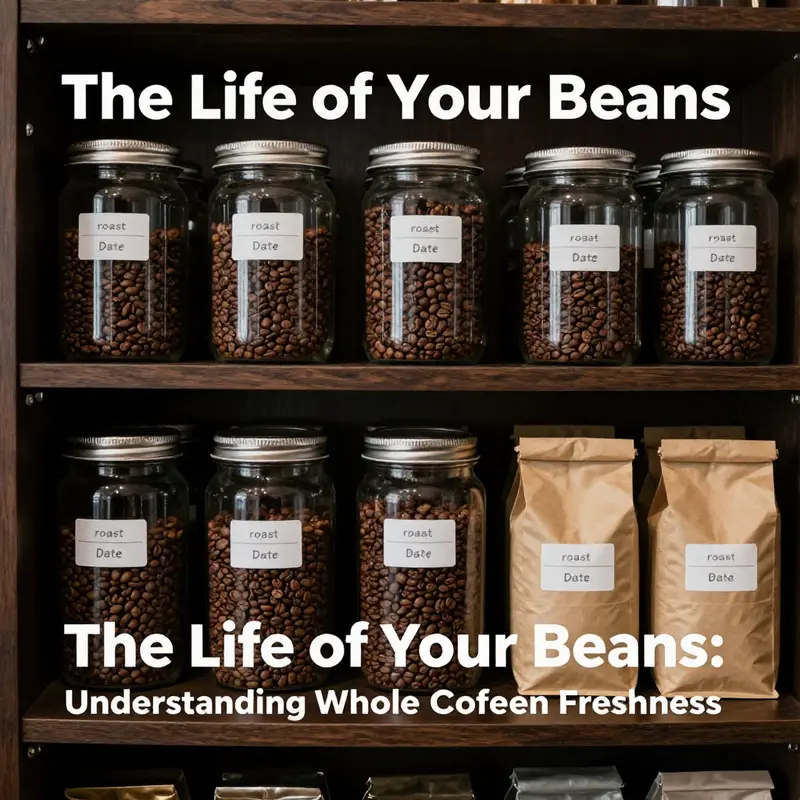
When you open a bag of freshly roasted whole coffee beans, you glimpse the texture of possible flavor. The beans carry a promise of brightness, nuance, and aroma that seems almost tactile. Yet that promise is fragile. The journey from roasted bean to brewed cup is a chemical dance, and storage conditions choreograph how gracefully that dance unfolds over days and weeks. In the broad landscape of coffee life, flavor is a traveler whose stamina depends less on a calendar date and more on the environment you create around the beans. The essence of freshness rests on a simple, stubborn truth: oxygen, light, heat, and humidity are the quiet agents of change. They nudge the beans toward staleness by slowly eroding the very oils and volatile compounds that give coffee its lift. Understanding this process helps explain why the practical guidelines—keep the beans airtight, dark, cool, and dry, and only grind what you need—aren’t just preferences but physics in disguise.
The central mechanism at play is oxidation. Coffee beans are a tapestry of volatile oils and aromatic compounds that are released during roasting. Those compounds are delicate, and once the protective barrier of the bean’s structure is breached, oxygen begins a slow but relentless process of oxidation. This isn’t about safety; it’s about flavor and aroma. The most dynamic flavors—bright citrus, floral notes, berry-like sweetness, and the nuanced top notes that often define a specialty roast—are the first to fade. As oxidation advances, the lively, high-frequency notes recede, leaving a flatter profile that suggests the coffee has lost its zest even if it remains drinkable. A well-rested palate can detect this drift, especially when a coffee is expected to carry a specific personality that the roast once promised.
For many roasts and beans, the timeline is forgiving enough to allow practical flexibility: whole beans stored properly will stay at their best for roughly one to two months after roasting. This window reflects a balance between maintaining enough volatile compounds to preserve aroma and accommodating the realities of home storage, which is rarely perfectly controlled. Yet the clock also reminds us that the peak window narrows as the beans age. Within four to six weeks after roasting, the chance of capturing the coffee’s bright, floral, fruity, or complex notes is highest. After that, the vibrancy gradually recedes, and the beans may still yield a good cup, particularly if they are kept intact and used smartly, but the sensory spark will be harder to coax back into the cup with the same clarity.
Illuminating the reasons behind these shifts helps put the guidance into perspective. Oxygen exposure accelerates the loss of aroma more than any other single factor. Each time the container is opened, a tiny breath of air enters, and a microoxidation process resumes. This is why many connoisseurs emphasize working with airtight containers and avoiding repeated exposure to air. The container itself is not merely a storage vessel; it is a gatekeeper that slows down the march of staling and helps preserve essential oils that define the coffee’s character.
Light compounds the challenge. Direct sunlight, bright kitchen lamps, or any heat from artificial lighting can catalyze chemical reactions within the beans. Light exposure can break down chlorogenic acids and other compounds that interact with the roasted surface, subtly altering flavor balance. In practical terms, this is why opaque or dark containers are preferred. They shield the beans not only from the eye but from the subtle energy that light imparts to chemical processes inside the bean. The goal is to minimize the energy input that could tip the delicate flavor equilibrium away from its intended profile.
Heat acts as an accelerant. Temperature is a rate regulator for chemical reactions, and coffee chemistry is no exception. When beans sit in a warm or hot environment, the rate at which oxidation and other degradative reactions occur increases. That means more rapid loss of aroma and a quicker drift toward a stale palate. The same logic explains the advice to avoid placing beans near stoves, ovens, or appliances that generate heat or cause temperature fluctuations. A cool, stable environment slows these processes and buys a longer grace period for the beans to maintain their expressive notes.
Humidity adds another layer of complexity. Too much moisture invites mold and other microbial activity, a clearly unsafe path that coffee should not travel. More subtly, humidity can alter the bean’s internal structure and affect grind consistency. Beans stored in damp environments may pick up moisture from the air, which can alter roasting aftermaths and, in turn, the extraction dynamics during brewing. On the flip side, excessively dry surroundings can cause moisture to drift from the beans, potentially affecting roast characteristics and leading to changes in how evenly they grind. The message is to seek a steady, modest humidity level and to shield beans from any moisture sources that can creep into the storage space.
All of these factors converge on a singular recommendation: store whole coffee beans in an airtight, opaque container placed in a cool, dark, and dry location. The container choice matters as much as the location. An airtight seal minimizes air exchange, helping to preserve the aromatic oils. An opaque finish protects the beans from light energy that could trigger unwanted chemical changes. A stable, cool environment keeps the kinetic energy of chemical reactions at bay, while a dry space reduces the risk of moisture-induced degradation. The pantry or a closed cabinet away from heat sources is a classic configuration that aligns with the practical realities of home kitchens. The goal is not a laboratory-grade climate—although the effect mirrors what you would expect in one—but a simple, repeatable routine that preserves flavor without complicating daily life.
Storage containers come in varied forms, from glass and ceramic to rigid plastic with airtight seals. The decisive factor is how well the container blocks air ingress and how consistently it shields the beans from light. Some roasters and packaging systems favor one-way valves that allow gases to escape while keeping air out. When you transfer beans from an opened bag to a storage jar, you’re making a conscious choice to minimize exposure to air and light. It’s not necessary to seal out every molecule of air forever; rather, you aim to reduce the most destructive interactions, especially during the initial days after opening, when the beans are most volatile and sensitive to oxygen. The practical effect is simple: the longer you can keep air out, the longer the beans retain their signature aroma.
A few practical nuances help translate theory into everyday practice. First, the recommendation to avoid refrigeration or freezing is about preventing condensation. When you move beans between warm kitchen air and a cool storage space, moisture can condense on the bean surface. Condensation can promote microbial activity and alter the beans’ surface chemistry, which can affect both aroma and roast development during subsequent grinding and brewing. If you must refrigerate or freeze beans—perhaps because you have more beans than you can use in a reasonable time frame and you live in a hot climate—think in terms of minimizing condensation risk. Portioning beans into small, airtight containers that you only open when you need to use them can mitigate repeated temperature swings. Once you return to room temperature, you should use the beans promptly after opening to avoid prolonged exposure to air in a warmed, humid environment.
Another practical consideration is the timing of grinding. Ground coffee has a far shorter life. Once you grind, you dramatically increase the surface area exposed to air, which accelerates the oxidation process. The recommendation to grind only what you need immediately before brewing is not merely about convenience; it is a direct strategy to preserve flavor. It means that even with excellent storage, the moment you grind, you begin a clock that runs faster than it did when the beans were whole. The result is that you can coax the best expression from beans when you keep them whole until the moment of extraction and minimize the window between grinding and pouring.
A thoughtful approach to roasting and storage also recognizes that the beans you buy have their own journey. A bean roasted recently is naturally closer to peak flavor than one roasted weeks earlier, even if both are stored optimally. If you shop with an eye toward freshness, you are not only choosing flavor but also aligning your storage habits with the beans’ time-sensitive profile. The idea is to think of freshness as a moving target, influenced by when the beans were roasted, how they were packaged, and how well you shield them from the four environmental antagonists: oxygen, light, heat, and humidity. In practice, this means keeping a mental map of your inventory, labeling bags with roast dates, and maintaining a regular rotation so the oldest beans are used first and the freshest are reserved for special brews that crave nuance and complexity.
If you occasionally find yourself with more beans than you can responsibly use within the recommended window, there are strategies that keep flavor within reach. One approach is to ration your beans into two or three jars, each with its own air-tight seal, and keep one sealed jar sealed while the others slowly come to use. This reduces the frequency of opening the container and the number of times air enters the space. Another tactic is to store beans in a dedicated, purpose-built storage solution that prioritizes airtightness and light protection while remaining accessible enough for daily use. Even modest upgrades in a kitchen storage system can yield noticeable improvements in the consistency of flavor across cups brewed from beans stored over a few weeks.
Understanding the science behind storage also illuminates why certain sources place emphasis on the environment in which beans sit after roasting. The stability of high-quality coffee relies on a delicate balance between time and temperature, where even small deviations in humidity or radiant energy can tilt the balance toward staleness. The practical upshot is clear: treat whole beans as a living, evolving product in your kitchen, one that benefits from disciplined handling and thoughtful shelter. The more closely you align your routine with the environmental realities inside your storage vessel, the more likely you are to experience the full spectrum of aroma, body, and finish that the roast intended.
In sum, the longevity of whole coffee beans is a function of how carefully you guard against the primary adversaries of freshness: oxygen, light, heat, and humidity. The recommended window of one to two months post-roast reflects the balance between preserving aroma and accommodating real-world storage. The peak flavor period—roughly four to six weeks—offers a practical target for most home brewers who prize brightness and complexity. By using airtight, opaque containers, placing them in cool, dark, dry spaces away from heat sources, and grinding only when ready to brew, you extend the beans’ life in flavor, not just in safe consumption. This approach merges the science of coffee freshness with the everyday rituals of a home kitchen, turning storage from a chore into a deliberate step that honors the integrity of the beans you’ve chosen.
For those who crave a deeper dive into the science behind coffee freshness and storage, a detailed exploration by a renowned expert offers further context on how whole beans compare to ground coffee and how storage conditions shape shelf life. The discussion provides a robust framework for understanding the practical guidelines outlined here and invites readers to connect the everyday act of storing beans with the underlying chemistry that makes a great cup possible. https://www.jameshoffmann.com/coffee/freshness/
When Beans Lose Their Spark: How to Spot Stale Whole Coffee and How Long Peak Quality Lasts
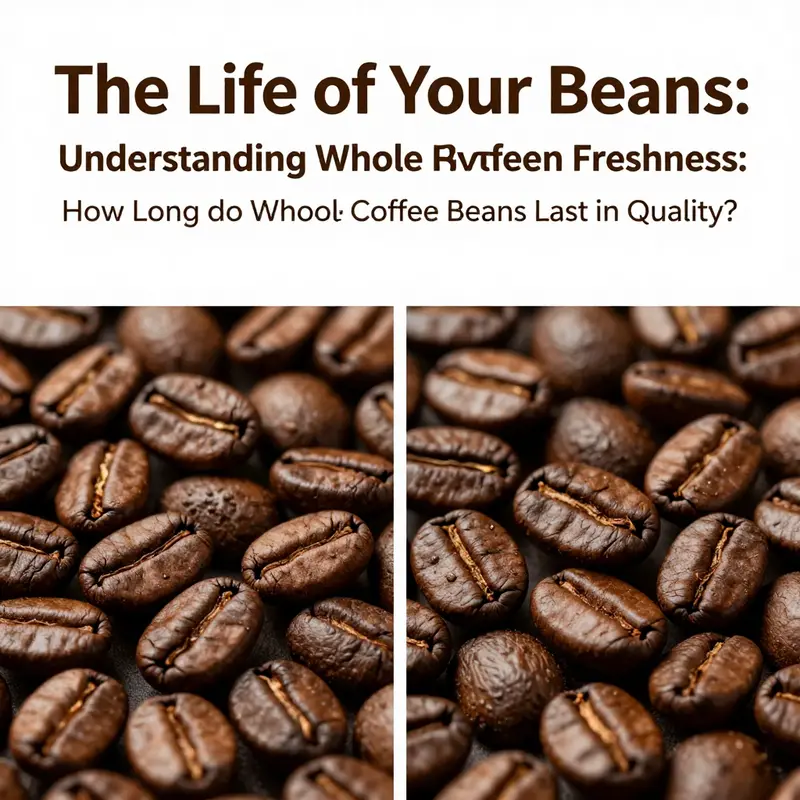
Reading Your Beans: the Senses That Tell You Quality Has Fallen
Coffee is primarily an aromatic experience. Whole beans carry the oils and volatile compounds that create aroma, acidity, and the nuanced flavors you expect. Those compounds are fragile. From the moment beans cool after roasting, chemical reactions begin that shave away complexity. You can rely on your senses to tell you when that process has passed the point of acceptable quality.
Start with the nose. Freshly roasted whole beans release a lively, layered aroma. Notes can range from floral and citrus to nutty, caramel, and chocolate-like, depending on origin and roast. When beans lose freshness, that aroma dulls. It flattens into a dusty, cardboard-like, or simply neutral smell. If you reach into the bag and no distinct fragrance greets you, the beans have likely aged past their enjoyable window. Smell is the fastest and most reliable detector because most flavor perception comes through the olfactory system.
Next, observe the beans visually and by touch. Fresh beans often retain a subtle sheen from oils released during roasting. That shine varies by roast level. Lighter roasts show little surface oil, while darker roasts may look glossier. A loss of sheen does not always mean spoilage; it can simply indicate age. But if beans look dull across the board and their color appears faded or uneven, freshness is compromised. Conversely, an excessive oily film, paired with a stale aroma, can signal breakdown and long storage.
Handle a bean between your fingers. Fresh beans should feel firm and break crisply when snapped. A brittle, clean snap usually indicates good roast integrity and low moisture content. If beans feel soft, rubbery, or spongy, they may have absorbed moisture or begun to degrade. Stale beans sometimes require more pressure to break and will not produce that satisfying snap. Moisture absorption is a key enemy of quality because it accelerates chemical reactions and can lead to off-flavors.
Finally, brew a small sample. The cup reveals what the nose and eyes hinted at. A drink from fresh beans will show brightness, distinct acidity, sweetness, and layered flavors. Stale beans yield a flat, one-dimensional cup. Acidity and sweetness fade first, leaving a bland or dull taste. In some cases, aged beans can taste sour or bitter if oxidation and improper storage encouraged undesirable compounds. The cup is the final arbiter; if the coffee lacks life, the beans have lost their peak.
Across all these signs, context matters. A bag that is a month old but stored badly can taste worse than a three-month-old bag that was kept airtight, cool, and dark. The roast date matters more than the purchase date. Always check for a roast date when possible.
How Long Do Whole Beans Stay at Their Best?
Whole beans do not become unsafe to drink the way meat or milk can. Instead, they slowly lose the compounds that make them enjoyable. That loss follows predictable patterns. Immediately after roasting, a short window of degassing follows. Carbon dioxide leaves the beans over the first few days. That gas interferes with extraction if you brew too early. For many beans, a brief rest of 48–72 hours after roasting helps achieve balanced extraction.
After that initial window, the optimal flavor period generally spans about 7 to 21 days post-roast. Many experts place the peak between one and three weeks after roasting. During this phase, volatile compounds have settled enough to allow consistent extraction, while most aromatics and acids remain intact. Complex fruit and floral notes, and the sugary sweetness in the cup, tend to be prominent in this window.
Beyond three weeks, the decline accelerates. By one to two months post-roast, many beans will have lost notable vibrancy. They remain drinkable, but the cup becomes flatter and less distinct. For most people who value nuance, beans beyond two months from roast will not deliver the intended tasting experience. Some sources suggest whole beans can keep acceptable quality for up to 60 days when stored optimally, but that is conditional on perfect storage and lower expectations for complexity.
If beans are stored under ideal conditions—airtight, cool, dark, and dry—some sensory qualities persist for months. In extreme cases, whole beans can remain usable for six months or longer. Yet longevity does not equal peak quality. Over time, oxidation strips away the volatile oils and aromatics. Even when beans are technically safe to drink at six months or a year, the flavors will be noticeably diminished.
The speed of quality loss depends on several factors. Roast level matters. Darker roasts often taste more stable because the roast flavors dominate, and some delicate aromatics were lost during roasting. Lighter roasts carry more fragile fruity and floral notes that disappear faster. Bean origin and processing influence how long particular flavors remain perceptible. Storage conditions are decisive: air, light, heat, and moisture accelerate degradation. Finally, whether beans are whole or ground is critical. Whole beans preserve aromatics far longer than ground coffee, because grinding exposes a much larger surface area to air and speeds oxidation.
Practical Signals and Storage Choices
Trust practical signals rather than arbitrary timelines. Smell the beans before grinding. Look for shine and even color. Break a couple of beans. Brew a small cup if you are unsure. These quick checks save you from wasting time and ingredients on a lifeless cup.
To keep beans within that desirable 1–3 week flavor window, buy smaller quantities more often. Purchase from roasters that print roast dates. Aim to use a bag within three weeks of that date for the fullest expression. If you must store beans longer, take steps that slow the chemical decay: keep them in an opaque, airtight container away from heat sources and sunlight. A cool pantry or cupboard is usually best. Avoid frequent opening and closing; repeated air exposure speeds staling.
Many people ask about refrigeration or freezing. Both carry risks. Refrigerators are humid and contain many aromas that coffee absorbs. Frequent temperature changes in and out of the fridge cause condensation that harms flavor. Freezing can preserve beans better, but only if done correctly: use small, airtight bags, divide beans into portions, and avoid thawing and refreezing. Even then, freezing is best reserved for long-term storage when you cannot reasonably buy smaller amounts.
Grinding strategy matters as much as storage. Always grind immediately before brewing. Ground coffee loses volatile compounds many times faster than whole beans. If you want the best cup, keep your grinder set to produce the appropriate particle size, and grind fresh. Grinding only what you need prevents large losses of aromatics.
Reading Exceptions and Managing Expectations
Not every coffee lover prioritizes the same qualities. Espresso drinkers who enjoy darker roast profiles may accept a broader freshness window. Light-roast fans who chase subtle fruit and tea-like notes must be more stringent. For home brewers who value convenience over peak nuance, beans stored for a month or two may remain perfectly acceptable.
Roast level shapes expectations. Since darker roasts emphasize roast-derived flavors, they often mask some signs of age. Lighter roasts, with delicate aromatics and pronounced acidity, reveal staleness sooner. Single-origin coffees and lighter processed beans reveal decline faster than robust blends that emphasize body and chocolatelike flavors.
Finally, remember that freshness is relative. A bag that lacks brightness might still produce a comforting, decent cup. The key is matching your storage and buying patterns to your taste priorities. If you prize complex, vibrant profiles, plan purchases and storage to align with the 1–3 week peak. If convenience matters more, accept that some flavor nuance will fade and adjust expectations.
If you want one simple rule: buy what you can use within three weeks of the roast date. Smell your beans before grinding. Brew a test cup when unsure. These habits will keep your coffee enjoyable and reduce surprises.
For a straightforward guide on coffee freshness and practical storage advice, see this detailed resource: https://www.coffeebros.com/blog/does-coffee-go-bad-the-last-freshness-guide-youll-ever-need/
Guardians of Freshness: Extending the Life and Flavor of Whole Coffee Beans with Proper Care

A bag of whole coffee beans carries the promise of a bright, fragrant cup, but that promise fades the moment the beans are roasted if they sit idle. The sensory clock that starts ticking the instant beans cool from the roaster is driven by air, light, heat, and moisture. Each exposure nudges the beans toward staler aromas and flatter flavors. Yet with deliberate storage choices, a lot of that aroma and complexity can be preserved far longer than many home brewers expect. The science behind freshness is not mysterious; it’s practical. Air is the chief culprit because it carries oxygen that oxidizes the volatile compounds in beans. Light acts as a catalyst for photo-oxidation, and heat accelerates all the chemical processes that rob aroma. Moisture invites mold and accelerates staling in any storage vessel that isn’t airtight. Understanding these forces helps us design a simple, reliable storage routine that keeps beans vibrant for weeks and, in some cases, months beyond roast date.
The lifecycle of flavor begins with a roast, when internal gases escape and aroma compounds reach their peak. Immediately afterward, beans are in their most vulnerable state. They need to be shielded from the elements that can degrade their character. The simplest, most effective storage method is an airtight container made of opaque material. Ceramic or dark glass with a tight seal blocks light and significantly reduces oxygen exposure. A lid that fits snugly keeps air from constantly circulating in and out of the container, which slows the slow leakage of aroma compounds that would otherwise drift away into your kitchen. In practice, this means choosing a container that is both airtight and opaque, placed in a cool, dry pantry or cupboard away from appliances that generate heat and temperature fluctuations.
One of the most common mistakes is to store beans in the refrigerator or freezer without proper preparation. The instinct to chill beans is understandable, especially in warmer climates or during long storage, but the reality is more nuanced. Refrigeration invites condensation every time you bring the beans to room temperature. Condensation can reintroduce moisture to the surface of the beans, facilitating the growth of subtle off-notes and dulling the vibrancy of the oils that carry flavor. Freezing, if done for long-term storage, is possible but requires care: beans must be sealed in a vacuum-tight package to prevent moisture migration, and they should be thawed slowly in their packaging before opening to minimize condensation. Even then, freezing is a tool for rare, multi-month storage rather than everyday use, and it demands discipline about batch sizes and rotation to avoid repeated exposure to cold and warm cycles that stress the beans.
The practical takeaway is simple: keep the beans in small, manageable quantities, store them in a dark, cool, dry place inside an airtight, opaque container, and grind only what you need just before brewing. This approach minimizes the surface area exposed to air and keeps the aromatics contained for as long as possible. When we talk about “best before” in coffee terms, we’re really describing a window of peak aroma and flavor rather than a safety deadline. Whole beans don’t suddenly become unsafe after the date on the bag; they just begin to lose brightness and complexity. This distinction matters because it shifts the focus from fear of spoilage to steady preservation of quality.
The timing of peak flavor, in particular, is a delicate balance. The literature consistently emphasizes that whole beans retain peak quality for roughly four to six weeks after roasting if stored properly. This window aligns with the practical experiences of many roasters and home enthusiasts who taste the difference between beans used too soon and those given time under the right conditions. The aroma often fades gradually, and the cup may move from bright and expressive to fuller-bodied but less distinct in character. For those who prioritize floral and fruity notes or other delicate complexities, the clock starts even sooner, and the window narrows. In that sense, beans are most forgiving when you’re patient enough to roast, seal, and grind with intention—yet forgiving enough that you can still enjoy a satisfying cup well beyond the initial two weeks if care is taken.
To maximize shelf life and preserve flavor, the storage environment becomes almost as important as the bean itself. An opaque container blocks light and minimizes oxygen ingress, while a cool, stable temperature slows chemical reactions that degrade aroma. The preferred temperature range is cool and steady—think the interior of a pantry that isn’t adjacent to ovens or dishwashers. Room temperatures that swing with weekday cooking schedules or seasonal changes can accelerate staling. Stability matters as much as serenity; a location that remains calm in the kitchen will help keep the beans calm too. The air we breathe is full of humidity, and humidity is another enemy in disguise. In general, humidity can encourage surface moisture on the beans or inside the storage container, creating conditions that favor staleness or off-notes. For that reason, the container should be sealed tightly and kept away from steam from the stove or the humidity of a pot of coffee.
A practical habit that aligns with these principles is to buy coffee in smaller batches more frequently rather than stockpiling large quantities. Freshness compounds over time, so a continuous rotation of beans reduces the risk of waking up to flat flavors long after purchase. This approach also dovetails with another key practice: grind only what you need for each brew. Ground coffee exposes a much larger surface area to air, making it stale much faster. By grinding just before you brew, you protect the beans’ volatile compounds and preserve the nuanced flavors you ramped up for, whether you’re chasing bright acidity, floral aromatics, or a deep chocolatey sweetness. If you’re curious about how professionals conceptualize storage and organization more broadly, you can consider the practical lessons from other fields that emphasize careful handling of volatile resources. For a glimpse into related storage discipline in a different professional domain, this reference offers a relevant perspective on organizing space and tools: Tools and equipment for occupational therapists.
When you do decide to extend storage beyond the immediate roast window, there are a few recognized strategies that people use to keep flavor stable. Some aficionados choose to freeze portions after sealing them in vacuum bags. The goal is to reduce the bean’s exposure to oxygen for as long as possible. If you pursue this route, you’ll want to thaw the beans slowly at room temperature, still in their vacuum package or in a controlled environment, before opening. This slow transition minimizes moisture intrusion and helps maintain the integrity of the surface oils that carry aroma. It is a tool of last resort for those with long-term storage needs rather than a routine for daily use. Most home setups benefit more from disciplined rotation and moderate quantities, which collectively reduce the risk of repeatedly exposing beans to temperature flux and air. Above all, the guiding principle remains consistent: minimize air exposure, shield from light and heat, and grind only what you will brew next.
Understanding these guidelines also means recognizing how the beverage experience changes with time. A cup brewed from beans at their peak is often vibrant, with a sense of brightness, complexity, and the distinct character of the origin. As the weeks pass, the same beans can still deliver a satisfying cup, but the aroma recedes, and certain notes may recede into the background while others gain prominence. The interplay between a bean’s intrinsic chemistry and the brewing method used to extract flavor means that storage is not a fixed variable but a dynamic contributor to the final cup. A well-kept bean with a careful grind and a careful brew can still reveal nuanced flavors even weeks after roasting, especially if the original roast aimed to emphasize balance and clarity rather than intensity alone.
To connect practice with expectation, it helps to keep a realistic timeline in mind. Peak freshness for most whole beans, when stored under ideal conditions, tends to hover within a two-month horizon. Some beans may still carry a surprising amount of vibrancy beyond that period if they were roasted to a gentle profile and kept in properly sealed, cool conditions. Others, especially those with delicate aromatics and lighter roasting, may require closer attention to the four-to-six-week window to capture their brighter notes. A robust rule of thumb for the home barista is to aim for consumption within one to two months for most beans, with a healthy caution toward more fragile, high-end lots that reward a shorter window of peak flavor. And while the idea of “a long shelf life” is appealing, it must be understood in the context of flavor quality rather than safety. The beans will be safe to drink far beyond that window, but the flavor may become progressively flatter and less exciting as time passes.
In the end, the simplest framework for extending the life of whole coffee beans rests on a few clear steps: purchase in small quantities that you can use within a few weeks, store in an airtight opaque container in a cool, dry place, grind what you need just before brewing, and consider longer-term storage only if you truly need it and are willing to invest in proper sealing and temperature control. These steps form a continuity from roast to cup that preserves the hallmark aromas and flavors that define quality coffee. They also help align the home-dryer-with-a-roast path with the more disciplined calendars used by roasters and coffee professionals, who view freshness as a spectrum rather than a single deadline. The goal is not to chase an unrealistic standard of perpetual peak flavor but to cultivate a practical routine that reliably delivers a satisfying, expressive cup across weeks.
For readers seeking a concise digest of the science behind freshness and how to apply it, the key takeaway is straightforward: protect the beans from air, light, heat, and moisture; keep them in small batches; grind only when you brew; and consider long-term storage only if you’re prepared for detailed handling. When you follow these practices, you’ll find that the life of whole coffee beans extends well beyond the earliest days after roasting without sacrificing the pleasure of a well-brewed cup. The arc from roast to cup becomes less about chasing a fixed deadline and more about maintaining a steady rhythm of care that honors the coffee’s origin, roast, and the craft of brewing. External resources offer deeper scientific context for those who want to explore the chemistry further, while practical guidelines remain anchored in everyday experience: treat beans as living flavor snapshots that deserve protection and respect, and your coffee will reward you with the most expressive possible cup within the constraints of your storage environment.
Final thoughts
Maximizing the freshness of whole coffee beans is vital for maintaining the quality and taste of the coffee served in your business. By understanding how long coffee beans can last and the factors that influence their shelf life, you can ensure that your offerings remain vibrant and appealing to customers. Implementing proper storage techniques and recognizing the signs of freshness loss will empower you to manage your coffee inventory effectively. Ultimately, providing exceptional coffee experiences will not only satisfy your customers but also enhance your business reputation.