
Understanding how long coffee beans last is crucial for business owners in the coffee industry. Quality and freshness directly impact customer satisfaction and loyalty, making it vital for businesses to prioritize the storage and utilization of their coffee beans. This article explores the shelf life of coffee beans, focusing on optimal storage techniques, how flavor develops after roasting, and the impact of environmental conditions on bean freshness. Each chapter will provide actionable insights to help you maintain the quality of your coffee offerings, ensure delicious brews, and reduce waste.
null
null
The Quiet Window: Navigating Freshness, Flavor, and Longevity in Roasted Coffee Beans
When coffee beans emerge from the roaster, they carry more than heat and aroma; they carry a brief, fragile narrative of flavor that unfolds in a surprisingly tight window. The chapter of a bean’s life that matters most to the eager home brewer centers on a balance between science and sensory memory. Roasted beans are not simply edible goods that fade into film the moment they leave the roaster. Instead, they embark on a subtle evolution of chemistry, a dance between outgassing, oxidation, and the gradual erosion of delicate volatile compounds. This narrative defines what many professionals call the sweet spot: a period in which the beans’ aromas, oils, and balance harmonize most fully with a given roast profile, producing a cup that tastes vibrant and well integrated. Understanding this window helps you decide not only when to brew, but when to buy, store, and grind in ways that honor the bean’s natural life story rather than distort it through storage missteps or impatient tasting habits.
From the moment roasting ends, the bean’s surface no longer holds a static snapshot of flavor. It is transitioning, releasing carbon dioxide in a process known as degassing. Early on, the beans are saturated with gases produced by the Maillard reactions and caramelization that defined their roast. This degassing is a sign of life, a reminder that the bean remains chemically active as time begins to pass. The rate at which CO2 escapes slows as days pass, but the volatile aroma compounds—esters, aldehydes, phenols, and oils that give coffee its bouquet—are also evolving. In practical terms, what you smell when you crack open a bag shortly after roasting is not just aroma; it is a perfume formed by a confluence of compounds that are, at that moment, at their freshest and most responsive to extraction during brewing. The sweet spot, for many roasters and connoisseurs, sits roughly between three and twenty-one days after roast. Within this span, the coffee can present a well-balanced sweetness, a lively acidity, and a chorus of nuanced flavors that feel both precise and expressive. The exact timing is influenced by roast level, bean origin, processing method, and even how the beans are packed and stored, but the general principle holds: the first few weeks after roasting often deliver peak coherence between aroma and flavor.
To grasp why this window exists, consider the chemistry behind flavor development. In the first days after roasting, volatile compounds are abundant and available for extraction. As the beans settle, some of these compounds volatilize and dissipate, while others become more stable through a process of structural rearrangement within the bean’s oil matrix. Flavor compounds that contribute brightness may recede, while those associated with body and sweetness become more integrated. It is not simply a matter of losing compounds; it is a process of shifting balance. A light roast may present a brighter, fruit-forward profile in the early days, then settle into a cleaner but less exuberant cup as the weeks pass. A dark roast might reveal a narrower bouquet but deliver a comforting, roasted sweetness; still, the same principle applies—the peak of expressiveness fades as time advances, and the window narrows as the oils oxidize and the delicate aromatics gradually vanish or drift into less desirable profiles.
Beyond this sweet spot, the story does not end in spoilage. Roasted beans do not suddenly become unsafe to drink as long as you manage storage. They remain physically usable for many months, and in properly packaged form even for a year or longer. The difference is one of flavor vitality rather than safety. Oxidation continues to erode volatile compounds and the oils that carry much of the bouquet, so the cup grows flatter, sometimes tasting astringent or dull, even when the coffee is brewed correctly. This decline is a sensory phenomenon, not a microbial one. It is the flavor universe changing as the planetary system of aromas migrates from high-energy, lively compounds to a more muted equilibrium. For many drinkers, this transition happens distinctly around the three-month mark, where a noticeable shift toward flatness, sourness, or reduced aromatic intensity becomes evident. By six to twelve months, even under favorable packaging that minimizes air exposure, the flavor profile has typically evolved enough that the cup lacks the staccato clarity that characterized the fresh roast.
The practical upshot of this flavor chronology is twofold. First, to drink coffee at its best, purchase and roast with a cadence that aligns with the bean’s flavor cycle. If a roaster offers a coffee at a recent roast date, that coffee is more likely to deliver maximal aromatic complexity within the three-week-to-three-week-plus window. Second, storage becomes the second governor of flavor. If you store beans in a way that protects against light, heat, and oxygen, you can preserve their basic usability longer, but you cannot suspend the inevitable aging of aroma and oils. The three-to-twenty-one-day sweet spot is a best-case scenario for enjoying the roast’s intended profile. After that, the balance begins to tilt, and the consumer’s palate may notice the difference more quickly in some brews than in others. Keeping this in mind helps explain why many coffee professionals recommend grinding and brewing closer to the roast date, particularly if you are chasing a specific flavor expression or a given roast profile.
But how does storage determine whether you taste the coffee at its best or merely acceptable? This is the other axis of the freshness conversation: the extent to which beans can survive beyond the ideal window without becoming flat or sour. The science and practice converge on a few steady truths. Whole beans retain their basic safety and palatability for longer than ground coffee because the intact bean presents a much smaller surface area for oxygen to act upon and because the protective hull reduces moisture exchange. When stored properly—in a sealed, airtight container away from light, heat, and moisture—beans can remain usable for up to a year or more in a practical sense. This does not mean you will experience peak freshness after that period, but it does mean the beans won’t spontaneously become dangerous or inedible. The flavor, however, will almost certainly be different from the fresh trade-off you experience in the sweet spot, often less nuanced, with a tendency toward dullness or a perceived lack of brightness and complexity.
The advice to maintain the best possible flavor within the sweet spot is not just about keeping air out; it is about managing gas release, moisture, and light exposure. Degassing itself can be mitigated by allowing the bag to vent in a controlled manner when stored, or by using a container designed to minimize oxygen intrusion while accommodating the natural outgassing of carbon dioxide. For long-term storage beyond the first two weeks after roast, vacuum-sealed or low-oxygen packaging becomes instrumental. In such configurations, beans can endure longer, and the oils’ integrity is better preserved, thereby reducing the pace at which the flavor drifts toward flatness. A one-way valve on a bag is another practical feature, allowing CO2 to escape while limiting the ingress of air. This is especially relevant because the outgassing process is most intense early on; as the gas slows, the need for a valve lessens, but many roasters and home storage solutions still rely on them to maintain freshness.
To translate these principles into daily habits, start with roast date awareness. The cornerstone of freshness is knowing when the beans were roasted. A label with the roast date on the bag may seem obvious, yet many coffee enthusiasts overlook this crucial piece of information. When you know the roast date, you can estimate how far you are from the sweet spot and plan your consumption accordingly. If you purchase a bag that is several weeks old, you may be approaching the tail end of the sweet spot, even if the bag is still technically usable. Conversely, a bag with a recent roast date may require you to time your purchases so that you align consumption with the peak window. It is a balancing act between availability, price, and the desire for peak flavor. As a practical matter, many coffee professionals suggest aiming to use the beans within one to three months of roasting for the best sensory experience, while recognizing that this window can shift depending on origin, processing, and roast level. For those who truly chase peak expression, this calendar becomes a guide rather than an unyielding rule. In households with more casual consumption, the goal shifts toward maintaining consistent quality rather than chasing ephemeral intensity.
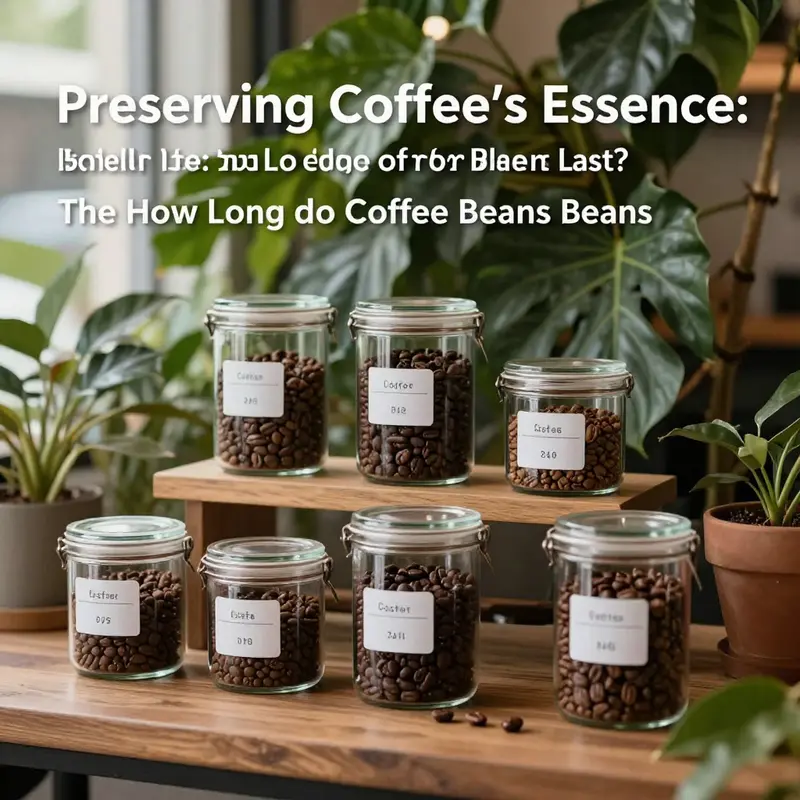
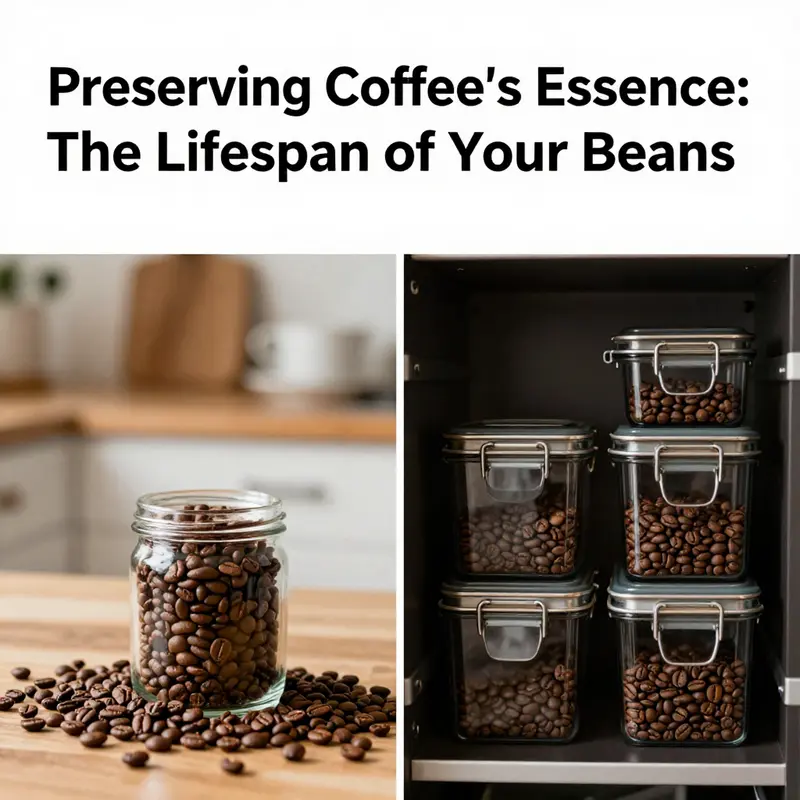
A critical companion to roast-date awareness is the choice of storage vessel. An airtight container with a narrow mouth minimizes the bean’s exposure to air during daily scooping, while a container that blocks light protects against photo-oxidation, which can subtly alter flavor. Dark-tinted glass or opaque metal containers are common choices, but the key is the seal—an airtight seal that tightly restricts air ingress while allowing the beans to vent CO2. Some enthusiasts prefer a dedicated coffee canister with a venting system or a valve, while others use simple jars with rubber gaskets. The container needs to be kept away from heat sources and direct sunlight, which can accelerate oxidation and warmth. A pantry shelf or a cabinet away from the stove or window is usually ideal. It is equally important to keep moisture out; refrigerators are generally discouraged for typical home storage because the moisture exchange and odor transfer can degrade the beans. If refrigeration is absolutely necessary due to a hot climate or long-term storage, it should be done with caution—freezing is sometimes used for ultra-long storage, but it demands meticulous handling to avoid condensation that can occur upon thawing. The preferred approach for most home cooks who want both safety and flavor is to maintain a cool, dark, consistently moderate environment, and to store in small portions that you can use within a few weeks rather than keeping a large bag for an extended period.
For those who wish to maximize both convenience and flavor, grinding strategy is a central axis of the conversation. Ground coffee has an accelerated deterioration compared with whole beans because the surface area is vastly larger, and oxygen can interact with a greater portion of the coffee’s volatile compounds at a faster rate. This is why many experts advocate grinding just before brewing. If you must grind in advance, a short window—often one to two weeks at most—is the practical limit before the aroma and flavor begin to drift noticeably. This reality underscores why many practice a grind-on-demand routine for their best brews. The goal is to avoid the stage where oxidation and aroma loss interfere with the brewing process. In other words, the difference between a freshly ground, well-managed bag and a bag ground days earlier can be a matter of flavor clarity, brightness, and the perceived energy of the cup.
Another dimension worth noting is the relationship between roast level and the flavor window. Light roasts tend to emphasize aromatic complexity and brightness, and those attributes may be more susceptible to the passage of time, particularly in hotter climates or when stored under less-than-ideal conditions. Dark roasts, while offering a robust and comforting flavor, can still degrade in aromatic intensity, yet the changes may present as a gentler shift toward roasty sweetness rather than a rapid fade in vibrancy. The sweet spot exists across roasts, but the precise perception of freshness can depend on the stylistic aims of the roast and the origin’s intrinsic flavor profile. For the home brewer chasing a single, reliable daily cup, the message is pragmatic: plan for a continuous rotation of fresh stock aligned with your preferred roast level, and lean toward smaller, more frequent purchases if your palate prizes peak aroma and balance.
Within the broader arc of this discussion, it is worth reiterating the safety margin. Roasted coffee beans, when kept in proper packaging, do not become unsafe to drink simply because the flavor has aged. This is a common misconception that can lead people to discard beans that still function well as a beverage. The physical deterioration concerns are more about aroma and taste than about microbial risk, unless there is visible mold, an off-putting rancid smell, or other signs of contamination. Such signs should be treated with caution: moisture intrusion or mold indicates disposal, not merely flavor loss. The absence of obvious spoilage does not imply continuous peak flavor. In other words, preservation of safety does not guarantee ongoing sensory excellence, and the practical goal remains to enjoy beans at their best within the sweet spot and to manage expectations as oxidation proceeds.
What follows is a concise synthesis of the practical implications you can apply without becoming preoccupied with the minutiae of chemistry. If you want to preserve flavor with minimal effort, choose a storage setup that is airtight, shielded from light, and isolated from heat and moisture. Buy in smaller quantities that you can finish within a few weeks to a couple of months from the roast date, then rotate through stock so that you are brewing beans that are as close as possible to their peak for you. Be mindful of the grind timing, and prefer grinding at the moment of brew, or at least within a short window after grinding. If you must store beans long term, vacuum-sealed or low-oxygen packaging paired with a controlled environment can extend the usable period beyond the immediate sweet spot, though the flavor may not reach the same intensity as the initial post-roast days. In this sense, storage becomes a strategy to preserve basic quality rather than a guarantee of peak freshness. And when in doubt, tasting a sample from a recently roasted batch versus a batch stored longer can help calibrate your expectations about the current coffee’s profile, the roast’s intent, and your own brewing method.
All of these considerations align with a widely respected framework for coffee freshness that emphasizes the timing of peak flavor and the importance of careful storage. The National Coffee Association USA highlights science-based guidance on storing and consuming coffee to help consumers maximize flavor while minimizing the variables that degrade aroma and taste. The practical takeaway is simple: treat the three-to-twenty-one-day window as a baseline flavor target, but recognize that thoughtful storage can stretch usability and maintain drinkability beyond that window—up to a point—without pretending the cup will taste as it did at the peak. By embracing this nuanced view, you can enjoy a cup that feels both fresh and thoughtfully prepared, rather than a cup that tastes old simply because it has stayed on the shelf.
In the end, the life of a roasted coffee bean is a story of balance: a balance between outgassing and stability, between aroma and flavor, and between the romance of a freshly roasted batch and the practicalities of daily brewing. The sweet spot teaches us that freshness is not a single moment but a small window of opportunity—one that can be optimized through mindful purchase timing, storage discipline, and a grinding schedule that respects the bean’s natural pace. Equally important is the recognition that flavor is a journey, not a fixed endpoint. Even when the beans are still drinkable beyond the initial window, each day can bring a subtle shift in character. Your goal as a reader and a brewer is to tune into these shifts, to recognize when your cup is at its best for your palate, and to arrange your coffee routine so that the beans you brew are given the best chance to sing in your cup. If you attend to roast date, storage conditions, and grinding timing with care, you’ll find that the window between freshness and flavor becomes less a rigid timetable and more a reliable rhythm that guides your daily rituals. For those who want to anchor their practice in solid guidelines while allowing for personal variation, the flavor lifecycle described here provides a practical compass. It helps you negotiate the tension between wanting the brightest perfume of new coffee and respecting the reality that every bag contains a finite moment of peak personality. And when you finally sip that cup, you’ll experience not only the memory of a fresh roast but also the satisfaction of having navigated a meaningful, science-informed path to coffee enjoyment. For authoritative guidance on coffee bean freshness and flavor development, refer to the National Coffee Association USA: https://www.ncausa.org/About-Coffee/How-to-Store-Coffee
Breathing Room: How Storage Environments Shape Freshness and Flavor in Coffee Beans
The journey of a coffee bean from roast to cup is a delicate dialogue with its surroundings. Beans carry within them the fragrance of the roast—the volatile oils and aromatic compounds that give coffee its character. Yet those same compounds are fragile, easily coaxed from their vivid balance by time, heat, light, and air. If the roast date marks the moment of birth for flavor, the environment becomes the weather that either preserves or erodes that birthright. When we talk about how long coffee beans last, we are really asking how long they can retain the essence of that roast while remaining safe to drink. The answer is not a single number but a spectrum, one that expands and contracts with the conditions the beans encounter after they leave the roaster. In plain terms, freshness depends less on a universal clock and more on a careful climate inside our storage choices. A proper environment can extend the usable life of beans, while a careless setting can shorten it dramatically. The key lies in understanding how oxygen, temperature, humidity, and light interact with the bean’s structure and its oils, and how that interaction unfolds over weeks and months rather than days alone.
To begin, consider the ideal storage conditions as a baseline. The most faithful guardians of bean longevity are vacuum-sealed packages or cans with a one-way valve. In these setups, the beans are protected from oxygen while still allowing the natural CO2 produced by the coffee to escape. This configuration dramatically slows the oxidative process that dulls aroma and flavor. In practice, beans kept in such environments can remain pleasantly drinkable for six to twelve months. The flavor will gradually drift, becoming less exuberant and more muted as the months pass, but the coffee stays usable and safe. The key is to place these sealed containers in a cool, dark, dry place, away from heat sources and direct sunlight. Light can break down some of the aromatic compounds, while heat accelerates chemical reactions that turn clean notes into dull or stale impressions. In short, the best-case scenario for long-term freshness is a seal that keeps oxygen out, a location that keeps the temperature stable, and a setting that shields the beans from light.
Yet most homes operate with a more modest reality. If you store beans in standard sealed containers—opaque cans or jars without a true vacuum seal—the clock runs faster. For peak flavor, you want to consume them within two to four weeks of opening. They may still be drinkable for three to six months, but the aroma and taste will show a noticeable decline well before that window closes. In this situation, the environment matters just as much as the beans themselves. Cool, dark cupboards are preferable to countertops near appliances that emit heat or moisture. The objective is to minimize temperature fluctuations and keep the beans away from radiant heat sources. Even the choice of container matters: an opaque vessel reduces light exposure, but if it isn’t airtight, the beans will still suffer oxygen intrusion. When you open such a container, you initiate a race against time. Oxygen begins to erode oils and aromatics almost immediately. Every day that passes without a tight seal is a day of flavor loss, a day the cup will not taste as bright as it could have.
In less favorable conditions, the story changes rapidly. Open or poorly sealed beans, exposed to air, heat, and humidity, lose freshness with startling speed. The oxidation process accelerates, muting the bright, nuanced notes and inviting duller flavors to take center stage. High humidity is troublesome because it creates a friendly environment for moisture to seep into the bean’s surface or, worse, invite mold in the presence of warmth. Light compounds the damage by degrading certain aroma molecules; the more direct and prolonged the exposure, the more the complex flavor compounds fade. Direct sun or strong artificial lighting compounds the problem, especially if the container is transparent. In other words, sunlight does not merely fade color; it can erode the aromatic profile that makes a cup lively and memorable.
The practical consequences of environmental exposure extend beyond the flavor chart. From a safety standpoint, coffee beans do not become unsafe to drink simply because they are stale. The typical signs of aging are sensory rather than toxic. A faded or absent aroma is often the first clue that freshness has waned. A dusty or musty smell can signal either prolonged exposure to air or contamination. Visible mold or unusual discoloration should always be a red flag, prompting disposal. But even in the absence of these obvious cues, the quality of the cup will reflect the bean’s journey through its environment. The oils that carry flavor can volatilize or oxidize, and the balance of acids, sugars, and aromatics shifts. What you taste is the cumulative outcome of all the environmental decisions made since roasting.
The comparison between whole beans and ground coffee underscores the speed at which environment exerts its influence. Ground coffee exposes a vastly greater surface area to air. The oils and volatile compounds revealed by grinding are more accessible to oxygen, so the degradation begins immediately. The optimal flavor window for ground coffee is usually a brisk one—roughly one to two weeks after grinding. Whole beans enjoy a longer grace period because their intact structure slows the ingress of oxygen to some extent, especially when stored correctly. This contrast does not suggest that one form is inherently superior for longevity; rather, it highlights how storage decisions interact with processing to shape the timeline of freshness. If your goal is to savor the subtler, more delicate notes of a roast, whole beans in a sealed, cool, dark environment offer more forgiveness and a longer horizon before the experience is compromised.
Temperature control is the chorus that unites these ideas. Stable, cool temperatures slow the kinetics of oxidation and staling. A consistently cool shelf—ideally well below the kitchen’s warm zones but above freezing—is favorable. The refrigerator, once thought of as a universal storage solution, proves to be a mixed blessing for beans. While it reduces the risk of rancidity by slowing metabolic activity, it also invites condensation each time the bag or container is brought back to room temperature. Condensation can introduce moisture that interacts with the bean’s surface, misaligning the protective barrier and inviting loss of aroma. The freezer adds another layer of complexity. Freezing can preserve beans for extended periods, but it requires meticulous handling to avoid repeated thawing and refreezing, which cause condensation and moisture migration. If freezing is necessary, use airtight, vacuum-sealed bags and minimize exposure to air and moisture. Even then, the thawing process can be tricky, and repeated cycles can compromise quality. It is not a universal solution, but a careful trade-off for exceptional circumstances.
Light is a stealthy antagonist. Even in a dark cupboard, some light may seep in if you use a transparent or inadequately opaque container. Light deactivates certain aroma compounds and can influence the chemical equilibrium within the bean over time. This is why an opaque, tightly sealed container in a cool, dark place is a cornerstone of good storage practice. The aim is to keep the bean’s environment as close as possible to a laboratory-like climate: slow, stable, and shielded from the elements that drive deterioration. That climate is not flashy or complicated; it is practical and repeatable. It is a daily habit as much as a storage choice. The difference between a fresh-tasting cup and a tired one often comes down to whether the climate was managed with consistency.
Roast date remains an essential compass in navigating freshness. The roast date tells you how long the beans have spent on their flavor trajectory. Even if you have stored beans under optimal conditions, the flavor is strongest within a window after roasting. The literature on fresh coffee often notes a preferred flavor window of one to three months after roasting, a period during which aromas are most vibrant and the complexity of flavors shines. Beyond that window, beans do not suddenly turn undrinkable, but their profile shifts toward more muted, more uniform notes. The practical takeaway is simple: check the roast date and tailor your purchases to how quickly you expect to use the beans. Buying in quantities you can reasonably consume within a few weeks to a couple of months helps you stay within that peak window without forcing a compromise later.
From a consumer perspective, translating these guidelines into daily practice requires a blend of discipline and trade-offs. It is reasonable to buy beans more frequently in smaller quantities, ensuring you can experience them near their peak. If you do buy in bulk, portion the beans into smaller containers or bags, each with its own seal, so that opening one portion does not expose the entire stash to air. Make a habit of labeling containers with the roast date and the date you opened them, when applicable. These small rituals help preserve the sensory qualities that distinguish a coffee’s signature notes—the citrus brightness, the chocolatey depth, the delicate fruit tones, or the toasty warmth—without requiring complex equipment or procedures. Mindful storage is a form of care for the beans, a recognition that flavor is a finite resource that thrives in the right microclimate.
The environmental narrative also has practical implications for how much you should buy at once. If you have a small kitchen and a few trusted jars, it is often better to purchase beans that you can responsibly enjoy within a couple of weeks. For households that drink coffee with nearly ritual regularity, a modest rotation of beans stored in a vacuum-sealed bag or a dedicated can in a cool, dark cupboard can maintain a balance between freshness and convenience. It may be tempting to keep a larger stash “just in case,” but the longer the storage duration, the more the flavor will drift away from its peak potential. The relationship between storage and flavor is cumulative; every extra week beyond the optimal window can erode a portion of the aroma that made the roast memorable in the first place.
As the beans approach the end of their prime, signs of aging become more apparent. The aroma, which once filled the kitchen with fragrant promise, may grow faint. If you breathe in and detect a dusty, musty, or dull scent, those are cues that the bean has traveled far enough to lose some of its vibrancy. The texture of the smell can reveal oxidation at work. A subtle oil sheen can retreat, and the flavor on the palate may reveal less nuance, with a tilt toward bitterness or flatness rather than brightness and balance. These are not warnings of danger but indicators of a shift in how the bean behaves once hot water meets ground or whole bean. The cup may still be enjoyable, but the experience will be different from the one you imagined when the roast first filled the room with aroma. Understanding these cues helps you interpret what the environment has done to the bean and adjust your expectations accordingly.
If there is a central lesson in the environmental story of coffee beans, it is this: freshness is a condition maintained by ongoing care. It is not a one-time achievement at the moment of roasting but a continuous practice of selecting the right storage, controlling temperature and light exposure, and using beans within a sensible timeframe. The contrast between the best-case scenario and the more common, everyday storage underscores the simple, universal rule at the heart of the matter: to maximize the natural qualities of a roast, you should minimize the beans’ exposure to air, heat, humidity, and light, and you should be mindful of how long you allow them to rest in those conditions after opening.
In the end, the question of how long coffee beans last is answered less by a fixed horizon and more by a careful balance of timing, temperature, and containment. The blend of factors—sealed packaging, cool and dark storage, avoidance of moisture, and respect for the roast date—collectively determine the length of the freshness window. The science supports a practical approach: store beans in airtight, opaque containers in a cool, dry place, avoid the refrigerator or freezer when possible due to condensation risks, and aim to use beans within the peak flavor period following roasting. By treating the environment as an active partner in the life of the bean, you extend not just the number of days you can drink coffee but the quality with which you drink it. The result is a richer daily ritual, a cup that reflects the care you have given the beans, and a reminder that flavor, like memory, is strongest when it is nurtured in the right surroundings.
As you move forward in your exploration of storage, consider how these environmental principles illuminate other kitchen staples as well. The same ideas—protecting against oxygen, controlling temperature, guarding against light and moisture—are central to preserving the integrity of any aromatic, sensitive product. And while the specifics differ from item to item, the underlying logic remains consistent: freshness is not an accident. It is the outcome of deliberate, repeatable conditions. With coffee, those conditions are not mysterious or performative; they are practical steps you can take every day to ensure that the moment you pour into your cup, you are tasting the best possible expression of the roast you chose. The environment does not merely affect flavor; itvotes with every cup, deciding how long the beans will sing before the notes fade.
This perspective places the storage decision at the heart of the coffee experience. It reframes the question from how long do beans last to how well do you cultivate the space in which beans live. The difference is subtle but meaningful. It shifts attention from a single deadline to a continuous practice of stewardship: seal tightly, keep cool and dark, avoid moisture, and use thoughtfully within the window that suits your roast and your palate. In that light, a well-stored bag of beans becomes more than a commodity. It becomes a reliable partner in daily ritual, a consistent source of comfort, and a reminder that flavor, like time, is best cherished when we give it careful, consistent care. With that approach, the question about lasting becomes a conversation about quality over quantity, presence over haste, and a mindful respect for the delicate chemistry that makes coffee the morning companion so many people treasure.
Final thoughts
Maintaining the quality of coffee beans is a multifaceted process that involves understanding their shelf life and the factors that influence freshness. By implementing effective storage techniques, capitalizing on optimal flavor windows after roasting, and recognizing the significance of environmental conditions, your business can provide high-quality coffee consistently. Not only does this enhance customer satisfaction, but it also encourages repeat business and reduces waste. Make informed decisions to ensure that every cup served is a delightful experience.