
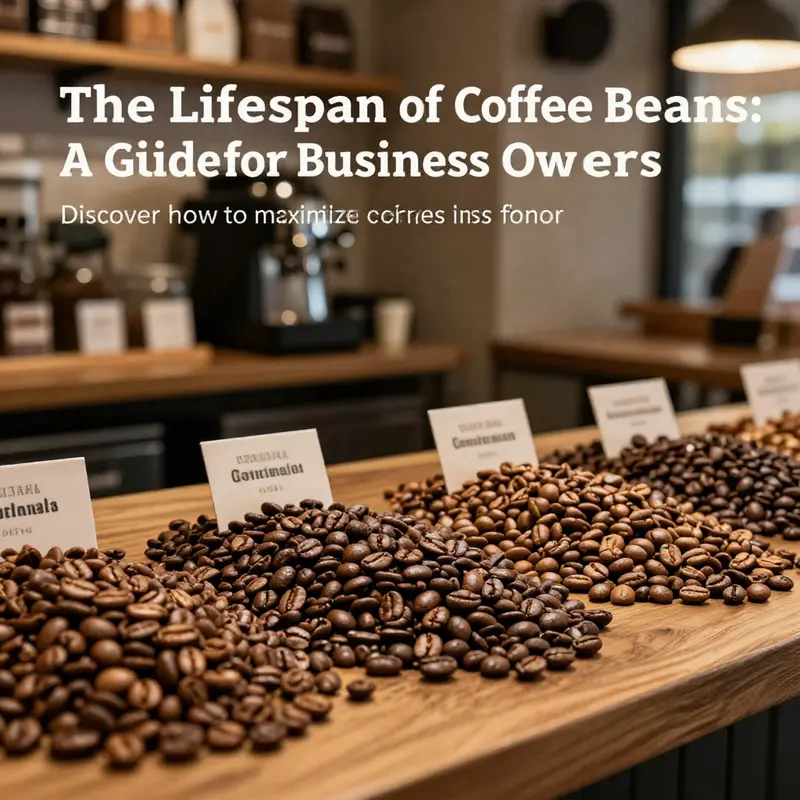
Understanding the shelf life of coffee beans is crucial for business owners who depend on quality coffee products. The longevity of coffee beans varies depending on various factors such as whether they are unopened or opened, their roast level, and their storage conditions. In the following chapters, we will delve into the specifics of unopened coffee beans, opened coffee beans, and ground coffee, ultimately helping you make informed choices that enhance flavor and reduce waste.
The Quiet Longevity of Unopened Beans: How Long Can Roasted Coffee Retain Its Aroma?
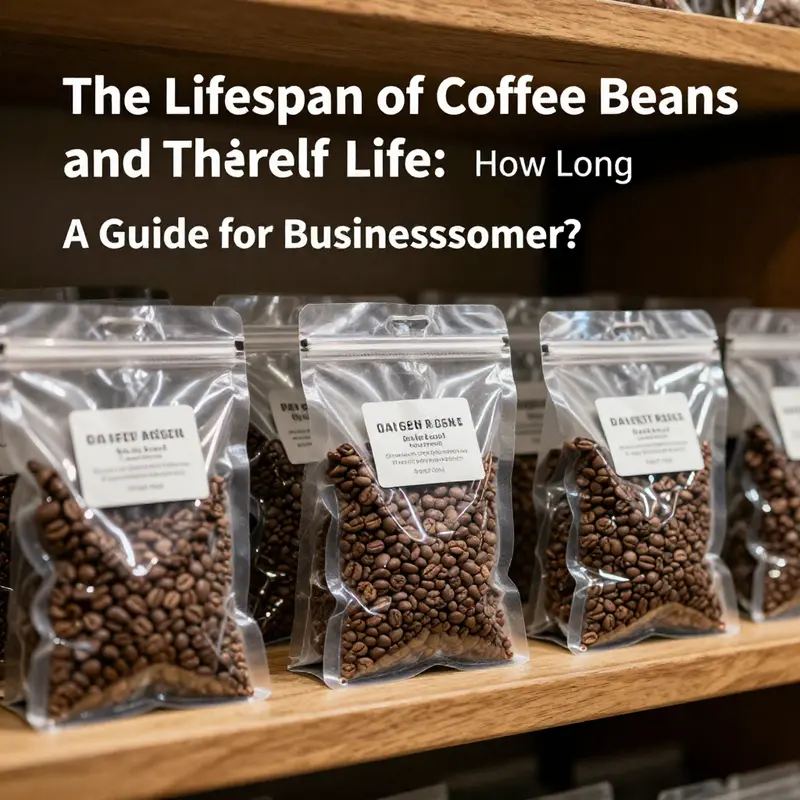
A bag on the shelf can look ordinary, yet it carries a complex chemistry inside. When coffee beans leave the roaster, they begin a slow, inexorable dance with air, light, and moisture. Even before you twist open the seal, these beans are already aging. The question that every cafe, home barista, or casual coffee drinker asks is not simply whether beans are dangerous to drink, but how long they can stay true to the aroma and flavor that drew us to them in the first place. The answer, for unopened beans, centers on a balance between time and conditions. In practical terms, unopened, properly packaged beans retain their peak freshness for roughly six to nine months from the roasting date. This window is grounded in how quickly aromatic compounds dissipate and how oils, delicate and volatile, begin to oxidize once beans are exposed to air. The general principle is simple: minimize exposure to air, light, heat, and moisture, and you extend the bean’s life in flavor if not in safety. The precise horizon varies with packaging technology and storage environment, but the core idea holds steady across roasters and retailers: unopened beans can be far more stable than their opened counterparts, and the packaging itself becomes a crucial ally or a subtle betrayer in the quest for a longer, richer cup.
To understand why this matters, it helps to separate the idea of shelf life from safety. Coffee beans do not become dangerous to drink the moment the roast date passes; they merely drift toward a flatter, duller profile as volatile aromatics fade and the bean’s surface chemistry settles into a less vibrant equilibrium. The best-before dates that many roasters print are comfort labels more than safety guarantees; they signal a recommended window for optimal flavor. Within that window, the beans should still be safe to consume after the recommended date, but the aromatic complexity and the nuanced notes that define a fresh cup will diminish. That is the essence of shelf life for unopened coffee: a period during which you can expect the best possible aroma and taste, given proper storage, followed by a gradual bow toward more muted qualities.
The technology of packaging plays a decisive, often invisible role in extending or truncating that period. Vacuum sealing or nitrogen flushing reduces the bean’s direct contact with air—air is the primary driver of oxidation. A bag that maintains a robust seal and limits moisture ingress can slow the pace of flavor loss, letting the beans ride out the months with less rapid deterioration. Of course, once the seal is broken, the clock resumes ticking with a renewed urgency. The moment you open the package, oxidation begins in earnest, and the beans’ aroma and flavor quickly begin to fade. Even without opening, the external environment matters. A dark, cool, dry cabinet is far more forgiving than a sunny shelf near a heat vent or a kitchen window that catches every sunrise. In other words, the unopened bean’s life is a story of restraint: keep the elements at bay, and the beans can hold their character longer.
Roast level also plays a subtle, telling role. Darker roasts tend to carry more robust, concentrated oils that can resist oxidation for a little longer in relative terms, whereas light roasts, with more delicate aromatic compounds, can reveal flavor drift sooner when stored under less-than-ideal conditions. This does not overturn the core rule—air is the enemy—but it does color the experience of aging. A bag of very light roast beans may seem to lose its edge faster, particularly if the storage environment is not consistently cool and dark. Still, the difference is not a license to disregard storage; it is a reminder that the sensory clock is ticking for all roasts, and the magnitude of flavor loss will reflect the roast’s own chemistry as well as the container’s integrity.
A practical framework emerges when we translate these ideas into behavior. Begin by locating the beans in a cool, dark place, ideally around 60 to 65 degrees Fahrenheit (about 15 to 18 degrees Celsius). A pantry shelf away from stovetops, dishwashers, or direct sunlight typically suffices. Avoid the refrigerator and freezer for unopened beans as a general habit; the fridge’s humidity and odor exposure can creep into the bag’s fibers, inviting both moisture and absorbed aromas from other foods. If you purchase coffee in bulk or prefer to stockpile, the temptation to save money with a long storage horizon should be tempered by the reality of flavor drift. The key is to plan around a rotation schedule that keeps your stock within the six-to-nine-month sweet spot from roasting. This keeps your daily cup aligned with the aromatic promise the beans offered at the time of purchase.
Judging the viability of unopened beans rests on a few reliable indicators. First, the roast date is your most valuable guide. Many specialty brands now include a roast date clearly on the packaging, sometimes alongside a best-before date. If a roast date is present, you have a dependable reference point. If the roast date is missing, you can estimate by assuming the beans were roasted roughly three to four weeks before the purchase date—a rough midpoint that serves as a practical proxy in the absence of the exact data. The absence of a roast date is a signal to approach the bag with a more conservative consumption plan, especially if you prize peak aroma and flavor. When you do open the bag and inspect, take note of the beans’ surface sheen and aroma. A vibrant, fresh aroma is a strong cue of retained quality, whereas a flat, stale, cardboard-like, or musty odor points to advanced aging or possible exposure to unfavorable storage conditions. The physical appearance of the beans can also tell a story; a heavy, oily sheen can indicate oxidation has progressed, though this alone does not confirm spoilage. The absence of visible mold is a relief, but odor and aroma remain the most telling signs.
The question of safety, in the strict sense, deserves careful consideration even as flavor remains the guiding lens. For unopened beans stored under proper conditions, there is no immediate safety hazard in retaining older beans beyond the six-to-nine-month window. The risk is not illness but a cup that tastes flat, stale, or one-dimensional. As flavor quality declines, you may notice a sour note or a bitter finish that lacks the sweetness and complexity of a well-aged, properly roasted batch. In that sense, “best before” becomes a practical boundary, not a safety cut-off. The longer you hold onto beans past this boundary, the more you trade flavor for convenience. The long, slow degradation is a reminder that coffee is best enjoyed in its youth, and the unopened state offers a window that roasters and retailers work to optimize through packaging design and careful supply chain discipline.
From a consumer behavior perspective, the unopened bean’s shelf life invites a planning habit. Rather than buying in anticipation of months of use, a growing number of coffee lovers opt for smaller quantities more frequently. This approach aligns precisely with the biology of coffee aroma: the fresher the roast on the day you grind, the more vibrant the cup. It also reduces the risk of discarding beans that have aged beyond their ideal window while still technically safe to drink. The personal flavor map—whether you prefer bright, citrusy notes or deep, chocolatey profiles—will shape how aggressively you rotate stock. For some, a six-month horizon works well; for others, a nine-month window fits their consumption pace and storage discipline. Either way, the principle remains: the unopened package buys time, but it is not a license to ignore the time itself.
The long-term question—how far beyond the six-to-nine-month window can unopened beans still be consumed without compromising safety or almost unbearably stale flavor—deserves careful nuance. The guidance from current best practices suggests that unopened beans can remain safe to drink beyond a year if kept in an ideal cool, dry, and dark environment, especially when the packaging is nitrogen-flushed or vacuum-sealed. Yet, even if the beans remain safe, the flavor will not reflect the original roasted character. The aromatic compounds that define a coffee’s identity are fragile, and their loss is not reversible by reheating. Freezing, as a strategy for extending the shelf life, offers a potential path for those who must stockpile, but it introduces practical steps and caveats. If you choose to freeze unopened beans, divide them into small portions to minimize exposure to air and condensation. Seal each portion tightly in a vacuum-sealed bag or airtight container, and place them in the freezer. When you are ready to use them, remove only the necessary amount and allow it to thaw at room temperature for about thirty minutes before opening the bag. Do not refreeze once thawed, as condensation can promote moisture-related quality loss. While freezing can help preserve the bean’s integrity for longer, it remains a compromise, and the flavor payoff may be less than that achieved by consuming within the six-to-nine-month window in a cool, dark pantry.
Of course, the practical takeaway is not to chase a perfect technical boundary but to align your storage with your coffee goals. If your aim is to extract the fullest possible aroma and a spectrum of flavors in your daily cup, the simplest, most reliable strategy is to purchase in smaller quantities and use them while they are still within the recommended window. Labeling bags with roast dates and shifting stock so that the oldest beans are used first helps maintain a constant standard in your kitchen or small cafe. The aim is not to freeze away time as a fetish but to honor the bean’s life cycle—from lighter, more volatile aromas to deeper, more settled notes—and to do so with a practical plan that respects both taste and safety.
The guidance that anchors this discussion comes with a caveat that resonates across the coffee world: even unopened, the best experience hinges on the packaging and environment. The Specialty Coffee Association’s guidelines offer a framework that many roasters and retailers use to structure their recommendations and packaging standards. While the precise numbers may vary across roasters and coffee origins, the underlying message is consistent: flavor integrity is tied to freshness and exposure control. If you want a reliable reference for best practices, consider consulting the official guidelines from the Specialty Coffee Association, which synthesize industry consensus on packaging, storage, and freshness. For a broader view of properly handling and storing coffee, you can explore more details at their site: https://sca.coffee. This external resource provides in-depth guidance that complements the practical tips outlined here and helps align home storage with professional standards.
In sum, unopened coffee beans, when kept in a cool, dark place and protected from air, light, heat, and moisture, offer a generous, if time-limiting, window for peak aroma and flavor. Six to nine months from the roasting date represents a balanced, evidence-based expectation for optimal quality. Beyond that period, flavor will taper, even though safety remains unlikely to be compromised for quite some time. If your supply is large, freezing can stretch the weeks and months between roasts, but the trade-off is the potential for condensation and a gradual shift in flavor upon thawing. The simplest approach for most discerning drinkers is to treat unopened beans as a perishable but non-hazardous commodity whose value lies in its aromatic vitality. Keep the beans in a sealed, nitrogen-flushed or vacuum-sealed package if possible, store them in a cool, dark location, monitor the roast date, and plan to rotate stock so that you brew at least some coffee within the window when it truly shines. The result is a cup that tastes like the day it was roasted, even if it’s weeks or months later, rather than a souvenir from the roaster that never quite lived up to its promise.
For readers who crave a dynamic, tactile sense of the bean’s journey—from green to roasted, from sealed to ground—the unopened bean’s shelf life offers a narrative about trust. It is a story of a product that depends on careful handling as much as on the bean itself. The aroma you expect when you crack the seal is a reward for restraint: a reminder that coffee is a transient art, with each day presenting a new opportunity to chase that fleeting scent of roast and the promise of a satisfying cup. In the grand arc of coffee preparation, unopened beans reward patience, discipline, and a mindful approach to storage. They remind us that the best cup is rarely an accident; it is the result of intentional care taken long before the kettle begins to sing. And when you finally grind and brew a forgotten bag, you’ll know that the journey from roast to cup is a brief, delicate moment in time—one you can preserve with simple, thoughtful storage. The beans will thank you in aroma and flavor, even if the calendar has other plans.
If you’d like to explore the practicalities of storage further or compare how different conditions influence the aging process, the broader body of guidelines and research on coffee freshness is a reliable companion. The central lesson remains clear: store unopened beans properly to maximize their window of optimal flavor, and approach longer storage with a plan that preserves both safety and sensory quality. The goal is not to chase the myth of eternal freshness but to honor the bean’s natural life within a framework that respects its chemistry, its packaging, and your own taste ambitions. In a world where flavors constantly evolve, the unopened bag stands as a testament to how careful handling can extend the joy of a great cup, even as the clock continues to run.
External reference for further guidelines: https://sca.coffee
After the Seal Breaks: The Quiet Decay and Delicate Timeline of Opened Coffee Beans

When a bag of freshly roasted coffee beans is sealed, the journey from bean to brew begins with a fragile calm. The moment the seal breaks, the roast’s aroma meets air, moisture, and light in a dance that speeds up the beans’ aging process. The flavor compounds that give coffee its charm are volatile and especially sensitive to oxygen. As the beans exhale carbon dioxide during the immediate degassing phase, oxygen from the surrounding air begins to mingle with the coffee’s surface. What follows is not a dramatic collapse in safety—coffee beans do not suddenly become dangerous the moment you open a bag—but a gradual shift in sensory potential. The difference between the sweetness of a fresh pull and the dull, flat notes of a months-old cup is not a matter of safety but of expressive memory. The opening of the bag marks the beginning of a countdown, not to danger, but to flavor, texture, and aroma that slowly drift away with every breath of air that enters the container.
To understand this countdown, it helps to imagine the beans as tiny reservoirs of scent and taste locked inside a protective husk. In the sealed world of an unopened bag, those reservoirs are protected from the elements. There, the beans remain relatively stable, with their volatile compounds preserved for a time. Once the seal is breached, the air becomes the primary antagonist, and the clock starts ticking. The pace of decay is not identical for everyone. It depends on how the beans are stored after opening, the roast level, and how often the container is opened and closed. Yet the general arc is clear and practical: the window of peak freshness is short, the usable window longer but variable, and the long view is a matter of preference, not safety.
Freshness after opening is a conversation between four forces: oxygen, moisture, heat, and light. Oxygen is the principal culprit. It oxidizes essential oils and aromatic compounds, transforming the perfume of a roasted bean into something flatter and more one-dimensional. Moisture, which readily follows air into an open container, can encourage clumping and uneven extraction, altering texture and body in the cup. Heat accelerates chemical reactions that degrade flavors, so a warm kitchen becomes the enemy of long-lasting brightness. Light, even when the bag is dark, can eventually seep into poorly sealed containers or surfaces, nudging the breakdown of delicate compounds. The most important factor among these is air exposure. The more frequently you open the container, the more rapid the loss of aroma compounds and the attenuation of nuanced flavors. That is the heart of the opened-bean freshness equation: less air exchange, longer potential life for the beans’ bright notes.
From a practical standpoint, the opened-bean journey begins with the decision of where and how to store them. The widely acknowledged best practice is to transfer beans from the original bag into an airtight, opaque container with a one-way valve. The one-way valve is not merely a stylish feature; it serves a physical purpose. It allows degassing while keeping outside air from re-entering the canister. This is particularly important in the days immediately after opening, when the beans release gases that can interact with the container’s inner environment. An opaque, tightly sealed vessel protects against light, another ally of flavor degradation. The view from this setup is simple: minimize air contact, shield from light, and keep the container in a cool, dark corner of the cupboard.
Yet even with ideal storage, time moves on. The magic of the first days after opening—where the beans radiate warmth, chocolatey notes, and citrus brightness—wanes at a predictable pace. In most cases, the peak flavor window for opened roasted beans sits within the first one to two weeks if you are truly prioritizing maximum aroma and complexity. For many coffee lovers who navigate busy mornings or multiple brewing rituals, a more pragmatic view takes root: the beans remain enjoyable for longer than the first week, but the vibrancy and architectural complexity of the cup begin to fade. The middle ground—the realm of acceptable quality—often stretches to about three months for some roasts, though the taste profile will be decidedly less dynamic. It is essential to understand that darker roasts, with their denser oils and slightly lower acidity, often retain a sense of fullness a touch longer than lighter roasts. This nuance matters when you map your own routine against the clock of freshness.
A useful way to think about the rhythm after opening is to imagine three concentric opportunities: peak, usable, and past-prime. The peak is the first two to four weeks, depending on how carefully you guard against air, heat, and light. The usable phase can extend to roughly four to six weeks if your storage discipline is excellent and your palate is not chasing the last glitter of aroma in every cup. Past-prime, you may still drink coffee with safety, but the experience will often be flatter, less nuanced, and more reminiscent of stale flavors that fail to sparkle on the palate. There is something instructive in accepting this fade as a natural byproduct of the coffee’s chemistry. It invites a ritual of smarter consumption: portioning beans into smaller daily or weekly reserves to minimize repeated exposure to air, and pairing the storage choice with your actual brewing cadence.
What makes that process even more practical is acknowledging how much the roast level can influence the pace of freshness decay. Lighter roasts, with their higher acidity and more volatile aroma compounds, can lose their brightness more quickly when exposed to air. In contrast, darker roasts, with their deeper, more resilient oils and caramelized sugars, sometimes maintain a sense of body and warmth longer in a cup, even as the nuanced aromatic notes recede. This does not mean darker roasts stay fresh longer in a literal sense; rather, the tasting experience may retain a perceived richness that masks some of the aroma loss. The overall story remains consistent: once the seal is broken, the clock begins, and the traveler’s experience with the coffee’s scent and flavor becomes a matter of timing and care.
From a routine perspective, the practical steps after opening revolve around a handful of decisions that can dramatically extend the beans’ usefulness without venturing into extremes. First, minimize air exchange. Every time you open the container, oxygen can diffuse into the space and interact with the surface of the beans. If your schedule allows, consider dividing a larger bag into multiple smaller portions and storing them in separate airtight jars. This approach ensures that only a fraction of the coffee is exposed during daily use, reducing the cumulative air exposure over weeks. Second, invest in stability by using an opaque container. Transparent jars may look appealing, but they invite more light exposure, even if only a little, which is enough to nudge flavor into the realm of the dull and stale more quickly. Third, choose a cool, dark cupboard rather than a shelf near the stove or oven. Temperature fluctuations accelerate oxidation and degassing in unpredictable ways. It may feel counterintuitive to keep beans in a place that is not exactly at refrigerator temperatures, but a stable environment that remains consistently cool is more effective for preserving aroma than a slightly cooler but more variable space.
A topic that invites confusion is whether to refrigerate or freeze opened beans. The caution here is precise: refrigeration is generally discouraged for opened beans because the humid environment inside a fridge can lead to condensation, and the laundry list of neighboring odors and flavors becomes a problem as well. Instead, freezing is the more controlled long-term option, especially for those who purchase in bulk or who know they will not use beans within a comfortable window. The recommended practice is to freeze in small portions—single-use amounts in vacuum-sealed bags or airtight containers. When you are ready to brew, remove only the portion you need and allow it to return to room temperature before opening the bag. This step prevents condensation that could lead to soggy beans or the deterioration of surface oils. The reversible nature of freezing means that you must resist the temptation to thaw and re-freeze repeatedly; repeated cycles can compromise texture and aroma and create a less predictable extraction. If you do choose to freeze, the principle that remains true is unmistakable: portion control and careful handling are the allies of long-term preservation.
In the end, the best practice for opened beans can be summarized in a rhythm that aligns with daily life and the sensory realities of coffee. Store them in an opaque, one-way-valve container; keep the container in a cool, dark place; minimize how often you open it; and consider freezing only if you accumulate more beans than you can use within a generous but practical window. The exact timing—one to two weeks for peak aroma, up to four to six weeks for high-quality experience, longer if your palate and schedule permit—will vary with roast level, bean age, and storage discipline. The most important lesson is straightforward: freshness after opening is a moving target, but with mindful handling, you can stretch the joy of your favorite beans well beyond the moment you crack the seal.
As you navigate this terrain, it can be helpful to develop a personal timing map that reflects your own brewing cadence. If you brew daily with a standard routine, it makes sense to purchase beans in smaller quantities that you know you will use within a couple of weeks. If your routine is more flexible and you enjoy experimenting with different roasts, you may benefit from a longer horizon by portioning into two or three smaller jars and rotating through them over the course of a month. The sensory memory of a coffee’s true bloom—its delicate aromas of fruit, florals, or cocoa—depends as much on how you manage exposure to air and light as it does on the roast date. In many ways, the story of opened beans is a story of responsible stewardship: a commitment to keeping that tiny universe of scent and flavor intact for as long as your taste buds will welcome it.
For readers who want to anchor these ideas in a tested framework, consider the practical timeline that emerges from systematic storage practices and expert guidance. In optimal conditions, opened beans honor a freshness peak of roughly the first two weeks, with the potential to retain acceptable flavor for up to six weeks when air exposure is rigorously minimized. This is not a hard rule etched in stone; it is a guide that helps you calibrate your expectations relative to your brewing context and your palate’s sensitivity to aroma. The longer you can guard against air, light, and heat, the more the cup can recall the bright, lively character of the roast. But even if the flavors lull into a gentler, more mellow profile as weeks pass, coffee remains a reliable companion for many people. The warmth, body, and occasional bitterness that peeks through can still provide satisfaction, especially when you are mindful of how you prepare it.
In the end, the route from opened bag to brewed cup is a sequence of small, almost invisible choices. The containers you choose, the places you store them, and the rituals around opening and using the coffee all contribute to the sensory experience of your everyday brew. The transition from sealed beans to a bright aroma in the morning is not merely a matter of taste; it is a disciplined relationship with time, smell, and texture. Understanding that relationship—the way the coffee’s life unfolds after the seal is broken—offers a practical path toward consistently better cups, day after day.
As you move through your own kitchen, you may find that the path to maximum flavor after opening is less about chasing a perfect moment and more about honoring a flexible, repeatable routine. The beans are resilient; they respond to care. The aroma you expect is not guaranteed to stay exactly the same week after week, but by embracing a thoughtful storage approach you can keep that aroma as vivid as possible for as long as possible. The clock is on your side when you treat opened beans with respect, keep them shielded from heat and light, and minimize their exposure to air. The result is cups that remind us why many of us fell in love with coffee in the first place: a moment of clarity, a spark of warmth, a reminder that even a simple bean carries a story when we treat it with a careful hand.
For readers seeking a more detailed, source-backed exploration of how long coffee beans stay fresh after opening and the best methods to extend shelf life, this chapter builds on the consensus that opened beans remain at their best for a narrow window yet can stay usable for longer with disciplined storage. The core idea remains constant: the life of opened beans is a function of air, kept at bay by a good seal and a stable environment. It is a reminder that the way we store coffee is as much a part of the craft as the grind and the roast. The better we understand this, the more likely we are to brew a cup that captures the intended essence of the roast—and to enjoy the ritual that accompanies the daily act of making coffee.
External resource for further reading on the science and practical storage strategies for coffee beans after opening: https://www.perfectdailygrind.com/coffee-beans-storage/
Ground to the Last Breath: How Fresh Ground Coffee Really Stays Bright

Ground coffee begins to fade the moment you grind it. The increased surface area makes aroma compounds volatile and flavor molecules easier to lose to air, light, and heat. The result is a window—usually a narrow one—where the cup still carries the roaster’s intended brightness. After grinding, best practice is to brew soon after, or at least grind only what you plan to brew within a short window. This guide outlines how long ground coffee might stay appealing and how storage choices extend or shorten that window.
The comparison to whole beans clarifies the physics. Whole beans shield their aromatics from oxygen until you grind, and once exposed, oxidation accelerates. That is why many guides emphasize grinding on demand for the brightest cup. Ground coffee stored in an airtight, opaque container in a cool, dry place will delay aroma loss, but even under ideal conditions oxidation continues and flavor shifts toward flatter notes over time. Aesthetic stability does not imply safety issues; it speaks to flavor and aroma quality that declines with exposure to air, moisture, and light.
Practical shelf-life guidance suggests a usable window: within a week or two, aroma remains robust and sweetness and brightness feel intact for many coffees. Darker roasts can often endure a bit longer; lighter roasts may reveal more rapid declines. If you must store longer than the peak window, keeping grounds in a cool, dark place with a truly airtight, opaque container provides a modest extension, though taste will still drift with time. Refrigeration or freezing is generally discouraged for daily grounds because condensation on temperature shifts can invite moisture-related flavor degradation. If you do freeze portions for bulk storage, thaw them in their container and only use what you need for a couple of brews to minimize repeated warm-up cycles.
The flavor story also tracks with how often you open the container. Each opening introduces a small pulse of air and humidity that accelerates aroma loss. For a busy kitchen, the recommendation is to grind what you will brew in the next session and seal the rest away. A well-sealed canister placed away from heat sources is a reliable ally in preserving brightness for as long as possible. The bottom line is simple: treat ground coffee as a freshness-critical ingredient rather than a pantry staple, and tailor your grind-to-brew cadence to your daily ritual. This mindset makes it easier to protect the delicate balance of origin notes, sweetness, and acidity that roasters strive to retain.
External resource notes: while there are many opinions on storage, the practical approach remains constant: less air, less light, cooler temperatures, and smaller, more frequent grinds that align with your weekly schedule. By embracing this discipline, you maximize the chance that your morning cup reflects the roast’s intention and your own taste preferences.
Final thoughts
The shelf life of coffee beans is not just a matter of safety but significantly impacts flavor. By understanding how long unopened, opened, and ground coffee lasts, you can make informed decisions that enhance your offerings. For business owners focused on quality, prioritizing freshness and optimal storage conditions will ensure that customers enjoy the best possible coffee experience.