

For business owners in the competitive coffee industry, maximizing the freshness of coffee beans is essential for delivering a top-notch product. Understanding how to store coffee properly can be the difference between a rich, aromatic brew and a stale cup. This guide will delve into effective strategies for short-term storage, long-term preservation, and common pitfalls to avoid, ensuring that your coffee maintains its desirable flavor and aroma. Each chapter will provide vital insights and practical advice tailored to meet the needs of coffee entrepreneurs committed to quality.
Short-Term Freshness, Long-Lasting Flavor: Mastering Coffee Bean Storage for the Next Few Weeks

Coffee is a vessel for memory and routine. The moment you crack a bag open, you invite a cascade of aromas that promise a sensory ritual—steam curling from the mug, the scent blooming as the coffee cools, and the taste carrying hints of fruit, chocolate, or spice. The magic, however, is fragile. For short-term storage—typically a couple of weeks—the quality you enjoy is almost entirely a function of how you shield the beans from four enemies: air, light, heat, and moisture. In practical terms, that means creating a small, controlled microclimate for your beans where oxygen is kept at bay, light is kept out, temperature stays steady, and humidity stays low. When these conditions are met, a bag that has traveled from roast to shelf to cup can still smell vibrant, nearly as if it were roasted yesterday. When they aren’t, the aroma dulls, the flavor narrows, and the cup that once promised complexity can fall flat. The four principles—Seal, Shade, Cool, Dry—are the compass for this short-term voyage, and they work best when put into motion in a single, integrated routine rather than as a patchwork of ad hoc choices.
Think of your beans as a living chemistry set: once roasted, the beans begin a gradual, measurable shift in aroma and flavor. Oxygen begins to nibble away at volatile compounds; light nudges the molecules toward faster aging; heat accelerates all the processes; moisture invites unwanted changes. The objective in your kitchen is not to halt time but to slow its effect just enough to preserve the character you bought when you opened the bag. You don’t need a laboratory, just a method you can perform every time you bring home a new bag.
To start, imagine a simple scene: you reach for a bag of freshly roasted beans late in the week. You want those beans to stay crisp and expressive for the next few days, not degrade into a dull, muffled essence. The starting point is to respect the original packaging, which is designed with those very threats in mind. Most coffee bags that arrive from roasters come with a one-way valve. This valve does a quiet, essential job: it allows carbon dioxide that continues to release from the beans to escape, without inviting air back in. That feature alone makes the bag more forgiving than a sealed jar that traps gas and invites pressure to build. If you intend to drink the bag within two weeks, you can simply press out a little air, seal the bag again, and tuck it into a cool, dark cupboard. Yet a small upgrade can noticeably extend the beans’ life and flavor: transfer to an opaque, airtight container with a snug lid and a rubber seal. This step matters because even with the valve, the bag is not a perfect barrier against oxygen, and exposure over days compounds flavor loss. A high-quality, opaque container protects against the strongest foe of all—light. Clear glass jars, even when tucked away, invite sunlight and room lights to begin nudging the beans toward stale notes more quickly. The container should be sturdy, opaque, and ideally made of ceramic or metal rather than transparent glass. It should seal tightly, so air cannot easily seep back in, and it should be easy to clean. In other words, the short-term strategy is practical, repeatable, and protective of the nuanced aromatics you expect from good coffee.
Where you place that container matters as much as what it is made from. A cool, dark cabinet away from the stove, oven, dishwasher, or any heat source provides a more stable climate than a counter near a window or above the microwave. Heat acts like a slow throttle on the beans’ aroma and flavor, nudging them toward the dull side of the spectrum even before you grind. Light is equally insidious. Even with an opaque container, the environment around the storage location should be kept dim. You don’t need to obsess over precise temperatures; a steady, cool space that avoids the kitchen’s hot spots is enough to preserve the beans’ character for a couple of weeks. And moisture? It deserves a separate note. The kitchen can be humid in the rain or after dishwashing, so distance the beans from sinks and dish stations. Humidity invites condensation when you bring the container back into a warmer room, which can dampen the surface of the beans and begin to dull the aromatic oils that give coffee its distinctive scent and flavor profile.
Within the short-term window, the practical steps align with a clean, mindful rhythm. Start by inspecting the bag when you bring it home. If you’re not planning to drink the entire bag within two weeks, the most reliable option is to freeze the remainder. Freezing, done correctly, prevents the beans from aging while preserving their essential oils and aroma compounds. It is not a universal fix, and it does require careful handling: if you freeze, divide the beans into portions you would use in a single sitting—think 15 to 30 grams per day. Place each portion in a small, airtight vacuum-sealed bag or airtight container. Remove as much air as possible before sealing to minimize ice crystal formation, which can damage the beans’ surface and texture. Label each packet with the date so you can track freshness at a glance. When you need beans, take out only the portion you intend to use and let it return to room temperature inside its sealed bag for one to two hours before opening and grinding. Opening a frozen bag while it is still cold creates condensation on the beans, a moisture exposure that can undermine the very oils you want to preserve. This condensation is the primary reason many practitioners advise not to thaw too quickly or to re-freeze, and it underscores why precise thawing is a crucial part of the process. If you do thaw gradually, you can grind and brew with confidence that the beans retain much of their bloom and sweetness. If you decide not to freeze, the short-term plan remains simpler: store the beans in their original valve-equipped bag for a few days, then move them to an opaque, airtight container and keep that container in a cool, dark space. The fate of the bag remains a practical indicator—when the beans are near the end of the two-week window, you can consider moving to a more protective home, or simply drink the beans faster to ensure the best flavor before the inevitable decline.
It is useful to anchor these practices with a few explicit do’s and don’ts that clients often ask about. First, do grind just before brewing. Ground coffee has dramatically more surface area exposed to air, and the moment you grind, you begin a rapid flavor loss process. The aroma and the density of flavor drop quickly, so grinding immediately before you brew keeps more of the coffee’s vitality intact. Second, don’t store whole beans in the fridge. The refrigerator’s humidity and odors can cling to the beans and transfer into the cup. The chilly environment might seem like it would slow aging, but the accompanying condensation and odor absorption accelerate staling and introduce off-notes once the beans return to room temperature. Third, avoid transparent jars on display in sunny or bright spots. Even if you have a fancy countertop, the light will erode the beans’ flavors over time. And finally, resist buying in bulk if you cannot consume the bag within a reasonable period. A large bag languishing on the shelf is a recipe for flavor drift; the farther you drift from the roast date, the more the coffee loses its vitality even if stored perfectly.
As you navigate the short-term path, a simple mental checklist can help ensure you stay aligned with the core principles. Seal the beans tightly to limit oxygen exposure. Shield them from light by using an opaque container and storing in a dark location. Maintain a cool, stable microclimate away from heat sources and areas of high humidity. And, when practical, split large purchases into smaller portions and freeze them, using only what you can safely consume within a two-week frame. These guidelines create a straightforward routine that minimizes guesswork and keeps flavor front and center. In practice, this means a small but steady set of habits: when you bring home a bag, inspect it, decide how quickly you’ll drink it, and choose the storage path that best suits that plan. If you know you’ll drink the next bag within a couple of weeks, you can keep it in the original bag, press out the air, seal it, and tuck it away in a dark cupboard. If you want an extra layer of protection, transfer to an opaque, airtight container and place it in a cool, dark location. If your plan is to stretch beyond two weeks, portion the beans, seal tightly, and freeze. Thawing should always be gradual and contained, with no opening of the bag until it has returned to room temperature. In this sequence, the short-term window stays bright and flavorful rather than dull and muted.
When you consider the signs of freshness, the same diagnostic ideas apply as when you first purchase. Fresh beans carry a vibrant, complex aroma that hints at fruit, chocolate, or floral notes. If those aromas have grown flat, dusty, or musty, that is a signal the beans have aged beyond the ideal window. A bloom test—a quick check you can perform by inspecting the surface after pouring hot water over the grounds—remains a practical touchstone for freshness. When fresh, grounds should release a burst of CO2 bubbles, a sign that gases trapped within the beans are still actively escaping. A lack of bubbling usually indicates the coffee has aged and lost some of its aromatic vitality. Finally, the taste test is the ultimate judgment: if the cup tastes weak, sour, or flat, you’ve likely moved past peak freshness for that particular bag.
In the end, the short-term storage challenge is not about chasing a perfect, always-frozen horizon. It is about creating a predictable, repeatable routine that preserves the beans’ essence long enough to enjoy them at their best. The four principles—Seal, Shade, Cool, Dry—function together like a well-tuned kitchen workflow. The original packaging is a good starting point, especially if it includes a one-way valve that helps manage CO2 release without inviting oxygen in. The next layer, an opaque airtight container, adds protection against light and air while keeping the beans easy to access. The location in your home matters as much as the container’s quality; a cool, dark cabinet away from heat and moisture supports steadier flavors. And for those planning a two-week horizon or less, this is often enough to keep your coffee tasting remarkably fresh without a complicated regimen. If you find yourself buying more than you can use in two weeks, or you anticipate a busier stretch when coffee becomes a daily ritual, freezing becomes the pragmatic bridge to maintain the coffee’s character across a longer period. The freezer approach is about discipline—dividing portions, removing air, labeling dates—and about patience during thawing so condensation does not fog the aromatic oils that define a fine cup.
To bring this narrative back to the everyday kitchen: you pick up a bag, you decide how soon you’ll brew, you take a few seconds to seal and shield, and you place the container where it remains unseen and untouched by light, heat, and moisture. Those seconds of care translate into the difference between a bright, fragrant cup and a cup that tastes tired. The story you tell with your coffee is, in these moments, a story about your attention to detail—and that attention pays dividends in aroma, body, and sweetness that make the ritual of brewing coffee something you look forward to rather than something you merely endure. The short-term model also creates a smooth transition into longer storage options should your tasting habits evolve or your purchases become more strategic. In that longer horizon, the same core ideas apply, but with a structured approach to freezing and thawing that preserves the beans’ integrity across weeks or even months. The essential message remains consistent: treat coffee beans as a delicate, living ingredient that deserves thoughtful care, and you will be rewarded with consistent pleasure in every cup.
Guardians of Fresh Flavor: Mastering Long-Term Storage of Coffee Beans
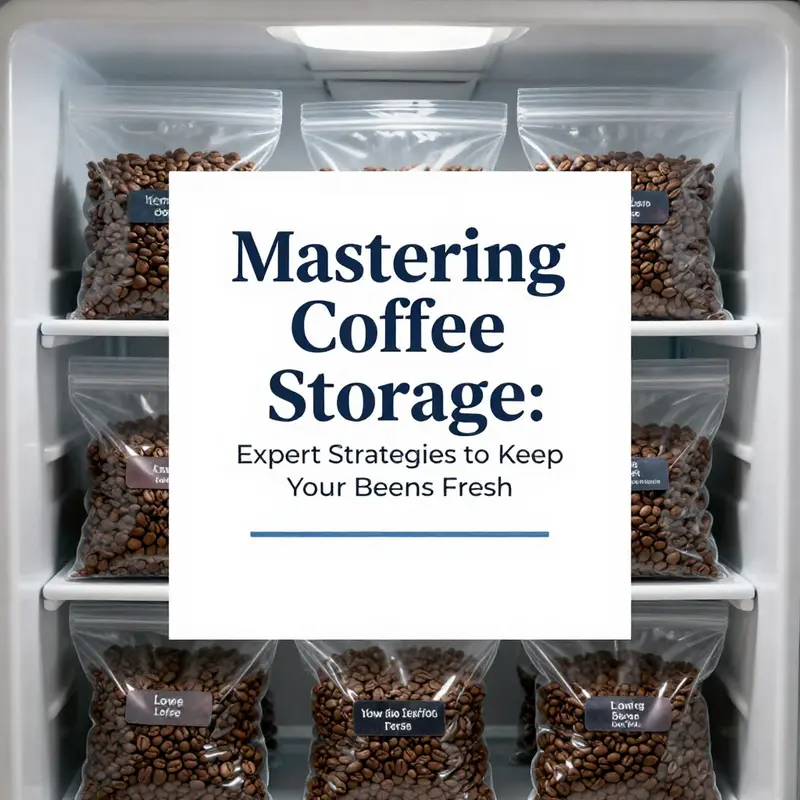
The journey from roasted bean to brewed cup begins long before the kettle boils. It begins the moment the beans leave the roaster and finds a resting place in your kitchen or pantry. When you think about long-term storage, you are not merely choosing a container; you are choosing the fate of aroma, brightness, and the nuanced character that makes one bag of beans feel like a personal, fleeting experience rather than a daily ritual you must endure. The aim is simple in theory and challenging in practice: minimize exposure to air, light, heat, and moisture. These four enemies, the age-old culprits behind flavor loss, are the tides that push flavor toward flatness and dullness. To beat them, you need a cohesive approach that behaves like a quiet, protective ally rather than a fragile ritual you perform only on special occasions. The goal is to create a steady, predictable environment where the beans can wait, not sit, while you decide when to brew and savor. In that sense, long-term storage becomes less about storage itself and more about preserving a living profile—the delicate balance of sugars, acids, and aromatic oils that define the bean’s personality at its freshest.
The first principle you will hear repeated in every reputable guide is not flashy but fundamentally practical: seal. The moment coffee leaves the roast, it begins a slow, relentless exchange with the surrounding air. Oxygen invites oxidative reactions that dull the bouquet and mute sweetness, just as a peeled apple turns brown when left exposed. The best long-term solution is an airtight, lightproof environment that makes the beans feel politely unaware of the world outside. A dedicated, opaque storage canister with a rubber gasket is ideal because it blocks both air and light. The advantage of such a container is not merely aesthetics; it is a structural guard against oxygen seeping in with every cabinet door swing and every time you reach for a bag. An airtight, vacuum-sealed approach can be even more effective because it minimizes the volume of air inside the container, reducing both oxidation and moisture migration. If you cannot access a vacuum-sealed option, a high-quality opaque canister with a tight seal will still keep the majority of air exposure at bay. The crucial point is to avoid transparent jars on a sunny windowsill or a countertop where sunlight accelerates oxidation and degrades volatile compounds that give coffee its aromatic complexity.
Shade, the second principle, is closely tied to the container’s quality and placement. Even a dark canister can fail if it sits in a bright kitchen corner. The objective is to keep the beans in a consistently dim, stable environment. A cupboard away from the stove, oven, or dishwasher is a practical choice because these heat sources create subtle temperature fluctuations and dry air that can gently tug moisture from the beans. The light itself is not always obvious in the moment; even ambient light through a clear glass wall can over time degrade flavor. Hence the preference for an opaque vessel, or at least a dark storage space that blocks or diffuses light. The consumer-friendly idea of keeping the bag in its original packaging is not only convenient but often sufficient for a short horizon. The bag’s one-way valve allows CO2 to escape, a byproduct of fresh coffee, while keeping oxygen out. Yet for long-term storage, the refinement of a sealed, opaque container offers a deeper shield against the cumulative effects of light exposure.
Cool, the third principle, is deceptively nuanced. Coffee should be stored at a stable, cool room temperature. Not too cold, not too hot, and certainly not in a refrigerator or freezer for routine storage. The fridge’s humidity and odor environment pose a real risk to beans: they readily absorb nearby scents, and the fluctuating temperatures when you open the fridge cause condensation when you retrieve the beans. Condensation is a silent enemy because water droplets on the beans can trigger moisture-related staling and create an environment where mold or off-flavors can take root. In most homes, a pantry or a cabinet in a cool part of the kitchen provides a reliable microclimate. If you live in a very warm climate or you purchase large quantities that you won’t consume quickly, you can consider freezing. Freezing is not the default solution but a carefully executed option for preserving beans beyond a few weeks. The key is to freeze properly, in small portions, and only after ensuring the beans are hermetically sealed against air. The freezer should be set to 0°F (-18°C) or lower. When you freeze, you must divide the beans into single-serving portions so you do not repeatedly thaw and refreeze the same stash, a process that invites moisture and flavor loss with every thaw. Vacuum-sealing or using airtight containers for each portion minimizes ice crystal formation, which can physically draw moisture away from the beans and disrupt flavor balance. When you do need beans, remove only the portion you plan to use, and allow it to come to room temperature in its sealed bag before opening. This practice avoids the dramatic condensation that occurs when you break the seal while the bag is still cold.
Dry, the fourth principle, is perhaps the most overlooked. Moisture is a stealthy antagonist because it can creep in through imperfect seals or humid storage spaces. You want a dry environment and a dry package. Even the occasional splash of steam in a kitchen can contribute to microscopic moisture transfer if the container is not truly airtight. This is where the rubber gasket becomes essential. The seal must keep out ambient humidity and keep in the aromatics that would otherwise evaporate. A completely dry environment, together with the other three principles, ensures that the oils and aroma compounds remain locked within the bean matrix for as long as possible. In practice, this means avoiding places near the sink where steam and humidity are common, and not storing beans in damp basements or hot utility rooms.
If you combine these four principles—seal, shade, cool, and dry—you create a storage system that respects the delicate chemistry of coffee. The chemistry matters because coffee is less like a static commodity and more like a living sculpture of aroma and flavor compounds. The moment freshness is lost, those compounds drift away, leaving behind a flatter profile with diminished sweetness and a thinner aftertaste. The long-term strategy rests on maintaining a stable ecosystem around the beans rather than chasing a perfect moment in the distant future. In that sense, long-term storage becomes an exercise in restraint: you resist the urge to repeatedly open the container; you resist the temptation to place beans where heat, light, or strong odors are close by; and you embrace the discipline of portioning and controlled thawing if you choose to freeze.
For those who intend to store coffee beans beyond a few weeks, the practice of freezing is a practical, though not universal, solution. The general path is to freeze only when necessary and to execute a precise method. Divide the coffee into small portions that you would typically use in a single brew or a couple of days. Place each portion into a small airtight vacuum-sealed bag or a rigid airtight container. Remove as much air as possible before sealing to minimize air exposure and the formation of ice crystals. Label every bag with the date so you can track freshness and avoid the temptation to reach for older stocks. When you need coffee, take out the portion you plan to use and let it thaw in its sealed bag at room temperature for one to two hours, or until it reaches room temperature. Do not open the bag while it is still cold, as condensation on the beans can wash away delicate surface oils and trigger moisture-related flavor loss. After thawing, grind and brew promptly if possible, and never refreeze the same beans after they have thawed. This guidance may feel meticulous, yet it reflects a genuine understanding of how rapid temperature changes couple with moisture to erode flavor integrity over time.
An important caveat accompanies the freezing approach. Some research and expert discussions acknowledge that extremely advanced methods such as liquid nitrogen freezing can preserve certain flavor aspects for longer periods, but these methods can alter non-volatile compounds and shift acidity and bitterness. Additionally, liquid nitrogen techniques are not practical for everyday home use. The ordinary home cook and coffee lover should weigh the benefits against the complexity and potential tradeoffs for flavor and texture. In most households, simple portioning and careful freezing, followed by proper thawing, deliver the best balance of practicality and preservation while maintaining a clean, consistent cup profile when you finally brew.
Beyond the mechanics of sealing and temperature, you must consider the habit of buying in smaller quantities. A fresh coffee experience begins not with a heroic act of storage, but with a cycle that mirrors how quickly you will drink the beans. Buying smaller amounts—packages around 200 grams or so—encourages you to keep the beans within their prime window of aroma and flavor. When opening a bag becomes a daily ritual rather than a monthly event, you maintain a coffee routine that consistently embraces freshness. This approach reduces the temptation to let a large bag sit, exposed to air and light, for weeks on end. It also makes it easier to implement the long-term storage principles without feeling like you are fighting against your own purchasing habits.
Location and routine also matter in the broader lifecycle of the beans. Choose a cool, dry, and stable spot away from heat sources such as stoves or direct sunlight. The kitchen cabinet, a dedicated pantry shelf, or a closet shelf that stays out of the reach of steam and strong odors is ideal. You should keep beans away from strong-smelling foods because coffee readily absorbs odors that migrate through air and can subtly alter the flavor profile. A small, ordinary habit—storing the beans in a dark, airtight container in a closet rather than the countertop—can make a noticeable difference in how long your beans stay vibrant between roasts.
The signs of aging, while not as dramatic as a spoiled milk smell, are real. If you have kept your beans in a less-than-ideal environment for a while, you may notice diminished aroma when you open the bag. The bloom test, which applies to freshly ground coffee when hot water hits it, is less about beans and more a reminder of aroma and gas release. When fresh, ground coffee should release a lively plume as CO2 escapes; when the gas release is muted, the aroma is unlikely to be at its peak. The taste will likely be flatter, with a lack of distinction between fruity, floral, or chocolatey notes. These cues are subtle because the bean’s internal chemistry has already shifted, but they are meaningful indicators that storage choices have mattered. That is why the long-term approach emphasizes consistency and restraint: by not overexposing the beans to air and light, you preserve the aromatic oils that would otherwise evaporate with time.
Another practical aspect is the simple rule of thumb for practical life: do not store coffee beans in the fridge. The fridge is a reservoir of humidity and odors that coffee readily absorbs. The result is an unbalanced cup where the fragrance of garlic, onions, or herbs can intrude on the bean’s natural sweetness. The freezer, while more trusted for long-term storage, requires careful handling as described earlier. If you have more coffee than you can reasonably consume in a few weeks, freezing becomes a reasonable fallback—but it is not a substitution for good routine storage at room temperature in a dry, dark environment. The aim remains to drink the coffee while it is still closest to its roast date, and long-term storage should be a tactical choice in service of that aim, not a reason to accumulate in bulk and forget about it.
In practice, the best approach to long-term preservation is to combine wisdom with discipline. Put your beans in an airtight, opaque container, placed in a dim, cool location away from heat and strong odors. Forgo the fridge for routine storage, and freeze only when you have a real need to preserve large quantities beyond a few weeks. When you do freeze, portion carefully, seal tightly, and thaw with patience. As you implement these habits, you will notice a qualitative difference in aroma and taste when you eventually brew from those stored beans. The first sips may remind you of why you chose that particular roast, why you kept it close to the moment of roasting, and why you valued the craft of preserving flavor as an ongoing practice rather than a one-off concern.
Finally, a note on the broader context of storage methods. Research and practice highlight that the goal is not to hold coffee in some permanent state but to minimize the rate at which flavor ebbs away. The freshest coffee is typically brewed from beans roasted within a short window of time. Long-term storage exists to bridge the gap between purchase and daily consumption, especially in situations where supply is fluctuating or you are managing a large stash. In that light, you can view long-term storage as a careful choreography: you move through your kitchen with a seal, a shield of darkness, the cool quiet of a cupboard, and the discipline to portion, label, and thaw when necessary. This choreography will, over time, translate to a more consistent, richer tasting cup—one that feels vibrant rather than stale, a reflection of the care you invested in guarding its flavor.
External resource for deeper context on storage science and practical freezing techniques can be explored here: https://en.wikipedia.org/wiki/Coffee
Preserving Freshness: A Practical, Narrative Guide to Storing Coffee Beans Without Common Mistakes
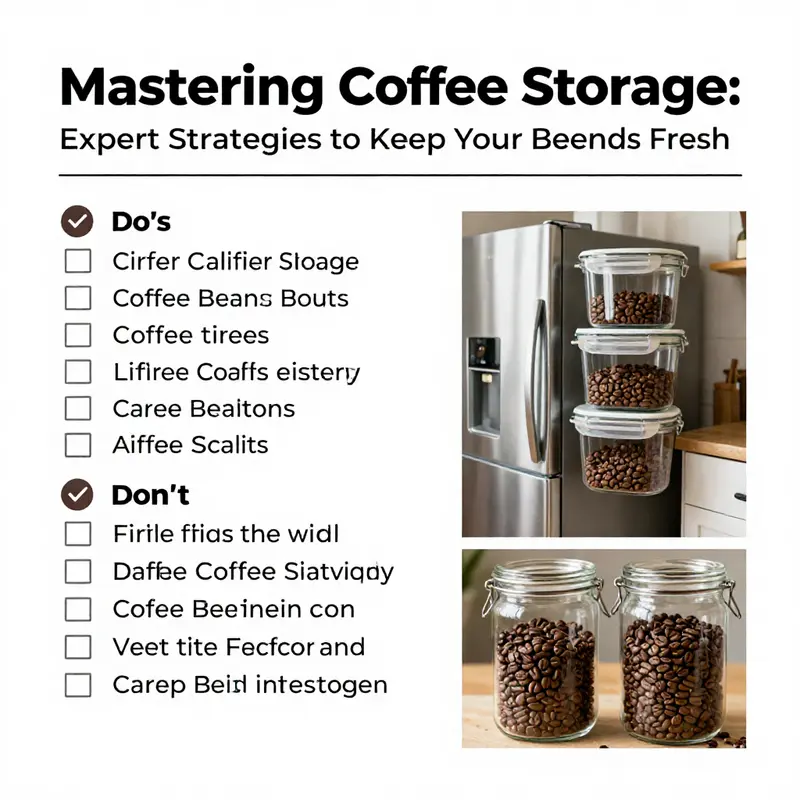
As this guide closes, consider how simple choices accumulate into a robust, daily ritual. The act of storing coffee beans is, in truth, a small but meaningful expression of respect for the craft behind every cup. You are not merely preserving a commodity; you are safeguarding complex flavors that require time and care to bloom. Each time you reach for your storage container, you are reminded of the balance between air, light, heat, and moisture. By actively shielding beans from these four enemies, you extend the life of their oils and aromatics, maintaining a sense of roast-day vitality that would otherwise fade. The practice becomes less an abstract rule and more a set of mindful habits that align with your brewing cadence. You might find that your preferences evolve as you gain confidence in your storage routine. Perhaps you begin to enjoy a slightly longer resting period after roasting, or you discover that a particular batch of beans benefits from a condensed window of consumption. The beauty of the approach is its adaptability. You can adjust portions, container choices, and placement without abandoning the core principles. If a week becomes busier than expected, you can still protect your beans by keeping them sealed and in a stable spot. If the climate changes with the seasons—warmer days, higher humidity, cooler nights—the same principles apply, with slight tweaks to location and timing. The chapter thus ends where it began: with a practical, humane, and science-informed method for preserving flavor. The best cup you will brew tomorrow starts by how you chose to store your beans today. The four pillars—seal, shade, cool, and dry—remain your compass as you navigate daily life in the kitchen. When you adopt this approach, you transform a routine task into a reliable practice that helps your coffee taste like the roast you loved, not like a version of it that has endured too long a journey from roaster to mug. In the end, the art of storage is a quiet craft that respects the coffee’s origin, honors your time, and elevates the ritual of brewing into something more satisfying and enduring.
Final thoughts
Properly storing coffee beans is crucial for maintaining their quality, whether for short-term enjoyment or long-term preservation. By following the outlined strategies in each chapter, you can ensure your coffee remains fresh, flavorful, and delightful to your customers. Avoiding common storage pitfalls protects the quality of your beans and enhances your brand’s reputation for delivering great coffee. Invest care and attention into your storage methods, and your coffee will reward you with its best flavors.