
Coffee is a beloved beverage among many, and maintaining its quality is crucial for any business owner in the coffee industry. Understanding whether coffee beans can go bad is essential not only for quality control but also for health and safety. In this comprehensive exploration, we’ll delve into the safety risks of consuming older coffee beans, how the flavor quality deteriorates over time, the longevity of various types of beans, and creative ways to use old beans. By the end, you will have a thorough understanding to ensure that your coffee offerings are always fresh and delightful.
Beyond Freshness: The Safety Realities and Flavor Decline of Coffee Beans
When people ask whether coffee beans go bad, the question often implies a simple yes or no. In truth, coffee beans rarely become unsafe in the way perishable foods do. They are generally safe to drink long after their roast date, provided they haven’t been contaminated by mold or spoiled fats. What changes more reliably with time is not safety but quality—the aromatic invitation of a bean fades, and the cup that follows can feel muted, flat, or out of balance. Framed this way, the issue becomes a conversation about safety, quality, and taste, and how the three intersect in the days and months after roasting. The distinction matters because it shapes how we store, judge, and reuse coffee long past its glossy “best by” label. A properly stored bean may still be safe, but its flavor potential will have diminished; a moldy or rancid bean, by contrast, carries real health risks that outweigh any lingering pleasures. The practical rule that emerges is straightforward: first, watch for signs of contamination; second, manage freshness to preserve flavor; and third, know when to part with beans that no longer deliver a sane cup.
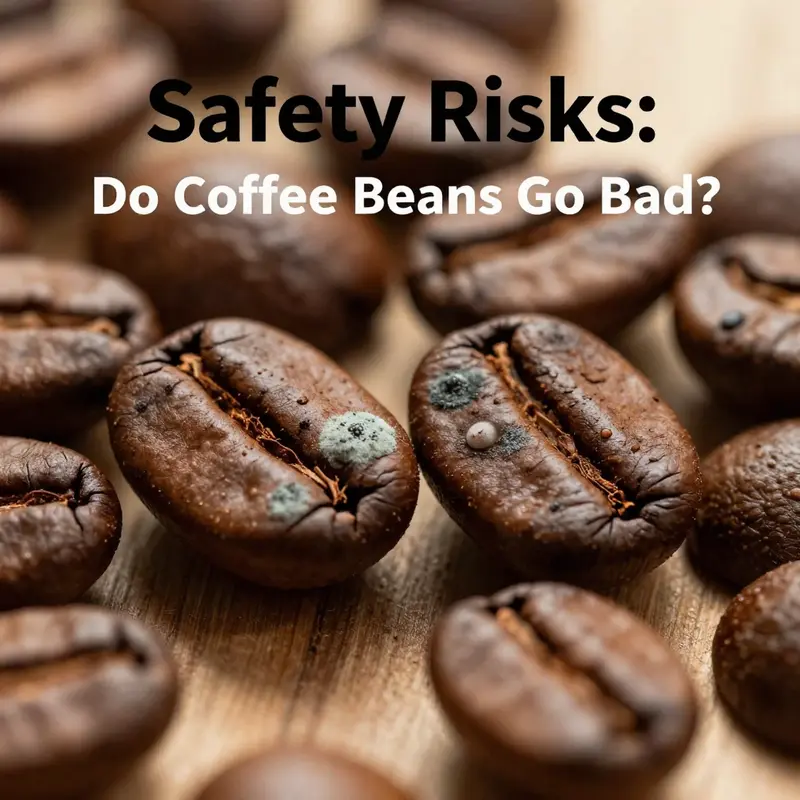
To understand why the discussion centers more on safety and flavor than on safety alone, it helps to separate two realities. Safety concerns center on contamination that can survive the grind and the brew. Mold growth, especially white fuzzy spores that sometimes appear on improperly stored beans, signals a risk that cannot be neutralized by hot water. Certain molds can produce toxins such as aflatoxins, which are carcinogenic and cannot be neutralized by brewing. The consequences—gastrointestinal distress or longer-term health effects—tip the scales decisively toward disposal. The other reality is flavor decline. Even without any visible signs of spoilage, roasted coffee undergoes a chemical drift. The oils that carry fragrance and the volatile compounds that give fruit, floral, chocolate, or spice notes begin to evaporate or oxidize. The aroma fades, the cup loses its complexity, and bitterness or sourness can creep in as the balance shifts. In other words, freshness governs taste long before safety becomes an issue.
A practical way to read the bean’s life story is to imagine a four-front battle keeping freshness intact: oxygen, moisture, heat, and light. These four enemies of freshness are not dramatic villains seeking to ruin coffee overnight; they are the everyday forces that gradually erode flavor. Oxygen allows fats to oxidize, which can culminate in a stale, cardboardy aroma and a dull mouthfeel. Moisture invites mold and clumping, turning a bag of beans into a damp, unhospitable environment. Heat accelerates chemical reactions that strip away delicate aromatic compounds. Light, even the dim kind in a pantry corner or a kitchen shelf, can nudge the beans toward flavor change by driving off volatiles. Any combination of these elements, if sustained over weeks or months, nudges the cup away from its original expression. The goal for most home brewers is practical and doable: minimize exposure to these elements and use beans while their character is most vivid.
But how long can we reasonably expect beans to stay safe and flavorful? The safety side of the equation holds surprisingly well: as long as beans remain dry, free from contamination, and sealed from moisture and unwanted odors, they are unlikely to pose health risks simply because time has passed. The most common cues of trouble are sensory and visual. A mold colony on the surface is an unmistakable sign that should prompt disposal. A strong, rancid smell—often described as stale, stale hazelnut, or metallic—signals fat oxidation at an advanced stage and is a cue that the brew will disappoint. A shiny oil slick may indicate substantial oxidation, particularly with dark roasts, and yes, that oily sheen can migrate through the bag or container if stored poorly. And if beans feel damp or stick together, moisture has crept in, creating a hospitable environment for mold. If any of these signs appear, the highest safety priority is to discard the beans rather than attempt a salvage brew.
Beyond the safety cue sphere, there is the matter of peak flavor. Freshness is not a perpetually spring-like condition; it decays. When is the decay most noticeable? If the beans have been sitting in a bag for several weeks, aroma compounds have already begun to fade. The vibrant notes that once braided together into a lively cup—bright citrus, dark chocolate, berry-like fruit—start to loosen their hold. The cup becomes harsher, more one-note, and the perceived body can relax into a duller finish. There is a practical benchmark many roasters and coffee professionals consider: roasted beans stored properly can maintain a meaningful aroma and structure for a window that begins in the realm of a few weeks and may extend into a couple of months, depending on packaging and storage. The temptation to adopt a hard opt-in or opt-out rule—“drink within two weeks” or “never drink after a month”—is appealing, but reality is messier. Best-by labels on packaging are about peak flavor, not safety. In many cases, beans remain safe to drink past the date if unopened and stored correctly, but the flavor is best experienced when consumed closer to roast.
What factors shape these timelines in practice? A key factor is packaging and roast date transparency. A vacuum-sealed bag with a clear roast date can protect freshness for a surprisingly long stretch if stored away from light, heat, and humidity. An opened bag, even with careful resealing, loses protection as air infiltrates and oxidizes oils. Ground coffee, with its vastly greater surface area, accelerates exposure to oxygen and, correspondingly, flavor loss grows more quickly. That is why ground coffee is often described as best used within a couple of weeks, while whole beans that remain sealed can ride a longer line toward decline. Temperature is another lever: while refrigeration and freezing can extend shelf life in principle, they demand careful handling. Refrigeration invites moisture and odors into the packaging, while freezing can work if beans are stored properly, ideally vacuum-sealed or in a very airtight bag, with careful thawing to room temperature before opening to prevent condensation on the beans themselves. If freezing is chosen, small, temporary portions are easier to manage than bulk storage, reducing the risk of repeated freeze-thaw cycles that can alter flavor and aroma.
In terms of practical guidelines, a nuanced view helps home cooks and coffee lovers alike. Unopened, a bag of roasted beans can remain within safety margins for a long period if it stays sealed and away from heat and light. The more relevant guide for flavor is to think in terms of a freshness window after roast date rather than a fixed calendar date: the window for peak flavor often runs roughly from a few days after roast to a few weeks later, with a gradual departure from peak flavor as internal chemistry rearranges itself. Once a bag is opened, many find that the window narrows to about one month for maximum vitality, with a broader, acceptable range extending to around three months if the beans are kept in an airtight, opaque container and stored in a cool, dry, dark place. Ground coffee loses freshness even faster; it is typically best used within two weeks to capture the most volatile notes and the most satisfying balance. These ranges, of course, are not absolutes; they depend on the roast level, bean origin, moisture content, and the precise conditions of storage. A firm rule of thumb that integrates both safety and flavor is: store beans in an airtight, opaque container in a cool, dry, dark place; avoid the refrigerator unless you are deliberately freezing for long-term storage; and purchase in amounts that you are likely to consume within a month or two to preserve the aromatic lift that made you fall in love with the coffee in the first place.
So, what should a thoughtful coffee drinker do with beans that are older but still unspoiled? The answer is not a blanket dismissal but selective repurposing. If a bag is past its best-for-drinking window but still shows no signs of spoilage, it can still yield a satisfying cup in the right preparation. Cold brew, for instance, is more forgiving of muted aromatics and can extract smooth, mellow flavors that might be unkind to a hot brew. Alternatively, the beans can brighten another purpose: they can be ground and used in baking, where their flavors contribute to chocolatey or nutty notes; or they can be repurposed as a flavoring in desserts or even as a compostable asset for the garden, where the organic material can be turned into a resource for soil health. When the signs of spoilage appear—mold, strong rancid odors, dampness, or a greasy sheen—there is no salvageable purpose. In those cases, disposal is the responsible path to avoid health risks and to keep kitchen routines safe and clean.
For many readers, the central takeaway is a balanced view: coffee beans do not simply go bad; they lose their potency. The safety frame matters for the rare but real cases of contamination, while the flavor frame matters for the everyday experience of drinking coffee. The safest, most reliable strategy is to anchor decisions on visible and olfactory cues. If a bean smells pleasant, with a vibrant, aromatic bouquet, and looks dry and intact, it is likely to offer a cup worth brewing. If the aroma is faint or the scent resembles cardboard, and the beans feel lifeless, taste will reflect that degradation even before the cup reaches the tongue. And if mold or abnormal odors appear, the prudent choice is disposal. The practical lifestyle rule that follows from all of this is simple and repeatable: treat the roast date as a guide to peak flavor, not a safety expiration, and lean toward consuming beans within a month or two of opening, with longer horizons possible for unopened, properly stored bags. The goal is a coffee that’s not merely safe to drink, but engaging to savor.
The journey from bean to cup is a brief but delicate voyage through time. It is powered by careful storage, a good sense of smell and color, and an honest assessment of what you want from a morning ritual. In the end, the question is less about whether coffee beans can go bad and more about how to keep the experience faithful to the intention of the roast: brightness, balance, and the sense of craft that first drew you to coffee. When you can navigate these thresholds—avoid mold and rancidity, manage exposure to oxygen, moisture, heat, and light, and align consumption with a realistic freshness window—you maintain not only a safe cup but a vivid one as well.
For readers seeking deeper guidance, a detailed exploration of bean storage principles can complement this discussion, offering practical steps and considerations that align with professional guidance on preserving coffee freshness.
External resource: https://www.seriouseats.com/coffee-bean-storage-guide
Quality Decline: How Do Coffee Beans Go Bad in Flavor?
Coffee beans do not spoil in the same way as dairy or meat, but they do lose freshness and flavor as time passes after roasting. This is not a safety issue for the most part; it is a question of taste, aroma, and balance. The sensory life of roasted beans is finite, and the clock starts ticking the moment the beans cool following the roast. If you want a vibrant, nuanced cup, you need to understand what drives flavor decline and how to slow it down. The central mechanism behind quality loss is oxidation, a chemical process that quietly alters the very compounds that make coffee exciting. When the roasted beans are exposed to air, oxygen begins to interact with the oils and volatile aromatic compounds stored inside. The result is a steady erosion of the bouquet that once sparked thoughts of chocolate, plum, jasmine, or citrus. Over the course of days and weeks, those notes fade, and the cup can drift toward a flatter, more one-dimensional profile. This is not a sudden substitution of flavors but a gradual thinning of complexity. It helps to imagine flavor as a chorus, with many notes harmonizing in a specific balance. As oxidation progresses, the chorus loses its resonance, and the lines grow faint. The aroma that greeted the grind becomes a haze, and the cocoa or berry undertones that once mattered feel less intimate and more incidental. The end result is a cup whose aroma may still be present, but the structural integrity—the interplay of sweetness, acidity, body, and aftertaste—has decayed. In practical terms, oxidation explains why a bag of beans can smell bright and lively soon after opening and taste less exciting a few weeks later, even when no signs of spoilage are visible. The flavor fade is subtle at first, often masked by a strong coffee bed of roasted bitterness or a stale mouthfeel, but it becomes more conspicuous as time goes on. The loss of aroma compounds is not uniform across all coffees; some beans shed their sparkle faster than others because of their initial capillary strength of volatile molecules and the fat content that carries many of those aromas. The same beans that come alive with a bakery-like bouquet when ground fresh can quickly dull if left to air for too long. A related factor in flavor decline is the natural loss of carbon dioxide CO2. Freshly roasted beans carry a buoyant charge of CO2 that assists in the extraction process during brewing, guiding the water through the grounds in a way that emphasizes balance and sweetness. As beans age, CO2 migrates away. The diminishing gas content makes extraction less predictable, often resulting in uneven brewing and a cup that tastes sourer or flatter than intended. It is not that the beans suddenly become dangerous to drink; rather, the coffee brewer experiences a shift in the extraction dynamics that highlights fault lines in aroma and structure. Moisture and light are accelerants in this story. Beans stored in a humid environment can absorb moisture, which invites further oxidation and can alter the perceived body and mouthfeel. Light exposure acts like a steady stimulus for chemical reactions, nudging flavor toward a sterner, less nuanced profile. Heat compounds these effects; a warm pantry or a sunny shelf intensifies the pace of staling. The chemistry is not a dramatic event but a protracted transformation. The net effect is a coffee that, after weeks or a couple of months, no longer delivers the crisp brightness that once defined it. The flavor profile shifts toward a duller, less expressive range. This is why many tasters describe older beans as having a cardboard, woody, or musty nuance—the sensory memory of freshness is eroded, leaving behind a more muted echo of the original notes. Yet it is important to separate flavor decline from safety concerns. Spoilage signals are distinct and urgent. If you notice mold or fuzzy white spots, a strong rancid odor, a greasy sheen, or any dampness that causes beans to clump, discard them. These are not minor flavor foibles; they are indicators of possible mycotoxin contamination or bacterial growth that can threaten health. In contrast, the absence of these signs does not guarantee a flawless tasting experience. Beans can be technically safe to drink long after their peak flavor, but the aromatic and flavor complexity may have shed its vitality. The practical takeaway for most home tea and coffee explorers is simple: treat the roast date as your flavor clock and the best-by date as a flavor guide, not a safety deadline. If you want to preserve a meaningful aroma and a balanced cup, you should aim to consume roasted beans within a window of freshness. For many households, that means keeping smaller quantities on hand and storing them in ways that slow down the clock rather than rushing toward the end. The storage recommendations are well established. An airtight, opaque container is essential to limit oxygen exposure and protect against light. A cool, dry place away from heat sources and strong odors preserves the delicate aroma compounds more effectively. The refrigerator is generally discouraged for everyday storage because fluctuations in humidity and odors can transfer to the beans. Freezing can be useful if you must extend the shelf life, but it requires careful handling: keep beans in a tightly sealed, vacuum-packed bag and thaw only to room temperature before opening to avoid condensation that may invite moisture. The goal is to minimize oxygen and moisture exchange while keeping the beans away from heat and light. Buying in quantities you can use within a short period, such as a month or two, helps ensure the beans reach the brewing ritual at their peak. Grinding practices further influence how quickly flavor changes are perceived. Ground coffee has a much larger surface area than whole beans, so oxidation proceeds more rapidly. A groun d coffee’s freshness window shrinks to days rather than weeks. For those who value flavor above all, grinding on the day of brewing is the most reliable way to preserve the aromatic fireworks that roasted beans deliver. In that light, many coffee lovers maintain a smaller daily-use bag alongside a larger, slower-reserved supply, balancing convenience with the demand for aroma and balance. The change in flavor over time also reshapes how people approach roasting profiles and their own palate expectations. A lighter roast, which tends to carry more volatile floral and fruity notes, may reveal this decline more quickly to the discerning taster, whereas a darker roast might retain a certain roast-vanilla or chocolate backbone that remains audible for longer. The chemistry of staleness is not a universal law but a spectrum: some beans reveal a gradual fade that still leaves room for enjoyable cups, while others lose their clear identity almost overnight once air has had its way. This is why, in tasting rooms and at-home experiments, the most reliable guidance centers on freshness, proper storage, and mindful brewing. When you approach coffee with the awareness that flavor loss is a predictable consequence of time, you can design routines that maximize the pleasure you get from each bag. You might prioritize a roast date and a grind schedule that align with your daily coffee ritual, and you may choose to reserve a portion of each purchase for guests or special mornings when you want the most expressive cup. Acknowledging the staling clock also reframes the purchase mindset: rather than chasing the longest shelf life, chase the best possible expression during the short window when aroma and balance are at their peak. For those who crave a deeper, more technical sense of how these changes unfold, research into the science of staling points to aromatic compound degradation and CO2 loss as the central mechanics. UC Davis researchers have explored how these factors govern flavor perception and extraction behavior, offering a scientific backdrop to the everyday practice of coffee brewing. The practical message remains accessible and actionable: aim for freshness, protect against oxygen and light, and tailor your beans to the pace of your consumption. In the end, the question is less about whether beans go bad and more about whether they still sing. If the aroma and flavor are singing, you have a high-quality experience. If not, you may still drink the coffee, but the cup will likely taste flat compared to the day you opened the bag. The flavor decline, then, becomes a personal calibration: how much aroma do you want to hold onto, and how quickly do you want to chase it down with a new roast? A few final practical notes help translate theory into routine. If you are shopping for freshness, look for roast dates rather than an expiration date. If you keep beans for longer, consider rotating stock so you always have a small amount of very fresh coffee on hand. Store in a dark, cool place in an airtight container, grind close to brewing time, and brew with water that aligns with the roast level and grind size. Your palate will thank you for the care, and your daily cup will reflect the careful balance of aroma, sweetness, acidity, and body that roasters strive to deliver. For readers who want a deeper dive into the science behind staling, a robust resource from the coffee science community offers an in-depth look at how the aroma compounds degrade and how CO2 loss shifts extraction profiles. External link: https://www.coffee-sci.org/research/staleness-in-coffee-beans
The Quiet Shelf-Life Equation: How Fresh Are Coffee Beans Before They Go Flat or Go Spoiled
Coffee beans occupy a curious space between perishables and pantry staples. They are not milk or meat, yet they do not stay at peak flavor forever. The journey from roast to cup is a delicate balance of chemistry, temperature, light, and smell. A well-timed purchase, prudent storage, and a sense for the bean’s evolving character can mean the difference between a cup that sings and a cup that falls flat. When we talk about how long coffee beans last, we are really talking about two intertwined questions: safety and flavor. In most households, safety is rarely the obstacle; it is the flavor that declines first. The science is straightforward enough. Coffee beans are roasted seeds that contain fats and volatile compounds responsible for aroma and taste. Over time, exposure to oxygen triggers oxidation, heat accelerates reactions, and moisture introduces a pathway for unwanted changes. The longer beans sit, the more their aromatic profile evaporates and their flavor profile dulls. Yet if stored correctly, many beans remain safe to drink well beyond their roast date. The nuance lies in knowing which signs matter and how to manage the accumulation of time without turning a good cup of coffee into a forgettable one.
From the outset, it helps to distinguish whole beans from ground coffee. Whole beans present a more favorable shelf life because they offer less surface area for oxygen to attack. Ground coffee gives oxygen access a head start, so its aroma escapes faster, and its flavors begin to degrade sooner. This is not merely a claim about taste; it is a reflection of the physics of oxidation. When you grind, you dramatically increase the beans’ exposure to air, so flavor compounds can evaporate and oxidize at a quicker pace. The practical upshot is simple: if you want maximum flexibility and longer time before flavor loss becomes noticeable, buy whole beans and grind just before brewing. The difference is measurable in aroma and perception of sweetness, brightness, and balance.
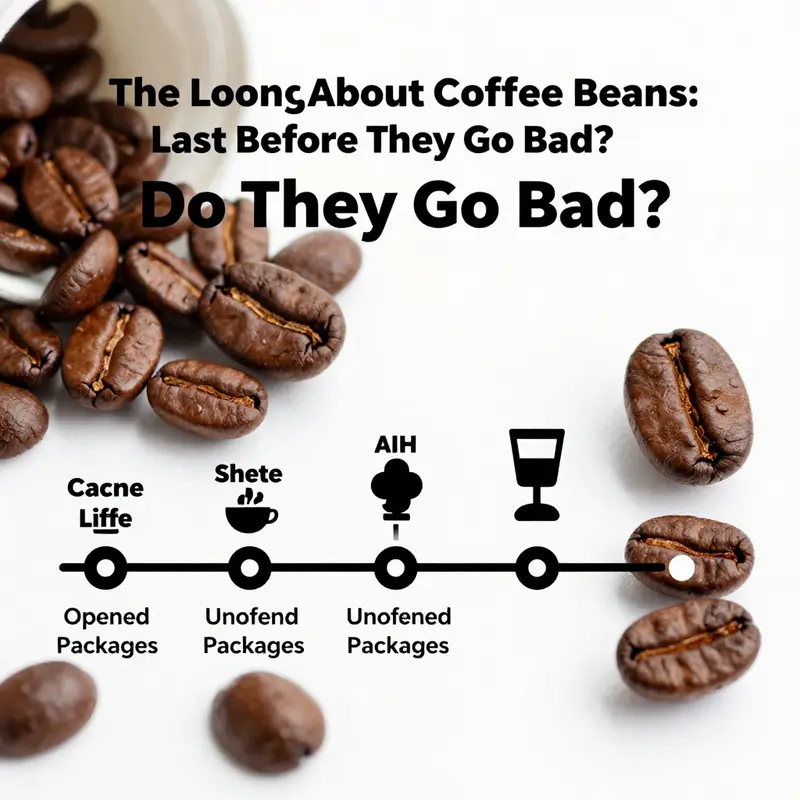
The most common question is about how long beans stay usable after roasting and after opening. The science-based guidance aligns with widely observed kitchen reality. Unopened beans, if stored properly, can maintain their integrity for a substantial period after the roast date. In a cool, dark, and dry place, in an airtight container, whole beans can ride out the clock for roughly six to nine months beyond the roast date. That figure is not a hard warranty but a practical guideline: flavor remains most intact when the beans are kept away from heat, light, and moisture. The key is an airtight, opaque container that blocks light and minimizes air exchange. A vacuum-sealed bag is excellent, but any container with a reliable seal will do as long as it’s kept away from heat and sun. In this mode, the beans are still safe to drink after many months, but their aromatic life will have shortened considerably compared to their peak.
Once you open the bag, the clock begins to run more quickly. Opening exposes the beans to air, and with each passing day the volatile aromatic compounds gradually disperse. The guidance for opened beans is clear and pragmatic: the optimal flavor window is typically within three to four weeks of opening for most roasts and grinds intended for home use. After that window, you will still likely be able to brew a drink from the beans, but it will usually taste less vibrant, with a tendency toward flatter acidity, reduced sweetness, and a duller finish. The aroma that made you excited about the bag when you first opened it may no longer be as present in the cup. This is not the same as spoilage; it is a relative decline in aromatic intensity and balance. In other words, the beans are no longer at their peak, but they are not inherently unsafe.
In the broader sense of safety, most concerns arise when signs of contamination or spoilage appear. Mold growth, particularly visible white or fuzzy spots, is a clear red flag. Mold can produce mycotoxins such as aflatoxins, which are not destroyed by brewing and can pose health risks. Any sign of mold should be treated as a reason to discard the beans. A strong, rancid, or stale smell—often described as burnt, stale, or soap-like—can indicate fat oxidation, a process called rancidity. While rancidity is not typically dangerous in small amounts, regular consumption of oxidized fats is not ideal for digestion or flavor. A greasy sheen or visible oil release can signal significant oxidation, especially in darker roasts. Dampness or clumping points to absorbed moisture, which creates a hospitable environment for mold and other unwanted changes. If any of these signs show up, discard the beans; the risk to health and the lack of flavor both outweigh any potential savings.
The flavor degradation that occurs over time is a natural corollary of chemical processes. Aroma compounds—esters, aldehydes, and other volatile molecules—fade as the beans age. The fruitiness or floral notes that excited you at the start tend to give way to muted, one-note profiles. You may notice a shift toward bitterness or sourness as certain compounds degrade faster than others. The overall cup can feel flat or dusty, lacking the lift that a freshly roasted batch provides. Beyond aroma, there is another subtle cue: many home brewers report that older beans fail to “bloom” as actively when they first contact water in a pour-over or other method. Blooming is the rapid release of carbon dioxide gas that accompanies fresh, roasted coffee. A lack of a vigorous bloom can be a practical sign that the beans have aged, although it is not a definitive test on its own. The absence of a bloom is a clue, not a verdict.
The allocation of time for storage is not purely about flavor; it also depends on how the beans are stored. Whole beans, when kept in a cool, dry, dark place inside an airtight container, can retain their integrity longer than ground coffee. The reason is straightforward: less surface area, slower oxidation. The temperature regime matters as well. Heat accelerates chemical reactions, so a steady cool environment is preferable. Light is another culprit because ultraviolet exposure can catalyze oxidative reactions and degrade delicate compounds. Moisture is a stealthy antagonist; even a small amount of humidity invites clumping and microbial growth, which compromises both safety and taste. For households with limited storage options, the lesson is simple: minimize exposure to heat, light, and moisture, and maximize the integrity of the container. A small, opaque, airtight canister placed in a pantry away from the stove and sunlight is a solid baseline. If you need to extend storage further, freezing is sometimes discussed, but it has caveats. Freezing can preserve bean quality if done correctly—vacuum-sealed, moisture-free packaging, and careful thawing to room temperature before opening. The risk is that condensation can form when the bag is opened, reintroducing moisture that can encourage spoilage. If freezing is used, it should be a conscious choice for long-term storage and not a routine practice for typical home use.
Given these dynamics, practical recommendations emerge. For most home cooks who want both safety and flavor, the best approach is to buy smaller quantities more frequently, ideally in amounts you expect to consume within a month or two. This aligns with the flavor window after opening and minimizes the time beans spend in the vulnerable zone between peak aroma and gradual dulling. When you purchase, check the roast date, not merely the “best by” date. The roast date tells you how recently the beans were roasted, which is a more direct indicator of their stage in the flavor timeline. If you have a bag with a later roast date but you know you will use it within the three to four week window after opening, that can be a reasonable choice. It is the freshness of the roast, not the calendar date, that governs flavor quality.
When you realize you have held onto beans longer than you should have, there are still constructive ways to extract value. Old beans can be excellent for cold brew, which is less sensitive to subtle aroma losses and can deliver a smooth, mellow cup even when the beans have aged. They can also find a second life in baked goods, where the intensity of the roasted notes is integrated into the batter and can still provide a pleasing coffee flavor. If you keep your garden or compost, spent coffee grounds are an excellent addition to soil enrichment. The lifecycle of coffee beans, from roast to waste, can be managed with intention, turning potential waste into something useful while avoiding the taste and safety pitfalls that come with neglect.
The broader point is that there is a meaningful, measurable arc to coffee beans’ life, and understanding that arc helps you taste more of the bean’s intent. Best-by dates on packaging are anchored to flavor potential, not safety, and this distinction matters for home brewers who wish to optimize their rituals. The best practice is to treat fresh roasting and proper storage as a routine, not a one-off decision. Decide how much you will drink in a given period, store accordingly, and be mindful of signs that suggest the bean has passed its aromatic peak or, in worst-case scenarios, shows spoilage signs. The aim is an ongoing balance: you maintain safety while maximizing flavor, and you accept that a coffee’s exuberant notes are finite but repeatable when you align your actions with the bean’s chemistry.
For readers who want a concise professional reference on food safety basics as they relate to any stored edible product, the official guidance provided by food safety authorities offers a useful framework. See the USDA Food Safety Basics for general principles on safe handling and preparation. https://www.fsis.usda.gov/food-safety/safe-food-handling-and-preparation/food-safety-basics
Beyond the Brew: Reimagining Old Coffee Beans — Safety, Flavor, and Creative Second Lives

When you crack open a bag of coffee and breathe in its aroma, you taste a memory of the roast—bright, fruity, comforting notes that promise a memorable cup. Yet coffee beans, like any ingredient with a volatile life, drift away from that peak with time. The question isn’t simply whether they go bad in a binary sense, but how they age: do they stay safe to drink, do they retain enough flavor to justify the effort, and what can you do with beans that have already lost their sparkle? The practical answer sits somewhere between caution and creativity. You should trust your senses first. If the beans smell fresh, if they feel dry, and if a quick brew still carries a trace of the original character, they’re probably fine to use. If not, the story shifts from safety to experience: you may still drink them, but you’ll likely notice that the cup lacks the complexity you expect, or you may be better off repurposing the beans in new ways. In this sense, the life of coffee beans is less about an abrupt expiration and more about a gradual dimming of safety margin, aroma, and taste. Understanding that arc helps you decide not only whether to brew again but also whether to reuse the beans for something else entirely.
Safety is the first boundary. Coffee beans are generally safe after their roast date if stored properly, but several red flags demand caution. The most alarming sign is visible mold—fuzzy white spots that betray a contamination risk. Mold on beans can produce aflatoxins, a toxin that cannot be neutralized by brewing. If you spot mold, discard the batch rather than risk exposure. Another warning comes from the nose: a strong, rancid, or stale smell—often described as a sour, off nuttiness—suggests fat oxidation. Rancid fats aren’t typically acutely dangerous in the short term, but regular consumption of oxidized fats can irritate the digestive system and dull overall enjoyment. A greasy sheen on the surface or oil that seems excessive, especially on dark roasts, signals heavy oxidation. Dampness or clumping also points to moisture intrusion, which creates a hospitable environment for microbial growth, including mold. In short, if any of these signs appear, it’s safer to part ways with the beans than to risk discomfort or longer-term health effects.
But what about the simple, everyday scenario: a bag that smells okay and looks fine yet brews a cup that feels one-dimensional and unexciting? That’s where quality and flavor take the lead. Freshness is a spectrum, not a binary state. The vibrant notes you associate with a great roast—fruity brightness, chocolatey undertones, floral hint—tade away as the beans age. The volatile compounds responsible for aroma start to dissipate, and the delicate balance of acids, sugars, and oils shifts. As a result, a cup that once sang may now taste flat, with a bitterness or sourness that wasn’t there before. And because carbon dioxide is part of the freshness package, the absence of that fizzy bloom in a pour-over can be a practical signal that the beans have passed their peak. If you notice a muted aroma, a lack of liveliness in the cup, or a dull overall mouthfeel, you’re likely dealing with older beans that have lost their aromatic lift rather than beans that are dangerous to consume.
Understanding shelf life helps you plan your purchases and storage with fewer disappointments. Unopened vacuum-sealed beans can stay usable for up to a year from the roast date, though peak flavor typically occurs sooner. Once opened and stored in an airtight, opaque container, the window tightens to about a month for optimal quality, with up to three months remaining acceptable if the environment remains steady. Ground coffee, with its increased surface area, loses freshness far more quickly—often within two weeks, sometimes a bit longer if kept in ideal conditions. These timelines aren’t safety thresholds; they describe flavor potential. The safest principle remains simple: if a bag has been opened for more than a few months, or the grind has no vibrancy left, you won’t be enjoying the same coffee experience, even if the beans are technically safe to drink.
Storage is the silent actor in this story. The best guard against premature staling is restraint and the right container. An airtight, opaque canister shields the beans from light, air, and humidity, preserving integrity longer. A cool, dry, dark place away from heat sources—think pantry or cabinet rather than a stove top or sunny window—helps maintain the delicate balance of aromas. Refrigeration is generally discouraged for everyday storage because the fridge’s humidity and odors can seep into beans. If freezing is unavoidable, use a sealed, vacuum-packed bag and thaw at room temperature before opening to avoid condensation. And a practical habit that pays off: buy only what you’ll consume within a short window, favoring smaller bags that match your actual consumption rate rather than bulk purchases that linger past their prime. In this way, you honor the coffee’s story from roast to cup and minimize waste while maximizing flavor when you do brew.
When the beans have aged past their prime for a delightful cup but show no signs of spoilage, a surprising second life awaits. The research on old coffee beans isn’t an invitation to drink more stale coffee; it’s a prompt to repurpose what would otherwise be waste. The most straightforward option is to repurpose stale grounds or beans as a natural deodorizer. The porous structure of used grounds makes them excellent odor absorbers for refrigerators, bathrooms, or closets. An open bowl of grounds can help neutralize persistent smells, and blending used grounds with baking soda creates a basic air freshener that can be tucked into small spaces. If you have whole beans that have gone stale, you can first grind them for this use; the outcome is a textured, fragrant pantry deodorizer with less waste and more utility.
In the garden, coffee constituents can nourish soil and plants when used sparingly. Coffee grounds are a modest source of nitrogen and other minerals. They can be sprinkled around acid-loving plants such as blueberries, azaleas, and roses to give a nutrient boost and to improve soil structure. The real trick is moderation: a thick layer can impede water absorption and create a barrier to root growth, so grounds are better mixed into compost or applied in small, cyclical amounts rather than dumped in bulk. If you’re cultivating a thriving compost system, old coffee beans and grounds can contribute to the microbial activity that helps break down organic matter, turning yesterday’s roast into tomorrow’s soil health.
Beauty routines have also embraced the second life of coffee. Ground coffee can be transformed into a gentle body exfoliant by combining it with natural oils such as coconut or olive oil and adding a few drops of your preferred essential oil. The texture helps remove dead skin cells while the caffeine and aroma can feel invigorating after a warm shower. It’s a simple, inexpensive way to reuse leftovers while enjoying a spa-like self-care moment. And beyond skin, the colorant potential of coffee makes it possible to craft natural dyes for fabrics or paper by simmering the grounds to extract a rich brown pigment. It’s an eco-friendly option for experimental projects or seasonal crafts that celebrate a rustic, earthy aesthetic.
Even craft projects can benefit from the humble bean. Used in decorative centers or as part of homemade candles, coffee grounds embedded in wax create a subtle, coffee-scented ambiance. They can also be arranged in glass jars to add texture and aroma to a room, or used in Easter egg dyeing to produce a brown-toned finish that’s gentler on the environment than synthetic dyes. Each reuse pathway reflects a broader philosophy: when yields are limited or the cup can’t quite deliver the same payoff, the resources aren’t wasted—they are remixed into other senses of value.
Despite these repurposing options, a final word on safety stands: if the beans smell bad, look moldy, feel overly oily, or show moisture-related clumping, they should be discarded. If you’re considering reuse for non-beverage purposes, inspect for signs of spoilage just as you would before brewing. The core guideline remains clear: flavor freshness matters for the cup, safety matters for health, and repurposing matters for sustainability. The practical message is pragmatic and hopeful: buy fresh, roast with intention, store wisely, and when the clock has next ticked past peak, you can still choose dignity in reuse rather than waste.
In the end, the life story of coffee beans is less about a hard expiration and more about calibrating expectations. A bag that has seen twenty roasts can still offer a moment of aroma and a chance to savor what it once was, whether in a final brew or in a second life that benefits your home, your garden, or your craft. The best experience remains a cup that carries the aroma of a well-executed roast, prepared within a window that honors the bean’s peak. When you combine mindful storage with honest sensory checks and a willingness to reimagine what old beans can do, you preserve the value long after the first pour. And if a batch has truly failed the sniff test or bears the telltale signs of contamination, the safest choice is to part ways and start fresh—because a great cup is worth more than a compromise.
External resource: https://www.sciencedirect.com/science/article/pii/S0308524123007259
Final thoughts
In conclusion, while coffee beans do not expire in the traditional sense, their quality can significantly diminish over time, impacting flavor and safety. Business owners should familiarize themselves with the signs of spoilage and the best practices for storage to maintain optimal coffee freshness. Moreover, by creatively repurposing older beans, businesses can minimize waste and explore new offerings, such as coffee-infused recipes. Ultimately, prioritizing the quality and safety of your coffee not only ensures customer satisfaction but also sustains the reputation of your brand.