

As coffee culture continues to thrive, the question of whether coffee beans can be consumed has gained traction. For business owners in the coffee industry, understanding the nuances of coffee bean edibility is not just a matter of curiosity but also can influence product offerings and customer experiences. In this exploration, we will dissect the safety, nutritional benefits, and cultural practices surrounding the consumption of coffee beans, all of which are critical for making informed decisions in the coffee market.
Bittersweet Crunch: A Thoughtful Exploration of Eating Coffee Beans
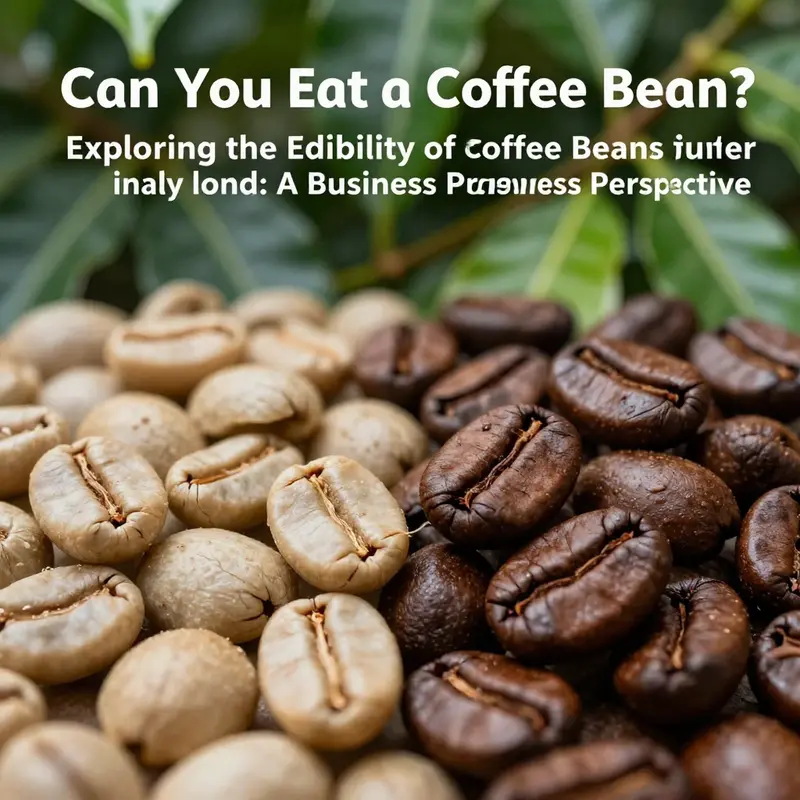
Coffee is one of the world’s most familiar rituals, yet the seeds at the center of that ritual—the coffee beans—often surprise people who wonder if they can freelance from a mug and simply bite into a bean. The short answer is yes, you can eat a coffee bean. The longer answer reveals a nuanced balance of taste, texture, and physiology. On the surface, the idea of munching on a roasted bean might sound like a quirky habit or a quick caffeine workaround. In practice, it’s a habit that comes with caveats. Coffee beans are the seeds of the coffee cherry, and they arrive to our tables after a process that turns a sour fruit into a tiny, intensely flavored nugget. Roasting, which caramelizes sugars and alters hundreds of compounds, shifts the bean’s taste from green, vegetal bitterness toward the more familiar roasted profile. When people chew coffee beans, they engage with a substance that is bitter, bold, and potentially disorienting to the senses. The flavor is unmistakable: a sharp, earthy punch that can linger long after the initial bite. The texture, too, is a factor. Coffee beans are relatively hard, especially when fresh. Chewing them can require effort, and the experience can be more abrasive than enjoyable for some palates. The physical act of chewing may also influence how the body absorbs caffeine and other compounds, steering the experience away from the calmer, filtered energy you might feel after a cup of brewed coffee.
The core reasons people choose to eat coffee beans boil down to a desire for a quick caffeine lift, a preference for a crunchy snack, or a curiosity about a food that exists at the intersection of coffee culture and edible curiosities. From a safety standpoint, the practice is generally safe in moderation. The beans themselves contain caffeine—often in amounts that are not trivial. Raw or green beans carry more caffeine and higher concentrations of certain compounds, such as chlorogenic acids, than their roasted counterparts. Those compounds can offer some potential health benefits when consumed as part of a balanced diet, including antioxidant activity and metabolic effects. Yet they also carry the potential for digestive discomfort if consumed in larger quantities. Raw beans’ greater acidity and higher caffeine content can irritate the digestive tract, especially in sensitive individuals or when eaten in quantities that overwhelm the stomach’s capacity to process them comfortably.
Roasted beans, the kind most commonly available for consumption as a snack, present a somewhat friendlier profile. The roasting process reduces some of the harsher compounds present in raw beans and makes the beans easier to chew and digest. They deliver caffeine in a more moderate package than raw beans, though the total intake can still add up quickly if several beans are eaten in one sitting. The caffeine dose is not a matter of a single bean dictating a dramatic bodily reaction; it is a cumulative effect. For many people, a small handful of roasted beans can provide a noticeable lift without triggering the jitteriness associated with larger caffeine doses. For others—those with caffeine sensitivity, certain cardiovascular conditions, or medication interactions—the same handful could lead to restlessness, heart palpitations, or sleep disturbances. The potential effects are real and highly individual, which is why mindful consumption is a prudent approach.
An important distinction sits between raw and roasted beans, and between whole raw seeds and commercially prepared edible products. Raw beans, sometimes called green beans in common parlance, are edible in principle, but their intense bitterness and hardness make them an acquired taste and a challenge for many mouths. The higher caffeine content in these raw seeds can mean a sharper spike in energy followed by a quicker drop, a ride that some people prefer, but others will avoid. In contrast, roasted beans are prepared to be palatable in texture and flavor. They are designed to be enjoyed as snacks, sometimes sweetened or lightly flavored to enhance their appeal. There are even products marketed as “edible coffee beans,” which have been roasted and processed to improve texture and taste and to provide a controlled caffeine experience. These products, often sold as snacks rather than as a component of a brew, exemplify how the basic bean can be integrated into everyday eating rather than just the ritual of making coffee.
Beyond taste and texture, the chemistry of the bean matters. Caffeine is a central player. A roasted bean can deliver a modest but meaningful dose of caffeine when chewed. The total caffeine you absorb from a handful depends on factors like the bean’s roast level, its size, and how thoroughly you chew. The same handful can translate into a noticeably different energy contribution for different people. The chemistry doesn’t end with caffeine. Raw and roasted beans contain a range of other compounds with biological activity—antioxidants, polyphenols, and acids—that can influence digestion, metabolism, and even mood in small ways. Chlorogenic acids, for example, have been discussed for their antioxidant properties and potential metabolic effects, though the practical impact of these compounds depends on the amount consumed and the context of the rest of a person’s diet. The practical takeaway is clear: a coffee bean is not a neutral food item. It is a concentrated package of flavors and compounds that interact with your body in a way that is distinctive and highly individual.
What does this mean for someone contemplating a few beans as a snack? It means starting with a small amount and observing how your body responds. If you have never tried eating coffee beans before, you might begin with a single roasted bean to acquaint your palate with the texture and intensity. Pay attention to how your stomach feels, how your breath and heart rate respond, and whether the experience affects your sleep if it occurs later in the day. For those who are curious about the broader context of how such dietary choices affect overall wellbeing, it can be helpful to think about the broader spectrum of mood and energy regulation, which is a subject of ongoing discussion in healthcare and mental health fields. Within that conversation, several disciplines emphasize the careful balance between stimulation and balance. In this light, a small, mindful tasting aligns with a broader approach to healthy experimentation with foods that can influence mood and energy, rather than an all-at-once, high-intensity approach. If you decide to explore edible coffee beans, remember that moderation is not just a limiting practice; it is a way to keep the experience enjoyable and predictable rather than overwhelming.
The social and cultural contexts around eating coffee beans also illuminate why people do it at all. In some cultures, nibbling on roasted beans is a traditional snack or a convenient energy pick-me-up, much like other small, caffeine-containing bites that people use before tasks that require focus. In modern, Western-influenced snack culture, edible coffee beans fill a niche between a candy and a coffee-flavored treat. There is a market of products designed to offer a more consistent flavor profile and a more predictable caffeine hit, so the experience isn’t dependent on home roasting or ad hoc chewing. These products aim to balance taste, texture, and energy, offering an option for people who want a quick lift without brewing a pot or standing over a kettle. Yet even in these products, the caffeine load remains a central consideration. The practical implication is straightforward: if you choose to eat coffee beans, you are choosing to consume caffeine in a form that is more concentrated than a typical cup of coffee per volume, which means you should treat it with the same caution you would apply to other caffeine-containing foods.
What about safety across different populations? For most adults, a modest amount of roasted beans can be part of a varied diet. Those who are pregnant or breastfeeding, or people who have anxiety disorders, heart rhythm concerns, or caffeine sensitivity, should be especially mindful. The precise thresholds can vary, but the principle holds: the fewer beans you eat, the closer you stay to a comfortable, controllable caffeine experience. Children and adolescents should be particularly cautious, as their developing bodies can respond more strongly to caffeine, and the risks for sleep disruption or behavioral changes can be more pronounced. Dental health also deserves consideration. The high concentration of acidity and compounds in raw beans can be tougher on tooth enamel, and chewing many beans could increase the risk of dental wear if practiced regularly. This is another reason roasted beans are generally preferred if you plan to incorporate beans into your diet as a snack, and even then only in moderation.
In balancing taste, safety, and practicality, the recommended approach is simple and steady. If you are curious about edible beans, begin with roasted beans, and treat them as a novelty or a supplementary snack rather than a daily staple. Keep track of how many you eat and how your body responds. If you notice jitteriness, sleep disturbances, heart palpitations, or digestive discomfort, cut back and allow your system to reset before trying again. The choice to eat coffee beans is a personal one, and its viability is shaped by taste preference, caffeine tolerance, and the ability to listen to your body’s signals. In essence, coffee beans are edible and safe in reasonable amounts, but they invite a careful, reflective approach rather than unexamined indulgence.
For readers who want to consider this practice within a broader context of health and well-being, there is a spectrum of related considerations that extend beyond caffeine alone. The topic intersects with how we eat, how we regulate intake of stimulating substances, and how we balance novelty with longer-term health goals. When we think about these issues, it’s natural to turn to disciplines that study daily habits, focus, and mental health. For a broader view on how dietary choices intersect with mental health, you can explore occupational-therapy-mental-health. This reference points to a field that considers how everyday activities—from snack choices to task planning—affect mood, energy, and daily function.
Ultimately, the question of whether you can eat a coffee bean invites a layered answer. Yes, you can, and many people do. The more useful conclusion, however, is that it is best approached with awareness and moderation. The bean’s bitter bite, its texture, and its concentrated caffeine content together shape an experience that is memorable but not universally agreeable. If you choose to experiment, begin small, monitor your response, and integrate the practice into a broader pattern of mindful eating. In doing so, you honor both the curiosity that draws you to a bite of the bean and the practical wisdom that keeps your energy steady and your day productive. For readers seeking a precise, science-based perspective on caffeine’s safety and pharmacology, the literature provides a robust map of how these compounds behave in the body and how individuals differ in their responses. A widely accessible overview is available in the external resource: https://www.ncbi.nlm.nih.gov/pmc/articles/PMC7130465/ for further reading and context on safety, metabolism, and the nuanced effects of caffeine consumption.
Eating Coffee Beans: A Thorough, Cautious Look at Taste, Nutrition, and Caffeine After the Brew
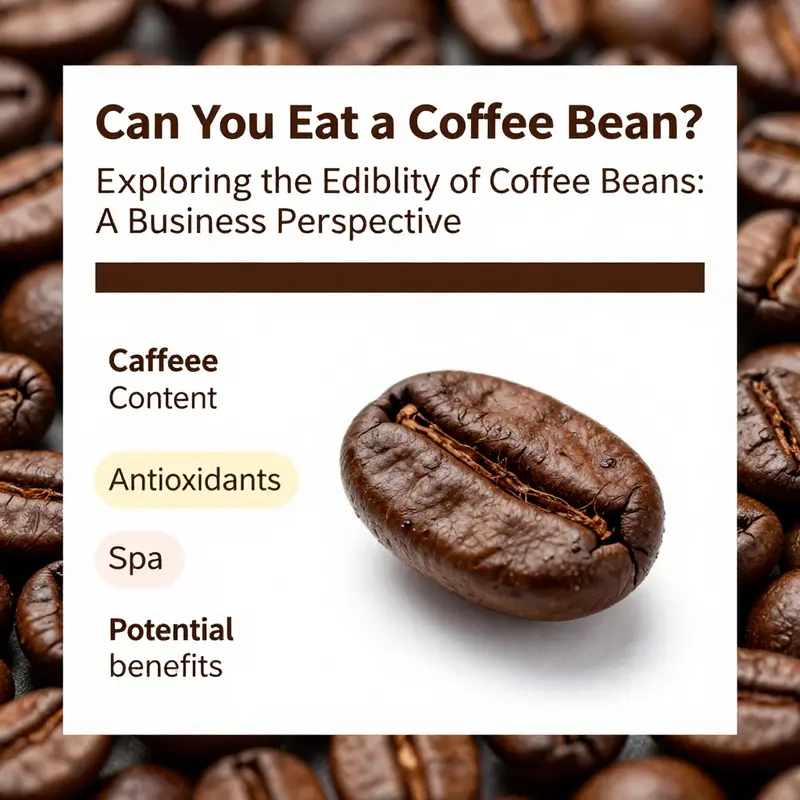
Across countless mornings, people greet the day with the aroma of coffee, savoring the ritual of grinding, brewing, and the familiar mug that signals wakefulness. Yet a quieter corner of curiosity persists: can you eat a coffee bean itself, not as a ground into a drink but as a snack or a stand-alone bite? The question opens a wider conversation about the seed that sits inside the coffee cherry, a seed that becomes the beloved bean we roast, grind, and pour. The simple answer is yes—you can eat a coffee bean. But the more informative answer invites a careful look at flavor, texture, caffeine, and the broader nutritional picture. Taken together, these factors help us understand why coffee beans, especially roasted ones, are eaten sparingly by most people and why some eat them deliberately as a quick caffeine lift or as part of a cultural snack. The chapter that follows invites you to step beyond the surface of “can I?” and into the nuanced terrain of how coffee beans fit into a health-conscious, palate-conscious life.
From a botanical standpoint, a coffee bean is the seed of the coffee cherry. It is surrounded by a parchment-like husk, a silvery skin, and sometimes a thin sugary layer at the surface of the roasted seed. When people talk about eating coffee beans, they are typically referring to roasted beans that have been conditioned for palate compatibility. Raw coffee beans, by contrast, are intensely bitter, earthy, and extremely hard. They resist masticating into a pleasant bite, and their flavor compounds are not yet mellowed through the roasting process. The act of roasting accomplishes a transformation—altering textures, aromas, and the chemistry that gives coffee its depth. Roasting also reduces or modifies certain compounds that would otherwise overwhelm the senses or irritate the stomach if consumed in large quantities straight from the cherry. In practice, most people who eat coffee beans opt for roasted beans, sometimes labeled as edible coffee beans, which have been processed to enhance flavor and textural balance for easier chewing.
The appeal of eating roasted coffee beans goes beyond flavor. A bite can deliver a concentrated dose of the same compounds that define coffee in a cup: caffeine, chlorogenic acids, trigonelline, and melanoidins. Each of these substances plays a distinctive role in health, metabolism, and sensory experience. Caffeine is the well-known stimulant that can sharpen alertness and mood, yet it is also a central nervous system stimulant that can provoke jitters or sleep disturbances if taken in excess. Chlorogenic acids are a family of antioxidants that may contribute to reducing oxidative stress and supporting metabolic processes. Trigonelline, another alkaloid, has its own subtle contributions to aroma and potential health effects. Melanoidins, formed during roasting, contribute to color, aroma, and possibly antioxidant capacity. Taken together, these components make a serving of roasted coffee beans more than a simple snack; they become a concentrated package of bioactive compounds—without added sugars or fats—that can influence how you feel after a few bites.
A single serving of raw coffee beans—roughly ten to fifteen beans—packs a surprisingly robust nutritional profile for a tiny package. In roasted forms, a handful of beans offers a dense mix of caffeine, antioxidants, and other phytochemicals that have drawn scientific interest for years. It is tempting to think of the bean as a miniature energy bar, but the reality is more nuanced. The caffeine content in beans can be substantial, and the quantity of caffeine per bean depends on the coffee variety, the roast level, and the bean’s size. Roasting may alter caffeine content slightly, but not dramatically; the relative caffeine load in whole beans remains significant compared to a typical brewed cup. This means that eating several beans can add up to a caffeine exposure comparable to, or even greater than, a small cup of coffee, depending on how many you eat and how your body metabolizes caffeine.
Beyond caffeine, the antioxidant and phytochemical profile of coffee beans offers a different kind of value. Chlorogenic acids are prominent antioxidants that have been studied for their potential to modulate glucose metabolism and support oxidative defense systems. Some researchers have linked chlorogenic acids to reduced postprandial blood sugar spikes and to favorable effects on liver enzymes and inflammatory markers, although the magnitude and consistency of these effects vary across studies. Trigonelline contributes to the aroma and flavor complexity, and some evidence suggests it may participate in neuroprotective pathways, though conclusions remain preliminary. Melanoidins, the brown pigments formed by Maillard reactions during roasting, add to the antioxidant capacity and may influence gut microbiota in ways that researchers are still unraveling. In moderation, these components can contribute to an overall antioxidant intake without added fats or sugars, which is a notable contrast to many snack choices that might provide similar energy in the form of sugar but with less nutritional nuance.
Of course, nutrition is only part of the story. The practical realities of eating coffee beans demand a clear awareness of texture, palatability, and digestive tolerance. Raw beans are fibrous and acidic, with a toughness that makes chewing difficult and potentially uncomfortable for the stomach. Roasted beans, while more approachable, retain a fibrous texture that can irritate the digestive tract if consumed in large amounts. The combination of high acidity, fiber content, and the rough physical structure of the seed means that eating too many can lead to bloating, stomach discomfort, or even diarrhea, especially on an empty stomach. These digestive considerations are not abstract; they translate into real choices about how many to eat and when to eat them. People who are prone to acid reflux, gastritis, or anxiety disorders may notice amplified symptoms with even small portions of roasted beans, given the caffeine and the seed’s structural properties.
In addition to the physiological aspects, there is a sensory dimension that shapes the decision to eat coffee beans. The taste is a defining feature: even roasted beans can retain a bitter, roasted, sometimes nutty or chocolatey profile, but the bitterness persists in a way that is far more intense than a cup of brewed coffee. Some people enjoy that concentrated flavor experience, while others find the sensation overpowering or not palatable at all. The texture adds another layer: the crunch of a roasted bean, followed by a lingering, sometimes chalky aftertaste, can be an acquired taste. For those who dislike bitterness or who are sensitive to caffeine, the experience may be off-putting, and the idea of tasting coffee in its most concentrated seed form becomes less appealing than brewing a milder cup.
There is also a cultural dimension to the practice of eating coffee beans. In certain regions and among particular groups, roasted beans serve as a quick caffeine source in moments of need or as a snack that fits a specific social or culinary context. There are even products marketed as edible coffee beans, carefully roasted and processed to optimize bite, aroma, and mouthfeel for non-beverage consumption. These ready-to-eat forms can provide a more approachable experience than biting into a raw, unprocessed bean, offering an alternative to the traditional brewed method for those who want a quick lift without preparing a drink. Yet even with these products, moderation remains central to safety and enjoyment. The caffeine load in any edible form can accumulate quickly if one is not mindful of total intake across all sources of caffeine in a day.
If you choose to experiment with coffee beans as a snack, several practical guidelines can help you balance enjoyment with safety. Start with a small amount, perhaps one or two beans, and assess how your body responds within an hour or two. Notice any changes in alertness, heart rate, or digestion. If you are sensitive to caffeine or caffeine-containing foods in general, you may want to limit consumption to a fraction of a bean or skip this practice altogether. Pairing the beans with a small amount of water or a light snack can help ease digestion and reduce potential stomach discomfort. Chewing thoroughly is important; due to their hardness, biting down too quickly can lead to dental discomfort or enamel wear. In the context of a busy day, it is easy to forget that these tiny seeds carry a punch. Mindful consumption reduces the risk of overdoing caffeine intake and helps maintain a stable sense of well-being throughout the afternoon and evening.
From a dietary perspective, the addition of coffee beans to a regimen of daily foods should be considered in light of overall caffeine intake and personal health status. If you already rely on multiple caffeine sources—coffee, tea, energy drinks, chocolate, or certain medications—eating several coffee beans could push your total caffeine exposure into a range that creates jitters, irritability, or sleep disturbances. For some people, the stimulating effects of caffeine are beneficial for concentration and performance, while for others they may trigger anxiety or disrupt sleep patterns. The literature suggests that moderation is key, especially if caffeine tolerance varies from person to person. At the same time, the antioxidant properties of coffee beans offer a complementary perspective: the seeds bring a concentrated dose of bioactive compounds that, when consumed in small amounts, may support oxidative defense without the sugar and fat that often accompany other snack foods. This balance—between potential benefits and risks—helps explain why coffee beans occupy a curious niche in the landscape of edible plants and snacks.
In discussing health implications, it is important to emphasize context. For instance, eating beans on an empty stomach can intensify digestive discomfort for some individuals because stomach acid and gastric motility are more reactive then. If a person has a history of acid reflux or gastritis, it may be wiser to avoid eating beans in the morning or to limit them to a rare, small portion as part of a more substantial meal. People with anxiety disorders or sleep difficulties should be mindful of caffeine intake late in the day, as even a small amount of roasted beans can contribute to arousal that interferes with relaxation and sleep onset. Pregnant individuals and those who are sensitive to caffeine generally receive similar cautions, given the potential impact on fetal development and maternal sleep quality. While these cautions are not universal prohibitions, they underscore the value of listening to one’s body and making choices that respect both health and comfort.
The conversation about coffee beans also intersects with broader nutrition and lifestyle choices. For some people, the idea of consuming a concentrated form of caffeine without added sugar or fat is appealing as a low-calorie option that can complement a mindful eating approach. In this sense, roasted coffee beans can serve as a tiny, potent food that aligns with individuals who prioritize nutrient density in small doses. The antioxidants present in coffee beans add a layer of health consideration that goes beyond caffeine alone. While few foods in a single bite deliver the same concentrated profile as a small handful of roasted beans, the potential benefits must be weighed against the immediate sensory experience and the body’s tolerance. The net effect on long-term health remains a function of overall diet quality, caffeine exposure, and how consistently someone practices moderation.
In the end, the choice to eat coffee beans rests on a combination of curiosity, personal taste, and health awareness. For some, the act of nibbling a few roasted beans provides a satisfying, rapid lift without the ritual of making a drink. For others, it is a sensory experiment better left to the imagination or reserved for special occasions. The research supports a nuanced stance: coffee beans can contribute valuable antioxidants and a caffeine boost, but they are not a universal solution for energy, and they carry risks if consumed in excess or by those with certain sensitivities. If you decide to explore this practice, approach it with intention, start small, and observe how your body responds across a day or two. Consider keeping a log of occasions you choose to eat a bean and note any changes in mood, alertness, digestion, or sleep quality. This quiet record can reveal personal patterns that broad recommendations might miss.
To ground this discussion in broader scientific context, a comprehensive review of coffee bean constituents and their effects on health is available in peer-reviewed literature. For readers seeking an in-depth, evidence-based exploration of the safety and benefits of consuming coffee beans, the article linked here provides a detailed synthesis of the biochemical processes affected by roasting, the pharmacology of caffeine, and the complex role of polyphenols in human health. You can explore the broader research at the external resource listed at the end of this chapter for a deeper dive into the science behind these assertions and the nuances that accompany dietary caffeine and antioxidant intake.
As you navigate your own preferences and thresholds, it can be helpful to consider how the practice of eating coffee beans intersects with other aspects of lifestyle, such as stress management, sleep hygiene, and exercise. The way caffeine interacts with physical activity, for example, varies across individuals. Some people find that a small amount of caffeine before exercise enhances performance and focus, while others experience jitters that undermine performance. In such cases, the form of caffeine consumption matters: a brewed beverage releases caffeine more gradually and may be easier to regulate than a handful of roasted beans, which deliver a compact dose with less room for titration. The same logic applies to food choices around caffeine-rich snacks. If you are trying to maintain steady energy and avoid crashes, pairing caffeine-containing foods with protein, fiber, or complex carbohydrates can support more stable energy levels than consuming caffeine in isolation. This approach aligns with broader nutrition principles that emphasize balance and mindful eating—principles that help extend the discussion beyond the question of “can I eat a coffee bean?” to include how such a choice fits into a healthy daily routine.
In sum, you can eat coffee beans, and doing so in moderation can offer a compact source of antioxidants and caffeine without added sugars or fats. The experience, however, is highly individual. Some people relish the concentrated taste and the quick lift; others find it unpalatable or uncomfortable. The seeds’ texture and acidity require cautious consumption, and those with reflux, gastritis, anxiety, or caffeine sensitivity should approach the practice with care or avoid it altogether. Roasted beans provide a more palatable, digestible option than raw ones, but even roasted beans carry the potential for discomfort if taken in excess. For many, the most sensible path is to view edible coffee beans as an occasional, small-bite experience rather than a staple snack, a position that respects both flavor and physiology while embracing the aesthetic and sensory curiosity that motivates people to explore new culinary textures.
If you are curious about how sensory experiences influence edible choices and the ways professionals think about food interactions in daily life, you might also find it interesting to explore resources that discuss sensory processing and therapeutic approaches within specific health contexts. For readers who want to connect the dots between taste, texture, and therapeutic practice, here is a related resource to investigate further: occupational-therapy-for-autism.
For readers who wish to consult a rigorous scientific discussion on the topic, a detailed external resource provides a thorough review of the safety and benefits of consuming coffee beans, including caffeine content, roasting effects, and antioxidant potential. This external source offers a scientific foundation to the practical guidance above and helps translate individual experiences into evidence-based considerations: https://www.ncbi.nlm.nih.gov/pmc/articles/PMC6798734/
From Berry to Bean: How People Eat Coffee Seeds, Taste, and Culture Shape the Habit
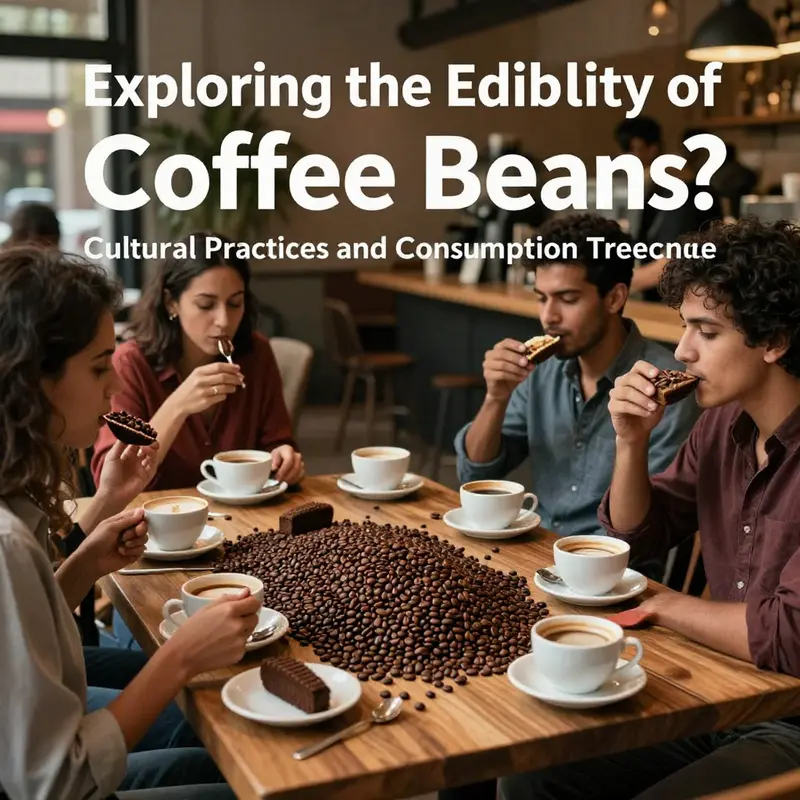
The question of whether you can eat a coffee bean invites more than a simple yes or no. It invites a tour of how a small seed becomes a global ritual, how taste and physiology interact, and how culture experiments with a natural product that sits at the crossroads of food and caffeine.
Coffee beans begin life as seeds inside the bright red coffee cherry, a fruit that travels across climates and continents before the seed ever meets a palate. In their raw form, these seeds are not typically eaten. They carry intense bitterness and a density that makes chewing them feel like gnawing through a stone.
Roasting transforms flavor and texture more than any other step in coffee production. The roasting process reduces some harsh raw bitterness and unlocks a spectrum of flavors, including nutty, caramel, smoky, chocolaty, and sometimes fruity, depending on the roast level. Roasted beans become the edible form of choice for those who wish to sample the seed directly, and the interior becomes easier to chew when properly roasted.
The caffeine content is a central consideration. Raw beans contain caffeine in amounts that can be concentrated relative to brewed coffee. Chewing several beans can deliver a noticeable caffeine dose quickly, which explains why some people view them as a compact energy source. But caffeine can also cause jitters, increased heart rate, or sleep disturbances if consumed in excess. Different species, mainly Arabica and Robusta, carry different caffeine levels, and roasting changes the density and caffeine per bite.
Safety and digestion are also important. Raw seeds can carry surface contaminants or growth inhibitors if not stored properly. Roasting reduces microbial hazards and alters the chemical profile in ways that can lessen risk. Whether raw, roasted, salted, or flavored, choosing products from reputable sources helps ensure safety and predictability of caffeine content.
Cultural practices around coffee beans show a spectrum of approaches. The most widespread pattern is roasting, grinding, and brewing for beverages, but roasted beans are also eaten as snacks, chocolate-coated treats, or used in edible products and supplements. These formats translate flavor, texture, and caffeine into forms that suit different dietary patterns and social rituals.
Market imagination has expanded edible formats. Alongside whole roasted beans, there are chocolate-coated beans, bean-flour snacks, and caffeine products that deliver a controlled hit while offering sensory appeal. The bean travels through culture as both food and fuel, sometimes at the same time.
Practical guidance for curious eaters is straightforward: prioritize safety, taste, and moderate use. Favor roasted forms over raw seeds, be mindful of portion size in relation to caffeine tolerance, and seek products from reputable producers. If you’re sensitive to caffeine, treat beans as an occasional indulgence rather than a daily staple.
The broader cultural arc shows that taste, nutrition, and social context shape how people incorporate this seed into daily life. Culinary experiments push flavors, while social sharing turn beans into conversations about sourcing, processing, and the global journey from farm to snack. The coffee bean thus functions as a small seed with a big story at the intersection of food, energy, and culture.
Looking ahead, ongoing innovations in edible formats continue to reflect safety, sustainability, and enjoyment. As demand for convenient caffeine and novel flavors grows, roasted beans and derived products may become more common in diverse markets. The question of whether to eat a coffee bean thus remains not a rigid yes or no, but a nuanced inquiry into how traditions adapt and how science informs safer, tastier ways to experience a seed that travels far to reach our plates.
Final thoughts
Understanding the edibility of coffee beans is crucial for business owners in the coffee industry. It encompasses not only safety and nutritional insights but also cultural significance. With this knowledge, entrepreneurs can make informed decisions, enhance their product offerings, and better meet the needs and preferences of their customers, thereby optimizing their engagement with coffee enthusiasts.