
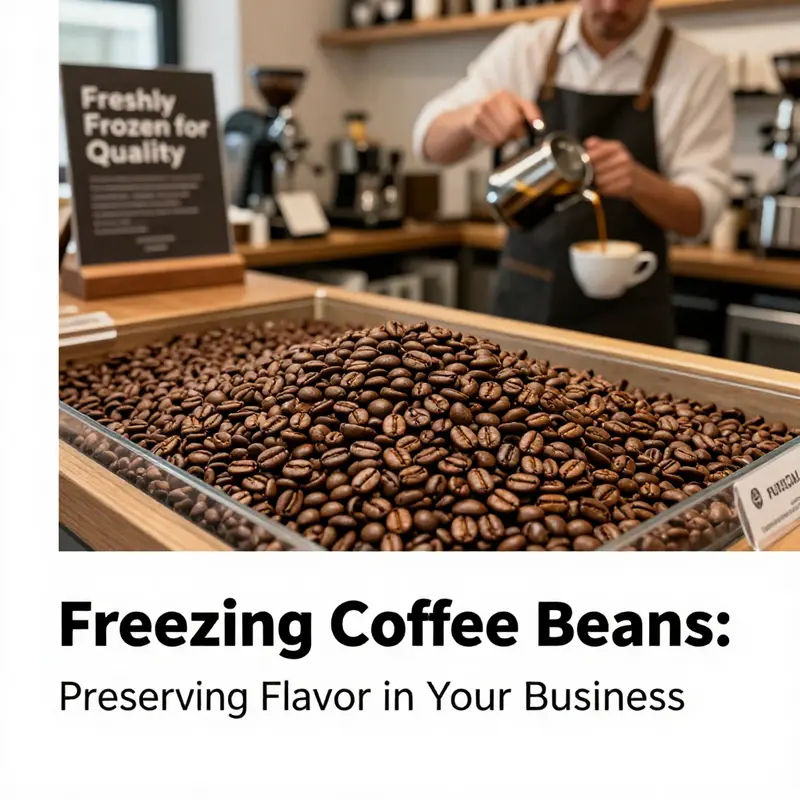
The art of coffee preparation involves not just brewing techniques but also meticulous storage methods. For business owners in the coffee industry, understanding how to preserve the integrity of your coffee beans is crucial for maintaining quality and customer satisfaction. Freezing coffee beans emerges as a viable method for ensuring freshness and flavor longevity, but it must be done correctly to prevent degradation. This article delves into the science behind freezing coffee beans, explores best practices for effective freezing, and offers insights into long-term storage solutions. Each chapter will equip you with the knowledge to not only enhance your product offering but also to operate your business more efficiently.
Preserving the Essence: Mastering the Art and Science of Freezing Coffee Beans
When considering the future of your coffee’s flavor and aroma, the freezing of coffee beans emerges as a topic that merits not only practical attention but also scientific scrutiny. The delicate nature of coffee stems from its richness in volatile compounds that carry the essential nuances of its aroma, flavor, and overall quality. Even though freezing coffee beans might seem like a counterintuitive step for many coffee aficionados, proper freezing techniques can extend the lifespan of the beans while maintaining, or even subtly enhancing, the characteristic profile that makes each batch unique.
As we delve into the practical science behind preserving the life of coffee beans, it is important to recognize that coffee is not a static possession but a dynamic ingredient that undergoes changes over time. Loss of flavor arises predominantly from oxidation and the natural sublimation that occurs when volatile oils slowly escape from the bean’s cellular structure. Freezing, when executed with precision, becomes an ally in slowing these processes by lowering the kinetic energy that drives chemical reactions. For aficionados and casual drinkers alike, this means your beans can remain closer to their freshly roasted state even when stored for extended periods.
The preservation process is a delicate dance between science and art. There is an underlying challenge in the fact that coffee – being a perishable agricultural product – suffers drastically under uncontrolled exposure to the primary enemies of freshness: moisture, oxygen, light, and irregular temperature shifts. Even a slight mishandling or exposure to fluctuating temperatures can result in condensation, which in turn accelerates the staling process. It is precisely this potential for condensation that makes the proper packaging of coffee beans a non-negotiable part of the freezing process. To neutralize the harmful effects, coffee beans need to be sealed in airtight, vacuum-sealed, or nitrogen-flushed packaging. Such storage ensures that the beans do not interact with residual moisture or oxygen that can otherwise trigger degradation reactions.
The principle of freezing coffee beans hinges on the mitigation of oxidation. At lower temperatures, the oxidation process naturally decelerates as the chemical reactions slow down. Studies have repeatedly demonstrated that consistent temperature control is far more significant than a mere plunge into any freezing environment. Research by experts, including the insights of Dr. Christopher Hendon, underscores that even brief exposure to ambient temperature from a frozen state can lead to condensation. This condensation is not trivial—it often creates microenvironments where moisture clings to the beans, thereby accelerating the staling process rather than preventing it. Therefore, once coffee beans have been prepared for storage, it becomes paramount that the process of removing them from the freezer does not disrupt this fragile balance.
The journey from bean to brew encompasses more than just freezing and thawing; it is a continuum where every step matters. For those who truly cherish their coffee, it is imperative that only small, single-use portions be removed as and when needed. Frequent reheating of the remaining stock not only allows moisture to seep back into the beans but also exposes them repeatedly to fluctuating temperatures which ultimately compromise the nuanced balance of flavor molecules. It is a common practice among experts to advise that beans be allowed to thaw completely at room temperature prior to grinding and brewing. This thoughtful transition prevents the buildup of condensation on the bean surface, preserving the essential oils that contribute to flavor complexity.
Deep within these carefully managed processes lies a surprising amount of culinary chemistry. Each coffee bean is a tiny repository of complex biochemical reactions that were set in motion the moment the bean was harvested and later, when it was roasted. The very nature of coffee forces us to respect its constituents – from the volatile aromatic compounds to the lesser-known molecules that play a role in the espresso’s crema or the distinct aftertaste of an iced coffee. By employing modern preservation techniques such as freezing, the subtle interplay of these compounds is retained for a longer duration, allowing coffee enthusiasts to enjoy the original intensity and character long after the roast date.
Nevertheless, the transition to freezing is not without its challenges. The phenomenon known as “freezer burn” presents one of the most significant pitfalls to avoid. Freezer burn occurs when moisture within the beans sublimates due to the dry, constant state of the freezer. At a microscopic level, the ice crystals formed within the coffee bean begin to sublimate, leading to structural damage of the bean’s cellular matrix. This damage is not merely superficial; it results in the leaching out of the essential oils that impart the distinctive flavor profile of the coffee. A damaged bean produces a brew that can often appear stale or flat, undermining the intended benefits of the freezing process.
Mitigating freezer burn requires strict adherence to best practices in packaging and handling. It becomes essential to ensure that, before freezing, the beans are stored in high-quality, freezer-safe containers that are as airtight as possible. Only in such environments can oxygen and moisture be effectively barred from invading the bean’s structure during storage. Furthermore, it is advisable to label portions clearly, so that one avoids the temptation to repeatedly open and close large containers, inadvertently exposing the beans to warmer, humid air. As a result, maintaining consistency in temperature and minimizing air exposure become simultaneous goals for anyone keen on preserving their coffee’s original profile.
Beyond these technical measures, it is also pivotal to consider the role of temperature stability. Many might assume that the colder, the better, but research has shown that it is the steadiness of the temperature rather than its extremes that truly matters. Repeatedly moving beans between layers of the freezer or times when the freezer door is opened will compromise the stability of the stored beans. The most reliable method is to freeze the coffee in an environment that remains undisturbed, culminating in a scenario where only the necessary amount of coffee is removed when needed. This idea is analogous to the care taken by professionals when handling perishable, delicate items in other fields of culinary science. It echoes the philosophy that while the science of freezing is robust, its success remains intricately linked to the discipline and mindfulness of the user.
There is an undeniable synergy between traditional practices and contemporary scientific insights when it comes to enhancing the longevity of coffee beans. Historical methods once involved storing coffee in cool, dark pantries; modern science allows us to go further by creating precisely controlled environments. The act of freezing coffee beans may seem to be a modern intervention, yet the underlying principles—preservation, minimization of degradation, and reinforcement of quality—are timeless. One only needs to consider that every interaction of the beans with unwanted environmental factors nudges the chemical profile into a state of degradation. As such, by freezing the coffee beans, one essentially slows this inevitable process, extending the window of optimal consumption.
By weaving together centuries of traditional appreciation with cutting-edge scientific research, coffee lovers are now endowed with an expanded array of preservation techniques. When implemented correctly, freezing becomes a tool not only for extending shelf life but also for ensuring that each cup of coffee maintains the integrity of the original roast. The methodical approach to freezing thus becomes a ritual in itself—a commitment to preserving quality that mirrors the care taken during the roasting process. Every bean is treated with the respect it deserves, acknowledging that a well-preserved bean is akin to preserving a piece of art. The intoxicating aroma, the complexity of flavors, and the subtle variations that arise with every new harvest are treasures that the modern freezer can guard against the ravages of time, provided that it is used in a manner informed by science and executed with care.
Within this context, research continuously encourages a reexamination of long-held assumptions regarding storage. For instance, it is now commonly accepted that the frequency of freeze-thaw cycles directly correlates with accelerated degradation. This notion is reinforced by findings which advise that once the beans have been frozen, they should be maintained in that state until immediately before use. The rationale behind this is clear: each time the beans are allowed to come in contact with warmer air, condensation forms and hastens the loss of critical volatile compounds. In essence, a freeze-thaw cycle doesn’t just alter the physical state of the coffee bean; it also disrupts the meticulously preserved balance of its flavor profile. This insight further emphasizes the importance of minimizing exposure and handling, ensuring that the freezing process remains a one-way journey until the precise moment of brewing.
Beyond the chemical symphony that defines each coffee bean, it is the cumulative wisdom derived from practical experience that also plays a central role. Veteran roasters and seasoned baristas have long relied on a blend of intuition and experience to determine the optimal method for prolonging bean freshness. Their recommendations, steeped in decades of knowledge, reinforce the scientific guidelines. For instance, they advocate for separating the coffee into daily-use portions before freezing it, so as to avoid repeated temperature fluctuations. This practical wisdom complements the technical advice and serves as a testament to the evolving understanding of coffee preservation.
In a way, the journey from green coffee bean to a perfected brew is mirrored in this intermediary stage of storage. As the beans transition from a freshly roasted state to a stored form, they continue to hold within them the essence of their origins. It is through careful preservation that the story of the coffee bean continues unabated, maintaining the vibrant narrative that begins the moment the bean is harvested and ends only when the final drop is savored. When one adopts the freezing technique with respect and precision, it is not merely a method of storage; it is an act of dedication that honors the intrinsic qualities of one of nature’s most beloved creations.
This meticulous process of preservation is not an isolated practice—it is part of a broader cultural and scientific evolution in the way we perceive and consume coffee. Much like the adaptive techniques observed in other fields, such as occupational therapy where practices are reshaped by ongoing research, the preservation of coffee beans is undergoing a similar transformation. While one might not immediately see the connection between freezing coffee and the innovations in patient care, both domains rely on an adherence to scientific principles and the necessity of controlled environments to achieve optimal outcomes. The focus on maintaining stability, minimizing external interference, and ensuring reproducible outcomes is a common thread that ties disparate fields together in their quest for excellence.
As we reflect on these considerations, it becomes evident that freezing coffee beans transcends the notion of simple storage. It is an intricate process that embodies both advanced scientific principles and age-old techniques of careful preservation. The resultant brew, which retains the inherent complexity and character of the original roast, stands as a tribute to the remarkable interplay of art and science. In an era where convenience and longevity are often pitted against quality, the methodical approach to freezing offers a reconciliatory solution that does not compromise on flavor or integrity.
For coffee enthusiasts looking to explore these preservation techniques further, a thoughtful review of related scientific literature is invaluable. By adopting a meticulous approach—emphasizing sealed storage, single-use portions, and gradual thawing—the integrity of high-quality coffee can be maintained for weeks or even months. One can liken this to the detailed protocols followed in professional settings, where the importance of environmental control is well understood. The meticulous care taken during storage serves as a constant reminder that the true essence of coffee lies in its ability to capture fleeting moments of freshness and deliver them cup after cup.
There is also a broader, almost philosophical layer to this method of preservation. When one freezes coffee beans correctly, it is as if time itself is momentarily suspended, preserving the fleeting peak of freshness as it was meant to be experienced. This not only gives consumers the chance to savor coffee as if it were just roasted, but it also offers insight into the dynamic relationship between temperature, chemistry, and culinary artistry. Every measure taken—from selecting the best container to carefully calculating the time needed for proper thawing—reflects a dedication to excellence that honors the craft of coffee making.
For those interested in exploring the rigorous scientific research behind these practices, the study conducted by Dr. Christopher Hendon provides deep insight into the impact of temperature stability on coffee quality. This external resource is an excellent gateway for further reading on the subject, offering evidence-based practices and detailed analysis of the chemical changes that occur during the preservation process. The study can be accessed at this link, which provides a wealth of data and conclusions reinforcing the idea that, yes, coffee beans can be frozen—but only when every step is executed with precision.
In conclusion, the journey into mastering the art and science of freezing coffee beans not only redefines our approach to storage but also celebrates the integrity of coffee itself. Through thoughtful implementation of careful sealing, single-use portion control, and gradual thawing, the delicate aromatic profile of the beans is preserved, ensuring that the lively dance of flavors continues well beyond the roast date. In doing so, the practice of freezing transforms into a ritual that respects the bean’s natural evolution, melding time-honored traditions with modern scientific rigor. It is through this harmonious integration that coffee remains a timeless experience—one that is both celebrated and rigorously maintained for every discerning palate to enjoy.
Mastering the Art of Freezing Coffee Beans: Strategies to Preserve Peak Flavor and Aroma
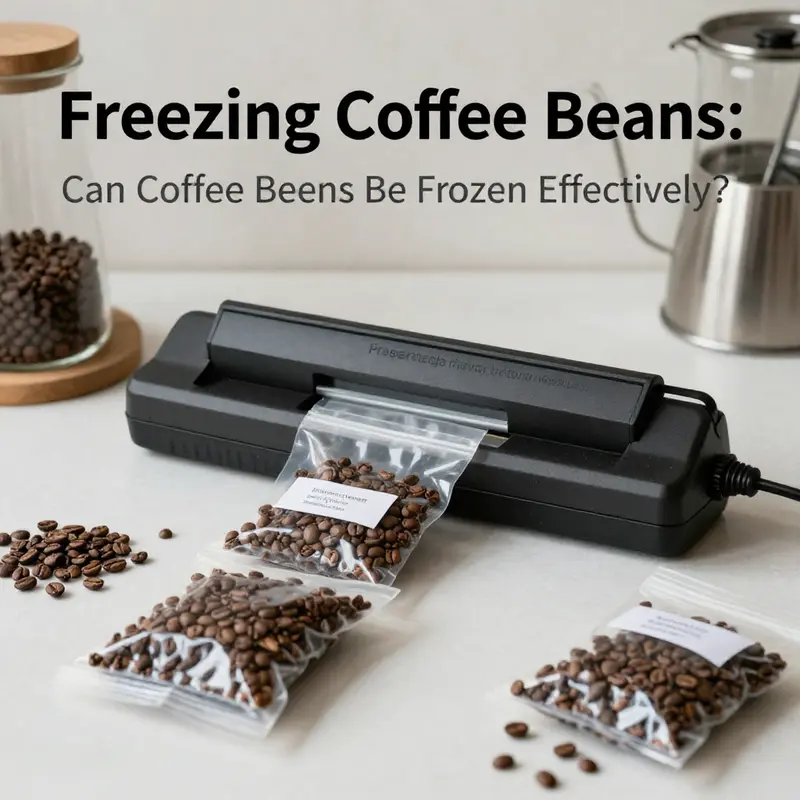
In the realm of coffee connoisseurship, preserving the fresh, aromatic qualities of roasted coffee beans is both an art and a science. For those who treasure the nuanced flavor that each batch of coffee offers, understanding how to properly freeze coffee beans provides a means to extend their peak freshness when long-term storage is necessary. Freezing can be a highly effective method to lock in the fleeting complexity of taste—if it is approached with careful attention to detail and a strict adherence to best practices. This chapter dives into the science behind preserving coffee quality during freezing, outlining the measures and protocols essential to maintaining the delicate balance of moisture, aroma, and flavor that expert roasters strive to achieve.
At its core, the process of freezing coffee beans is about halting the very biological and chemical reactions that work against the longevity of flavor. Coffee, being a perishable agricultural product, is susceptible to a host of degrading influences including oxygen, light, moisture, and temperature fluctuations. When coffee beans are exposed to oxygen, for example, a process called oxidation ensues, degrading the numerous volatile compounds that are responsible for the intricate layers of flavor. This degradation can manifest as stale, flat, or even musty notes when the coffee is eventually brewed. By rapidly lowering the temperature and locking out air and moisture, freezing acts to slow the oxidation process considerably. Yet, like all effective methods, it demands respect and precision.
The fundamental step in successful freezing lies in minimizing exposure to air and moisture, which have the potential to undermine the integrity of the beans. The use of airtight, vacuum-sealed containers plays a pivotal role here. When coffee beans are stored in an environment that precludes moisture ingress and air contact, they are far less likely to experience the damaging effects of freezer burn—a condition where the beans’ oils and moisture evaporate, leaving them dehydrated and compromising their flavor profile. Vacuum-sealing or employing containers with one-way valves that allow gas to escape without letting in external moisture are among the primary strategies that mitigate these risks. Such practices ensure that the unique balance of oils and acids remains intact throughout the freezing period.
In addition to the use of specialized containers, the method by which the coffee beans are portioned before freezing cannot be overstated. Dividing the beans into small, single-use portions is essential to reduce the frequency with which the frozen stock is exposed to ambient air. Each time a container is opened, temperature fluctuations are introduced, leading to condensation on the beans—a phenomenon that can accelerate degradation. For this reason, prudent storage techniques call for disbursing the beans into portions that will be consumed within a one to two week period upon thawing. Such an approach not only minimizes the time the beans spend in fluctuating conditions but also ensures that the integrity and the rich, robust flavor of the coffee is maintained with each subsequent use.
It is also important to consider the process of transitioning frozen beans back to a usable state. Rather than grinding coffee beans while they are still frozen, they should be allowed to thaw slowly at room temperature. Grinding frozen beans can lead to condensation forming on the surface of the granules, which promotes uneven extraction and may contribute to undesirable flavor profiles such as bitterness or flatness. This paper-thin layer of moisture that develops during improper thawing can adversely affect the delicate balance of oils that give coffee its complexity. Experts agree that a recommended waiting period of approximately 20 to 30 minutes at room temperature allows for a gentle and uniform recovery of the beans’ original characteristics prior to grinding.
While proper freezing is fundamentally a matter of technique, it also requires an understanding of the inherent chemical and physical properties of coffee beans. The oils that are naturally present in roasted beans are not only responsible for aroma but also for the overall flavor experience. These oils, however, remain susceptible to degradation if exposed to adverse conditions. In addition to oxidation, repeated fluctuations in temperature can lead to what experts term moisture migration—an insidious process in which moisture moves within the bean structure, often leading to the formation of ice crystals that can rupture the cell walls of the bean. This can result in a permanent loss of the very components that contribute to coffee’s celebrated taste.
The intricate interplay between temperature, moisture, and time underscores why freezing should not be seen as a universally applicable method for all situations. In many cases, if coffee is intended to be consumed within a few weeks of its roast, alternative storage methods may prove more beneficial. When stored in a cool, dark pantry in an opaque, airtight container, freshly roasted coffee beans can maintain their quality for the short term. For enthusiasts who intend to savor their beans immediately, such storage solutions avoid the potential pitfalls of freezing altogether by eliminating the risk of condensation and ensuring consistent flavor. However, for those who purchase beans in larger quantities, anticipating a draw-out period before use, freezing emerges as an attractive option—provided that every precaution is taken.
The importance of temperature stability extends far beyond the simple act of lowering the heat. In the context of freezing, maintaining a consistent, stable temperature throughout the storage period is perhaps the most crucial factor in preserving coffee quality. Even small temperature fluctuations can lead to a cascade of chemical reactions that damage the beans. For instance, when the freezer undergoes cycles of warming and cooling—possibly due to repeated access or defrost cycles—there is an increased likelihood of ice crystals forming on the bean surfaces, which disrupts the cellular integrity. These crystals not only draw out essential oils through sublimation but also create areas of uneven moisture content. For this reason, the adoption of a controlled, stable freezing environment is a non-negotiable element in the pursuit of excellence in coffee bean preservation.
Beyond the technical aspects of packaging and temperature control, the practice of freezing coffee beans must be seen through the lens of overall quality management. Coffee, like many gourmet ingredients, commands a respect similar to that afforded to delicate herbs and fresh berries. As Dr. Sarah Nguyen—a food scientist and coffee quality expert—aptly noted, “Coffee is a perishable agricultural product. Treat it like fresh herbs or berries—not like canned goods.” This analogy is both profound and instructive. It highlights the necessity of treating each batch of coffee beans with the same diligence required when handling other sensitive culinary ingredients. When this level of care is exercised, freezing becomes an extension of good quality practices rather than a compromise of flavor integrity.
Moreover, the exact method of freezing bears direct implications on the eventual taste experience. Coffee undergoes a series of chemical changes after roasting, with its sensory peak typically occurring within two to four weeks post-roast. As time progresses, however, the volatile compounds that define its flavor begin to break down. Freezing, when executed properly, can slow this progression significantly. It is not a means of arresting the passage of time entirely, but rather a means to postpone the inevitable decline of flavor. Experts like Dr. Christopher Hendon have emphasized that while freezing does slow down the degradation process, it does not completely halt the natural evolution of coffee’s flavor profile. Thus, freezing must be viewed as a temporary safeguard—a method of preservation that extends the window of optimal sensory experience for those who wish to delay the inevitable transition from freshness to staleness.
One must also consider the economic and practical implications of proper coffee bean storage. For many home users and small business owners alike, the decision to invest in higher quality storage containers and dedicate freezer space is balanced against the desire to enjoy coffee at its best possible quality. The process of dividing beans into single-use portions may require a bit more effort and forethought, but it ultimately pays dividends in the consistency and quality of the coffee produced. Unlike other perishable goods that can be stored without significant loss of quality, coffee demands an exacting approach to maintain its allure, especially when long-term storage options are utilized. The careful orchestration of packaging, portioning, and thawing helps ensure that every cup of coffee brewed from frozen beans is as close as possible to what was intended by the roaster.
Although enthusiasts may debate over the impact of freezing on coffee flavor, scientific studies and expert opinion provide a solid foundation for its carefully managed application. Research into the process of sublimation and moisture migration reveals that the exposure of roasted coffee beans to fluctuating temperatures and ambient moisture levels catalyzes a series of reactions detrimental to flavor retention. When the structural integrity of the beans is compromised—whether through disruptive ice crystal formation or the leaching of essential oils—the resulting brew can suffer from reduced complexity and an overall flat profile. In contrast, beans that have been frozen under optimal conditions consistently demonstrate a superior retention of key aromatic compounds, ensuring that the characteristics which define premium coffee are preserved.
Within this framework of understanding, it is essential to grasp that freezing coffee beans is not a one-size-fits-all solution. For beans that are to be enjoyed imminently, traditional storage methods at room temperature are often the better choice. The decision to freeze should be reserved for circumstances where immediate consumption is not anticipated. Investing in proper storage equipment, such as high-quality airtight containers and vacuum-sealing devices, is recommended only when the long-term benefits outweigh the risks. Those who choose to freeze their coffee should be prepared to adhere to detailed protocols: use only the necessary quantities in each package, limit exposure during retrieval, and allow for a gradual transition back to ambient temperature before proceeding with grinding.
The nuanced recommendations for best practices in freezing coffee beans extend to aspects that might seem trivial but are critical when taken together. For instance, the practice of avoiding the refrigerator as a storage medium is one that can often be overlooked. Refrigerators are designed to maintain a temperature that is too high and are subject to frequent temperature changes due to door openings, which increases humidity and accelerates degradation. The freezer, on the other hand, when used under consistent conditions, provides a far more stable environment, minimizing the risks associated with temperature swings and moisture buildup.
In the process of learning to master the art of freezing coffee beans, one also learns to appreciate the delicate interplay between preservation methods and the inherent qualities of the ingredient itself. The refinement of freezing techniques has evolved alongside a deeper understanding of coffee bean chemistry. Many experts draw parallels between the treatment of coffee beans and that of other perishable gourmet ingredients, where the preservation of intrinsic flavors is of paramount importance. As coffee lovers and purveyors of fine beverages look to balance convenience and quality, the careful application of freezing techniques stands out as a viable and often indispensable tool.
In practical terms, the pathway to successfully freezing coffee beans begins long before the beans ever meet the chill of the freezer. It starts at the moment of roasting, when the unique volatile compounds that give coffee its character are most abundant. Recognizing that these compounds will gradually diminish in the days following roasting, many connoisseurs opt to store surplus beans in a frozen state so that the vibrant notes and subtle aroma can be enjoyed long after the initial peak has passed. The objective is to postpone the inevitable chemical changes that accompany time. By subjecting the beans to controlled low temperatures, the integrative processes that result in flavor degradation are markedly decelerated, often preserving the desirable qualities for weeks or even months.
Equally significant is the approach to handling frozen coffee beans when it is time to brew. The guidance is unequivocal: do not rush the thawing process. It is imperative that the frozen beans be allowed to reach room temperature completely before any attempt is made to grind them. This step ensures that condensation does not form on the beans—a factor that could otherwise lead to an uneven extraction and a subpar final cup of coffee. The delicate equilibrium of moisture, oils, and aromatic compounds is maintained only when the beans experience a controlled and gradual adjustment to ambient conditions. Mastering this subtlety highlights the importance of patience and precision when transitioning from storage to preparation.
While the science of coffee preservation offers a robust rationale for freezing under controlled circumstances, practical experience reinforces the importance of consistency and care. Anecdotal evidence from avid coffee enthusiasts underscores how even minor deviations from recommended procedures can lead to a noticeable decline in quality. A single lapse—such as storing coffee in a container that is not fully airtight or repeatedly exposing the beans to room temperature—can compromise the entire batch. Such mishaps serve as a cautionary reminder that, in the world of coffee, every detail matters. The cumulative effect of following each step meticulously cannot be overstated, as the final product’s character depends as much on its preservation method as it does on the quality of the roast itself.
For those embarking on this journey, the art of freezing coffee beans ultimately becomes a study in balancing risk and reward. The potential benefits of extended shelf life and preserved flavor are significant, yet they demand a rigorous commitment to proper technique. Every aspect of the process—from selecting the right storage containers to portioning the beans and ensuring a gradual thaw—contributes to the overall success. The scientific insights provided by experts such as Dr. Samuel Lee and others serve as a beacon, guiding practitioners through the potentially treacherous waters of coffee preservation. In embracing these guidelines, one can confidently extend the life of premium coffee beans while maintaining their sensory allure.
In summary, the journey to mastering the art of freezing coffee beans is both a careful balancing act and an exercise in precise preservation. When executed properly, freezing can be an instrumental method for extending the period during which coffee beans retain their peak flavor and aroma. It demands a deep understanding of the chemistry involved, a commitment to maintaining stringent conditions, and the patience required to let the beans transition smoothly from the cold back to room temperature. The process is not without its challenges, but for enthusiasts who understand and respect the delicate nature of coffee, the rewards are plentiful. Each cup brewed from well-frozen beans can evoke the freshness of a recent roast, offering a glimpse into the meticulous science and art behind every sip.
For those interested in further details and the scientific foundation underlying these best practices, an excellent resource is available as an external guide. It delves into the interactions of moisture, temperature, and aroma compounds in depth, providing additional context for the benefits of proper freezing techniques. Source: Science-Based Guide to Freezing Coffee Beans – Perfect Daily Brew
This exploration stands as a comprehensive narrative that not only elucidates the underlying science but also provides the practical steps essential for success. As coffee enthusiasts continue to push the boundaries of bean quality and flavor preservation, the methods discussed here will undoubtedly serve as a cornerstone for further innovation and appreciation of the craft. Freezing, when approached with respect and precision, transcends its role as a mere storage technique; it becomes a ritual of preservation, a tribute to the artistry inherent in every roasted bean, and a bridge between the ephemeral peak of freshness and the enduring joy of a well-crafted cup of coffee.
Preserving Perfection: Mastering the Art of Freezing Coffee Beans for Long-Term Freshness

Coffee, for many enthusiasts, is more than just a beverage—it is an art form and a science that informs every step from bean selection to brewing. Over time, as the trend toward storing high-quality coffee beans for extended periods has evolved, so too has the careful practice of freezing them. The idea is simple: by slowing the natural degradation processes through freezing, one can preserve the lost nuances of coffee’s aromatic profile. However, the practice demands an in-depth understanding of the underlying principles of oxidation, moisture migration, and temperature stability.
At its core, coffee is a perishable agricultural product, and much like fresh herbs or berries, its quality tends to diminish with exposure to oxygen, light, and fluctuating temperatures. The reason freezing is effective is that it suppresses biochemical reactions such as oxidation that would otherwise lead to the gradual breakdown and evaporation of volatile aromatic compounds. When executed correctly, freezing coffee beans helps preserve these delicate nuances, ultimately allowing coffee lovers to maintain the vibrant and complex flavors they cherish long after initial roasting. The contrast between a carefully frozen bean and one that has sat on a counter for weeks is stark; one holds onto its intricate profile, while the other often devolves into a flat, uninspiring brew.
The process of freezing coffee beans is not as straightforward as simply placing open bags or containers in the freezer. Every step plays a significant role in ensuring that the quality of the beans remains uncompromised. The first and perhaps most critical strategy involves minimizing the bean’s exposure to oxygen and moisture. Air contact is the primary catalyst for oxidation, and thus using airtight and vacuum-sealed packaging becomes an absolute necessity. Whether one opts for simple freezer-safe zip-lock bags with a firm squeeze-out of excess air or engages in the more specialized method of nitrogen flushing, the goal remains the same—to create a near impermeable barrier that protects the beans from external contaminants and air exposure.
In addition to airtight packaging, dividing the beans into small, single-use portions is essential. Each portion should be sufficient for one brewing session, thereby avoiding the issue of repeated thawing and refreezing. When beans are taken out of the freezer, any reopening of the packaging invites bursts of warm air, which can lead to condensation forming on the surface of the coffee beans. Such condensation is highly problematic, as it accelerates the degradation process by promoting the migration of moisture within the beans. Even microscopic amounts of moisture can cause subtle but noticeable changes to their aroma and taste. In this respect, proper portioning is not merely a matter of convenience but a critical step to maintaining coffee excellence.
Once removed from deep freeze storage, the manner in which coffee beans are allowed to return to room temperature is equally important. A gradual thaw process eliminates abrupt temperature transitions that might provoke condensation. In an ideal scenario, one should allow the sealed container to rest at room temperature until all signs of frost vanish. It is imperative not to rush this phase by, for instance, placing frozen beans in a microwave or directly exposing them to hot water. Such shortcuts could easily compromise the intrinsic flavors by inflicting moisture damage or triggering rapid oxidation. As the beans slowly acclimate, they preserve a larger fraction of their original aroma, a quality that directly translates into the cup of coffee that awaits later.
Maintaining a stable dipping environment isn’t the end of the story either. Temperature fluctuations, even in a well-regulated freezer, are a significant enemy of flavor preservation. The stability of temperature is paramount; research in food science has consistently shown that consistent cold conditions are far more beneficial than extreme temperatures that might otherwise be thought of as more effective. Each time the freezer door is opened, the beans are subjected to a temporary rise in temperature. This shift, even if fleeting, can trigger a cascade of deteriorative events, including the eventual sublimation of ice directly from the beans’ surfaces—a phenomenon known as freezer burn. Such events not only compromise the delicate structure of the coffee bean but also the essential oils that form the backbone of its flavor profile.
For those invested in the art and science of freezing coffee, meticulous attention to packaging methods, portion control, and thawing procedures forms the backbone of an effective storage protocol. The interplay between these factors is not merely a series of mechanical steps but a principled approach to modern coffee preservation. Experts like Dr. Sarah Nguyen, who have fervently studied food preservation methods, draw an analogy between coffee beans and fresh produce. She describes the process as akin to treating delicate herbs or seasonal berries—items that require both gentle handling and optimal storage conditions to prevent loss of flavor. This perspective underscores the reality that freezing coffee is not a means to indefinitely extend its shelf life but rather a carefully balanced technique in which the benefits must be measured against the inherent risks associated with moisture and oxidation.
Even though most coffee aficionados agree that the best flavor is often experienced within 2 to 3 weeks post-roast, the practical realities of storage and consumption sometimes demand preserving coffee for longer periods. For those moments when the only available option is freezing, adopting a few scientifically informed guidelines can mitigate the negative impacts. When allocated properly and managed with consistent temperature control, frozen coffee beans have been known to remain flavorful for a period of 3 to 6 months. This extended storage period can be particularly useful for preserving small batches of specialty coffee from a boutique roaster, ensuring that the bean’s character endures beyond conventional shelf-life limitations.
In the nuanced world where flavor, aroma, and freshness intersect, subtle variations in storage techniques can make a significant difference. Even the method of grinding immediately after thawing plays a role; grinding frozen beans directly can cause abrupt moisture condensation, disrupting the bean’s natural state and undermining its complex structure. Thus, the recommended practice is to ensure that beans are entirely acclimated to room temperature before engaging in the process of grinding. This simple step, repeated with each batch, reinforces the integrity of the coffee and underscores the importance of respecting the item’s intrinsic vulnerability to environmental changes.
The science behind these methods is intriguing in its precision. Food chemists, such as Dr. Samuel Lee at Oregon State University, emphasize that temperature stability is crucial, noting that even minor shifts can set off a series of unwanted chemical reactions within the bean. Temperature stability helps maintain a kind of static equilibrium in the bean’s makeup, preserving the aromatic compounds that are so essential to flavor. The actions that might seem inconsequential—like briefly opening the freezer door—can actually lead to significant flavor degradation if they induce temperature oscillations. This insight is pivotal for anyone attempting to freeze coffee beans for long-term storage because it shifts the focus from merely reaching ultra-low temperatures to consistently maintaining those temperatures.
Gaining mastery over the art of freezing coffee beans not only involves understanding scientific principles but also requires an appreciation for the practical, real-world challenges that come with home storage. Coffee lovers often face environmental uncertainty: fluctuating household freezers that are rarely at a perfect, constant temperature. It is within this dynamic setting that the knowledge gleaned from scientific studies meets the varying conditions of everyday use. Adapting storage methods, whether through investing in higher-quality freezer containers or better regulating the frequency of freezer access, is part of the learning curve in this preservation art.
Certain coffee aficionados and experts have found that even after freezing, there can be benefits to the overall flavor intensity, especially when the beans originate from a freshly roasted batch that might otherwise lose its character during extended room temperature storage. With proper freezing and thawing, the roasted beans can essentially be paused at their peak state. This approach allows enthusiasts to enjoy a level of freshness that might otherwise be unattainable if relying solely on conventional storage methods. However, it is critical to remember that the recommended period for optimal flavor should be observed, and that overextended freezing—even under the best conditions—might eventually lead to a perceptible decline in both aroma and taste.
In many ways, the process of freezing coffee beans symbolizes a broader trend toward precision storage techniques in modern culinary practices. For instance, similar methodologies are found in the treatment of specialty herbs, berries, and even certain types of meats. Each ingredient, much like a sensitive coffee bean, responds uniquely to its storage environment. The lessons learned in one area of food science can often be applied to another. This cross-disciplinary approach reinforces the need for careful handling, consistent temperature management, and attention to packaging detail—principles that are as applicable in the world of coffee as they are in any other culinary domain. If one were to explore additional perspectives on best practices for precision in preserving delicate goods, industry guides and research pieces, such as the detailed treatments available over at Serious Eats, offer a deeper understanding of the art involved.
Ultimately, the practice of freezing coffee beans epitomizes the blend of scientific precision and culinary passion. It is a subject that demands respect, care, and detailed attention to the many variables that affect flavor and freshness. By following a methodical approach that accounts for all of the factors outlined—from airtight packaging and portion control to gradual thawing and consistent freezer conditions—coffee enthusiasts can vastly extend the usable life of their precious beans. As with many areas of food preservation, the path to success lies in a balanced understanding of both science and practical application. The journey is one of continuous refinement, where every step taken could mean the difference between enjoying a cup that sings with flavor or one that is disappointingly flat.
In conclusion, while the optimal experience of coffee lies within a short period post-roast, modern techniques have made it possible to adapt to the demands of long-term storage. Whether you are preserving rare beans from a high-end roaster or simply trying to keep your coffee fresh in the face of an unpredictable schedule, careful freezing remains a viable and effective option. Through understanding the key factors—minimizing air and moisture exposure, ensuring stable and consistent temperature conditions, and handling the thaw process with patience—the intricate character of coffee can be maintained even over extended periods. This mastery over preservation not only elevates the overall quality of your daily brew but also reflects a broader commitment to honoring the careful science that underpins every great cup of coffee.
Final thoughts
In the competitive landscape of the coffee industry, the ability to maintain the integrity and flavor of your coffee beans can set your business apart. Freezing coffee beans, if executed with precision, not only prolongs shelf life but also preserves the rich flavors that customers cherish. By understanding the scientific underpinnings, implementing best practices, and recognizing the value of long-term storage solutions, you pave the way for enhanced quality and customer satisfaction. Take these insights into your operational strategy and elevate the standards of your coffee offerings.