

Coffee beans hold the potential to transform mere water into a delightful brew, making the grinding process integral for any business owner looking to optimize flavor and freshness. For coffee-centric businesses, understanding how to grind coffee beans not only improves beverage quality but also enhances customer satisfaction. This guide will navigate you through essential steps, considerations, and methods to effectively grind coffee beans, ensuring that every cup is a testament to quality. From general grinding techniques to the significance of freshness and the choice between manual and electric grinders, each chapter will equip you with the knowledge to stand out in a competitive market.
From Bean to Brew: A Seamless Guide to Grinding Coffee with a Grinder

The aroma of a just-ground coffee is more than a scent; it’s the first act in a ritual that translates dried beans into a vivid, drinkable story. Grinding is the hinge between what the beans hold and how the water will coax it out. When approached with intention, the act becomes a quiet craft rather than a mere mechanical step. This chapter follows that craft as a flowing practice, not a checklist to memorize, inviting you to tune your grinder to your method, your beans, and your taste. The core idea is simple: measure precisely, grind just before brewing, and aim for uniform particle size. In practice, this means respecting freshness, embracing the limits of your equipment, and learning to read the signs your grinder offers—sound, texture, and the way the dust disperses in the air as the burrs bite into the beans.
Begin with a careful assessment of how much coffee you plan to brew. A reliable starting point is around 18 to 20 grams for a standard cup, roughly equivalent to two tablespoons. A kitchen scale brings precision that a spoon cannot consistently deliver, especially when you’re chasing consistency across mornings or a quiet weekend ritual. If a scale isn’t available, measure by feel and adjust with experience, always keeping in mind that the goal is to grind enough for the moment you’re about to brew. This is the foundation of flavor preservation because your beans don’t wait; once ground, they begin a subtle, inexorable exchange with air. The longer ground coffee sits, the more aromatic compounds dissipate, and what arrives in your mug becomes progressively flatter. The habit of grinding just before brewing is not a rule to mindlessly follow; it is a guarantee that you won’t trade richness for convenience.
With the beans measured, turn your attention to the grinder itself. A clean start matters more than most people realize. For a manual grinder, wipe away any residual dust from the burrs, keeping them free of old grounds that could taint the new batch. For an electric grinder, ensure the hopper is empty and the chamber free of stale particles. This initial cleaning is a small but meaningful act that helps you center the grind on freshness rather than on the ghosts of earlier batches. The next step, adjusting the grind setting, is where the relationship between your brewing method and your grind size truly reveals itself. The water’s contact time with the grounds determines extraction. A finer grind offers more surface area and a longer interaction window with water; a coarser grind reduces that contact time and lends itself to quicker, more straightforward extraction.
The scale of fine, medium, and coarse becomes your guidepost. For espresso, aim for a grind as fine as table salt. This is a delicate balance, because espresso relies on pressure and a quick, concentrated extraction. For drip coffee and pour-over methods, a medium grind—similar in texture to coarse sugar—strikes a balance between rapid flow and adequate contact with water. For French press or cold brew, a coarse grind, roughly like large beach sand or breadcrumbs, lets the water soak through the grounds without clogging the filter. These comparisons are not hard-and-fast rules carved into stone; they are practical touchstones, helping you translate your brewing method into a grind that unlocks the intended flavor profile.
Once the grind setting is dialed in, open the hopper or top of the grinder and add the measured beans. Avoid overfilling; grinding in smaller batches when you’re dialing in your method can yield more consistent results. If you’re using an electric grinder, you’ll know you’re close when the seeds begin to yield a soft, rhythmic hum, and the sound settles into a uniform rhythm. If you prefer a manual device, turn the handle with a steady, even motion, letting the burrs do the work without forcing the process. The pulse feature on many electric models offers a tool for control, letting you interrupt the grind for small checks or to measure out a precise amount for a second pass. The aim is uniformity, not speed; a consistent particle size helps the water extract evenly, avoiding pockets of raw or over-extracted coffee.
Grind quality hinges on how evenly the beans break down. A good grinder produces particles of nearly uniform size, creating a predictable brewing landscape. If your grind is uneven, some particles will rush to extraction while others lag behind, producing a brew that tastes unbalanced—sour and light on the front end, or bitter and harsh in the finish. If you notice clumps or uneven texture, consider cleaning the burrs, recalibrating the grind size, or adjusting your grind quantity to prevent overfilling. With practice, you’ll sense when the grind looks and sounds right. You’ll learn to read the space between the burrs—the moment the grinding stops producing a fine powder and starts shedding a uniform, sandy consistency. That texture, coupled with a fresh scent, signals you’re ready to brew.
Freshness is a central truth in coffee preparation. In a world full of convenient pre-ground options, the act of grinding immediately before brewing remains a well-founded ritual. The aroma that escapes as you pour the grounds into your filter or brewing device is the first sign of life: the coffee is about to tell you its story. The slower, more controlled the grind, the more you’ll appreciate the guided extraction during the brew. You can also test your grind by watching the bloom as hot water first meets the grounds. A vigorous, lively bloom indicates adequate surface area exposure and a promising flavor curve. Conversely, a tepid or sparse bloom can hint at a grind that’s too fine or too coarse for your method, inviting you to adjust and retry. This iterative process—grind, brew, taste, adjust—forms a dialogue with your kettle, your water temperature, and the metal of your grinder as it works in quiet partnership with your senses.
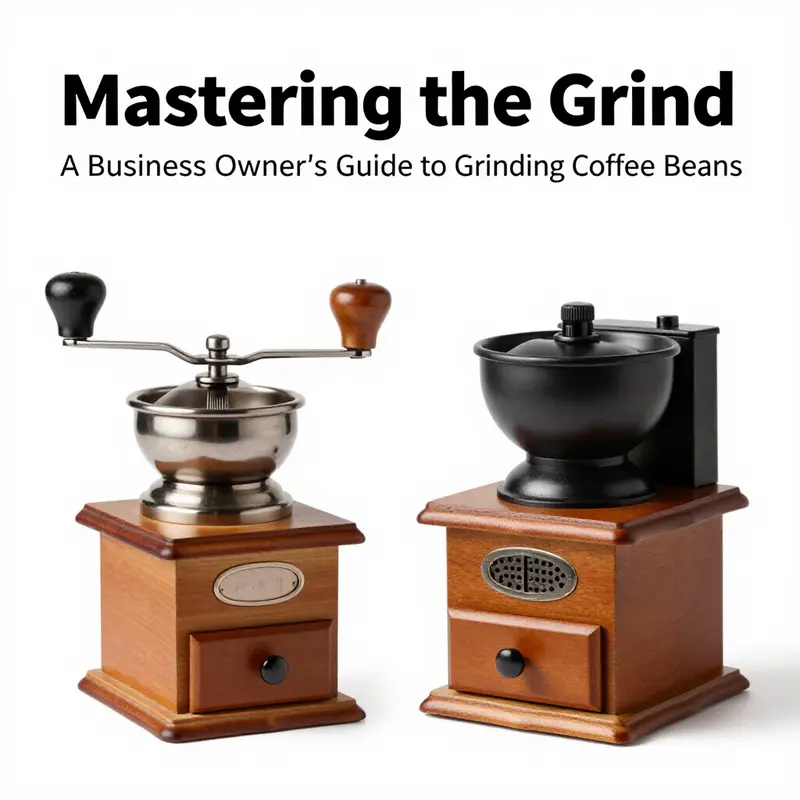
The choice between a manual and an electric grinder often reflects more than a price tag or a convenience metric. Manual grinders reward the brewer with a tactile connection to the process and typically deliver excellent value and portability. They encourage control through the rhythm of hand movement and often feature longer handles that reduce effort over time. Electric grinders, by contrast, punch the clock with speed and convenience, offering a broader range of settings, larger hoppers, and features like anti-static technology and easy-clean designs. When selecting a system, consider how you want to engage with the grind: is it a morning ritual you want to savor slowly, or a quick, dependable routine that slots into a busy day? Either path can yield an excellent cup, provided you maintain a clean machine, use the right grind size for your method, and grind fresh.
The final piece of the puzzle is-to-brew immediacy. Ground coffee should meet hot water as soon as possible to capture the volatile compounds that begin to oxidize the moment the beans crack open. Delays of minutes or hours will dull the intensity and depth of flavor formerly held within the beans. If you’re stacking your morning routine with multiple tasks, you can still protect freshness by grinding just enough for the current brew and setting aside other beans for later. Keeping your beans in a cool, dark place in an airtight container will slow oxidation, but nothing beats the impact of grinding and brewing promptly.
For readers curious about how routines and tasks support independence and daily functioning, consider the broader question of how goals shape everyday actions. This idea translates to the kitchen as a sequence of purposeful steps that empower you to control your environment and outcomes. You can explore further ideas about effective goal setting in the context of daily tasks here: what-goal-setting-strategies-do-occupational-therapists-find-effective/. The point is simple: when you align your grind with your brewing method, you align your actions with your desired flavor profile. You’ll learn to listen to the grind as it becomes a signal for the next step—whether that step is grinding a touch finer for a shot of espresso, or a touch coarser for a refreshing cold brew. And you’ll discover a quiet confidence that comes from understanding how your equipment, your technique, and your timing work together to unlock the fullest expression of the beans you chose.
The journey from whole beans to a cup worth savoring is neither mystical nor magical; it is a disciplined practice that rewards patience and attention. It invites you to treat grinding as a moment of intention, a bridge between what you have and what you want to taste. Keep your grinder clean, measure with care, choose the grind size that matches your method, and grind just before you brew. Expect to taste the difference with each batch you prepare, as you refine your touch and cultivate the sense of curiosity that turns routine into ritual. In the end, the coffee you drink is not only a reflection of the beans but a testament to the care you give to the moment between grinding and sipping.
Grind to Reveal: How Fresh Ground Coffee Unlocks True Flavor
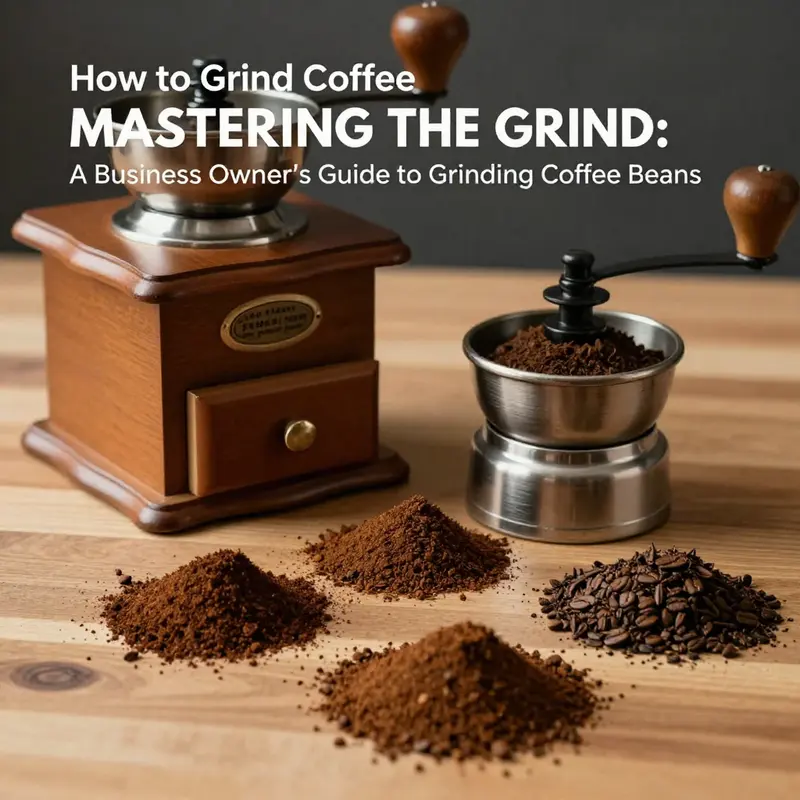
Grinding coffee beans correctly is the hinge on which a truly flavorful cup swings. The moment you begin to grind, you’re awakening aromas and oils that begin to fade within minutes if left untouched. The grinder you choose and the way you wield it become practical levers for flavor. A good grinder does more than simply reduce beans to dust; it shapes the texture that water must navigate, dictating how evenly flavors dissolve and emerge during extraction. This is why the core idea is simple but powerful: grind fresh, grind consistently, and match the grind size to your brew method. When you understand that trio, the rest of the process feels less arbitrary and more like a science of taste, with room for personal preference rather than guesswork. The equipment you use and the technique you settle into form a quiet conversation between bean, grind, water, and time that will determine whether a cup tastes flat or vibrant, bitter or balanced, dull or alive with nuanced sweetness.
Two broad categories define most home grinders: burrs and blades. Blade grinders are often inexpensive and compact, but they tend to chop unevenly. The result is a spectrum of particle sizes rather than a uniform ground that behaves predictably during extraction. That unevenness can leave some portions over-extracted—bitter and harsh—while others remain under-extracted and sour. In contrast, burr grinders slice beans with two sharp surfaces that shear the beans into particles with far more uniformity. Within burrs, conical burr designs are particularly favored by enthusiasts for their ability to produce a cohesive grind that shines when you’re aiming for clarity in the cup. The consistency of particle size matters as much as the size itself because it directly influences how water interacts with the coffee slurry. A uniform bed allows heat transfer and dissolved compounds to proceed evenly, reducing channeling and encouraging a cleaner, more predictable extraction.
The central rule to keep in mind is grind size, not just grind amount. Your brew method defines the target texture. For espresso, where a compact puck and pressurized water force fast extraction, you want a fine, powdery grind—not dust, but a dense, consistent dust that resists quick flow and builds the crema you expect. For drip coffee and pour-over, a medium grind offers a balance between surface area and fluidity, allowing water to dwell long enough to extract richer flavors without stalling or bypassing particles. For French press or cold brew, a coarse grind creates larger particles that water cannot easily compact, enabling a slower, more controlled extraction over many minutes. The logic is intuitive once you picture the grind as the sieve through which water passes. Finer particles clog and over-extract; coarser ones under-extract. The sweet spot exists where the grind and the brew method harmonize, producing a cup that’s neither sour nor bitter but expressive and balanced.
Achieving that harmony requires attention to heat. Grinding is friction, and friction creates heat. A high-speed electric grinder can spin beans quickly and push out a large quantity, but it also builds heat in the chamber. Heat can nudge delicate oils and aromas toward their thermal dimming point, muting brightness and complicating flavor clarity. Models with robust ventilation and well-sealed housings help, as does the habit of grinding in modest bursts rather than a long, uninterrupted run. Manual grinders, by their nature, generate less heat. The hand-crank rhythm invites a steadier pace, more control, and a sensory check: you feel the resistance, you hear the cadence, and you can pause to assess your grind’s texture before continuing. This tactile feedback—the sense of the grind’s coarseness or fineness as you empty the hopper and inspect the particles—becomes part of your brewing intuition. In short, if you’re chasing bright, delicate flavors, gentler, cooler grinding is often advantageous; if you’re chasing speed and convenience, you’ll trade some aromatic vibrancy for efficiency, which makes a well-chosen grind setting even more critical.
Another practical dimension is grind uniformity. A grinder that produces consistently sized particles gives you predictability. When extraction is even, you taste the integrity of the bean’s origin—its fruit notes, caramel sweetness, or cocoa-like finish—without one element overpowering the others. If the grind is inconsistent, you’ll taste what some call over-extracted bitterness and others call sourness in the same cup. The goal is to minimize extremes within the particle distribution. A high-quality burr grinder strives for that uniformity, while blade grinders often struggle to achieve it because the blades cut irregularly, producing a wide range of particle sizes in a single chamber. If you’re serious about flavor, a burr grinder—preferably a conical design—becomes a worthy investment, not only for the consistency it brings but for the refined control it offers over grind settings in real time.
Control and usability also shape your results. Manual grinders, with their longer handles and direct mechanical leverage, invite a slower, more deliberate approach. They are especially appreciated when you want precision in texture and enjoy a hands-on ritual. Electric grinders bring convenience: settings often span a broad range of grinds, sometimes with 18 to 64 options, larger hoppers for bigger batches, and features like pulse modes that let you stop grinding at any moment for a quick check. If you choose electric, look for design elements that mitigate static cling and powder drift, since fine particles can scatter in the chamber and cling to surfaces, affecting dose accuracy. A straightforward cleaning routine—burr removal, chamber wipe-down, and a quick check of the chute—will keep flavor consistent across many grinds and years of use.
Before you turn the grinder, think about freshness. The aroma of freshly ground coffee is a sensory beacon for what’s to come in the cup. The moment beans are ground, their exposed surface area skyrockets, accelerating oxidation. That’s why the best practice is to grind only what you intend to brew within the next 15 to 30 minutes (or even less for highly aromatic coffees). Ground coffee stored in a sealed container will still lose volatile compounds over time, more rapidly than whole beans. So, a practical habit is to measure out the beans, fill the hopper, and grind just enough for one or two cups at a time. This approach preserves nuanced flavors that might otherwise fade with time. The grind size you choose should then be tested through a brief tasting, noting how the cup’s aroma and body change with slight adjustments to texture. Flavor is not a fixed endpoint; it’s a spectrum you actively tune through grind size, dose, and brew duration.
To translate the theory into action, look at how you interact with the dial. If you’re starting from a standard coffee routine, begin with a medium grind for a drip machine or a pour-over setup. If you’re chasing an espresso profile, adjust toward a finer grind, but do so in small increments—finer can be dramatic, and a small turn can make a big difference in extraction time and crema. For a French press, dial toward a coarse setting until the water’s contact with the grounds feels generous and the sediment is minimal in the cup. Remember to grind only what you need for that brew session; the moment you grind too much, you risk the taste becoming either stale or muddled. When you test, pay attention to the water temperature and the extraction time as well. A good grind works in concert with a good brew temperature and a measured pour rate to reveal the bean’s personality rather than masking it.
Maintenance plays a subtler but essential role. A clean grinder prevents stale odors from seeping into future grinds and helps you keep a consistent particle size. Periodic disassembly, a careful brush-out of leftover chaff, and sometimes a light wipe with a dry cloth across the burrs will pay dividends in flavor stability. For manual grinders, the care routine tends to be gentler, while electric models benefit from more thorough cleaning because they accumulate oils in the burrs and the chamber. A well-maintained grinder is a gateway to repeatable results, and repeatable results are the backbone of a dependable home coffee routine. Storage matters too: keep whole beans in a cool, dark place and away from direct heat or strong odors, so they preserve their oils yet remain accessible for a quick grind when you’re ready to brew.
If you want to see the practical flavor implications of a well-managed grind, consider it as a continuum rather than a single moment. The right grind doesn’t just taste good once; it enables you to reproduce a preferred profile across multiple mornings with minimal guesswork. As you gain experience, you’ll find your preferences—slightly finer for a brighter pour-over, a touch coarser for a forgiving morning drip, or a noticeably finer touch when you’re chasing an espresso shot with a lush crema. The process becomes a dialogue with your beans, a conversation you start anew each time you grind. With patience, attention, and a thoughtful approach to grind size, consistency, and freshness, the differences between a mediocre cup and a memorable one become a matter of disciplined practice rather than luck. For those who crave depth and nuance in every cup, the grind is the first instrument of flavor, and mastering it is the quiet art that precedes the brew.
External resource for deeper exploration: for a detailed exploration of grind texture and French press flavor, see the guide on French press coffee grind texture and extraction dynamics at Serious Eats.
From Bean to Brew: Mastering the Grind with Manual and Electric Grinders
From Bean to Brew: Mastering the Grind with Manual and Electric Grinders
Grinding coffee beans is more than a routine step; it is the moment when aroma is set free and flavor begins its journey toward your cup. The grinder you choose, and how you use it, quietly shapes the brightness, body, and balance of what you brew. Whether you turn a hand crank or press a button, the heart of the process lies in controlling size, heat, and consistency. The goal is simple in theory: grind just before brewing, aim for uniform particles, and let the brew method guide the grind setting. In practice, the path to that goal is a careful dialogue between technique and equipment, where patience often yields a richer, more nuanced cup.
Manual grinding invites a tactile discipline that rewards attention to detail. A burr-based manual grinder relies on either conical or flat burrs to shear beans into particles rather than crush them like a blade. Because the beans travel slowly through the burrs, heat buildup stays minimal, typically only a few degrees, sometimes even less than a degree. That reduced heat matters: it slows oxidation and preserves delicate oils and aromatic compounds that define a coffee’s character. The process becomes a quiet ritual, a chance to observe how the bean’s surface texture changes with each rotation of the handle. The technique matters as much as the device. A steady, even cranking speed helps ensure a uniform feed and a consistent grind. Rushing can produce uneven particles, which in turn leads to uneven extraction and a cup that tastes coaxed rather than clear.
In practice, the first step with a manual grinder is to prepare, which means more than just dumping beans into a hopper. It means ensuring the mechanism is clean and free of old oils that might taint fresh coffee. Before grinding, check that the burrs are properly aligned and that the hopper is filled to a level that keeps the feed steady. Full capacity isn’t about loading more for economy; it’s about maintaining a smooth, predictable flow so particles don’t vary wildly from one batch to the next. The real craft of manual grinding is tuning coarseness to the brew you intend to make. The mapping is straightforward if you keep it in your mind as a rule of thumb: coarse for French press, medium for drip or pour-over, and fine for espresso, with the occasional need for a fine-to-medium transition when dialing in a new method. This fine-tuning is not about chasing perfection in a single shot, but about reducing extremes in grind size so extraction remains balanced across the bed of coffee.
A practical manual technique emerges when you condition the grinder to produce consistent results. Begin by filling the hopper completely; a steady feed is essential for even particle size. Then start with a mid-range setting and grind a small amount to test. If the aroma is sharp and bright, you may need a slightly finer grind; if it tastes thin or sour, you might need a touch coarser. The goal is not to maximize speed but to stabilize the particle size distribution. A well-made manual burr grinder often yields fewer fines and less static than you might expect, especially in calm environments. The result is a cup with cleaner clarity, particularly in pour-over or light roasts where the nuance of origin can shine through.
Cleaning after use is not an afterthought. Residual oils left on burrs can accumulate and subtly taint future grinds. A quick brush to remove loose grounds, followed by a gentle wipe of accessible surfaces, can preserve flavor. For many, the ritual of cleaning becomes part of the overall experience, reinforcing the care given to every stage of coffee preparation.
Electric grinders introduce speed and convenience, but they demand a different balance of control and attention. The line between a fast and a flawless grind is drawn by the type of mechanism inside the hopper. Blade grinders, once common, can heat beans rapidly and create an uneven particle distribution. A coarse comparison helps here: blade grinding often produces a mix of shards and dust, while burr grinding, especially with a purpose-built burr system, yields a more uniform slate of particles. The best electric grinders operate with burrs and slow-speed motors that minimize heat. Their design emphasizes stability—precise burr alignment, uniform feed, and a drive system that reduces friction that could otherwise disrupt aroma and flavor.
When using an electric burr grinder, the principle remains the same: grind fresh, grind just what you need, and aim for uniform particles that facilitate even extraction. Several practical techniques help achieve that goal. Do not overload the hopper; overfilling can cause uneven grinding as the beans feed inconsistently under the burrs. If you use a model with adjustable settings, start with a middle setting and test with a sample brew. For espresso, you’ll usually push toward a fine setting; for drip or pour-over, a medium to medium-fine is typical; for French press, you’ll lean toward a coarser grind. The advantage of electric grinders is the repetition they offer. If you maintain the burrs and keep the mechanism clean, you can reproduce a stable grind week after week, a helpful baseline for dialing in a new roast or a new brewing method.
Another characteristic of modern electric grinders is feature sets that aid consistency and usability. Some units include a pulse function, letting you grind in short bursts for more precise control of the amount produced. Anti-static components are helpful because they reduce the stray powder that can cling to the inside of the container, making cleanup easier and the mess smaller. In terms of heat, even the best electric burr grinders introduce some warmth, but the most refined models manage to keep it at bay by spinning slowly or employing clever cooling strategies. The result tends to be a mug that preserves more of the coffee’s delicate aromatics, especially when you’re working with lighter roasts where the perfume of origin is most fragile.
No matter which kind of grinder you choose, the principle that guides all successful grinding remains constant: match your grind to your brewing method, and grind as close to brewing as possible. The relationship between grind size and extraction is direct. A finer grind offers more surface area, leading to quicker extraction, which can tilt toward bitterness if overdone. A coarser grind slows extraction, risking under-extraction if the brew time isn’t adjusted. In practice, a good starting point looks like this: for French press, aim for a coarse, walnut-sized texture; for pour-over, a medium-coarse that resembles granulated sugar; for espresso, a fine, consistent texture close to table salt; for AeroPress, a medium grind often serves well, with adjustments based on immersion time. These guidelines are not rules carved in stone; they are starting points. The real work is tasting, adjusting, and re-tasting until you find the balance you prefer, while keeping the grind fresh and the equipment clean.
Beyond technique, the decision between manual and electric comes down to priorities. Manual grinding rewards you with flavor purity and ritual, along with lower energy use and portable convenience. Electric grinders offer speed, consistency, and the ability to grind larger quantities with less physical effort. The choice rests on what you value most: the sensory discipline of a slower process or the reliability of a rapid, repeatable one. Regardless of which path you pursue, keeping a few habits in mind will help you stay on track. Grind only what you plan to brew within a short window to preserve volatile aromatics. Keep the grains and the equipment dry, and store beans properly to maintain their edge. And, perhaps most important, stay curious. Small changes in grind size, dose, or contact time can reveal a surprising spectrum of flavors that remind us coffee is a living conversation between bean, tool, and method.
As you continue your exploration, let the grinder be an instrument that reveals the coffee’s personality rather than obscure it. The best practices—fresh grinding, uniform particle size, appropriate grind setting for the method, and meticulous cleanliness—create a foundation on which every brew can improve. The rest is discovery: how a touch finer or a touch coarser reshapes the cup, how a longer bloom in pour-over can unlock sweetness, how a slightly cooler cup can carry more fruit and acidity without sacrificing body. The journey from bean to cup is longer than a single step, but it begins with a deliberate, mindful grind. And when you approach it with patience, your daily ritual becomes not just a routine, but a practiced conversation with coffee itself.
For readers seeking a deeper dive into the science behind grinding and extraction, a respected external resource offers further insight into how grind size, particle distribution, and brew method interact to shape flavor. For a thorough exploration of these concepts, see The Coffee Review’s Grinding Guide: https://www.coffeereview.com/learning-center/grinding-guide/.
Fresh Ground, Even Brew: Mastering Freshness and Uniformity with a Coffee Grinder
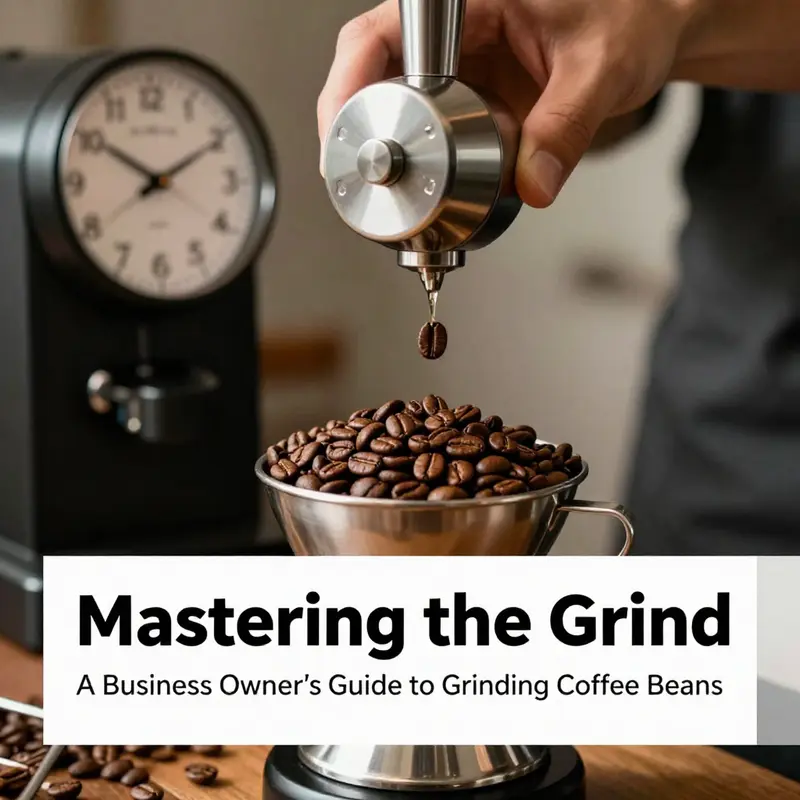
Grinding coffee beans is more than a mechanical step; it’s a gatekeeper to aroma and clarity of flavor. When you crack the beans just before brewing, you are releasing a spectrum of volatile compounds that define the coffee’s character. The moment the burrs first touch the beans, the air fills with a fragrant promise that begins to fade within minutes if the grind sits idle. That scent is not just perfume; it’s the mind’s cue to a broader truth about extraction: the more volatile compounds available, the more nuance you can coax from the beans through proper contact with water. Because aromas degrade so quickly once grinding begins, the choice of grinder becomes almost as important as the coffee itself. A good grinder does not simply chop; it shapes the surface structure of the bed, delivering a matrix of particle sizes that water can navigate. In the end, the goal is a balance—ground coffee that feels fresh, lively, and coherent with the method you plan to use.
Two broad families of grinders shape your results: blade and burr. Blade grinders rough-cut the beans with a spinning blade, generating uneven fragments and a lot of fine dust. Those fines clog filters and accelerate channeling, which leaves you with a muddy taste and unpredictable strength. Burr grinders, by contrast, crush the beans between two abrasive surfaces, producing a more consistent particle size. Within burrs, the geometry matters: conical burrs tend to produce fewer fines and a smoother distribution than flat burrs, which helps especially when you favor manual control or breathe the brew of a French press. Manual burrs offer tactile feedback and a slower, more deliberate grind, which many enthusiasts equate with greater engagement and a sense of ritual. Electric burr grinders, on the other hand, bring speed and convenience to daily routines. They often feature a broad range of grind settings and larger hoppers, plus innovations like pulse modes and anti-static interiors that reduce stray coffee dust. The central idea is not speed but uniformity and freshness.
Before you grind, prepare the grinder. Cleanliness matters because even tiny residues can alter flavors, especially when switching beans. Wipe the interior of a manual grinder with a dry cloth; for electric models, consult the manual for a proper cleaning routine. Open the bean hopper and pour in the beans you intend to brew—usually only enough for one or two cups to preserve aroma. The grind size dial, slider, or selector is your primary tuning knob. Align it with your brew method: fine for espresso, medium for drip and pour-over, coarse for French press or cold brew. When you start grinding, the approach differs by mechanism. With a manual grinder, turn the handle steadily until the beans are ground to the desired consistency. With an electric grinder, press the button and let the chamber empty, using a pulse if you want more command over the exact output. The guiding principle remains consistent: grind what you will brew, and do it close to the moment of contact with water.
Now consider the science of uniformity. A truly uniform grind yields an even bed, and an even bed gives water a steady path through the coffee. When particles vary greatly in size, water pockets form around fines while larger fragments resist extraction, leading to a cup that tastes thin, sour, or bitter in patches. For a method like French press, the balance tilts toward a coarse, uniform grind so that the coffee extraction occurs evenly against the metal or glass filtration. Conical burrs are particularly well suited here because they limit fines and keep a consistent particle distribution. For that reason, many cafés and home baristas who pursue a clean, robust cup with a French press lean toward burr grinders, rarely those with blades. Yet the message remains universal: if the grind is uneven, even perfect water temperature and technique can’t compensate for the mismatch between bed and brew. The taste will betray the inconsistency, and the overall experience will feel less coherent.
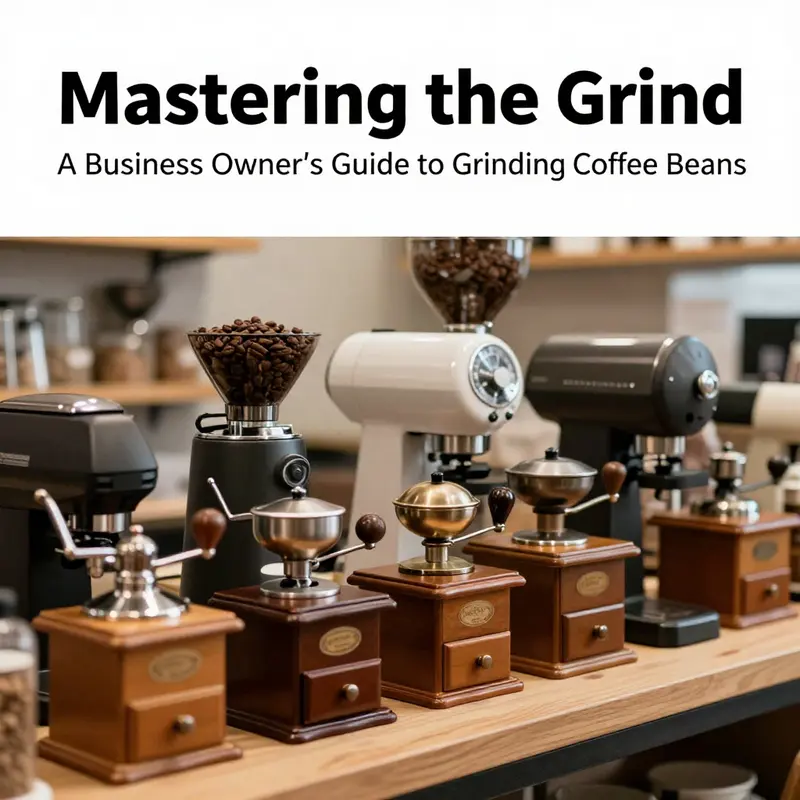
Choosing the right grinder hinges on your priorities. Manual burr grinders present excellent value, portability, and the satisfying rhythm of a measured grind. They are forgiving to learn and can deliver a remarkable degree of control when used with patience and a steady hand. Electric burr grinders, on the other hand, bring speed and convenience to daily routines. They often feature a broad range of grind settings and larger hoppers, plus innovations like pulse modes and anti-static interiors that reduce stray coffee dust. The trade-off is usually a bit more noise and a dependence on electricity, yet these grinders can maintain a level of consistency that makes them well-suited to a busy kitchen. The core criterion, again, is freshness and uniformity: no matter the mechanism, ground coffee should be produced close to the moment of brewing, and the particle field should be nearly uniform. If your grinder can keep that promise, it becomes a reliable ally in shaping flavor rather than simply a tool for chopping beans.
Practical workflow matters as much as equipment. Start with clean gear, then measure a sensible amount of beans for the brew you plan. Pour into the hopper and adjust the grind size in small increments to dial in your method. When you hear the difference between a crack and a hiss as you start grinding, you are feeling the grind’s impact on aroma and flow. The pulse function on an electric grinder can help you carve the output to a precise amount or to a moment in a timed grind, while a manual grinder rewards consistency and attention. A key habit is to monitor the bed’s surface. If you see powdery dust coating the counter, you may be dealing with static or fines that can muddy the cup. In that case, pause, switch to a coarser setting, and reduce the rate. Cleanliness, patience, and a clear sense of your preferred brew method will keep your grind more uniform over time.
Finally, the taste test is the true arbiter. A fresh, uniform grind should yield a cup that is balanced and expressive, with each sip revealing sweetness, acidity, and body in proportion. If the cup reads sour, you may be under-extracting because the grounds are too coarse or uneven in size; if it tastes bitter, the grounds may be too fine or over-extracted. The beauty of a well-ground bed is that you can tune the variables—grind size, bed density, and brew time—without fighting against inherent inconsistencies. The same approach works for the majority of home setups: invest in a grinder that yields consistent particle sizes, grind beans just before brewing, and adjust the setting thoughtfully to match the method you admire most. The goal is not to chase a flawless lab result but to cultivate a reliable, repeatable routine that lets you savor the inherent character of your beans. In practice, the most important act is the one you perform every time you wake up with a fresh bag of beans: grind with intention, brew with discipline, and taste with curiosity.
External resource: For further insights on achieving even grind without expensive gear, see the following guide: https://www.brewcoffee.com/guide/how-to-grind-coffee-beans-evenly-without-an-expensive-grinder-hacks/
null
null
Final thoughts
Mastering the grinding of coffee beans is crucial for any business owner who aims to provide an exceptional coffee experience. Understanding the general steps, prioritizing freshness and uniformity, and distinguishing between manual and electric grinders allows you to tailor your approach based on your specific business needs. As you select the right equipment and implement effective grinding techniques, you will enhance not only your coffee quality but also your brand reputation. Equip yourself with the right knowledge, and let every cup of coffee served speak volumes about your commitment to excellence.