
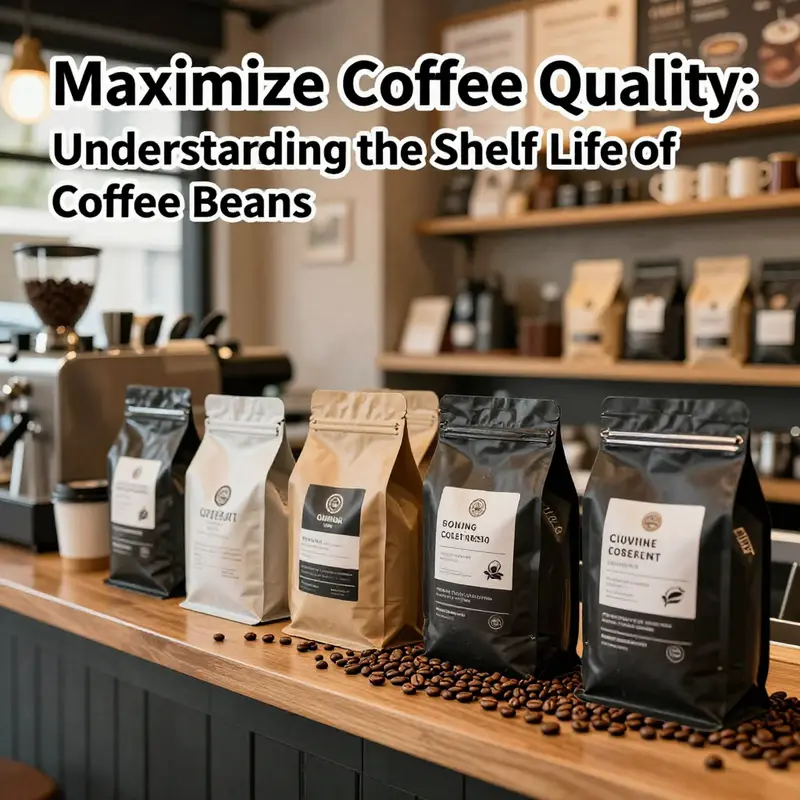
The quality and flavor of coffee are heavily influenced by the freshness of the beans, making it crucial for business owners to understand how long their coffee remains good after roasting. Freshly roasted coffee offers unparalleled flavor and aroma, giving consumers the rich experience they seek. However, post-roast, various factors contribute to the longevity and quality of coffee beans. This article will delve into three core areas: the optimal freshness duration of coffee beans, the mechanisms behind flavor degradation, and the ideal storage conditions to maximize longevity. Each chapter will provide insights enabling business owners to maintain their coffee offerings at peak quality, ensuring customer satisfaction and brand loyalty.
Beyond the Roast: Tracing the True Freshness Window of Coffee Beans and How to Extend It
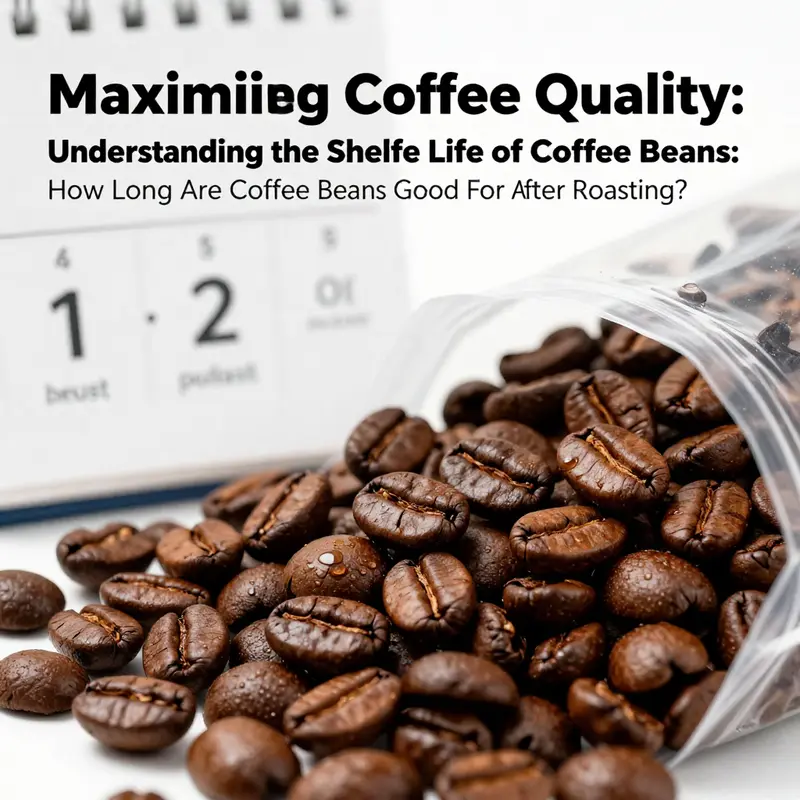
The journey of a coffee bean from its roast to the moment it touches the palate is a study in timing, science, and sensory memory. Freshness is not a single moment but a fading spectrum. When coffee beans leave the roaster, they begin a rapid, ongoing dialogue with air, light, and temperature. Understanding how long they stay at the peak of flavor helps us align our brewing rituals with their natural chemistry. For many coffee lovers, the sweet spot is a narrow window, and everything after that window is a careful balancing act between practicality and quality. This chapter traces that window with a practical compass—what happens in the first two weeks, how flavors drift as oxidation advances, and what strategies can press the pause button on flavor decline without turning the beans into mere caffeine delivery systems.
In the immediate aftermath of roasting, coffee beans display a vitality that is both audible and aromatic. The released CO₂, a byproduct of the roasting process, carries with it volatile compounds that contribute to the lively brightness, the zesty acidity, and the intricate bouquet that characterizes a well-roasted batch. Within days, the beans begin to settle. The aroma shifts from a bouquet of fresh, fruity, or cocoa-like notes to something more muted, as the very compounds that gave the cup its lift start to escape or oxidize. The Specialty Coffee Association has highlighted that peak flavor and optimal freshness emerge most clearly in the 7 to 14 day period after roasting. This two-week arc represents a balance where the bean’s aromatic oils are still vibrant, yet the degassing process has slowed enough that the aromas remain stable enough to be measurable and perceivable in the cup. The two weeks are not a universal verdict—roast level, bean origin, packaging, and storage all color that line—but they offer a reliable, evidence-backed frame for home storage and consumption.
The freshness timeline can be thought of as a continuous slope rather than a cliff. Days 1 through 7 are the peak, where the bean’s internal chemistry and surface oils combine to produce a bright, lively cup with clear acidity and nuanced sweetness. Between days 7 and 10, most tasters notice a subtle shift: brighter top notes may recede, while mid-palate sweetness and body can still carry through. By days 11 to 14, the decline becomes more noticeable. Aromatic intensity wanes, brightness softens, and the perceived depth of flavor can flatten. After this two-week window, the everyday kitchen becomes a less forgiving environment. The bean’s quality does not vanish instantly, but the rate of change accelerates under common storage conditions, especially if oxygen is creeping into the container, or humidity, heat, or light intrude.
The physics behind this shift is straightforward, even if the tasting notes are nuanced. Fresh coffee beans are a complex cocktail of volatile oils, acids, and aromatics, all perched on the surface and within the cellular structure of the bean. When roasted, these compounds undergo rapid degassing; as CO₂ escapes, the pressure on the bean’s oily surface eases. Oxygen commingles with the exposed surfaces, triggering oxidation that gradually dulls aromatics and mutates flavor compounds. Heat acts as an accelerant, speeding both degassing and oxidation, while light can degrade exposed oils and fade delicate notes. Moisture intrusion from a humid environment can invite mold or stale flavors, especially if the container isn’t airtight. Under ideal conditions—dark, cool, dry storage in an airtight vessel—the degradation slows, but the clock continues to tick. In practice, this means the two-week window is a practical gold standard for savoring coffee at its freshest, with the option to extend life slightly under careful storage practices, and with the understanding that long-term storage demands a different set of trade-offs.
Quality, then, is a function of both time and circumstance. The NCA’s guidance notes that roasted beans retain their best flavor for about a 30-day horizon post-roast, but they remain usable for several months if stored correctly. The Specialty Coffee Association’s emphasis on the 7 to 14 day peak, paired with prudent long-term storage methods, provides a practical latticework for home enthusiasts who want to maximize every bag they open. It is important to recognize that these are guidelines rather than absolutes. The exact duration of peak freshness is shaped by roast level and bean personality. A light-roasted batch, prized for its crisp acidity and nuanced floral or fruity notes, tends to lose those signature edges more quickly when exposed to air, temperature swings, or irregular storage. Darker roasts, while still sensitive to oxygen, can mask some volatility through more robust oil content and body, often giving a longer perceived shelf life in a casual tasting. Even then, the underlying principle is the same: minimize oxygen exposure and protect the beans from heat and light to preserve the delicate balance of aromatics.
A core misconception is that the bean’s life ends in two weeks; in reality, the flavor voyage continues, but with diminishing intensity and clarity. This is where storage becomes a crucial third variable. An airtight container is not a magical shield but a practical tool. It slows the ingress of air, preserving aromas longer than an open bag would. A cool, dark location helps maintain chemical stability by reducing heat-induced reactions. Moisture is the silent destroyer; even slight humidity can foster microbial growth or alter the structural integrity of the beans, leading to uneven extraction or off-flavors. Many home setups benefit from simply avoiding the refrigerator altogether for whole beans unless the kitchen environment cannot be kept at a stable cool temperature. Fridge cycles and moist air can paradoxically speed up flavor loss, as condensation can introduce water into the coffee’s surface and expand the beans’ exposure to oxygen when moved between environments.
The ground coffee scenario reinforces the urgency of timing. Once ground, the surface area of the bean is vastly increased, inviting oxygen to reach more of the coffee’s interior more quickly. In practical terms, ground coffee often begins to lose its best flavors within minutes to a few hours after grinding if left exposed. The recommended approach is to grind only what you plan to brew in that session, or to employ a grinder with a reliable seal and store ground coffee in a way that minimizes air contact if you must keep it for a day or two. The idea of keeping ground coffee “for later” usually means diminished but not non-existent flavor; a portion of the delicate aromatics will have already begun to decline, and the cup may taste flatter or more one-note than a freshly ground cup. The bottom line for ground coffee is urgency: grinding should be the last step before brewing for the best possible expression of the bean’s character.
For those who need to extend the practical life of coffee beans beyond the two-week window, freezing can be an effective strategy when done with care. Freezing is not a magic potion; it is a method to drastically slow chemical reactions that cause aroma and flavor loss. The key is to minimize moisture and air exposure by using airtight, vacuum-sealed packaging and portioning the beans into smaller, single-use amounts. Each time a bag is opened, the beans are exposed to air again, which is why portioning helps reduce the number of times the beans are repeatedly thawed and re-exposed. When removing beans from the freezer, it is wise to let them return to room temperature while still sealed to prevent moisture condensation on the surface. Thawing should be gradual, and once thawed, the beans should be brewed from that batch promptly. This approach is widely recommended for long-term storage of roasted coffee, though it is not a substitute for fresh roasting or for the two-week peak window when you want the most expressive cup possible.
In practice, many home roasters and dedicated brew enthusiasts maintain a simple rhythm that respects the bean’s life cycle. They purchase in smaller quantities that align with their weekly or biweekly consumption, store the beans in opaque, airtight containers in a cool cabinet away from heat sources, and plan their roast dates to ensure a continuous supply of beans within the peak window. They grind only what will be used in the next hour and keep a separate stash of whole beans for future use, kept properly sealed and, if needed, frozen in measured portions. This approach requires attention to date labeling and a little discipline, but it yields consistently better results than attempting to “save” coffee by leaving it in an oversized bag for weeks on end. The difference is not just about taste; it is about minimizing waste and preserving the integrity of the roast’s intended flavor profile.
An important nuance concerns roast level and bean origin. Lighter roasts, with their higher retention of volatile acids and delicate aromatics, tend to show a sharper decline as soon as oxidation begins to take hold. Medium roasts sit in a middle ground, balancing brightness and body, and their flavor can remain generous for a longer portion of the two-week window if stored properly. Dark roasts, which often carry stronger body, oilier surfaces, and less volatile acidity, may appear more forgiving in casual storage but can still lose nuance quickly if exposed to heat, light, or air for extended periods. These differences underscore the value of tailoring storage and consumption strategies to the specific beans you love—knowing that a bag of bright, single-origin, lightly roasted beans may demand a tighter consumption window than a bold, chocolatey, dark-roast blend.
Several practical considerations emerge from this synthesis. First, the container matters. A true airtight vessel with a one-way valve is ideal, especially for freshly roasted beans still releasing CO₂ vigorously in the first days after roast. A value-forward approach might combine a thick, opaque container with a separate, smaller bag for freezing portions. Second, the environment matters. A dark, cool, dry cupboard with stable temperatures offers the best baseline for preserving flavor. Avoid areas that experience temperature swings, such as near ovens, windows, or dishwashers. Third, the distance from harvest or roast date to the cup matters. A clear labeling system that records roast or bag date helps track the bean’s age and determine whether it is still within the peak window for your preferred brewing method, be it pour-over, immersion, or espresso.
From an experiential perspective, translating these guidelines into a daily practice can transform how you experience coffee. If you notice a cup that feels brighter, more complex, and lively within the first week, you are likely tasting the coffee at or near its top expression. If a brew seems less vibrant or if the acidity feels flat or even dull compared with the same beans brewed a few days earlier, you are not imagining a temporary sensory shift; you are witnessing the natural drift as the bean loses some of its most fleeting aromatics. The challenge is to recognize the moment when the cup’s charisma aligns with your taste preferences and to plan your purchases and storage around that moment rather than insisting on a universal standard for every batch. This is less about chasing a single ideal and more about embracing a flexible routine that respects the bean’s chemistry while honoring your own brewing method, whether it’s a delicate filter or a robust manual espresso.
A final note on timing and intention: freshness is not a fantasy in which the perfect cup arrives with every bag. It is a relationship with time and technique. The two-week peak is a reliable north star, but the distance you travel from roast to cup depends on your routine, your storage environment, and your willingness to adjust. If you enjoy the experience of tasting coffee as a living, evolving product, you will learn to read the signs: a bouquet that shifts toward chocolate, a brightness that softens but remains pleasant, a texture that emphasizes mouthfeel and sweetness rather than sharp, fleeting sharpness. These are the signs that the coffee is still performing well, even if it is past the initial spark of its youth. Conversely, when a cup tastes dull, flat, or stale, the evidence points to oxygen exposure, heat intrusion, or moisture ingress, all of which hasten the deterioration process.
For readers who wish to explore related conversations about careful handling and long-term outcomes in other domains, a related internal resource can offer broader perspectives on disciplined care and consistent practice: 17-careers-for-helping-people. This link is provided as a complementary touchstone, inviting readers to reflect on how steady routines, attention to nuance, and thoughtful stewardship apply across fields. The intent is not to distract from the central topic but to acknowledge that the craft of preserving quality—whether in people, products, or produce—rests on the same foundational habits: reduce unnecessary exposure, respect the environment, and plan ahead so the best moments remain accessible when you want them.
In closing, the practical truth remains clear: for the best possible coffee experience, target the two-week window after roasting for peak flavor, and employ careful storage strategies to extend your enjoyment beyond that window without sacrificing too much aroma or nuance. If circumstances require longer storage, freezing in airtight, portioned supplies can preserve much of the bean’s integrity, provided that you control moisture and avoid repeated thawing. When you do brew, consider the roast level, the origin, and the intended brew method, and allow your technique to honor the bean’s stage in its life. Freshness is a moving target, but with thoughtful planning, it becomes a reliable ally rather than a distant ideal. The cup that follows will feel timely, expressive, and satisfying—precisely because it was given the conditions to shine when it mattered most.
External resources for deeper exploration of storage best practices can be found at the Specialty Coffee Association’s guide, which provides a comprehensive overview of how to store coffee beans for maximum freshness at home: https://sca.coffee/learn/best-way-to-store-coffee-beans-for-maximum-freshness-at-home. This external reference complements the nuanced guidance presented here and invites readers to translate the science of freshness into everyday practice, encouraging experimentation with timing, containers, and temperature in a mindful pursuit of a consistently excellent cup.
The Oxidation Clock: Understanding How Long Roasted Coffee Beans Stay Flavorful
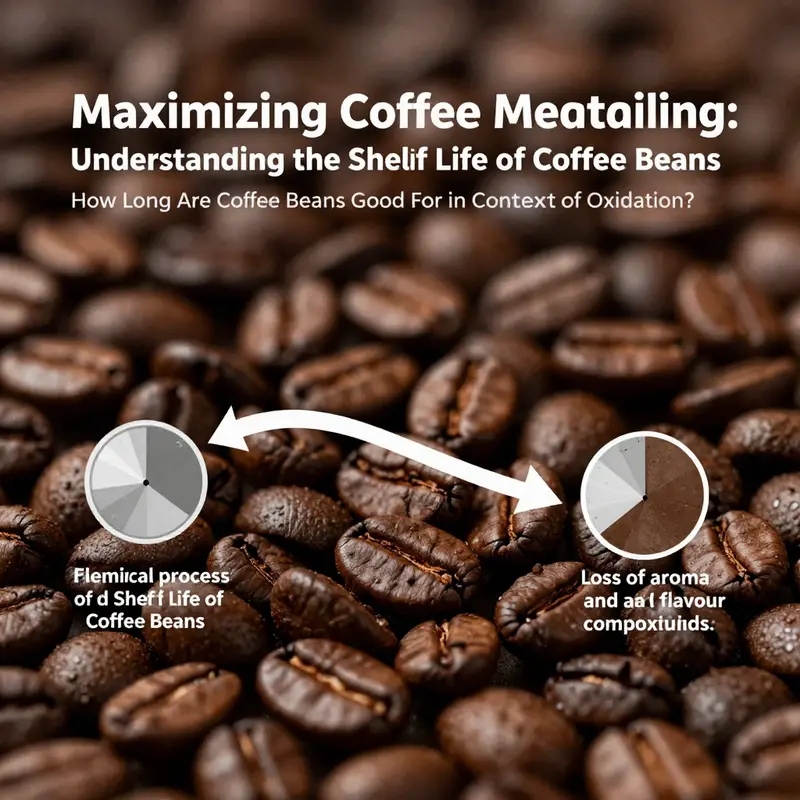
Freshly roasted coffee carries a scent that seems almost tangible, a mix of sweetness, fruit, chocolate, and toasted warmth that invites immediate brewing. Yet that invitation is not an open-ended invitation. The clock starts ticking the moment the beans exit the roaster, and the mechanism driving the countdown is oxidation. In a world where the science of flavor has grown more precise, the path from peak aroma to dull cup is not a mystery but a predictable arc shaped by chemistry, packaging, and temperature. To understand how long coffee beans remain good for, one must untangle the interplay of volatile compounds, carbon dioxide release, and the slow but persistent contact with air. This journey does not pretend to give a single universal time frame; rather it maps the flavor trajectory across weeks and months, offering a practical framework for roasters, retailers, and home brewers alike who want to maximize the sensory potential of every batch.
In the immediate aftermath of roasting, the beans carry a robust, sometimes celebratory aroma. The surface of the bean, still warm, holds residual CO2 that is energetically escaping into the surrounding air. That CO2 is more than a simple byproduct; it acts as a temporary shield, reducing the degree of oxidative attack by limiting how quickly oxygen can dissolve into the bean’s microstructure. As CO2 dissipates, the bean becomes more permeable to oxygen, and the oxidation process accelerates. It is this oxidation that gradually strips away the very compounds that give coffee its characteristic depth. The volatile esters, aldehydes, and terpenes—the compounds responsible for bright fruit-like notes, citrusy tang, and the delicate floral top notes—begin to decline. The result is a cup that tastes less vibrant, less nuanced, and more one-note overall. This is not about safety or spoilage in a pathogenic sense; coffee beans do not become dangerous to drink because of time alone. Rather, they lose flavor and aroma, becoming what tasters describe as flat, stale, or dull.
To grasp the flavor trajectory, it helps to anchor the discussion in the window most often cited by researchers and industry bodies. The sensory peak is a delicate window, typically recognized within a few weeks after roasting. The exact timing varies with bean origin, roast level, and storage conditions, but a consistent pattern emerges: the period from roughly two to four weeks after roasting is where the beans emit the most complex and lively flavors. Some organizations emphasize a slightly longer horizon, suggesting that three to four weeks is the practical apex for peak flavor when storage is ideal. The reason for this nuance lies in the chemistry of oxidation. While not linear, the loss of volatile compounds accelerates as oxygen penetrates deeper into the bean and interacts with a broader suite of aroma molecules. The result is a gradually flatter aromatic profile and a shift in acidity and body that can surprise even seasoned drinkers who thought they had mastered the art of timing a cup.
This does not mean the clock stops at four weeks. In fact, the best practice guidance from credible sources is clear on one point: proper storage can slow, but not halt, oxidation. An airtight, opaque container, kept away from heat and light, dramatically reduces the rate at which fresh flavors evaporate. In a controlled home environment—where temperatures hover fairly steadily and exposure to air is minimized—beans can remain enjoyable beyond the initial peak period. The National Coffee Association USA reinforces a similar principle, noting that roasted coffee beans retain their best flavor for up to 30 days post-roast, while remaining usable for extended periods if stored correctly. The contrast between “best flavor” and “usable flavor” is important. It recognizes that coffee can stay within a safe, drinkable range long after the peak aroma has faded, but the sensory experience, the bouquet of esters and terpenes that carried the cup from vibrant to vibrant, will be diminished.
The flavor loss is not simply a one-dimensional decline in aroma. It is a complex deconstruction of the bean’s flavor chemistry. As oxidation progresses, the leading actors—fruity and floral notes—fade, but other notes may emerge or intensify in unusual, sometimes less desirable ways. Some tasters report a sweeter, toastier profile as certain aldehydes degrade into other compounds, while other notes that once danced in the foreground recede into the background. This shift does not necessarily mean the cup becomes undrinkable; it often means the coffee changes character. For some drinkers, the new profile is acceptable or even preferable in certain contexts, such as a bold espresso where depth and a certain roasted intensity can carry the drink. For others, especially those who seek a bright, nuanced cup with high acidity, the deterioration can feel like a narrowing of possibilities.
From a practical perspective, the optimal window for enjoyment is thus twofold: the immediate sensory crescendo in the first two to four weeks and, with caveats, a longer, more muted phase where flavor remains accessible, albeit diminished, provided the storage conditions are respectful of the bean’s fragility. The SCA emphasizes that while the oxidation process cannot be stopped, careful storage can slow it. Vacuum-sealed or nitrogen-flushed packaging represents a notable advancement in extending the window of acceptably fresh flavor. In such circumstances, it is not unusual for beans to retain acceptable flavor for up to six months, though the quality will still erode gradually. The important distinction here is not a binary good/bad label but a spectrum of flavor intensity and aroma. After roughly half a year, the coffee is typically described as stale, and while it remains safe to consume, that sensory vitality may be irretrievably lost.
Even when the clock shows a significant advance toward staleness, the concept of safety remains distinct. Coffee beans do not spoil in the sense of harboring pathogens or dangerous molds when stored properly. The concern is primarily sensory: aroma compounds degrade or transform, and the solubility dynamics of the grounds change as oxygen alters their surface chemistry. For this reason, the guidance on storage emphasizes controlling exposure: a cool, dark, dry environment, with containers that minimize air exchange. The basic tenet is simple and well-supported by research: store roasted beans airtight and away from light, heat, and moisture. The challenge, of course, is translating that principle into a kitchen routine that accounts for real-world variables—home temperature fluctuations, the frequency of opening the container, and the volume of beans in play when guests arrive or when weekly coffee rituals become more elaborate.
To translate these principles into actionable practice, one must consider the different states of the bean and the way storage interacts with them. A bag that has been roasted and then ground partially for immediate use has a different longevity compared to an entirely unused, whole bean batch sealed in a vacuum. Ground coffee, with its vastly increased surface area, oxidizes at a much faster rate, exposing a larger fraction of its volatile compounds to the air. In other words, the choice to grind in advance is itself a predictor of a shorter flavor window. If flavor fidelity is the goal, grinding should occur just before brewing, with the grounds consumed promptly to preserve the delicate aromatic matrix. For whole beans, keeping them whole and only grinding as needed helps maintain aroma and flavor for a longer period, particularly when a proper storage system is used.
Consider the role of packaging beyond mere containment. Modern packaging, especially vacuum-sealed or nitrogen-flushed formats, can meaningfully extend the period in which the beans retain acceptable flavor. These strategies reduce the partial pressures of oxygen that drive oxidation, effectively slowing the chemical clock. Yet even the best packaging cannot reverse oxidation already underway. The bean remains subject to the inexorable trend toward flavor loss as long as air can contact its interior through imperfect seals or through repeated opening and closing. For households and small roasteries alike, this underscores a practical rule: minimize air exposure by decanting the beans into a robust, opaque container and limiting the number of times the container is opened. A steady routine—roast date labeled clearly on the bag, a predictable rotation of batches, and a storage environment that remains as constant as possible—helps keep the flavor curve favorable for a longer stretch of time.
A further layer of consideration emerges when we juxtapose roasted beans with the idea of long-term storage. Some enthusiasts and professionals gravitate toward freezing or refrigerating beans in hopes of preserving freshness. The conventional wisdom advises against frequent temperature cycling: heating and cooling can cause condensation and moisture migration into the beans, potentially accelerating spoilage or at least triggering flavor changes that many tasters find undesirable. Freezing can be appropriate in certain circumstances, such as when large quantities must be preserved for extended periods, but it requires meticulous handling. The key is to keep beans frozen solid in their original, airtight packaging and to thaw them gradually in a controlled manner, avoiding repeated freezing and thawing cycles. This approach aligns with the broader message: to preserve flavor, manage oxygen exposure and temperature fluctuations with discipline.
In practical terms, the recommended approach for a typical home or small café setup is multi-layered advice that blends the science with daily routine. First, roast dates should be clearly annotated on each bag, with the beans stored in a clean, opaque container that minimizes air exchange. Second, keep the storage area cool and out of direct sunlight, ideally in a cabinet away from the oven or other heat sources. Third, avoid the fridge as a default storage solution; cool, stable room temperature is generally superior for whole beans. Fourth, if you buy in bulk or stockpile, consider portioning the beans into smaller, airtight vessels so that you never expose more beans than necessary when you open the container. Finally, understand the trade-off between convenience and flavor: grinding on demand delivers the fullest expression of the bean’s current aromatic potential, while pre-ground beans offer convenience at the cost of a shorter identity window.
Another practical consideration concerns the types of flavors one wants to preserve or emphasize. For darker roasts, the aromatic compounds may already lean toward roasted, chocolatey, and smoky notes, which can persist longer under less-than-ideal storage. Lighter roasts, which lean more heavily on bright acidity and nuanced fruity or floral notes, tend to be more sensitive to oxidation and thus require stricter control of environmental factors. The same general rules apply, but the impact may be more noticeable in a lighter, more delicate cup. In a sense, the roast level interacts with the oxidation clock, shaping the flavor trajectory over the weeks that follow roasting. This is not to say that dark roasts are immune to flavor degradation; it simply means the perceptual impact of a given level of oxidation can vary with the baseline flavor profile established at roast.
What does all this mean for the question of how long coffee beans stay good for? It means that there is a meaningful, scientifically grounded range that should guide the planning of purchase, storage, and brewing. Peak flavor is most reliably harvested in the first two to four weeks after roasting when the environmental conditions are favorable. Beyond this window, the rate of flavor loss accelerates, though the beans remain drinkable under proper storage for a longer stretch. It is within this longer stretch that the guidance from the Specialty Coffee Association becomes especially relevant: while the flavor peak may have passed, well-stored beans can maintain acceptable flavor for up to roughly six months. After that, while still safe to consume, the sensory experience often begins to drift into a stale, dull realm that can disappoint even the most forgiving palate. The National Coffee Association’s language—best flavor within 30 days post-roast, usable for several months if stored correctly—appears consistent with this broader, evidence-informed framework. In short, the clock does not give a single verdict but rather a gradient: the sooner one uses the beans after roasting, the more likely they will deliver a vivid and complex cup.
From a tasting perspective, this nuanced schedule matters. It invites a more intentional approach to sourcing and consumption: buy smaller batches in alignment with the anticipated consumption rate, and rotate storage practices to reflect the bean’s place on the clock. It also invites experimentation. Coffee is a living product, and even with strict storage regimes, there remains room for personal preference. Some tasters might notice that a slightly aged bean offers a different, perhaps more roasted or chocolate-forward profile, which can be enjoyable in certain brewing methods. Others will insist that the peak must be captured within a precise window to maximize terroir and origin character. The truth is that flavor perception is dynamic, and our storage choices can subtly nudge the profile in one direction or another. What remains constant is the underlying chemistry: oxidation remains the main driver of flavor decline, and the steps we take to limit oxygen exposure, light, heat, and moisture determine how gracefully the beans age.
In shaping an approach to coffee bean longevity, it can be helpful to think of the flavor lifecycle as a spectrum rather than as a strict deadline. At the far left, immediately after roasting, the cup is at its freshest, most expressive. Moving right along the spectrum, the flavor becomes progressively more muted but can still deliver a satisfying experience, especially for those who favor body, roast intensity, and a bolder finish. By the time the midpoint of the recommended window arrives, the balance between aroma and taste is delicate; high-quality storage can preserve the most important aspects of the cup, but it requires care. At the far right, the beans have become what many professionals consider stale or past their prime in terms of peak flavor. Yet even there, with the proper expectations, a cup can still offer enjoyment, albeit in a different, less nuanced way than a freshly roasted batch would.
The science of oxidation in coffee beans is a vivid reminder that flavor is a physical and chemical heritage as much as it is a sensory experience. The aromatic matrix that defines coffee is fragile, and its preservation hinges on controlling a few simple but potent variables: oxygen, light, heat, and moisture. A well-sealed, opaque container that sits in a cool, stable corner of the kitchen can maintain a bean’s personality more effectively than a loosely closed bag left on the counter. Ground coffee, with its greater exposed surface, is a faster traveler on this journey and benefits even more from immediate grinding and prompt brewing. The first two to four weeks after roasting remain the period where the bean’s strongest, most intricate flavors are most reliably accessible, but with disciplined storage, a longer, if quieter, flavor presence is possible. For those who value consistent flavor expression over convenience, the recommended approach is straightforward: roast or buy in measured quantities that can be used within a few weeks, store in a dark, airtight vessel, avoid contamination and temperature shocks, and grind only as needed.
In closing, the oxidation clock that governs roasted coffee beans is a practical, science-backed framework for understanding why flavor changes over time and how to manage those changes effectively. It is not a punitive schedule but a guide toward achieving consistently better cups. By recognizing the peak window and employing robust storage strategies, coffee lovers can respect the bean’s natural trajectory while still enjoying a flavorful cup out of most batches. The result is not only a better coffee experience but a clearer appreciation of the delicate chemistry at work in every roast.
External reference: Best Practices for Roasted Coffee Storage
The Timelines of Freshness: How Long Coffee Beans Stay Good When Stored Properly
Roasted coffee beans carry a fleeting treasure with them—the aroma of a fresh roast, the glow of surface oils, and the bright spark of acidity that makes a cup sing. Yet time does not stand still for beans any more than it does for fruit or wine. The moment they exit the roaster, beans begin a quiet, ongoing metamorphosis driven by chemistry and environment. Understanding the timing of this change helps home brewers and café enthusiasts decide how to buy, how much to grind, and how long to keep beans before they begin to slip from peak flavor toward a more mellow, but less vibrant, cup.
The question of how long coffee beans stay good is not a single, simple answer. It hinges on two intertwined realities: the natural freshness window after roasting and the storage conditions that either slow or accelerate deterioration. In practical terms, the flavor and aroma of beans are most intense during a relatively brief phase after roasting. Most research and industry guidance converge on the idea that the strongest, most expressive flavors emerge within a window that begins in the first weeks and stretches into about a couple of months, depending on how aggressively one guards against oxygen and heat. Some sources describe this peak as extending up to about two months, while others emphasize a tighter, conventionally cited range of roughly 1 to 2 weeks for the most intense aromatic profile. The truth lies in the middle: before flavor compounds gradually drift and volatile oils oxidize, a bean’s personality is most clearly defined. After this peak, the aromatic compounds slowly fade, and the palate perceives a softer, more muted cup.
Even as the texture and brightness of the cup begin to wane, roasted beans do not instantly become unsafe to consume. The inherent safety of the product remains intact far longer than the flavor window; the real question becomes one of quality rather than safety. When stored under ideal conditions, coffee beans can stay usable for several months beyond the peak, with a recommended horizon that commonly falls in the 6- to 9-month range. That figure represents a practical balance between preserving the integrity of the beans’ oils and acids and recognizing the inexorable march of time. In plain terms: your beans can still be safe to drink well after the flavor has faded, but the cup will not be as vibrant as when the beans were freshly roasted. The National Coffee Association USA has echoed a similar sentiment, noting that roasted beans retain their best flavor for up to about 30 days post-roast while remaining usable for additional months if stored correctly. This nuance—best flavor early, continued usability with proper care—helps explain why many grinders and roasters advocate for smaller, more frequent purchases paired with immediate grinding just before brewing.
What constitutes “proper care” becomes the rest of the story. The chemical changes that mark aging in coffee are driven primarily by exposure to oxygen and heat, with light and moisture acting as accelerants in different contexts. Oxidation degrades delicate aromatic compounds and fades the beans’ brightness, while the expulsion of carbon dioxide after roasting—a natural degassing process—gradually slows and then ends. In the earliest days after roasting, CO2 is released rapidly; if a bag is left unsealed or the container is not airtight, oxygen can rush in and hasten staling. These processes are not tied to a single moment; they unfold subtly as the beans sit, bind to air, and meet the ambient conditions of their storage space. In other words, a well-ventilated, light-tight retreat for your beans is the difference between keeping a lively, expressive cup and sipping something more ordinary.
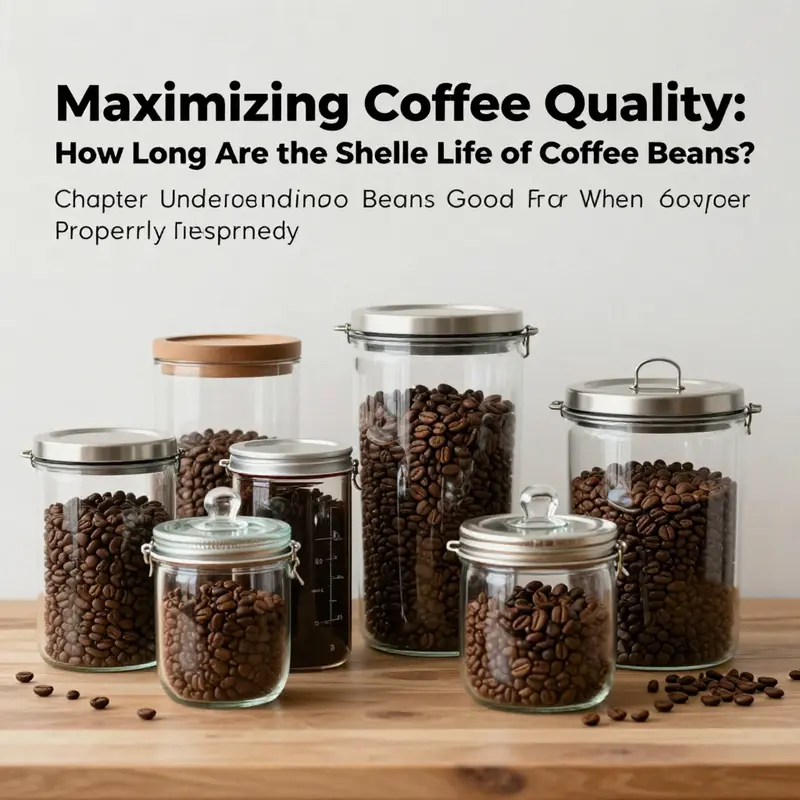
To translate this into everyday practice, the storage environment is the first element to get right. A cool, dark, dry locale is essential, ideally one that maintains a relatively stable temperature. Temperature fluctuations—think a kitchen cabinet that swings from morning heat to evening cool—help push moisture in and out of any container and encourage condensation and microclimate changes that degrade flavor. The container itself matters as much as the room. An airtight vessel that is opaque to light—commonly metal or ceramic with a snug seal—best protects beans from the twin adversaries of oxygen and light. Clear glass jars, even when sealed, invite light from the day into the beans and can contribute to flavor loss over time. An opaque container does not remove the need for careful handling; it simply minimizes one of the key accelerants of staling.
Equally important is the choice to minimize the beans’ contact with moisture. Moisture acts as a catalyst for flavor degradation and, in humid environments, can create conditions in which the beans begin to feel a little off, especially as oils migrate and the surface texture changes. Humidity is a subtle but powerful antagonist; it does not always show as visible mold but can imprint a dulling on the aroma and a flattening of the acidity that makes a good cup feel lively and clean. For this reason, storage should occur in a dry place where humidity levels remain relatively constant. This is one reason many coffee lovers avoid placing beans in the refrigerator, despite the temptation to keep them colder. Refrigeration introduces a trio of challenges: frequent temperature changes as the container is removed and returned, potential moisture condensation when the beans are brought to room temperature, and the risk of picking up odors from nearby foods. These factors can undermine even a strong airtight seal. The same caution applies to freezers, where one must guard against condensation and avoid repeatedly thawing and refreezing, which can fragment the bean’s surface oils and compromise flavor. Freezing remains a viable long-term option, but it must be done with care: small, airtight portions, frozen solid, and with an intentional plan to thaw only what will be used in the near term.
In the practical arc of everyday use, the advice often crystallizes into a simple rhythm. Buy whole beans in small, bite-sized quantities relative to your consumption, and grind only what you plan to brew within a short time frame. Whole beans retain their protective oils longer than pre-ground coffee, which means that protecting the integrity of these oils is central to preserving aroma and flavor. Grinding just before brewing helps to release those volatile compounds in a controlled, immediate way, letting you enjoy a cup that reflects the bean’s current state rather than the state it had when it rode into your kitchen a few weeks ago. This approach aligns with the broader idea that peak flavor is tied to freshness; once ground, the surface area of the bean is exposed to air, accelerating the staling process that begins the moment the roast cools.
The notion of a 30-day peak window from a respected industry source should be interpreted not as a hard rule but as a practical guideline that captures the period during which aroma and flavor are most likely to be at their best in a typical home environment. The reality for many households is that a 30-day horizon is not always feasible, especially for people who buy coffee in bulk or who savor a wider variety of beans. In those cases, the key is to create a storage scheme that reduces the beans’ exposure to the elements that most aggressively erode flavor—oxygen, light, heat, and humidity—and to acknowledge that the product remains safe to drink beyond the peak, even as the sensory experience evolves.
Beyond the essential storage fundamentals, there are a few additional considerations that can influence how long beans stay good in a practical sense. For instance, whole beans may persist longer in flavor than ground coffee because their intact cell structure better protects the aromatic compounds inside. This is not a magic shield, but it is a meaningful difference that translates into longer practical shelf life if one adheres to a disciplined storage approach. The roasting level also matters, as lighter roasts tend to retain nuanced floral and fruity notes longer than darker roasts, which may display more roast-forward flavors that can fade more quickly as aromas degrade. Temperature itself—whether a kitchen remains consistently cool or bounces between warm and hot—plays into the equation, because warmth accelerates chemical reactions related to oxidation. Even the best container cannot fully arrest those reactions if the surrounding environment continually nudges the beans toward warmer conditions.
All of these threads converge into a straightforward takeaway: to maximize how long your coffee beans stay good—and how long they continue to deliver a satisfying cup—you should treat the beans as a fragile, time-bound ingredient whose flavor potential is best realized in a relatively short horizon after roasting. That horizon varies with the specifics of the roast, your grinding habits, and your storage environment, but the underlying principle remains stable: protect the beans from oxygen, light, heat, and moisture; and exercise restraint with temperature changes and exposure to moisture when you move beans between environments.
If there is a practical framework a home brewer can adopt, it looks something like this. Approach your purchases with a plan to use within a few weeks if you are targeting peak flavor. When possible, buy smaller quantities more frequently to keep a steady supply of fresh beans at or near their peak state. When you must buy in larger quantities, divide the beans into small, airtight portions and store those portions in a dark, cool space. Only open a portion as you prepare to grind for the day or the week. If you truly cannot avoid longer storage, freezing is a viable option—but it should be executed with discipline: portion the beans tightly, label the date, and thaw only what you will use promptly, letting the container return to room temperature before opening to minimize condensation. Freezing is not a step that should be engaged casually, and it is rarely necessary if you are content to drink within the first several months after roast.
As a result, the lifecycle of a bag of beans is a careful balance between timing and technique. The beans are at their best when they are fresh from the roast, but the difference between a truly vibrant cup and one that feels flat is often a matter of how well you shield them from the elements during their journey from bag to cup. The science behind this journey is grounded in oxidation, degassing, and the subtle shifts in the oils that carry aroma from the bean to the brew. By embracing a storage philosophy that reduces exposure to oxygen, light, and heat, and by embracing the ritual of grinding close to the moment of brewing, you preserve the beans’ story in a way that respects both the artistry of coffee and the reality of everyday life. In other words, you honor the bean’s journey from roast to cup, recognizing that time matters, but you can manage time through thoughtful storage and mindful preparation.
For further depth on the science and practical considerations of coffee storage, see the contemporary research on roasting, storage, and shelf life, which provides a detailed analysis of how these factors interact to shape flavor over time. A comprehensive study offers a foundation for the guidelines outlined here, including the typical peak flavor window and the extended usability under proper storage conditions. https://www.sciencedirect.com/science/article/pii/S0308814622017285
Final thoughts
Understanding the shelf life of coffee beans is essential for ensuring quality in every cup served. Recognizing that freshly roasted beans are optimal within 1 to 2 weeks post-roast allows business owners to time their inventory effectively. Additionally, insight into the mechanisms of flavor degradation underscores the need to minimize exposure to air and moisture. Lastly, implementing appropriate storage solutions can prolong flavor longevity, serving both the business and customer preference. By prioritizing the quality of coffee beans, owners can enhance their offerings, cater to consumer desires, and reinforce their brand’s reputation.