
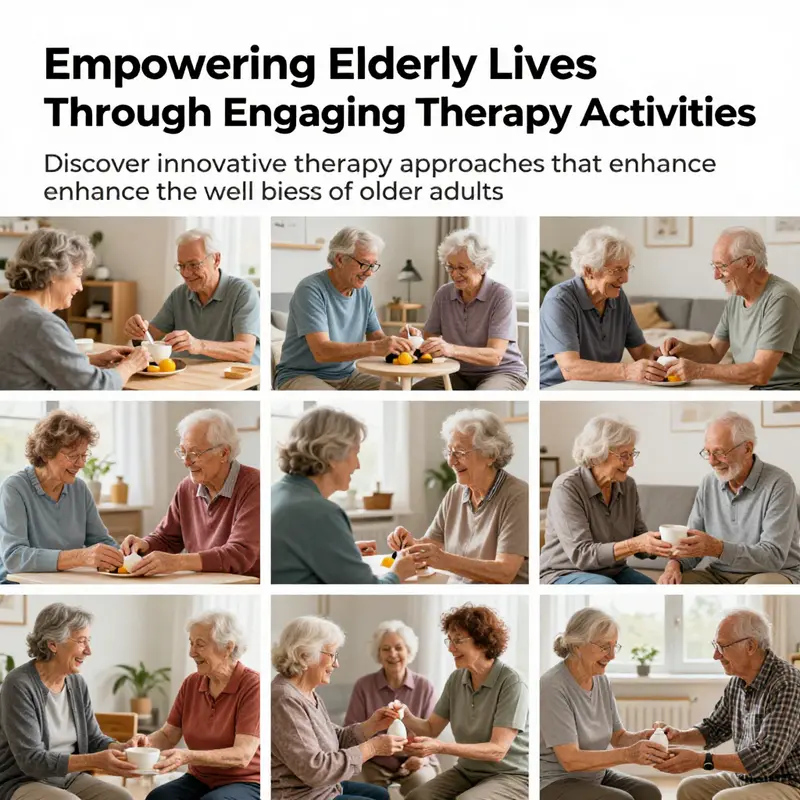
As our population ages, the importance of maintaining the physical, psychological, and social health of older adults becomes increasingly critical. Engaging elderly individuals in meaningful activities can significantly enhance their quality of life, foster community ties, and bolster mental agility. This article explores four key categories of elderly therapy activities—Horticultural Therapy, Creative Arts and Crafts, Cognitive Training Games, and Music and Dance Therapy. Each chapter will detail how these activities not only improve health outcomes but also promote a sense of achievement and connection among elderly participants, which is vital for their overall well-being.
Quiet Gardens, Restored Minds: How Horticultural Therapy Nurtures Body, Memory, and Belonging in Elder Care
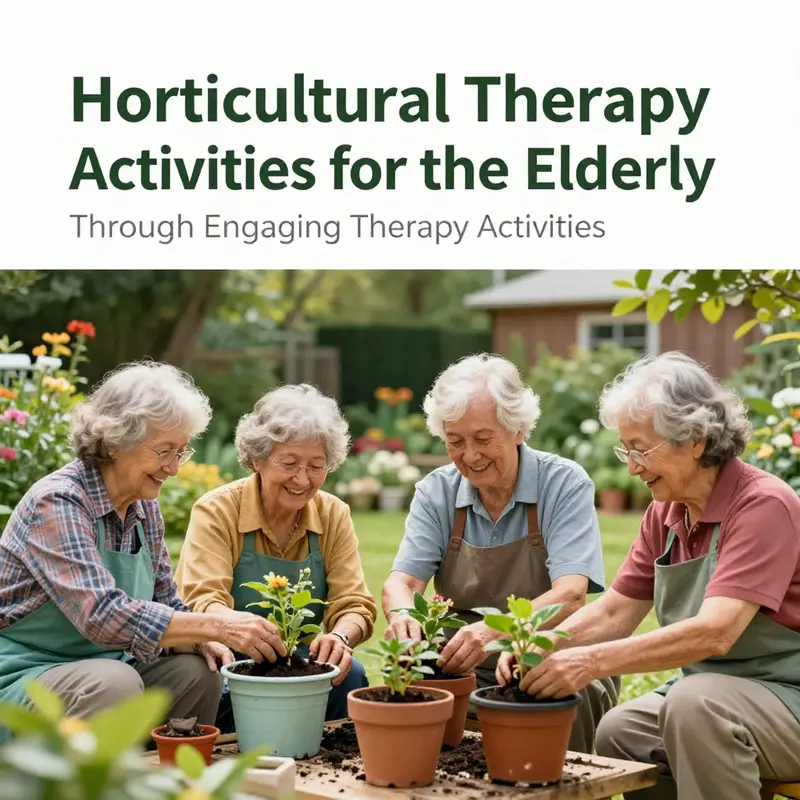
Horticultural therapy in elderly care unfolds as a patient, purpose-filled practice rather than a simple pastime. It invites older adults to engage with living systems, textures, colors, and seasonal rhythms in ways that awaken attention, evoke memories, and foster a steady sense of agency within a safe, communal setting. The plants themselves become partners in rehabilitation: they require care, predictability, and routine, yet respond with tangible rewards in the form of growth, flowering, and the quiet affirmation of progress. In this framework, therapy is not solely about physical activity or cognitive drills; it is about cultivating a space where attention can settle, emotions can be acknowledged, and social connectedness can flourish through shared responsibility and reciprocal care. The result is a holistic experience that touches the body, the mind, and the relationships that sustain a person day by day.
Recent research adds weight to what many care workers have intuitively observed: horticultural therapy can slow cognitive decline in older adults with mild cognitive impairment (MCI) and meet core psychological needs that undergird everyday well-being. A 2025 study conducted in Guangzhou, within two five-star retirement communities, compared participants who received a structured horticultural therapy program with a control group receiving routine care. The findings were clear in multiple domains. Cognition showed statistically significant improvements in the intervention group, alongside higher scores in basic psychological needs satisfaction—specifically belonging, autonomy, and competence—and an overall enhancement in health-related quality of life (P<0.05). These outcomes matter beyond test scores; they translate into a daily life where residents feel more present, more capable, and more connected to others and to the activities that fill their days. The implications reinforce the value of HT as a nonpharmacological approach that aligns closely with person-centered care principles.
Beyond the cognitive and emotional gains, the physiological benefits of horticultural therapy are consistently noted in the literature and in clinical practice. Engaging with plants often helps regulate autonomic responses, with many participants experiencing lower resting heart rates and reduced perceived pain through distraction, purposeful activity, and the positive mood shifts that nature exposure can trigger. The practice is also cost-effective and relatively low risk, making it suitable across a range of care settings, from full-service nursing homes to community centers that welcome older adults living at home. This blend of accessibility and potential impact has roots in a longer historical arc. In the United States, horticultural therapy emerged in the early days of the 20th century and gained mainstream traction after World War II, when veterans faced psychological and physical healing needs that nature-based interventions could help address. In Europe, professional organizations followed suit; the United Kingdom established the British Horticultural Therapy Association in 1978, asserting a formal identity for HT and driving standards of practice that continue to influence programs today. The field’s growth has been accompanied by innovations that expand participation. In 2016, the design of interactive, digitally enhanced horticultural therapy applications opened new avenues for engaging older adults, including those living with dementia, by simulating planting experiences in safe, engaging virtual environments that still encourage routine, concentration, and motor planning.
What makes HT distinctive is its capacity to weave together physical activation, cognitive engagement, and social meaning into a single, coherent activity cycle. Planting, watering, pruning, and tending require planning, sequencing, and precision, which exercise fine and gross motor skills while also inviting problem-solving and memory use. The cadence of gardening tasks creates a rhythm that can stabilize attention and reduce anxiety. For many residents, tending a plant is a task they can master with consistency, offering a clear path to success that supports self-esteem and a sense of competence. Yet HT also invites collaboration: a shared bed or potting table becomes a social space where residents exchange tips, reminisce about past gardens, celebrate small harvests, and offer encouragement to one another. The social exchange that blooms from these moments counteracts loneliness and reinforces a sense of belonging within the community.
The cognitive benefits linked to HT may be understood through several interacting mechanisms. First, the sensory-rich environment—sight, smell, touch, and even the tactile feedback of soil—provides multisensory cues that stimulate neural networks involved in attention, memory encoding, and executive function. Second, the routine and predictability of gardening sessions can aid procedural memory and foster a sense of structure that eases agitation or confusion. Third, the act of caregiving for living things reinforces a sense of purpose and competence; when residents observe growth in their plants, they experience tangible evidence of contribution and capability. These experiences are not purely interior; they echo outward in behavior, mood, and interaction with others. To care for a plant is to sustain a cycle of responsibility and reward, a cycle that resonates with the innate human need for autonomy and relatedness as described in contemporary models of psychological well-being.
From a practical standpoint, integrating HT into a care program requires thoughtful design that respects each resident’s abilities and safety. A typical horticultural therapy session is structured yet flexible enough to accommodate day-to-day variations in energy, mood, or cognitive status. It begins with a brief safety check, ensuring pathways are clear, tools are appropriate, and plants are accessible. The choice of plants is deliberate: species with manageable growth patterns, forgiving care requirements, and sensory appeal are favored. Managers may introduce a small, defined task for every participant—labeling plant pots, measuring moisture levels, or pruning a cutting—paired with a partner who can model the activity and provide gentle prompts as needed. The goal is not to overwhelm but to invite meaningful participation, so tasks are graded to the individual’s current capabilities. For many programs, adaptive tools become essential. Ergonomic containers reduce strain, lightweight trowels minimize effort, and raised beds or table-top setups allow residents with limited mobility to engage without compromising safety.
A crucial element of HT is the opportunity for reminiscence and personal meaning. Garden tasks can be framed to evoke memories of home, travel, or cultural traditions tied to certain plants. When residents share stories about family gardens, harvest seasons, or favorite herbs, they are practicing narrative skills, social exchange, and emotional expression. This life-story sharing can occur informally during the session or within a more guided reminiscence format that centers on themes like growth, resilience, or the cycles of seasons. In some programs, HT is paired with other therapeutic modalities to deepen its impact. For example, a session might begin with a short gentle movement sequence to warm joints and improve circulation, followed by hands-on planting, and conclude with a brief group discussion or quiet reflection on what the residents observed in the plants that day. These integration points help to bind physical activity, cognitive engagement, and emotional processing into a single, seamless experience.
The broader ecosystem around HT also matters. Staffing and training are critical to sustaining meaningful engagement. Staff members who understand the cognitive profiles and physical limitations of older adults can scaffold tasks, provide timely cues, and encourage social participation without coercion. Volunteer involvement can broaden capacity and bring fresh energy while maintaining a person-centered pace. Care settings benefit from creating accessible garden spaces—whether a greenhouse corner, a balcony garden, or a compact windowsill setup—that are inviting, low-maintenance, and safe. And while HT is a therapeutic intervention, it can and should be scaled to the routine rhythms of daily life in a facility. Short, repeated sessions can yield benefits even when full-length therapy blocks are not feasible. Importantly, HT should be designed with inclusivity in mind, ensuring residents with visual impairments, hearing loss, or limited mobility can participate through adapted tasks and supportive cues.
That inclusivity is a practical expression of the psychological needs being addressed. Autonomy is honored when residents choose which plants to tend, what tasks to perform, or how to arrange a small garden space within their abilities. Competence is reinforced as residents master a task, observe plant growth, or achieve a harvest. Relatedness grows as residents work side by side, share insights, and celebrate each other’s successes. A well-structured HT program, therefore, does more than provide a pleasant backdrop for therapy; it reinforces the core needs that sustain motivation, self-worth, and social connection. This alignment with basic psychological needs also makes HT a natural companion to other evidence-based therapies that emphasize meaningful activity and social participation as antidotes to cognitive and emotional decline.
The cultural and historical resonance of HT cannot be overlooked. The practice speaks to a universal human affinity for nurturing life and finding purpose in care work. It also invites families to participate, further strengthening the continuum between home and care settings. The far-reaching implications extend into community health as well. When HT programs thrive in nursing homes, community centers, and supportive housing, they demonstrate a scalable model of aging well that honors both independence and interdependence. They show that small, purposeful acts—watering a plant, trimming a leaf, recording a plant’s growth—can accumulate into meaningful improvements in mood, cognition, and everyday functioning. In this sense, horticultural therapy embodies a holistic approach that honors the dignity and potential of each elder, while offering a practical path to improved well-being that does not rely on pharmacological interventions alone.
For practitioners and researchers alike, HT also invites ongoing innovation and evaluation. The tradition of HT in the United States, reinforced by early, evidence-based inquiries into therapeutic gardens, continues to evolve with new models of care. The field’s international development—illustrated by the UK’s professional associations and European collaborations—fosters shared standards, better training, and broader access to HT services. In practice, this translates into more robust program designs, better outcomes tracking, and a willingness to adapt methods to diverse populations and settings. The 2025 Guangzhou study is a reminder that high-quality HT programs can coexist with strong clinical oversight and rigorous measurement, delivering benefits across cognitive, emotional, and quality-of-life domains.
From a practical perspective, care teams should approach HT as part of a broader, person-centered therapy landscape. It works best when integrated with cognitive training activities, music therapy, or light physical exercise, creating a tapestry of interventions that complement one another. A resident who enjoys planting may also respond well to a memory game that centers on plant names, or to a group discussion about favorite garden memories accompanied by soft background music. The interwoven format helps sustain attention, fosters social warmth, and builds a sense of shared purpose—an essential safeguard against isolation and decline. While no single activity can reverse all aging-related changes, a thoughtfully designed HT program offers a reliable, enriching vector for maintaining function, celebrating small victories, and reinforcing the idea that growing older does not mean growing less capable or less connected.
In shaping future practice, it is useful to anchor HT within a framework that values evidence, person-centered care, and cultural relevance. Programs should document baseline cognitive status, monitor mood and pain levels, and track functional gains within daily routines. The simplest measures can be meaningful: the frequency of participation, the variety of tasks residents undertake, or the degree to which they express pride in a plant’s progress. When HT is embedded in a care culture that recognizes and nurtures autonomy, competence, and relatedness, its impact extends beyond the garden beds to the heart of how older adults experience care, community, and meaning in their later years. For care teams seeking practical wisdom on how HT aligns with broader therapeutic goals, resources on occupational therapy in geriatrics offer valuable perspectives on designing activities that honor independence while providing appropriate supports. occupational-therapy-geriatrics
As HT programs proliferate, they invite ongoing inquiry about best practices, cultural adaptation, and technology-enabled augmentation. They also invite curious families to observe not just beautiful plants but the subtle shifts in mood, energy, and engagement that follow steady participation. The promise of horticultural therapy in elder care lies in its ability to turn a corner of everyday life into a living classroom, where growth—personal growth, for residents and staff alike—becomes a shared, sustainable outcome. It is a reminder that aging well involves tending to our environment as carefully as we tend to one another, and that in the quiet ritual of tending a pot, we may cultivate attention, memory, and belonging more effectively than in any isolated, purely clinical intervention.
External evidence and further reading can be found in foundational reviews of therapeutic gardens and elderly well-being. For a comprehensive overview of the evidence base, refer to one of the early systematic summaries that highlighted mood improvement, cognitive benefits, and quality-of-life gains attributed to garden-based interventions for older adults: https://www.ncbi.nlm.nih.gov/pmc/articles/PMC4524837/
Weaving Memory and Mood: Creative Arts and Crafts as Therapeutic Pathways for the Elderly
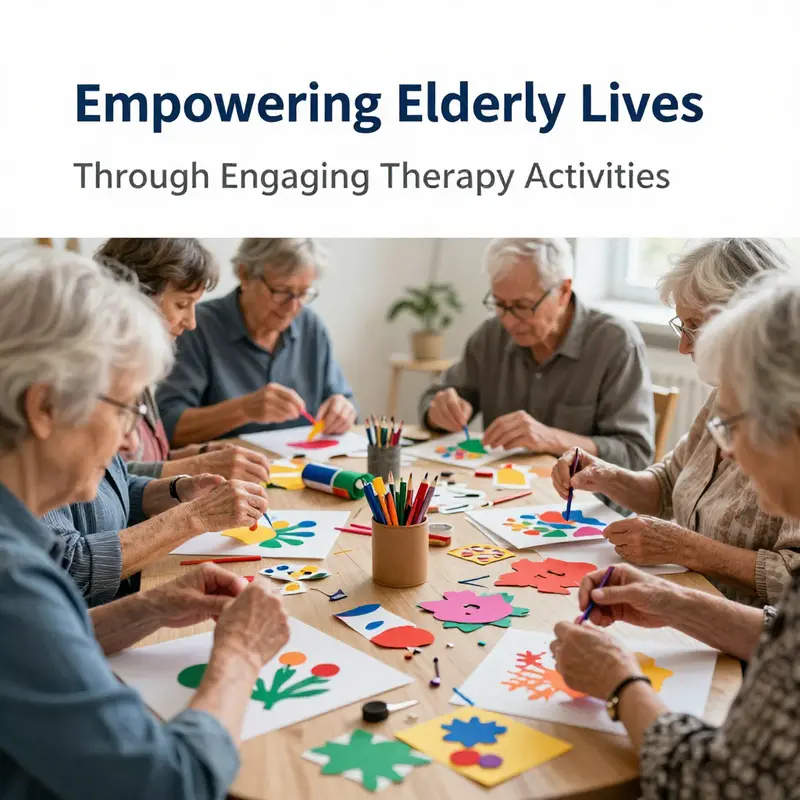
Creative arts and crafts stand at a quietly powerful crossroads in elder care. They are not merely hobbies or ways to fill routine hours; they are structured, purposeful activities that cultivate the body, mind, and heart in tandem. For many older adults, the act of choosing a color, shaping a material, or stitching a pattern becomes a conduit for memory, meaning, and moment-to-moment presence. In settings ranging from community centers to nursing homes, these activities create intimate opportunities for self-expression, mastery, and social connection. What makes this approach especially compelling is its ability to touch multiple dimensions of aging at once. When an elder pencil sketches a scene from a cherished moment, kneads clay to form a simple bowl, or sews a small keepsake for a loved one, the action engages fine motor skills, engages memory networks, and anchors mood in a sense of accomplishment. These are not isolated benefits; they reinforce one another and contribute to a broader sense of lived dignity and ongoing agency in daily life.
At its core, creative arts and crafts are embodiments of agency. They invite choice, experimentation, and revision in a non-threatening environment. The process-oriented nature of many crafts—planning a design, selecting colors, adjusting tension, and solving how to realize a vision—acts as gentle cognitive training. Even tasks that seem simple, like threading a needle or arranging a collage, rely on attention, sequencing, and problem-solving. For older adults facing cognitive changes, such engagement can help maintain flexibility in thinking and support a sense of competence. Importantly, these activities are adaptable. A single project can be scaled up or down to match an individual’s abilities, whether that means using larger brushes for those with diminished fine motor control, choosing high-contrast materials for visual impairment, or substituting hand-over-hand guidance with assistive tools. In this way, creative arts and crafts become inclusive, accessible pathways rather than exclusive pursuits.
The cognitive benefits are complemented by emotional and psychosocial ones. When seniors invest time in a creative task, they often experience a tangible sense of progress. Completing a piece—be it a knitted scarf, a hand-stitched quilt block, or a painted garden tile—provides a concrete marker of achievement. This sense of accomplishment can counter feelings of emptiness or fatigue that sometimes accompany aging, offering a reliable mood lift and a reservoir of self-efficacy to draw upon in challenging days. Moreover, the act of creation can serve as a bridge to self-identity that older adults may worry about losing as routines shrink or roles shift. A person who once painted landscapes may rediscover a voice through abstract mark-making; someone who enjoyed cooking might translate memories into textured, edible-looking crafts like pastry sculpting or safe, non-edible decorations. The emotional payoff is not merely subjective. In clinical observations and geriatric practice, these activities consistently correlate with reduced symptoms of anxiety and depressive states, while also fostering a sense of purpose that persists through time.
Mindfulness is another crucial thread in this tapestry. When participants focus intently on the present moment—watching a brush glide along canvas, listening to the rasp of yarn as it slides through fingers, or attending to the scent of clay as it ages in the palm—physiological stress can recede. Mindful engagement in art reduces rumination and lowers perceived stress, which in turn supports better sleep, appetite, and daytime energy. The rhythmic, repetitive aspects of much craft work also entrain breathing and foster a tranquil body state that complements gentle physical activity. This mindfulness is not about removing memory or emotion; it is about meeting them with a steady, curious attention that validates experience while promoting calm. In practice, sessions often weave brief moments of reflection into the workflow—sharing a story behind a color choice, naming a remembered place while shaping clay, or simply noting the progress of a project with nonjudgmental encouragement.
Social connection emerges as a natural byproduct when people engage in shared creative experiences. Group crafts create spaces for conversation that feel natural rather than required, offering a framework for meaningful dialogue without the pressure of performance. The social dimension matters deeply: loneliness, isolation, and a sense of invisibility are common among older adults, but collaborative projects—murals, quilts, card decks, or community gardens crafted together—forge a sense of belonging and mutual purpose. Group interactions during art-making can sharpen listening, empathy, and nuanced communication, while also giving rise to new friendships and peer mentoring. Even for individuals who prefer solitary work, the presence of an observing or encouraging peer can transform a solitary activity into a shared ritual, reinforcing social bonds that extend beyond the studio or craft room.
Caregiving and professional practice play essential roles in translating the promise of arts and crafts into meaningful outcomes. The most successful programs are person-centered and adaptable, honoring each elder’s history, preferences, and current realities. A strong emphasis on safety—ergonomic tools, stable seating, ample lighting, and clear movements—ensures that activities stay empowering rather than frustrating. Therapists and caregivers collaborate with participants to identify personal narratives that can be expressed through art, turning hobbies, memories, and valued roles into creative projects. In some cases, this collaborative process also becomes a form of life review, giving space for storytelling and the retrieval of a valued past. Storytelling, when integrated with crafts, enriches both cognitive engagement and emotional resonance. It is not about producing flawless art but about the process of expression, the conversation it invites, and the pride that accompanies any completed work.
The literature supporting these observations goes beyond anecdote. A growing body of evidence highlights the role of creative arts therapies in promoting mental health, resilience, and cognitive vitality among older adults. A scoping review published in PubMed Central emphasizes the value of structured, enjoyable creative activities within elder care programs and community initiatives. The review underscores improvements in mental health, cognitive resilience, and overall quality of life when arts-based interventions are integrated with broader care plans. This research aligns with clinical experiences that creative arts and crafts can contribute to holistic well-being by engaging multiple domains of functioning in a single, accessible activity. For practitioners and families seeking ways to enrich daily life without demanding specialized equipment or extensive training, these findings offer both reassurance and direction. The key is to view craft-based activities not as optional extras, but as integral components of a restorative and dignified aging process.
Incorporating creative arts and crafts into aging care also invites a broader conversation about tailoring activities to individual trajectories. Not all elders will respond to the same material or approach in the same way, and successful programs celebrate those differences. Some participants may gravitate toward tactile, handheld tasks such as weaving or beadwork, which support dexterity and hand strength while offering a soothing, repetitive rhythm. Others may be drawn to visual arts like painting or collage, which provide a flexible platform for metaphorical thinking and memory expression without requiring surgical precision or meticulous planning. For some, music-infused crafts—decorative items that incorporate song lyrics or rhythmic patterns—can merge auditory memory with manual skills in meaningful ways. The diversity of possibilities is a strength, enabling care teams to design activities that fit living spaces, mobility levels, sensory preferences, and personal histories.
As this approach becomes more embedded in elder care culture, the practical benefits extend to caregiver relationships as well. Arts and crafts offer nonverbal means of communication that can bridge gaps when speech is limited or momentum fades. They create shared moments of success, failure, and repair—an essential practice in building trust and rapport. When caregivers participate alongside residents, the experience can democratize the care dynamic, moving it from a unilateral routine to a collaborative, empowering practice. This shifts the focus from merely managing symptoms to cultivating ongoing meaning, creativity, and connection. In turn, these positive exchanges can influence daily rhythms, increasing engagement with meals, activities, and social events, and gradually reducing withdrawal and apathy that sometimes accompany aging.
To realize the full potential of creative arts and crafts in elderly care, programs benefit from intentional integration with other therapeutic modalities. The best outcomes emerge when arts-based activities are not isolated but coordinated with cognitive training, physical exercise, and social interventions. For instance, a session might combine a short memory task with a crafting project that requires sequencing or recall of steps, followed by gentle stretching or balance activities to support safe participation. Such integrative designs honor the complex reality of aging, recognizing that physical, cognitive, and emotional health influence one another in dynamic ways. When crafted thoughtfully, these programs respect autonomy, celebrate personal history, and offer a practical route to healthier aging that aligns with the broader goals of holistic care.
For readers and practitioners seeking practical applications, the message is clear: start where the individual’s story begins. Invite a favorite memory, a cherished color, or a symbolic object, and let that thread guide the choice of materials and the project’s form. Provide time for reflection and social sharing, and ensure that materials are accessible and enjoyable to use. The aim is not perfection but progress—an ongoing engagement with creativity that sustains spirit, memory, and social presence. In this light, creative arts and crafts become a powerful language for aging well, a language that older adults can speak with pride, support, and companionship.
Internal linking note: This approach resonates with broader occupational therapy perspectives that emphasize geriatric care—see the discussion in occupational-therapy-geriatrics. occupational-therapy-geriatrics.
External resource: for a broader synthesis of how creative arts therapies support healthy aging, explore the scoping review available online at the PMC repository: scoping review in PMC.
Training the Mind: Cognitive Games to Preserve Function and Independence in Elderly Therapy
Structured Play with Purpose
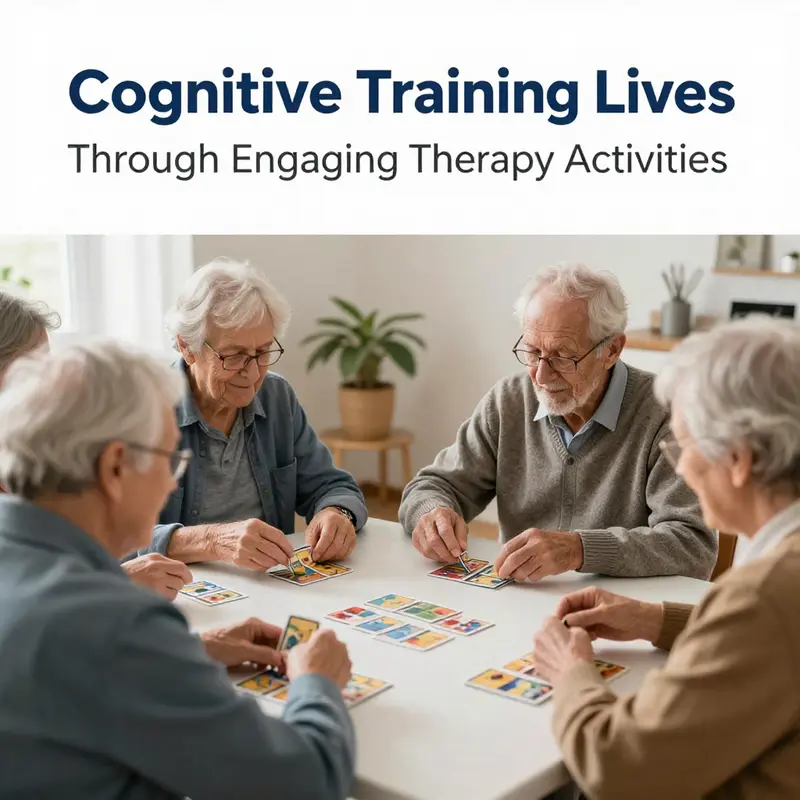
Cognitive training games offer a practical, engaging path to preserve mental skills and support older adults’ independence. These activities sit at the intersection of rehabilitation, recreation, and daily living. They deliberately target attention, memory, processing speed, and executive function while also fostering motivation, social bonds, and routine. When designed with real-life relevance, cognitive games become more than mental drills; they become simulated practice for tasks older adults encounter every day.
Cognitive aging varies widely. Some people retain sharp memory and quick reasoning well into late life. Others face gradual declines that affect daily tasks and confidence. The goal of cognitive games is not to promise complete reversal of aging. Instead, they aim to slow decline, strengthen compensatory strategies, and support functional abilities that matter most to each person. Programs that succeed pair targeted mental challenges with meaningful context. For example, exercises that mimic shopping lists, route planning, or medication management help people practice the cognitive steps those tasks require. This approach increases the odds that gains transfer to everyday living.
A key reason games work is motivation. Older adults are far more likely to persist with activities they enjoy. Playful formats, familiar scenarios, friendly competition, and visible progress encourage repeated practice. Repetition under varied conditions helps the brain form new connections. Over time, structured practice can improve speed, accuracy, and the ability to switch attention between tasks. These improvements are the essence of cognitive resilience.
Game design matters. Simple paper puzzles exercise memory and pattern recognition. Group card games support social engagement and conversational memory. Software-based programs add adaptability. They scale difficulty, provide immediate feedback, and track progress. Serious games—digital experiences built explicitly for rehabilitation—bring the added benefit of realistic tasks embedded in safe virtual settings. A shopping simulation, for instance, asks a player to locate items, compare prices, make selections, and process a virtual payment. Each step activates working memory, decision-making, and sequencing. Because the scene mirrors everyday life, practice is inherently practical.
Evidence supports cautious optimism. Randomized trials and meta-analyses show modest but meaningful improvements in targeted cognitive domains after structured training. Benefits are typically strongest on the tasks trained and on closely related skills. Some studies find downstream effects on everyday function when training includes real-world tasks or when it is combined with physical or social interventions. Not every study reports broad transfer to all daily activities, and effect sizes vary. Still, given the low cost and high acceptability of many cognitive games, they are sensible components of a broader therapeutic plan.
To be effective within elderly therapy programs, games should be individualized. Assess baseline cognitive strengths and challenges first. Choose activities that match interests and capacity. For someone with mild memory lapses, a progressive memory card game with contextual cues may be ideal. For individuals with slowed processing speed, timed matching tasks that reward accuracy more than speed help practice gradual improvement. Incorporate multisensory cues—visual, auditory, and tactile—to reinforce learning. Simpler interfaces and larger text reduce frustration. Allow regular breaks and monitor fatigue.
Social context amplifies benefits. Group sessions combine cognitive stimulation with conversation, emotional support, and friendly rivalry. A group that plays storytelling memory games or collaborative problem-solving tasks gains cognitive exercise and social connectedness at once. Social engagement itself protects against cognitive decline by keeping people mentally active and emotionally supported. Facilitators can rotate roles—player, timekeeper, scorekeeper—to give participants varied cognitive demands and a sense of agency.
Integration with occupational therapy deepens impact. Occupational therapists translate cognitive gains into functional improvements. They scaffold practice by linking game tasks to daily routines. For example, a therapist might use a game that asks participants to sequence steps in a recipe and then practice the actual recipe in the therapy kitchen. This pairing builds procedural memory and reinforces independence in meal preparation. For more clinical perspectives on how cognitive activities fit within occupational therapy, see resources on cognitive activities for adults in occupational therapy.
Cognitive games also pair well with movement. Light exercise delivered before or during cognitive training can enhance attention and learning. Brief walks, chair-based aerobics, or balance exercises increase blood flow and arousal, which can heighten receptivity to mental practice. Some programs combine gentle dance with memory tasks, encouraging participants to remember steps and sequences. This dual engagement addresses mind and body, and it supports mobility alongside cognition.
Measuring progress keeps programs honest and motivating. Track performance on specific games, but also measure functional outcomes. Changes in how well a person follows a medication schedule, navigates a neighborhood, or completes household tasks are the most meaningful signs of success. Standardized cognitive screening tools can note improvements in attention or executive function, but caregiver reports and self-report scales illuminate changes in everyday life. Frequent small wins—completing a puzzle faster, remembering an item on a list without prompting—build confidence and sustain engagement.
Adaptation and accessibility are essential. Not every older adult is comfortable with screens, so maintain a mix of analog and digital options. Use large-print cards, high-contrast visuals, and simple controls. For those with sensory impairments, increase audio volume, use tactile cues, or have a facilitator describe visual elements. Cognitive games should never shame participants for mistakes. Emphasize strategy and process, not perfection. Celebrate effort and creative problem-solving.
Design choices influence long-term adherence. Short sessions with clear goals fit many older adults’ energy levels. A weekly rhythm—three to five short training sessions per week—introduces consistency without burnout. Mix easy, familiar games with newer challenges to balance competence and novelty. Provide take-home materials that family members can use to support practice. Encouraging intergenerational play, when possible, adds purpose and fun.
Addressing skepticism matters. Some older adults doubt that games can change cognition. Explain the rationale plainly: mental skills improve with practice, like muscles strengthen with use. Show small, measurable improvements early to build trust. Involve participants in setting goals. When the activity matches a personally meaningful aim—remembering grandchildren’s names, following a recipe, traveling safely—the perceived value rises.
Ethics and privacy deserve attention with digital solutions. When games collect performance data, ensure consent and safeguard personal information. Use platforms that store data securely and share results only with authorized caregivers and clinicians. Respect preferences about how much feedback participants want. Some may enjoy leaderboards; others prefer private progress charts.
Finally, place cognitive training within a broader care plan. Games are not a cure-all. Nutrition, sleep quality, medication management, social engagement, and physical activity all influence cognition. Therapists and care planners should coordinate interventions. Combining cognitive games with other therapies—horticultural activities, music and dance, group storytelling, or light exercise—creates a richer, more effective program.
Cognitive games offer an adaptable, person-centered tool to support mental function in older adults. They work best when realistic tasks are practiced, when social and occupational contexts reinforce skills, and when accessibility and motivation guide design. With thoughtful implementation, these activities help older adults retain skills that matter for independence and quality of life. For practitioners seeking practical ideas on integrating cognitive tasks into therapy routines, resources on occupational therapy exercises for geriatrics provide useful starting points.
External research continues to refine best practices and expected outcomes. For a comprehensive review of cognitive training interventions and digital games for older adults, see this open-access review: https://www.ncbi.nlm.nih.gov/pmc/articles/PMC7369952/.
Rhythm and Movement in Later Life: A Holistic Exploration of Music and Dance Therapy for the Elderly
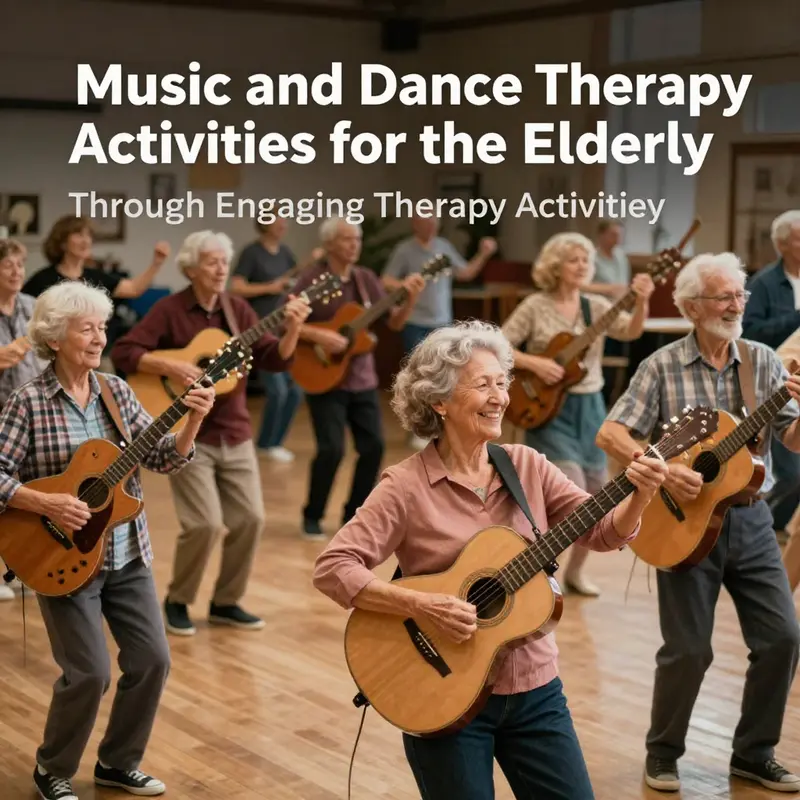
Rhythm has a way of simplifiying complex experiences. In the lives of older adults, music and movement provide a familiar, accessible doorway to physical vitality, emotional balance, and social connection. This chapter threads together the physiological benefits of melody and beat with the psychological comfort of reminiscence and the social warmth that arises when people sing, sway, and smile together. It treats music and dance not as entertainment, but as core components of therapy—strategies that are non-pharmacological, person-centered, and deeply human. The elderly who engage with these modalities often experience tangible improvements in mobility and breathing, but they also gain a renewed sense of agency, identity, and belonging. The power of rhythm is not a mystery; it is a practical, replicable form of care that respects the dignity of aging while inviting curiosity, play, and resilience.
Music therapy for older adults operates on multiple levels. On a physiological plane, singing and guided movement invite deeper breathing, expanded chest wall mobility, and better coordination among the core muscle groups that support posture and balance. Rhythmic cues help regulate tempo and cadence, turning complex motor tasks into a sequence of manageable actions. When participants breathe in time with a song, they often experience improved lung function and a calmer heart rate. This is not mere relaxation: rhythmic breathing is a subtle form of cardiovascular conditioning that can be integrated into daily routines. The same rhythmic structure can anchor a gentle resistance in joints and muscles, promoting flexibility and strength without requiring strenuous effort. In the long view, such activities contribute to fall prevention by enhancing balance, proprioception, and core stabilization, all while reducing sedentary time.
The cognitive landscape of music and movement is equally compelling. Music engages memory networks, attention, and executive function in ways that few activities can mimic. Familiar tunes trigger autobiographical memories, offering a bridge to the stories that define a person’s life. That autobiographical recall is not only emotionally nourishing; it also supports cognitive resilience by creating associative pathways in the brain. Activities like singing familiar songs, following rhythmic patterns, or playing simple percussion instruments challenge working memory and sequencing abilities. Many programs incorporate what researchers call music reminiscence therapy, where the shared experience of a songset prompts reflection, storytelling, and peer listening. The cognitive engagement is active but enjoyable, and it often happens at a pace that respects each person’s processing speed.
Pain and discomfort are common companions in aging. Music’s attentional distraction can shift the focus away from pain signals, while the release of endorphins and the modulation of stress hormones contribute to a perception of relief. For individuals dealing with chronic conditions such as arthritis, the mere act of singing and moving in time with music can alter pain perception and reduce the need for medication during certain activities. This is not a call to replace medical treatment, but a reminder that pain management can and should be approached with a broad, integrative lens. In practice, therapists design sessions that employ soothing, steady rhythms to anchor breathing exercises, followed by light, joyful movement to reinforce a sense of control and endurance.
Dance therapy extends these benefits into the realm of body awareness, confidence, and social life. Dance-movement therapy treats movement as a language—one that communicates emotion, intention, and relationship. For older adults, guided, gentle movements anchored to music can improve mobility, balance, and coordination, reducing fall risk while strengthening the muscles that support posture. The act of moving to a steady beat helps people refine timing and motor planning, enabling them to coordinate limbs in a more integrated way. Beyond the physical gains, dance sessions offer emotional processing: individuals may experience release, sadness, or joy as they respond to tempo and melody, often in a nonverbal, embodied vocabulary. The social dimension of group dance creates a sense of belonging that is sometimes hard to find in daily life, turning a routine exercise class into a circle of shared experience and mutual encouragement.
The activities themselves are straightforward to implement in community centers, assisted living facilities, or even in private homes with appropriate adaptations. A typical program blends several modalities that align with an individual’s interests and abilities. Music listening or guided imagery can provide a calm entry point, inviting participants to relax and visualize peaceful scenes while absorbing familiar melodies. Group singing and simple percussion enable vocal and fine motor engagement without performance pressure; the emphasis lies on participation, interaction, and the collective joy of making music together. Easy instrument options—hand drums, shakers, tambourines, or melodic bells—offer tactile stimulation and rhythm training without demanding advanced musical skill. Gentle movement sessions might draw from tai chi-inspired flows, slow yoga stretches, or simple folk dances, always paced to a steady tempo that supports breath control and balance rather than endurance alone.
In planning a session, facilitators attend closely to individual histories and preferences. Personalization is crucial; what resonates for one person may not for another. The choice of repertoire, the tempo, and the structure of the activity must reflect cultural background, life experiences, and current energy levels. A well-designed program acknowledges sensory considerations—hearing the music clearly, avoiding overstimulating environments, and ensuring seating and space accommodate those with limited mobility. The space itself matters: a quiet room with comfortable seating, good acoustics, natural light, and a safe, unobstructed floor allows participants to engage fully without fear of falling or fatigue. Even the lighting and seating arrangement can influence mood and participation. A thoughtful session ends on a note of affirmation, inviting participants to reflect on their experience and set gentle intentions for the days ahead.
Implementation should also respect professional boundaries and safety. While many activities can be led by trained activity coordinators or caregivers, involving a certified music therapist or dance therapist provides a level of clinical alignment, ensuring that the program targets specific physical, cognitive, or emotional goals. For practitioners and program designers, this means assessing baseline capabilities, tracking progress, and adapting activities in response to changes in health status. A few guiding principles help sustain effectiveness and safety: start with clear, attainable goals; progress gradually; monitor fatigue and pain; and prioritize enjoyment over performance. The aim is not to produce a concert, but to foster connection, expression, and gentle personal growth in each participant.
The practical repertoire of activities is intentionally small and adaptable. One approach centers on music listening paired with guided imagery, offering a calming entry point that supports sleep quality and stress reduction. In this scenario, the environment should be quiet and comfortable, with the option to lower or raise the volume to suit individual thresholds. A therapist might lead a guided journey through a familiar landscape—perhaps a favorite coastal scene or a garden path—while soft instrumental textures unfold in the background. The purpose is to evoke a sense of safety, reduce anxiety, and prepare the body for more active engagement.
Another component emphasizes collective participation without performance pressure. Singing together, whether through a structured group chorus or informal circle singing, deepens breathing patterns and lung capacity while providing a powerful social anchor. A simple drum circle or rhythm-capable percussion session can democratize participation; the focus remains on rhythm, timing, and ensemble experience rather than musical virtuosity. The benefits extend beyond mood enhancement. Regular participation in group music-making has been linked to improved respiratory function and enhanced social bonds, both of which contribute to sustained wellbeing and better adherence to ongoing care plans.
For those ready to move, gentle movement and dance sessions translate rhythm into action. These activities should be designed with gradual progression in mind, using a pace that aligns with a comfortable cadence—often around 60 to 80 beats per minute—to support steady breathing and coordinated motion. Participants can explore steps that are simple and expressive, with ample opportunities to rest and reorient as needed. The emphasis is on body awareness, balance, and joyful release, rather than competitive technique. In practice, a routine might begin with slow, flowing movements, followed by short standing sequences with options for seated adaptation, always anchored to the music’s tempo and mood.
Themed activities can also be woven into conversation and memory work. For example, music-based games that challenge memory and attention—such as name-that-tune or rhythm-matching challenges—offer cognitive stimulation within a playful frame. Even when skills are modest, the act of participating with others strengthens social bonds and reinforces a sense of competence. It is important to frame these activities as opportunities for social connection rather than tests of ability, because the perceived safety of participation fuels ongoing engagement and motivation. In all cases, the facilitator should observe for signs of fatigue, confusion, or frustration, and be prepared to pause, modify, or shift to a more soothing modality if needed.
A practical takeaway for those designing programs is the principle of integration. Music and dance therapy should not be siloed as a weekly novelty; they should be embedded within a broader ecosystem of elder care that includes physical therapy, occupational therapy, social work, and family involvement. When aligned with other therapeutic activities, music and movement can reinforce communication between care teams and support a more cohesive, person-centered care plan. For example, integrating a music reminiscence segment with a broader reminiscence therapy approach can enhance emotional expression in participants who may find it difficult to articulate memories verbally. The continuity between sessions and the shared language of music create a reliable framework that families and caregivers can carry into daily life, extending the therapeutic impact beyond the walls of the activity room.
A note on accessibility and inclusivity is essential. The selection of repertoire should honor cultural backgrounds and individual tastes. Some participants respond best to familiar folk melodies; others may enjoy classical pieces or contemporary tunes that echo important life moments. The goal is to invite participation, not to prescribe a single musical canon. Accessibility also includes considering sensory needs. For those with hearing difficulties, visual cues, slower tempos, and larger, slower movements can help maintain engagement. For others who tire quickly, shorter sessions with ample rest periods ensure safety and sustained engagement. The program should remain flexible enough to accommodate medical appointments, fatigue fluctuations, or mood shifts, recognizing that energy and cognition can vary from day to day.
The evidence base supporting music and dance therapy in older populations is robust enough to warrant integration into standard care plans, especially for individuals facing mood disturbances, anxiety, loneliness, or early cognitive changes. Music therapy’s unique ability to evoke pleasure and social connection can reduce loneliness and improve overall satisfaction with life. In addition, dance therapy’s emphasis on embodied learning and physical confidence offers a credible means to preserve mobility and independence. Taken together, these modalities contribute to a holistic model of elder care that honors both the body and the person behind it. As emphasized in occupational therapy treatment ideas for geriatrics, successful programs are personalized, goal-oriented, and collaborative, drawing on the strengths and preferences of each participant to create meaningful experiences that endure beyond the session itself.
For those seeking a practical starting point, a thoughtful, person-centered plan might begin with a 45- to 60-minute session that blends listening, singing, and light movement, followed by a brief reflection period. The sequence could look like this: a brief grounding exercise with soft percussion, a guided listening segment featuring familiar melodies, a short group singing or instrument-play activity, a gentle movement portion with movements coordinated to a steady beat, and a closing breathing or relaxation exercise. Pacing is essential; if a participant shows signs of strain, the facilitator should scale back, perhaps shifting to a purely listening or guided imagery component. Documentation of responses—mood shifts, energy levels, balance changes, and social engagement—helps staff refine the activity in subsequent sessions, ensuring that the therapy remains responsive and effective.
The chapter concludes with a reminder: music and dance therapy are about shared humanity as much as skill development. The most meaningful outcomes arise when participants feel seen, heard, and connected. When older adults move and sing in the company of others, they rehearse not only motor patterns but also the social rituals that sustain communities. The rhythm becomes a daily ally, a steady beat that underpins breath, balance, memory, and mood. In this way, music and movement become a living practice of well-being—an ongoing dialogue between the body, the brain, and the heart that honors the complexity of aging while inviting growth, joy, and continued participation in the life around them.
Internal link note: drawing on practice principles outlined in occupational therapy treatment ideas for geriatrics, music and movement programs are most effective when they honor individual histories and current abilities, ensuring activities are feasible and sustainable for each person involved. This approach helps bridge the creative and the clinical, enabling caregivers and professionals to create cohesive care plans that weave together physical health, cognitive engagement, and emotional resilience while maintaining a sense of autonomy and purpose.
External resource for further reading: https://www.ahta.org/
Final thoughts
The significance of implementing thoughtful and engaging therapy activities for the elderly cannot be overstated. Horticultural Therapy, Creative Arts and Crafts, Cognitive Training Games, and Music and Dance Therapy each play a vital role in enhancing the quality of life for older adults. By fostering an environment that promotes creativity, mental agility, emotional expression, and physical activity, we can help our elderly population thrive, encouraging not only personal fulfillment but also stronger community ties. Embracing these activities in elderly care settings is a step toward a healthier, more engaged, and more vibrant senior community.